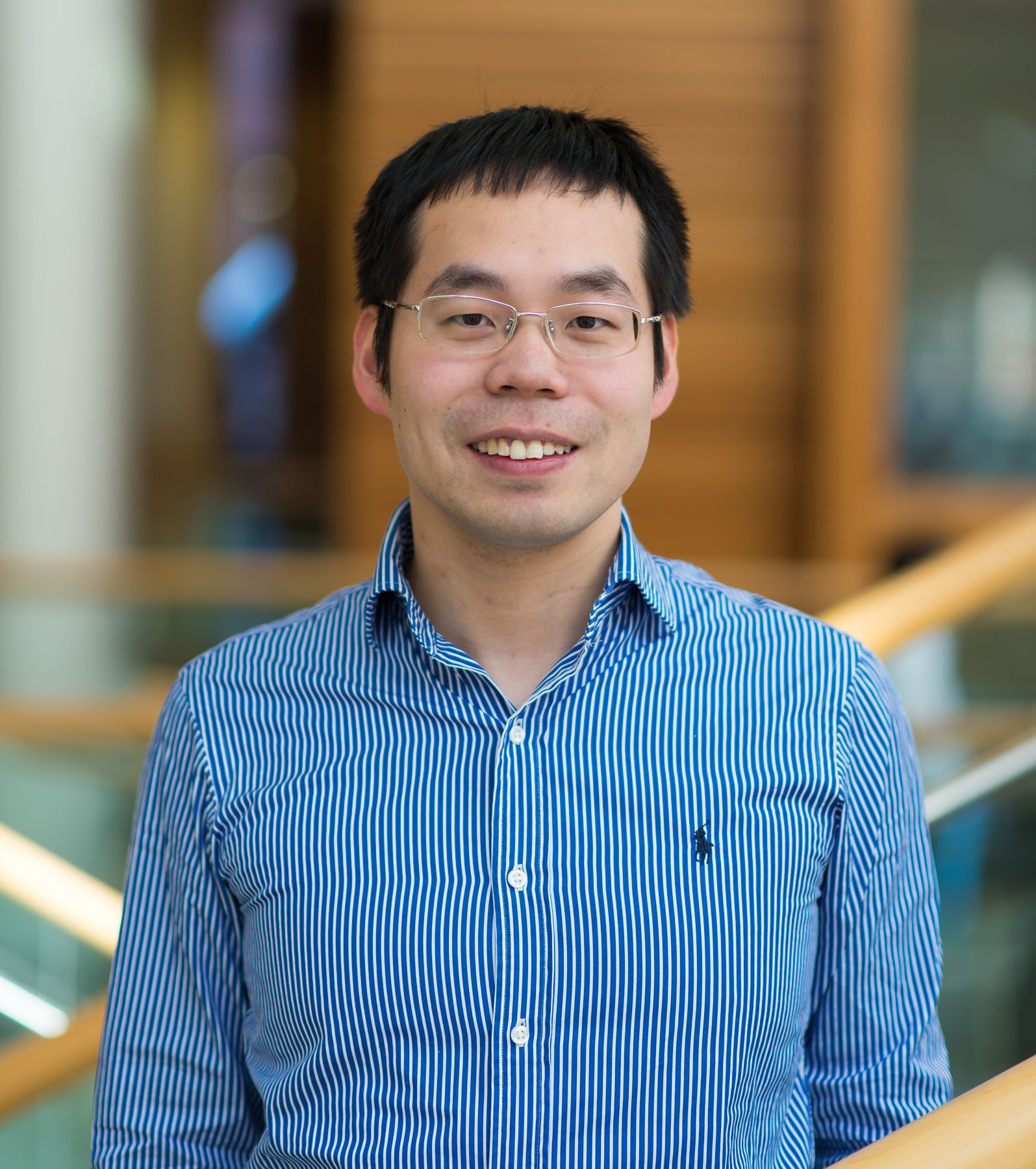
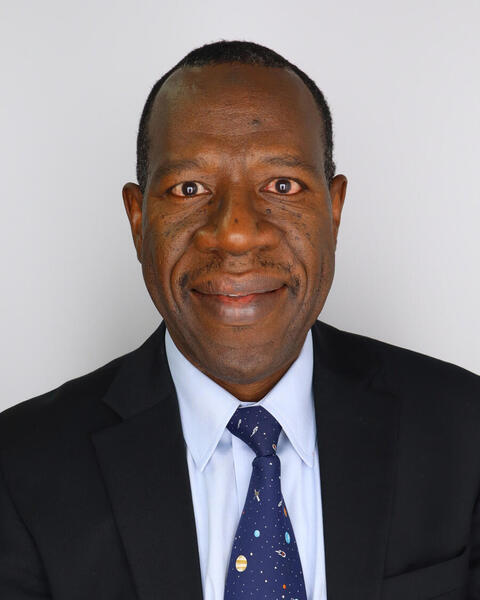
Roger Wainwright is a Professor of Computer Science at The University of Tulsa and the inaugural Computer Scientist in the institution's history. He has chaired the Computer Science discipline for over four decades, contributing extensively to algorithm research and education. Education: Ph.D., M.S., and B.S. in Computer Science and Mathematics from Iowa State University. His research focuses on analysis of algorithms , combinatorial optimization , and evolutionary computation , particularly genetic algorithms. His work addresses complex problems in robotics, network design, and scheduling, emphasizing efficient solutions for large-scale systems. Recent publications highlight trends in autonomous navigation , robot path planning , and multi-population evolutionary algorithms . Keywords span Computer Science , Artificial Intelligence , and Optimization .
Elena Pobezinskaya is a Research Assistant Professor at the University of Massachusetts Amherst in the Department of Veterinary and Animal Sciences . She investigates intercellular communication in immune systems, focusing on molecular and organelle transfer in health, infections, and cancer. Education: MS from Moscow State University; Ph.D. (2002) from Cancer Research Center (Moscow) and Jackson Lab (Bar Harbor, ME). Training: Postdoctoral work in Cell and Cancer Biology Branch. Her research explores how immune cells share information via intercellular transfer, impacting cellular functions. Key areas include microRNA regulation (e.g., let-7), T cell differentiation , apoptosis mechanisms , and retroviral interactions . Publications emphasize animal models , signaling pathways , and immune dynamics in tumors . Notable article trends include the role of let-7 microRNAs in CD8 T cell memory , Th17 differentiation , and anti-tumor responses . She also studies TRADD signaling , mitochondrial thioredoxin , and intercellular transfer in immune regulation .
Brian Cheng is an Associate Professor in the Department of Environmental Conservation at the University of Massachusetts Amherst, focusing on marine ecology and global change impacts. He teaches courses like ENVIRSCI 214 – Ecosystems, Biodiversity, and Global Change and NRC 590M – Marine Ecology . Education: Postdoctoral Fellow, Smithsonian Institution (2014–2017) Ph.D., University of California, Davis (2014) M.S., San Diego State University (2008) B.S., University of California, Santa Barbara (2001) His research bridges oceanography and biology to examine climate change, biological invasions, predator-prey dynamics, and marine protected areas. He employs lab experiments, field observations, and meta-analysis. Recent publications show a focus on marine climate adaptation , invasive species , and thermal physiology across diverse systems—from lobster fisheries to freshwater mussels —with interdisciplinary approaches linking ecosystem function and anthropogenic stressors . Key Collaborations: Co-authored with teams at Smithsonian Institution, UC Davis, and global institutions. Contributed to high-impact journals like Nature Climate Change and Science . He maintains a lab website and Google Scholar profile, emphasizing data transparency ( code and data available for several studies).
Ran Tao is an Associate Professor of Biostatistics at the Department of Biostatistics, Vanderbilt University Medical Center. Their research focuses on advanced statistical methods for genomic and proteomic data analysis, with particular emphasis on pharmacogenetics, polygenic risk prediction, and multi-ancestry genetic studies. Research Highlights : Development of the sleev R package for error-in-variables likelihood estimation Innovative approaches for integrating endophenotypes into polygenic risk scoring (EndoPRS) Leadership in multi-ethnic GWAS studies for breast cancer, kidney disease, and cardiovascular outcomes Expertise in two-phase study designs and longitudinal data analysis Key Collaborations : Works closely with the Million Veteran Program (MVP) and participates in global biobank initiatives. Methodological Interests : Their work spans Mendelian randomization, multi-omics integration, and causal association modeling across diverse populations.
Dr. Abba C. Zubair is a Professor of Laboratory Medicine and Pathology at Mayo Clinic's Florida campus, leading the Stem Cell Therapy Laboratory for over two decades. His work bridges transfusion medicine , regenerative biotherapeutics , and space biology to address age-related diseases and degenerative conditions. Education highlights: PhD in Tumor Immunology from University of Sheffield MSc in Clinical Science at Harvard Medical School Residency in Pathology at University of Pennsylvania Research focuses: Mesenchymal Stem Cells (MSCs) : Neuroprotective mechanisms via IL-6/VEGF signaling, 3D bioreactor expansion, and spaceflight adaptation Extracellular Vesicles (EVs) : Clinical-grade manufacturing and mRNA engineering Clinical Translation : Pioneering MSC delivery through external ventricular drains for intracerebral hemorrhage Scientific recognition: NASA's Exceptional Scientific Achievement Medal for space-based stem cell research Kirschstein NRSA fellowship AACR Scholar Award Clinical contributions: Principal Investigator for two Phase 1 trials on MSC therapy for bronchiolitis obliterans and ICH Director of Transfusion Medicine Service and Stem Cell Processing Laboratory at Mayo Clinic Florida
Mona Batish is an Associate Professor in the Medical & Molecular Sciences department at the University of Delaware's College of Health Sciences. Her research focuses on RNA biology, particularly exploring RNA processing, transport, and localization in health and disease. She investigates the role of coding and non-coding RNAs as diagnostic biomarkers, with a current emphasis on Ewing’s Sarcoma, a pediatric bone cancer. Her work integrates single-molecule imaging and molecular tools to study RNA dynamics. Dr. Batish holds a BSc (Honors), MSc (Honors), and PhD from Panjab University and Rutgers University, respectively. She leads the Batish Lab, which collaborates widely to advance understanding of RNA regulation and EV-mediated communication. Notable achievements include the NIH Director’s Early Independence Award (2012) and tenure (2022). Her research spans RNA trafficking in extracellular vesicles, development of diagnostic assays, and molecular mechanisms of cancer progression. Recent projects include studies on circRNAs in cerebral palsy and HIV-associated RNA packaging. She actively mentors students and contributes to initiatives like the STAR Tower research hub.
Yida An is a Project Instructor at the Butler School of Music, University of Texas at Austin. He holds an Artist Diploma from Butler School of Music (studying with Brian Lewis), a Master of Music from Bard College Conservatory of Music (under Gil Shaham and Adele Anthony), and a Bachelor of Music from Central Conservatory of Music in Beijing (under Xie Haoming). His musical career includes roles as concertmaster of the Bard College Symphony Orchestra and solo performances with renowned conductors like Tan Dun and Leon Botstein. He has collaborated on major venues including Carnegie Hall and Lincoln Center, and organized solo recitals in New York. His performances span classical violin repertoire, chamber music, and orchestral collaborations, emphasizing both traditional and contemporary works. Education history includes Beijing Eastbank Academy of Music (2017-2018) and extensive touring with the Central Conservatory of Music Youth Symphony Orchestra. Notable collaborations include working with composer Joan Tower and participating in the Bard Music Festival. His musical contributions highlight technical mastery and artistic interpretation across diverse genres. While primarily focused on performance, his academic affiliations also involve interdisciplinary research in RNA biology and molecular mechanisms, as evidenced by publications in high-impact journals. These articles explore topics like group II intron mobility, exosome-mediated RNA sorting, and therapeutic applications of RNA sequencing technologies, showcasing a dual expertise in music and life sciences.
Professor Jaap Denissen is a faculty member at Utrecht University's Faculty of Social and Behavioural Sciences , serving as Head of the Developmental Psychology department. His research focuses on transactional personality development, social relationships, and adolescent psychology. Research Interests: Developmental Psychology Personality-environment transactions Emotional and psychological development Adolescent psychopathology Psychometrics and personality assessment Scientific Contributions: 246+ publications Chair in Social and Personality Development Active in Google Scholar research validation Expert commentary in Die Welt (2021)
Luca Pinello is an Associate Professor of Pathology at Harvard Medical School and Massachusetts General Hospital, where he leads a computational biology research group focused on understanding the functional mechanisms of the non-coding genome. His laboratory is situated at Building 149, Room 9019, 13th Street, 6th floor, Charlestown, MA 02129. Dr. Pinello's research spans three major areas: (epi)Genomics, Genome Editing, and Single-cell omics. His work integrates computational approaches with cutting-edge experimental assays to analyze genetic and epigenetic variation affecting gene regulation in development and disease. He has developed several influential computational tools including HAYSTACK for epigenetic variability analysis, CRISPResso2 for genome editing outcome analysis, and STREAM for single-cell trajectory inference. His lab actively contributes to the Human Cell Atlas initiative and maintains an extensive GitHub presence with numerous open-source bioinformatics tools. His laboratory has established itself as a leader in developing accessible computational frameworks that have become standard in the field, particularly for CRISPR analysis where CRISPResso2 is considered the de facto standard in the community. The lab maintains interactive websites for several tools including crispresso2.pinellolab.org and stream.pinellolab.org to facilitate community access to their analytical pipelines.
Toshihide Hige is an Associate Professor at the University of North Carolina at Chapel Hill, affiliated with the Department of Cell Biology & Physiology and the Integrative Program for Biological & Genome Sciences (iBGS) . His research focuses on understanding how neural circuits integrate synaptic plasticity to enable flexible behavioral responses in fruit flies. He holds a Ph.D. from Kyoto University (Japan) and conducted postdoctoral research at Cold Spring Harbor Laboratory and Janelia Research Campus. His lab combines in vivo electrophysiology , two-photon imaging , and genetic tools to study learning and decision-making in Drosophila . Key interests include dopamine circuitry, olfactory conditioning, and the molecular basis of synaptic plasticity. The lab is part of a vibrant neuroscience community in Chapel Hill, collaborating across disciplines. Recent work highlights roles for dopaminergic feedback circuits in value-based decisions (2025), hierarchical architecture enabling second-order conditioning (2023), and synaptic plasticity mechanisms in mushroom body circuits (2015–2024). While no formal awards are listed, his publications reflect sustained contributions to systems neuroscience. Current advisees include Chad Heer (Postdoc) and Debapriya Ghosh (Graduate Student) , with past members spanning postdocs, technicians, and visiting scholars. The lab actively recruits new researchers through the QBio and BBSP programs.
Diane E. Brown is a Clinical Assistant Professor in the Department of Clinical Pediatrics at the Keck School of Medicine of the University of Southern California. Her research focuses on translational pediatrics, rheumatology, and hematology, with a particular emphasis on autoimmune disorders, inflammatory diseases, and comparative medicine. Her work spans juvenile idiopathic arthritis, neuro-oncology, and anemia pathophysiology, utilizing murine and canine models. Key contributions include studies on Tocilizumab therapy, iron homeostasis, and hematologic cancer suppression in mice. While no explicit awards or educational credentials are listed in the provided text, her publications highlight collaborations with institutions like Children's Hospital Los Angeles (CHLA) and the National Cancer Institute (NCI). She has contributed to veterinary toxicologic clinical pathology standards and canine health research. Dr. Brown’s scientific output reflects interdisciplinary work at the intersection of human and animal health, including participation in the Golden Retriever Lifetime Study and the NCI Comparative Brain Tumor Consortium. Her research has implications for translational medicine, linking pediatric and veterinary discoveries.
Cristina Scarpazza is an Associate Professor at the University of Padua, Italy. Her research focuses on cognitive neuroscience, forensic neuroscience, and neuropsychology, with emphasis on emotion recognition, predictive processing, and neuroimaging applications. She leads projects on AI-driven diagnostic tools for brain disorders and legal/ethical implications of neuroscience. Her work bridges clinical, legal, and technological domains. Research interests include: cognitive mechanisms of emotion perception, neuropsychological assessment of offenders, machine learning applications in mental health, and neuroimaging meta-analyses. She has pioneered the EAR test for emotion authenticity and the Neurofind AI framework for brain disorder inference. Her recent work addresses acquired vs developmental forms of paraphilic behaviors and PTSD prevalence analysis. Publications span over 50 peer-reviewed articles in high-impact journals. Key areas include schizophrenia neuroimaging, multiple sclerosis cognitive deficits, and legal neuroscience. Awards and grants include EU-funded projects on forensic neuroimaging and collaborations with international research networks. Advising focuses on interdisciplinary doctoral training in computational neuroscience and legal applications. She is a member of the Italian Society of Neuroscience and contributes to Delphi consensus studies on neuropsychiatric assessment standards.
Róża Przanowska is a Postdoctoral Research Fellow in Biomedical Engineering at the University of Virginia, specializing in non-coding RNAs in cancer and development. Her research focuses on breast cancer heterogeneity using novel organoid models and lncRNA functional studies. She collaborates with Dr. Kevin Janes and Dr. Shayna Showalter on translational projects supported by the National Cancer Institute and UVA Coulter Center grants. Education: PhD in Biochemistry and Molecular Genetics (UVA, 2021), MSc and BSc in Biotechnology from University of Warsaw, with international training at Max Planck Institute (2014) and a Fulbright Scholarship at UVA (2015). Research interests include lncRNA structure-function relationships, tumor heterogeneity modeling, and translational oncology. Her work bridges basic science and clinical applications through organoid-based patient-specific models. Key achievements include developing zero-passage organoids for breast cancer studies, leading to a 2024 Coulter Center award. Her research has been recognized with over 20 awards including the NCI F99/K00 fellowship (2020-2025) and multiple institutional awards for research and leadership. Grants include NIH K00CA253732 studying lncRNA heterogeneity in ER+ breast cancer, and Coulter funding for organoid-based clinical trial support (POWER II). She also contributed to the Hamlin Lecture Series and taught in the Biomedical Sciences Summer Prep program (2018-2020). Her lab focuses on cancer systems biology, with collaborations in tumor organoid development and molecular mechanisms of lncRNA-driven heterogeneity. Current efforts aim to translate organoid models into clinical decision tools for breast cancer therapies.
Eamon Coughlan is a Research Fellow in the Department of Biochemistry & Molecular Biology at Monash University. His research focuses on developmental neurobiology, particularly the role of Hox genes in neuronal subtype regionalization and spinocerebellar circuit formation. Recent work extends to immunogenetic studies on severe COVID-19 pathogenesis. Education details are not explicitly stated in the provided texts. His research interests bridge developmental genetics and molecular mechanisms underlying neural circuit assembly, with recent explorations into host immunity via TLR7 variant analyses. Publications span from foundational Hox code studies in 2017 to 2024 analyses linking genetic variants with severe viral infections. No formal awards or grants are listed in the source data, though his work has been highlighted on platforms like Mendeley and Reddit.
Beth Ann Lazazzera is a Professor and Department Chair of the Life Sciences Core Curriculum Program at the University of California Los Angeles (UCLA), within the College of Letters and Science and the Department of Microbiology, Immunology, and Molecular Genetics (MIMG). She has been a faculty member at UCLA since 1999, contributing significantly to both research and teaching in the life sciences. Dr. Lazazzera earned her B.S. in Microbiology from the University of Massachusetts, Amherst in 1989, followed by a Ph.D. in Bacteriology from the University of Wisconsin, Madison in 1995. She completed her postdoctoral training in Microbiology at the Massachusetts Institute of Technology in 1999. Her research focuses on bacterial social behavior and evolution, particularly on how Gram-positive bacteria communicate using peptide signals and form biofilms. Her laboratory has identified key mechanisms of bacterial communication and biofilm formation, and is currently collaborating on developing methods to disrupt biofilms on orthopedic devices. A significant finding from her work shows that disruptions in translational quality control pathways lead to higher mutation rates, which contributes to increased antibiotic resistance development. Her research spans molecular microbiology, bacterial genetics, and the intersection of translation fidelity with bacterial social behaviors. Analysis of her recent publications reveals a strong focus on biofilm research, translational quality control, and bacterial communication systems. Her work connects fundamental molecular mechanisms with potential clinical applications, particularly in combating bacterial infections and antibiotic resistance. The research spans from basic molecular studies in model organisms like Bacillus subtilis to applied research on pathogens like Staphylococcus aureus and Vibrio cholerae. Dr. Lazazzera has received numerous scientific awards throughout her career, including: National Institutes of Health Predoctoral Fellowship (1990-1993) Herman Smythe Award from the University of Wisconsin, Madison (1994) Damon Runyon-Walter Winchell Foundation Postdoctoral Fellowship (1996-1999) Damon Runyon-Walter Winchell Foundation Alternate for Scholar Award (2000) She has secured significant research funding, including NIH, NSF, and Army Research Office grants. Her current research projects include studying electromagnetic field effects on biofilms, translational quality control in microbial systems, and peptide signaling mechanisms in bacteria. As an educator, she has taught 'Introduction to Microbiology' (MIMG101) from 2001-2018 and the introductory biology course LS7A, 'Cell and Molecular Biology' since 2019. She has held leadership roles as past Vice Chair of Undergraduate Education in MIMG, past-Chair of the Academic Senate Undergraduate Council, and is currently the Chair of the Life Science Education Department.