Lex Nederbragt is an Associate Professor at the University of Oslo , affiliated with the Faculty of Mathematics and Natural Sciences and the Centre for Ecological and Evolutionary Synthesis . His work bridges genomics , bioinformatics , and STEM education , focusing on integrating computational methods into bioscience teaching. Email: lex.nederbragt@ibv.uio.no Phone: +47 22844132 Room: 3404 Lex specializes in genomics , particularly teleost fish genetics , genome assembly , and bioinformatics tool development . His research explores evolutionary biology , including immune gene evolution , hybrid speciation , and horizontal gene transfer . He also advances computational education through active learning , reverse instructional design , and Software Carpentry . His recent publications address graph-based genome analysis , genomic repeat landscapes , and pedagogical strategies . He received the Olav Thon Foundation national award for excellence in teaching (2025) and was recognized as a Merittert Utdanner (2023). Co-developer of tools like NucBreak , NucDiff , and khmer . Key contributor to Atlantic cod and grayling genome projects.
Valerie Polonais is a Researcher affiliated with the IUT Clermont Auvergne at Université Clermont Auvergne . Her research focuses on microbial genomics, particularly the study of microsporidian pathogens, with emphasis on genome annotation workflows, protein localization, and comparative genomics. She has contributed to understanding the genetic mechanisms of these obligate intracellular parasites through analysis of model organisms like Drosophila melanogaster. Key research themes include: Microbial genome sequencing and annotation Host-pathogen interactions at molecular level Evolutionary genomics of minimal eukaryotic organisms Development of bioinformatics tools for genomic analysis Her work bridges fundamental microbiology with computational approaches, addressing both basic science questions and potential applications in infectious disease research. Recent studies emphasize functional characterization of polar tube proteins and genomic features of parasitic microbes.
Małgorzata Adamczyk is an Associate Professor at the Chair of Drug and Cosmetics Biotechnology within the Faculty of Chemistry at Warsaw University of Technology. She holds a D.Sc. and has held academic roles since 2003, including postdoctoral research at the Institute of Biochemistry and Biophysics (Polish Academy of Sciences) and research positions at the University of Manchester and the Central Institute for Labour Protection. Her research focuses on systems biology, microbial genetics, and metabolic regulation, particularly exploring RNA polymerase III activity's role in cellular metabolism, plasmid stability mechanisms, and protein-DNA interactions. She leads the Systems Biology and Synthetic Biology Lab and has published over 40 peer-reviewed articles, contributing to fields like tRNA modifications, mitochondrial dysfunction, and antibiotic resistance. Her work integrates experimental and computational approaches, with notable achievements including 1 patent, 7 research projects, and international collaborations. Education includes a PhD in biochemistry and molecular biology from the Institute of Biochemistry and Biophysics (2003), an MBA in innovation strategy from UC Berkeley (2013), and a Master's in biotechnology from Warsaw University of Life Sciences (1997). She has supervised numerous theses and actively participates in academic activities such as editorial roles and conference organizing. Awards include a Scopus h-index of 12 and WoS h-index of 12, reflecting her impactful contributions to biotechnology and microbiology.
Alastair Kerr is a Senior Research Specialist and Group Leader at the Department of Medicine, Huddinge, Karolinska Institutet. His research focuses on elucidating how long noncoding RNAs (lncRNAs) regulate lipid metabolism and contribute to cardiometabolic disease in adipocytes. He leads the Long noncoding RNA in the adipocyte research group, which integrates human adipose tissue biopsies, population genetics, and advanced molecular tools like CRISPRi/a and his novel TROOPS method to study lncRNA functions. Education & Career PhD in Molecular Biology (University of Oxford, 2017) Postdoctoral studies at Karolinska Institutet (2017–present) Research Highlights He discovered the lncRNA ADIPINT, which modulates pyruvate carboxylase activity to regulate triglyceride synthesis. His lab investigates lncRNA roles in lipid droplet metabolism and develops methods like TROOPS for high-throughput lncRNA interactome analysis. Current work links genetic variants in lncRNAs to metabolic dysfunction. Awards & Funding Swedish Research Council grants Novo Nordisk Foundation support ERC Starting Grant (2024) Laboratory Team Jordi Mengual Martí (Research Assistant) Katharina Schormair (PhD Student) Bingran Xie (Postdoctoral Researcher) Opportunities Open positions for students and researchers; contact alastair.kerr@ki.se for inquiries.
Dr. Todd Lamitina is an Associate Professor of Pediatrics and Cell Biology at the University of Pittsburgh. His research focuses on stress response pathways and neurodegenerative diseases using the model organism C. elegans . He holds a PhD in Cell and Molecular Biology from Emory University (2002). His lab is funded by the NIH and offers positions for postdocs, students, and technicians. Visit his lab’s website: Lamitina Lab . Education: PhD in Cell and Molecular Biology, Emory University, 2002 Research Interests: Dr. Lamitina’s work spans two main areas: the molecular genetics of osmotic stress responses and the development of C. elegans models for neurodegenerative diseases like Huntington’s and ALS. His lab has identified novel pathways, including roles for the extracellular matrix and O-GlcNAc transferase in stress responses, and has explored mechanisms of toxicity from repeat expansions in non-coding regions. These studies aim to uncover therapeutic targets for currently incurable diseases. Recent publications highlight his lab’s exploration of stress response pathways and neurodegenerative mechanisms. Key areas include the role of SPOP in C9orf72 toxicity, OGT’s role in hypertonic stress, and polyQ-independent toxicity from repeat expansions. These studies underscore the lab’s focus on translational research and conserved mechanisms across species. Advising and Funding: Dr. Lamitina’s lab is supported by NIH grants. Current opportunities are available for trainees across postdoc, student, and technician roles. Labs/Teams: The Lamitina Lab uses C. elegans models to study stress responses and neurodegenerative diseases. They collaborate on projects funded by the NIH and aim to translate findings into therapeutic strategies.
Dr. Lena Constantin is a Postdoctoral Research Fellow at The University of Queensland's Frazer Institute. Her research focuses on neurodevelopmental mechanisms, genetic regulation in cerebellar development, and plant genomics. She has contributed to studies on microRNA roles in autism spectrum disorder, zebrafish models of Fragile X syndrome, and genome assembly of citrus and macadamia species. Education: PhD in Molecular Biosciences (2011) from The University of Queensland's Institute for Molecular Bioscience. Research Themes: Combines molecular genetics with neuroscience to investigate developmental disorders. Recent work includes auditory processing in rodent autism models and methodological advancements in flow cytometry for plant genome analysis. Publications: Over 15 peer-reviewed articles across neuroscience, genetics, and plant science. Notable contributions include brain-wide auditory network studies and genome sequencing projects. Labs/Teams: Collaborates within the Frazer Institute's translational research framework, contributing to cross-disciplinary teams in genomics and neurobiology.
Xuan Wang is an Assistant Professor in the Department of Computer Science at Virginia Tech, affiliated with the Sanghani Center for Artificial Intelligence and Data Analytics. She holds a Ph.D. in Computer Science from the University of Illinois at Urbana-Champaign (UIUC), with additional M.S. degrees in Statistics and Biochemistry from UIUC, and a B.S. in Biological Science from Tsinghua University. Her research focuses on Natural Language Processing (NLP), Data Mining, AI for Sciences, and AI for Healthcare, emphasizing applications in complex reasoning with LLMs, multi-modal science foundation models, and healthcare informatics. Her work has been recognized through awards including the Nvidia Academic Grant (2025), Cisco Research Award (2025), and NSF NAIRR Pilot Award (2024-2025). She has organized workshops at ACL, VL/HCC, and ICDM, and serves on program committees for top conferences like NeurIPS, EMNLP, and KDD. Xuan's research spans scientific text mining (e.g., knowledge extraction from biomedical literature), multi-agent LLM systems for clinical triage, and foundational models for multi-omics data analysis. Her lab actively collaborates with institutions like Children’s National Hospital and the Fralin Biomedical Research Institute, with funding from NSF, CCI, and industry partners. Education: Ph.D. in Computer Science, UIUC (2022) M.S. in Statistics, UIUC (2017) M.S. in Biochemistry, UIUC (2015) B.S. in Biological Science, Tsinghua University (2013) Grants & Awards: NVIDIA Academic Grant (2025) – Small LLM Agent Systems Cisco Research Award (2025) – Complex Reasoning with LLMs NSF NAIRR Pilot (2024-2025) – Multi-omics Analysis Lab & Teams: Wang Lab focuses on AI-driven biomedical research, including single-cell omics analysis, brain signal interpretation, and LLM-based scientific discovery. Collaborations include the Virginia Tech Presidential Postdoctoral Fellowship program and industry initiatives like the Amazon + VT Center for Efficient ML.
Roles and Affiliations: Drew Endy is an Associate Professor of Bioengineering at Stanford University and holds courtesy Senior Fellow positions at the Hoover Institution and the Freeman Spogli Institute for International Studies. He is also a member of Bio-X and currently chairs the Committee on Undergraduate Admissions & Financial Aid. Endy co-directs degree programs at the d.school and serves on multiple administrative and advisory boards, including the Defense Innovation Board and WHO's Variola Virus Research Committee. Education: PhD in Biotechnology & Biochemical Engineering (Dartmouth, 1998), MS in Environmental Engineering (Lehigh, 1994), BS in Civil Engineering (Lehigh, 1992). Research Interests: Endy's work focuses on synthetic biology, including foundational standards for bio-measurements, whole-cell modeling, and applications in unconventional organisms (e.g., wood fungi, skin microbes). He explores genome recoding and biosecurity strategies, while advocating for ethical biotechnology use in conservation and public policy. Recent Article Trends: Recent publications span microbial response to environmental signals, tRNA engineering, colloidal physics in cellular processes, and synthetic biology's role in biodiversity conservation. These studies highlight interdisciplinary approaches to biotechnology innovation and ethical governance. Awards: Honors include the 2017 Honorary Doctorate from TU Delft, 2009 Esquire's 75 Most Influential People, and multiple fellowships recognizing his contributions to bioengineering and policy. Advising & Grants: Endy advises numerous graduate students in bioengineering and public policy. His lab collaborates on projects funded by Stanford's Data Science Initiative and federal agencies, focusing on safety, ethics, and biotechnological applications. Labs & Teams: Leads the Endy Lab at Stanford, emphasizing open science and community standards. Collaborates with iGEM, BioBricks Foundation, and other initiatives to advance synthetic biology education and global research.
Christian Hackenberger is a Leibniz-Humboldt Professor of Chemical Biology at Humboldt University and Head of the Chemical Biology II Department at the Leibniz-Forschungsinstitut für Molekulare Pharmakologie (FMP) . His research centers on synthetic methodology development for natural protein modifications, with applications in biomedicine and drug delivery systems like antibody-drug conjugates (ADCs). Education: University of Freiburg RWTH Aachen University of Wisconsin/Madison (USA) The Hackenberger Group focuses on creating chemoselective bioconjugation reactions to study functional consequences of protein modifications and develop pharmaceutical applications. Their work spans organic synthesis, biochemistry, and biophysics, with a particular emphasis on Staudinger-phosphite/phosphonite reactions and cell-penetrating peptides (CPPs). Recent publications highlight advancements in ethynyl-phosphonamidate peptides for protein delivery, fluorogenic glycan labeling for cell surface imaging, and hydrophilic electrophiles for ADCs . Collaborative efforts with Tubulis GmbH, a company he founded, focus on cancer therapeutics. Scientific Awards: Max Bergmann Medal 2024 Hackenberger actively mentors 13 PhD students and PostDocs , with projects covering topics from tau protein nanobodies to asymmetric organocatalysis . Grants include funding from the German Research Foundation (DFG) , BMBF , and the European Union's Horizon MSCA program .
Jelke Fros is an Assistant Professor at Wageningen University & Research, specializing in virology and mosquito-borne viral interactions. His research focuses on flaviviruses (e.g., West Nile, Zika, Chikungunya), RNA interference mechanisms, and antiviral protein dynamics. Research Outputs: Over 33 publications, including key contributions to understanding viral genome evolution, xenobiology, and neuroinflammatory impacts of Japanese encephalitis virus. Projects: Co-supervises PhD candidates in studies on arthropod-borne virus transmission, single-cell resolution analysis, and synthetic virology for genetic code expansion. Awards: Recipient of the 2020 Beijerinck Prize for virology research. Collaborations: Active in interdisciplinary networks exploring host immunity evasion, antiviral protein engineering, and mosquito-virus co-infection dynamics. Research Trends: His recent work emphasizes RNA interference in mosquito cell lines DNA methylation effects on blood-brain barrier permeability Evolutionary virology Antiviral protein modulation (e.g., ZAP) Synthetic biology applications in virology Co-infection dynamics in Culex pipiens mosquitoes Scientific Awards Beijerinck Prize (2020)
Dr. Sergey Melnikov is a researcher at Newcastle University, focusing on molecular biology, structural biology, and evolutionary biology, with particular expertise in ribosome structure, protein synthesis, and genetic code expansion. His work spans bacterial, archaeal, and eukaryotic systems, exploring how ribosomal proteins and tRNAs adapt across organisms. Key research areas: Ribosome heterogeneity, translation fidelity, genome decay, and synthetic biology Collaborations: Robert Hirt, Arnaud Basle, Karla Helena Bueno, and others Publications highlight structural insights into ribosomal proteins, error-prone translation in parasites, and engineering of aminoacyl-tRNA synthetases. Recent studies address natural variation in ribosomal drug-binding sites and hibernation factors in bacterial survival.
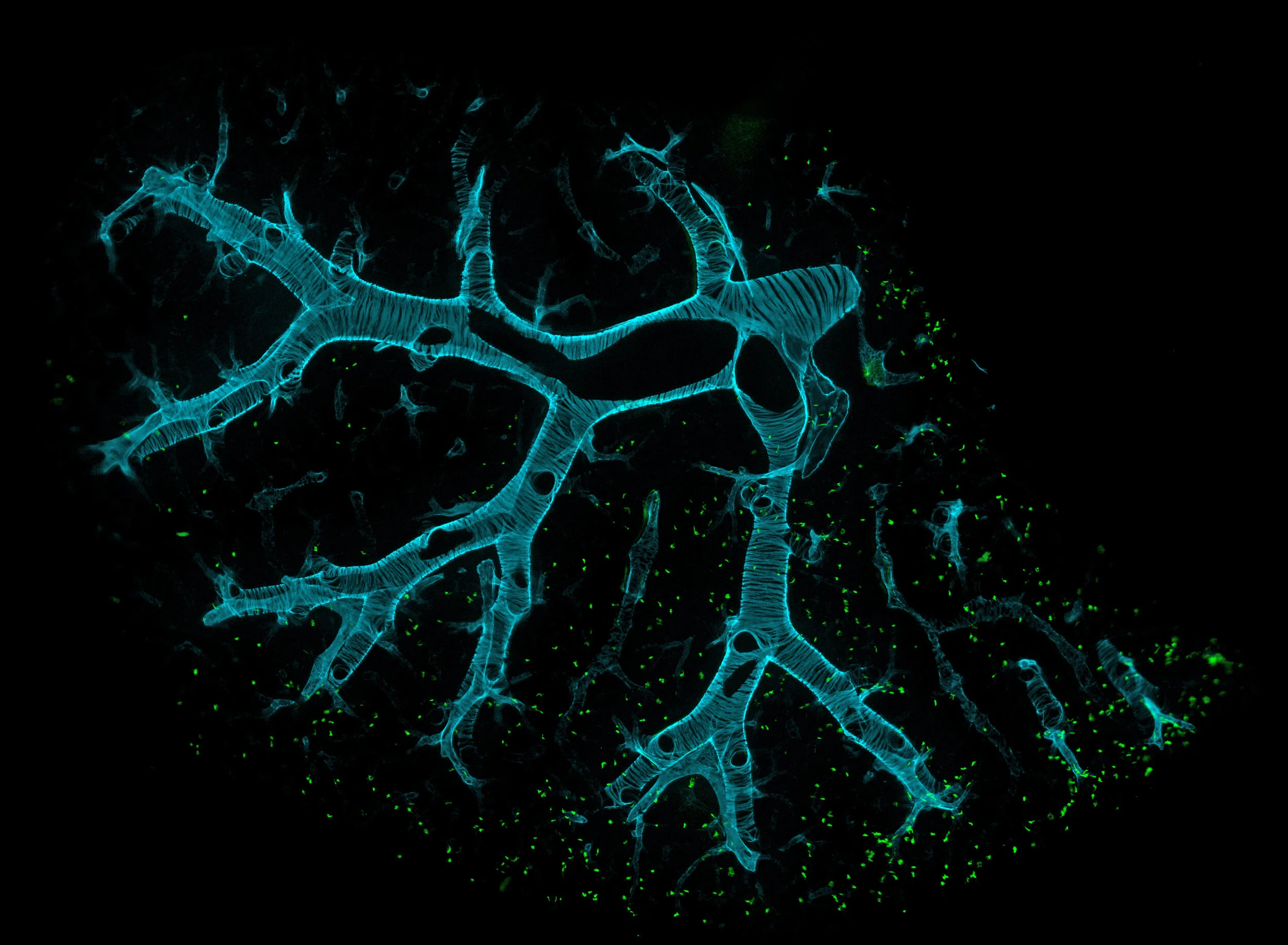
Joshua D. Wythe is an Associate Professor in the Department of Cell and Developmental Biology at the University of Virginia School of Medicine. His research focuses on the molecular and genetic mechanisms underlying cardiovascular development and cerebrovascular pathologies, with a particular emphasis on endothelial cell differentiation and brain vascular diseases such as arteriovenous malformations and glioblastoma. He leads the Wythe Lab, which utilizes zebrafish and mouse models combined with bioinformatics, functional genomics, and 3D imaging to investigate blood vessel formation and dysfunction. BA in History, Miami University BS in Botany, Miami University PhD in Oncological Sciences / Cardiovascular Development, University of Utah School of Medicine Postdoctoral Fellowship in Cardiovascular Development and Disease, University of California, San Francisco Dr. Wythe's research interests span cardiovascular biology, developmental biology, transcriptional regulation, and translational science. His lab investigates how transcriptional networks govern endothelial plasticity, the role of RAS/MEK/ERK signaling in brain arteriovenous malformations, and novel therapeutic targets in glioblastoma. The work integrates molecular genetics, imaging, and bioinformatics to understand both normal vascular development and pathological conditions. The recent publications reflect a strong trend in vascular development, disease modeling, and technological innovation. Key themes include transcriptional control of endothelial identity, signaling pathways in vascular malformations, and advanced imaging techniques for 3D tissue visualization. The research spans from basic developmental mechanisms to translational applications in brain cancers and cerebrovascular disorders. Dr. Wythe actively mentors graduate students, postdoctoral fellows, and undergraduates, fostering a collaborative and interdisciplinary research environment. His lab is currently recruiting researchers with expertise in developmental biology, genomics, bioinformatics, and imaging. Funding supports multiple projects aimed at uncovering transcriptional regulators essential for cardiovascular function and disease. The Wythe Lab is equipped to conduct cutting-edge research using genetically modified animal models, single-cell analyses, and advanced microscopy. The team develops and shares resources such as FishNET for zebrafish colony management and EZ Clear for tissue clearing, contributing to the broader scientific community.
Brecht Vermeulen is a Postdoctoral Researcher at Ghent University's Faculty of Engineering and Architecture, Department of Information Technology. He works within the Internet Technology and Data Science Lab, focusing on networking, video quality assessment, and energy-efficient systems. Research Areas: Quality of Experience (QoE), Dynamic Spectrum Sharing, Video Coding, Interoperability Testing, Federated Experimentation. Key Collaborations: IMEC, FIRE initiative, EU-US/South Korea partnerships. Research Focus: Vermeulen's work spans scalable video coding, distributed CORBA monitoring, and energy efficiency in telecommunications. He applies genetic programming to video quality metrics and explores AI-driven radio systems for spectrum sharing. Publication Trends: His recent articles address zero vulnerability computing hypotheses, healthcare robotics during pandemics, and federated testbed architectures. Earlier works focus on QoE for video, thin client power efficiency, and tunnel setup mechanisms.
Rochelle Cooper Dreyfuss is the Pauline Newman Professor of Law at New York University School of Law, where she has taught since 1983. She specializes in intellectual property law, focusing on patent, copyright, and trademark issues, and has held visiting positions at institutions including Cambridge University as the Arthur Goodhart Visiting Professor in Legal Science (2019-20). Her research explores global IP governance, TRIPS Agreement dynamics, innovation policy, and the intersection of intellectual property with health and technology. She has authored influential books like *Intellectual Property: Cases and Materials* and contributed to projects such as the American Law Institute’s Principles on Transnational IP Disputes. Her work addresses challenges like genetic patenting, access to medicines, and the balance between wealth creation and public health. Dreyfuss has advised international organizations and served on editorial boards of leading journals, including *The Journal of World Intellectual Property*. She is also director of NYU’s Engelberg Center on Innovative Law & Policy.
Oscar P Kuipers is a Professor at the University of Groningen, affiliated with the Faculty of Science and Engineering and the Department of Molecular Genetics. He holds leadership roles as Head of Molecular Genetics and Scientific Director of CeSAM (Center for Sustainable AntiMicrobials). His research focuses on molecular genetics, microbiology, and biotechnology, particularly in antimicrobial peptides, microbial signaling, and genetic engineering. Key activities include advising on academic integrity and scientific roles at Omnicin Therapeutics and the Netherlands Antibiotic Development Platform. Research interests emphasize the design and biosynthesis of antimicrobial agents, genetic code expansion for controlled metabolite production, and microbiome interactions impacting health. Recent work explores engineered peptides like nisin analogues and lanthipeptides from Clostridium species. Collaborations span drug development, microbial ecology, and metabolic disease mechanisms. He has contributed to over 500 publications, with recent articles addressing peptide engineering, bacterial regulatory circuits, and ecosystem-based natural product discovery. His work bridges fundamental research and applied solutions for antibiotic resistance and sustainable biotechnology.