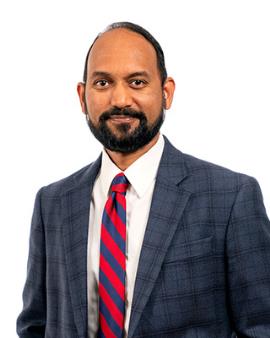
William A. Faubion, Jr.View profile
Professor
William A. Faubion, Jr., M.D., is a Professor of Pediatrics, Immunology, and Medicine at Mayo Clinic, where he serves as Dean of Research for Mayo Clinic in Arizona (2022–present) and Michael S. and Mary Sue Shannon Family Director of the Center for Regenerative Biotherapeutics (2024–present). He holds primary appointments in the Division of Gastroenterology and Hepatology (Department of Internal Medicine) and joint appointments in Pediatric Gastroenterology and Immunology. His clinical and research work is centered at Mayo Clinic in Phoenix, Arizona. Dr. Faubion earned his M.D. from the University of Texas Health Science Center, completed residency in Internal Medicine/Pediatrics at UT Houston, and pursued fellowship training in gastroenterology at Mayo Clinic and Harvard Medical School. He also conducted research in the Laboratory of Dr. Cox Terhorst at Beth Israel Deaconess Medical Center. His research focuses on the pathophysiology of inflammatory bowel disease (IBD), particularly Crohn’s disease and ulcerative colitis. Key areas include the epigenetics of T-cell fate decisions, T regulatory (Treg) cell biology, cell therapy for IBD, clinical trial design, and systems biology approaches. His lab uses omic technologies, cell lines, animal models, and a large IBD biobank to identify molecular signatures and develop precision therapies. Notably, his work on cell therapy for fistulizing disease has led to clinical breakthroughs. Analysis of his recent publications reveals a strong emphasis on immunology, epigenetics, and translational gastroenterology. Themes include Treg immunotherapy, metabolic reprogramming in T cells, machine learning in infection prediction, and molecular mechanisms of IBD. His work integrates basic science with clinical application, often leading to phase 1 and phase 2 clinical trials. Team Science Award, Mayo Clinic, 2017 Dr. Faubion leads an NIH-funded laboratory and multiple research projects, including grants from the National Institute of Allergy and Infectious Diseases and the National Institute of Diabetes and Digestive and Kidney Diseases. He has mentored numerous trainees through NIH-funded programs such as the P and F Program. His lab, the Immuno-Epigenetics Laboratory, has translated findings into five completed phase 1 trials and is involved in an ongoing phase 2 trial. He also leads a large IBD patient registry to support translational research. His research is supported by key centers including the Center for Regenerative Biotherapeutics, Center for Individualized Medicine, Center for Cell Signaling in Gastroenterology (C-SiG), and the Clinical Immunology and Immunotherapeutics Program. He collaborates extensively across immunology, gastroenterology, and regenerative medicine.