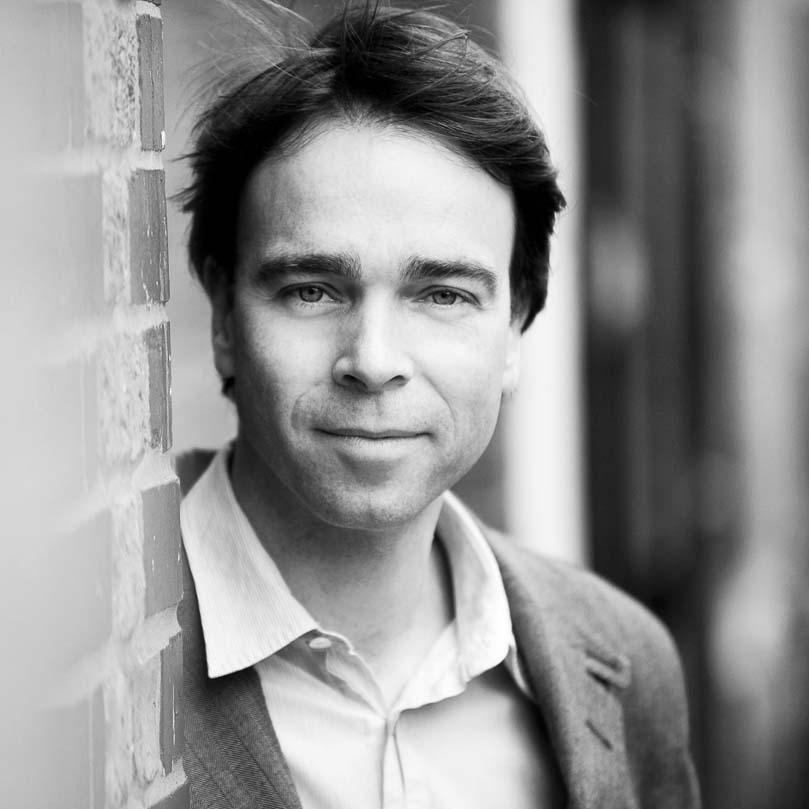
Dr. Kieran O'Halloran is a Reader in Applied Linguistics at King's College London, based in the School of Education, Communication & Society within the Faculty of Social Science & Public Policy. He holds a BA from the University of Cambridge and a PhD in Applied Linguistics from University College London. His research focuses on critical thinking, posthumanism, and digital pedagogy, integrating corpus linguistics and posthumanist theory. Key interests include creative teaching methods, digital text analysis, and the intersection of technology with education. He teaches modules such as 'Critical Posthumanism, Digital Data' and 'Film, Poetry, Style' in the BA English Language and Linguistics program. O'Halloran's work emphasizes innovative approaches to literary interpretation using AI and digital tools, as seen in his recent articles on AI-driven creative analysis and posthumanist stylistics. He leads initiatives like the King’s Festival of Artificial Intelligence, exploring AI's role in education and creativity. His research is affiliated with the Research Centre for Language, Discourse & Communication, focusing on descriptive linguistics and applied linguistic practices. Publications include books like Posthumanism and Deconstructing Arguments (2017) and Posthumanism and Corpus Linguistics (2022), alongside peer-reviewed articles in Language and Literature and Discourse, Context & Media . His pedagogical contributions highlight digital literacy and creative problem-solving in higher education.
Ryszard Lenczewski is a distinguished Professor of Film Art at The Leon Schiller National Higher School of Film, Television and Theatre in Łódź, where he has served as a lecturer at the Cinematography Department since his graduation in 1974. He held the position of Vice-Dean from 2008 to 2014 and has been instrumental in shaping generations of Polish cinematographers. As a member of prestigious film organizations including the Society of Cinematographers (PSC), the European Film Academy (EFA), the British Academy of Film and Television Arts (BAFTA), and the American Academy of Motion Picture Arts and Sciences (AMPAS), Lenczewski has established himself as a significant figure in international cinema. Lenczewski's research and creative interests span cinematography, film art, documentary filmmaking, visual storytelling, and camera techniques. His extensive filmography demonstrates mastery across feature films, documentaries, and television productions, with notable works including the Oscar-winning film "Ida" (2013) where he served as cinematographer. His approach combines technical precision with profound artistic expression, emphasizing visual narrative and emotional depth through innovative camera work and lighting techniques. Throughout his career, Lenczewski has supervised numerous student films, guiding emerging talent in cinematography techniques and visual storytelling. His pedagogical approach emphasizes hands-on experience and creative experimentation, reflected in the diverse range of student projects he has mentored from 2013 through 2025. 2013 Decoration Silver Medal for Merit to Culture - Gloria Artis 2015 Golden Camera 300 Lifetime Achievement Award at the Manaki Brothers Film Festival 2018 Gold Medal "Gloria Artis - For Merit to Culture" 2019 "Golden Glan" award from Charlie cinema in Łódź 2020 Society of Cinematographers (PSC) Lifetime Achievement Award 2022 Polish Filmmakers Association Award 2024 Silver Cross of Merit Lenczewski's creative output reveals a consistent exploration of visual narrative techniques, with recent student projects focusing on experimental cinematography, sensory film experiences, and innovative approaches to time, space, and emotion in visual storytelling. His work demonstrates mastery across documentary, feature film, and educational contexts, establishing him as a versatile and influential figure in contemporary cinematography.
Anna Weinstein is an Associate Professor of Screenwriting in the Department of English at Kennesaw State University, where she coordinates the Graduate Certificate in Screen & Television Writing. She is a core faculty member in the Master of Arts in Professional Writing program and an affiliated faculty member in the Gender and Women's Studies program. Her educational background includes an M.F.A. in Creative Writing & Writing for the Performing Arts from the University of California, Riverside, and a B.A. in Speech Communication from the University of North Carolina, Chapel Hill. Anna's research focuses on screenwriting, women's representation in film and television, and industry studies. Her creative work includes developing a limited series on Georgian author Lillian E. Smith and adapting 'The Jack Tales' for film. She frequently explores contributions of women both in front of and behind the camera, advancing critical discourse on gender in media. Analysis of her recent publications reveals a consistent emphasis on female-driven narratives and global women directors. Her work predominantly features interviews with filmmakers and critical analyses of women's roles in cinema history, highlighting diverse voices and underscoring her commitment to documenting underrepresented perspectives in screenwriting and media studies. Anna Weinstein serves as Secretary for the Screenwriting Research Network (2022-2024) and Co-chair of the Film Area for the Popular Culture Association (2021-present). As Coordinator of the Graduate Certificate program, she mentors students in screenwriting and professional writing, fostering next-generation media creators through curriculum development and personalized guidance.
Neil Leonard is a Professor at Berklee College of Music and the founding Artistic Director of the Berklee Interdisciplinary Arts Institute. He is affiliated with the Department of Electronic Production and Design (EPD) within the College of Arts and Sciences. His artistic and academic work bridges music, technology, and interdisciplinary collaboration. Ph.D. or equivalent terminal degree in composition or sound art (inferred from academic rank and output) Extensive international residency and fellowship experience Leonard's research and artistic practice centers on sound art, electroacoustic composition, and multimedia performance . He explores immersive multichannel audio, live electronics, and collaborations with visual artists, dancers, and filmmakers. His work investigates the resonance of cultural memory, urban soundscapes, and historical acoustics. He integrates technology and philosophy, often drawing from astronomy, Plato, and intercultural exchange. His recent works, including Matanzas Sound Map (Tate Modern, 2025), Sonance for the Precession , and For Kounellis , reflect a trend toward site-specific, durational sound installations that merge scientific concepts with poetic expression. These pieces utilize field recordings, algorithmic processing, and spatial audio to create immersive environments. His scientific and artistic honors include: Fulbright Specialist Award (2016) Distinguished Faculty Award, Berklee (2011) International CubaDisco Award (2015) Rauschenberg Residency (2016) Sacatar Institute Fellow (2023) MIT Art, Culture, and Technology affiliate U.S. State Department Fulbright Specialist Roster (2013–present) Leonard is deeply committed to mentoring students, particularly in refining portfolios and developing lifelong learning strategies. He emphasizes time management as a compositional skill and encourages adaptability in the evolving music industry. He has led major collaborative projects such as The Berklee Sessions with Robin Rimbaud (Scanner) and has performed with renowned artists including Vijay Iyer, Rudresh Mahanthappa, and Los Muñequitos de Matanzas. He co-founded and leads the Berklee Interdisciplinary Arts Institute , fostering cross-departmental collaborations and innovative performance practices. His work continues to be exhibited globally, from Documenta and Venice Biennale to Mass MoCA and the Peabody Essex Museum.
Lucy McRae is a multidisciplinary artist, filmmaker, inventor, and "body architect" based in Los Angeles. She serves as a visiting professor at the Southern California Institute of Architecture (SCI-Arc) where she co-directs a futures incubator. Recognized as a Young Global Leader by the World Economic Forum and a TED Fellow, McRae leads an art-research studio investigating how emerging technologies impact human evolution. Her work has been exhibited at prestigious venues including the Venice Biennale, Centre Pompidou, Science Museum London, and National Gallery of Victoria. McRae's research explores the intersection of science, technology, and the human body, with particular focus on: Future technologies and their impact on human evolution Speculative reproductive technologies and artificial wombs Genetic engineering ethics and implications Human intimacy in technological futures Emotional technologies and comfort devices Body architecture and science fiction prototyping Her artistic practice creates "prophetic aesthetics" that generate "nostalgia for a future about to happen," diversifying the predictive voices in science and technology through designed hypothetical worlds. McRae uses speculation as a tool to provoke exploration of ideologies and ethics about human evolution. Her notable works include Heavy Duty Love (Venice Biennale), Future Survival Kit , Compression Carpet , and Solitary Survival Raft , which explore themes of human touch in increasingly digital worlds and potential future reproductive technologies. Her major recognitions include: Young Global Leader, World Economic Forum TED Fellow McRae collaborates extensively with institutions and brands, serving as a futurist consultant to Hollywood productions (including Blade Runner 2099), and working with organizations including MIT, NASA, Aesop, Adidas, Nike, Adobe, Intel, and BMW Mini. Her studio functions as a research incubator exploring speculative futures through art, film, and conceptual fashion. Based in Los Angeles, McRae's studio operates at the intersection of art, science, and technology, creating immersive installations and prototypes that engage the public in critical dialogue about emerging technologies and their implications for human evolution and society.
Max Schleser is Associate Professor in Film and Television at Swinburne University of Technology, where he also conducts research with the Centre for Transformative Media Technologies (CTMT). He is an Adobe Creative Educator Innovator, Founder of the Mobile Innovation Network & Association (MINA), and Screening Director of the International Mobile Innovation Screening & Festival. His work spans academic, artistic, and community domains, with a focus on innovative screen practices. Max holds a PhD in Creative Arts from the University of Westminster, an MA in Art and Media Practice with Distinction, and a BA Hons. His research centers on immersive media, documentary film, and creative arts 4.0, particularly cinematic VR and interactive filmmaking. He investigates screen production, emerging media, and smartphone filmmaking as tools for community engagement, creative transformation, and transmedia storytelling. His recent publications reveal a strong trend toward integrating Generative AI into documentary and city film genres, exploring the 'AI eye' and computational non-fiction. He also investigates novel immersive production methods in VR, HyFlex pedagogies in film education, and collaborative mobile storytelling through workshops. His work consistently bridges creative practice with theoretical inquiry. Best Cinematography, International Cell Phone Cinema - Cannes (2025) Best Mobile Film, Nitiin International Film Festival (2024) Dean's Award for Teaching and Research, Swinburne University (2023) International Visiting Research Scholar, Auckland University of Technology (2024) Early Career Award - Research, Massey University (2012) Max leads multiple research grants focused on health storytelling, intergenerational connection, AI in screen industries, and sustainability education. He supervises creative projects and has conducted digital storytelling workshops for cultural institutes and government bodies worldwide. As founder of MINA and director of major festivals, he leads international networks in mobile media innovation. He also serves on the editorial board of the Media Practice and Education journal and has co-edited several key volumes on mobile media and storytelling.
Cati Coe is Professor and Canada Research Chair in Migration and Care in the Department of Political Science at Carleton University. Previously at Rutgers University for twenty years as Professor of Anthropology, Dr. Coe specializes in transnational migration, aging, and care work, with extensive fieldwork in Ghana and among African immigrants in North America. Her research examines: Transnational family dynamics and care arrangements Aging and social protection policies in migration contexts Labor experiences of African immigrant care workers Community-based organizations supporting elderly populations Dr. Coe's publications consistently explore how migration transforms care practices across generations, with recent work focusing on the commodification of elder care, racialization of care labor, and innovative methodologies combining ethnographic writing with documentary filmmaking. Her articles published between 2022-2024 demonstrate a sustained focus on aging experiences in Ghanaian communities and diaspora contexts. She has produced documentary films including 'Stories from Home Care' (2021) and 'Making Happiness: Older People Organize Themselves' (2020) to disseminate research findings to broader audiences. Dr. Coe advises graduate students in migration studies and contributes to policy discussions on pension portability for transnational migrants.
Emmanuel SIETY is a Professor of film and audiovisual studies at Sorbonne Nouvelle University - Paris 3, where he also serves as Director of the Institute for Research on Cinema and Audiovisual (IRCAV - EA 185). His research focuses on themes such as The Matter of Images, Game and Cinema, The Split Screen, and Acts, Gestures, and Postures in Cinema, particularly in the works of Jean-Luc Godard. He teaches courses in Film Analysis, General Aesthetics, and Godard’s filmic techniques. His research explores intersections between film theory, aesthetics, and cultural practices, with notable contributions to understanding fear in cinema, early film techniques, and the analysis of cinematic gestures. SIETY has published extensively, including monographs like Fictions d'images (2009) and La Peur au cinéma (2006), alongside chapters in edited volumes addressing topics ranging from Kurosawa’s use of memory to James Cameron’s mirror techniques. He has delivered lectures at institutions like the Cinémathèque française, discussing works such as Kubrick’s The Shining and Fritz Lang’s cinematic treatments of death. His academic leadership in IRCAV underscores his commitment to advancing cinema studies through research and scholarly collaboration.
Sojung Bahng is an Assistant Professor in the Department of Film and Media at Queen’s University, with a cross-appointment to the DAN School of Drama and Music. Her work bridges multidisciplinary art, practice-based research, and digital media innovation. She holds a PhD from Monash University’s SensiLab (Australia), recognized with the 2020 Mollie Holman Medal for her thesis on cinematic VR. Her research focuses on digital storytelling, VR aesthetics, and the intersection of technology with cultural narratives. Education: PhD in Information Technology (SensiLab, Monash University) Masters in Culture Technology (KAIST, South Korea) BFA in TV/Film Production & Art Theory (Korea National University of Arts) Research explores VR’s potential for reflexive storytelling beyond immersion, emphasizing ethical engagement and cross-cultural narratives. Notable projects include Sleeping Eyes (narcolepsy simulation), Anonymous (VR identity exploration), and Floating Walk (autobiographical documentary). She curates Somplexity , a posthumanist art project funded by Seoul Foundation for Arts and Culture. Awards include the Mollie Holman Medal (2020) and Excellence in Experience Design (Sleeping Eyes). Current SSHRC-funded project Meta-Metaverse investigates digital art approaches to the metaverse. Her work is exhibited globally at venues like Heide Museum (Melbourne), ISEA (Dubai/Montreal), and festivals such as BIAF and TSFM. Grants and collaborations include SSHRC funding and leadership in Research-Practice , a framework exploring research/practice intersections. Her academic contributions span peer-reviewed journals (SIGCHI, ACM Interactions) and conferences (ISEA, ICIDS).
Malena Janson is a Lecturer at the Department of Child and Youth Studies , Stockholm University , specializing in children's culture and moving image media. Her work spans teaching, research, and public engagement across multiple disciplines. Swedish Film Institute network member for film educational research Steering group member of BIN Norden (Nordic children's culture network) Co-editor on multiple children's culture anthologies Research Focus : Historical and contemporary children's film/TV aesthetics Child figure functions in moving images Child-animal relationships in media Narrative liminality and phantasmagoria Norm criticism in visual culture Adaptation and transmediality Recent Publications address Swedish children's cinema history, Bergman film analysis, and media's role in shaping democratic citizenship. Articles since 2022 explore posthumanist narratives and eco-activism in children's television. Teaching Materials developed for Swedish Film Institute include guides for films like Heartstone , Your Name , and Matilda , emphasizing aesthetic learning and critical thinking.
Marco Williams is a Professor in the Department of Radio/Television/Film at Northwestern University's School of Communication, where he leverages documentary filmmaking to explore critical intersections of race, history, and justice in America. An acclaimed director with over three decades of impactful work, his films serve as vital educational resources and catalysts for national dialogue on social issues. His academic foundation includes: MFA in Afro-American Studies, UCLA MFA in Producer’s Program, UCLA BA in Visual and Environmental Studies, Harvard University Williams' research centers on documentary as a tool for social change, with primary focus on African American historical narratives, civil rights legacies, and systemic inequities. His cinema verite approach combines rigorous scholarship with compelling storytelling to illuminate underrepresented perspectives and challenge dominant historical narratives. This methodology has established him as a leading voice in visual anthropology and critical race studies within media production. His filmography reveals consistent thematic evolution toward deeper examinations of institutional racism and resilience, with recent works expanding into educational equity and cultural memory. Williams' films frequently bridge academic research and public engagement through PBS broadcasts, film festival circuits, and community screenings that spark participatory dialogue. His extensive honors include: Emmy Award for Freedom Summer George Foster Peabody Award for Two Towns of Jasper Alfred I duPont Silver Baton Guggenheim Fellowship Lehman Brady Visiting Professorship at Duke/UNC National Association of Black Journalists Award Pan African Film Festival Awards Williams maintains significant academic influence through his professorship at Northwestern and previous role at NYU's Tisch School of the Arts, where he shaped emerging filmmakers' approaches to ethical storytelling and social documentation.
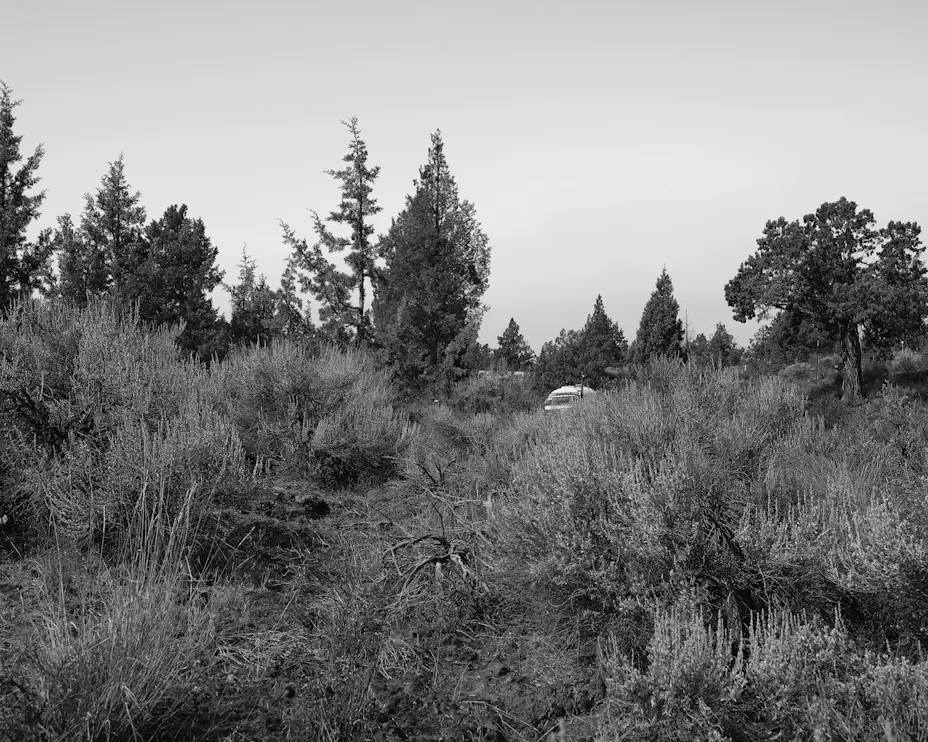
Pao Houa Her is a Hmong American photographer and assistant professor in photography and moving images at the University of Minnesota. Born in Laos in 1982, she fled with her family to the United States at age three and grew up on the East Side of St. Paul. As the first Hmong American to receive an MFA in photography from Yale University (2012), she has gained significant recognition for her work exploring Hmong diaspora experiences through photography and video art. Her educational background includes: BFA in Photography from Minneapolis College of Art and Design MFA in Photography from Yale University School of Art Her research focuses on migration, displacement, and social resilience within the Hmong community. She uses both color and black-and-white photography to explore cultural identity, blending documentary and staged elements while critically engaging with the boundaries between fiction and reality. Her work often incorporates traditional Hmong aesthetics and storytelling methods, creating visual narratives that bridge generations. Her major exhibitions demonstrate a consistent exploration of Hmong cultural identity through landscapes, portraiture, and symbolic imagery. She frequently examines how Hmong communities navigate cultural preservation while adapting to new environments across different geographies. Her notable awards include the Guggenheim fellowship (2023), Star Tribune's Artist of the Year (2022), McKnight Artists Fellowship (2016), and Jerome Fellowship for Emerging Artists (2013). She has also received the Alice Kimball Fellowship (2012) and Initiative Grants from the Minnesota State Arts Board. As an educator at the University of Minnesota, Her has been instrumental in bringing Hmong perspectives into academic art discourse. Her 2025 citywide retrospective 'The Imaginative Landscape' in Sheboygan, Wisconsin—home to the 10th largest Hmong community in the U.S.—demonstrates her commitment to creating art that resonates within Hmong communities while gaining international recognition.
Professor Barley Norton is a distinguished ethnomusicologist and filmmaker at Goldsmiths, University of London, where he serves as Director of the Asian Music Unit (AsMU), convenor of the MA in Music (Ethnomusicology), and leader of the Goldsmiths Gamelan Group. His academic career focuses on the music and culture of Southeast Asia, particularly Vietnam, where he has conducted extensive field research. His research interests span ethnomusicological filmmaking and theory, the cultural politics of musical practice, discourse on cultural heritage and music revival, music and religious experience, music and emotion, music and gender theory, music censorship, improvisation, and performance and modal theory. Norton's academic work is deeply informed by his practical musical engagement; during his field research in Vietnam, he learned to play the dan day and dan nguyet lutes, and he also performs Sundanese music from Indonesia on the kacapi zither and in the gamelan degung orchestra. Norton's scholarly output reveals significant trends in Southeast Asian music studies, particularly focusing on the intersection of traditional musical practices with contemporary political and social contexts. His work consistently examines how musical traditions navigate processes of canonization, heritage safeguarding, and creative innovation within rapidly changing cultural landscapes. A notable thread throughout his research is the relationship between music, ritual, and identity in Vietnamese cultural contexts, with increasing attention to environmental concerns and climate change impacts on musical heritage in his most recent work. American Musicology Society's 2014 Ruth A. Solie Award for 'Music and Protest in 1968' Commendation - Intangible Culture Film Prize at the Royal Anthropological Institute's 12th International Festival of Ethnographic Film for 'Hanoi Eclipse: The Music of Dai Lam Linh' Professor Norton has supervised numerous doctoral students including Christopher Hanby (Applied Ethnomusicology and Jèrriais language revitalization), Lin Lin (Creative Realization in the Compositional Process), Clare Salaman (Reimagining the trumpet marine), and Jasmine Hornabrook (Transnational networks in London's Tamil diaspora). His research has been generously funded by the Getty Foundation, Arts and Humanities Research Council, British Academy, and ASEASUK, supporting projects on Vietnamese music revival and audiovisual archiving. He has also undertaken consultancy work with UNESCO, the British Council, and Vietnamese cultural institutions on music heritage projects. As a key figure in the field, Norton directs Goldsmiths' Asian Music Unit, which serves as a hub for research, performance, and teaching focused on Asian musical traditions. The unit facilitates cross-cultural musical dialogue and supports field research in Asia, while the Goldsmiths Gamelan Group provides hands-on experience with Indonesian musical traditions. His leadership extends to international scholarly organizations, having served as Chair of the British Forum for Ethnomusicology (2015-2018) and as a member of the Society for Ethnomusicology Council (2017-2020).
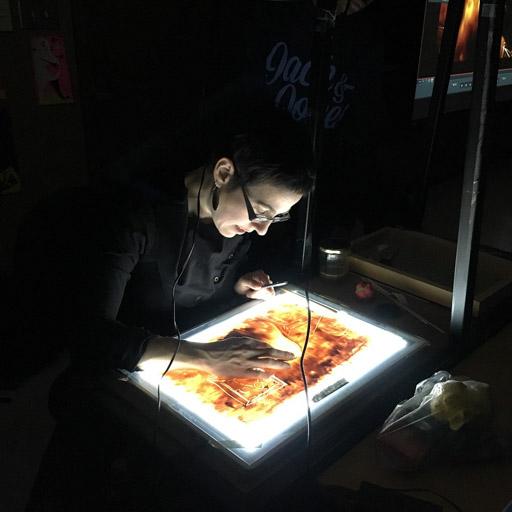
Shira Avni is an Associate Professor in the Film Animation program at Concordia University, Faculty of Fine Arts. A neurodivergent, award-winning animation filmmaker, she specializes in clay-on-glass animation and animated documentaries exploring themes of neurodiversity, autism, identity, social justice, motherhood, and interdependence. Co-supervises or serves on Masters committees for MFA students in Fine Arts Recipient of over 30 international grants and awards for her films Active in community-based animation practices and neurodiversity advocacy Research Areas: Neurodiversity, motherhood, clay animation, animated documentary, under camera animation, and social justice themes are central to her work. Her films use backlit clay-on-glass techniques to create stained glass effects. Scientific Awards: Notable accolades include the DOK Leipzig Golden Dove, NHK Japan Prize, Special Jury Prize at Sommets du Cinéma d'animation, and Concordia University's 2020 Distinguished Teaching Award. Teaching Activities: Avni teaches Under Camera Animation, Animated Documentary, and Advanced Animation Filmmaking courses. Her research has received funding from National Film Board of Canada, Canada Council for the Arts, Conseil des Arts et des Lettres du Québec, and other major institutions.
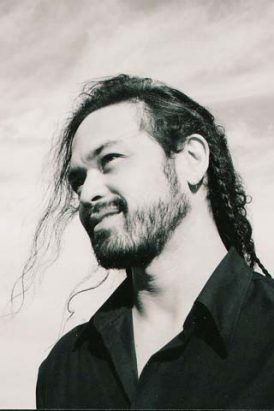
Erik Santos is an Associate Professor and Chair of Composition within the University of Michigan's School of Music, Theatre & Dance. He holds DMA and MM degrees in Composition from the University of Michigan and a BM in Voice from Indiana University of Pennsylvania. His research spans acoustic/electronic music, dance-theater production, and interdisciplinary collaborations. Notable projects include scores for the Japanese butoh company Dairakudakan and the October Babies band's multicultural music. He co-created the Fukushima-inspired documentary series (e.g., Threshold: Whispers of Fukushima) and films exploring post-disaster cultural resilience. Recipient of the 2020 Sousa-ABA-Ostwald Prize Charles Ives Fellowship (American Academy of Arts and Letters) Organized the Fukushima Tribute Concert featuring Yamakiya Taiko ensemble His work emphasizes non-traditional performance spaces (dance clubs, museums, digital platforms) and integrates spontaneous sensory experiences with music. Santos actively collaborates with international artists and organizations, including the Center for Japanese Studies and Willis Sound label.