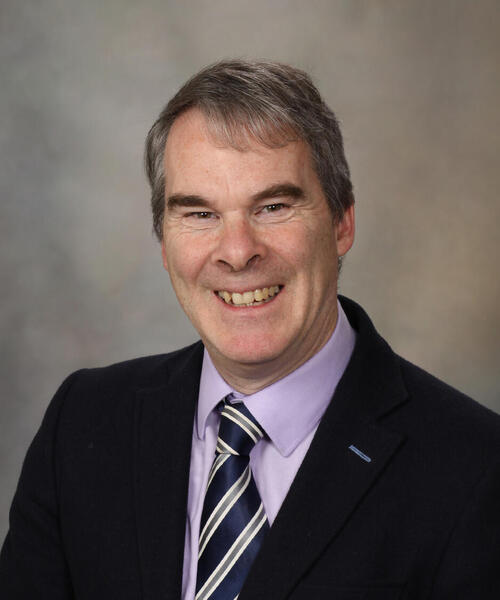
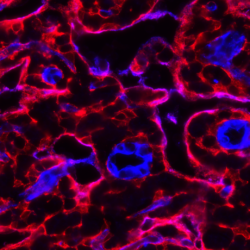
Ping Mu is an Associate Professor with tenure in the Department of Urology at Yale School of Medicine and a member of the Yale Cancer Center. His research focuses on understanding molecular mechanisms of drug resistance in prostate and other cancers, employing advanced techniques like organoids, single-cell sequencing, and spatial transcriptomics. His lab pioneers therapeutic strategies to combat resistance, with breakthroughs published in Science , Cancer Cell , and Nature Cancer . Education: PhD from Weill Cornell Medical College (2013), Postdoc at Memorial Sloan Kettering Cancer Center (2018). Awards: NIH R01/R37 MERIT Awards, DoD grants, AACR NextGen Star Award, Welch Foundation Award. Research Interests: Lineage plasticity, epigenetic rewiring, tumor microenvironment, drug resistance mechanisms. Recent work includes identifying ZNF397 deficiency's role in therapy resistance and developing novel combination therapies. His lab also explores JAK-STAT signaling's role in cancer stemness and APOBEC-driven mutagenesis in prostate tumors. Grants: Over $15M in NIH, DoD, and CPRIT funding. Labs/Teams: Mu Lab (Yale Cancer Center), part of the Cancer Signaling Networks program.
Kelvin J. A. Davies is a Professor at the Davis School of Gerontology and College of Letters, Arts & Sciences , University of Southern California . He holds the James E. Birren Endowed Professor of BioGerontology and is Dean of Faculty & Research at USC's Davis School of Gerontology. Born in London, UK; educated at Liverpool, Lancaster, University of Wisconsin (M.Sc. 1976), and University of California at Berkeley (Ph.D. 1981) Established field-defining research on oxidative stress , protein degradation , and mitochondrial Lon protease function in aging-related pathologies Davies' research explores oxidative stress adaptation , protein oxidation and proteolysis , and age-related decline in stress response . His work on the Nrf2 signal transduction pathway and RCAN1 gene has transformed understanding of Alzheimer's and Down syndrome mechanisms. The lab's studies on mitochondrial Lon protease and proteasome regulation establish critical links between environmental oxidants, aging, and neurodegenerative diseases. He has received seven honorary doctorates and eight fellowships , including from the American Association for the Advancement of Science and Royal Society of Medicine . Awards highlight his lifetime achievements in redox biology , mentoring excellence (Andrew W. Mellon Foundation), and scientific leadership in founding journals like Free Radical Biology & Medicine . Davies has mentored 28 graduate students and 30 postdoctoral fellows . As founding President of the California Philharmonic Orchestra and Director of the S.T.A.R. program , he combines scientific and community impact through arts and education outreach to disadvantaged youth.
Robert White is a Senior Lecturer at the UWA Medical School's MD Education Unit, specializing in medical education and neurobiology. He coordinates units such as IMED1001/IMED3004/APHB5505 and oversees physiology teaching across multiple programs. His research focuses on skeletal muscle biology, neuroprotective mechanisms, and muscular dystrophy. Key areas include gene expression changes in neurons under disease-like insults and the role of transcription factors like Pax6. Collaborations with institutions like Raine Medical Research Foundation highlight his work's translational impact. Teaching Roles: Physiology Coordinator for DENT4121/PODI4111/IMED4443 Research Interests: Autophagy, mitochondrial function, and glucocorticoid effects on muscle Recipient of 13 awards including the 2024 Pre-Clinical Teacher of the Year and multiple UWA Excellence in Teaching Awards. His work aligns with UN SDG goals for health and well-being. Funding Highlights: AU$100k Raine Priming Grant (2012-2014) for Pax6 neuroprotective studies Public Engagement: Delivered lectures on nerve cell protection mechanisms
Andrew J. Henderson is a Professor at the Boston University Chobanian & Avedisian School of Medicine, holding roles as Assistant Dean of Graduate Medical Sciences and Co-Director of the BU PREP post-bac program. His primary research focuses on cellular mechanisms regulating HIV replication and transcription, with emphasis on T cell signaling, latency, and inflammatory processes. He earned his B.S., M.S., and Ph.D. in Microbiology from the University of California, Riverside. Research Interests: Dr. Henderson investigates how T cell signals and transcriptional machinery control HIV expression, particularly mechanisms underlying latency and viral persistence. His lab explores pathways involving CD28 costimulation, RNA polymerase II elongation, and chromatin modifications. These studies provide insights into broader topics like signal transduction, immune dysfunction, and inflammatory disorders. Key Contributions: His work includes identifying transcriptional checkpoints (e.g., NELF and Pcf11 factors), characterizing opioid use’s impact on HIV reservoirs, and developing CRISPR-based tools for HIV repression. He has also contributed to training programs in Liberia and Uganda through initiatives like the BU-UL Partnership and Fogarty grants. Awards: Notable recognitions include the Boston SciCafe Award, NIH study section leadership, and postdoctoral fellowships from the Leukemia Society of America and Aaron Diamond Foundation. Grants & Labs: Active grants include NIH-funded investigations into HIV latency, opioid effects on reservoirs, and global health partnerships (e.g., BULEEVR in Liberia). His lab collaborates with institutions like the Providence/Boston CFAR and the BU CTSI.
Wendy A. Goodman, PhD is an Assistant Professor in the Department of Pathology at the Case Western Reserve University School of Medicine . She is also a Member of the Immune Oncology Program at the Case Comprehensive Cancer Center. Her research focuses on the role of steroid hormones (e.g., estrogens, androgens, progesterone) in immune regulation, particularly in mucosal tissues (e.g., intestinal mucosa) and maternal-fetal interface tissues (e.g., decidua). She employs preclinical mouse models and primary human cells/tissues to study mechanisms underlying immune homeostasis, chronic inflammation, and autoimmunity. Dr. Goodman’s education includes a Bachelor of Arts in Biology (2001) and a PhD in Pathology/Immunology (2010), both from Case Western Reserve University. Her research interests emphasize non-classical roles of sex hormones in adaptive and innate immune responses, including T-cell differentiation, regulatory T cell function, and immune cell/epithelial crosstalk. She investigates how local environmental cues in the gut and pregnancy tissues shape protective vs. pathogenic immune responses. Her work is supported by significant grants including an NIH/NIDDK R01 (2021-2026) and the March of Dimes Ohio Collaborative (2020-current) . Notable awards include the Michael E. Lamm Teaching Award (2018) and multiple Best Abstract Awards at conferences like FASEB GI Summer Conference (2017) and Advances in IBD (2015). She collaborates with institutions like Cincinnati Children’s Medical Center on pregnancy-related immune studies. Dr. Goodman has advised numerous research projects but no formal students are listed. Her lab actively explores estrogen/progesterone crosstalk during pregnancy, hormonal control of myeloid cells, and mechanisms driving IBD sexual dimorphism. Professional memberships include the American Association of Immunologists, Crohn’s and Colitis Foundation, and American Gastroenterological Association.
Dr. Micha Sam Brickman Raredon is an Assistant Professor in the Department of Anesthesiology at Yale School of Medicine. He leads the Raredon Laboratory, focused on regenerative lung engineering, systems biology, and bioengineered tissues. His work integrates computational tools like NICHES and Connectome to study cell-cell communication networks in lung tissue. Dr. Raredon holds MD/PhD degrees from Yale and a master's from MIT in Materials Science. His research spans lung vascular networks, fibrosis mechanisms, and translational applications in regenerative medicine. He is affiliated with the Vascular Biology and Therapeutics Program, Program in Translational Biomedicine, and Yale Combined Program in the Biological and Biomedical Sciences (BBS). Education: MD/PhD Yale University (2022/2021), MS Yale Engineering (2020), MPhil Yale (2020), MS MIT (2014), BS Yale & Cambridge (2011). Research Interests: Engineering functional lung tissues, decoding lung microvascular niches, single-cell systems biology, and applying machine learning to tissue regeneration. Key projects include developing algorithms for cell-cell interaction analysis and engineering patient-specific lung tissues. Recent work addresses hypoxia-induced cardiopulmonary damage and fibrotic lung diseases. Publications reflect interdisciplinary focus on lung biology, vascular integrity, and computational methods. Awards include the Draper Fellowship for tissue fabrication innovation and the Yale MD/PhD Thesis Prize. His lab collaborates with leading figures like Drs. Kaminski, Niklason, and Medzhitov. Advising and Grants: Mentors students in translational research. Lab develops ventilator splitting systems for disaster medicine and bioengineered lung models. Active in NIH-funded projects on lung regeneration and fibrosis. Labs/Teams: Raredon Lab at Yale Vascular Biology Program. Collaborations span Yale's Systems Biology, Immunobiology, and Biomedical Engineering departments.
Mustafa Khokha, MD, is an Adjunct Professor in the Department of Pediatrics at Yale School of Medicine. His research focuses on understanding the molecular mechanisms underlying congenital malformations and critical illnesses in infants using genetic sequencing and Xenopus tropicalis as a model system. He directs the Pediatric Genomics Discovery Program (PGDP), which identifies genetic causes of undiagnosed diseases in children. Khokha’s work bridges clinical care and research, aiming to translate genetic discoveries into improved patient outcomes. Education: MD from Northwestern University Medical School (1995), BS from Northwestern University (1991), Residency in Pediatrics at St. Louis Children's Hospital (1995–98), Fellowship in Pediatric Critical Care at University of California, San Francisco (2002), and Fellowship in Molecular & Cell Biology at University of California, Berkeley (2006). His research integrates developmental biology and genetics to study embryonic patterning defects, particularly in congenital heart disease and facial malformations. Using high-throughput screens in Xenopus, he identifies genes responsible for birth defects and elucidates their functional roles. Key achievements include discovering the role of GALNT11 in laterality and cilia function, and linking CACNA1G to left-right patterning. His work on β-catenin nuclear transport and Wnt signaling has advanced understanding of developmental pathways. Awards: Mallinckrodt Scholar (2014), Mae Gailani Junior Faculty Teaching Award (2010), Harvey Colten Award (2009). Labs/Teams: Khokha Lab, part of the Program in Translational Biomedicine and the Yale Center for Genomic Health. Collaborations include the Pediatric Critical Care Transport Program and the Yale Medicine team.
Charalampos Spilianakis is an Associate Professor at the University of Crete with a research affiliation at the Institute of Molecular Biology and Biotechnology (IMBB) of the Foundation for Research and Technology - Hellas (FORTH). His work focuses on the three-dimensional organization of the genome and its critical role in gene regulation within immune cells, particularly T cells. Dr. Spilianakis earned his PhD in 2003 from the University of Crete in Biochemistry, Molecular Biology, Cellular and Developmental Biology. His academic career has been dedicated to understanding how nuclear architecture influences cellular function and gene expression patterns. His research program investigates both cis and trans regulatory mechanisms of gene expression, with particular emphasis on how protein complexes generate and maintain long-range chromosomal interactions in immune cell populations. His laboratory employs an integrated approach combining biocomputing, molecular techniques, biochemical assays, advanced imaging, and genetic analyses to explore the field of 3D epigenetics. This work has significant implications for understanding immune cell differentiation and function. Analysis of Dr. Spilianakis' publication record reveals a consistent research trajectory focused on chromatin architecture and transcriptional regulation in immune cells. His contributions include developing protocols for chromosome conformation capture in primary T cells, elucidating SATB1's role in shaping the 3D enhancer network during T cell development, and investigating the nuclear periphery's role in microRNA gene localization. His work bridges molecular biology, immunology, and genomics to advance spatial genomics understanding. Based at IMBB-FORTH (Office A251, Lab A204), Dr. Spilianakis leads a research group that serves as an important hub for investigating the relationship between nuclear architecture and gene expression in the immune system. His laboratory combines cutting-edge molecular and imaging technologies to address fundamental questions about genome organization and its functional consequences in health and disease.
Larry Feig is a Professor in the Department of Developmental, Molecular and Chemical Biology at Tufts University School of Medicine. His research focuses on molecular mechanisms underlying sex-dependent effects of stress across generations, particularly involving Ras-GRF1 and epigenetic inheritance via sperm miRNAs. He holds a PhD from Harvard University and has held faculty positions since 1987. He teaches courses in molecular biology and signal transduction, and has been awarded the Distinguished Faculty Award (2017). Education: PhD in Biological Sciences, Harvard University (1982) MS in Chemistry, Massachusetts Institute of Technology (1976) BS in Chemistry, Columbia University (1974) Research Interests: Feig's lab investigates: Sex-specific stress responses in adolescents Transgenerational epigenetic inheritance via sperm miRNAs Lamarckian inheritance mechanisms in mammals Neuroendocrine regulation of HPA axis Publications Trends: Recent work emphasizes miRNA-mediated transgenerational effects of paternal stress exposure. Key themes include: Role of miR-34c/449 in stress transmission Epigenetic mechanisms in multi-generational behavior Interactions between astrocytes and sperm biology Neurodevelopmental impacts of environmental enrichment Grants & Funding: Active NIH grants include studies on: Sperm miRNAs in trauma transmission (2020-2024) Paternal stress effects across generations (2015-2020) Professional Activities: NIH Study Section reviewer (2019) Member, Tufts Cancer Center (2006-2015) Program Director, Biochemistry Program (2001-2020) Labs/Teams: His lab collaborates on projects involving: Mouse behavioral models Epigenetic analysis techniques 3D tissue models for cancer research
Kathleen O'Connor is a Professor in the Department of Molecular and Cellular Biochemistry at the University of Kentucky, where she also serves as the Associate Director of Cancer Education in the Markey Cancer Center. She is a member of the Markey Cancer Center’s Cancer Research Priority Initiative and the Molecular and Cellular Oncology Research Program, as well as the UNITE Research Priority Area. Her interdisciplinary roles reflect her leadership in cancer research and education. Doctor of Philosophy, Case Western Reserve University, 1996 Bachelor of Science, James Madison University, 1988 Dr. O'Connor's research focuses on the molecular mechanisms of cancer progression, particularly how integrin receptors—especially α6β4—mediate signaling that drives carcinoma cell invasion. Her lab investigates the interplay between integrin signaling and cyclic AMP metabolism, Rho GTPase regulation, and the expression of pro-invasive genes such as autotaxin, S100A4, and EGFR ligands. This work has significant implications for understanding the aggressive behavior of cancers in the breast, colon, and pancreas. Her recent publications (2022–2025) highlight sustained contributions to cancer biology, with studies on integrin-mediated chemosensitization, cytoskeletal regulation of invasion, and social determinants of breast cancer outcomes. These works span disciplines including molecular oncology, cell signaling, and health disparities, reflecting a broad and impactful research portfolio. Scientific awards include: Distinguished Faculty Teaching Award, Nominee (2006) Wethington Excellence in Research Award (2013, 2014, 2017) Women in Medicine and Science Mentorship, Finalist (2018) Dr. O'Connor is actively involved in mentoring and training the next generation of scientists. She leads several funded initiatives, including the Markey STRONG Post-baccalaureate Program and a Diversity in Cancer Research Supplement from the American Cancer Society, aimed at increasing representation of underrepresented minorities in biomedical research. She is the Principal Investigator (PI) on multiple active grants, including projects focused on triple-negative breast cancer and chemotherapy optimization, funded by the American Cancer Society and the National Cancer Institute. Her work bridges basic science and translational applications, with collaborations across institutions and disciplines. She is embedded in a vibrant research ecosystem at the Markey Cancer Center, where she contributes to education, mentorship, and collaborative research networks aimed at combating cancer through innovative science and inclusive training programs.
Richard G. Vile, Ph.D., is a Professor of Immunology at Mayo Clinic in Rochester, Minnesota, with primary appointments as Consultant in the Department of Molecular Medicine and joint appointment in the Department of Immunology. He is also the Richard M. Schulze Family Foundation Professor, an honor awarded in 2008. His research is centered on developing innovative cancer immunotherapies, particularly through oncolytic virotherapy, CAR T-cell therapy, and combination strategies with radiotherapy. Dr. Vile’s research focuses on stimulating antitumor immune responses using murine immune-competent models and syngeneic tumors. His work spans multiple cancer types, including melanoma, prostate cancer, glioma, brain metastases, and hepatocellular carcinoma. A major innovation from his lab is engineering vesicular stomatitis virus (VSV) to express tumor antigen libraries, enhancing immune recognition and destruction of tumors. His recent publications reveal a strong emphasis on enhancing CAR T-cell efficacy, overcoming immune evasion, and combining oncolytic viruses with checkpoint inhibitors. These studies highlight his leadership in advancing immunovirotherapeutic strategies for solid tumors, particularly through genetic engineering of viral vectors and immune cell therapies. The Richard M. Schulze Family Foundation Professor (2008) Dr. Vile has secured substantial research funding from the National Cancer Institute and the National Institute of Allergy and Infectious Diseases, supporting active projects into 2026. He is directly involved in clinical translation, including an ongoing trial for hepatocellular carcinoma using a VSV-based therapy. He mentors a research team and collaborates internationally, particularly with researchers in the UK. His lab is part of the Mayo Clinic Comprehensive Cancer Center and the David F. and Margaret T. Grohne Cancer Immunology and Immunotherapeutics Program.
Lucie Peduto is a Principal Investigator and Structure Manager at the Institut Pasteur in Paris, where she leads a research team investigating the role of stromal and perivascular cells in immunity, inflammation, regeneration, and cancer. Her work focuses on understanding how the stromal microenvironment regulates intestinal homeostasis, tumor progression, and immune responses. Her research interests include: Cancer biology and tumor microenvironment Intestinal immunity and barrier function Mesenchymal and perivascular stromal cells Inflammation and fibrosis Regenerative mechanisms and tissue repair Immune cell-stromal cell crosstalk The recent publications highlight a strong focus on stromal regulation in immunity and cancer, with particular emphasis on PDGFRα+ mesenchymal cells, intestinal barrier integrity, and macrophage interactions. Her work integrates genetic models, organoid systems, and immunological assays to dissect molecular and cellular mechanisms in vivo. Scientific awards and recognitions: ERC Proof of Concept Grant 2023 Dr. Peduto supervises several postdoctoral fellows and PhD students, indicating an active mentoring and training role. She leads multiple funded projects, including ERC-CoG-PERIF on perivascular cells in inflammation and regeneration. Her research is supported by major initiatives at the Institut Pasteur, including the Cancer Initiative and stem cell programs. She collaborates with other leading immunologists and cell biologists at the institute and internationally.
Mirana Ramialison is a Professor at Monash University, affiliated with both the Australian Regenerative Medicine Institute and Victorian Heart Institute (VHI). She maintains an active research program with significant contributions to cardiovascular development and regenerative medicine. Her research interests focus on understanding the role of non-coding DNA regulatory elements in heart development and disease, formation of boundaries in developing embryos, and molecular mechanisms underlying cardiac function. She employs cutting-edge genomic, computational, and imaging approaches to investigate gene regulatory networks that govern cardiovascular development. Her recent publications demonstrate expertise in spatial transcriptomics, machine learning applications in epigenomics, and the use of vertebrate models like the African killifish to study aging processes. Her work spans developmental biology, genomics, and computational approaches to understand heart development and disease mechanisms. Professor Ramialison leads multiple significant research projects including 'Role of human non-coding DNA regulatory elements (REs) in heart development and disease' as Primary Chief Investigator, and collaborates on projects related to chemotherapy-induced heart damage prevention and bone growth mechanisms. She has produced 71 research outputs with notable recent publications in high-impact journals including Nature Cardiovascular Research, Genome Biology, and Communications Biology, demonstrating sustained scholarly productivity and impact in her field.
Lawrence Cornett is a Professor and Director of the Arkansas INBRE program at the University of Arkansas for Medical Sciences, College of Medicine , Department of Physiology and Cell Biology. His research focuses on neurohypophysial hormone signaling and adrenergic receptor regulation. Specialization : Vasotocin receptor characterization in avian species Methodology : Immunohistochemistry, radioimmunoassays, in situ hybridization Research trends indicate significant contributions to understanding: Vasotocin-CRH receptor interactions in stress response Mechanisms of glucocorticoid-regulated adrenergic receptor expression Receptor heterodimerization and signaling amplification The Arkansas INBRE program under his direction focuses on Cellular Signaling, Growth, and Differentiation , with NIH/NIGMS funding through the IDeA Program.
Neville Sanjana is an Associate Professor at the Department of Neuroscience , NYU Grossman School of Medicine , with a joint affiliation at the New York Genome Center . His academic journey began with a PhD at Massachusetts Institute of Technology . Research Interests in genome engineering, CRISPR technology, and functional genomics focus on: Dissecting noncoding genomic elements across cancers Developing high-throughput CRISPR screening methods Engineering therapies for neurological and genetic diseases Understanding transcriptional regulation in neuronal differentiation Recent Articles span cancer genomics, synthetic biology, and CRISPR-based diagnostics, with a thematic emphasis on: Drug resistance mechanisms in melanoma Noncoding element function in disease Advancements in base and prime editing Applications in immunotherapy and hemoglobin disorders Scientific Honors : NIH Director's New Innovator Award Sidney Kimmel Scholars Program DARPA Young Faculty Award Simons Foundation Autism Research Initiative Melanoma Research Alliance Young Investigator Award Teaching : In Spring 2022, he taught Special Topics: Genome Engineering (BIOL-UA 920) at NYU Biology, covering CRISPR evolution, gene therapies, and ethical implications of genome editing. Lab Operations : The Sanjana Lab operates from two locations - NY Genome Center (101 Avenue of the Americas, 4th floor, New York, NY 10013) and NYU Biology (755 Brown, 100 Washington Sq East, New York, NY 10003).