Luisa Cochella is an Assistant Professor in the Department of Molecular Biology and Genetics at the Johns Hopkins University School of Medicine. Her research focuses on the molecular mechanisms that generate neuronal diversity during development and evolution, using the nematode C. elegans as a primary model system. Her research interests include: Transcriptional and post-transcriptional regulation in neuronal development Temporal and spatial combinatorial control by transcription factors Role of microRNAs in neuronal specialization and sensory function Chromatin dynamics and gene expression memory Evolution of gene regulatory networks in the nervous system Dr. Cochella's lab develops and applies innovative molecular tools such as mime-seq to profile miRNA expression at single-cell resolution. Her work bridges developmental biology, neuroscience, and molecular genetics to uncover fundamental principles of cellular differentiation. Her recent publications reveal trends in understanding how gene regulatory mechanisms—both transcriptional and post-transcriptional—contribute to neuronal identity and function. These studies employ genetic, biochemical, and genomic approaches to dissect mechanisms conserved across species. Dr. Cochella is affiliated with the Neuroscience Training Program and mentors graduate students. She leads an active research laboratory focused on gene regulation in neural development.
Anthony White is an Associate Professor at Monash University's Faculty of Medicine, Nursing and Health Sciences, serving as academic co-director of the Clinical Years of the Medical Degree. He holds an external position as a Cardiologist at the Victorian Heart Hospital since 2010. His research integrates molecular biology with clinical cardiology, focusing on coronary artery disease mechanisms, stem cell therapies, and genetic determinants of cardiovascular conditions. He has led three NHMRC-funded projects exploring cardiac stem cells and miRNA roles in cardiomyocyte specification. Education: MBBS from University of Melbourne (1996) and a PhD in Biomechanical, Biochemical and Genetic Determinants of Unstable Coronary Disease. Research Interests Spontaneous coronary artery dissection (SCAD) genetics (F11R gene) Pluripotent stem cells and cardiac tissue regeneration CRISPR-based DNA editing applications Coronary plaque instability mechanisms Cardiac regeneration via organoids and stem cell therapies Advising & Grants Supervised 4 students (2 BMedSc(Hons), 1 Science Honours, 1 PhD). Principal Investigator on projects totaling over AUD 1M including NHMRC grants (2008-2013) and Collier Charitable Fund (2011). Labs/Teams Associated with Victorian Heart Institute and Monash University's Cardiovascular Research Group.
Egon Bech Hansen is a Professor at the National Food Institute, Technical University of Denmark (DTU), where he leads research in gut microbiology, fermented foods, and sustainable food systems. He is a member of the DTU Microbes Initiative and heads the Research Group for Gut, Microbes and Health. He holds a PhD and MSc from DTU and has previously served as Head of Department at both DTU and Aalborg University, as well as holding senior R&D and innovation roles in industry. His research focuses on food science , particularly the role of lactic acid bacteria in fermentation, plant-based dairy alternatives , gut microbiome interactions , and food safety . His work contributes to UN Sustainable Development Goals related to health and sustainable agriculture. He investigates microbial metabolism, proteolysis, antioxidant peptides, and the development of safer, more sustainable food products such as fermented fish, camel milk, and plant-dairy hybrid cheeses. The recent publications highlight a strong trend in functional food development , particularly using microbial fermentation to improve nutritional quality and sensory properties of plant-based products. There is also a focus on molecular detection methods (e.g., FRET assays), antimicrobial resistance monitoring , and industrial scalability of fermentation processes. His work bridges fundamental microbiology with applied food technology. He has received no explicitly listed scientific awards in the provided text. Egon Bech Hansen actively supervises PhD students and leads multiple research projects, including Protein rich food products from locally grown legumes , Harnessing AI to Identify Superior Strains , and SusCheese . He collaborates across disciplines with experts in food chemistry, microbiology, and nutrition. His projects often involve public-private partnerships and address real-world challenges in food sustainability and safety. He is involved in the DTU Microbes Initiative and contributes to research networks focused on gut health, microbial fermentation, and food innovation. His datasets and publications are openly accessible, supporting collaborative science.
Urszula Kosikowska is an Associate Professor and Chair of the Department of Pharmaceutical Microbiology at the Faculty of Pharmacy, Medical University of Lublin. She holds a PharmD and DSc, and has been active in research since earning her doctoral degree in 1999. Her research spans pharmacology, pharmacy, and medicinal chemistry, with a focus on developing new antibacterial agents. Key areas include drug synthesis , particularly of triazole derivatives , microbial drug resistance , biofilm formation , and antibacterial drug design . Her work integrates organic chemistry with microbiological testing in both human and veterinary contexts. The 15 most recent publications reflect a consistent trajectory in designing and evaluating novel antimicrobial compounds, especially triazole-based molecules. These studies span synthetic chemistry , molecular mechanisms , in vitro and in vivo efficacy , and toxicity profiling , indicating a comprehensive drug development pipeline. Keywords across articles include pharmacology, microbiology, and medicinal chemistry, with subfields ranging from biofilm inhibition to structure-activity relationships. Scientific achievements include: 248 publications 17 patents 1 documented achievement (specific title not provided) Supervision of 4 promoted theses (PhD advisees) She actively advises doctoral students and leads research in antibacterial drug discovery. While specific grant details are not mentioned, her extensive output and patents suggest sustained funding. She contributes to research infrastructure and participates in multi-center collaborations. Her work has implications for both human and veterinary medicine, particularly in combating resistant infections. She leads a research team focused on pharmaceutical microbiology and antimicrobial development, likely involving graduate students and researchers in synthetic and biological evaluation of compounds.
Dr. Chris Boyd is a Reader (equivalent to Associate Professor) at the University of Edinburgh's Institute of Genetics and Cancer, where he leads the Chris Boyd Research Group within the Centre for Genomic and Experimental Medicine. His work focuses on developing pulmonary gene therapy approaches to treat cystic fibrosis and other genetic diseases, with significant contributions to the UK CF Gene Therapy Consortium formed in 2001 by research groups in London, Oxford, and Edinburgh. Dr. Boyd's research program has two main fronts in cystic fibrosis gene therapy. In Wave 1, his team developed and tested a nonviral product (pGM169/GL67A) in a Phase IIb clinical trial that demonstrated the ability to arrest lung function decline. In Wave 2, he is developing a more efficient lentiviral vector (rSIV.F/HN) for delivering transgenes to the lung, with his group assessing safety and monitoring CFTR expression from transduced cells. His expertise spans translational medicine, gene therapy, synthetic biology, recombinant DNA technology, airway cell biology, immunohistochemistry, and genotoxicity. His publication record shows consistent progression from preclinical development through to human trials, with recent work (2022-2024) focusing on lentiviral approaches and biomarker development for monitoring disease progression. This reflects a maturing research program moving toward clinical application. Dr. Boyd collaborates extensively with researchers across the UK, including Dr. Gerry McLachlan and Dr. David Collie at the University of Edinburgh, Prof. Eric Alton and Prof. Jane Davies at Imperial College London, and colleagues at the University of Oxford and University of Bristol. His research is supported by the Cystic Fibrosis Trust, Imperial College of Science Technology and Medicine, Just Gene Therapy, and various charities.
Anastasia Khvorova is a Professor and Remondi Family Chair in Biomedical Research at UMass Chan Medical School, holding primary appointments in the RNA Therapeutics Institute within the T.H. Chan School of Medicine. She maintains extensive cross-appointments across the Morningside Graduate School of Biomedical Sciences in departments including Biochemistry and Molecular Biotechnology, Neuroscience, and the RNA Therapeutics and Biology Program. Education: BS in Biology, Moscow State University MS in Molecular Biology, Moscow State University PhD in Biochemistry, Russian Academy of Sciences Professor Khvorova's research focuses on RNA therapeutics development , specializing in oligonucleotide chemistry, siRNA design, and delivery systems for neurological and genetic disorders. Her laboratory pioneers chemically modified self-delivering RNAi compounds targeting Huntington's disease, ALS, and Alzheimer's, with emphasis on overcoming delivery barriers through novel backbone chemistries and conjugate strategies. Current work explores divalent siRNA scaffolds for enhanced CNS penetration and multi-gene modulation. Analysis of her 15 most recent publications reveals dominant themes in siRNA chemical optimization (backbone/ribose modifications), neurological disease targeting (Huntington's, ALS, MECP2 disorders), and delivery innovation (extended nucleic acid backbones, albumin-binding constructs). Key advances include preventing oligonucleotide neurotoxicity via cation formulation and achieving single-dose therapeutic effects in mouse models. Awards and recognition: Rosalind Franklin Society Award for Nucleic Acid Therapeutics (2023) Remondi Family Chair in Biomedical Research Her laboratory actively recruits postdoctoral fellows for projects in RNAi preclinical development, medicinal chemistry, and small RNA trafficking, collaborating with Victor Ambros, Silvia Corvera, and UMASS imaging groups. Current grants support work on Huntington's disease somatic instability, SOD1 silencing for ALS, and MECP2-targeted therapies. The lab emphasizes interdisciplinary training in nucleic acid chemistry, pharmacology, and preclinical development. Professor Khvorova leads a dynamic research team within the RNA Therapeutics Institute, utilizing advanced imaging, mass spectrometry, and in vivo modeling to develop next-generation oligonucleotide therapeutics. Her work bridges fundamental RNA biology with translational applications, particularly for orphan neurological indications with unmet therapeutic needs.
Lihua Julie Zhu is a Professor and the head of Bioinformatics Core in the Department of Molecular, Cell and Cancer Biology at UMass Chan Medical School (UMMS). She also holds positions in the T.H. Chan School of Medicine, Program in Molecular Medicine, Interdisciplinary Graduate Program, and Bioinformatics and Integrative Biology program. With an interdisciplinary background spanning nutritional sciences and computer science, Dr. Zhu leads a research program focused on computational biology and bioinformatics methodologies for genomic data analysis. Dr. Zhu's educational background includes: BS in Animal Nutrition from China Agricultural University, Beijing MS in Animal Nutrition from China Agricultural University, Beijing MS in Computer Science from DePaul University, Chicago PhD in Nutritional Sciences from University of Wisconsin-Madison Dr. Zhu's research focuses on understanding gene regulation and cancer etiology through the development and application of computational tools for analyzing high-throughput genomic datasets. Her lab specializes in mining and integrating various genomic technologies including WGS, ChIP-seq, bulk and single cell RNA-seq, and ATAC-seq. A key strength of her research program is algorithm development, with her team having created over 20 computational tools, including numerous Bioconductor packages that serve the broader research community. Analysis of Dr. Zhu's recent publications (2024-2025) reveals a strong emphasis on both methodological innovation and biological discovery. Her work spans cancer biology, genome editing technologies, and computational tool development across multiple biological systems. A significant portion of her recent publications involve the creation of specialized bioinformatics tools for analyzing complex genomic datasets, demonstrating her dual commitment to advancing computational methodology while making biological discoveries. Dr. Zhu leads the Bioinformatics Core facility at UMass Chan Medical School, providing essential computational expertise and support to researchers across the institution. The core facility plays a critical role in enabling sophisticated genomic analyses for numerous research projects requiring advanced computational approaches to analyze complex biological data.
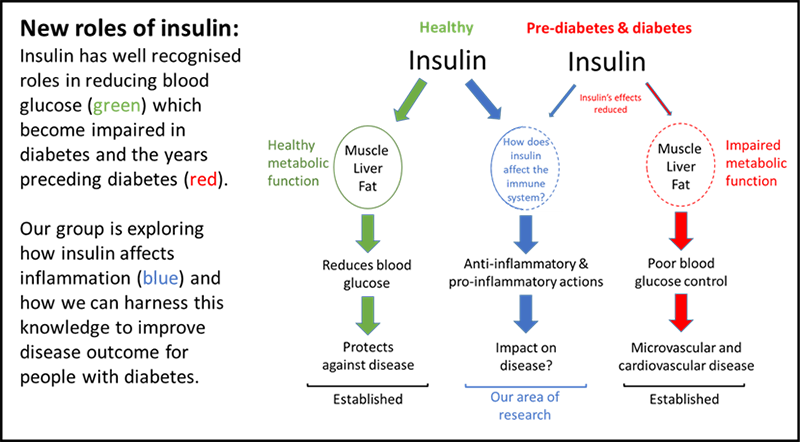
Matthew C. Gage is a Senior Lecturer and Research Group Leader at the Royal Veterinary College, University of London, within the Department of Comparative Biomedical Sciences. His research program investigates insulin's dual roles in glucose regulation and immune modulation, with implications for diabetes and cardiovascular disease. Funded by the British Heart Foundation, Diabetes UK, and Society for Endocrinology, Gage's work bridges molecular mechanisms and therapeutic applications. Education includes: PhD in Biochemistry, University of Leeds (2006) BSc (Hons) Biological Sciences with Molecular Genetics, University of Warwick (2002) Research explores insulin's immunomodulatory functions in macrophages, nuclear receptor signaling (particularly LXRα phosphorylation), and metabolic inflammation. His group employs preclinical models to identify novel therapeutic targets for cardiometabolic disorders, emphasizing macrophage polarization, endothelial dysfunction, and tissue-specific insulin resistance. Publications primarily focus on immunometabolism, nuclear receptor biology, and vascular pathophysiology. Recent trends highlight macrophage-centric mechanisms in diabetes complications, fatty liver disease, and therapeutic interventions like SGLT2 inhibitors and statins. Awards and honors: BHF Researcher Engagement Award Finalist (2018) UCL Cardiovascular Symposium 1st Prize (2016) 3x Diabetes UK Young Investigator Finalist (2009, 2011, 2014) Gage leads the Cardiovascular and Renal Biology research group, supervises PhD candidates, and serves as Year 3 Leader for Biosciences. He coordinates public engagement through school outreach, patient talks, and institutional fundraising initiatives.
Anna Ridgewell is a Research Fellow in Social Work (Social Work and Social Care) at the School of Education and Social Work, University of Sussex, where she contributes to the Centre for Innovation and Research in Wellbeing (CIRW). Her research focuses on nature engagement in educational settings, childhood geographies, and the impact of neoliberal policies on access to outdoor spaces for children in early childhood education and care (ECEC). Funded by the Economic and Social Research Council (ESRC) through the SeNSS doctoral training partnership, her PhD explored how ideological and structural factors mediate children’s access to nature across state, private, and charitable educational institutions. Her educational background includes an MSc in Counselling Psychology from City, University of London, a Graduate Conversion Diploma in Psychology from London Metropolitan University, and a BA (Hons) in English Literature from the University of Sheffield. Anna’s research interests span environmental sociology, sociology of education, human geography, educational and social policy, childhood geographies, and participatory research methodologies. She employs mixed-method, multi-sited, and arts-based approaches to examine how children interact with nature and challenge adult-imposed boundaries in educational spaces. Her work highlights inequalities in nature access and critiques the commodification of nature in neoliberal educational frameworks. Her recent publications, including her 2025 PhD thesis Growing up green? and several reports and presentations, reflect a strong trend in critical educational research, environmental justice, and qualitative inquiry. These works analyze how institutional narratives, resource disparities, and policy landscapes shape children’s everyday experiences in outdoor environments, emphasizing the need for equitable access to nature as a matter of social justice rather than privilege. Section Editor, Sentio (SeNSS PGR Journal) Peer reviewer for Children & Society , International Journal of Migration, Health and Social Care , and Sentio UKRI Policy Placement at Natural England (2022) Anna has taught on the MSc in Migrant and Refugee Wellbeing and the MRes in Wellbeing, focusing on interdisciplinary research into older adults. She is currently funded by an ESRC grant titled Connecting with the outdoors at school and nursery: narratives of nature and wellbeing (2020–2024), supporting collaborative research with Charles Watters. Her interdisciplinary collaborations include work with Pippa Langford, Louise Montgomery, Liam Berriman, and others. She has no formal advisees listed, but her mentorship is evident through editorial and peer-review roles. Anna is active in academic and public discourse, contributing blog posts, policy reports, and conference presentations that bridge research with practical and policy implications. Her work is grounded in new materialist and social constructionist theories, and she advocates for transformative, child-centered approaches to environmental education.
Robert T. Dirksen is a Professor in the Department of Pharmacology and Physiology at the University of Rochester School of Medicine and Dentistry. His research program bridges muscular dystrophies , cardiac disease , and calcium signaling pathophysiology , with specific focus on RYR1-related disorders , mitochondrial dysfunction , and store-operated calcium entry . He leads a multi-disciplinary lab using Dirksen Lab to investigate disease mechanisms and develop novel therapies. Education: Ph.D. in Pharmacology (University of Rochester, 1991) M.S. in Pharmacology (University of Rochester, 1988) B.S. in Biology (University of Notre Dame, 1985) Dr. Dirksen's work reveals how calcium dysregulation drives muscle degeneration through four major themes: excitation-contraction coupling , mitochondrial calcium uptake , store-operated entry systems , and molecular mechanisms of myotonic dystrophy . His 2025 Nature Aging study demonstrated inflammation-induced epigenetic erosion in aged stem cells, while 2024 EMBO Journal work developed ORAI1-based therapeutic models for tubular aggregate myopathy. Scientific Recognition: 2015: Department Chair 2012: Department Vice-Chair 2002: Graduate Student Society Faculty Mentoring Award His lab website highlights collaborations with C. Thornton (myotonic dystrophy), JP Jin (calcium channel regulation), and JJ Dowling (zebrafish models). Current projects include RYR1 disease modeling , SOCE mechanisms , and mitochondrial calcium dynamics in striated muscle.
Danielle Mor is an Assistant Professor in the Department of Neuroscience and Regenerative Medicine at the Medical College of Georgia, Augusta University. Her academic appointments span both neuroscience research and graduate education, reflecting her dual role in advancing scientific knowledge and training future scientists. Research Interests: Dr. Mor's research is centered on neurodegenerative diseases, particularly Parkinson’s disease, with a focus on α-synuclein pathology, prion-like transmission mechanisms, aging, and the influence of the gut microbiome on brain health. Her work integrates molecular, cellular, and systems-level approaches to uncover fundamental mechanisms of neurodegeneration. The recent publications (2022–2024) demonstrate a strong trajectory in understanding protein aggregation, cytoskeletal dynamics, and cross-organ communication in neurodegenerative contexts. Her studies frequently employ in vivo models, omics technologies, and molecular neuroscience techniques to explore cholinergic defects, microtubule adaptations, and heparan sulfate-mediated toxicity. Scientific Awards: Distinguished Research Trainee Award, Children’s Hospital of Philadelphia, 2018 Louis B. Flexner Award for Outstanding Thesis Work in the Neurosciences, University of Pennsylvania, 2017 First Prize Poster Award, University of Pennsylvania, 2015 Teaching and Mentoring: Dr. Mor teaches core neuroscience courses including Neuroscience I (BIOM 8080) , Research in Neuroscience (NURO 9300) , and Investigation of a Problem in Neuro (NURO 9210) . She is actively involved in graduate education through the Graduate School, mentoring students in research and serving on academic committees. While current advisees are not listed, her role supports the training of future neuroscientists. Service: She serves as a Committee Member for the DNRM Seminar Series (2021–present), contributing to academic discourse and professional development within her department.
Tuğba Bağcı Önder is a Professor in the Medical Biology department at Koç University's Graduate School of Health Sciences. Her work focuses on brain tumors, tumor cell apoptosis, and neural stem cells. She earned her PhD from Tufts University (2008) and Bachelor's from Bilkent University (2002). Key Research Areas : Brain Tumors, Molecular Mechanisms of Apoptosis, Neural Stem Cells Awards : BAGEP Award (2014), UNESCO-L’oreal Women in Science (2013) Her recent publications highlight epigenetic vulnerabilities in glioblastoma, prostate cancer, and breast cancer, with a focus on chromatin modifiers like BRPF1, KDM6A/B, and SWI/SNF dependencies. Therapeutic approaches include CRISPR screening, histone demethylase inhibition, and engineered stem cells. Scientific Awards BAGEP Award (2014) UNESCO-L’oreal for Women in Science in Turkey (2013)
Cody Smith is a faculty researcher at the University of Connecticut , affiliated with the College of Pharmacy and the Department of Pharmaceutical Sciences . His work focuses on respiratory toxicology, immunology, and sex-based differences in inflammatory responses. B.S. in Biology from University of Florida M.S. in Toxicology from University of Florida Ph.D. in Respiratory Toxicology from University of Florida Postdoctoral Training in Immunology and Respiratory Toxicology at Rutgers University Smith investigates how air pollutants cause lung disease, emphasizing biological sex as a modifier of toxicity. His research aims to develop sex-specific therapeutics and regulatory guidelines. His recent publications center on macrophage activation, lipid dysregulation, and signaling pathways in ozone and nitrogen mustard exposure, with keywords spanning immunology, toxicology, and molecular biology. Awards include multiple Society of Toxicology recognitions for postdoctoral and graduate research. Scientific Awards include Best Postdoctoral Presentation Award (2023), 1st Place Postdoctoral Research Award (2022), and multiple earlier accolades from 2013–2021. He leads the Smith Lab for Pulmonary Immunotoxicology , located in PBB 525, Storrs, CT.
Professor Uta Paszkowski leads the Cereal Symbiosis Group at the University of Cambridge's Department of Plant Sciences. Her work focuses on arbuscular mycorrhizal (AM) symbiosis in rice and maize, aiming to optimize nutrient uptake and develop sustainable agricultural practices. She actively collaborates with the Crop Science Centre and participates in public engagement initiatives. EMBO Member (2024) National Academy of Sciences, USA, Member (2025) Her research explores rhizosphere communication and symbiotic phosphate acquisition , with recent studies highlighting 4D imaging techniques and spatial transcriptomics . Her lab's publications emphasize cross-kingdom RNA interference, membrane dynamics, and fungal structure-function relationships. Key projects include understanding signal exchange mechanisms and developing tools like the AMSlide for live imaging. Scientific accolades include: EMBO Membership US National Academy of Sciences Election
Adam Matthews is a Senior Lecturer in the Department of Biological Sciences at Wellesley College, specializing in immunology, molecular cell biology, epigenetics, and biochemistry. He teaches courses ranging from introductory molecular cell biology to advanced immunology seminars, emphasizing real-world applications and innovative educational approaches. Education: B.A., Harvard University Ph.D., Harvard University His research spans two distinct phases: foundational molecular work on epigenetic regulation of V(D)J recombination in immune development (1998-2019), and recent science education scholarship (2021-2025). Early studies examined chromatin dynamics, histone modifications, and CTCF binding in antigen receptor gene assembly, while current work focuses on integrated biology-chemistry curricula with community-based elements to foster inclusion and perseverance in undergraduate education. Publication analysis reveals a strategic pivot from molecular mechanisms of immune receptor diversity to educational innovation. Recent articles (2021-2025) evaluate community-focused course designs and student engagement strategies, while earlier works (1998-2019) detail RAG protein functions, nucleosome positioning, and epigenetic controls in lymphocyte development. Dr. Matthews mentors Wellesley students conducting off-campus research at Harvard and MIT, guiding their independent projects in immunology and molecular biology. He also develops educational frameworks that connect scientific concepts to societal contexts through community-based learning.