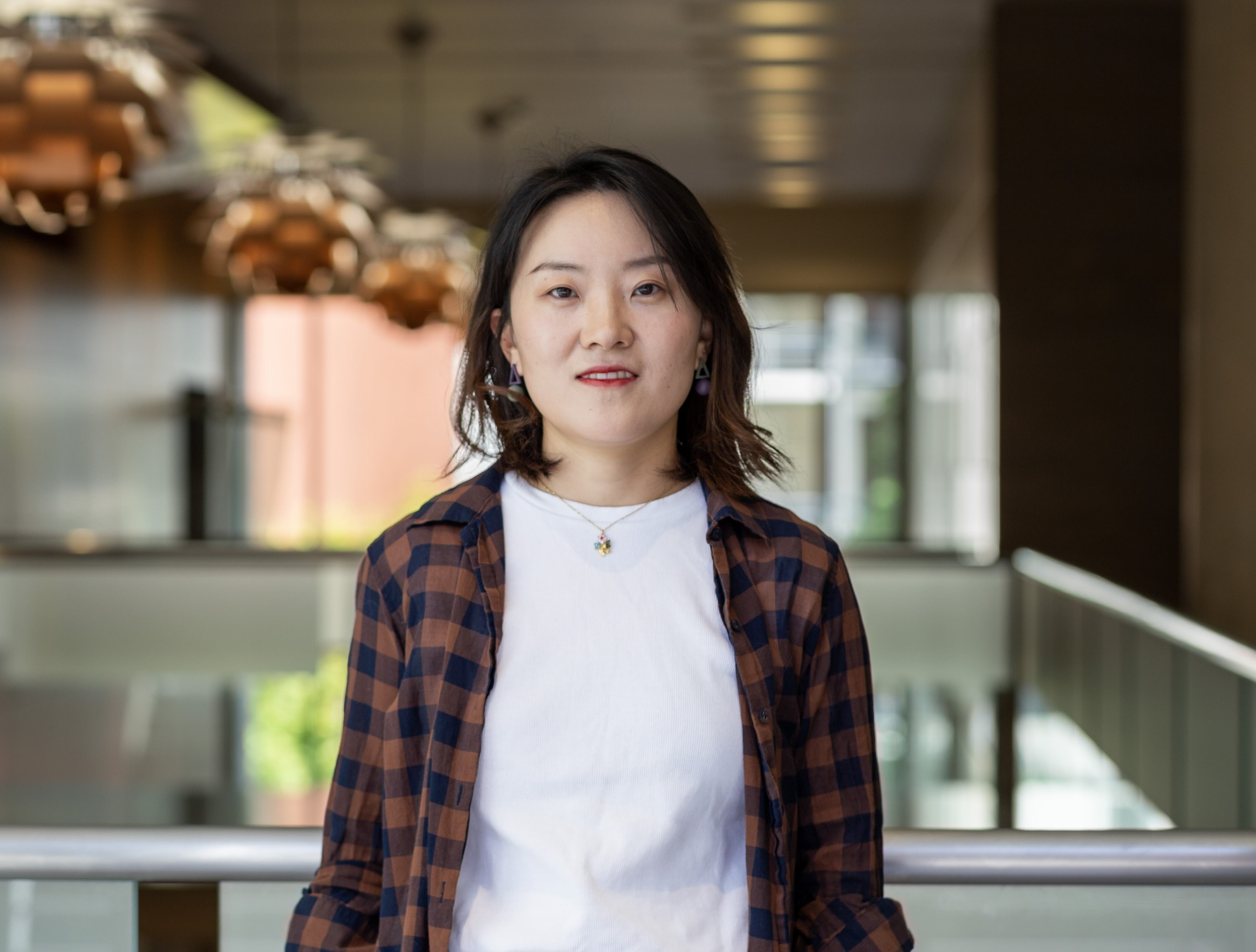
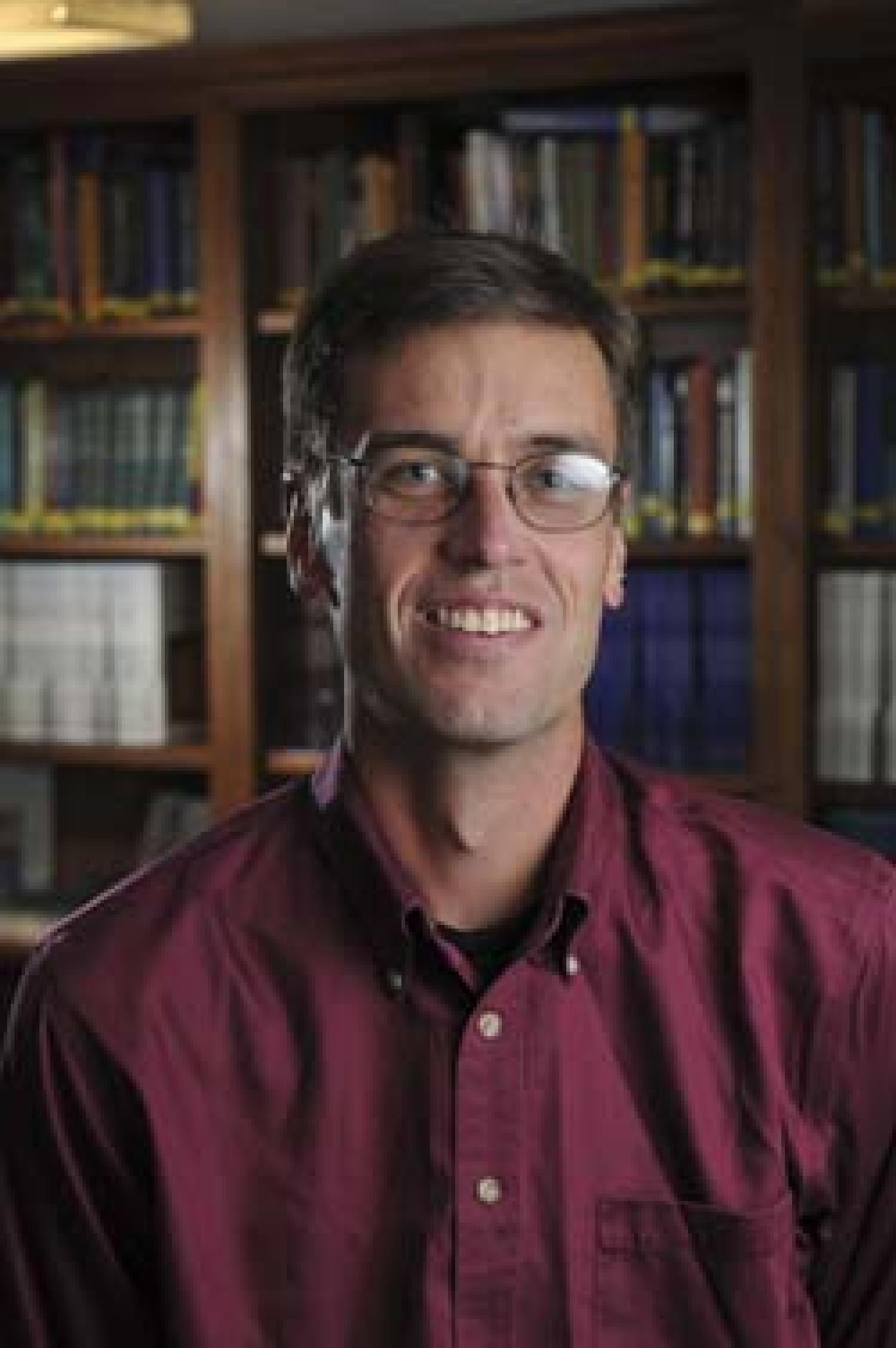
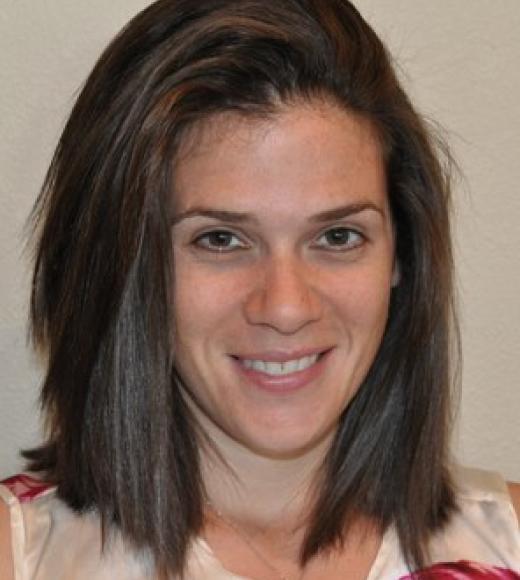
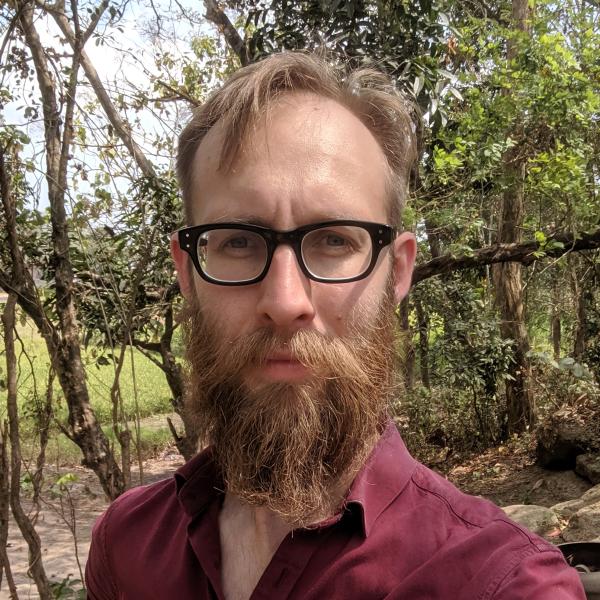
Jieyu Zhao is an Assistant Professor in the Thomas Lord Department of Computer Science at the University of Southern California (USC), part of the Viterbi School of Engineering. She holds a Ph.D. from UCLA and was a NSF Computing Innovation Fellow at the University of Maryland. Her research focuses on fairness in machine learning and NLP, particularly addressing biases in AI systems and promoting ethical AI practices. Education: Ph.D. in Computer Science (UCLA, 2021), Postdoc at University of Maryland (2022-2023), and multiple research internships at Microsoft Research, Google Research, and AI2. She also completed her undergraduate studies at the University of Virginia. Research interests include bias detection and mitigation in NLP models, trustworthy AI, and social responsibility in technology. Her work has been recognized with awards such as the EMNLP Best Long Paper Award (2017), Microsoft PhD Fellowship (2020), and EECS Rising Star (2021). She has delivered talks at conferences like NeurIPS, EMNLP, and USC Law School, and serves on committees including AAAI workflow chair. Her lab explores topics like alignment of LLMs, fairness in sequential decision-making, and ethical model interventions. She actively participates in initiatives promoting diversity and inclusion in AI, such as the UN-WOMEN Beijing panel on gender equality. Awards: 100 Brilliant Women in AI Ethics (2025), Capital One Research Award (2024), Microsoft PhD Fellowship (2020) Grants: NSF Computing Innovation Fellowship, USC Viterbi funding Labs/Teams: Leads the USC Lab focused on trustworthy AI and ethical NLP
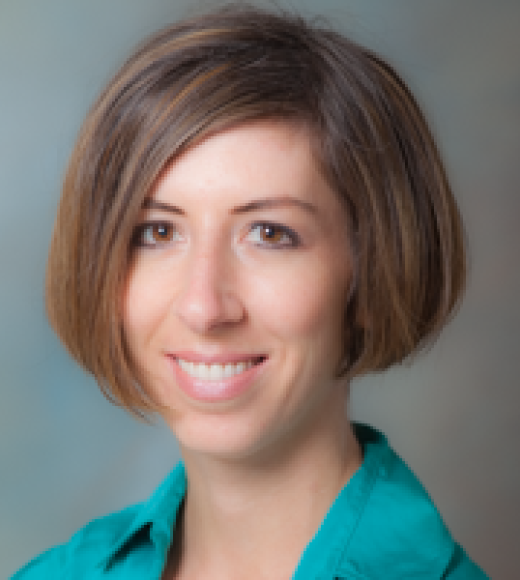
Alison Ledgerwood is a Professor in the Department of Psychology at the University of California, Davis, and Principal Investigator of the Attitudes and Group Identity Lab. Her research examines how social context shapes attitudes and preferences, with a focus on open and inclusive scientific practices. Ph.D., Social Psychology, New York University (2008) M.A., Psychology, New York University (2006) B.A., Psychology, Amherst College (2003) Her research explores psychological distance , framing effects , and system justification theory , while methodologically advancing preregistration , collaborative science , and equity in publishing . She also investigates group identity dynamics and implicit/explicit bias measurement . Recent publications highlight her work on racial bias methodology , open science reform , and contextual framing . Awards include the 2024 Distinguished Service to the Society award, 2021 UC Davis Advising and Mentoring Award, and 2017 SPSP Service to the Field award. 2024 Distinguished Service to the Society, SPSP 2021 UC Davis Graduate Advising and Mentoring Award 2017 Service to the Field, SPSP Hellman Fellowship (2010-2011), UC Davis UC Davis Chancellor's Fellow APS Fellow SESP Fellow Ledgerwood advises on scientific integrity through roles like Chair of the Transparency and Openness Promotion (TOP) II Guidelines Task Force and Anti Colorism and Eurocentrism in Methods and Practices (ACEMAP) Task Force. Her lab fosters contextual evaluation studies and psychological distance frameworks .
Karin Allor Pfeiffer is a Professor in the Department of Kinesiology at Michigan State University (MSU) and Director of the Institute for the Study of Youth Sports. She holds additional membership in the Center for Physical Activity and Health. With a Ph.D. from MSU, her research focuses on physical activity measurement methodologies and population health interventions, particularly among children and adolescents. Her work addresses obesity prevention, environmental design impacts on activity levels, and sociocultural factors influencing youth sport participation. Education: Ph.D. in Kinesiology from Michigan State University Her research interests emphasize: - Quantitative methods for physical activity assessment - Schoolyard redesign strategies and their health impacts - Cardiometabolic risk factors in pediatric populations - Longitudinal tracking of physical fitness and health outcomes Recent work explores accelerometer fragmentation metrics, GPS-linked activity tracking, and disparities in sedentary behavior across demographic groups. She has pioneered interdisciplinary approaches integrating spatial analysis, wearable technology, and policy evaluation. Key contributions include developing the Observational System for Recording Physical Activity in Children and advancing consensus methods for accelerometer data interpretation. Her studies frequently highlight socioeconomic and environmental determinants of health behaviors. Dr. Pfeiffer collaborates with public health agencies and urban planners to translate research into actionable policies. Her lab focuses on scalable interventions for underserved communities, leveraging community-engaged methods to address greenspace accessibility and safety concerns.
Kora DeBeck is a Distinguished Professor of Substance Use and Drug Policy in the School of Public Policy at Simon Fraser University, a CIHR Applied Public Health Chair, and Dorothy Killam Fellow. She is also a Research Scientist with the BC Centre on Substance Use and Principal Investigator of the At-Risk Youth Study (ARYS), a longitudinal cohort tracking over 1,200 street-involved youth. Her research focuses on substance use policy, health services for marginalized populations, and the structural drivers of drug-related harms. She has published over 200 peer-reviewed articles challenging ineffective drug enforcement models and advocating for policy reforms. Recent publications analyze trends in opioid use, harm reduction during the COVID-19 pandemic, drug decriminalization, and youth-focused interventions. Her work consistently addresses social inequities through data-driven approaches to the toxic drug crisis. CIHR Applied Public Health Chair Dorothy Killam Fellow Michael Smith Health Research BC Scholar Award Distinguished SFU Professorship She has secured over $50 million in research funding, including $21M as principal investigator for ARYS. Her lab collaborates with healthcare providers, community organizations, and policymakers to translate research into practice.
Dr. George Stamou is a Professor at the School of Electrical and Computer Engineering of the National Technical University of Athens (NTUA), serving as Director of the Artificial Intelligence and Learning Systems Laboratory (AILS). His expertise spans knowledge representation, machine learning, neural networks, and semantic technologies. He leads interdisciplinary initiatives such as the postgraduate program 'Data Science and Machine Learning' (2018–2022). Research Interests: Focuses on knowledge graphs, interpretable AI, semantic web applications, and multimodal learning. His work integrates formal logic systems (e.g., description logics) with modern deep learning techniques, addressing challenges in explainability, bias detection, and ethical AI applications. Publications: Over 150 articles in AI journals/conferences with an h-index of 34 (Google Scholar). Notable contributions include datasets like CHORDONOMICON (music analysis), GOSt-MT (gender bias in MT), and methodologies for counterfactual explanations in machine learning. Awards & Committees: Active in W3C and RuleML standardization bodies. Co-organized major AI conferences. Recognized for contributions to semantic interoperability and knowledge-based systems. Labs & Teams: Directs AILS-NTUA lab and collaborates with CISRI (Computer & Information Systems Research Institute). Engages in EU projects like CultureLabs (cultural heritage digitalization) andsmarty4covid (health data analysis).
State University of New York at BuffaloUnited States
Dr. Kenneth Joseph is an Associate Professor in the Department of Computer Science and Engineering at the University at Buffalo , part of the School of Engineering and Applied Sciences . He serves as Associate Director of the Institute for Artificial Intelligence and Data Science and leads the Computation and Equity Lab (cubelab) , focusing on social inequality through computational measures and models. Education: PhD, MS, and BS in Societal Computing from Carnegie Mellon University (2016, 2012, 2010) Research Interests: Computational Social Science, Network Science, Gender Studies, and AI for Social Good Notable Work: Gender disparities in academia, predictive modeling for foster care and urban policy, and social media rumor analysis Awards: UB Exceptional Scholar—Young Investigator Award (2021) Advising: Mentored students like Yuhao Du, Jason Yan, Arjunil Pathak, and Navid Madani on projects spanning Twitter bios, foster youth services, and algorithmic fairness.
Dr. Md Manjurul Ahsan serves as a Research Assistant Professor in the Department of Industrial & Systems Engineering at the University of Oklahoma, where he develops AI-driven solutions for healthcare diagnostics and advanced manufacturing optimization. His work bridges theoretical AI advancements with practical industrial and medical applications. Education: Ph.D. in Industrial and Systems Engineering, University of Oklahoma M.S. in Industrial Engineering, Lamar University B.S. in Industrial and Production Engineering, Shahjalal University of Science and Technology Research Focus: Dr. Ahsan specializes in Artificial Intelligence with technical depth in Machine Learning , Deep Learning , and Computer Vision to solve critical challenges in healthcare diagnostics and additive manufacturing . His research emphasizes Explainable AI to enhance model trustworthiness and deployment efficiency across Cyber-Physical-Social Systems, with significant contributions to Aerospace and Defense applications. Publication Trends: Recent work (2023-2025) reveals a strategic expansion from core manufacturing applications into medical AI (diffusion models for diagnostics), cultural preservation (NLP for Dravidian languages), and geopolitical AI analysis. His publications consistently address data imbalance challenges while advancing digital twin integration in quality control systems. Scientific Recognition: GCOE Dissertation Excellence Award (2023) International Student Scholarship (2022) Outstanding Academic Achievement in Engineering (2022) IEEE IEMCON Best Paper Award (2020) Netti Vincent Boggs Engineering Excellence Award (2020) Research Leadership: As director of the Sooner Additive Manufacturing Laboratory , Dr. Ahsan leads cross-disciplinary teams developing real-time monitoring systems using FARO arms and CMM metrology. His postdoctoral work at Northwestern University (2023-2024) advanced AI deployment frameworks, resulting in 60+ peer-reviewed publications with multiple papers ranking in engineering's top 1% for citations.
David Yarowsky is a Professor in the Department of Computer Science at Johns Hopkins University. He leads the Low-Resource Languages Lab and is a member of the Center for Language and Speech Processing. Harvard University - Bachelor of Arts in Computer Science (1987) University of Pennsylvania - Master of Science in Engineering (1993) and PhD in Computer and Information Science (1996) Research Interests : Natural Language Processing, particularly focusing on word sense disambiguation, minimally supervised induction algorithms, multilingual NLP, and machine translation for low-resource languages. His work bridges theoretical linguistics with practical applications in information retrieval, spoken language systems, and very large text databases. Article Trends : His publications emphasize cross-lingual transfer learning, universal morphology, and low-resource language technologies. Key themes include morphological analysis, computational etymology, and adversarial speech recognition. Scientific Awards : ACL Fellow (2013-present) Professional Service : Served as Treasurer and Executive Committee Member of the Association for Computational Linguistics, Secretary-Treasurer of SIGDAT, and chair/co-chair of major conferences including EMNLP 2013, IJCNLP 2011, and ACL 2014. Labs & Teams : Director of the Low-Resource Languages Lab at JHU and active member of the Center for Language and Speech Processing.
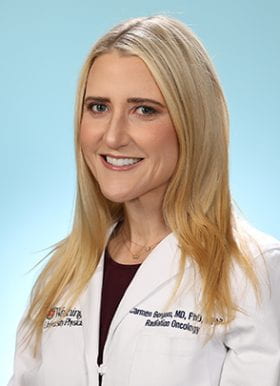
Carmen Bergom, MD, PhD, is an Associate Professor of Radiation Oncology at Washington University School of Medicine (WashU Medicine), where she joined the faculty in 2020. She holds secondary appointments in the Division of Cancer Biology and the Siteman Cancer Center. Her research focuses on leveraging genetic models to improve radiation therapy efficacy while mitigating radiation-induced cardiotoxicity , particularly in breast cancer patients. Key areas include radiation biology , tumor microenvironment , and cardio-oncology . Recent publications highlight her work in genetic mapping of radiation sensitivity (e.g., rat chromosome 3 variants), innovative imaging techniques (e.g., integrin-targeted PET), and clinical trial design for cardiovascular risk stratification. Her laboratory has pioneered the first genetic studies of radiation-induced cardiac dysfunction. Scientific awards include the Michael Fry Research Award (2021) and recognition as a Top Doctor in America (2018, 2019). She serves as Chair of the ASTRO Science Council Scientific Review Panel and co-chair of the Clinical and Experimental Research in Radiation Oncology meeting at ESTRO. Dr. Bergom treats breast cancer patients clinically and mentors students across all levels (undergraduate to postdoctoral). Her work bridges basic research with clinical applications , aiming to develop biomarkers and therapeutic targets for radiation oncology.
Erik Willcutt is a Professor in the Department of Psychology and Neuroscience at the University of Colorado Boulder. His research focuses on the genetic and neurobehavioral underpinnings of ADHD, learning disabilities, and developmental psychopathologies. He holds positions at the Institute for Behavioral Genetics and the Center for Neuroscience. Education: PhD in Psychology from the University of Denver (1998). Research Interests: Etiology and assessment of ADHD, reading disabilities, and developmental psychopathologies. His work integrates behavioral genetics, neuroimaging, and longitudinal twin studies to understand cognitive and psychiatric disorders. Key topics include neuroanatomical correlates of ADHD, genetic influences on dyslexia, and comorbidity between learning disabilities and psychiatric conditions. Publications highlight advanced methods like genome-wide association studies (GWAS) and phenotype harmonization (e.g., Rosetta method). His work bridges molecular genetics with clinical psychology, emphasizing translational research. Lab/Affiliations: Active in the Institute for Behavioral Genetics and collaborates with interdisciplinary teams studying neurodevelopmental disorders. Office located at Muenzinger D451B.
Prof. Neslihan YETKİNER is the current Dean of İzmir University of Economics and a member of the TÜBİTAK SOBAG Advisory Board. She holds a PhD in Linguistics from Groningen University (Netherlands) and has served as a research assistant at Hacettepe University and part-time lecturer at London University. Her academic career spans over two decades, with expertise in Translation Studies, Pragmatics, and Corpus-based Translation. Education: BA (Summa Cum Laude) and MA in Translation from Hacettepe University; PhD in Linguistics from Groningen University. Administrative Roles: Dean since 2023, previously Head of the Department (2006–2009). Research Interests: Focus on translation theory, critical discourse analysis, children’s literature, and cultural studies. Her work explores themes like censorship in children’s books, translator prefaces, and intercultural adaptation. Her recent articles address topics such as the impact of the pandemic on the translation industry, liminality in folk tale translations, and community interpreting professionalism. She has led three TÜBİTAK-funded projects on translation and literary analysis. Prof. YETKİNER has received multiple awards, including the TÜBİTAK Scientific Publication Encouragement Award (2012–2017), and has advised PhD student Hamide Çakır. She is actively involved in academic administration and contributes to national and international conferences.
Professor Fionnuala Dillane is a leading scholar in nineteenth-century British literature and culture, periodical studies, memory studies, and gender, based at the School of English, Drama and Film, University College Dublin. She holds the academic rank of Professor and is actively engaged in research, teaching, and academic leadership. She currently serves as Academic Director of the UCD Writing Centre and Chair of the UCD Press Editorial Board, and previously served as Associate Dean for Arts and Humanities (2017–2020). Her collaborative research spans institutions including Ghent University, Newcastle University, and the University of Iceland. Her research interests include: Nineteenth-century British literature and culture Periodical studies and media history George Eliot and Marian Evans Memory studies and trauma Gender and sexualities Contemporary crime fiction Her recent publications explore affect in periodical encounters, editorial identities, transnational periodical research, and the literary afterlives of George Eliot. The trends in her work reveal a sustained engagement with print culture, narrative form, emotional communities, and the politics of memory. She is currently editing the Handbook of Transnational Periodical Research (Brill, 2026). Her scientific awards include: University Award for Outstanding Contribution to Student Learning, UCD (2017) Shortlisted for European Award in Teaching Excellence (2017) College of Arts and Humanities Outstanding Contribution to Student Learning (2017) Dillane has secured significant research grants, including from the Irish Research Council for her project on George Eliot and the Periodical Press, 1846–60 , and on The Future of Data Humanities . She has supervised doctoral students such as David Mitchell and mentors emerging scholars in periodical studies and trauma fiction. She has pioneered innovative teaching initiatives, including the first internship programmes for UCD Arts and Humanities undergraduates and the development of the UCD Writing Centre, now permanently funded. She is also deeply involved in national and international advocacy for the humanities, serving on editorial and advisory boards such as the Journal of Victorian Culture , the Memory Studies Association, and the European Society for Periodical Research.
Lisa L. Wynn is Professor in the School of Social Sciences (Discipline of Anthropology) at Macquarie University in Sydney, Australia. She serves as Associate Editor of American Ethnologist (2022-2027) and previously held leadership positions including President of the Australian Anthropological Society (2020) and membership on the AAS Executive Committee (2018-2021). Wynn earned her PhD in 2003 from Princeton University's Anthropology Department, followed by postdoctoral positions at Princeton's Office of Population Research and Center for Health and Wellbeing. Her research program centers on gender, reproductive health technologies, sexuality, and religion, with continuous fieldwork in Egypt since 1998. More recently, she has expanded her work to examine ethics review bureaucracies, lay understandings of infectious disease, and young adult vaping behaviors in Australia. Her methodological approach combines deep ethnographic engagement with critical analysis of how power structures intersect with medical technologies and bodily experiences, particularly among marginalized communities. Analysis of her recent publications reveals an evolving trajectory that maintains her foundational interest in Middle Eastern contexts while increasingly addressing digital spaces (as seen in studies of online fatwas) and contemporary health crises (including pandemic responses and vaping culture), with consistent attention to bodily autonomy and reproductive justice. Her significant scholarly contributions have been recognized through multiple prestigious awards: Vice Chancellor's Teaching Excellence Award from Macquarie University (2009) Australian Award for Teaching Excellence (2012) OLT National Teaching Fellowship (2012-2014) Leeds Honor Prize from the Society for Urban, National, and Transnational/Global Anthropology (2008) Wynn actively mentors graduate researchers specializing in gender, sexuality, medicine and technology, with particular emphasis on sexual and reproductive health. Her research program has received substantial funding from the Social Science Research Council, Australian Research Council, Office of Learning and Teaching, and Hort Innovation. Notably, she co-led a major international project to develop multilingual sexual and reproductive health resources that have reached millions of users across 208 countries. She also created a free online ethics training program for humanities and social sciences researchers at Macquarie University. Through collaborations with Cambridge Reproductive Health Consultants and other partners, Wynn has successfully translated academic research into accessible public resources, including evidence-based information on medication abortion available in six languages (English, Spanish, French, Arabic, Turkish, and Farsi).
Georgia Zellou is an Associate Professor in the Department of Linguistics at the University of California, Davis, where she co-directs the Phonetics Lab and conducts award-winning research at the intersection of phonetics, speech perception, and human-AI interaction. Her work investigates how phonetic detail is cognitively represented through variations in speech production, with significant contributions to understanding speech alignment with voice assistants, face-masked speech intelligibility, and cross-linguistic perception of synthetic voices. Her academic credentials include a Ph.D. in Linguistics from the University of Colorado at Boulder (2012), an M.A. in Linguistics from Stony Brook University (2007), and a B.A. in Linguistics & Anthropology from the University of Florida (2005, Cum Laude, Phi Beta Kappa). Ph.D., Linguistics, University of Colorado at Boulder (2012) M.A., Linguistics, Stony Brook University (2007) B.A., Linguistics & Anthropology, University of Florida (2005) Professor Zellou's research program centers on laboratory phonology approaches to real-world communication challenges, examining how acoustic-phonetic details influence speech perception across contexts. Her studies span speech alignment with voice-AI systems (e.g., Amazon Alexa), sociophonetic variation in bilingual speech, and the cognitive mechanisms underlying perceptual compensation for coarticulation. She employs experimental methods including eye-tracking, acoustic analysis, and perceptual testing to uncover how phonetic variation functions pragmatically in human communication and human-machine interaction. Analysis of her 15 most recent publications (2023-2025) reveals three dominant research trajectories: (1) human-AI voice interaction dynamics, including prosodic alignment and social evaluation of TTS voices; (2) intelligibility optimization in challenging contexts (face masks, clear speech for diverse listeners); and (3) cross-linguistic phonetic variation in vowelless words and consonant clusters. These works consistently bridge theoretical phonology with applied speech technology, demonstrating how fine-grained phonetic detail influences communication effectiveness in both human-human and human-machine contexts. Her scientific recognition includes: Fulbright Scholar (2022) for research in France Chancellor’s Award for Excellence in Undergraduate Mentoring (2019) Fellow of the Linguistic Society of America (2020) Amazon Faculty Research Award (2019) for Alexa-related speech studies Dean’s Fellow designation at UC Davis (2020-2023) Professor Zellou maintains an active mentoring practice recognized with the Chancellor’s Award, supervising undergraduate researchers in the Phonetics Lab while teaching core linguistics courses from introductory to advanced graduate levels. Her research program is supported by competitive grants including NSF funding, Amazon Research Awards, and UC Davis internal grants (Hellman Foundation, ISS Junior Faculty Grant), reflecting the translational value of her work for speech technology development. She has co-directed major initiatives including the 2019 LSA Linguistic Institute. The Phonetics Lab she co-leads serves as a hub for experimental phonetics research, focusing on speech production-perception relationships through projects investigating vocal accommodation to voice assistants, nasal coarticulation dynamics, and cross-linguistic prosody. Current collaborations with industry partners aim to implement human speech adaptation principles into voice assistant design to enhance naturalness and engagement.
Andrew Ollett is an Associate Professor and Director of Graduate Studies in the Department of South Asian Languages and Civilizations at the University of Chicago , where he has taught since 2019. His research focuses on the literary and intellectual traditions of South and Southeast Asia, particularly through works in Sanskrit, Prakrit, Apabhramsha, and Kannada from the first millennium CE. Co-founder and editor of NESAR (New Explorations in South Asia Research) Director of NEH-funded edition/translation of the Kavirājamārga (earliest Kannada literary manual) Expert in Prakrit and Kannada literary traditions His work explores the 'question of language'—examining how language choice shaped cultural production and change in premodern India. Current projects include a monograph on context-sensitivity in Indian language theories and a study of manuscript technology's impact on early South Asian knowledge communities. He has authored The Mirror of Ornaments (Naples: Unior Press, 2025) and Language of the Snakes (UC Press, 2017), and co-authored Lilavai (Harvard, 2021). Recent publications include interdisciplinary studies on: Sanskrit-Prakrit campū genre reevaluation Pragmatics in Mīmāṁsā interpretive concepts Manuscript literacy's influence on literary forms Historical linguistics of Middle Indic syllable reduction Philosophy of language in Śālikanātha and Kumārila Bhaṭṭa Awarded the NEH 'Scholarly Editions and Translations' grant , he teaches classical South Asian literature courses covering Sanskrit, Prakrit, and Tamil traditions. He maintains digital resources including a Prakrit Digital Texts Project and Mīmāṁsādigdarśinī digital text repository, and actively contributes to open-access scholarship.