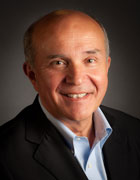
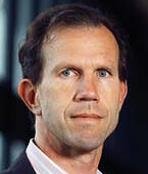
Assoc Prof Ng Teng Yong is an Associate Professor at the School of Mechanical & Aerospace Engineering (NTU), specializing in numerical modeling and simulation. With a background as Research Manager at A*STAR Institute of High Performance Computing, his work spans materials science, nanotechnology, and aerospace engineering. Current focus on graphene-based desalination membranes Expertise in molecular dynamics simulations Investigates nanoscale fluid mechanics and structural dynamics Recent publications highlight advancements in energy-efficient electrodialysis, smart robotics, and nonlinear vibration analysis. His interdisciplinary approach integrates computational methods with experimental validation in additive manufacturing and soft material mechanics.
Prof. Johannes A. Lercher is a retired professor (as of April 2023) at the Technical University of Munich (TUM), holding the Chair of Chemical Technology II within the Department of Chemistry. His research focuses on heterogeneous catalysis, particularly understanding catalytic processes at solid-liquid and solid-gas interfaces, with applications in sustainable energy production, CO₂ conversion, and catalytic upcycling of polymers. He has held academic positions at the University of Twente (Netherlands) and the Pacific Northwest National Laboratory (USA), and has been Editor-in-Chief of the Journal of Catalysis . His honors include the Alwin Mittasch Prize (2021), ENI Award (2016), and Kozo Tanabe Prize (2013). His recent work emphasizes low-temperature polymer upcycling, methane activation, and bioinspired catalyst design, leveraging advanced spectroscopic and operando techniques. Despite retirement, his contributions to catalysis research remain impactful. Education: PhD (1980) and Habilitation (1985), Vienna University of Technology Visiting Lecturer, Yale University (1982) Research Interests: Heterogeneous catalysis, catalytic interfaces, sustainable energy carriers, CO₂ valorization, and polymer waste upcycling. Key areas include: Design of catalysts for selective hydrocarbon synthesis Mechanistic studies using advanced spectroscopy Development of scalable catalytic processes for industrial applications Recent Trends in Publications: Focus on low-temperature polymer recycling (e.g., PVC and polyolefin upcycling), methane activation via novel catalysts (e.g., Co 2+ in ZSM-5), and bioinspired catalytic strategies. His work bridges fundamental catalysis with industrial relevance, emphasizing sustainability and energy efficiency. Awards and Recognition: Member, Academia Europaea and US National Academy of Engineering Recipient of multiple international catalysis awards (see full list above) Grants and Labs: Led the Institute for Integrated Catalysis (Pacific Northwest National Lab, 2011–present). His research groups have pioneered studies on zeolite-confined reactions and interfacial catalysis, with collaborations spanning academia and industry. Labs/Teams: Active in the TUM Department of Chemistry and international networks focused on catalytic innovation for a carbon-neutral economy.
Ashwani K. Gupta is a Distinguished University Professor at the University of Maryland, holding the Minta Martin Professorship in Engineering. He serves as Professor in the Department of Mechanical Engineering, Professor at the Institute of Physical Science and Technology, and Affiliate Professor in the Department of Aerospace Engineering. With over 45 years of experience in combustion engineering since graduating from Southampton University in 1970, Gupta has established himself as a leading authority in advanced combustion technologies. Dr. Gupta earned his Ph.D. from the University of Sheffield in 1973, followed by a D.Sc. from the same institution in 1986 and another D.Sc. from Southampton University in 2013. His academic journey includes six years at MIT as a research staff member and three years at Sheffield University as an independent research worker before joining the University of Maryland in 1983. Gupta's research focuses on revolutionizing combustion technology through innovations in swirl flows, high-temperature air combustion (HiTAC), and distributed combustion systems. His pioneering work on 'colorless distributed combustion' has enabled ultra-low emission combustion processes with significant applications in gas turbine engines and waste-to-energy conversion. His research spans biofuels, CO2 utilization, sulfur chemistry, waste conversion, and advanced laser diagnostics, addressing critical challenges in sustainable energy and environmental protection. Analyzing his recent publications reveals a strong emphasis on waste-to-energy conversion, biomass processing, and CO2-assisted technologies. Gupta's work demonstrates a clear trajectory toward sustainable energy solutions, with increasing integration of artificial intelligence for combustion optimization and emission control. His research bridges fundamental combustion science with practical engineering applications for cleaner energy systems. Among Gupta's numerous accolades are: Election to Fellowship of the Royal Academy of Engineering (2023) Honorary Fellowship of the Royal Aeronautical Society (2020) Recognition as one of the top 2% of scientists worldwide by Stanford University (2022-2024) Multiple prestigious medals from ASME and AIAA including the Soichiro Honda Medal (2018) and AIAA Air Breathing Propulsion Award (2014) Honorary doctorates from three international universities Gupta has secured substantial research funding throughout his career, resulting in over 850 technical papers, three books, 18 edited books, and 22 book chapters. He has delivered over 100 plenary/keynote/invited presentations at international conferences. His mentorship has shaped numerous graduate students who continue to contribute to the field of combustion engineering. Gupta directs the Combustion Laboratory at the University of Maryland, which serves as a hub for cutting-edge research in sustainable combustion technologies. The Combustion Laboratory, under Gupta's leadership, has become a center of excellence for advanced combustion research, particularly in distributed combustion systems, waste-to-energy conversion, and alternative fuels. The lab maintains strong collaborations with industry partners and international research institutions, facilitating technology transfer and practical implementation of research findings. Gupta's team employs state-of-the-art diagnostics and computational tools to advance fundamental understanding while developing practical engineering solutions for cleaner energy systems.
Craig H. Meyer is a Professor in Biomedical Engineering and Radiology & Medical Imaging at the University of Virginia. He holds a Ph.D. from Stanford University and leads the Rapid MRI Research Group, focusing on developing advanced MRI techniques for cardiovascular disease, neural disorders, and pediatrics. His work integrates physics, signal processing, and machine learning to improve MRI acquisition and processing speed. Education: Ph.D. in Biomedical Engineering, Stanford University. Research Interests: Medical and Molecular Imaging, Signal and Image Processing, Biomedical Data Sciences, Biomechanics, and Cardiovascular Engineering. His innovations include fast spiral imaging, conjugate phase reconstruction, and machine learning-enhanced MRI denoising. Awards: Notably includes the Dean’s Award for Excellence in Team Science (2014), Fellowships from NAI (2021), AIMBE (2015), and ISMRM (2013). He also authored two landmark MRI papers recognized as pivotal in the field. Teaching: Courses include BME 6310 (Computation and Modeling in Biomedical Engineering) and BME 8782 (Magnetic Resonance Imaging). He emphasizes translational research, with applications in clinical MRI advancements and collaborative interdisciplinary projects. Labs/Groups: Rapid MRI Research Group focuses on cutting-edge MRI technologies, including real-time cardiac imaging and artifact reduction through deep learning.
Xavier Brusset is a Professor in Supply Chain at SKEMA Business School since 2016, where he also serves as Director of the PRISM Research Center since 2017. Previously, he held professorial positions at Toulouse Business School (2015-2016) and ESSCA School of Management (2009-2015), where he was responsible for the Master 2 in Purchasing and Supply Chain Management program. His academic journey includes a PhD in Management Sciences from Université Catholique de Louvain (2010) and a Habilitation à Diriger des Recherches from Université Paris Ouest Nanterre La Défense (2016). His research spans multiple critical areas in supply chain management, with particular focus on supply chain resilience, blockchain applications, weather risk management, and pandemic impacts on supply chains. Brusset has developed innovative approaches to understanding how supply chain partners interact, how information affects their behavior, and how external disruptions like weather anomalies and pandemics impact operational efficiency. His work bridges theoretical models with practical applications, often developing decision-support tools for managers facing complex supply chain challenges. Brusset's publication record shows a clear evolution of research interests, beginning with foundational work on supply chain contracts and information sharing, then expanding to weather risk management, and most recently focusing on pandemic disruptions and blockchain applications. His 15 most recent publications (2018-2025) demonstrate increasing sophistication in modeling complex supply chain phenomena, with particular emphasis on network effects, ripple effects, and multi-echelon optimization under disruption scenarios. Editorial board member of Logistics Research Editor of International Journal of Retail and Distribution Management (2022-2023) Recognized EU expert for CINEA research projects evaluation Organizer of the Colloquium on European Research in Retailing (CERR) Reviewer for multiple top journals including International Journal of Production Economics As an advisor, Brusset has supervised doctoral students including R. Alkhudary (co-director, Université Paris 2 Panthéon-Assas) and V. Capocasale (rapporteur). His professional experience extends beyond academia to include industry roles in financial markets and logistics technology, having co-founded WebLogistix, a platform for sharing logistics information in Argentina. His research has practical applications across multiple sectors, particularly in retail, food supply chains, and manufacturing, where he develops tools to help managers mitigate risks and optimize operations under uncertainty.
Dr. Amir Hakami is a Professor in the Department of Civil & Environmental Engineering at Carleton University , where he leads the Carleton Atmospheric Modelling Group . His research focuses on advanced air quality modeling techniques to inform environmental policy. Degrees: B.Sc. (Polytechnic of Tehran), M.Sc., Ph.D. (Georgia Tech), Postdoc (Caltech) Contact: Office 3454 Mackenzie Building, Phone: 613-520-2600 ext. 8609, Email: amir.hakami@carleton.ca Research Interests: Air quality modeling at multiple spatial scales Adjoint sensitivity analysis for atmospheric response Inverse modeling and data assimilation techniques Uncertainty quantification in environmental systems Interdisciplinary applications in policy, public health, and economics Teaching: Courses include Environmental Engineering Systems Modeling , Contaminant Transport , and Air Pollution & Emissions Control at undergraduate and graduate levels. Research Group: The group includes Ph.D. candidates, postdoctoral fellows, and alumni working on topics ranging from atmospheric chemistry to sustainable energy systems. Members come from diverse backgrounds in engineering, science, and policy disciplines.
James Tinjum is a Professor in the Department of Civil & Environmental Engineering at the University of Wisconsin-Madison, College of Engineering. His interdisciplinary expertise spans geotechnical, geological, environmental, transportation, and sustainable energy engineering. Education PhD 2006, University of Wisconsin-Madison MS 1995, University of Wisconsin-Madison BS 1993, University of Wisconsin-Madison Research Interests Professor Tinjum’s research integrates energy geotechnics with environmental sustainability. He investigates wind energy site design, district-scale geothermal heating/cooling systems, beneficial reuse of industrial byproducts (e.g., coal-combustion residuals, cement kiln dust), life-cycle environmental analysis, and remediation of contaminated sites. Additional focus areas include thermal conduction in unsaturated soils, landfill liner performance, and PFAS management in Wisconsin. Recent Research Directions His 2020–2024 publications reveal a strong emphasis on geothermal system performance , wind-turbine foundation–soil interaction , and emerging contaminant transport (PFAS, chromium). Fiber-optic distributed temperature sensing (FO-DTS) is a recurring enabling technology, applied to both geothermal borefields and landfill covers. Life-cycle assessment methodologies are consistently employed to quantify environmental benefits of renewable energy and waste-reuse strategies. Scientific Awards 2018 Fellow, American Society of Civil Engineers (ASCE) 2003 ASCE Zone III Practitioner Advisor of the Year 2002 ASCE Wisconsin Section Outstanding Young Engineer Teaching & Mentoring Professor Tinjum teaches core geotechnical courses (Soil Mechanics, Foundation Systems) alongside specialized offerings in wind-energy balance-of-plant design and sustainable systems engineering capstone. He supervises numerous master’s and doctoral students through GLE 790/890 research credits each semester. Labs & Teams He directs field-scale instrumentation campaigns at two wind-turbine sites and multiple campus/district geothermal installations, leveraging fiber-optic sensing networks and thermal response testing to advance energy geotechnics.
Xiaozhe Wang is an Associate Professor in the Department of Electrical and Computer Engineering at McGill University, holding the Canada Research Chair (Tier II) in Resilient and Stable Zero-Emission Electric Power Grids and the Rubin & So Foundation Faculty Scholar. He joined McGill in 2016 after a postdoctoral fellowship at MIT under Prof. Konstantin Turitsyn. He earned his Ph.D. from Cornell University (2015), with a minor in Applied Mathematics, and holds degrees from Zhejiang University (B.S., 2010) and Cornell (M.Eng., 2011). His research focuses on resilient power grids, data-driven methodologies, and cybersecurity in energy systems. Key areas include electric vehicle integration, stability assessment, and control strategies for renewable energy systems. He develops advanced techniques for uncertainty quantification, wide-area monitoring, and adversarial attack detection. Notable achievements include pioneering work on polynomial chaos expansion for probabilistic assessment and sparse identification for nonlinear dynamics. His articles explore topics like microgrid control, false data injection attacks, and decentralized energy trading. Awards: Canada Research Chair (Tier II), Rubin & So Foundation Scholar Grants/Projects: Focus on resilience, cybersecurity, and renewable integration funded via NSERC, Mitacs, and industry partnerships. He advises students through fellowships like Mitacs Elevate and Banting Postdoctoral Fellowships. His lab emphasizes interdisciplinary approaches to modern grid challenges, including lab experiments and field trials.
Prof. Stefan Wiemer is the Director of the Swiss Seismological Service (SED) and holds the Chair of Seismology at ETH Zurich's Department of Earth and Planetary Science. He obtained a geophysics diploma from Ruhr University Bochum (1992) and a PhD from the University of Alaska Fairbanks (1997). His research focuses on earthquake processes, probabilistic hazard assessments, induced seismicity, and geothermal energy applications. He has published over 200 articles and supervised 30 PhD students, while also lecturing at the University of Bern. Key Roles: Member of ERC Grants Evaluation Panel (2015–present) Scientific Advisor to GFZ German Research Center for Geosciences (2021–present) President of Swiss Geophysical Commission Projects: Leader of Switzerland's national earthquake risk model Coordinator of EU-funded RISE (risk assessments) and DEEP (geothermal de-risking) projects Principal Investigator for ERC Synergy grant FEAR (BedrettoLab fault experiments) His research spans operational earthquake forecasting, CO2 storage monitoring, and the BedrettoLab underground experiments. He has won the Humboldt Foundation Fellowship (1997) and contributed to international initiatives like the Dutch Mining Effects Panel. Teaching includes ETH's Geophysics I course. Scientific contributions include developing seismic hazard models (ERM-CH23), real-time induced seismicity forecasting frameworks, and innovative techniques for fault dynamics analysis. His work integrates field data, laboratory experiments, and computational modeling to address both natural and human-induced seismic risks.
Professor Omer Rana serves as Professor of Performance Engineering and International Dean for the Middle East at Cardiff University's School of Computer Science and Informatics. He also holds the prestigious position of Cross-Council Research Director for the UK National Edge AI Hub, demonstrating his leadership in national research initiatives. Previously, he led the Complex Systems research group and served as Dean of International for the Physical Sciences and Engineering College at Cardiff University. Professor Rana is a Fellow of both the Learned Society of Wales and the Higher Education Academy, and serves on the Advisory Board of the Welsh Ethnic Minority Professors Initiative (WEMPI). His research expertise centers on the intersection of intelligent systems and high performance distributed computing, with particular focus on applying intelligent techniques to resource management in distributed systems. His scholarly contributions span edge computing, cloud computing, Internet of Things (IoT), artificial intelligence, cybersecurity, federated learning, privacy-preserving systems, and sustainable computing. Professor Rana has published extensively in top-tier journals and conferences, with recent work emphasizing practical applications in industrial automation, smart buildings, and sustainable computing solutions. Professor Rana's publication record demonstrates consistent leadership in edge computing and distributed systems research, with a growing emphasis on practical implementations across diverse application domains. His work bridges theoretical computer science with real-world technological challenges, particularly in industrial automation, smart environments, and sustainable infrastructure. Fellow of the Learned Society of Wales Fellow of the Higher Education Academy Professor Rana actively supervises postgraduate students and has secured significant research funding for projects related to edge computing, IoT, and distributed systems. His international collaborations span Europe, Asia, and the Middle East, reflecting his global influence in the field. He serves as a sought-after keynote speaker, workshop chair, and panel moderator at major international conferences including IEEE/ACM Utility and Cloud Computing (UCC) and IEEE Edge Computing. He leads multiple research initiatives, most notably as Cross-Council Research Director for the UK National Edge AI Hub, where he shapes national research directions in edge computing and AI. His work has practical applications across industrial automation, smart building management, electric vehicle infrastructure, and sustainable computing solutions.
Matthew Dunbabin is a Professor at Queensland University of Technology (QUT) and Chief Investigator at the Australian Centre for Robotic Vision (ACRV). His expertise spans environmental robotics, with a focus on vision-based autonomous systems for marine conservation, water quality monitoring, and greenhouse gas management. He holds a PhD from QUT and a BEng (Aerospace) from RMIT. Dunbabin has led projects at CSIRO and QUT, developing robots like COTSBot and RangerBot to combat marine pests and promote reef restoration. His work has earned national and international awards, including the 2019 Australian Water Association Award and 2016 Google Impact Challenge. Education: PhD in Engineering, Queensland University of Technology (Queensland, Australia) BEng (Hons) in Aerospace Engineering, Royal Melbourne Institute of Technology (Melbourne, Australia) Research Interests: Environmental robotics and autonomous systems Vision-based perception and classification Marine habitat restoration and pest control Greenhouse gas monitoring via autonomous vehicles Cooperative robotics and sensor networks Awards & Recognition: 2019 Australian Water Association Award (SAMMI Project) 2019 Good Design Award - Sustainability (RangerBot) 2016 Google Impact Challenge People’s Choice Award (RangerBot AUV) 2010 Australian ICT Industry Association National iAward (iSnet) 2006 Queensland Engineering Excellence Innovation Award (Starbug Project) Grants & Projects: ARC Centre of Excellence for Robotic Vision (ACRV): Leading robotic vision research (2014–present) Revolutionising Protection Against Air Pollution: Air quality monitoring networks (2015–present) Establishing Advanced Networks for Air Quality Sensing: Sensor development for urban environments (2017–present) Labs & Collaborations: ACRV at QUT Institute for Future Environments (QUT) CSIRO Autonomous Systems Laboratory (2001–2013)
Bilal Farooq is an Associate Professor and Program Director for the Master of Engineering in Interdisciplinary Engineering (MEIE) at Toronto Metropolitan University, holding the Canada Research Chair in Disruptive Transportation Technologies and Services within the Department of Civil Engineering. His educational background includes a PhD from the University of Toronto (2011), MASc from Lahore University of Management Sciences (2004), and BSc from the University of Engineering and Technology (2001). Dr. Farooq's research pioneers disruptive transportation solutions through cyber-physical systems, AI/machine learning applications, behavioral modeling, and optimization techniques. His work specifically targets on-demand multimodal systems, sustainable urban transportation, urban air mobility, automated vehicles, and extended reality applications, addressing critical urban mobility challenges with human-centered approaches. Analysis of his recent publications reveals a strong trend toward quantum-enhanced computational methods, privacy-preserving federated learning frameworks, and sustainability-focused decarbonization strategies across transportation domains, with increasing emphasis on human factors and real-world implementation. Notable scientific awards include: Ontario Early Researcher Award (2018) Canada Research Chair (2017) MassMotion Academic Pedestrian Modelling Project of the Year (2016) Québec Early Researcher Award (2014) Dr. Farooq actively supervises graduate students and secures significant research funding through his Canada Research Chair position and Early Researcher Awards. He directs the Laboratory of Innovations in Transportation (LiTrans), which develops interdisciplinary solutions integrating mathematics, engineering, computer science, and economics to address emerging transportation challenges. LiTrans focuses on disruptive transportation technologies, complete streets design, cyber-physical systems, pedestrian dynamics, resilience, and climate change impacts, collaborating with industry and government partners to translate research into practical urban mobility innovations for smart cities worldwide.
J.D. Jansen is a full Professor at Delft University of Technology (TU Delft) in the School of Civil Engineering & Geosciences, specializing in the Reservoir Engineering department. His research focuses on systems and control theory applied to subsurface flow mechanics, with applications in oil and gas production, geothermal energy, and induced seismicity. He actively contributes to academic networks through editorial roles, keynote presentations, and international collaborations. Active in computational geosciences (modeling, simulation, data analysis) Member of the Dutch Mining Council since 2016 Recipient of two Society of Petroleum Engineers awards in 2018 His work emphasizes optimization of subsurface processes, numerical modeling of porous materials, and seismicity mitigation. Recent publications highlight fault slip mechanics, benchmarking simulations, and stress pattern analysis in geothermal systems. Collaborations span geomechanics, reservoir engineering, and data assimilation domains. Scientific awards include: Distinguished Membership of the Society of Petroleum Engineers (2018) SPE Distinguished Achievement Award for Petroleum Engineering Faculty (2018) He leads research initiatives in induced seismicity, particularly in the Groningen Field, and contributes to model-based production optimization. Media engagements since 2020 demonstrate public outreach in energy transition topics.
Steve Hailes is a Professor of Wireless Systems at the Department of Computer Science, University College London. He has served as Head of Department since 2019 and Deputy Head from 2005. His research spans wireless networks, computational trust, AI, and sensor systems for health, ecological, and environmental applications. Education: PhD and undergraduate degree from Cambridge University Appointment: Joined UCL in 1991 (postdoc), Lecturer in 1992 Research interests include: Trust and security in networked systems (co-founder of computational trust) Security of industrial control systems AI/ML applications in security and causal discovery Multi-agent reinforcement learning and moral behavior modeling Gas sensor fabrication and deployment for diverse applications Recent publications focus on feature selection for cybersecurity , moral alignment in LLM agents , trust-based consensus algorithms , and causal discovery using reinforcement learning . Collaborations include co-authors like Westphal, Musolesi, and Tennant. Applications span healthcare (dementia, JIA), ecology (endangered species in Botswana), and environmental monitoring (CO distribution, meth lab detection).
Jun Liu is an Assistant Professor in the Department of Mechanical and Aerospace Engineering at the School of Engineering and Applied Sciences, University at Buffalo. His research focuses on advanced energy materials, nano/micro-mechanics, and self-powered systems, with applications in triboelectric energy harvesting and scanning probe microscopy. Education: PhD, Materials Engineering, University of Alberta (2018) MS, Materials Science, Shanghai University (2015) BE, Materials Science and Engineering, Nanchang University (2012) Research Interests: Development of tribovoltaic and triboelectric systems for self-powered electronics Mechanical energy harvesting via dynamic heterojunctions and Schottky contacts 3D-printed hydrogel structures for energy absorption and flexible electronics Nanoscale characterization using atomic force microscopy Design of nanocomposite sensors and catalytic materials Publication Trends: His work emphasizes triboelectricity, nanoscale energy conversion, and sustainable materials. Recent articles explore bionic tactile sensing, tunable hydrogels, and quantum dynamics in sliding interfaces. Awards: SONY Faculty Innovation Award (2021) Nature Springer MINE Young Scientist Award (2020) International Contest of Applications in Nano/Micro Technology Prize (2013) Laboratory: Advanced Energy Materials and Nanomechanics Lab at University at Buffalo.