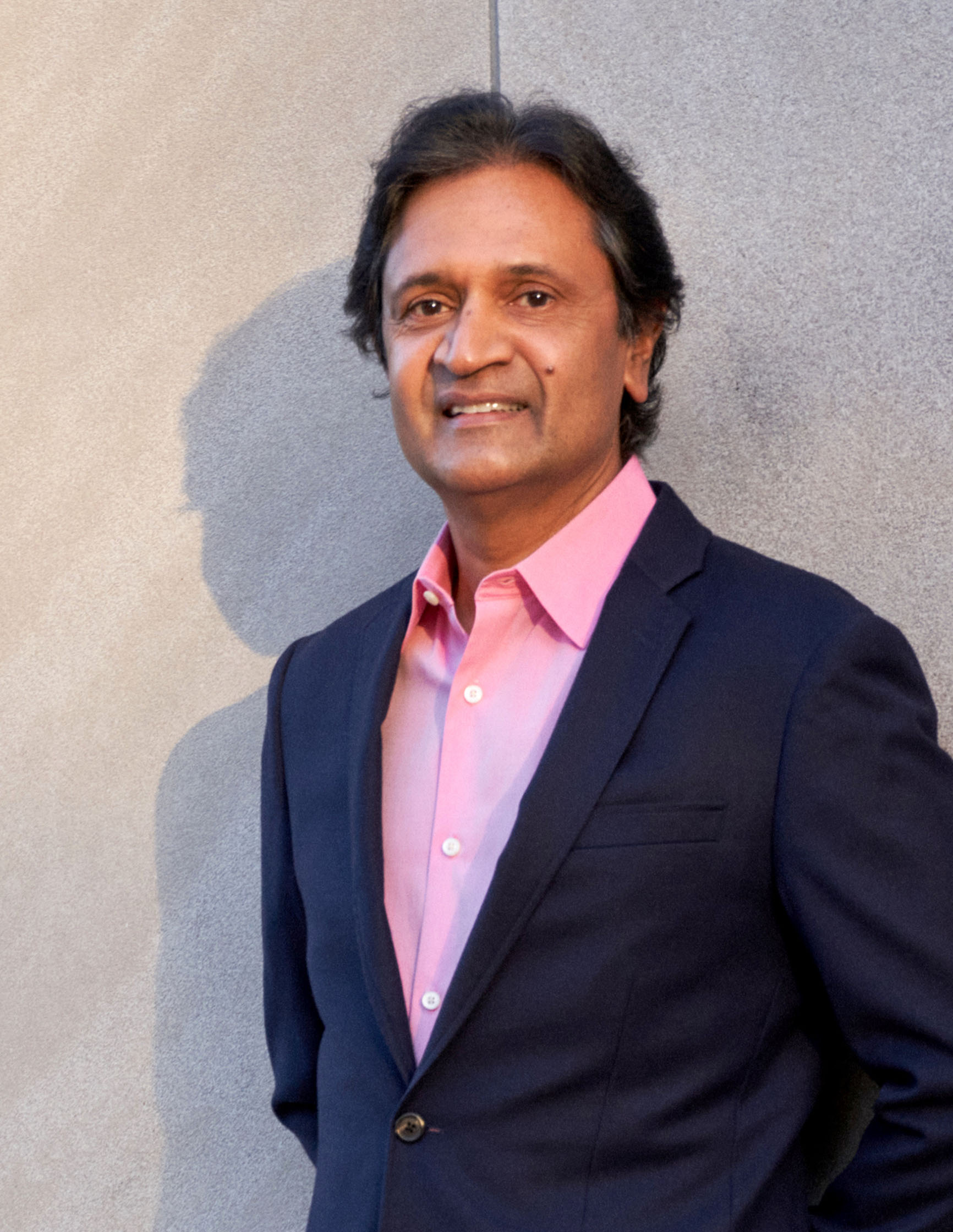
Dr.-Ing. Anna Krause is a researcher at the Chair of Data Science (Informatik X) within the Faculty of Mathematics and Computer Science at the University of Würzburg. She leads the Deep Learning for Dynamical Systems Group and has been actively involved in teaching at the university since 2019, including courses on Machine Learning for Time Series Analysis and Data Mining. Doctoral degree in Electrical Engineering (2019), University of Hannover Diploma in Electrical Engineering (2009), Technical University Dresden Her research focuses on Environmental Sensing and Time Series Analysis , particularly on enhancing physics-based models using machine learning techniques for meteorological applications and sparse sensor networks. She has made significant contributions to explainable AI, climate modeling, and fraud detection systems. Anna's recent publications demonstrate expertise in climate modeling (ConvMOS, ICLR 2024-2025), physics-informed neural networks (TaylorPDENet, ECMLPKDD 2023), and fraud detection (MIDAS workshops, ECMLPKDD 2020-2023). She actively contributes to conferences as organizer and PC member, including ECMLPKDD and ICLR workshops. Scientific Awards Best ML Innovation Award (2020) for Deep Learning in Climate Modeling Best Student Paper Award (2020) for Multi-Task Land Use Regression Best Paper Award (2020) for Financial Fraud Detection with INALU The DynaBench dataset introduced in 2023 provides benchmark tools for learning dynamical systems from low-resolution data. Her work combines theoretical advancements with practical implementations, including edge computing applications for beekeeping monitoring systems.
Gail Anderson is a Senior Lecturer (Education) at the School of Nursing and Midwifery, Queen's University Belfast , UK. Her work focuses on midwifery education, clinical practice innovation, and integration of Sustainable Development Goals (SDGs) into healthcare curricula. Midwifery education Clinical simulation design Therapeutic art applications SDG implementation in nursing Her research explores leveraging technology, such as audio podcasts and simulation tools, to enhance undergraduate midwifery training. Recent publications address delirium education priorities (2025), LGBTQ+ healthcare inclusivity (2024), and resilience-building in perinatal mental health (2025). Key themes include digital health education, clinical competency frameworks, and geriatric care training. Notable award: Royal College of Midwives Excellence in Education Runner-Up (2018) . Active in curriculum development and national committee work, including cervical screening standards and leadership frameworks for nursing/midwifery.
Babak Naderi is a Researcher at the Quality and Usability Lab of Technical University of Berlin , where he has been employed since August 2012. He holds a Dr.-Ing. (PhD) from 2017 for his dissertation on Motivation of Workers on Microtask Crowdsourcing Platforms , a master's degree in Geodesy and Geoinformation Science from TU Berlin (2017), and a bachelor's in Software Engineering . His research focuses on subjective quality assessment , speech quality evaluation in crowdsourcing environments, and motivation theory applied to microtask platforms. He developed the Crowdwork Motivation Scale based on Self-Determination Theory and has worked on standardization efforts within the P.CROWD work program of the ITU-T Standardization Sector . His publications demonstrate expertise in crowdsourcing for speech quality assessment, statistical modeling of worker behavior, and text complexity analysis . He has contributed to IEEE and ITU-T venues while serving as a reviewer for conferences like WWW and journals including International Journal of Human-Computer Studies . Awarded BMBF training program (2013-2015) Leader of the CrowdMAQA project
Xiaochun Zhang is a Lecturer in Translation (English to Chinese) at University College London's Translation Studies department, specializing in the critical intersection of translation, gaming, and accessibility. With expertise spanning audiovisual translation and game localization, Dr Zhang contributes significantly to making digital entertainment more inclusive while maintaining cultural authenticity. Dr Zhang's academic background includes a PhD in Translation Studies from the University of Vienna, an MSc in Translation Studies from the University of Edinburgh, and a BA in Applied English from Nanjing Normal University. This cross-cultural educational foundation enables nuanced research in Chinese-English translation contexts and global gaming markets. Research focuses on Game Localisation , Game Accessibility , Audiovisual Translation , and Translation Technology , with particular attention to audio description implementation in video games and cultural adaptation strategies. Recent work examines whether audio description constitutes translation or creative production, alongside investigations of the Mukokuseki Strategy in Japanese game localization. Publications in leading journals like Translation Spaces, Babel, and Games and Culture demonstrate consistent scholarly output with growing citation impact. Dr Zhang has also edited special sections on Film Accessibility in China and Mapping Contemporary Audiovisual Translation in East Asia, establishing thought leadership in Asian translation studies. As an educator, Dr Zhang teaches Game Localisation & Accessibility, Subtitling, and international film distribution modules at UCL while supervising PhD candidates in game accessibility and audiovisual translation. Their multilingual proficiency (Chinese, English, German) provides unique perspective in cross-cultural translation research, particularly valuable for Chinese gaming market analysis.
Dr Shahana Bano is a Lecturer in the School of Computing, Engineering & Technology at Robert Gordon University, specializing in interdisciplinary applications of Artificial Intelligence. Her research spans biomedical imaging, environmental monitoring, infrastructure analytics, and socio-technical systems through the Machine Vision Research Group and Cybersecurity Research Group. Her educational background includes a PhD in Computer Science and Engineering, M.Tech in Computer Science and Engineering, MSc in Information Systems, and BCA - all completed full-time. Her research philosophy centers on convergence, bringing together diverse data types, technologies, and disciplines to create impactful, adaptive systems that bridge academic innovation with societal relevance. Dr Bano's research interests focus on Computer Vision, Image Analysis, Machine Learning, Data Analytics, Internet of Things, Text to Speech Systems, and Social Media Threat Intelligence. Her recent work demonstrates strong application of these interests to medical diagnostics (CAR-T cell classification), environmental monitoring (geothermal reservoir modeling), infrastructure analytics (pipeline defect detection), and social systems (hate detection in football communities). Her publication record shows consistent output with 32 research outputs from 2015-2025, demonstrating increasing focus on medical and environmental applications of AI in recent years. The work spans theoretical computer vision advancements to practical implementations addressing UN Sustainable Development Goals. Associate Fellow (AFHEA) 2023 from Advance HE Dr Bano actively supervises PhD students and mentors interns on diverse projects. Current PhD supervision includes research on morphological classification of CAR-T cell images for leukemia diagnosis and acoustic emission-based pipeline defect detection. She also guides students on projects involving AR-based navigation, NDVI vegetation mapping, hate detection in football communities, multimodal sensor fusion, and airport runway object detection. Her lab resources are supported through university research groups and collaborations focused on machine vision and cybersecurity applications.
Steffen Damkjær Moestrup serves as an Associate Professor at the Danish School of Media and Journalism, specializing in the Department of Journalism. With a PhD from the University of Copenhagen (2016-2019), he maintains active research and teaching roles focusing on evolving journalistic practices. His research centers on digital journalism —particularly intersections with computer games and art— narrative journalism including persona-driven approaches, and documentary film analysis. Additional expertise spans cultural journalism, literary journalism, and critical commentary. His work explores how digital transformation reshapes storytelling while maintaining journalistic integrity. Recent publications reveal strong thematic trends: microphenomenological studies of embodied experience ( Human in Water ), feminist reinterpretations of folklore, and critical examinations of cultural journalism's depth. His documentary film analyses frequently address migration narratives (Afghanistan conflicts) and animated storytelling techniques, often connecting to broader themes of personal identity and social commentary. Moestrup actively contributes to journalism innovation through multiple funded projects, including AI integration in newsrooms ( Brug af AI og generativ AI ), podcast audience engagement strategies, and streaming-era narrative structures. His media appearances in Le Monde Diplomatique and Danish outlets demonstrate applied expertise in cultural criticism. He regularly participates in academic knowledge exchange through conference presentations (Nordmedia Conference 2025), workshops (DOX:Anthropology), and editorial reviews. Current activities emphasize practical implementation of emerging technologies while critically examining journalism's evolving societal role.
Professor Axel Berndt holds a Professorship for Modeling of Linked Virtual Data Spaces at Paderborn University's Musicology Seminar Detmold/Paderborn through KreativInstitut.OWL since 2023. His interdisciplinary work bridges musicology, computer science, and digital media, with appointments spanning multiple institutions including OWL University of Applied Sciences, University of Music Detmold, and Technischen Universität Dresden. His research focuses on music informatics , particularly sonification (data-to-sound conversion), AI in music composition , and human-technology interaction in musical contexts. Recent projects include coral reef sonification (winning the 2025 Data Sonification Award), Mozart Deconstructions using AI, and the BMBF-funded IdiN project developing digital sheet music systems for opera theaters. Professor Berndt's publication trends reveal a consistent focus on practical applications of music technology: 2024: FlowScore (MEI streaming), Arpeggiatorum (audio-controlled MIDI), Mozart Deconstructions 2023: Sonification as artistic composition technique, Generative Art Conference publications His scientific recognition includes: Data Sonification Awards 2025 - Climate Change Category for 'The Reef' BMBF DATIpilot Funding for IdiN project (2024) As Principal Investigator for the BMBF-funded IdiN project with Deutsche Oper Berlin, Professor Berndt leads research in human-technology interaction for cultural institutions. His lab develops practical solutions like Arpeggiatorum for pipe organs and the LOSCOPe system for opera score management, with strong industry connections to the games industry, organ building, and museum technology sectors. KreativInstitut.OWL serves as his primary research hub, fostering collaborations between OWL University of Applied Sciences, Detmold University of Music, and Paderborn University. Current projects include Interface Modules for Musical XR, OCANIA networked performances, and ASCIImage Rhapsody live coding installations.
Marios Aristopoulos is a London-based Greek composer and sound designer serving as Professor and Research Coordinator in the Department of Electronic & Produced Music at Guildhall School of Music and Drama. His expertise centers on game audio, interactive music systems, and AI-driven sound design for new media, with industry-recognized work spanning video games, exhibitions, and international ceremonies. His academic credentials include a PhD in interactive composition from City, University of London (2017), supervised by Miguel Mera, alongside MMus degrees in Ethnomusicology from SOAS University of London (2008) and Composition from Goldsmiths, University of London (2006). Research focuses on generative music algorithms, real-time audio synthesis for interactive environments, and analytical frameworks for iconic game soundtracks. His work bridges technical innovation in procedural audio with practical applications in commercial gaming and digital installations, notably demonstrated in the award-winning PlayStation title APOTHEON. Recent publications reveal a trajectory from foundational game audio education (2011 review) toward comprehensive industry toolkits, culminating in the 2023 Routledge book 'The Game Music Toolbox' which systematizes production techniques from 20 landmark game scores. Major recognitions include: Best Film award at Hiroshima Animation Festival (AENIGMA, 2016) Top 10 PlayStation Soundtracks of the Decade (APOTHEON, Push Square) Baryshnikov Arts Centre Residency (2016) Sundance Lab Composition Fellowship (2016) Aristopoulos actively supervises PhD candidates in game audio and generative systems while maintaining high-profile industry collaborations including the 2019 Special Olympics Flame Ceremony, Museum of London exhibitions, Super Bowl commercials, and major brand campaigns for Toyota and Amazon.
Maria Elisabetta Cigognini is a Researcher at Indire (Istituto Nazionale di Documentazione, Innovazione e Ricerca Educativa), where she has been working since 2014. Her research focuses on educational technologies and technology-mediated learning processes, with expertise in Technology Enhanced Learning (TEL), Personal Knowledge Management (PKM), and teacher professional development. Her institutional affiliations include: Researcher at Indire since 2014 PhD in Telematics and Information Society from Università degli Studi di Trieste (2006-2009) Project coordinator for MENTEP (Mentoring Technology Enhanced Pedagogy) Researcher for NOP1 National Operational Programme Dr. Cigognini's research examines how technology can enhance educational processes, with particular focus on social networking environments for educational purposes, BYOD implementation in learning contexts, and Personal Learning Environments. She investigates the continuum of teacher professional development from initial education through continuous development, exploring documentation and reflection practices through ePortfolios and Open Digital Badges. Her work on self-regulation strategies in technology-mediated learning environments has revealed that while educators can control external distractions, emotional regulation strategies are used less frequently. Analysis of her recent publications shows growing emphasis on practical applications of educational technology, particularly game-based learning environments like Minecraft for remote laboratory teaching and immersive assessment methods for evaluating teachers' digital competencies. Her research consistently bridges theoretical frameworks with classroom applications, demonstrating how technology-enhanced approaches can directly improve teaching practices. Her scientific contributions include: Development of the MENTEP self-assessment tool for teachers' digital skills Research on Minecraft as a remote laboratory for game-based distance learning Studies on distractions and self-regulation strategies in seamless learning environments Investigations into video production processes for teacher professional development Analysis of educational robotics for active learning in primary education Dr. Cigognini employs mixed-methods research approaches, combining qualitative case studies with quantitative surveys to assess the effectiveness of innovative teaching approaches. Her work on the MineClass project demonstrated that teachers who participated in the experimentation reported continuing to use Minecraft for laboratory teaching even after the project's conclusion, indicating the practical value and sustainability of her research findings.
Shree K. Nayar is the T. C. Chang Professor of Computer Science in the School of Engineering at Columbia University, where he heads the Columbia Vision Laboratory (CAVE). He served as Department Chair from 2009-2012 and was Director of Research at Snap Inc. from 2018-2024. Nayar received his PhD from Carnegie Mellon University and has been at Columbia since 1991, progressing from Assistant to Full Professor. His educational background includes a PhD in Electrical and Computer Engineering from Carnegie Mellon University (1990), an MS from North Carolina State University (1986), and a BS from Birla Institute of Technology in India (1984). He began his career as a Research Engineer at Taylor Instruments in New Delhi before pursuing graduate studies. Nayar's research spans three interconnected areas: novel computational cameras that capture new forms of visual information, physics-based models for vision and graphics, and algorithms for scene understanding. His work in computational imaging has transformed digital photography, with applications in smartphones, robotics, virtual reality, and human-computer interfaces. His research has produced over 300 publications with nearly 60,000 citations and 80 patents. Analysis of his recent publications reveals a strong focus on computational imaging challenges including low-light vision, depth sensing, mobile interaction, and accessibility technologies. His work consistently bridges theoretical foundations with practical applications, as evidenced by commercial implementations of his assorted pixels technology in smartphone cameras. Elected to National Academy of Engineering (2008), American Academy of Arts and Sciences (2011), National Academy of Inventors (2014), and Indian National Academy of Engineering (2022) Okawa Prize (2023), IEEE PAMI Distinguished Researcher Award (2019) Two-time David Marr Prize winner (1990, 1995) - the highest honor in computer vision Multiple best paper awards at major conferences including SIGGRAPH Asia (2024) and ECCV (2024) National Young Investigator Award (1991), Packard Fellowship (1992) Nayar has supervised numerous PhD and Master's students throughout his career at Columbia. His lab has received continuous funding from NSF, industry partners, and foundations. The Columbia Vision Laboratory (CAVE) is known for its interdisciplinary approach, combining optics, hardware design, and algorithms to solve fundamental vision problems. Nayar's Bigshot Camera project demonstrates his commitment to education, providing hands-on learning experiences for students worldwide. The Columbia Vision Laboratory (CAVE) develops cutting-edge computational imaging and computer vision systems. Under Nayar's leadership, the lab has pioneered technologies including self-powered cameras, high dynamic range imaging systems, and novel computational cameras. The lab maintains strong industry connections, particularly through Nayar's role at Snap Research, and emphasizes translating research into real-world applications that benefit society.
SungYoung Kim is an Associate Professor in the Department of Electrical and Computer Engineering Technology within the College of Engineering Technology at Rochester Institute of Technology (RIT). His academic work focuses on spatial audio, immersive sound systems, and virtual/augmented reality audio applications, with a research career spanning over a decade of consistent publication and innovation. Dr. Kim's research spans multiple areas of audio engineering and perception. His work investigates how humans perceive spatial audio, develops techniques for more realistic immersive sound reproduction, and creates training methods to improve auditory spatial abilities. He has made significant contributions to understanding the role of height channels in multichannel audio systems, developing methods for personalized spatial audio through head-related transfer functions (HRTFs), and creating augmented reality applications for auditory training. His recent publications demonstrate particular expertise in binaural rendering with head-tracking, automatic audio panning systems, and neurofeedback training applications for auditory spatial attention. His research has practical applications across virtual reality, gaming, music production, and hearing rehabilitation. Recent work includes developing assessment systems for sound localization using Unity and AWS, creating augmented reality auditory training games for hearing-impaired individuals, and investigating the impact of customized interaural time differences on first-person shooter gaming performance. Dr. Kim's publications show a clear progression from fundamental research on spatial audio perception to increasingly applied work with real-world implementation. Japan Society for the Promotion of Science (JSPS) International Fellowships for Research in Japan (L18521), 2018 AES 138th Student Design Competition Silver Award (with Imamura Hidetaka) U.S. Patent US8320590B2 for 'Device, Method, Program, and System for Canceling Crosstalk when Reproducing through Plurality of Speakers Arranged around Listener' (2012) Dr. Kim has secured significant research funding, including grants from Yamaha Corporation totaling over $145,000 for the period 2022-2025, and previously received $179,878 from the Department of Defense for research from 2019-2022. His lab maintains strong industry connections, particularly with Yamaha Corporation, and has extensive international collaborations with researchers in Japan and South Korea. Dr. Kim actively mentors graduate students, as evidenced by his numerous publications with student co-authors across various audio engineering venues, often listing students as first authors to highlight their contributions. Dr. Kim's research group works at the intersection of audio engineering, human perception, and emerging technologies. The lab develops novel audio reproduction techniques, creates assessment tools for sound localization, and explores applications of spatial audio in virtual environments. Recent projects include the development of W-Ambisonics for immersive music reproduction, auditory augmented reality systems that estimate room-specific acoustical materials, and neurofeedback training applications that change oscillatory activity in the parietal cortex related to auditory spatial attention. His work bridges theoretical audio research with practical implementation in real-world applications.
Associate Professor Tham Piumsomboon is a prominent researcher at the University of Canterbury's School of Product Design within the Faculty of Engineering. With a PhD in Computer Science from the same institution, their work bridges gaming, human-computer interaction, and immersive VR/MR/AR technologies to enhance user experiences and redefine lifestyle interactions. As founder of the QUADRIC Research Group, they lead initiatives addressing Aotearoa's agricultural, mental health, and sustainability challenges through intuitive intelligent user interfaces. Research focuses on the intersection of human qualia and technological design, emphasizing experiential learning, cognitive modeling, and ethical AI alignment. Key research thrusts include 'Agents' (AI autonomy levels), 'Humans' (IUIs for XR collaboration), 'Augment' (enhancing human perception), and 'Aotearoa' (local solution development). Their publications reveal strong trends in spatial interaction techniques, remote collaboration frameworks, and mental health applications of XR technologies. ACM CHI 2018 Best Paper Award for 'Pinpointing' research New and Emerging Researcher Award 2022 Extensive editorial service for IEEE TVCG, ACM SIGGRAPH, and UIST conferences As principal investigator for three major grants including 'Tōku Hoa: A Personalized Agent for Mental Health' (MBIE, 2022-2025) and 'Navigating Well-being' (Child Well-being Research Institute, 2024), they direct significant research funding toward mental health and agricultural technology. They supervise over 15 graduate students across diverse XR projects from locomotion techniques to therapeutic applications. The QUADRIC Research Group serves as their primary laboratory environment, fostering interdisciplinary collaboration between computer science, design, and clinical domains.
Dr. Martin Jaroszewicz is a Sessional Faculty member at Emily Carr University of Art and Design, specializing in technology-integrated sound disciplines. He holds a PhD in Digital Composition from the University of California Riverside and an MFA in Integrated Composition, Improvisation and Technology from UC Irvine. His academic background includes teaching positions at California universities and a research appointment as Resident Scholar at UC Mexus. His core research domains blend creative and technical audio applications: Interactive audio systems and spatial sound design Digital signal processing algorithms for music/sound VR/AR audio implementation (e.g., game soundtracks) Gesture-based audio interfaces and spectral spatialization Mobile device audio programming frameworks Professionally, he has consulted for organizations like Electronic Arts and presented at institutions including TU Berlin's Institut für Sprache und Kommunikation and The Hague's Institute of Sonology. Significant creative projects include the VR game 'Journey to Foundation,' the memorial installation 'Trauma, Loss, Transcendence,' and the internationally exhibited 'Hyperobject No.1' audiovisual work.
Dr. Pascal Lessel is a Post-Doctoral Researcher at the German Research Center for Artificial Intelligence (DFKI) working within the Ubiquitous Media Technology Lab at Saarland University. His research focuses on gamification, games user research, and persuasive technologies with particular emphasis on audience participation in live-streamed gaming environments. His research interests center on bottom-up gamification approaches where users can customize or create their own game elements, audience-participation games for live streams (like Twitch), and improved interaction channels between streamers and their audiences. He has extensively studied how different user types respond to various gamification elements and how to personalize these systems for better engagement. Through analysis of Dr. Lessel's publication record spanning from 2012-2022, several key research trends emerge. His work consistently explores the intersection of gamification and human-computer interaction, with a growing focus on audience participation in live-streamed gaming environments. He has made significant contributions to understanding how different user types respond to gamification elements, particularly through the Hexad framework. His research also demonstrates a strong commitment to practical applications, with numerous studies evaluating real-world implementations of gamified systems across diverse contexts including physical activity motivation, healthy eating, and workplace productivity. Dr. Lessel has served as a reviewer for numerous top-tier conferences including CHI, CHI PLAY, UIST, and INTERACT. He is also an active member of the academic community, serving on the Game Award Saar 2023 jury and the GamesTalente jury since 2020. He has supervised over 40 student theses and media projects covering diverse topics in gamification and games research. His teaching portfolio includes seminars on GameCraft, Games User Research, and the Media Informatics program at Saarland University. His research has resulted in approximately 50 publications in prestigious venues, demonstrating consistent scholarly productivity and impact in the fields of human-computer interaction and gamification research.