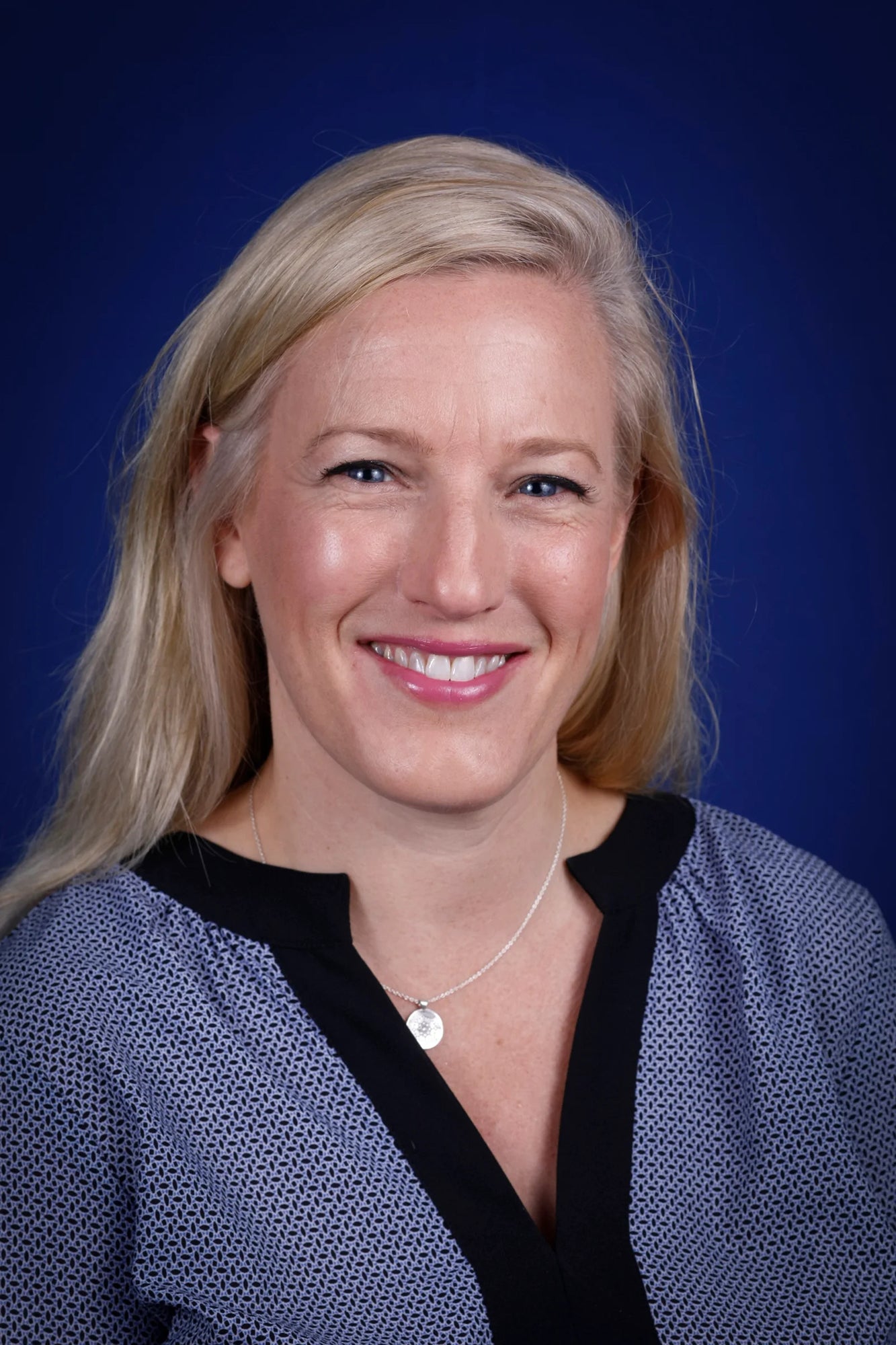
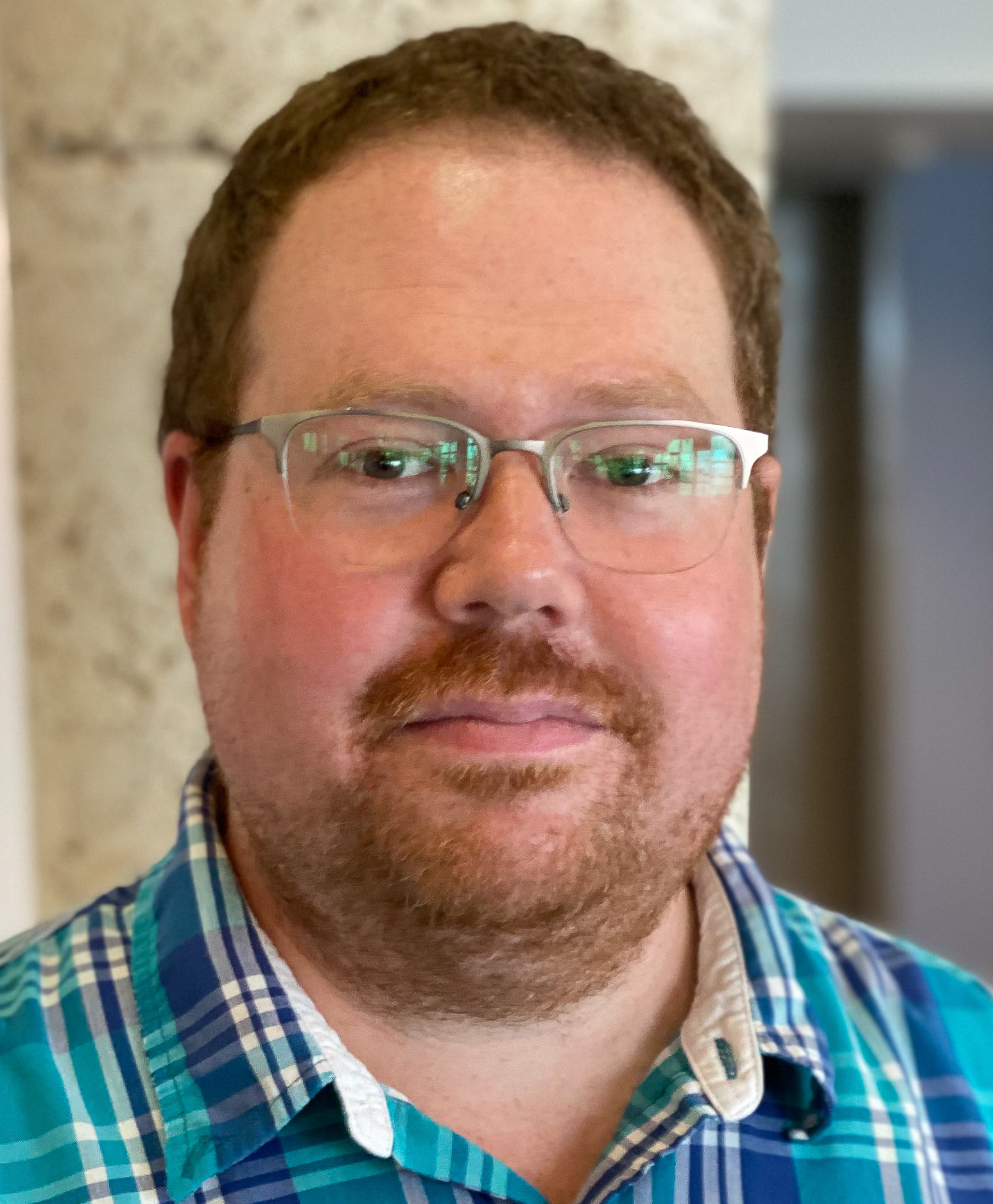
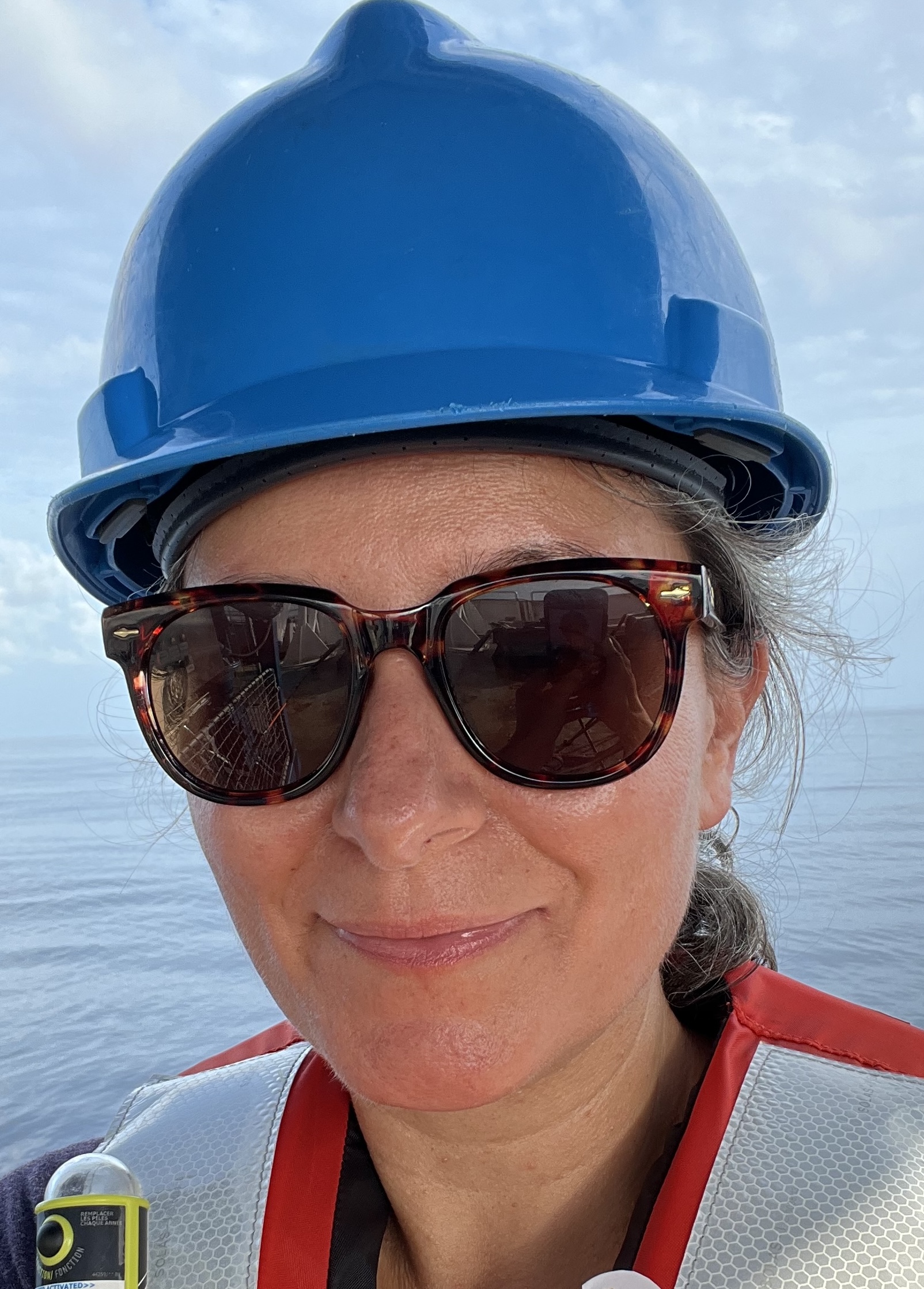
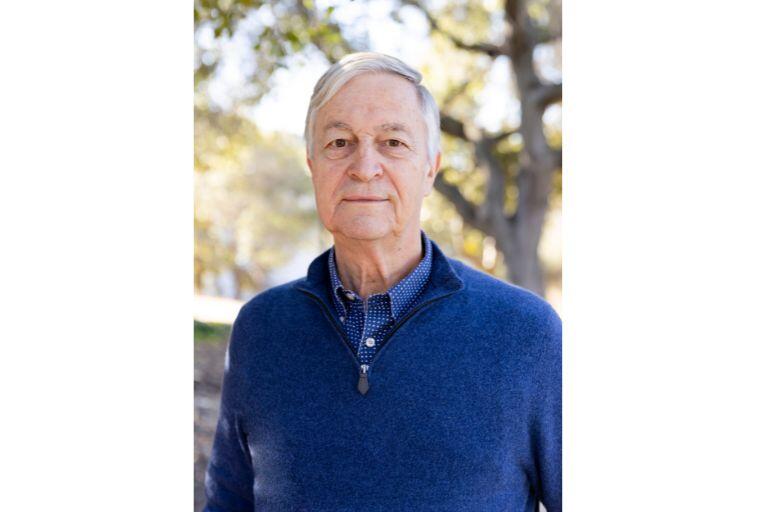
Bethany Jenkins is Professor of Cell and Molecular Biology and Oceanography at the University of Rhode Island's College of the Environment and Life Sciences, and serves as Interim Vice President for Research and Economic Development. She holds a PhD in Chemistry from the University of Oregon and a BS in Biochemistry from Mount Holyoke College. Her research examines coastal ecosystem responses to climate change, marine plastic pollution, and ocean biogeochemistry. She leads NSF EPSCoR projects on coastal ecology and marine plastics, employing genomic methods to study nutrient metabolism. Her work spans the North Atlantic and Southern Ocean, with emphasis on diatom physiology and harmful algal blooms. Awards: URI Research and Scholarship Excellence Award (2018) Brown University Inspiring Women in Science Award (2016) Jenkins has held leadership roles in the Ocean Carbon Biogeochemistry Program and NSF GEOTRACES. She previously directed graduate programs in Biological and Environmental Sciences.
Silvia Santa Maria Newell serves as Director of Michigan Sea Grant and Professor at the University of Michigan School for Environment and Sustainability (SEAS), where she leads critical research on freshwater ecosystems. Her work bridges academic scholarship with practical environmental management through federal partnerships and stakeholder engagement initiatives focused on the Great Lakes region. Education Ph.D. in Geosciences, Princeton University M.A. in Geosciences, Princeton University A.B. in Biogeochemistry, Smith College Newell specializes in nutrient biogeochemistry and microbial ecology, with primary focus on how excess nutrients from agricultural and wastewater sources drive harmful algal blooms (HABs) in freshwater systems. Her research integrates field studies of nitrogen cycling, mercury methylation processes, and climate change impacts on eutrophication. She develops stakeholder-driven solutions for nutrient reduction in watersheds through interdisciplinary collaboration with farmers, policymakers, and environmental managers. Analysis of her 15 most recent publications reveals dominant research themes in Great Lakes HABs mitigation, nutrient cycling dynamics (particularly nitrogen-phosphorus interactions), and emerging contaminants like mercury. Her work consistently connects microbial processes to ecosystem-scale phenomena, with strong emphasis on practical applications for water resource management across North American and international freshwater systems. Scientific Awards Excellence in Grantsmanship (2022) for securing $1M+ research funding AGU Top 10 Most Downloaded Paper (2021) Limnology & Oceanography Outstanding Reviewer (2021) ASTRA Fellow, Estonia Education (2019-2020) Newell actively mentors the next generation of environmental scientists as primary advisor to PhD candidates Berk Durutürk and Ran Jin, and Master's student Monica Woodruff. Her current $1.2M+ research portfolio includes NSF-funded projects on Lake Erie HABs mitigation (DISES CHABS: $150K), mercury-nitrogen cycling interactions (GEOTRACES: $378K), and Ohio wetland monitoring (H2Ohio: $500K). She directs major collaborative initiatives including the Great Lakes Commission HABs Collaboratory and Lake Erie Area Research Network. As Director of Michigan Sea Grant, Newell oversees a federal-state partnership that funds research, outreach, and education programs addressing critical Great Lakes challenges. Her leadership connects university resources with community stakeholders through the Maumee River watershed engagement project and international collaborations studying nutrient pollution impacts from Lake Erie to Lake Taihu in China.
Greg Cutter is a Professor in the Department of Ocean and Earth Sciences at Old Dominion University, serving as Interim AVP for Research Compliance. His research focuses on biogeochemical processes linking biology and chemistry in aquatic systems, with expertise in trace element cycling, sulfur gas dynamics, and global change impacts. He holds a Ph.D. in Chemistry from the University of California, Santa Cruz (1982) and a B.A. in Chemistry from UC San Diego (1977). Education: Ph.D. Chemistry, University of California, Santa Cruz (1982) B.A. Chemistry, University of California, San Diego (1977) Research Interests: Dr. Cutter investigates processes affecting trace element speciation (e.g., arsenic, selenium, hydrogen sulfide) in marine and estuarine systems. Key areas include air-sea exchange of trace elements, paleoceanographic tracers, and analytical methodologies for aquatic chemistry. His work integrates field studies, lab experiments, and computer modeling. Grants & Awards: Recipient of the R&D 100 Award (2013) for innovative technologies and the ASLO Sustaining Fellow designation (2015). Over 50 grants include leadership in the international GEOTRACES program, studying trace element distributions in ocean basins. Labs & Collaborations: Directs the Cutter Laboratory, advancing research on biogeochemical cycles. Collaborates globally on projects like the Pacific Meridional Transect (GP15) and Arctic GEOTRACES studies. Engages in educational initiatives to diversify ocean science.
Karen Casciotti is a Professor in the Department of Oceans and Professor of Earth System Science at Stanford University, where she has held a faculty position since 2011. She serves as Senior Fellow at the Stanford Woods Institute for the Environment and as Victoria and Roger Sant Director of the Earth Systems Program. PhD in Geosciences from Princeton University (2002) MS in Geosciences (Princeton) and Oceanography (UCSD) B.S. in Environmental Engineering Science from Caltech Her research focuses on marine nitrogen cycle biogeochemistry, particularly nitrate, nitrite, and nitrous oxide (N2O) cycling in ocean waters. She combines stable isotope geochemistry, microbiology, molecular biology, and geochemical modeling across scales from benchtop to global ocean systems. Recent work demonstrates urea utilization by diverse deep-sea microorganisms and its role in chemoautotrophy. Key publications (2023-2025) examine N2O dynamics in tropical oceans, nitrate assimilation pathways, urea metabolism in dark ocean communities, and isotopocule analysis methodologies. Her team developed the pyisotopomer software package for nitrous oxide isotopocule analysis. John Hayes Award (2020) Terman Fellow (2011) NRC Postdoctoral Fellow (2002) Harold W. Dodds Fellowship (2001) She advises doctoral students in oceanography and earth system science while serving as Co-Chair of the GEOTRACES Scientific Steering Committee and former Associate Editor for Marine Chemistry . Her lab investigates microbial nitrogen cycling, seawater chemistry, and climate-relevant trace gas production.
Tim Conway is an Associate Professor in the Chemical Oceanography department at the University of South Florida's College of Marine Science, where he leads research on trace metal biogeochemistry and isotope geochemistry. His work focuses on the role of micronutrients and toxins in marine biogeochemical cycles, utilizing advanced instrumentation like MC-ICPMS and HR-ICPMS to analyze trace metals across diverse marine environments including aerosols, sediments, and seawater. He actively contributes to the International GEOTRACES program and serves as Associate Editor for Geochimica et Cosmochimica Acta. Dr. Conway earned his Ph.D. from the University of Cambridge in 2010. His research spans trace metal cycling of iron, zinc, nickel, cadmium, and copper, with emphasis on isotopic tracers to understand sources (e.g., sediments, aerosols, hydrothermal vents), transport mechanisms, and biological utilization. Key environments include polar oceans, continental shelves, and open-ocean transects, addressing critical questions about micronutrient supply to phytoplankton and implications for the global carbon cycle. Analysis of his 15 most recent publications reveals dominant themes in trace metal isotopes within GEOTRACES frameworks, with growing focus on anthropogenic impacts and polar biogeochemistry. His work spans Pacific, Southern, and Atlantic Oceans, examining sedimentary sources, atmospheric deposition, and hydrothermal inputs. Recent studies increasingly integrate multi-element approaches and explore climate-relevant processes like iron limitation in high-nutrient regions. Dr. Conway currently leads NSF-funded projects on trace metals in the North/South Pacific (GEOTRACES sections GP17-OCE, GP21, GP11), Amundsen Sea (GP17-ANT), and West Florida Shelf nutrient cycling. His group actively recruits graduate students and postdocs for collaborative research involving national and international partners. NSF-funded projects on North/South Pacific trace metals (GP17-OCE, GP21, GP11) Amundsen Sea biogeochemistry (GP17-ANT) West Florida Shelf nutrient dynamics He directs the Marine Metal Isotope and Trace Element lab at USF, equipped with Thermo Neptune Plus MC-ICPMS and Element XR HR-ICPMS. The lab supports GEOTRACES intercalibration efforts and develops novel methods for trace metal isotope analysis, maintaining strong collaborations with global oceanographic institutions to advance understanding of marine elemental cycles.
Professor Angela Knapp is a Chemical Oceanographer at Texas A&M University’s Department of Oceanography, College of Geosciences. Her research focuses on marine nutrient cycling, particularly nitrogen fixation and dissolved organic nutrient dynamics. She leads a 7-PI NSF-funded project in the Gulf of Mexico and serves on the US GEOTRACES Steering Committee and the NSF Research Coordination Network for Aquatic Nitrogen Fixation. Her work spans physiological to ocean-basin scales, studying nutrient sources fueling primary production in oligotrophic systems. Key projects include quantifying nitrogen fluxes using geochemical tracers and investigating dissolved organic nitrogen (DON) and phosphorus (DOP) roles in nutrient limitation. She has advised numerous PhD and undergraduate students, including Zhou Liang (PhD 2024) and Chelsie Bowman (Postdoc). Recent publications highlight advancements in global DOP databases, nitrogen isotope budgets, and natural iron fertilization’s impact on diazotroph blooms. Her teaching includes courses on ocean communication, marine biogeochemistry, and geochemical tracers. Knapp’s lab collaborates internationally, integrating fieldwork, laboratory analysis, and modeling to address global nutrient cycles and climate interactions. Current research explores lateral advection’s role in nitrogen export and DON’s contribution to oligotrophic systems.
James Bishop is a Professor in the Department of Earth and Planetary Science at the University of California, Berkeley, and a Faculty Senior Scientist at Lawrence Berkeley National Laboratory. He earned a B.Sc. (Honors) in Physical and Inorganic Chemistry from the University of British Columbia and a Sc.D. in Marine Chemistry from the MIT/Woods Hole Oceanographic Institution Joint Program in Oceanography. His research focuses on ocean carbon cycle dynamics, remote sensing, aquatic chemistry, marine biogeochemistry, and autonomous observing systems. Key affiliations: Lawrence Berkeley National Laboratory (since 2006), University of Victoria (School of Earth and Ocean Sciences), and Columbia University (Lamont Doherty Earth Observatory). Dr. Bishop’s research spans marine particle dynamics, biogeochemical cycling, and development of autonomous sensors for ocean carbon monitoring. His work involves major initiatives like GEOTRACES and VERTIGO, with emphasis on particulate inorganic/organic carbon (PIC/POC) proxies, carbon flux validation, and optical sensor integration. Recent publications highlight advancements in robotic oceanography, carbon export quantification, and cross-polarized light detection methodologies.
Tim M Conway is an Associate Professor in the Chemical Oceanography department at the University of South Florida's College of Marine Science. He holds a PhD from Cambridge University (2010) and specializes in trace metal geochemistry, particularly iron, zinc, and cadmium isotopes, using advanced analytical techniques like multi-collector HR-ICPMS. Current NSF-funded projects: North/South Pacific GEOTRACES studies (2017-2020), Amundsen Sea (2017-2021), and West Florida Shelf nutrient cycling. International collaborations: Active participant in the International GEOTRACES program. Laboratory infrastructure: Operates the Marine Metal Isotope and Trace Element lab at CMS. His research explores trace metal roles as micronutrients/toxins in marine systems, connecting to global carbon cycling and paleoproductivity proxies. He serves as an Associate Editor for Geochimica et Cosmochimica Acta and chairs GEOTRACES standards committees. Scientific Awards: AGU Editors’ Citation (2015) NERC Ph.D. Studentship (2006-2010) Thomas Hobbs prize (2006)
Erin Black is an Assistant Professor in the Department of Earth and Environmental Sciences at the University of Rochester. She earned her PhD from the Massachusetts Institute of Technology and Woods Hole Oceanographic Institution. Her research focuses on marine carbon cycling, particularly the biological carbon pump, using isotope geochemistry and uranium-thorium series radionuclides. Her group investigates mechanisms controlling carbon export in the Arctic, iron availability in global oceans, and manganese scavenging in the Pacific. Dr. Black is constructing a radioisotope facility at UR with alpha, beta, and gamma counting capabilities, primarily for analyzing uranium-thorium decay series isotopes. This lab supports collaborations involving short-lived cosmogenic isotopes (e.g., beryllium-7) and anthropogenic radionuclides (e.g., cesium, plutonium). Her work bridges geochemical analysis with climate modeling, aiming to improve predictions of oceanic carbon sequestration under modern climate change. Key research themes include: 1) Arctic Ocean biogeochemistry and mercury export fluxes, 2) trace metal cycling (iron, cadmium, cobalt) in the Southeast Pacific, and 3) hydrothermal scavenging dynamics in the South Pacific. Recent studies have explored dust-derived iron delivery to high-nitrate low-chlorophyll regions and the role of hydrogen sulfide in trace metal sequestration. Notable collaborations include the GEOTRACES program, Arctic Ocean expeditions, and Pacific Basin radioisotope analyses. Her lab’s multidisciplinary approach integrates field measurements, laboratory isotope analyses, and numerical modeling to address critical questions in marine biogeochemistry.
Wokil Bam is an Assistant Professor at the University of Southern Mississippi , specializing in geochemical tracers and environmental processes. His research focuses on particle scavenging, carbon dynamics, Biological Carbon Pump (BCP) efficiency in changing oceanic conditions, and Marine Carbon Dioxide Removal (mCDR) strategies. PhD and MS in Marine Science from Louisiana State University (2021, 2015) Research spans coastal and open ocean carbon dynamics, export flux, and organic carbon sequestration Key methodologies include short-lived radioisotopes and remote sensing Research Trends: Recent publications highlight interdisciplinary work in marine chemistry, climate change impacts, and environmental remediation, with a focus on Arctic transects, microplastics, and bloom dynamics. Professional Affiliations: American Geophysical Union (AGU) Association for the Sciences of Limnology and Oceanography (ASLO) Coastal & Estuarine Research Federation (CERF)
Chandranath Basak is an Assistant Professor in the Department of Earth Sciences at the University of Delaware, with additional appointments in the School of Marine Science & Policy within the College of Earth, Ocean & Environment (CEOE). His research focuses on understanding modern oceanic processes and the ocean's role in past climate through chemical oceanography and paleoceanography. Dr. Basak's research interests span key areas in Earth sciences: Chemical oceanography - studying the chemical composition and processes of the ocean Paleoceanography - reconstructing past ocean conditions to understand climate history Environmental geochemistry - examining chemical processes in environmental systems Non-traditional isotopes - using isotopic tracers to understand ocean circulation and climate dynamics His extensive publication record demonstrates expertise in analyzing ocean circulation patterns, particularly in the South Pacific and Southern Ocean, using neodymium isotopes and other geochemical proxies. His work spans multiple geological time periods, from the recent past to millions of years ago, with a particular focus on understanding climate transitions such as the Mid-Pleistocene Transition and glacial terminations. Dr. Basak has participated in major international research programs including IODP Expedition 383 and GEOTRACES, contributing significantly to our understanding of how ocean circulation has changed across major climate transitions. Dr. Basak's research has significant implications for understanding: Antarctic ice sheet dynamics and their relationship to global climate Deep ocean circulation patterns and their role in climate regulation Past climate variability and its relevance to current climate change Geochemical processes in marine environments
Kristen Buck is a Professor at Oregon State University, affiliated with the College of Earth, Ocean, and Atmospheric Sciences (CEOAS). She leads the Elemental Ocean Lab, focusing on trace metal biogeochemistry, particularly iron, copper, and nickel in marine ecosystems. Her research emphasizes organic ligand-driven metal bioavailability and its impact on ocean productivity and toxicity. Research Interests: Dr. Buck’s work bridges chemical oceanography and marine ecology, investigating how organic ligands mediate trace metal cycling. Key areas include iron limitation in open oceans, copper toxicity in coastal regions, and the role of microbial interactions in metal speciation. Her lab quantifies macronutrient and trace metal dynamics using advanced analytical techniques. Recent Work Trends: Publications from 2023–2024 highlight studies on microbial ligand production in hydrothermal systems, silica cycling post-phytoplankton blooms, and GEOTRACES-driven insights into global trace metal complexation. Themes include methodological advancements in speciation analysis and interdisciplinary approaches linking physical, chemical, and biological ocean processes. Grants & Collaboration: Active in large-scale programs like GEOTRACES and EXPORTS, she collaborates internationally to advance understanding of ocean biogeochemical cycles. No explicit awards are listed, but her contributions are recognized through high-impact interdisciplinary research. Labs & Teams: Her Elemental Ocean Lab integrates analytical chemistry, microbial ecology, and global oceanography, fostering collaborations with institutions worldwide to address critical questions in marine trace metal dynamics.
Brice Loose is an Associate Professor of Oceanography at the University of Rhode Island's Graduate School of Oceanography (GSO). His research focuses on the interface of physical oceanography and biogeochemistry, with a primary emphasis on polar ocean processes. He leads studies on gas tracers (CO₂, O₂, DMS) to understand carbon sequestration and air-sea interactions in polar regions. Key areas include sea ice dynamics, Antarctic Bottom Water formation, and glacial meltwater impacts. Education: Ph.D. in Oceanography, Columbia University (2009) M.S. in Oceanography, Catholic University of Chile (2003) B.S. in Earth Science, University of California Santa Barbara (1999) Research Interests: Climate change impacts on polar oceans Sea ice-carbon cycle interactions Low-cost sensor development (Arduino/Python) Underwater mass spectrometry applications Arctic and Antarctic circulation patterns His work integrates field observations, numerical modeling, and novel instrumentation to address questions about ocean-atmosphere feedback mechanisms. Collaborations: Leads major initiatives like the MOSAiC Arctic drift expedition and the BEACON project studying the Bellingshausen Sea. Active in GEOTRACES and PIPERS programs. Engages undergraduate students in Arctic fieldwork through the Northwest Passage Project. Labs/Teams: Directs the URI Ocean Chemistry Lab, specializing in gas tracer analysis. Collaborates with engineering teams to develop open-source oceanographic instruments.
Thomas Devogele is a Professor at the University of Tours, France, where he serves as Head of the Computer Science Department within the Faculty of Sciences and Technology. He is also Head of the Master 2 in IT and apprenticeships program and deputy director of LIFAT (Tours Fundamental and Applied Computer Science Laboratory). His academic career spans more than two decades, having previously served as an Assistant Professor at the French Naval Academy from 1998 to 2010. His primary research focuses on Geographic Information Systems (GIS), spatio-temporal data mining, and moving object analysis. Dr. Devogele's work specializes in trajectory data-mining, similarity measures between lines or trajectories using Fréchet distance, classification and outlier detection of trajectories, and spatio-temporal database integration. He currently leads research projects DOPAN and PERSONAE. His recent publications (2021-2025) demonstrate an expansion of his research into cycling infrastructure analysis, blockchain applications for business processes, personalized web service recommendations, and health data narratives (particularly tuberculosis in Gabon), while maintaining his core expertise in trajectory analysis and spatial data. His work bridges theoretical computer science with practical applications in transportation, public health, and urban planning. Dr. Devogele has supervised numerous PhD students who have gone on to successful academic and industry careers, including Fournier Sébastien (Assistant Professor at Université de Provence), Noyon Valérie (Leader of GIS department at the city of Niort), and Etienne Laurent (Assistant Professor at Tours University). His teaching responsibilities include Software Engineering, Object-Oriented Programming (Java), Geographic Information Systems, Artificial Intelligence, and Database courses for Computer Science students at the Blois campus. He has made significant contributions to the field through his extensive publication record spanning from 1996 to the present.
Professor Alessandro Tagliabue is a leading ocean biogeochemist at the University of Liverpool's School of Environmental Sciences, part of the Faculty of Science and Engineering. His research focuses on trace metal cycling (e.g., iron, manganese, zinc) and their roles in shaping marine productivity, ecosystem structure, and the global carbon cycle. He integrates numerical models, fieldwork, and data synthesis to address critical questions in climate change impacts on oceans. Key affiliations include leadership roles in the GEOTRACES program, IPCC Special Report on Oceans, and the UK Challenger Society. He chairs SCOR (Scientific Committee on Oceanic Research) and advises the Royal Society's Global Environment Research Committee. His work spans interdisciplinary projects like BioGeoSCAPES and IDAPro, addressing Southern Ocean phytoplankton adaptation and Atlantic productivity dynamics. Recent grants include investigations into phytoplankton elemental use efficiencies, zooplankton impacts on carbon storage, and hydrothermal iron contributions to ocean biogeochemistry. He teaches modules on the global carbon cycle, climate change, and research methodology. Professional activities include editorial roles for Global Biogeochemical Cycles and Scientific Data , plus committee roles in ethics and REF assessment. Research highlights include quantifying climate-driven declines in primary production, dust deposition impacts, and feedbacks between warming and nutrient cycles. His work underscores urgent knowledge gaps in biological carbon storage projections, emphasizing the need for improved models integrating microbial and zooplankton dynamics.