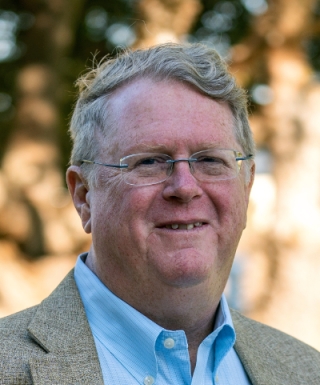
Todd C. Holmes, PhD, is a Professor in the Department of Physiology & Biophysics at the University of California, Irvine (UCI) School of Medicine. His research focuses on the structural and functional organization of neural circuits, particularly in the visual cortex and hippocampus. Dr. Holmes employs advanced techniques like laser scanning photostimulation and viral tracing to map synaptic connectivity, emphasizing the balance between excitatory and inhibitory inputs in cortical microcircuits. His work has revealed layer-specific synaptic wiring diagrams and redefined understanding of how inhibitory connections mirror excitatory pathways in the mouse visual cortex (V1). Dr. Holmes is affiliated with the UCI Center for Neural Circuit Mapping, contributing to interdisciplinary studies on Alzheimer’s disease models, optogenetic tools, and neurovascular interactions. He has secured funding from NIH grants (e.g., MH105427, R01NS095355) and collaborates on projects involving genetic engineering and high-resolution brain imaging techniques. His research extends to circadian rhythms, Drosophila neurobiology, and neuropsychiatric disorder models, leveraging transgenic approaches and behavioral analyses. Recent studies explore microglia’s role in synaptic connectivity and the application of novel viral vectors for circuit tracing.
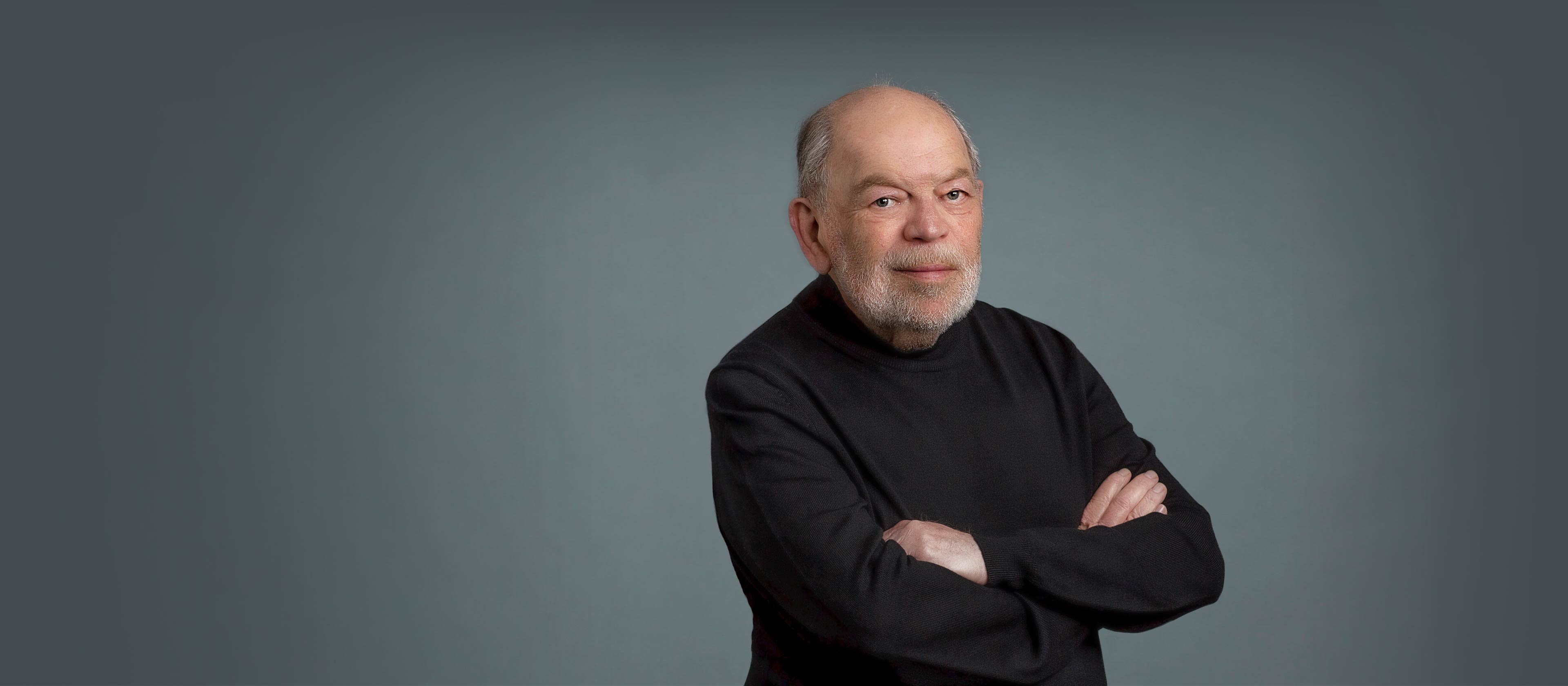
Bernardo Rudy is a Professor in the Department of Anesthesiology, Perioperative Care, and Pain Medicine, and holds the Julius Raynes Professorship of Neuroscience and Physiology in the Department of Neuroscience at NYU Grossman School of Medicine. He earned his PhD from Cambridge University and MD from the National University of Mexico. His research focuses on the organization and function of neocortical circuits, emphasizing how neuronal activity regulates behavior through cortical circuits, ion channels, and neuromodulation. Research interests include the role of GABAergic interneurons in shaping cortical information processing, mechanisms of cholinergic modulation in sensory perception and learning, and top-down/bottom-up integration in neocortical layer 1. His lab employs electrophysiology, optogenetics, imaging, and genetic techniques in vitro and in vivo. Recent work investigates layer 1 interneuron subtypes, the impact of cholinergic projections from the nucleus basalis, and the functional diversity of cortical inhibitory circuits. Collaborations with teams like Machold, Buzsáki, and Fishell highlight multidisciplinary approaches to neural circuitry. Lab: Rudy Lab . No scientific awards explicitly listed.
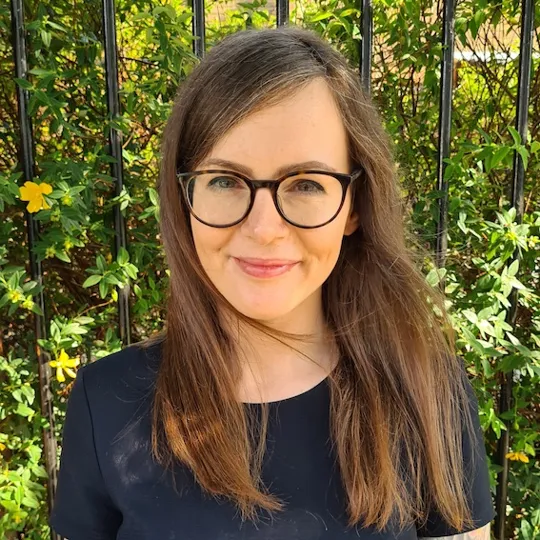
Dr. Cathy Davies is a Postdoctoral Research Associate at King’s College London’s Department of Psychosis Studies, Institute of Psychiatry, Psychology & Neuroscience. She specializes in advanced neuroimaging techniques (7T MRI, PET) to study brain energetics and glutamate dysfunction in schizophrenia, collaborating with Prof. Alice Egerton. Her work focuses on developing novel treatments targeting psychosis pathophysiology. She completed her PhD (2016-2019) on network meta-analyses of psychosis prevention, funded by the IoPPN Excellence Studentship. Research Interests: Neurobiology of psychosis, neuroimaging (ultra-high field MRI, glutamate), experimental medicine, hippocampal physiology, and clinical high-risk populations. Teaching includes brain imaging (arterial spin labelling, 1H-MRS) on BSc/MSc programs and co-leading the MSc Psychiatric Research Dissertation Module (2024-2025). Key Achievements: King’s Prize for Outstanding Doctoral Thesis (2020), SIRS Early Career Award (2020), and multiple grants. Her lab affiliations include the EAGLES Study (Energetics and Glutamate in Schizophrenia) and the Centre for Neuroimaging Sciences. Current research explores cannabidiol’s effects on cerebral perfusion and oxytocin’s modulation of neural circuitry in psychosis risk. Publications span 20+ articles in Molecular Psychiatry , Neuropsychopharmacology , and World Psychiatry , focusing on psychosis prevention, neuroimaging biomarkers, and cannabis effects. She has also led systematic reviews on prenatal risk factors and psychosis prevention efficacy.
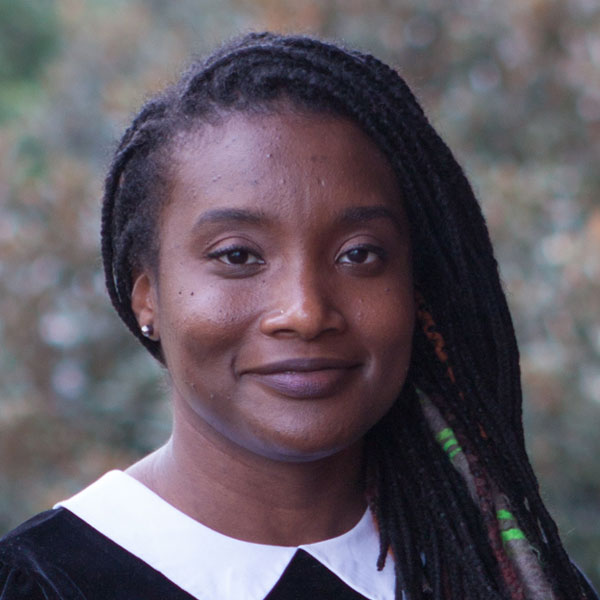
Prof. Safiye Çavdar is a Professor at Koç University, specializing in neuroscience with a focus on absence epilepsy mechanisms. Her research investigates thalamic nuclei roles in epilepsy using immunohistochemistry and electron microscopy. She has conducted studies on GAERS rats, comparing them to Wistar controls to understand glutamatergic and GABAergic neuronal populations, synaptic structures, and cerebellar pathways. Education: BSc from Hacettepe University Science Faculty, MSc from Hacettepe Medical Faculty, PhD from Cerrahpaşa Medical Faculty. Postdoctoral research at Queens Medical Center, Nottingham, UK under Prof. Geffrey Burwell. Research emphasizes thalamic circuitry in epilepsy, developmental neurobiology of thalamic nuclei, and cerebellar peduncle pathways. No specific grants or awards are listed in the text, though her work is published in journals like Neuroscience Bulletin and Neurol Sci.
Stacey B.B. Dutton is the Charles Loridans Associate Professor of Neuroscience in the Department of Biology at Agnes Scott College. She holds a PhD from Emory University and a BS from the University of Maryland Eastern Shore, and her work bridges molecular neuroscience with behavioral outcomes. Her research focuses on ion channels, particularly voltage-gated sodium channels such as SCN1A and SCN3A, and their roles in epilepsy and sexual behavior. She investigates how mutations in these channels lead to neuronal hyperexcitability and seizure disorders, using mouse models of Dravet syndrome and other genetic epilepsies. Behavioral Neuroscience Ion Channel Function Epilepsy and Seizure Mechanisms Neuropharmacology Ketogenic Diet and Metabolic Therapies Female Genital Neurobiology Her recent publications highlight a strong trajectory in understanding the genetic and pharmacological modulation of seizure disorders. She explores both pharmacological (e.g., Huperzine A) and dietary (ketogenic diet) interventions to mitigate seizure activity in mutant models. Her 2019 review on ion channels in the clitoris reflects an innovative extension into the neurobiology of sexual response. While no formal awards are listed, her work has been presented at national conferences including the Society for Neuroscience and the American Epilepsy Society, indicating peer recognition. She mentors undergraduate researchers and contributes to an active neuroscience research program at a liberal arts institution. Dutton collaborates extensively with Dr. Andrew Escayg and other neuroscientists, often focusing on sodium channelopathies. Though no named lab or research team is specified, her repeated co-authorship on mechanistic and translational studies suggests an active research group. She teaches within a biology program that emphasizes hands-on research, critical thinking, and interdisciplinary learning.
Natalia De Marco Garcia is an Associate Professor of Neuroscience at Weill Cornell Medical College's Brain and Mind Research Institute. Her research focuses on cortical interneuron development, synaptic plasticity, and their roles in neurodevelopmental disorders like autism. She has received multiple NIH grants for studies on GABAergic circuits and cocaine-associated memory mechanisms. Ph.D., Columbia University (2007) M.A. & M.Phil., Columbia University (2002) B.S., University of Buenos Aires (1999) M.S., Praxis Medica (1993) Her work explores how neuronal activity shapes interneuron integration, chemokine signaling in cortical layers, and cerebellar-extracerebellar connectivity. Recent studies analyze Homer1's role in attention and the epichaperome's impact on hippocampal dysfunction. Key trends in her 15 most recent publications include cortical network development, chemokine-guided interneuron differentiation, and circuit mechanisms in autism. Her grants from NIDA and NIMH address cocaine memory extinction and interneuron dysfunction in ASD. She leads research on cortico-cortical connectivity development and GABAergic neuron assembly, supported by NINDS and NIMH. Her lab employs calcium imaging and genetic mapping to study cortical dynamics.
Ralf Schneggenburger is a Full Professor at École Polytechnique Fédérale de Lausanne (EPFL) in the School of Life Sciences, holding appointments in the Institute of Bioengineering and leading the Laboratory of Synaptic Mechanisms (LSYM). He serves on the Doctoral Program in Neuroscience (EDNE) committee and teaches across multiple neuroscience programs. His research centers on synaptic mechanisms underlying emotional behaviors, with emphasis on fear learning circuits involving the amygdala and insular cortex. He employs optogenetics, electrophysiology, and molecular techniques to investigate synaptic plasticity, neurotransmission dynamics, and neural circuit function in behavioral contexts. Key focus areas include threat processing, safety signaling, and neuromodulatory control of emotional responses. Analysis of recent publications reveals consistent investigation of amygdala-centered circuits for fear learning, with growing emphasis on insular-amygdala pathways and striatal contributions to fear expression. His work integrates molecular, cellular, and systems approaches to dissect how synaptic modifications in specific neuronal populations generate adaptive behavioral outcomes. Professor Schneggenburger has mentored numerous PhD students: Current Students Jana Nishant Shantanu Mombelli Elena Lidia Jeanine Wu Jinyun Zhang Runzhong Past Students Baleisyte Aiste Genç Özgür Gjoni Enida Han Yunyun Khubieh Ayah Kronander Elin Kristina Lin Bei-Xuan Osypenko Denys Palchaudhuri Shriya Tang Wei Xiao Le The Laboratory of Synaptic Mechanisms (LSYM) investigates fundamental mechanisms of synaptic transmission and plasticity within neural circuits relevant to behavior, utilizing advanced techniques to bridge molecular events with cognitive functions.
Natalia De Marco Garcia is an Associate Professor of Neuroscience at Weill Cornell Medical College, Cornell University, where she has led research at the Brain and Mind Research Institute since 2019. Her work bridges molecular mechanisms and circuit-level dysfunction in neurodevelopmental disorders. Her academic training includes: Ph.D. in Neuroscience, Columbia University (2007) M.A. and M.Phil. in Neuroscience, Columbia University (2002) B.S. in Biology, University of Buenos Aires (1999) M.S. in Medical Sciences, Praxis Medica (1993) Dr. De Marco Garcia's research focuses on cortical circuit development , particularly how GABAergic interneurons shape neural networks during early brain maturation. Using in vivo calcium imaging and electrophysiology in mouse models, her lab investigates genetic and molecular drivers of circuit assembly—with direct implications for autism spectrum disorders and addiction. Key discoveries include the roles of Gabrb3 , Homer1 , and chemokine signaling in interneuron integration and behavioral phenotypes. Analysis of her 15 most recent publications (2018-2025) reveals a thematic progression from fundamental mechanisms of synaptic plasticity and neuronal migration toward translational studies on neurodevelopmental disorders. Dominant trends include interneuron differentiation (2024 chemokine study), autism-related circuit dysfunction (2021 network activity review), and addiction memory mechanisms (2019/2020 cocaine studies), consistently employing genetic, imaging, and behavioral approaches in rodent models. As Principal Investigator, she currently directs four major NIH-funded projects: NIDA (2024-2025) : Cav1.2 channels in cocaine memory extinction NIMH (2024-2027) : GABAergic circuit assembly mechanisms NIMH (2022-2027) : Interneuron dysfunction in autism (Co-Investigator) NINDS (2020-2025) : Cortico-cortical connectivity development Her laboratory at the Brain and Mind Research Institute trains graduate students and postdoctoral fellows in advanced neuroscience techniques, with future work targeting therapeutic strategies for circuit-based neurodevelopmental disorders.
Patric K. Stanton is a Professor in the Cell Biology and Anatomy & Neurology departments at New York Medical College . He holds a Ph.D. in Pharmacology from Uniformed Services University of the Health Sciences and a B.S. in Natural Sciences from Johns Hopkins University, with post-graduate training in Neurophysiology (Max Planck Institute) and Biophysics (Johns Hopkins). Research Interests : Cellular mechanisms of neuronal plasticity, focusing on long-term potentiation/depression (LTP/LTD), biochemical signaling cascades, synaptic dysfunction in Alzheimer’s disease, traumatic brain injury, depression, stroke, and epilepsy. His lab pioneered two-photon imaging of transmitter release and developed drug treatments for reversing synaptic damage now in clinical trials. Scientific Awards : Alexander von Humboldt Foundation Fellow Klingenstein Fellow in the Neurosciences Office of Naval Research Young Investigator Award American Physiological Society Frontiers in Physiology Investigator Recent Research Trends : Investigating Zelquistinel’s NMDA receptor modulation for rapid antidepressant effects Exploring STAT4’s role in metabolic and aging-related synaptic decline Developing human cortical interneuron grafts to abort seizures Understanding Panx1 channels in memory retention and astrocyte-neuron interactions Linking microvascular disruption to tau pathology and chronic traumatic encephalopathy Studying cosmic radiation impacts on hippocampal learning Professional Service : Editor-in-Chief of NeuroReport and Journal of Bioenergetics & Biomembranes , NIH advisory committee member, and affiliations with leading neuroscience societies. Teaching : Cellular Mechanisms of Learning and Memory and Medical Neuroscience .
Carlos Portera-Cailliau is a Professor at the David Geffen School of Medicine at University of California, Los Angeles (UCLA) , with joint appointments in the Departments of Neurology and Neurobiology . He co-directs the UCLA-Caltech Medical Scientist Training Program and is affiliated with UCLA’s Brain Research Institute , Integrated Center for Learning & Memory , and Neuroscience Theme . Dr. Portera-Cailliau earned a B.A. in Biochemistry & Cell Biology from UC San Diego (1990), followed by an MD-PhD from Johns Hopkins School of Medicine (1997). After neurology residency at Massachusetts General Hospital and Brigham & Women’s Hospital (2001), he conducted postdoctoral research at Columbia University and Cold Spring Harbor Laboratory. The Portera-Cailliau laboratory employs a symptom-to-circuit approach to study neurodevelopmental disorders like autism and Fragile X syndrome. Key research areas include sensory hypersensitivity , neuronal connectivity , and synaptic plasticity , using in vivo two-photon calcium imaging , patch-clamp electrophysiology , and head-fixed behavioral assays . Recent work explores GABAA receptor roles in cortical development and EPAC2 as a therapeutic target in Fragile X mice. Publications highlight neurodevelopmental circuit defects , excitation-inhibition imbalance , and interventions to restore plasticity in autism and Fragile X models. His lab also develops open-source tools like EZcalcium for calcium imaging analysis. Dr. Portera-Cailliau’s affiliations include UCLA’s Brain Research Institute , Integrated Center for Learning & Memory , and Neuroscience Theme . His research integrates behavioral assays , optogenetics , and chemogenetics to identify therapies for neuropsychiatric conditions.
Dr. Kenneth Campbell is a Professor in the Department of Pediatrics at the University of Cincinnati, where he leads a research laboratory focused on elucidating the molecular genetic mechanisms governing basal ganglia circuit formation. His work explores how disruptions in these circuits alter normal behaviors, with implications for understanding childhood neuropsychiatric disorders. His research leverages mouse models to investigate gene regulation in neural stem cells, neurodevelopmental disorders, and pharmacological interventions for neurological conditions. Collaborative studies highlight his expertise in transcription factors (e.g., Gsx2, Ascl1, Sp8), neuronal-glial specification, and stress-related neurobehavioral abnormalities. Dr. Campbell's peer-reviewed publications span topics including olfactory bulb interneuron diversity, microglial activation in neonatal hydrocephalus, and the role of motile cilia in neurological diseases. His work bridges developmental neurobiology with translational psychiatry and pharmacological applications. His affiliations include the Children's Hospital Bldg R, and he has contributed to understanding cortico-striatal and olfactory circuit formation, neural stem cell regulation, and cortical identity maintenance. Contact: campbekh@ucmail.uc.edu
Professor Rick Richardson is a distinguished faculty member at the School of Psychology, University of New South Wales (UNSW), Sydney. He serves as Principal Investigator of The Richardson Lab, where he leads research on behavioral neuroscience with a focus on developmental perspectives. His work has significant translational value for understanding anxiety disorders. Dr. Richardson earned his BA, MA, and PhD from Kent State University, USA. His educational background laid the foundation for his extensive research career in behavioral neuroscience and psychological processes. Professor Richardson's research spans several interconnected domains in behavioral neuroscience. His primary focus is on understanding the developmental aspects of emotion, attention, learning, and memory processes, particularly in rodent models. Key research areas include: Behavioral and neural analyses of memory formation and retrieval Fear expression and inhibition across developmental stages Pharmacological approaches to enhance fear extinction Effects of early life stress on physical and emotional development Olfaction and olfactory learning mechanisms Hormonal modulation of memory processes His research program takes a translational approach, aiming to connect basic science findings with clinical applications for anxiety disorders. The lab frequently examines individual differences in fear learning and memory, recognizing that these variations may have important implications for understanding vulnerability and resilience to anxiety disorders. Analysis of Professor Richardson's recent publications reveals a strong emphasis on developmental neuroscience, particularly focusing on adolescence as a critical period for fear learning and extinction processes. His work increasingly incorporates social factors (such as social buffering of fear) and examines the neural substrates of these processes, including prefrontal-amygdala connectivity, perineuronal nets, and parvalbumin interneurons. There is also growing interest in the role of neurotrophic factors like Fibroblast Growth Factor-2 in stress resilience and fear regulation, as well as the impact of dietary factors on stress responses. Professor Richardson's research program has garnered significant recognition: His students have received numerous prestigious awards including the Award for Excellent PhD Thesis in Psychology from the Australian Psychological Society Multiple students have received University Medals, APS Prizes, and Syd Lovibond Prizes for their Honours theses Students have been awarded George Paxinos Neuroscience PhD prizes Students have received ISDP Dissertation Awards Postdoctoral researcher Kelsey Zimmermann received the Sir Keith Murdoch Fellowship from the American Australian Association Professor Richardson has mentored an impressive number of students throughout his career, including over 20 PhD students and numerous Honours students. His lab has successfully secured competitive student grants, including Sigma Xi Grants-in-Aid of Research. The Richardson Lab maintains active collaborations with researchers across multiple institutions, enhancing the scope and impact of their work. Current research directions include examining social buffering of fear extinction, the effects of early life adversity on fear regulation, and pharmacological approaches to enhance fear extinction retention. The Richardson Lab at UNSW is a vibrant research environment housed in the Mathews Building (F23) on the UNSW Sydney campus. The lab comprises Professor Richardson as Principal Investigator, several postdoctoral researchers (including Dr. Myf Cohen and Dr. Kathryn Baker), multiple PhD and clinical students, and Honours students. The lab maintains strong connections with the broader neuroscience community through conference presentations and collaborative research projects. Their work is frequently presented at major conferences including the Society for Neuroscience and the International Society for Developmental Psychobiology.
Seth Taylor is an Assistant Professor in the Cell Biology & Physiology department at Brigham Young University's College of Life Sciences. He specializes in neuroscience research with a focus on cellular and molecular mechanisms governing neuronal function and diversity. Education: BS in Neuroscience, Brigham Young University PhD in Neuroscience, Yale University Dr. Taylor’s research interests include Confocal Microscopy, Single-cell RNA Sequencing, and Cellular Neuroscience. His work primarily explores the transcriptomic and molecular underpinnings of neuronal identity and function using Caenorhabditis elegans as a model organism. He has contributed extensively to understanding gene expression, RNA splicing, and chromatin remodeling in neurons through high-throughput sequencing techniques. His recent publications (2021-2025) highlight expertise in: Single-cell transcriptomics for neuronal diversity mapping C. elegans nervous system molecular profiling RNA sequencing methodology optimization Transcriptional regulatory networks in neuronal development Neurotransmitter signaling in stress and psychiatric models
Mercedes Paredes is an Associate Professor in Residence in the Department of Neurology at the University of California, San Francisco School of Medicine. Her research focuses on understanding human brain development, with particular emphasis on neural stem cells, neurogenesis, and interneuron migration in the developing human brain. Dr. Paredes has established herself as a leading researcher in the field of developmental neurobiology through her extensive publication record in top-tier journals. Dr. Paredes' research interests span multiple critical areas of neuroscience including human brain development, cortical organization, neural stem cell biology, and the mechanisms underlying brain malformations. Her work has significantly advanced our understanding of how interneurons develop and migrate in the human brain, with important implications for neurological disorders. She employs cutting-edge techniques including single-cell analysis, multi-omic approaches, and advanced imaging to investigate the cellular and molecular mechanisms of human neurodevelopment. Analysis of Dr. Paredes' recent publications reveals a consistent focus on human-specific aspects of brain development. Her research demonstrates how human neural development differs from model organisms, particularly in the timing, organization, and molecular regulation of neurogenesis. She has made significant contributions to understanding the role of vascular cells in neural stem cell niches, the dynamics of interneuron development, and the molecular mechanisms underlying cortical malformations. Dr. Paredes has been actively involved in multiple collaborative research projects investigating the developing human brain. Her laboratory likely employs a multidisciplinary approach combining molecular biology, cellular neuroscience, and advanced imaging techniques to address fundamental questions about human brain development. While specific grant information isn't provided in the available text, her extensive publication record suggests successful funding from major research agencies.
Anirban Paul is an Associate Professor in the Department of Neuroscience and Experimental Therapeutics at Penn State College of Medicine , affiliated with the Penn State Neuroscience Institute . His research focuses on understanding the molecular and cellular mechanisms underlying neurological disorders. Research Interests : Dr. Paul investigates GABAergic inhibitory circuits in the mammalian brain Transcriptomic subtypes of Chandelier cells in schizophrenia Cell-type specific risk/resilience mechanisms in Alzheimer’s disease RNA regulation in Rett Syndrome Neuroimmune interactions in obesity and neurodegenerative diseases Article Trends : His recent work spans neuroimmunology , transcriptomics , and behavioral neuroscience , with studies on chemokine receptors in viral infection, microglia in metabolic dysfunction, and hippocampal interneuron dynamics. Scientific Recognition : 2018: Recipient of the NARSAD Young Investigator Award Grants & Collaborations : Dr. Paul has secured funding from the National Institute on Aging , Brain and Behavior Research Foundation , and International Rett Syndrome Foundation , with collaborations spanning institutions in the U.S. and abroad.