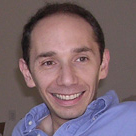
Professor Daniel Segrè is a faculty member at Boston University, holding the title of Professor of Biology, Bioinformatics, and Biomedical Engineering. His research focuses on systems biology, microbial ecology, and metabolic engineering, with an emphasis on understanding complex biological networks and their applications in bioenergy and biomedicine. Segrè leads the Segre Lab ( segrelab.bu.edu ), where theoretical and computational approaches are applied to study metabolism, microbial interactions, and synthetic biology. Segrè earned his PhD from the Weizmann Institute of Science, Israel. His work bridges fundamental science and applied engineering, addressing topics such as microbial community dynamics, metabolic pathway design, and environmental microbiome applications. Research Interests: Systems biology of metabolism, evolution of biochemical networks, microbial interactions, bioinformatics, and environmental microbiome engineering. His lab develops computational models (e.g., COMETS) to simulate microbial ecosystems and design synthetic microbial communities for climate change mitigation and bioenergy production. Teaching: Courses include BE 777 (Computational Genomics), BF 821 (Bioinformatics Seminar), and BF 571 (Dynamics and Evolution of Biological Networks). These courses reflect his expertise in integrating computational methods with biological systems analysis.
University of Illinois Urbana-ChampaignUnited States
Angela D. Kent is a Professor in the Department of Natural Resources and Environmental Sciences at the University of Illinois Urbana-Champaign, where she also serves as Director of the Program in Ecology, Evolution, and Conservation Biology within the School of Integrative Biology. She is affiliated with the Carl R. Woese Institute for Genomic Biology. Her research focuses on microbial communities in agroecosystems and natural environments, particularly their roles in nitrogen cycling, soil health, and sustainable bioenergy production. Key research interests include microbial interactions in plant-microbe systems, the impact of genetic variation in crops on microbial processes, and the ecological and biogeochemical implications of soil microbiomes. She has authored over 99 publications and supervised datasets on topics such as denitrification dynamics, rhizosphere microbiome assembly, and microbial contributions to nitrogen retention. Dr. Kent has received the NACTA Educator Award (2012) and has contributed to high-impact studies on topics like microbial community responses to environmental stressors and the application of stable isotopes in bioenergy research. Her work bridges microbial ecology, agronomy, and environmental science, emphasizing practical solutions for sustainable agriculture and ecosystem management.
Sushmita Roy is a Professor at the University of Wisconsin–Madison, affiliated with the Department of Computer Sciences and the College of Letters and Science. Her research focuses on developing computational methods in statistical machine learning to understand gene regulatory networks in living cells, particularly under environmental, developmental, disease, and evolutionary contexts. She explores bulk and single-cell genomic data integration to study processes like cell fate specification, host-microbe interactions, and diseases such as cancer and neurodevelopmental disorders. Her work emphasizes three key areas: inference of genome-scale transcriptional networks, evolutionary analysis of regulatory networks, and 3D genome organization dynamics. Roy’s lab collaborates across disciplines, leveraging genomic data from plant and mammalian systems. She has contributed to methodologies for analyzing chromatin accessibility, single-cell profiling, and network-based models of pathogen systems. Her affiliations include Wisconsin Institutes for Discovery, and she is a leader in computational biology and systems genomics research.
Mary K. Firestone is Professor of the Graduate School in the Department of Environmental Science, Policy and Management at UC Berkeley. Her research revolutionized understanding of soil microbial processes, particularly oak regeneration techniques and microbial mediation of carbon/nitrogen cycling in terrestrial ecosystems. Firestone's work examines microbial responses to environmental change, including drought, rewetting, and warming scenarios. Her lab develops innovative methods like quantitative stable isotope probing (qSIP) to trace microbial activity in complex soil environments. Research spans grassland, rangeland, and agricultural ecosystems. Honors include election to the National Academy of Sciences (2017), Soil Ecology Society Career Achievement Award (2017), and American Geophysical Union Fellowship (2016). She holds the Betty and Isaac Barshad Chair in Soil Sciences. Current PhD candidates and postdoctoral researchers in the Firestone Lab investigate viral-bacterial interactions in soil, mycorrhizal carbon transfer, and drought impacts on soil carbon persistence. Field studies at California's Hopland Research Center examine grassland responses to climate variability.
University of Illinois Urbana-ChampaignUnited States
Martin Burke is the May and Ving Lee Professor for Chemical Innovation and Professor of Chemistry at the University of Illinois Urbana-Champaign , with additional appointments in Biochemistry, Biomedical & Translational Sciences, and multiple campus institutes including the Beckman Institute and the Carl R. Woese Institute for Genomic Biology. Education B.S. Johns Hopkins University , 1998 Ph.D. Harvard University , 2003 M.D. Harvard Medical School , 2003 Research Interests Burke’s program centers on molecular prosthetics : the design, synthesis and application of small molecules that replicate or replace missing or dysfunctional proteins. His group pioneered iterative cross-coupling (ICC) using MIDA-protected haloboronic acids to automate the construction of complex natural products and function-oriented small molecules. Current projects target ion-channel replacement in cystic fibrosis, iron-transport restoration in anemia, and non-toxic antifungals that overcome drug resistance. Scientific Awards & Honors National Academy of Medicine (2021) AAAS Fellow (2021) ASCI Member (2021) iCON Award (2019) Mukaiyama Award, Japan (2019) ACS Nobel Laureate Award for Graduate Education (2017) Thieme-IUPAC Prize in Synthetic Organic Chemistry (2014) Elias J. Corey Award (2013) Arthur C. Cope Scholar Award (2011) Research Output & Impact Burke has authored >120 peer-reviewed articles, >30 patents, and his work has been cited >20,000 times. High-impact publications in Nature , Science , and Angewandte Chemie have advanced automated synthesis, molecular prosthetics, and cystic fibrosis therapeutics. Laboratory & Training The Burke Laboratories house a multidisciplinary team of graduate students, post-doctoral researchers, and physician-scientists developing next-generation molecular prosthetics. The group is supported by NIH, NSF, private foundations, and industry partnerships aimed at democratizing molecular innovation.
University of Illinois Urbana-ChampaignUnited States
Katy D. Heath is a Professor of Plant Biology and Affiliate Professor in Microbiology at the University of Illinois Urbana-Champaign (UIUC). She leads the Plant Biology department and is affiliated with the Carl R. Woese Institute for Genomic Biology. Her research focuses on the evolution of mutualisms, particularly plant-microbe interactions such as legume-rhizobium symbiosis, emphasizing genetic and ecological factors influencing symbiotic stability and adaptation. She investigates how environmental pressures (e.g., global change) shape mutualistic relationships and microbial community dynamics. Education: B.S. (2000) and Ph.D. (2007) from the University of Illinois and University of Minnesota, respectively, followed by postdoctoral work at the University of Toronto (2007–2009). Research Interests: Symbiosis evolution, microbial genetics, plasmid transmission dynamics, and the impacts of agricultural practices on rhizobia populations. She studies diverse systems, including Medicago-Sinorhizobium, soybean-Bradyrhizobium, and invasive legume-rhizobium interactions. Recent publications (2020–2025) highlight studies on endophyte impacts on soybean yield, rhizobia diversity under conventional farming, and genomic analyses of symbiotic coevolution. Her work integrates molecular biology, quantitative genetics, and ecology. Grants & Collaborations: Lead PI on a $12.5M NSF Biology Integration Institute (Genomics and Eco-evolution of Multi-scale Symbiosis). Her team includes collaborations with institutions like Indiana University and the University of Chicago. Labs & Teams: Heath Lab focuses on symbiosis research, with active projects on microbiome dynamics, plasmid-host coevolution, and community outreach (e.g., Boys and Girls Club collaborations). Recent lab highlights include student graduations (e.g., Ivan Sosa Marquez, Chase) and awards like the John R. Laughnan Award in Plant Biology.
Dr. Pamela D. Roberts is a Professor of Plant Pathology and State Extension Specialist for Vegetable Pathology at the University of Florida's Southwest Florida Research and Education Center (SWFREC) in Immokalee, FL. She holds a B.Sc. in Horticultural Sciences from Kansas State University, an M.S. in Plant Pathology from the University of Hawaii, and a Ph.D. in Plant Pathology from the University of Florida. Her research focuses on sustainable disease management in vegetables and specialty crops, emphasizing integrated management strategies for bacterial and fungal-like pathogens. She leads the Florida Extension Plant Disease Diagnostic Laboratory at SWFREC, offering diagnostic services and disease management recommendations. Her extension programs include educational outreach on plant diseases and field demonstrations of integrated management techniques. Dr. Roberts has received prestigious awards such as the UF/IFAS Jim App Team Award and the Dallas Townsend Distinguished Extension Award. She serves as Editor-in-Chief of the American Phytopathological Society journal Plant Health Progress . Her work spans disease diagnosis, epidemiology, and pathogen evolution, with a strong emphasis on crops like tomato, pepper, and citrus. Her research publications address topics such as Xanthomonas pathogen diversity, remote sensing for disease detection, and sustainable agricultural practices. She collaborates on projects involving molecular diagnostics, pest management strategies, and crop resilience. Ongoing efforts include combating bacterial spot diseases, whitefly-transmitted viruses, and citrus black spot.
University of Illinois Urbana-ChampaignUnited States
Tiffany M Jamann is an Associate Professor in Crop Sciences at the University of Illinois, where she holds the Monsanto Fellowship in Plant Breeding. Her research program focuses on understanding and improving disease resistance mechanisms in maize through integrated genetic, genomic, and phenotypic approaches. Dr. Jamann's work spans multiple disease systems with particular emphasis on foliar diseases such as Northern Leaf Blight and ear diseases like Gibberella ear rot. Her research interests include: Quantitative trait locus (QTL) mapping for disease resistance in maize Development of near-isogenic line populations for gene discovery Comparative studies of resistance mechanisms across different pathosystems Investigation of pattern-triggered immunity in maize Standardization of pathogen inoculation and disease rating methodologies Analysis of Dr. Jamann's recent publications (2023-2025) reveals a strategic integration of traditional plant breeding with cutting-edge genomic approaches. Her work demonstrates increasing use of comparative genomics and transcriptomics to identify host-specificity genes in pathogens while maintaining strong focus on practical breeding applications. A notable trend is her development of standardized methodologies for pathogen inoculation across multiple disease systems, enabling more reliable resistance evaluation. Monsanto Fellow in Plant Breeding Multiple publications featured in news outlets and academic discussions Active research with significant social media engagement (46 X users mentioning her work) Dr. Jamann's research program likely involves extensive collaboration with other plant pathologists and breeders, as evidenced by her numerous co-authored publications. Her work on multi-environment trials suggests substantial field research across different geographical locations. The development of specialized maize germplasm, including near-isogenic lines, indicates long-term investment in genetic resources for disease resistance research. Her laboratory maintains sophisticated capabilities for pathogen characterization, high-throughput phenotyping using fluorescence microscopy, and genetic mapping approaches. The emphasis on both fundamental plant-pathogen interactions and applied crop improvement demonstrates a research program that bridges basic science with practical agricultural outcomes.
Zackary Johnson , the Juli Plant Grainger Associate Professor of Biological Oceanography and Marine Biotechnology at Duke University, leads interdisciplinary research at the intersection of marine microbiology and biogeochemical innovation. Affiliated with the Nicholas School of the Environment and based at the Duke Marine Laboratory , his work spans microbial ecology, algal biotechnology, and climate mitigation strategies. Education: Ph.D. in Marine Science (Duke University, 2004), B.S. in Biology (MIT, 1994) Research Interests focus on marine microbial communities, particularly the model phytoplankton Prochlorococcus , algal cultivation for sustainable bioproducts, and the ecological impacts of ocean acidification. His lab investigates microbial interactions across diverse environments—from coastal estuaries to open-ocean gyres—and develops technologies for carbon-negative aquaculture systems. Publications highlight expertise in microbial biogeography, algal biofuels, and climate-resilient marine food webs. Recent work explores drone-based ocean color sensing, Gulf Stream eddy microbiomes, and the role of Labyrinthulomycetes protists in carbon export. Scientific Awards: Juli Plant Grainger Associate Professorship DOE and NSF-funded projects Grants include high-profile initiatives like the Marine Algae Industrialization Consortium (MAGIC) and REU Site program for coastal research training. His lab maintains a dedicated research site for studying microbial dynamics and sustainable algal cultivation.
Professor Faye Rogers serves as Professor of Therapeutic Radiology at Yale University School of Medicine, holding multiple leadership positions including Associate Cancer Center Director for YCC Collaborative Excellence, Vice Chair for Collaborative Excellence in Therapeutic Radiology, Associate Director of the Yale MD-PhD Program, and Director of the Yale BioMed Amgen Scholars Program. Her work bridges radiation oncology, DNA repair mechanisms, and cancer therapeutics within Yale's comprehensive cancer research ecosystem. PhD from University of Maryland at Baltimore (1998) Postdoctoral Fellow at Yale School of Medicine Dr. Rogers' research focuses on the intersection of DNA repair mechanisms and cancer therapeutics, with particular expertise in triplex DNA structures, genomic instability, and targeted cancer therapies. Her work explores how DNA damage responses can be leveraged for therapeutic benefit, especially in breast neoplasms and other malignancies. Through her leadership in the DNA Damage and Genome Integrity program, she investigates novel approaches to disrupt cancer cell survival mechanisms while sparing healthy tissue. Her research has significant implications for radiation oncology, particularly in developing more precise and effective radiation-based treatments. Analysis of Dr. Rogers' publication record reveals a consistent trajectory in DNA repair mechanisms and cancer therapeutics, with increasing focus on translational applications. Her work demonstrates expertise in triplex DNA structures, RAD51 inhibition, and synthetic lethality approaches. Recent publications show a shift toward more clinically applicable research, particularly in targeting DNA repair pathways in specific cancer subtypes like IDH1-mutant cancers and PTEN-deficient glioblastomas. Her collaborative work with Peter Glazer and others demonstrates strong interdisciplinary connections between radiation oncology, molecular biology, and drug development. Leadership in Diversity, Equity & Inclusion Award (Yale School of Medicine, 2022) Translational Science Research Prize (Yale Cancer Center, 2022) Kingsley Fellowship in Medical Research Carl Storm Underrepresented Minority Fellowship NCI Research Supplement to Promote Diversity in Health-Related Research As Associate Director of the Yale MD-PhD Program and Director of the Yale BioMed Amgen Scholars Program, Dr. Rogers plays a pivotal role in mentoring the next generation of physician-scientists and supporting underrepresented minorities in biomedical research. Her leadership in collaborative excellence initiatives demonstrates commitment to fostering interdisciplinary research teams across Yale's scientific ecosystem. Through the YCC Collaborative Excellence program, she has secured significant funding for innovative cancer research that bridges basic science and clinical applications, particularly in the areas of DNA repair targeting and radiation oncology. Dr. Rogers leads research within Yale's Therapeutic Radiology department, with strong connections to the Radiobiology program and the Yale Cancer Center. Her work is integrated with the Program in Translational Biomedicine and the Yale Combined Program in the Biological and Biomedical Sciences. Through the BioMed Amgen Scholars Program, she provides critical research opportunities for undergraduate students, particularly those from underrepresented backgrounds, fostering talent in DNA repair research and cancer therapeutics.
Lailiang Cheng is a Professor in the Horticulture Section of Cornell University's School of Integrative Plant Science, specializing in the physiological processes of deciduous fruit crops (particularly apple). His research focuses on sugar/malate metabolism, mineral nutrition, and environmental stress responses to improve orchard productivity and fruit quality. He integrates physiological, biochemical, and molecular approaches to study sorbitol signaling and nutrient management in high-density orchards. Education: Doctorate, Oregon State University (1999) Master of Science, Shandong Agricultural University (1989) Bachelor of Science, Shandong Agricultural University (1984) Research Focus: Cheng's work investigates carbon partitioning, malate accumulation, and nutrient transport dynamics in apple trees under abiotic stresses. His extension program delivers nutrient management strategies to the apple industry, while his teaching emphasizes analytical techniques (PLSCI 6170) and crop nutrition principles (PLSCI 4551/6551). Publication Analysis: Recent articles (2021-2025) reveal dominant themes in molecular regulation of fruit acidity, transporter biology, stress-responsive transcription factors, and omics-assisted breeding. Over 70% of publications involve collaborative work on apple genomics, with consistent emphasis on translating basic research into orchard management solutions. Awards & Recognition: No scientific awards mentioned in source materials. Academic Contributions: Advises graduate students in Horticulture; research supported by Cornell University Agricultural Experiment Station. Collaborates extensively with pomology breeders, extension specialists, and molecular biologists globally.
Tyler Imfeld is an Assistant Professor in the Department of Biology at Regis University, specializing in evolutionary ecology and avian biodiversity. His work focuses on the diversification of songbirds in the Americas. Education: BS in Biology from Xavier University; PhD in Ecology, Evolution, and Behavior from the University of Minnesota. Dr. Imfeld integrates molecular and morphological data from natural history collections to address evolutionary and taxonomic questions, with a strong emphasis on phylogenetics. His research spans biogeography, adaptive radiation, and morphological evolution in passerines. Recent publications analyze macroevolutionary patterns in avian phylogenies, interhemispheric dispersal dynamics, and the role of ecological factors in speciation. Earlier work explored microbial interactions with nutrients and manganese cycling in environmental systems. Dr. Imfeld actively incorporates natural history collections into his teaching and outreach programs, engaging learners of all ages in biodiversity studies.
Bo Lu is a Professor of Biostatistics and Statistics at The Ohio State University. His research focuses on advancing early detection technologies for forest pathogens and pests using spectroscopy, machine learning, and metabolomics. He specializes in understanding plant defense mechanisms against invasive species and climate-driven disease dynamics. Key research areas include: Non-invasive disease diagnostics via FT-IR/Raman spectroscopy Machine learning applications in plant health monitoring Molecular basis of plant-pathogen interactions Environmental risk modeling for emerging forest diseases Notable projects include developing early detection systems for ash dieback, beech leaf disease, and soybean cyst nematode infestations. His work integrates statistical modeling with biochemical analysis to improve forest biosecurity strategies globally. He advocates for international collaboration in addressing the global forest health crisis through improved diagnostic frameworks and resistance breeding programs.
Doron Betel serves as an Assistant Professor at Weill Cornell Medicine's Graduate School of Medical Sciences, with affiliations in both the Physiology, Biophysics & Systems Biology and Computational Biology programs. He directs the Applied Bioinformatics Core (ABC), a central service group providing specialized computational and analytical support for biomedical research across multiple institutions. Dr. Betel's research focuses on developing computational genomic tools for studying human diseases and cellular development, with emphasis on integrative analyses of genomic and epigenomic data from high-throughput assays. His work addresses specific questions related to disease progression, treatment response, stem cell differentiation, and neurological processes through two closely interacting research groups: the Applied Bioinformatics Core and his independent research lab. The analysis of his recent publications reveals a strong emphasis on single-cell and spatial genomics, cross-species data integration, and machine learning applications in cancer immunology and neurodegenerative disease modeling. His research spans multiple high-impact areas including cancer immunotherapy, stem cell biology, diabetes research, and cardiovascular regeneration, with numerous publications in top journals like Nature, Cell, and Nature Immunology. Through the Applied Bioinformatics Core, Dr. Betel provides extensive analytical support across various genomic platforms including single-cell RNA-seq, spatial transcriptomics, ChIP-seq, ATAC-seq, and variant calling. The Core serves as a vital resource for researchers at Weill Cornell Medicine and the broader Tri-Institutional network, offering specialized analysis, computational pipelines, and training services. Dr. Betel maintains extensive collaborations with leading researchers including Lorenz Studer at MSKCC for stem cell and neurodegenerative disease research, Tuomas Tammela for cancer genomics, and multiple immunology researchers studying T cell function in autoimmunity and cancer. His work bridges computational methodology development with direct biomedical applications across multiple disease areas.
Spencer Nyholm is a Professor in the Department of Molecular and Cell Biology at the University of Connecticut (College of Liberal Arts and Sciences), specializing in symbiosis and comparative immunology. His research focuses on host-microbe interactions in marine organisms, notably the Hawaiian bobtail squid ( Euprymna scolopes ) and hydrothermal vent tubeworms. He earned a Ph.D. from the University of Hawaii and completed postdoctoral studies at Stanford University and Harvard University. Research Interests: Symbiosis mechanisms, innate immune system roles in symbiotic communication, and functional genomics in marine symbioses. His lab uses the squid-Vibrio fischeri model to study beneficial bacteria-host interactions and explores symbiotic relationships in vent tubeworms. Publications highlight themes like genomic regulation in light-organ development, symbiotic bacteria’s role in reproductive organs, and molecular mechanisms underlying symbiotic persistence. His work bridges ecology, immunology, and microbiology, emphasizing environmental influences on symbiotic systems. Labs/Teams: Nyholm Lab ( https://nyholmlab.uconn.edu/ ). Collaborations include functional genomics projects and comparative studies across marine symbiotic systems.