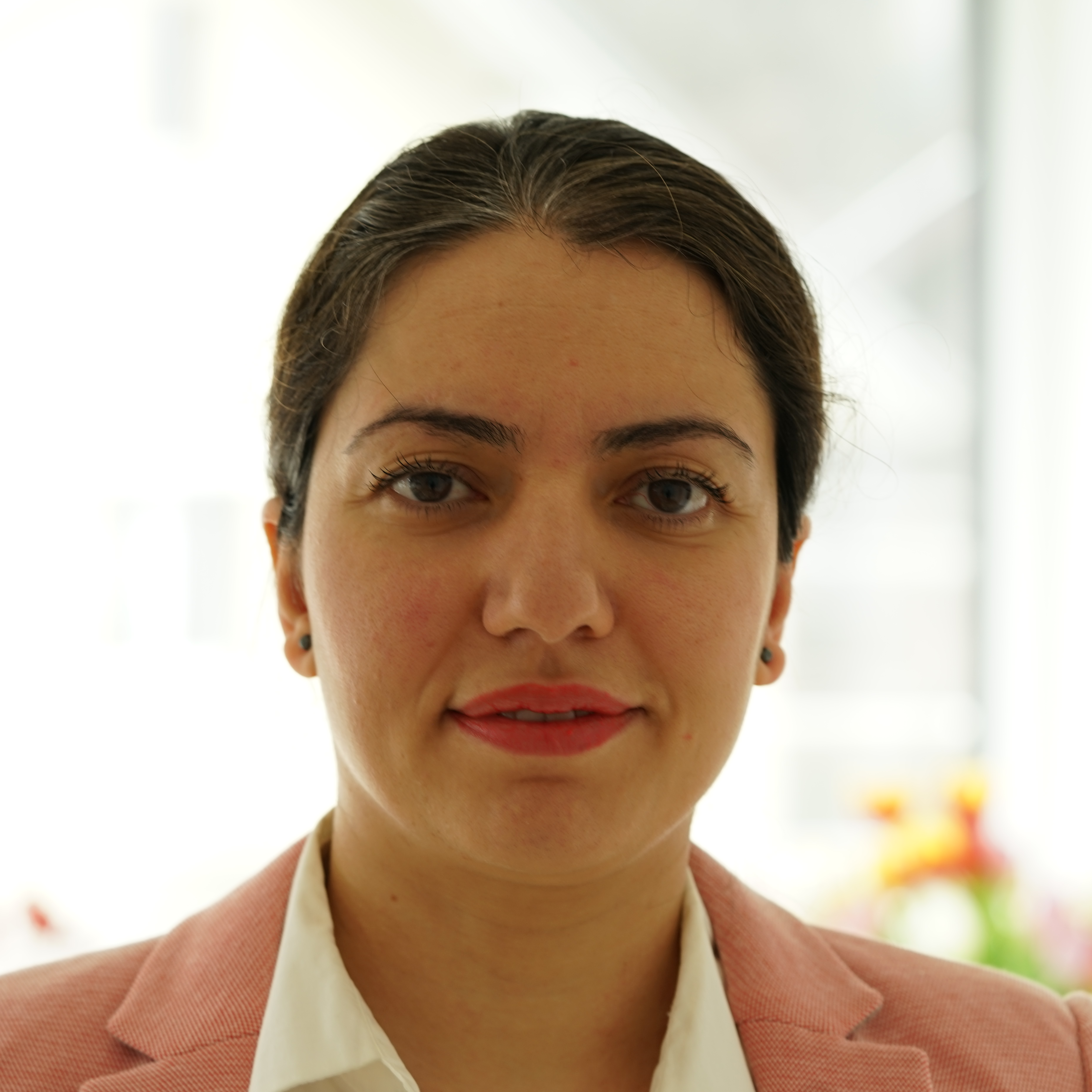
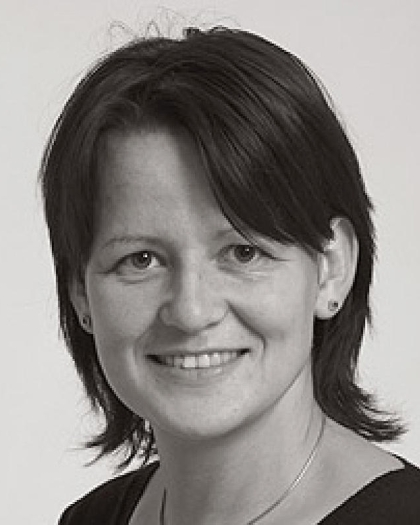
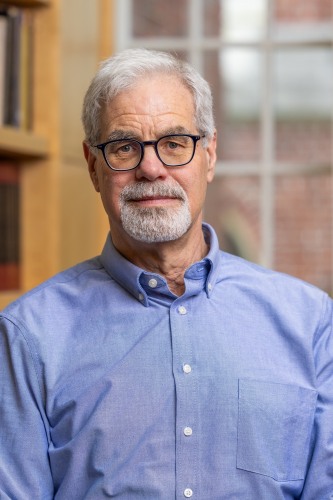
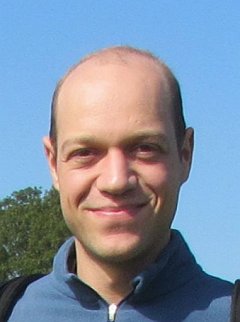
Masoumeh Ebrahimi is an Associate Professor at KTH Royal Institute of Technology, Division of Electronics and Embedded Systems, and holds an Adjunct Professor position at the University of Turku, Finland. She leads research in hardware acceleration, neural architecture search, and fault-tolerant systems. Her work bridges machine learning, embedded systems, and network-on-chip (NoC) design. Research Interests: Hardware-Accelerated Machine Learning 6G Network Architectures Fault-Tolerant Computing High-Performance GPU Systems Network-on-Chip (NoC) Design Federated Learning Key Projects: Co-supervisor of Hui Chen’s postdoc project Generalizing hardware acceleration for nonlinear functions . Active in Digital Futures, a cross-disciplinary center focusing on societal challenges using digital tech. Collaborates on edge computing, 6G networks, and resilient embedded systems. Labs & Teams: Core member of KTH’s Digital Futures initiative, advancing AI accelerators and next-gen communication systems. Engaged in EU-funded projects on NoC reliability and federated learning frameworks.
Eli Renate Grüner is a Professor at the University of Bergen's Department of Physics and Technology, with joint affiliations at Haukeland University Hospital. Her research focuses on advancing medical imaging techniques, particularly MRI-based methods for studying brain function, perfusion dynamics, and neurodegenerative disorders. She collaborates extensively with clinical researchers to translate imaging innovations into diagnostic applications. Grüner's interdisciplinary work bridges physics, neuroscience, and clinical medicine, developing analytical tools to quantify cerebral blood flow, neurotransmitter systems, and metabolic processes. Her neuroimaging research examines brain network dynamics, alcohol's effects on cognition, and pathological mechanisms in conditions like dementia and Tourette syndrome. Her publications demonstrate expertise in perfusion imaging algorithms, fMRI analysis, and spectroscopic methods. Recent work includes developing visualization tools for spectroscopy data and investigating network switching during cognitive processing.
Emille Boulot is a Lecturer in Law at the University of Tasmania's School of Law, affiliated with the Faculty of Law. She holds a PhD in Environmental Law and Regulation from McGill University (2023) and a Master’s in Environmental Governance from UTas (2019). Her research focuses on environmental law, legal theory, political ecology, and evidence-informed policy, with an emphasis on interdisciplinary approaches to ecological restoration governance. Professional Affiliations: Member of the Centre for Marine Socioecology, Society of Ecological Restoration, and Earth Systems Governance Project. She serves on the editorial board of the Australian Environment Review and steering committee of the Earth System Law Task Force. Education: Doctor of Philosophy (McGill University, Canada, 2023) Masters of Environmental Governance (UTas, Australia, 2019) Graduate Diploma of Legal Practice (UTas, Australia, 2013) Bachelor of Laws (Monash University, Australia, 2012) Bachelor of Science (Monash University, Australia, 2012) Research Interests: Environmental law and governance Ecological restoration and policy Legal theory and political ecology Climate change adaptation frameworks Recent Projects: Consultancy with the Society of Ecological Restoration (2025) to develop global legal frameworks for ecosystem restoration. Key deliverables include standardized restoration terminology, legislative templates, and regulatory processes. Teaching: Courses include Contract Law (LAW251), Law Review (LAW325), and Private Law Obligations and Remedies (LAW262) at the University of Tasmania. Awards: TEL Best Article Prize (2022), Lionel Murphy Postgraduate Scholarship (2021–2022).
William C. Heindel is a Professor of Cognitive and Psychological Sciences at Brown University and currently serves as Chair of the Department of Cognitive, Linguistic, and Psychological Sciences. He holds a B.S. in Engineering from the University of Wisconsin-Madison (1980) and a Ph.D. in Neurosciences from the University of California, San Diego (1989). His research focuses on cognitive neuroscience, particularly the neural mechanisms underlying memory, attention, and perception in both healthy individuals and those with neurocognitive disorders such as Alzheimer's disease. He has been funded by NIH grants and the Falk Medical Research Trust, among others. Heindel's research interests include the perceptual basis of semantic memory, neuropsychological substrates of category learning, and the role of arousal and attention in Alzheimer's disease. He collaborates with researchers in neurology, biostatistics, and psychiatry. His teaching includes courses on cognitive neuropsychology, memory, and research methods. His recent work explores sensory integration deficits in preclinical Alzheimer's, EEG markers of cognitive decline, and driving performance in older adults. He has published extensively in journals like Neuropsychologia , Alzheimer's & Dementia , and Cortex .
David Brainard is the RRL Professor of Psychology at the University of Pennsylvania. He leads the Brainard Lab, which investigates human vision through experimental and computational approaches, focusing on how the visual system interprets object properties from light signals. His research integrates psychophysics, computational modeling, and machine learning to understand color perception, visual processing, and neural mechanisms. Education: BS in Physics from Harvard University; PhD in Psychology from Stanford University. Research interests include human vision, visual neuroscience, and computational modeling of visual processing. Specific areas: color appearance under varying illumination, object identification via color, and development of machine vision systems mimicking human performance. Recent work explores retinal physiology, chromatic aberration correction, and evolutionary constraints on color naming systems. Notable contributions include studies on retinal ganglion cell physiology in primates, image reconstruction frameworks, and quadratic models of visual cortex responses. Collaborations span neurobiology, optics, and cognitive science. Awards: None explicitly listed. Active advising of graduate students and postdocs including Callista Dyer, Semin Oh, and Raymond Warner. Labs/Teams: The Brainard Lab at Penn, with ongoing projects on retinal imaging, computational models of vision, and cross-disciplinary applications in machine learning.
Dr. Iftekhar Ahmed is an Associate Professor at the University of North Texas (UNT), where he has been serving for eight years. He is affiliated with the academic faculty and teaches both undergraduate and graduate courses in Group Communication, Organizational Communication, and Communication Theory. His educational background includes a Ph.D. earned in August 2009 from Texas A&M University. Prior to joining UNT, he was a researcher at the National Center for Supercomputing Applications (NCSA) at the University of Illinois at Urbana-Champaign from May 2009 to August 2012. Dr. Ahmed's research centers on understanding group processes and organizational dynamics. Key areas include task group effectiveness, evolution of organizations, inter-organizational collaboration, and human behavior and communication in virtual environments. His work bridges communication science with organizational behavior and distributed systems. The available publication indicates a strong focus on team stability and performance, particularly how membership persistence influences group outcomes. This aligns with broader interests in virtual collaboration and long-term team functionality, suggesting a trajectory centered on scalable and sustainable collaborative models in digital and organizational contexts. Stability of Membership and Persistence in Teams: Impacts on Performance (2023) Dr. Ahmed has secured significant research funding, including two 5-year projects funded by the National Science Foundation (NSF) on organizational collaboration. He has recently completed these projects and is currently authoring a book based on the findings. Another major project addressed "The Global Initiative to Enhance @scale and Distributed Computing and Analysis Technologies (GECAT)", reflecting his interest in large-scale collaborative technological systems. Although no students are listed, his leadership in multi-year, funded research suggests mentorship and team coordination roles. He is actively involved in advancing knowledge in communication and organizational sciences through research, teaching, and large-scale collaborative initiatives. His current work integrates empirical findings into broader theoretical and practical frameworks, particularly through his upcoming book.
Arthur Charguéraud is a senior researcher (Directeur de Recherche) at Inria, based in Strasbourg within the Camus team, affiliated with the iCube laboratory at Université de Strasbourg. His research spans program verification, program optimization, and mechanized semantics of programming languages, with a strong focus on separation logic and interactive theorem proving using Coq. Affiliation: Inria, Camus team, iCube Laboratory, Université de Strasbourg Position: Senior Researcher (Directeur de Recherche) Research Focus: Formal verification, separation logic, source-to-source transformations, high-performance computing His research interests center on developing formal methods to ensure correctness and efficiency in software systems. He works extensively on separation logic to verify both time and space complexity of programs, especially in the presence of garbage collection. His work bridges theoretical foundations with practical tools, such as the CFML framework and the OptiTrust optimization framework, which enables trustworthy source-to-source transformations with formal guarantees. His publications reveal a consistent focus on interactive verification, formal semantics, and performance optimization. Key themes include granularity control in parallelism, mechanized semantics (e.g., for JavaScript), and verified compilation. He has made significant contributions to separation logic, including extensions for time and space credits, big-O reasoning, and higher-order representation predicates. Arthur Charguéraud has received notable recognition for his work, including: Distinguished Paper Award at CPP 2022 SIGPLAN Research Highlight at PPoPP 2019 He has advised several PhD students and postdoctoral researchers, including Guillaume Bertholon, Alexandre Moine, and Armaël Guéneau. He leads the ANR-funded OptiTrust project (2022–2027), which aims to build a framework for verified source-to-source optimizations. He has also been involved in other major projects such as ANR VOCAL, ANR AJACS, and ERC DeepSea. His work is supported by both national (ANR, Inria) and institutional (CEA, ENS) grants. He is actively involved in the programming languages research community, serving on the program committees of top conferences including POPL, ICFP, PLDI, CPP, and CoqPL, and has chaired several workshops. He is also engaged in education and outreach, co-authoring the book Separation Logic Foundations in the Software Foundations series and designing challenges for the Concours Castor Informatique to promote computer science among young students.
Dr. Julia Huyck is an Associate Professor in the Speech Pathology and Audiology Program at Kent State University’s School of Health Sciences (College of Education, Health, and Human Services). She concurrently holds an Adjunct Assistant Professor role at Northeast Ohio Medical University (NEOMED), Department of Anatomy and Neurobiology, and is a member of NEOMED’s Hearing Research Group. She directs the Perception, Learning, and Individual Differences (PLAID) lab, focusing on auditory perception and cognitive development in adolescents. Her research explores speech comprehension immaturity in youth and mechanisms underlying perceptual learning. Dr. Huyck earned a B.S. in Communication Sciences and Disorders, M.A. in Learning Disabilities, and Ph.D. in Communications Sciences and Disorders from Northwestern University. Her work bridges clinical audiology, developmental neuroscience, and cognitive psychology. Her research portfolio includes over 15 peer-reviewed articles examining perceptual learning, speech processing in noise, and neurodevelopmental auditory functions. She collaborates across institutions on projects exploring cross-accent speech perception, sex differences in auditory tasks, and neuroplasticity in aging. No formal awards are listed, though her publications reflect sustained scholarly impact. Advising and grant details are not explicitly stated in available texts. She maintains affiliations with Kent State’s Center for Performing Arts and NEOMED’s Hearing Research Group. The PLAID lab actively investigates individual differences in perceptual abilities using behavioral and neuroimaging techniques.
Asli Ozgun-Koca is a Professor of Mathematics Education in the College of Education at Wayne State University. Her work spans teaching, research, and leadership in mathematics teacher education, with a focus on secondary and elementary levels. She is actively involved in national and state-funded initiatives to improve mathematics instruction and equity. B.S. in Mathematics Education, Hacettepe University, Turkiye (1993) M.S. in Mathematics, Middle East Technical University, Turkiye (1996) Ph.D. in Mathematics Education, The Ohio State University (2001) Dr. Ozgun-Koca's research centers on mathematics education, particularly the integration of technology in teaching, professional development for teachers, lesson study, and fostering mathematical knowledge for teaching. She emphasizes equitable practices and the use of real-world, interdisciplinary contexts to enhance learning. Her work explores how teachers analyze tasks and student work to improve instruction, especially in proportional reasoning and statistics. The recent publications and presentations reflect a strong trend in using technology (e.g., GeoGebra) to deepen conceptual understanding, designing integrated STEM and literature-based tasks, and improving feedback and task selection in teacher education. Her scholarship consistently addresses equity, teacher learning, and innovative pedagogies. President's Awards for Excellence in Teaching (2015) COE Faculty Research Award (2014) Career Development Chair Award (2013) Dr. Ozgun-Koca has secured major grants from the NSF and Michigan Department of Education, including SSTEPs, TeachDETROIT, and REALM projects, focusing on evidence-based pedagogies, teacher fellowships, and equity in mathematics education. She advises graduate students and collaborates widely on research. She teaches courses such as Methods and Materials of Instruction, Advanced Studies in Teaching Algebra and Statistics, and Detroit by the Numbers, reflecting her commitment to practical, context-rich teacher preparation. She is a key figure in lesson study adaptations for preservice teachers and leads professional development initiatives that connect theory and practice. Her work is disseminated through national conferences and leading journals in mathematics education.
Dr. Timothy McMahan is an Assistant Professor in the Department of Computer Science at the University of North Texas. His research focuses on adaptive virtual environments, neurogaming, and applying VR/AR technologies to neuropsychological assessment and training. He holds a Ph.D. in Computer Science (2016) and multiple advanced degrees from UNT. Education: Ph.D. Computer Science, University of North Texas (2014–2016) M.S. Computer Science, University of North Texas (2007–2013) B.S. Computer Science, University of North Texas (2003–2007) Postdoctorate in Computational Neuropsychology, University of North Texas (2016–2017) Research Interests: Adaptive VR environments for personalized user experiences Neurogaming applications in healthcare and education Machine learning for cognitive assessment and environmental adaptation EEG-based analysis of user engagement and cognitive workload VR tools for neuropsychological disorder diagnosis and treatment Recent work emphasizes VR applications in memory research, adaptive systems leveraging real-time ML predictions, and EEG-driven analyses of subjective experiences. Articles focus on bridging virtual and real-world interactions through computational neuroscience methods. No scientific awards or grants are explicitly listed in the provided materials. No advisees or lab affiliations are documented here.
Professor Shenghua Gao is an Associate Professor at the School of Computing and Data Science of the University of Hong Kong (HKU), concurrently serving as Assistant Director for Shanghai Initiatives. He holds a PhD from Nanyang Technological University. His research focuses on integrating machine learning, spatio-temporal data analysis, and database systems to address challenges in mobility prediction, traffic management, and geospatial representation learning. He has contributed significantly to trajectory modeling, indexing frameworks for multi-dimensional data, and the application of large language models (LLMs) in spatio-temporal contexts. Key research interests include: Spatio-Temporal Data Science: Developing frameworks for efficient processing and analysis of point cloud, trajectory, and traffic data. Machine Learning for Databases: Innovating indexing algorithms (e.g., BMTree, MAST) and query optimization techniques leveraging ML. Trajectory and Mobility Prediction: Creating personalized models for next-location prediction and transfer learning across regions. Geographic AI (GeoAI): Enhancing road network representation and urban function inference using physics-guided and foundation models. Recent work highlights include the ST-LLM+ framework for traffic prediction, the MAST system for point cloud analytics, and the exploration of City Foundation Models for urban challenges. His publications span top venues in databases (SIGMOD, VLDB) and AI/data science (ICML, NeurIPS). While no awards are explicitly mentioned, his prolific output and leadership roles indicate significant academic contributions. He is actively involved in teaching and supervising research in the School’s undergraduate and postgraduate programs, including MSc(AI) and MPhil/PhD tracks.
Elizabeth Byrne is a Lecturer in Psychology at the University of East Anglia, affiliated with the School of Psychology and the Developmental Science research group. She is actively involved in research and supervises PhD students. PhD in Psychology, University of Cambridge (2014–2018) MRes Psychology (Distinction), University of Manchester (2012–2013) BSc (Hons) Psychology (First Class), University of Manchester (2008–2011) Her research focuses on cognitive and behavioral development in early childhood, particularly working memory, self-regulation, and the role of guided play in learning. She investigates how educational interventions and adult-child interactions shape developmental outcomes. Her recent publications highlight a strong trend in developmental and educational psychology, with an emphasis on psychometric validation, cognitive architecture, and evidence-based interventions. Key themes include guided play, behavioral assessment tools, and the use of physical manipulatives in learning. Elizabeth Byrne has contributed to impactful research widely covered in media and policy discussions, particularly her meta-analysis on guided play. Her work has been referenced in policy sources and highlighted across news outlets, blogs, and social media platforms. She collaborates with leading researchers such as Joni Holmes and Paul Ramchandani and leads an active British Academy-funded project on cognitive segmentation in problem solving. No formal grants beyond this are detailed, but her research output suggests sustained funding and collaboration. She has contributed to open datasets and engages in public outreach through press and media contributions, promoting evidence-based early education practices.
Constanza Isabel San Martín Valenzuela is a researcher at the Universitat de València, affiliated with the Faculty of Physiotherapy and the Department of Physiotherapy, as well as the Department of Medicine. She is a member of the UBIC Research Unit in Clinical Biomechanics, focusing on clinical and biomechanical aspects of movement disorders. Her primary research interests lie in neurorehabilitation, particularly gait rehabilitation using dual-task training in patients with Parkinson’s disease. Her work integrates principles from physiotherapy, psychiatry, and clinical biomechanics to improve motor and cognitive function in neurodegenerative conditions. The available information does not include recent publications, preventing analysis of article trends. However, her doctoral research indicates a strong focus on evidence-based rehabilitation interventions and randomized controlled trials in movement disorders. There are no listed scientific awards or honors in the provided data. She completed her PhD under the supervision of Dr. María Pilar Serra Añó and Dr. Jose Manuel Tomás Miguel. There is no information available about students she may have supervised or grants she has led. Her research is conducted within the UBIC Research Unit in Clinical Biomechanics, which likely involves interdisciplinary collaboration in assessing and improving clinical outcomes through biomechanical analysis.
Máté Gyurkovics is a Lecturer in Psychology at the University of East Anglia's School of Psychology, appointed in August 2024. His academic background includes a PhD in Cognitive Psychology from the University of Sheffield (2020), followed by postdoctoral research at the University of Illinois at Urbana-Champaign and the University of Glasgow. Education: BSc/MSc in Psychology at Eötvös Loránd University, Hungary; PhD in Cognitive Psychology at University of Sheffield, UK Research Interests: Máté focuses on the neural oscillatory mechanisms of attention , combining EEG , MEG , and brain stimulation techniques like TMS. His work spans cognitive development (adolescence) and age-related cognitive changes in attentional control. Publication Trends: Recent work examines task difficulty effects on cognitive control, EEG aperiodic activity in attention, and genetic links between neural oscillations and neurodevelopmental disorders. Techniques include computational EEG analysis , longitudinal twin studies , and multimodal neuroimaging . Professional Roles: He serves on UEA's Ethics Committee and acts as a peer reviewer for the Psychophysiology journal. His expertise spans brain imaging , cognitive neuroscience , and perception/action research .
Joana Braga Pereira is an Associate Professor (Docent in Neurosciences) and Principal Researcher at the Department of Clinical Neuroscience, Karolinska Institutet, where she leads the Brain Connectomics research group. Her work focuses on brain connectivity measures derived from structural MRI, functional MRI, diffusion tensor imaging, and other neuroimaging modalities in patients with neurodegenerative disorders. Education: Docent in Neurosciences, Karolinska Institutet, 2021 PhD in Biomedicine, University of Barcelona, 2012 Master in Neurosciences, University of Barcelona, 2008 Postdoctoral Fellow in Neuroimaging, Karolinska Institute, 2017 Dr. Pereira's research focuses on understanding brain connectivity and network topology in neurodegenerative disorders, particularly Alzheimer's and Parkinson's diseases. Her work integrates multiple neuroimaging modalities with biomarker analysis to identify early signs of disease and track progression. She specializes in applying graph theory, deep learning, and novel imaging sequences to analyze complex brain networks and develop precision medicine approaches. Her research spans multimodal brain connectivity, dynamic brain connectivity, functional gradients, and proteomics to understand disease mechanisms. Her recent publications demonstrate a strong focus on computational approaches to understanding neurodegenerative diseases, with particular emphasis on the relationship between brain connectivity patterns, biomarkers, and clinical outcomes across aging and various neurological conditions. She has pioneered methods like delayed correlation-based approaches for dynamic connectivity analysis and developed BRAPH 2.0 software for brain connectivity analysis. Scientific Awards and Grants: Marie Curie Intra-European Fellowship Swedish Research Council Alzheimerfonden Hjärnfonden StratNeuro New Technologies Grant 2025 Swedish Foundation for Strategic Research Senior Research Faculty Position Dr. Pereira actively mentors the next generation of neuroscientists, currently supervising 3 PhD students and 3 postdoctoral researchers, with additional co-supervision of 4 PhD students from other institutions. She has successfully guided 4 PhD students to completion of their theses. She also organizes the yearly conference 'Emerging Topics in Artificial Intelligence' since 2020. She leads the Brain Connectomics research group, which is part of the Department of Clinical Neuroscience at Karolinska Institutet. The group is highly interdisciplinary, combining expertise from medicine, engineering, physics, and computer science to tackle complex questions in neuroscience. The group has developed BRAPH 2.0, a comprehensive software for brain connectivity analysis using graph theory and deep learning.