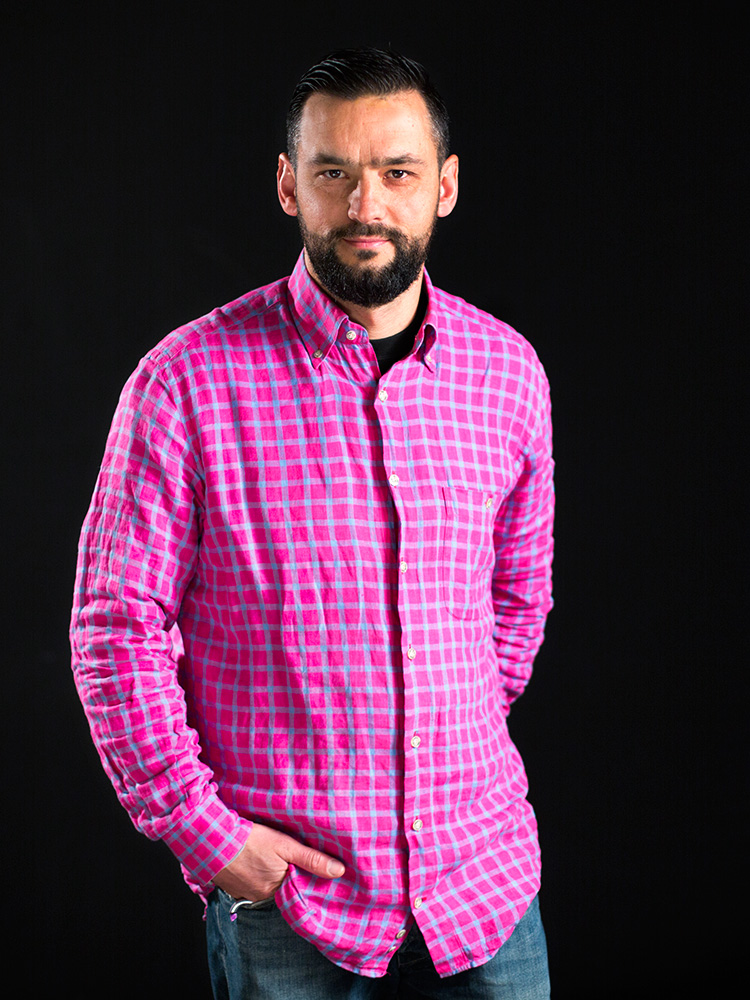
Danel Ahman is an Associate Professor at the Institute of Computer Science , University of Tartu , Estonia, specializing in programming language theory . His research focuses on dependent/refinement types , computational effects , and verified software . Education PhD in Theoretical Computer Science (University of Edinburgh, 2017) MPhil in Advanced Computer Science (University of Cambridge, 2012) BSc in Informatics (Tallinn University of Technology, 2010) Research Interests : Danel investigates programming languages with algebraic effects and effect handlers for verified software, exploring denotational/operational semantics and fibrational approaches to effects. His work bridges theoretical computer science with practical formal verification. Scientific Awards : Estonian Research Council grant (2025) Marie Skłodowska-Curie Fellowship (2019) PhD dissertation prize (2018) Google/Citrix dissertation awards (2012) Teaching & Supervision : He teaches courses like Logic in Computer Science and Functional Programming at the University of Tartu, and supervised BSc/MSc theses on topics including asynchronous effects and formal verification. Danel also organizes research seminars and guest lectures on F*.
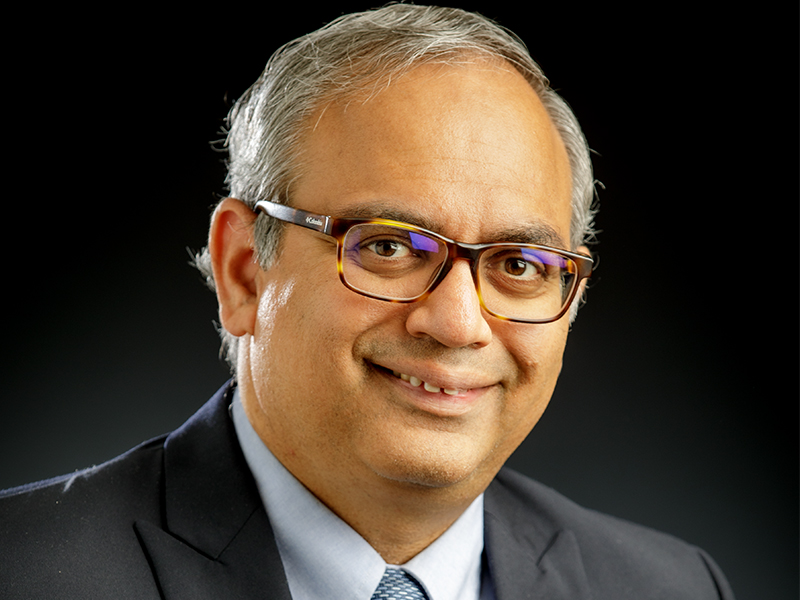
Prof. Dr. Bob van de Water is a Professor of Drug Safety Science at Leiden University, where he serves as head of the Cancer Therapeutics and Drug Safety group within the Division of Drug Discovery & Safety at the Leiden Academic Centre for Drug Research (LACDR). His research focuses on understanding the molecular mechanisms underlying drug toxicity and cancer drug resistance. His primary research interests include: Adaptive cellular stress responses Cancer drug resistance and metastasis Cell signaling pathways Drug safety evaluation Functional genomics High throughput microscopy Molecular mechanisms of drug toxicity Toxicology Professor van de Water leads several significant research projects including studies on oncogenic protein tyrosine kinases in breast cancer, live cell imaging-based modeling of cellular toxicity pathways, and identification of novel druggable targets for different breast cancer types. He teaches in the Bio-Pharmaceutical Sciences programs at both BSc and MSc levels, offering courses on drug safety evaluation, signal transduction, and cellular toxicology. His research group includes current PhD candidates: Serkan Aslan Sibel Bahtiri Linda van den Berk Imke Bruns Gerhard Burger Professor van de Water has previously supervised numerous PhD students to completion, including: Olivier Béquignon Muriel Heldring Marije Niemeijer Lukas Wijaya Luc Bischoff
Daniel Hyde is an Associate Professor in the Department of Psychology at the University of Illinois Urbana-Champaign, affiliated with the College of Liberal Arts & Sciences and the Neuroscience Program. His research explores the nature and development of abstract conceptual knowledge through behavioral and neural measures. PhD in Psychology from Harvard University Hyde investigates cognitive development from infancy to adulthood, focusing on quantitative reasoning , spatial reasoning , and psychological reasoning using techniques like event-related brain potentials (ERPs) , functional near-infrared spectroscopy (fNIRS) , and behavioral assessments. His recent work examines how symbolic number knowledge builds on non-symbolic foundations and how neural sensitivity to mental states in infancy predicts later theory of mind abilities. Hyde's publications demonstrate a consistent focus on numerical cognition, multisensory integration, and developmental neuroscience. He leads the Brain and Cognitive Development Lab , participates in global initiatives like ManyNumbers and ManyBabies , and collaborates across disciplines to apply developmental insights to education and public health contexts.
Xiaowen Zhang is a Professor of Computer Science at the College of Staten Island (CSI), City University of New York (CUNY), and a Doctoral Faculty Member at the CUNY Graduate Center. His academic work bridges theoretical and applied research in cybersecurity, information systems, and network technologies. Dr. Zhang holds a Ph.D. in Computer Science from the CUNY Graduate Center (2007) and a Ph.D. in Electrical Engineering from Northern Jiaotong University (1999), along with an M.A. from CUNY Queens College, an M.S. from Northern Jiaotong University, and a B.S. from Shanxi University. His research focuses on Cryptography, Information Security, Cybersecurity, Secure Biometrics, RFID Security & Privacy, Information Retrieval, and Wireless Sensor Networks . He explores both foundational cryptographic methods—such as secret sharing schemes and hash functions—and their practical implementations in secure systems, including RFID authentication protocols and data visualization platforms for sensor networks. The analysis of his recent publications reveals a consistent focus on security mechanisms in distributed and wireless environments . His work frequently combines cryptographic theory with system-level implementations, particularly in RFID and sensor networks. There is a strong trend toward privacy-preserving protocols, efficient data retrieval, and secure information sharing , often leveraging mathematical structures like Latin squares and Bloom filters. Dr. Zhang has been actively involved in mentoring students, as evidenced by numerous co-authored publications with graduate and undergraduate researchers. His contributions span journals such as Security and Communication Networks , Journal of Applied Security Research , and International Journal of Security and Networks , as well as major conferences including IEEE LISAT, ACM CODASPY, and IEEE Sarnoff Symposium.
Dr Marina Uzelac is a Royal Society University Research Fellow in the Department of Chemistry at the University of Bath, affiliated with the Institute of Sustainability and Climate Change. She is actively leading two research projects funded by The Royal Society focused on manganese catalysis and is accepting doctoral students. Education: PhD in Chemistry, University of Strathclyde (awarded 2016) MSc in Chemistry, University of Zagreb (2011) BSc in Chemistry, University of Zagreb (2009) Her research lies at the intersection of inorganic and synthetic chemistry, with a focus on cooperative reactivity of rarely employed metals, particularly manganese and alkali metals. She investigates the use of manganates in catalytic transformations, electrophilic borylation strategies, and the development of sustainable synthetic methodologies. Her work often involves N-heterocyclic carbenes and explores structural diversity in metal complexes. The recent publications highlight a strong trend in organometallic synthesis, C-H functionalization, and the design of novel borylation methods with applications in materials science, particularly BN-doped helicenes. Her work bridges fundamental inorganic chemistry with practical synthetic applications. Scientific Awards: Royal Society University Research Fellow Dr Uzelac is the Principal Investigator on two active grants from The Royal Society: 'Mn(II): A Janus Face for Catalysis' and its enhanced research expenses counterpart, both running from 2022 to 2027. These grants support her independent research program in sustainable catalysis. While no formal advisees are listed, she is accepting doctoral students, indicating an emerging supervisory role. She is actively involved in research networks and collaborations across Europe, particularly in the areas of main group and transition metal chemistry. Her work is disseminated through high-impact journals and has garnered attention in academic and social media circles.
Judith Roitman is a full Professor of Mathematics at the University of Kansas, where she has been since 1976, rising to full professorship after earlier roles at Wellesley College and the Institute for Advanced Study. Her academic journey began with an English Literature degree from Sarah Lawrence College (1966) before transitioning to mathematics at UC Berkeley, earning a Ph.D. in 1974 under Robert Solovay, with research in set-theoretic topology and Boolean algebra. She has held leadership roles in the Association for Women in Mathematics (AWM), serving as its President (1979–1981) and shaping its early structure. Her research spans over 40 papers and a textbook, Introduction to Modern Set Theory (1990), while her work in mathematics education includes co-authoring the NCTM Principles and Standards 2000 . She received the 1990 Louise Hay Award for Mathematics Education and was inducted into the AWM Fellows Program in 2018. Roitman’s career combines research with advocacy: she mentored students, advised on national education policy, and ran teacher workshops for elementary and high school educators. Her non-academic pursuits include poetry (e.g., Slippage , 1999) and Zen Buddhism, co-founding the Kansas Zen Center in 1978.
Prof. Dr. Daniel Hug is a Professor at the Karlsruhe Institute of Technology (KIT) , affiliated with the Department of Mathematics and the Institute of Stochastics . His research focuses on Probability , Geometry , Convex geometric analysis , Stochastic geometry , and Educational mathematics . He contributes to the DFG Priority Program Random Geometric Systems and previously participated in the DFG research unit Geometry and Physics of Spatial Random Systems . Prof. Hug has co-authored two influential monographs: Poisson Hyperplane Tessellations (Springer Monographs in Mathematics) and Lectures on Convex Geometry (Springer Graduate Texts in Mathematics, 2020). His work spans theoretical advancements in convex and stochastic geometry , including integral geometry, random mosaics, and tensor valuations, alongside applied studies in digital microstructures and Minkowski tensors . His publications from 2025–2024 emphasize hyperbolic space , Boolean models , and Minkowski tensor estimators , reflecting ongoing collaborations with researchers like M. Klatt, C. Thäle, and R. Schneider. Prof. Hug leads courses such as Stochastic Geometry and seminars on Random graphs and tessellations , and is actively involved in working groups like AG Stochastische Geometrie and AG Stochastik .
Andrew Pavlo is a Professor in the Computer Science Department at Carnegie Mellon University's School of Computer Science. His research focuses on database management systems, particularly in the areas of transaction processing, in-memory databases, and self-driving database systems. He leads a productive research group that has published extensively in top database venues including VLDB, SIGMOD, and CIDR. Pavlo's research interests span database management systems, transaction processing, in-memory databases, non-volatile memory databases, and self-driving database systems. His work often bridges theoretical database concepts with practical system implementation, focusing on performance optimization, query processing, and system architecture. Recent work has explored machine learning applications for database tuning, novel storage techniques, and innovative approaches to transaction processing. An analysis of his recent publications reveals a strong focus on self-driving database systems, with significant work on the Database Gym framework for training machine learning models to optimize database performance. His research also examines columnar storage formats, transaction scheduling, and novel approaches to user-defined function optimization. The work demonstrates a consistent trajectory toward making database systems more autonomous and efficient through a combination of systems techniques and machine learning. Pavlo has been instrumental in mentoring numerous PhD students who have become active contributors to the database research community. His research has been supported by significant grants that have enabled the development of innovative database technologies and frameworks. His research group operates within CMU's vibrant database ecosystem, collaborating with other researchers on projects related to database systems, storage engines, and query processing frameworks. The group maintains close connections with industry partners to ensure practical relevance of their research contributions.
Prof. Dr. Nils Kröger serves as Chair for "Biomimetic Materials" at the Technical University of Dresden, Germany, where he leads the Kröger Group dedicated to studying diatoms and their remarkable biological capabilities. His research program investigates two extraordinary phenomena exhibited by these microalgae: silica biomineralization and underwater adhesion. Academic Background: Diploma in Chemistry, University of Regensburg, Germany (1991) PhD in Biochemistry, University of Regensburg, Germany (1995) Habilitation in Biochemistry, University of Regensburg, Germany (2001) Assistant Professor, Georgia Institute of Technology, Atlanta, USA (2005) Associate Professor, Georgia Institute of Technology, Atlanta, USA (2011) W3 Professor for Biomimetic Materials, TU Dresden, Germany (2012) Professor Kröger's research sits at the intersection of biology, materials science, and nanotechnology. His group employs biochemical, molecular genetic, and cell biological approaches to unravel how diatoms construct intricate silica structures and adhere to surfaces underwater. This work has significant implications for developing novel bio-inspired materials and understanding fundamental biological processes. Recent advancements in his laboratory have revealed molecular mechanisms behind diatom motility and the precise control of silica pattern formation. Analysis of Professor Kröger's publication record shows consistent focus on diatom biology with increasing interdisciplinary collaboration. His recent work demonstrates sophisticated integration of physics, engineering, and biology to understand the mechanical aspects of diatom movement and structure formation. The research shows progression from basic protein characterization to complex systems-level understanding of diatom motility and morphogenesis. Current Research Funding: Deutsche Forschungsgemeinschaft (DFG): PoL Nucleation grant with Prof. Stefan Diez (2022-2025) - Acto-myosin cooperativity and regulation underlying diatom gliding motility Deutsche Forschungsgemeinschaft (DFG) (2018-2022) - Molecular basis of diatom adhesion and motility Previous funding from Air Force Office of Scientific Research (AFOSR) (2010-2016) - Molecular Mechanism of Diatom Adhesion Professor Kröger actively mentors PhD students and maintains a vibrant research group comprising senior scientists, postdoctoral researchers, technicians, and graduate students. His laboratory serves as a hub for interdisciplinary collaboration, bridging traditional boundaries between biology, chemistry, physics, and materials science. The group maintains strong international connections and participates in numerous collaborative research initiatives focused on biomineralization and bio-inspired materials.
Dr. Josip Bošnjaković is an Associate Professor at both the Catholic Faculty of Theology in Đakovo (part of Josip Juraj Strossmayer University in Osijek) and the Croatian Catholic University in Zagreb. Ordained as a priest of the Đakovo-Osijek Archdiocese in 2003, he holds a doctorate in educational psychology from the Pontifical Salesian University in Rome (2012) and is a certified psychotherapist specializing in transactional analysis. He serves as the head of the Counseling Center in the Đakovo-Osijek Archdiocese and as president of the Croatian Society of Marriage and Family Counselors since 2019. His research interests bridge psychology and theology, with particular focus on empathy, compassion, trauma recovery, family dynamics, and spiritual resilience. Bošnjaković has developed an interdisciplinary approach that integrates psychological science with theological insights, particularly emphasizing how compassion functions as both a psychological mechanism and theological virtue. His work explores how spiritual resources contribute to psychological resilience, especially in crisis situations including war trauma, pandemic experiences, and family breakdown. Bošnjaković's recent publications (2024-2025) demonstrate a consistent focus on practical applications of psychological theory within pastoral contexts. His research shows how concepts from transactional analysis can enhance pastoral care, with particular attention to communication skills, conflict resolution, and emotional intelligence in religious settings. He has made significant contributions to understanding how spiritual practices support mental health and how religious communities can better address psychological needs. As an active member of professional organizations including ITAA (International Transactional Analysis Association), EATA (European Association of Transactional Analysis), and IAPR (International Association for the Psychology of Religion), Bošnjaković bridges academic research with practical counseling applications. He regularly contributes to professional development through workshops, conferences, and media appearances where he discusses psychological and spiritual aspects of contemporary challenges. His academic leadership includes directing the specialist study program in Propaedeutics of Psychotherapy and Theotherapy at the Catholic Faculty of Theology in Đakovo since 2023. Bošnjaković also serves on various academic committees including the Award Committee and Supervisory Board at his institution, and previously served on the Ethics Committee at the Croatian Catholic University (2013-2017).
Ueli Grossniklaus is an Ordinary Professor at the University of Zurich within the Faculty of Mathematical and Natural Sciences , affiliated with the Department of Plant and Microbiology . His work focuses on plant developmental biology, particularly epigenetic and genetic mechanisms governing reproduction and adaptation. Key Courses: Epigenetics, Plant Biology Workshop, Group Seminars on Current Research Laboratory Techniques: Advanced methods in plant cell mechanics, transcriptomics, and genome editing Research Interests span plant epigenetics, reproductive biology, and the interplay between environmental stress and genetic regulation. He investigates: Mechanistic control of gametogenesis and fertilization Epigenetic contributions to plant adaptation Evolutionary implications of asexual reproduction Biophysical forces in plant cell growth Publication Trends (2025–2018) reveal expertise in: Arabidopsis and fern model systems Epigenetic regulation (DNA methylation, histone dynamics) Apomixis and hybrid seed failure mechanisms Biomechanics of pollen tubes and carnivorous plants Genome editing tools (CRISPR) and long-read sequencing Scientific Collaborations include interdisciplinary projects on: Microfluidic devices for plant cell analysis Gene drive ecology and ethics 3D imaging of plant reproductive structures Advising and Grants focus on mentoring through research internships in developmental biology, genetics, and systems biology. His lab engages in: Epigenetic response to environmental stress Cell wall mechanics in reproduction Computational modeling of plant growth Laboratory Teams integrate plant biologists, bioengineers, and computational scientists to study: Mechanistic gene regulation Evolutionary developmental biology Microrobotics for cellular force measurement
Claudia Palestrini is a Professor at the Department of Life Sciences and Systems Biology , University of Turin. Her work focuses on dung beetles , ground beetles , and Alpine biodiversity conservation , with a strong emphasis on geometric morphometrics , zoogeography , and entomology . Her research integrates ecology , systematics , and phylogeny to study insect communities in Alpine and Mediterranean environments. Key themes include habitat use , species differentiation , and sustainable land management . She has contributed to over 400 publications, with recent work analyzing equine feeding devices and insect acoustic signals . Her teaching includes courses on Entomology for Cultural Heritage , Biological Sciences , and Environmental Education . She serves on academic committees like the Department Council and Interdisciplinary Sport Sciences program. Her work bridges entomology and sustainable sports practices , highlighting the importance of biodiversity in human-impacted ecosystems.
Jose Antonio Hinojos Morales is a contemporary artist and researcher affiliated with Miguel Hernández University of Elche, where he completed his PhD in 2020. His academic work focuses on contemporary painting practices within the broader context of visual arts research. His research interests center around pictorial languages and procedures in contemporary contexts , with particular emphasis on the relationship between landscape, nature, and culture. He investigates how landscapes function as cultural constructs and explores innovative methodologies in the representation of the human face through art. His work also engages with decolonial thought and aesthetics, media archaeology, and expanded painting techniques. Hinojos Morales' artistic output demonstrates significant trends in contemporary Spanish art, particularly in the exploration of spiritual, philosophical, and scientific concepts through visual media. His work often challenges conventional perceptions and hegemonic epistemological positions, creating dialogues between traditional and contemporary artistic approaches. Second place, VIII International Painting Competition 'Miradas 2018', Chicago (USA), 2018 Second Prize, XIX Pastor Calpena Painting Prize, Aspe (Alicante), 2015 First Prize, XLVI National Painting Contest Vila de Sant Joan d'Alacant, 2013 First Prize, III National Painting Competition No to Fear, La Nucía (Alicante), 2013 Third Prize, XVII National Painting Competition City of Antequera, Antequera (Málaga), 2013 As an educator and researcher, Hinojos Morales has coordinated the Altea Artistic Residency program, directing multiple landscape-focused scholarship-residencies that support emerging artists. His work bridges academic research with professional artistic practice, contributing to both scholarly discourse and the contemporary art scene in Spain.
Jindal Shah is a Professor and holds the Anadarko Petroleum Chair in Chemical Engineering at Oklahoma State University, where he also serves as the Graduate Program Director. He is affiliated with the Department of Chemical Engineering within the College of Engineering at Oklahoma State University. Dr. Shah received his educational training from prestigious institutions worldwide. He earned his Ph.D. in Chemical Engineering from the University of Notre Dame in 2005, followed by an M.S. in Environmental Engineering from the University of Cincinnati in 1999, and completed his undergraduate education with a B.Tech. in Chemical Engineering from the Indian Institute of Technology (IIT) Bombay in 1996. Dr. Shah's research focuses on the application of molecular simulation methodologies to understand molecular-level interactions that give rise to macroscopic phenomena. His primary research interests include Monte Carlo and Molecular Dynamics Simulations, Phase Equilibria, Ionic liquids, and Dye-sensitized solar cells. A significant portion of his work centers on designing novel biodegradable ionic liquids with properties suitable for chemical processes, with applications in next-generation batteries and carbon capture. He also investigates molecular-level interactions responsible for device efficiency in dye-sensitized solar cells to rationally design novel dye molecules. Additionally, Dr. Shah employs data science and machine learning techniques to correlate properties of ionic liquids and generate new molecules with desired properties. An analysis of Dr. Shah's recent publications reveals a strong focus on ionic liquids and their applications in energy storage and carbon capture technologies. His work consistently bridges fundamental molecular-level understanding with practical applications, particularly in developing electrolytes for batteries and CO2 capture systems. A notable trend is the integration of machine learning techniques with traditional molecular simulation methods to accelerate materials discovery and optimization. His research demonstrates a progression from fundamental molecular simulations toward applied technologies with significant environmental impact, particularly in climate action (SDG 13) and affordable clean energy (SDG 7). Dr. Shah has secured substantial research funding from multiple prestigious sources including the National Science Foundation, U.S. Department of Energy, National Aeronautics and Space Administration, and industry partners. His funded projects include 'Collaborative Research: Cyber Training-Implementation, Medium, Establishing Sustainable Ecosystem for Computational Molecular Science Training & Education' (NSF), 'Ionic Liquids for Direct Air Capture of CO2 using Electric-Field-Mediated Moisture Gradient Process' (DOE), and 'CAREER: Computation-Enabled Rational Design of Cytochrome P450 for Ionic Liquid Biodegradation' (NSF). These grants support his research in computational molecular science, CO2 capture technologies, and the development of biodegradable ionic liquids. As an educator, Dr. Shah has been actively involved in teaching graduate courses including Principles of Chemical Engineering Thermodynamics, Doctoral Thesis supervision, and specialized courses such as Machine Learning for Chemical Processes and Introduction to Chemical Process Analytics. His teaching philosophy integrates cutting-edge research with educational practice, preparing students for the computational challenges of modern chemical engineering. He has also mentored numerous doctoral students through their dissertation research, contributing to the development of the next generation of chemical engineers and computational scientists.
Dr. Michael Richter serves as a Researcher at HafenCity University Hamburg within the Department of Environmentally Sound Urban and Infrastructure Planning, Faculty of Urban Planning. Since 2014, he has been actively engaged in climate adaptation research, building upon his earlier work with the 'plan B:altic' research group (2009-2014) focused on Baltic coastal urban regions. His professional trajectory combines academic research with practical implementation of nature-based urban solutions. Dr. Richter holds a degree in Geoecology from the Technical University Bergakademie Freiberg (2003-2008). His educational background laid the foundation for his interdisciplinary approach to urban climate challenges, integrating ecological principles with urban planning practices. This cross-disciplinary perspective informs his current research on sustainable urban infrastructure. His research centers on developing climate-resilient urban environments through innovative nature-based solutions. Dr. Richter specializes in sponge city concepts and blue-green infrastructure , particularly examining how building greening systems and urban vegetation can mitigate heat islands, manage stormwater, and enhance biodiversity. His work bridges theoretical research with practical implementation through direct collaboration with Hamburg's urban planning authorities and international research networks. He has made significant contributions to understanding the hydrological performance of green infrastructure through long-term monitoring of real-world implementations. Dr. Richter's publication record demonstrates a consistent focus on empirical research of climate adaptation solutions. His recent work emphasizes performance evaluation of blue-green infrastructure in urban settings, particularly examining street trees and green roofs as integrated components of urban water management systems. This research provides critical data on long-term functionality, helping to refine implementation strategies and inform policy decisions. Editorial Board Member, Journal Water (MDPI) for Urban Water Management section Member, German Green Roof Association (Bundesverband GebäudeGrün e.V.) Member, German Water Association (DWA) Member, German Association for Geoeecology (Verband für Geoökologie in Deutschland) As an academic supervisor, Dr. Richter has mentored over 20 bachelor's and master's students, focusing on practical urban planning challenges related to climate adaptation. His research is supported through multiple projects including the BlueGreenStreets initiative and Hamburg's Green Roof Strategy development. He maintains strong connections between academic research and professional practice through active participation in professional organizations and direct collaboration with city planners. Dr. Richter's work with the City Science Lab and BIMLab at HCU demonstrates his commitment to interdisciplinary collaboration. His research on rainwater-sensitive urban design directly addresses Hamburg's climate adaptation challenges while contributing to international knowledge on sponge city implementation. Through his involvement in the RES:Z research program (Resource-Efficient City Quarters for the Future), he helps shape sustainable urban development practices that balance ecological, social, and technical considerations.