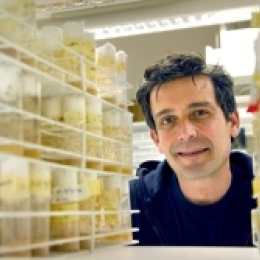
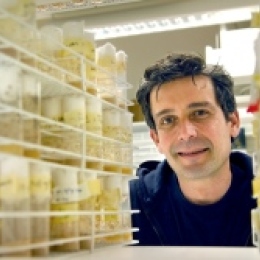
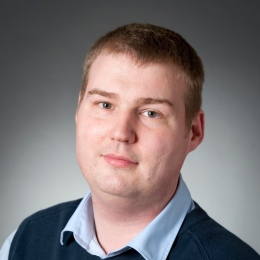
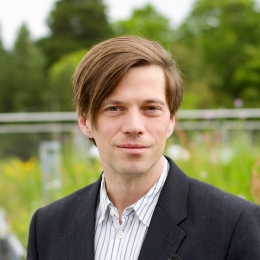
Christos Samakovlis is a Professor at Stockholm University's Department of Molecular Biosciences, The Wenner-Gren Institute. His research focuses on the genetic programs leading to the formation of functional epithelial tubular networks in branched tubular organs found across animal species. Professor Samakovlis investigates conserved principles of tube construction in organs such as the lung, kidney, and vascular system, examining how these structures develop at the molecular level. He leads Group Samakovlis, which conducts research on fundamental aspects of organ development and structure formation. His work contributes to understanding the genetic mechanisms underlying complex organ systems and has implications for developmental biology and potential medical applications. Professor Samakovlis maintains an active research laboratory at Stockholm University with office space in Room E 353 at Svante Arrheniusväg 20 C.
Ryo Matsuda is a Postdoctoral Research Fellow at the Department of Molecular Biosciences, The Wenner-Gren Institute at Stockholm University . His research focuses on deciphering the genetic programs that govern the formation of functional epithelial tubular networks in branched tubular organs like lungs, kidneys, and vascular systems. Research Interests : Matsuda investigates evolutionary conserved mechanisms of tubular organ development, emphasizing genetic regulation in epithelial network formation. Contact : E-mail: ryo.matsuda@su.se | Phone: 08-16 14 79 | Office: Room E 342c, Svante Arrheniusväg 20 C, Stockholm
Claes Andreasson serves as a University Lecturer and Head of Department at Stockholm University's Department of Molecular Biosciences, The Wenner-Gren Institute. He maintains his office in Room F 452 at Svante Arrheniusväg 20 C, Stockholm. Dr. Andreasson's research focuses on cellular mechanisms that safeguard health and aging through proteome maintenance. His work develops fundamental insights into the proteostasis system, which is critical for understanding cellular function and longevity. His research group, Group Andréasson, investigates how cells maintain protein functionality throughout the aging process, with implications for age-related diseases and cellular health maintenance. As Head of Department, Dr. Andreasson oversees academic and administrative functions within the Department of Molecular Biosciences. His leadership position indicates significant contribution to the department's research direction and educational programs in molecular biosciences. Dr. Andreasson maintains an active research laboratory focused on proteostasis mechanisms. His group's work bridges fundamental cell biology with potential applications in understanding and addressing age-related cellular decline.
Johan Lundin Kleberg is an Associate Professor in the Department of Psychology at Stockholm University, where he conducts research in clinical developmental psychology. His work focuses on understanding the mechanisms behind neurodevelopmental conditions including ADHD, autism spectrum disorder, and anxiety disorders, with particular emphasis on visual attention patterns and social cognition in affected individuals. Dr. Kleberg's research interests center on how developmental psychiatric conditions arise and manifest in everyday functioning. His work examines eye-tracking patterns, pupillary responses, and decision-making processes in children and adolescents with conditions such as ADHD and autism. He investigates how these individuals process social information, respond to emotional stimuli, and make decisions in various contexts, seeking to identify underlying cognitive and neural mechanisms that contribute to diagnostic symptoms. His publication record demonstrates consistent research activity examining visual attention deficits in neurodevelopmental disorders. The research shows particular interest in how gaze patterns, particularly toward eyes and faces, differ in individuals with autism and ADHD compared to neurotypical controls. His work also explores reward processing, emotional regulation, and the relationship between physiological responses (like pupil dilation) and clinical symptoms across various developmental disorders. Dr. Kleberg leads the AIDA research project (Attention and decision making children and adolescents with developmental psychiatric conditions), which examines decision-making and attention in children with developmental psychiatric conditions, particularly depression, autism, and ADHD. This project is part of a broader research program investigating altered reward processing across multiple developmental psychiatric disorders.
Tobias Andermann is a DDLS Fellow and Principal Investigator at Uppsala University's Evolutionary Biology Centre (EBC), affiliated with SciLifeLab. His research develops quantifiable biodiversity metrics to address the global biodiversity crisis through environmental DNA (eDNA) sampling and machine learning integration. His work focuses on Biodiversity , Bioinformatics , and Environmental DNA analysis, with expertise in Machine Learning , Remote Sensing , and Spatial Analysis . He pioneers eDNA protocols to reconstruct species diversity across the tree of life—particularly for fungi, insects, and protists—using satellite imagery and airborne laser-scan data to model biodiversity patterns. Publications reveal a strong emphasis on deep learning applications for biodiversity assessment, including extinction risk modeling (IUCNN), habitat evolution analysis, and human impact quantification on mammalian diversity. His work bridges computational methods with ecological data to create actionable conservation metrics. Scientific awards: DDLS Fellowship As Principal Investigator, Andermann mentors PhD students Adrian Baggström and Monica Guilera Recoder, and Master's student Mirjam Lichtner. His research receives primary support from SciLifeLab's Digital and Data-Driven Science program, enabling collaborations with taxonomic experts for comprehensive eDNA analysis. His research group at the Evolutionary Biology Centre builds biodiversity databases by integrating eDNA samples with biotic/abiotic predictors, developing machine learning models to predict species distributions and extinction risks while addressing overlooked taxonomic groups through specialized lab protocols.
Dr. Jeanette Lundin is a Senior Lecturer affiliated with the Department of Oncology-Pathology at Karolinska Institutet . Her research focuses on Precision Medicine in Lymphoid Malignancies , particularly Chronic Lymphocytic Leukemia (CLL) , spanning clinical trials, immunotherapy, and tumor microenvironment studies. Doctor of Philosophy (2003), Karolinska Institutet Docent (2010), Karolinska Institutet Research Interests Lundin's work in CLL involves: Developing monoclonal antibody therapies (e.g., alemtuzumab, rituximab) Investigating tyrosine kinase receptor signaling (e.g., ROR1 phosphorylation) Optimizing drug combinations (e.g., ibrutinib, lenalidomide) Assessing immune reconstitution during therapy Evaluating real-world treatment outcomes in Swedish cohorts Key Research Trends Her publications highlight: Phase I/II clinical trials in high-risk CLL Complement activity assays for therapeutic monitoring Long-term safety profiles of alemtuzumab and fludarabine Viral reactivation risks in immunosuppressed patients Ibrutinib's impact on inflammatory markers and gene expression Labs & Collaborations She is part of the Anders Österborg's Group , contributing to translational research in lymphoid malignancies and immune-oncology .
Óscar Fernández-Capetillo serves as Professor at the Department of Medical Biochemistry and Biophysics, Karolinska Institutet, and leads a research group at the Spanish National Cancer Research Centre (CNIO) in Madrid. His dual appointments reflect his significant contributions to both Swedish and Spanish biomedical research communities. The Fernández-Capetillo laboratory focuses on cell-based phenotypic screens for drug development, utilizing automated microscopy to mimic disease conditions for therapeutic discovery. Dr. Fernández-Capetillo's research centers on DNA damage mechanisms, particularly replication stress, and their roles in cancer and aging. He discovered that inhibiting the ATR enzyme effectively targets cancer cells experiencing high replication stress, leading to a drug now in clinical trials with Merck. His work extends to neurodegenerative diseases like ALS, inspired by molecular connections between DNA processes and conditions such as Huntington's disease. Current research interests include developing treatments for neurodegenerative disorders, enhancing immune responses, modulating RNA translation, and exploring hormone-inflammation relationships. His recent publications demonstrate a consistent pattern of bridging fundamental molecular mechanisms with clinical applications. The work spans cancer therapeutics, neurodegenerative disease treatment, and innovative approaches like haploid mouse development for genetic studies. His laboratory's focus on phenotypic screening has yielded promising drug candidates, including the repurposing of the anti-leprosy drug clofazimine for Huntington's disease treatment. Notable recognition includes: Selection for Cell's "40 under 40" list in 2014, highlighting him as one of the world's most prominent researchers under 40 years of age Dr. Fernández-Capetillo has mentored numerous students across various levels, from bachelor's to PhD candidates. His laboratory has secured substantial funding, including a 2023 Swedish Research Council grant totaling over 26 million SEK. He actively participates in scientific collaboration through PHENOTARGET, a research community program he co-coordinates with Prof. Karin Forsberg that brings together more than 30 Swedish research groups focused on Phenotype Drug Discovery. The Fernández-Capetillo laboratory maintains strong collaborative ties with national and international research groups to advance discoveries from basic science to clinical applications. The group's innovative approach to phenotypic screening has positioned them at the forefront of translational research, particularly in identifying novel therapeutic strategies for challenging diseases like cancer and ALS.
Karine Chemin is Associate Professor (docent, Immunology) at the Rheumatology Division, Department of Medicine, Solna, Karolinska Institute, where she serves as a Senior Research Specialist and team leader at the Center for Molecular Medicine (CMM). She coordinates the Allergy Immunology Inflammation (Aii) doctoral school at Karolinska Institute and maintains strong collaborations with the Rheumatology Clinic at Karolinska University Hospital and various research groups. Dr. Chemin earned her Bachelor's degree in Cell Biology from University Rennes 1, France in 2000, followed by a Master's degree from Hôpital Saint Louis Paris in 2002. She completed her PhD in Hematology at Hôpital Saint Louis Paris between 2006-2010, after previously conducting research at the Center of Immunology Turku, Finland during an ERASMUS exchange in 1999. Her academic career at Karolinska Institute progressed from Postdoc (2011-2014) to Assistant Professor (2014-2018) to her current Senior Research Specialist position (2022-). Her research focuses on tissue-resident memory T cells in rheumatic diseases, particularly investigating their role in the pathogenesis of autoimmune conditions such as rheumatoid arthritis (RA) and idiopathic inflammatory myopathies (IIM). Dr. Chemin's laboratory employs single-cell technologies (SmartSeq2 and 10X genomics) alongside conventional cell and molecular biology techniques to study T-cell populations in clinical samples. A specific area of interest is cytotoxic CD4+ T cells that share effector functions with CD8+ T cells. Her translational research benefits from collaborations with Prof. Ingrid Lundberg's team and geneticist/bioinformatics expert Dr. Lina Diaz-Gallo. Her work aims to provide better understanding of disease mechanisms to improve diagnosis and treatment approaches. Analysis of Dr. Chemin's recent publications reveals a consistent focus on T cell biology in autoimmune rheumatic diseases. Her work frequently employs advanced single-cell sequencing techniques to characterize T cell receptor repertoires, antigen specificities, and tissue-resident T cell populations in conditions like rheumatoid arthritis and idiopathic inflammatory myopathies. Many studies investigate the relationship between genetic risk factors (particularly HLA alleles) and autoimmune T cell responses, with implications for diagnosis and treatment approaches. Dr. Chemin has received research support from several prestigious organizations: Vetenskapsrådet (Swedish Research Council) Stiftelsen Konung Gustaf V:s 80-årsfond Reumatikerfonden Nanna Svartz Fond As an educator, Dr. Chemin has taught numerous PhD courses at Karolinska Institute since 2013, including Basic Immunology, Basic Inflammation, Cell Signaling, Cytokines in Inflammation, and Translational Medicine in Autoimmunity. She has also taught medical students at the Rheumatology Clinic since 2019 and contributed to programs at Uppsala University and the Biomedicine Master Programme at KI. She has organized several PhD courses, demonstrating her commitment to academic training in immunology and rheumatology. Dr. Chemin leads the "Autoimmunity and adaptive immunity in rheumatic disease" research group within Vivianne Malmström's team at the Center for Molecular Medicine. Her laboratory utilizes cutting-edge single-cell technologies to investigate the diversity of T-cell populations in autoimmune diseases, with a particular focus on understanding pathogenic mechanisms to improve diagnosis and treatment approaches for rheumatic conditions.
Jan Engvall is a Visiting Professor at Linköping University, working within the Department of Health, Medicine and Care and the Department of Diagnostics and Specialist Medicine. He divides his time between research in patient-based diagnostics and clinical work in cardiac imaging. His educational background includes a Medical degree from the University of Gothenburg (1979), a Dissertation from Linköping University (1993), and a Postdoctoral fellowship at Stanford University (2001). He achieved Associate Professor status in 2002 and was appointed Adjunct Professor in 2011. Dr. Engvall's research focuses on cardiovascular imaging, particularly using MRI techniques to develop more accurate and less stressful examination methods for patients. His work is closely tied to the Swedish Cardiopulmonary BioImage Study (SCAPIS), a large population-based study examining cardiovascular and pulmonary health in 30,000 individuals aged 50-65. He also contributes to the CARDIPP study, which investigates cardiovascular risk factors in patients with type 2 diabetes, and the Cardiovascular Imaging and Modeling (CIM) research cluster, which develops new image-based methods for assessing heart function and hemodynamics. Analysis of his recent publications reveals a strong focus on advanced cardiovascular imaging techniques, particularly 4D Flow MRI applications. His research spans multiple areas including valvular heart disease, atherosclerosis detection, cardiac remodeling, and the relationship between metabolic factors and cardiovascular health. Much of his work leverages data from the SCAPIS cohort, examining subclinical manifestations of cardiovascular disease in the general population. Dr. Engvall serves on the local steering group for SCAPIS in Linköping and acts as a technical assessor for Swedac regarding the quality standard ISO 17025. His educational contributions include teaching functional anatomy of thoracic organs in the medical program and pressure and flow courses in the Master of Science in Medical Technology program. He collaborates extensively with colleagues including Professor Tino Ebbers, Professor Carl-Johan Carlhäll, and Adjunct University Lecturer David Kylhammar within the Cardiovascular Sciences Unit at Linköping University.
Evalotte Mörelius is Professor of Pediatric Nursing at Linköping University's Faculty of Medicine, leading the Department of Nursing and Reproductive Health's research group for child and family-centered care. Her work, partially funded by the Joanna Cocozza Foundation for Pediatric Medical Research, focuses on translating scientific knowledge into clinical practice for children, youth, and families regardless of diagnosis or social context. Her academic qualifications include: Registered Nurse (1987) Specialist nurse in child/adolescent healthcare (1990) Master of Medicine in Nursing (1999) Medicine Doctor in Pediatrics (2006) Associate Professor in Nursing (2014) Assistant Professor in Pediatrics (2017) Professor Mörelius's research centers on pediatric nursing innovation with four core objectives: creating implementable clinical research; building future research capacity; strengthening regional research environments; and addressing specific child/family needs. Key projects examine bowel management programs, biological co-regulation in preterm infants, delayed cord clamping, and post-preterm birth challenges. Her work consistently emphasizes child-centered care models and family involvement in healthcare. Analysis of her 2024-2025 publications reveals strong thematic consistency across 11 studies: 70% focus on neonatal/preterm infant care (skin-to-skin contact, parental mental health, developmental outcomes), 60% address methodological improvements in pediatric research, and 45% examine psychosocial dimensions of chronic conditions. Notable trends include expanding geographic scope (Western Australia collaborations) and increasing interdisciplinary approaches combining nursing, endocrinology, and psychology. Her scientific recognition includes: Nils Svenningsen's neonatal project award (Lilla Barnets Fond, 2018) STINT fellowship for National University of Singapore research (2015/16) Professor Mörelius has supervised 8 graduate students to completion since 2013 (including 5 PhDs in 2024 alone) and currently mentors multiple ongoing projects. Major funding comes from the Joanna Cocozza Foundation, highlighted in university announcements for 2021 and 2023 grants supporting pediatric medical research. Her leadership extends to the EArly Collaborative Intervention (EACI) neonatal care improvement initiative and kangaroo care studies. She actively participates in the International Network for Child & Family Centred Care, Western Australia Paediatric Research Network, Swedish Association of Children's Nurses (serving as chairman 2008-2013), and contributes to the PEARL (Pain in Early Life) and SCENE (Separation/Closeness in Neonatal Environments) projects.
Signe Tonér is a Lecturer at the Department of Linguistics, Stockholm University. She holds a Ph.D. in Linguistics and is also a licensed speech therapist, bringing clinical expertise to her academic work. Her educational background includes a doctoral degree in Linguistics with a dissertation titled "Language and executive functions in Swedish preschoolers" defended in June 2021. This research examined associations between language abilities and executive functions in 4-6 year old Swedish children and whether specific pedagogical interventions could influence these abilities. Dr. Tonér's primary research interests focus on individual differences in language development, multilingualism and second language acquisition, parent-child interaction, and children's use of gestures in storytelling. She is particularly interested in how executive functions relate to language development in preschool children. Her work often examines socioeconomic factors and bilingualism's impact on language acquisition. She is currently leading the INVENT-project, which will map children's language abilities at school start beginning in fall 2025, and participates in the MINT-project examining the role of interaction in children's language development. Dr. Tonér has made significant contributions to understanding the relationship between language skills and cognitive functions in young children, particularly in the Swedish context. Her research combines behavioral tests, language samples, parent and teacher ratings, and neurophysiological measures to provide comprehensive insights into early language development. Ph.D. in Linguistics Licensed speech therapist Dr. Tonér teaches several courses related to language development, including "Typisk tal-, språk- och läsutveckling" (Typical speech, language, and reading development), "Språkutveckling från födsel till skolstart" (Language development from birth to school start), and "Variation i barns språkutveckling" (Variation in children's language development) for the speech therapy program.
Patrik Aronsson is a researcher and Associate Professor (docent) in Pharmacology at the University of Gothenburg 's Sahlgrenska Academy , Department of Pharmacology. He leads the Autonomic Neuroscience Unit and serves as Head of the Pharmacy Programme and Chairman of the Education Board for the Pharmacy Programme . He also coordinates supplementary education for non-EU pharmacists and teaches pharmacology across multiple programs. Research Focus: Functional purinergic signalling in smooth muscle Inflammation and remodeling in urinary bladder and prostate Neural control of micturition and cardiovascular function Pharmacology education and curriculum development His recent work spans in vitro and in vivo rodent models of chronic pelvic pain, prostatitis, and ketamine-induced uropathy, alongside global initiatives to define core pharmacology concepts and improve assessment tools. Publications Trend: A steady stream of high-impact papers (2021-2025) in Neurourology and Urodynamics , Scientific Reports , Frontiers in Physiology , and British Journal of Pharmacology reveals a dual focus on mechanistic studies of bladder/prostate pathophysiology and innovative educational research. Scientific Awards & Recognition: While specific awards are not listed, his editorial roles, leadership of international consensus meetings (ICI-RS), and coordination of global educational initiatives underscore significant peer recognition. Teaching & Advising: Course leader and examiner for FLS533 (Pharmacology, Medicinal Chemistry & Pathology) Member, Council for Education (first and second cycle programmes) Pharmacy Programme leadership and curriculum oversight Laboratory & Teams: Aronsson heads the Autonomic Neuroscience Unit within the Department of Pharmacology, fostering collaborative projects on smooth muscle biology, neuro-uropharmacology, and educational innovation.
Kristina Berglund is a Lecturer and researcher at the Department of Psychology, University of Gothenburg. She holds a Doctor of Philosophy in Psychology (2009) and was appointed Associate Professor in Psychology in 2013. Berglund directs the CERA center (Center for Alcohol Research) and manages the interdisciplinary national research network NADAL (Network for Research on Alcohol and Drug Prevention in the Workplace). Education: PhD in Psychology (2009) Academic Rank: Lecturer (Associate Professor since 2013) Key Roles: Director at CERA, Project Manager for NADAL Her research focuses on biopsychosocial interactions in addiction , particularly how personality, developmental psychology, and mental health influence addiction development, treatment outcomes, and prevention strategies. She emphasizes interdisciplinary approaches integrating psychology, biology, and organizational science. Current projects include workplace alcohol prevention, craving in gambling populations, and long-term follow-ups on alcohol-dependent individuals' morbidity. Recent publications address topics like parental alcohol influence on adolescents, childhood trauma effects on treatment efficacy, and workplace prevention strategies. Collaborations span Sahlgrenska Academy, Stockholm University, Karolinska Institute, and Lund University.
Annika Björnsdotter is a Lecturer at the School of Psychology , University of Gothenburg. She holds a PhD in Psychology (2014) and is a licensed psychologist, psychotherapist, and CBT supervisor. Her work bridges clinical practice, teaching, and research, with a focus on parent training programs, leadership development, and integrative approaches to well-being. Licensed psychologist (clinical specialization) PhD in Psychology (2014) Licensed psychotherapist and CBT supervisor Research Interests : Annika’s research explores the intersection between sexology and cognitive behavioral therapy (CBT), particularly in leadership training and proactive well-being strategies. Her 2014 doctoral work evaluated the Family Check-Up program against the iComet internet-based intervention for families with children aged 10-13 exhibiting conduct issues, contributing to psychometric standards and normative data for parent rating scales. Publications Trends : Her scholarly output spans randomized controlled trials (2024), Swedish-language leadership training frameworks (2021), and long-term evaluations of family-based interventions (2018). Articles emphasize empirical validation of therapeutic models, digital adaptation of clinical tools, and organizational behavior applications. Teaching and Supervision : Annika teaches advanced cognitive behavioral therapy courses in the psychology program and supervises student clinical work. She also instructs in the psychotherapist program and mentors theses at multiple academic levels.
Petra Boström is a Lecturer at the Department of Psychology, University of Gothenburg. Her work integrates teaching in qualitative methods , developmental psychology , and disability studies with research on parent-child interactions, particularly in contexts involving mental illness and intellectual disabilities . Affiliation: Department of Psychology, University of Gothenburg Academic Rank: Lecturer Research Focus: Parental mental health, family dynamics, and developmental psychology Her research explores how parental mental health conditions (e.g., depression, psychosis) impact parenting practices and child development. She investigates factors like peer relationships , teacher-student dynamics , and medical treatment effects , with a specific focus on families where children have intellectual disabilities. Current projects examine psychological factors in primary care and psychiatric treatment for parents, as well as psychological aspects of surgical interventions in collaboration with Queen Silvia's Children's and Adolescent Hospital and Sahlgrenska University Hospital. Key methodological contributions include frameworks for teaching qualitative analysis , while recent publications (2023-2019) address topics ranging from "assessing emotional blunting in psychiatric populations" to "family resilience in rare genetic disorders" . Her work frequently employs interpretative phenomenological analysis and thematic analysis to understand subjective experiences.