Jian Yang is an Associate Professor at the Martin-Gatton College of Agriculture, Food and Environment , University of Kentucky. His research focuses on forest landscape ecology , ecosystem modeling , and climate change impacts , with applications in wildland fire science and spatial analysis. Education: Ph.D., Forestry, University of Missouri-Columbia (2005) M.S., Ecology, Institute of Botany, Chinese Academy of Science (2000) B.S., Geography, Shaanxi Normal University (1997) His courses include GIS and Spatial Analysis (FOR 330) and Landscape Ecology for Natural Resources (FOR 570), emphasizing tools like GIS for ecological management. Research trends in his publications highlight interdisciplinary work in semiconductor devices and neuroscience , though these topics diverge from his primary forestry focus. Notable article themes: Power Electronics: GaN-based HEMTs, heterojunction diodes, and thermal sensors. Neuroscience: Alzheimer's disease, brain oscillations, and biomarker correlations.
Anna Andreasson is an Associate Professor at Stockholm University , with additional appointments at Linköping University (Guest Professor in pain and rehabilitation medicine), Karolinska Institutet (Associate Professor in clinical epidemiology), and Macquarie University (Honorary Associate Professor). Her research focuses on psychoneuroimmunology , gut-brain interactions , and inflammatory mechanisms in conditions like IBS , ME/CFS , and chronic pain . Education: Master in Science, Nutrition, Stockholm University Bachelor in Medicine and Physiology, Karolinska Institutet PhD in Medical Sciences, Karolinska Institutet Her Andreasson lab investigates disease mechanisms in high-impact disorders where pathophysiology remains unclear. Key research domains include gut-brain axis , inflammatory markers , and sickness behavior across conditions like IBS, ME/CFS, and post-COVID syndrome. She leads the Fatigue cohort studying post-viral fatigue manifestations. Recent publications demonstrate her work on Microbiome-disease associations (2021 Nature Genetics study) Validation of behavioral assessment tools (SicknessQ, SHS-GI questionnaires) Epidemiologic trends in gastrointestinal disorders (2021 AJG paper) Neuroimmune mechanisms (2021 Neurogastroenterology paper) Her research integrates genomic , immunological , and behavioral data to improve understanding of functional disorders.
Joanne Konkel is a David Phillips Fellow at the Division of Immunology, Immunity to Infection and Respiratory Medicine, University of Manchester. Her research focuses on mucosal immunology , particularly oral and gastrointestinal barrier immunity , with expertise in T cell differentiation and Transforming Growth Factor (TGFβ) signaling . Education: BSc in Biochemistry (University of Bristol), PhD (University of Edinburgh, Wellcome Trust funded) Postdoctoral Training: NIH/NIDCR, USA Her work explores how immune cell networks in barrier tissues like oral mucosa and GI tract maintain homeostasis while responding to pathogens, aiming to understand mechanisms behind periodontitis and inflammatory bowel diseases . Recent studies investigate cross-talk between oral and gut immunity and metabolic impacts on immune cells . Scientific recognition: Lister Prize Fellow (2019) BBSRC David Phillips Fellowship She leads a research group including Dr Siddharth Krishnan (Postdoctoral Researcher), Flora McClure (PhD Student), and Hayley Bridgeman (Technician), collaborating with institutions like McMaster University and NIDCR, NIH .
Associate Professor Hatice Tuba Akbayram is affiliated with Gaziantep University Faculty of Medicine , where she serves in both the Department of Internal Medicine and Department of Family Medicine . She holds a medical specialization in Family Medicine and has contributed extensively to research in Pediatric Hematology , Public Health , and Mental Health through 42 peer-reviewed articles and 3 book chapters. Education: Medical License (Selcuk University, 2001), Medical Specialization (Yuzuncu Il University, 2015), Health Sciences University (2013) Her research focuses on health behavior during pandemics , mental health in medical education , and diagnostic hematology in pediatric populations . Recent studies analyze erythrocyte indices in iron deficiency , herbal product use in diabetes , and psychological barriers in medical students . She supervises 15 medical specialization theses , including topics on post-traumatic stress in physicians , antibiotic use in preschool children , and mental health during pandemics . Her work appears in SCI-Expanded , SSCI , and TR DİZİN journals, with international conference participation in Eastern Mediterranean Family Medicine Congress and Wonca Europe Conference .
Ahmet Baştürk is an Associate Professor in the Department of Internal Medicine Sciences at Gaziantep University Faculty of Medicine, specializing in Pediatric Gastroenterology within the Division of Child Health and Diseases. He has held this academic position since 2019 after serving as Assistant Professor from 2018-2019, with extensive clinical experience in pediatric gastroenterology across multiple Turkish hospitals. Education: Medical Degree (1997-2003): Istanbul University Faculty of Medicine Medical Specialization (2003-2008): Istanbul Bakırköy Women's and Children's Hospital Fellowship in Pediatric Gastroenterology (2013-2016): Akdeniz University Faculty of Medicine Research Focus: Dr. Baştürk's work centers on pediatric gastrointestinal disorders with emphasis on food allergies , chronic diarrhea , and nutritional interventions . His research integrates clinical practice with genomic investigations of rare disorders like protein-losing enteropathies and metabolic diseases, while developing innovative diagnostic tools including AI applications for fat malabsorption detection. Publication Trends: Recent publications (2020-2025) demonstrate strong focus on genomic studies of pediatric gastrointestinal disorders, clinical trials of probiotics/hydrolyzed formulas, and rare disease mechanisms. His work bridges basic science (genetic variants, pathomechanisms) with clinical applications (diagnostic tools, therapeutic interventions) across immunology, hepatology, and nutrition specialties. Academic Contributions: He has supervised 3 master's theses and directed 2 major research projects including carbohydrate malabsorption studies in chronic diarrhea and inflammatory bowel disease investigations. His grant portfolio includes multicenter studies like the VICTORIA project on muscle diseases and the ISPAT study on cow's milk allergy management. Professional Engagement: Active in national societies including the Turkish Pediatric Gastroenterology Association and Turkish Liver Research Association, he regularly contributes to conferences and educational initiatives in pediatric nutrition and hepatology.
Maureen Murtaugh, PhD, serves as Professor of Epidemiology in the Department of Internal Medicine at the University of Utah School of Medicine, with adjunct appointments in Population Health Sciences, Ophthalmology, and Nutrition and Integrative Physiology. She directs the Targeted Research Training Program and Pilot Project Research Training program for the Rocky Mountain Center for Occupational and Environmental Health (RMCOEH), and concurrently holds the position of Director of Graduate Studies for the Department of Population Health Sciences. Dr. Murtaugh co-directs the Utah Clinical and Translational Science (CCTS) KL2 program and serves on the RMCOEH Executive Committee, while also functioning as a School of Medicine Ombuds and former Chair of the Faculty Advancement and Retention Committee. Her research integrates epidemiological methods with clinical practice across multiple domains, emphasizing systemic sclerosis pathophysiology, occupational health risks among commercial truck drivers, maternal-fetal health outcomes, and ocular epidemiology in indigenous populations. Key investigations examine allostatic load as a mediator of racial disparities in cardiovascular disease, gastrointestinal manifestations in systemic sclerosis, and pandemic-related impacts on intimate partner violence and eye health. Her work consistently employs cohort studies, clinical trials, and database analyses to address health inequities. Analysis of her recent publications reveals three dominant research trajectories: (1) systemic sclerosis biomarker validation and multidisciplinary management approaches, (2) occupational health interventions targeting metabolic syndrome in transportation workers, and (3) pregnancy-related allostatic load mechanisms linking stress physiology to long-term cardiovascular outcomes. These streams demonstrate exceptional methodological breadth spanning genetic epidemiology, clinical trials, and public health surveillance. As Director of Graduate Studies for Population Health Sciences, Dr. Murtaugh oversees curriculum development and mentorship for graduate researchers. Her leadership in the CCTS KL2 program focuses on developing sustainable research careers through inclusive mentorship environments, as evidenced by her 2017 publication on scholar retention strategies. She actively participates in grant review panels for RMCOEH pilot projects and NIH-funded translational research initiatives. Dr. Murtaugh collaborates extensively with RMCOEH's occupational health teams and the CCTS infrastructure, contributing to the Total Worker Health Center and NORA Symposium initiatives. Her work with the Outreach Center for Meeting Effectiveness and HAZWOPER training programs demonstrates commitment to translating research into workplace safety practices, particularly within the Mountain West OSHA framework.
Dr. Gyorgy Baffy serves as Associate Professor of Medicine at Harvard Medical School and Chief of Gastroenterology at the VA Boston Healthcare System, where he directs clinical services and research initiatives focused on liver disease pathophysiology. His dual academic-clinical role bridges Harvard's Department of Medicine with Veterans Affairs healthcare delivery, emphasizing translational research in metabolic liver disorders. His educational trajectory includes doctoral training at the University of Pennsylvania as an NIH Fogarty Fellow studying hepatocyte calcium signaling, followed by gastroenterology fellowship at the University of Michigan and Brigham and Women's Hospital. This foundation supports his current leadership in hepatology education and clinical innovation. Research interests center on fatty liver disease mechanisms, particularly risk stratification biomarkers, cancer bioenergetics in hepatocellular carcinoma, and portal hypertension development. His work explores obesity-liver disease interactions through gut microbiota studies, metabolic dysregulation in cirrhosis, and AI applications for polyp histology classification. Recent publications emphasize MASLD terminology standardization and systemic implications of liver fibrosis. Analysis of his 15 most recent publications reveals dominant themes in metabolic liver disease classification (33%), gut-liver axis mechanisms (27%), and healthcare system optimization for liver conditions (20%), with emerging focus on AI diagnostics (13%) and veteran-specific GI care (7%). Scientific recognition includes: Fellowships in four major medical colleges (American College of Physicians, American College of Gastroenterology, American Gastroenterological Association, American Association for Study of Liver Diseases) Madaus Prize from Madaus Liver Foundation Hetényi Medal and Pro Optimo Merito Award from Hungarian Gastroenterological Association Fulbright US Scholar designation (2014) As VA Boston Gastroenterology Chief, he leads system-wide initiatives including cirrhosis care standardization and FIB-4 implementation for diabetes-related liver screening. His leadership addresses critical workforce challenges in VA gastroenterology through national consensus-building, while his research program investigates gut microbiota modulation for portal hypertension and develops biomarkers for liver cancer risk stratification. Operational leadership spans VA Boston's gastroenterology division and Harvard Medical School's hepatology research consortia, with active participation in European obesity research networks and Veterans Health Administration quality improvement frameworks.
John Pandolfino serves as Chief of Gastroenterology and Hepatology and Hans Popper Professor of Medicine at Northwestern University's Feinberg School of Medicine, where he leads esophageal research and clinical programs. His expertise spans esophageal motor disorders, achalasia, GERD, and eosinophilic esophagitis with significant contributions to diagnostic standardization. His educational credentials include: MD from Loyola University/Stritch School of Medicine (1993) Internal Medicine Internship/Residency at Northwestern University McGaw Medical Center (1994-1996) Gastroenterology Fellowship at Northwestern University McGaw Medical Center (2001) Dr. Pandolfino's research integrates physiology and pathophysiology to address complex esophageal conditions. His work pioneers standardized esophageal function measurements, explores anxiety's role in swallowing disorders, and develops wireless monitoring for acid reflux therapy. Current investigations focus on predicting treatment responses in eosinophilic esophagitis and cognitive interventions for esophageal disease management. His 2025 publications reveal three key trends: (1) Advancement of cognitive/online interventions for symptom management, (2) Refinement of diagnostic protocols for achalasia using imaging, and (3) Critical evaluation of AI applications in motility interpretation. These works collectively enhance diagnostic precision while emphasizing human expertise in complex cases. Notable honors include: Election to American Society of Clinical Investigation (2018) AGA Research Mentor of the Year (2016) Raymond Clouse Award for Clinical Research (2009) Multiple mentorship awards from Feinberg School of Medicine As a dedicated mentor, Dr. Pandolfino has guided numerous trainees evidenced by his Research Mentor of the Year award and Outstanding Mentor recognition. His leadership extends to editorial roles at Gastroenterology and Clinical Gastroenterology and Hepatology , plus advisory positions for NIH and industry partners including Medtronic and Phathom Pharmaceuticals. Current grants support his work on cognitive interventions (ACCORD study) and physiological predictors of treatment response. He directs Northwestern's esophageal research program within the Division of Gastroenterology and Hepatology, collaborating with the Northwestern Scleroderma program and NUCATS. His team develops translational approaches for motility disorders while maintaining strong hospital affiliations with Northwestern Memorial Hospital.
Anthony J. Lembo serves as Associate Professor of Medicine at Harvard Medical School and Director of the GI Motility Laboratory within the Department of Medicine, Division of Gastroenterology at Beth Israel Deaconess Medical Center (BIDMC) in Boston, Massachusetts. His academic background includes: Undergraduate degree in Mathematics from Amherst College Medical degree from Tufts Medical School Internal medicine internship/residency and gastroenterology fellowship at UCLA Medical Center Dr. Lembo's research program centers on functional gastrointestinal disorders , with primary focus on irritable bowel syndrome (IBS), chronic constipation, and dyspepsia. He has pioneered investigations into the neurobiological mechanisms of placebo effects in gastrointestinal conditions, demonstrating how psychological and contextual factors modulate symptom perception and treatment response in functional bowel disorders. His work bridges clinical gastroenterology with psychosomatic medicine, emphasizing brain-gut axis interactions. As Director of BIDMC's GI Motility Laboratory, he oversees advanced diagnostic testing for esophageal, gastric, and colonic motility disorders using high-resolution manometry, impedance planimetry, and wireless motility capsule technologies. The laboratory serves as a hub for both clinical diagnostics and translational research in gastrointestinal neuromuscular function. Dr. Lembo began his academic career at UCLA Medical Center as Clinical Instructor of Medicine and Co-Director of the Functional Bowel Disorders and GI Motility Center before joining Beth Israel Deaconess Medical Center's faculty in 1997, where he has maintained continuous academic and clinical leadership in gastroenterology.
Dr. Yuri A. Saito Loftus is an Associate Professor of Medicine at Mayo Clinic College of Medicine, where she serves as a Consultant in the Division of Gastroenterology and Hepatology, Department of Internal Medicine, and holds a joint appointment as Consultant in the Division of Epidemiology, Department of Quantitative Health Sciences. She directs the GI Epidemiology/Outcomes Unit within the Division of Gastroenterology and Hepatology and leads the Irritable Bowel Syndrome Lab at Mayo Clinic. Dr. Saito Loftus received her medical degree from The Johns Hopkins University School of Medicine in 1995, followed by residencies in Internal Medicine and Gastroenterology at Mayo Clinic. She also earned a Master of Public Health (MPH) in Epidemiology and Health Services Research from Johns Hopkins Bloomberg School of Public Health in 1999. Her research focuses on irritable bowel syndrome (IBS), gastrointestinal motility disorders, and functional gastrointestinal conditions. Specifically, she investigates the genetic and environmental contributors to IBS, patient education approaches, dietary and nutritional factors, and treatment efficacy. With funding from the National Institutes of Health, her current research seeks to identify patterns of symptom transmission through family members and potential genes responsible for bowel symptoms. Her work represents a critical effort to understand the mechanisms underlying IBS, which is one of the most common diagnoses made by gastroenterologists yet remains poorly understood in terms of its underlying causes. Dr. Saito Loftus has published extensively on IBS and related gastrointestinal disorders, with a particular emphasis on systematic reviews and meta-analyses of treatment approaches. Her publications span topics from dietary interventions and pharmacological treatments to psychological therapies for IBS management, reflecting a comprehensive approach to understanding and treating this complex condition. 2004 Solvay-Clinical Research in Irritable Bowel Syndrome/Motility American Gastroenterological Association 2003 Junior Faculty Career Development Award American College of Gastroenterology 1991 Member Phi Beta Kappa Honor Society 1990 Member Alpha Epsilon Delta National Premedical Honor Society 1987 Dean's List The Johns Hopkins University As an active researcher and clinician, Dr. Saito Loftus serves on multiple professional committees including the Abstract Selection Committee for the International Society for Heart and Lung Transplantation and the American College of Gastroenterology. She is a Fellow of the American College of Gastroenterology and serves as an Expert Panel Member for the Functional GI Health and Nutrition Circle. Her Irritable Bowel Syndrome Lab is affiliated with several Mayo Clinic research areas including Cellular and Molecular Physiology of Gastrointestinal Disorders and the Genomics Program, creating a multidisciplinary approach to understanding and treating IBS.
Stanislava Pankratova serves as an Associate Professor in the Department of Veterinary and Animal Sciences and Guest Researcher in the Department of Neuroscience at the University of Copenhagen. Her research bridges preclinical disease biology and neuropharmacology with focus on neonatal development. Her primary research interests center on neurodevelopmental processes , insulin-like growth factor-1 (IGF-1) mechanisms , and perinatal injury repair . Current work investigates choroid plexus-mediated transport of neurotrophic factors, gut-brain axis interactions in neonates, and therapeutic applications of plasma supplementation following birth asphyxia using translational pig models. Her interdisciplinary approach integrates molecular neuroscience with veterinary clinical science to address preterm developmental challenges. Analysis of recent publications reveals strong emphasis on translational neonatal therapeutics with IGF-1 as central molecular target across multiple organ systems. Key research trajectories include neurovascular maturation in immature brains, enteroendocrine signaling pathways, and regenerative mechanisms following hypoxic-ischemic injury. Her work consistently employs preclinical pig models to mimic human developmental pathophysiology. Collaborations span international neuroscience and veterinary research groups, with demonstrated impact through citations in major journals including PNAS Nexus and eNeuro. Research outputs show significant social media engagement with 10+ X posts and Facebook page mentions. Her laboratory maintains active investigations into neuropharm and genetics at the University of Copenhagen's comparative pediatrics and nutrition research unit (https://ivh.ku.dk/forskning/komparativ-paediatri-og-ernaering/), utilizing advanced molecular techniques and translational animal models to explore developmental therapeutics.
Dr. Haris Mirza is an Assistant Professor of Pathology at Yale School of Medicine with a multifaceted career as both a physician-scientist and academic researcher. His work bridges clinical pathology with laboratory investigation, focusing on the intersection of immunology and cancer biology. Dr. Mirza maintains multiple institutional affiliations that support his interdisciplinary approach to research. Dr. Mirza's educational journey includes: MBBS from DOW Medical College (2006) PhD from National University of Singapore (2012) Postdoctoral Fellowship at Yale School of Medicine (2016) Residency at Yale School of Medicine (2020) GI & Liver Pathology Fellowship at Yale School of Medicine (2023) His research primarily investigates the role of the immune system in colon cancer development, with particular emphasis on T cell biology and tumor microenvironment interactions. Dr. Mirza's laboratory work complements his clinical practice as a pathologist specializing in gastrointestinal and liver pathology, creating a powerful translational research framework. His publications demonstrate expertise across multiple domains including cancer immunology, infectious disease mechanisms, and molecular pathology. Analysis of Dr. Mirza's publication record reveals a strategic evolution from early work on parasitic infections and dermatopathology toward his current focus on cancer immunology. His most recent publications (2021-2025) appear in high-impact journals including Nature, Cell, and PNAS, focusing on T cell immunity in cancer, humanized mouse models, and immune responses to viral infections. Dr. Mirza has received significant recognition for his research: Career Development Award (K08) from National Cancer Institute (2023) James Hudson Brown – Alexander Brown Coxe Fellowship from Yale School of Medicine (2014) As a physician-scientist, Dr. Mirza maintains an active clinical practice in gastrointestinal and liver pathology while leading a productive research program. His work is supported by multiple collaborations across Yale's research community, particularly with immunologists and cancer biologists. Dr. Mirza's dual expertise in clinical pathology and laboratory research positions him as a valuable mentor for students interested in translational medicine and cancer immunology.
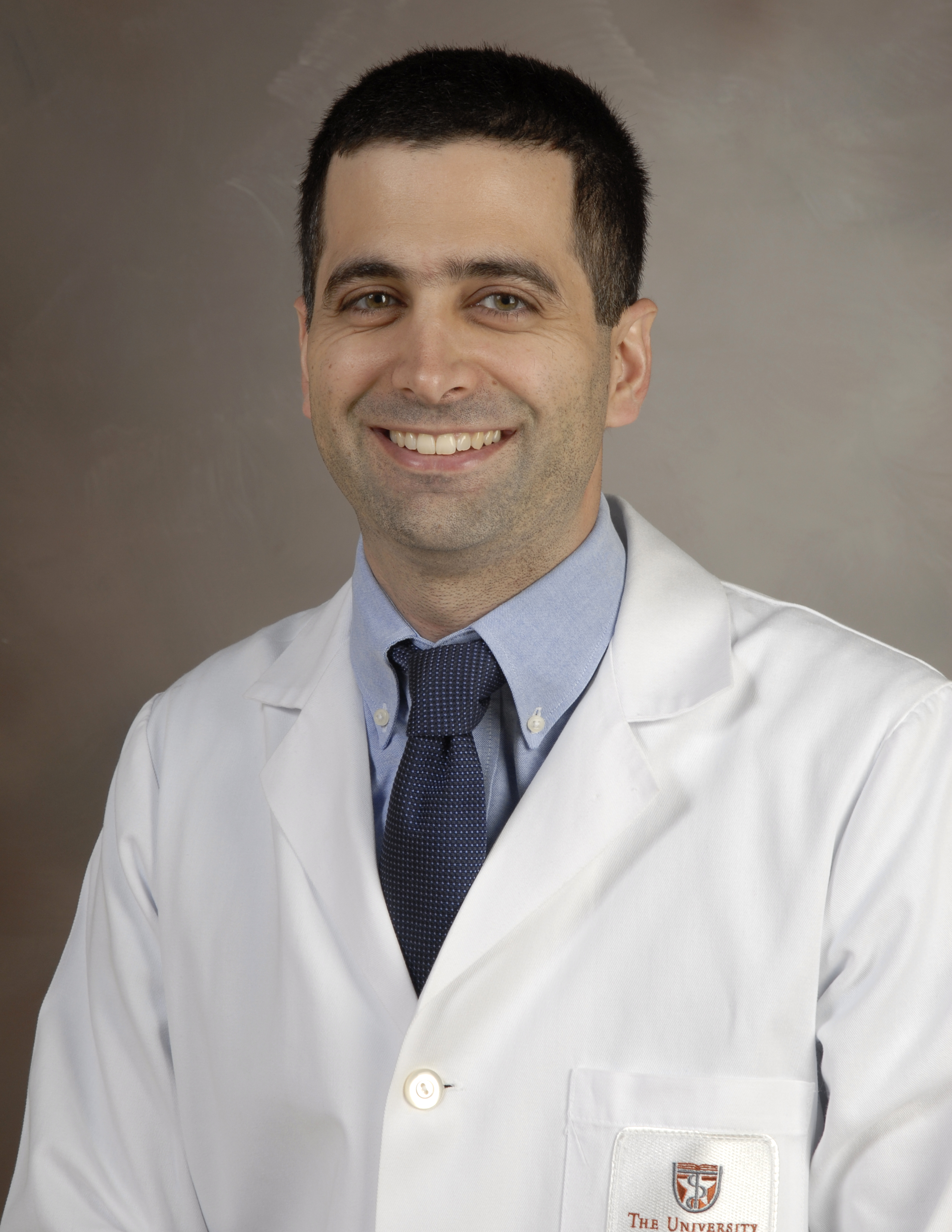
Dr. Raja Mehanna is a Professor of Neurology at The University of Texas Health Science Center at Houston (UTHealth Houston), specializing in Movement Disorders. His academic journey began with a medical degree from St Joseph University School of Medicine in Lebanon, followed by neurology residency training at Baylor College of Medicine in Houston, Texas, and Movement Disorders fellowship training at both Cleveland Clinic and Baylor College of Medicine. Dr. Mehanna's research focuses on Parkinson's disease, particularly early-onset forms, deep brain stimulation, tremor, dystonia, and the application of technology in movement disorder management. His work spans clinical research, systematic reviews, and book authorship, with publications appearing in leading journals including Parkinsonism & Related Disorders, The Lancet Neurology, and Movement Disorders. His publication record shows consistent productivity with recent work in 2024 addressing unmet needs in early-onset Parkinson's disease (particularly regarding deep brain stimulation and pregnancy) and systemic symptoms in Huntington's disease. His research demonstrates expertise in both clinical management and technological applications for movement disorders, with particular emphasis on objective measurement tools like the Personal KinetiGraph for monitoring Parkinson's disease. Dr. Mehanna has made significant contributions to understanding the cognitive impact of deep brain stimulation, comparative features across different age groups with Parkinson's disease, and movement disorders in cerebrovascular disease. His work bridges clinical practice with academic research, addressing both common and specialized aspects of movement disorder management.
Maura Corsetti is an Associate Professor in Gastroenterology at the University of Nottingham, where she leads the GI Motility Service and serves as referral consultant for functional disorders of the upper and lower gastrointestinal tract at the Nottingham Digestive Diseases Centre. Her educational background includes a Specialization (2000) and PhD (2004), both obtained in Italy. Prior to her current role, she worked for eight years at Milan's San Raffaele University Hospital as referral consultant for functional bowel disorders and lead of the Motility Unit, followed by a period (2012-2016) as Senior Research Supervisor in Prof. Jan Tack's laboratory in Belgium. Dr. Corsetti's research focuses on gut motility mechanisms and symptom pathophysiology in functional gastrointestinal disorders, with particular expertise in neurogastroenterology. Her leadership positions include: Editor of the journal Neurogastroenterology and Motility Secretary of the BSG Neurogastroenterology Committee ESNM representative at the UEG Scientific Committee Member of the Food and Function BSG committee Lead of the working group on food-drug interactions in COST Action CA16205 (European Network on Understanding Gastrointestinal Absorption-related Processes) She maintains active clinical and research roles within the Nottingham Digestive Diseases Centre, integrating translational research with patient care for functional GI disorders.