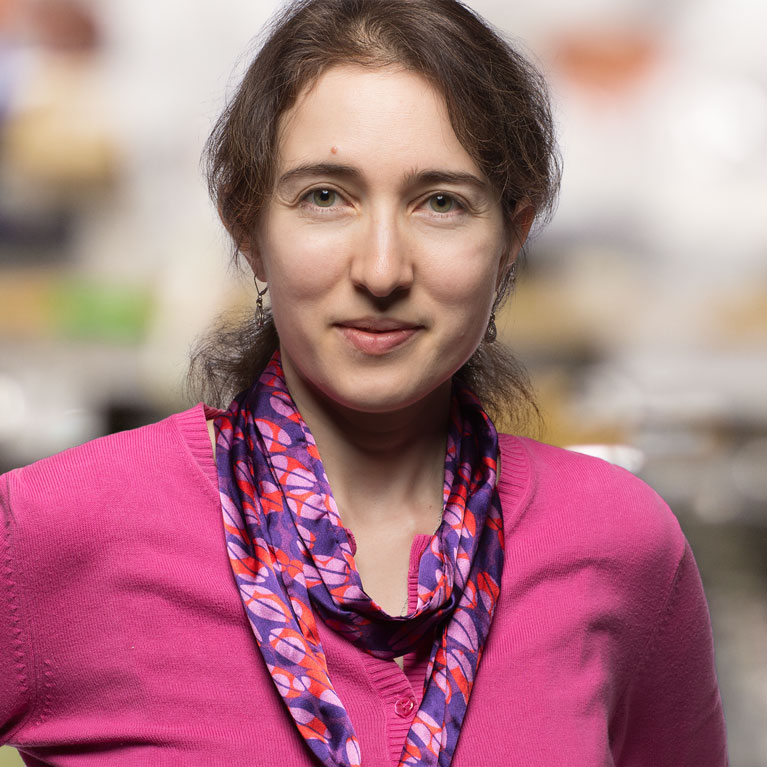
Mati RoastoView profile
Professor
Mati Roasto is a Tenure-track Professor of Food Hygiene and Veterinary Public Health at the Estonian University of Life Sciences, Institute of Veterinary Medicine and Animal Sciences, Department of Veterinary Biomedicine and Food Hygiene. Born on February 5, 1973, he has dedicated his career to advancing food safety research and education in Estonia and internationally. His research focuses on food hygiene and safety, particularly microbiological food safety, studying the distribution, abundance, transmission routes, and risk reduction strategies for foodborne pathogens including Campylobacter, Listeria monocytogenes, and Shiga-toxin producing Escherichia coli. More recently, his work has expanded to include plant-based food alternatives safety assessment, natural antimicrobial compounds for food preservation, and acrylamide formation in cooked foods. His research has significant practical applications for food industry practices and public health protection. Professor Roasto has maintained an active publication record with numerous international collaborations. His recent work (2025) focuses on plant-based meat alternatives safety, natural antimicrobial compounds from plant sources, and antimicrobial resistance patterns in foodborne pathogens. His research combines laboratory studies with practical risk assessment approaches that directly inform food safety regulations and industry practices. Golden Badge of Merit of the Ministry of Regional Affairs and Agriculture of Estonia (2025) Teacher of the year, national annual award winner (2024) Science Popularization Award, Estonian University of Life Sciences (2023) Applied Science award for food safety risk assessment project (2015) Professor Roasto actively supervises student research and has received multiple awards for his mentorship, including recognition for supervising the best high school student research in the Ministry of Rural Affairs field. His leadership extends to heading the Food Safety Expert Group of the Risk Assessment Unit and serving as Estonian representative in the EFSA scientific network for microbial risk assessment. His work bridges academic research with practical food safety applications through extensive public outreach, industry training, and policy development. He leads the Unit of Food Hygiene and Safety, which conducts research on foodborne pathogens, develops risk assessment methodologies, and investigates natural preservation techniques for meat and plant-based alternatives. His team regularly collaborates with international institutions and contributes to European food safety standards development.