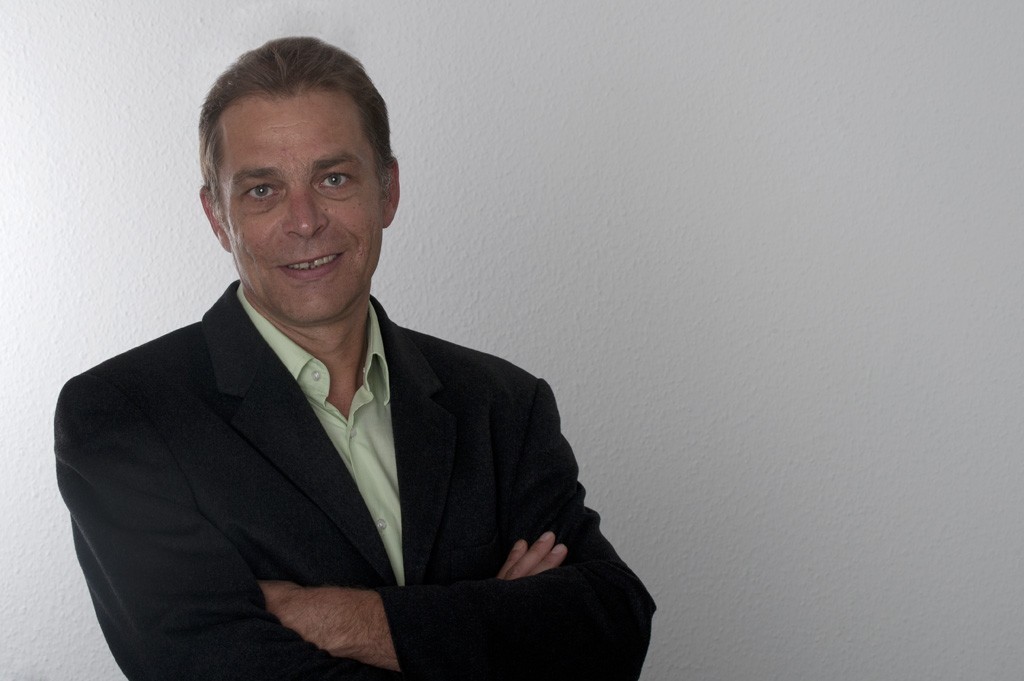
Belkis Ezgi Arikan is a researcher at Justus Liebig University Giessen , affiliated with the Department of Psychology and Sports Science . Her work focuses on sensorimotor integration, tactile suppression, and neural mechanisms underlying action-outcome monitoring. She collaborates with Prof. Dr. Fiehler and Dr. Voudouris on project A4 (Predictive somatosensory processing during voluntary movements). Department: Psychology and Sports Science Collaborators: Dr. Dimitris Voudouris, Prof. Dr. Katja Fiehler Her research investigates: How the brain processes self-generated vs. externally generated sensory feedback Neural correlates of tactile suppression networks Role of cerebellum and angular gyrus in temporal recalibration Modulation of BOLD responses during action monitoring Recent publications reveal trends in predictive coding , sensorimotor recalibration , and neural suppression mechanisms across tactile, visual, and multisensory domains. Her work employs neuroimaging techniques like fMRI and behavioral paradigms to study self-motion perception and feedback processing. She contributes to understanding how the brain distinguishes self-initiated from external sensory events, with implications for motor learning and perceptual timing mechanisms.
Rhenish Friedrich Wilhelm University of BonnGermany
Prof. Waldemar Kolanus leads the Molecular Immunology and Cell Biology department at the University of Bonn's Life & Medical Sciences Institute (LIMES) . His research bridges immunoregulation , stem cell dynamics , and metabolic stress responses in immune cells. Unit 2 member at LIMES Principal investigator in SFB 704 and ImmunoSensation Cluster Leads a multidisciplinary lab with postdocs, PhD students, and technical staff His work focuses on intracellular signaling pathways connecting immune activation to tissue homeostasis, particularly through: Cytohesin proteins in integrin-mediated adhesion and migration TRIM71 in stem cell regulation and congenital hydrocephalus High-salt environments affecting macrophage function Publication trends show expertise in immune cell migration , genetic models , and chemical inhibition , with frequent use of mice and zebrafish for in vivo studies. Key articles explore: TRIM71's dual role in auditory development and germ cell maintenance Cytohesin family's Golgi regulation and insulin signaling Ruxolitinib's off-target migration inhibition of dendritic cells Contact details: Address: LIMES Institute, Carl-Troll-Straße 31, Bonn Email: kolanus.sekretariat@uni-bonn.de Phone: +49 228 73-62788
Leibniz Institute for Zoo and Wildlife ResearchGermany
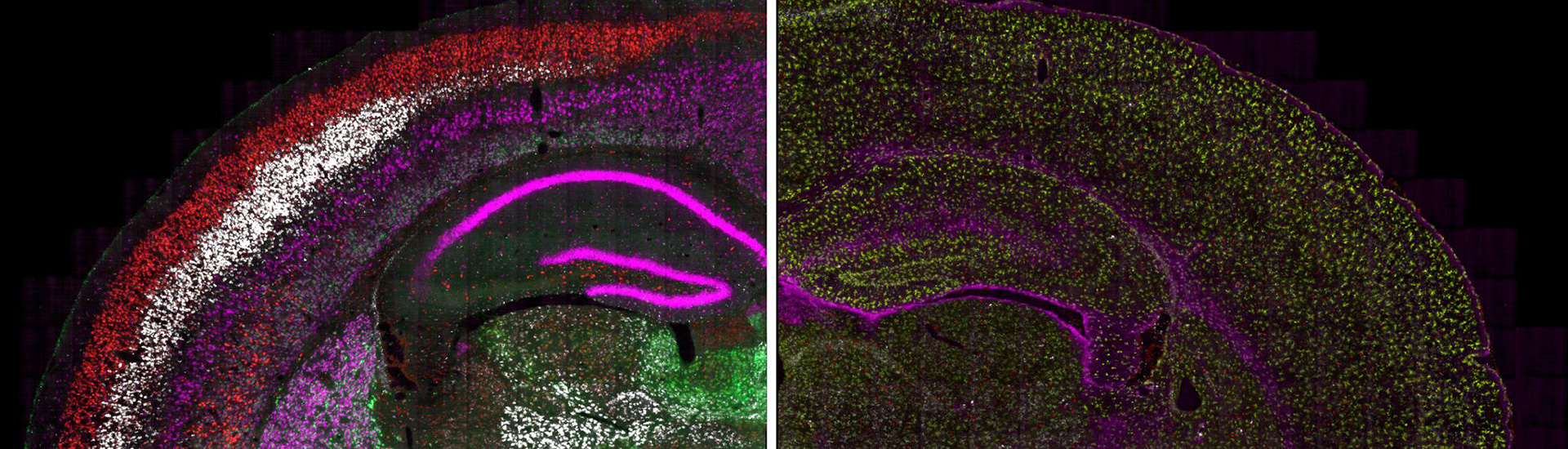
Omer Bayraktar is a Group Leader at the Wellcome Sanger Institute , leading research in the Cellular Genomics Programme. His work focuses on decoding human brain cellular diversity using spatial transcriptomics , imaging , and functional screening to study neural complexity in health and disease. Bayraktar's educational background includes a PhD from HHMI under Chris Doe, investigating neural diversity development in Drosophila , followed by postdoctoral work at University of California, San Francisco and University of Cambridge as a Life Sciences Research Foundation Fellow. He developed a spatial transcriptomic pipeline during his postdoc to analyze astrocyte heterogeneity in the cerebral cortex. His research explores neural cell type mapping , glial-neuronal interactions , and cellular pathways in neurodevelopmental disorders . Recent publications emphasize 3D tissue mapping , multi-omic integration , and computational tools like Cell2fate and WebAtlas. His work bridges neurogenetics and computational biology to advance understanding of human tissue ecosystems. Bayraktar's lab collaborates with the Human Cell Atlas initiative and develops technologies such as automated histology pipelines and highly-multiplexed smFISH for molecular cell typing. His team also investigates glia-based therapies and astrocyte functional heterogeneity in neurodevelopmental contexts. Key scientific contributions include: Discovering astrocyte layer patterns independent of neuronal laminae Developing cell2location for spatial cell mapping Characterizing Drosophila neural stem cell models with human relevance Notable awards include the Life Sciences Research Foundation Fellowship during his postdoctoral training. His current group includes a PhD student , Senior Data Scientists , and Bioinformaticians .
Anna Levina is an Assistant Professor for Computational Neuroscience at the University of Tübingen , affiliated with the Department of Computer Science under the Faculty of Science. Her research focuses on the self-organization of neuronal activity, critical dynamics in neural networks, and the excitation/inhibition balance in cortical circuits. Current positions: Assistant Professor (since 2018), Group Leader (2017-2018), Equality Officer (Computer Science) Previous roles: IST Fellow (2015-2017), Associated Researcher (2011-2015), Postdoc/PI (2011-2015), Postdoc (2008-2011) Her research integrates mathematical modeling , statistical physics , and computational neuroscience to study criticality phenomena, neural avalanches, and adaptive network dynamics. Key interests include: Self-organized criticality in neural systems Excitation/Inhibition balance mechanisms Network topology and dynamics Timescale analysis in neural processing Stochastic modeling of neural activity Recent publications reveal trends in understanding critical dynamics across biological and artificial networks, with applications to memory systems, sensorimotor integration, and disease modeling. She has received recognition as an IST Fellow .
Bertram Müller-Myhsok is a Research Professor and Research Group Leader at the Max Planck Institute of Psychiatry in Munich, Germany. His research focuses on statistical genetics and transcriptomic data analysis in psychiatric disorders, particularly major depression, PTSD, schizophrenia, and their treatment responses. He integrates machine learning with genetic and clinical data to develop predictive models and stratified treatment approaches. Professional activities include leadership roles in the International Max Planck Research School for Translational Psychiatry and collaborations with institutions like the Institut du Cerveau (Paris) and Bernhard Nocht Institute (Hamburg). His work spans genetic epidemiology, psychiatric genomics, and precision medicine, with over 400 publications in high-impact journals. Key research areas include identifying genetic risk factors for mental disorders, developing polygenic scores, and leveraging omics data to uncover disease mechanisms. He leads projects like Psych-STRATA, a Horizon Europe-funded initiative advancing personalized psychiatry through pharmacogenomics.
Ruben Portugues is a Professor of Brain Circuit Function and Dysfunction at the Institute of Neuroscience, Technical University of Munich (TUM). He is a full member of the Graduate School of Systemic Neurosciences (GSN), an associate and advisory board member of the Munich Center for Neurosciences (MCN), and leads a research group focused on understanding the neural basis of behavior. His lab uses larval zebrafish as a model organism to investigate sensorimotor control, decision-making, and motor learning through whole-brain imaging and circuit analysis. His research interests lie at the intersection of systems neuroscience and behavior. He investigates how brain circuits process sensory information, integrate it with motor output, and enable adaptive and flexible behavior. Key areas include the function of the cerebellum, heading direction networks, sensorimotor transformations, and the neural mechanisms of decision-making. His lab employs cutting-edge techniques including custom-built microscopes, behavioral assays, and computational analysis. The recent publications and preprints from his lab demonstrate a strong trend in decoding distributed neural circuits underlying navigation and decision-making in zebrafish. There is a clear focus on identifying specific brain regions (e.g., interpeduncular nucleus, cerebellum) and cell types involved in processing visual, motor, and spatial information. The work increasingly emphasizes whole-brain functional imaging and the emergence of cognitive-like representations such as allocentric heading direction. FENS-Kavli Network of Excellence (FKNE) PhD Thesis Prize (awarded to student Luigi Petrucco) Ruben Portugues actively mentors PhD students, including current advisees Luigi Petrucco, Ot Prat, and Shuhong Huang, and has successfully graduated Dr. Elena Dragomir and Dr. Vilim Štih. His lab engages in extensive collaborations, hosts visiting researchers, participates in teaching (e.g., CSHL Imaging Course, Cajal Course), and secures resources for advanced research. The lab is known for building its own microscopes and software, fostering technical innovation. The Portugues Lab operates as a dynamic, interdisciplinary team that combines experimental neuroscience with computational and engineering approaches. They regularly hold retreats, participate in scientific events, and contribute to community initiatives like the Munich Brain Day. The lab is preparing to relocate to the Department of Neurobiology and Behavior at Cornell University, marking a new phase in its research trajectory.
Max Planck Institute for Human Cognitive and Brain SciencesGermany
Professor Christian F. Doeller is a leading cognitive neuroscientist serving as Director of the Department of Psychology at the Max Planck Institute for Human Cognitive and Brain Sciences (MPI CBS) in Leipzig and Vice President of the Max Planck Society (since 2023). His roles include honorary professorships at the University of Leipzig (2019) and TU Dresden (Cognitive Neuroscience of Learning and Memory). He holds a PhD in Psychology from Saarland University (2005) and has held positions at institutions such as UCL (London), Radboud University (Nijmegen), and NTNU (Trondheim). His research focuses on spatial navigation, memory systems, and cognitive mapping in the human brain, leveraging neuroimaging (fMRI, EEG) and computational modeling. Key areas include hippocampal/entorhinal cortical function, grid cells, and the neural basis of spatial and conceptual representations. Recent work explores non-Euclidean spatial cognition, value-based decision making using grid-like maps, and hormonal influences on navigation. His lab combines experimental psychology, neuroimaging, and theoretical neuroscience to understand how brains build predictive models of environments and concepts. Publications emphasize cognitive maps, neural representations of space/value, and memory formation mechanisms. Over 100 journal articles span high-impact journals like Nature Neuroscience , Neuron , and Current Biology . His work bridges basic research and translational applications in neurodegenerative disorders and spatial cognition deficits.
University Medical Center Hamburg-EppendorfGermany
Prof. Helen Blank is a Professor leading the Multisensory Perception Group and the Prediction in Communication Lab at the Institute for Systems Neuroscience, University Medical Center Hamburg-Eppendorf. Her work focuses on understanding how sensory information is integrated and predicted in contexts like speech perception and face recognition. She holds a Marie Curie Fellowship for her research on prior information's role in human communication. Fluent in German, English, and French, she contributes to experimental medicine and systems neuroscience. Her research spans predictive coding, neuroimaging, and clinical applications in Parkinson’s and developmental disorders. Education: Not explicitly stated in text, inferred as advanced degrees in neuroscience or related fields. Her research interests emphasize multisensory integration, predictive processing in speech and vision, and the neural bases of perception. Recent articles explore topics such as pupil responses to auditory surprise, face expectation hierarchies, and audio-visual speech processing. Awards include the Marie Curie Fellowship supporting her predictive communication work. She leads interdisciplinary teams within the Center for Experimental Medicine, advancing knowledge on perceptual mechanisms and their clinical implications.
Fatma Deniz is a Full Professor (W3) of Computer Science at Technische Universität Berlin, supported by the Berlin Equal Opportunities Program. She leads the Chair of Language and Communication in Biological and Artificial Systems, and is a member of the Berlin Bernstein Center for Computational Neuroscience. Her roles include membership in TU Berlin's Executive Board and the Berlin University Alliance Steering Committee. She holds a Ph.D. (Dr. rer. nat.) from TU Berlin and a Diploma in Computer Science from Technische Universität München, with research training at Caltech and postdoctoral work at UC Berkeley. Her research focuses on understanding neural mechanisms of language processing, integrating computational neuroscience, cognitive science, and artificial intelligence. Key areas include semantic representation dynamics, cross-modal neural alignment, and language learning in bilingual contexts. She has pioneered studies showing the brain's invariant semantic processing across reading and listening modalities. Her grants include an ERC Starting Grant (2023-2028) for studying language learning shifts and a NSF-BMBF CRCNS grant on bilingual representations. She co-edited The Practice of Reproducible Research: Case Studies in Data Science (UC Press, 2017) and contributed to foundational work on reproducible data science methodologies. She has advised projects in neuroimaging, AI ethics, and computational linguistics, and collaborates with institutions like UCSF and the German Academic Exchange Service. Her lab explores neural correlates of language through fMRI, MEG, and machine learning techniques.
Nikolaus Rajewsky is a leading Professor at the Max Delbrück Center for Molecular Medicine (MDC) and Charité – Universitätsmedizin Berlin , where he founded and directs the Berlin Institute for Medical Systems Biology (BIMSB) . His lab integrates experimental (biochemistry, molecular biology) and computational (bioinformatics, physics) approaches to study RNA regulation in gene expression , with applications to developmental biology, regeneration, neurodegenerative diseases, and cancer . Using model systems like C. elegans , planaria, and human brain organoids, his team pioneers cutting-edge methods such as MirDeep , DistMap , and FLAM-seq for RNA analysis. His research focuses on single-cell transcriptomics , spatial RNA sequencing , and circular RNA (circRNA) regulation , revealing novel roles for circRNAs like CDR1as in neuropsychiatric disorders. Recent work includes 3D tumor microenvironment mapping and computational modeling of RNA metabolism in diseases. Scientific Awards : Gottfried Wilhelm Leibniz Prize (2012) EMBO Membership (2010) Honorary PhD, Sapienza University of Rome (2014) Berlin Science Award (2009) His team's recent articles highlight breakthroughs in 3D spatial transcriptomics , circRNA degradation mechanisms , and mitochondrial disease modeling using human brain organoids. The lab actively collaborates with clinical partners across Charité and European institutions, driving the LifeTime initiative for cell-based interceptive medicine.
Prof. Dr. Axel Mecklinger is a leading cognitive neuroscientist at Saarland University , specializing in the neurocognition of memory and language through spatiotemporal brain imaging (EEG/MEG/fMRI). His career spans over three decades, with significant contributions to understanding visual working memory , associative recognition , and memory development . Key research areas: Memory binding, ERP subsequent memory effects, novelty detection, and cognitive aging Major grants: DFG Research Groups, Collaborative Research Centers, and international collaborations with the Chinese Academy of Sciences Scientific leadership: Organized conferences, edited journals, and served as speaker for research training groups His recent work explores unitization in memory formation , cross-cultural differences in memory processing , and theta neurofeedback interventions . Awards include the Early Career Award of the German Psychophysiology Society (1992) and the European Federation of Psychophysiology Societies' Federation Prize (1994). Current projects investigate the neural mechanisms of semantic surprisal and memory plasticity in aging populations.
Max Planck Institute for Empirical AestheticsGermany
Dani S. Bassett is the J. Peter Skirkanich Professor at the University of Pennsylvania with primary appointment in the Department of Bioengineering (School of Engineering and Applied Science) and secondary appointments in Physics & Astronomy, Electrical & Systems Engineering, Neurology, and Psychiatry. They serve as an external professor at the Santa Fe Institute and lead a research group focused on complex systems and network science. B.S. in Physics, Penn State University (2004) Ph.D. in Physics, University of Cambridge as Churchill Scholar and NIH Health Sciences Scholar (2009) Postdoctoral position at UC Santa Barbara and Junior Research Fellow at Sage Center for the Study of the Mind Their research integrates complex systems science, statistical mechanics, and applied mathematics to study network dynamics in physical and biological systems. Key areas include brain connectivity mechanisms, cognitive processes, neurological disease modeling, granular matter physics, and collective human curiosity. Bassett employs advanced methodologies including algebraic topology, network control theory, and multilayer network analysis to investigate how network architecture influences system function across diverse domains. Recent publications reveal a strong trend toward interdisciplinary network science applications, particularly in modeling human curiosity through Wikipedia navigation patterns and analyzing brain network reconfiguration during cognitive development. Their work bridges physics, neuroscience, and behavioral science with emphasis on topological network properties and dynamical processes. American Psychological Association's Rising Star (2012) MacArthur Fellow Genius Grant (2014) Lagrange Prize in Complex Systems Science (2017) Erdos-Renyi Prize in Network Science (2018) American Physical Society Fellow (2021) Web of Science Highly Cited Researcher (3 consecutive years) Bassett's research is supported by major agencies including NSF, NIH, DoD, ONR, and private foundations (MacArthur, Sloan, Paul Allen). Their lab actively recruits students from physics, engineering, neuroscience, and computer science backgrounds, emphasizing diversity in academic perspectives. Current projects include the 'Curious Minds' initiative exploring collective knowledge building and network-based models of neurological disorders. Bassett co-authored the MIT Press book 'Curious Minds: The Power of Connection' with philosopher Perry Zurn.
Max Planck Institute of Molecular Cell Biology and GeneticsGermany
Jeffrey D. Schall is the E. Bronson Ingram Professor of Neuroscience at Vanderbilt University School of Medicine, where he has been a faculty member since 1989. His research focuses on the neural mechanisms underlying executive control, visual attention, and decision-making processes, particularly in relation to eye movements and cortical processing. Research Interests: Dr. Schall's work centers on cognitive neuroscience, with emphasis on how the brain controls attention, resolves conflict, and regulates speed versus accuracy in decision-making. He investigates neural correlates of error detection, distractor inhibition, and oculomotor control using electrophysiological and behavioral methods in primates and humans. His studies often involve the supplementary eye field and medial frontal cortical areas. Recent Research Trends: Analysis of his recent publications shows a strong focus on cortical mechanisms of cognitive control, including theta-band error signals, distractor positivity, and neural dynamics of speed-accuracy trade-offs. His work bridges experimental neuroscience with theoretical models of attention and executive function. Scientific Awards: E. Bronson Ingram Professor of Neuroscience Advising and Grants: While specific students and grants are not listed in the provided text, Dr. Schall leads an active research program with extensive publication output and editorial engagement. His long tenure and named professorship suggest a history of successful mentoring and external funding. Labs and Teams: Though no lab name is provided, Dr. Schall directs a neuroscience research group at Vanderbilt focused on cognitive control and visual processing. He collaborates widely with experts in attention, perception, and cognitive neuroscience across institutions.
Ernst Strüngmann Institute for Neuroscience in Cooperation with Max Planck Society (associated institute)Germany
Dr. Hermann Cuntz is an Independent Group Leader at the Ernst Strüngmann Institute (ESI) for Neuroscience in cooperation with the Max Planck Society. He is also a Research Fellow at the Frankfurt Institute for Advanced Studies (FIAS) since 2014 and affiliated with the Goethe University Frankfurt via the Institute of Clinical Neuroanatomy . His email address is hermann.neuro@gmail.com , and he is based in Frankfurt am Main, Germany. Research Focus: Dr. Cuntz investigates principles of neuronal wiring, aiming to decode the "connection code" of the brain. His work bridges morphology and function using computational tools, mathematical laws, and morphological modeling. Key areas include dendritic constancy , structural plasticity , connectomics , and neuroinformatics , with applications in understanding neurodegenerative diseases like Alzheimer’s. Education: PhD from the University of California at Berkeley and Max Planck Institute of Neurobiology (2000-2004). Diploma in biology from Eberhard Karls Universität Tübingen (1994-2000). Recent Publications highlight research trends in dendritic structure, pattern separation, synaptic spine distribution, and cortical folding. His lab develops the TREES Toolbox , a MATLAB-based framework for neuronal morphology analysis. Scientific Awards: Bernstein Award (2013-2019) DFG Eigene Stelle (2014-2016) Feodor Lynen Fellowship (Alexander von Humboldt, 2006-2008) Minerva Fellowship (2004-2005) Wellcome Image Award (2011) 1st Prize Poster Competition, UCL Neuroscience Symposium (2010) Advising and Grants: Dr. Cuntz mentors numerous PhD and Master’s students, including Marcel Beining , Mariuss Schneider , and Marvin Weigand . His lab receives funding from the DFG , Bernstein Award , and collaborations with institutions like the 3R-Center Giessen and Interdisciplinary Centre for 3Rs (ICAR3R) . Labs and Collaborations: The Cuntz Lab specializes in computational neuroanatomy, with alumni working globally in academia and industry. Key collaborators include Prof. Peter Jedlicka (Justus Liebig University), Prof. Gaia Tavosanis (DZNE Bonn), and Prof. Alexander Borst (MPI Neurobiology).
Prof. Dr. Christine Heim is a University Professor (W3) and Director of the Institute of Medical Psychology at Charité – Universitätsmedizin Berlin, where she leads interdisciplinary research on stress psychobiology. She holds concurrent appointments as Research Professor at Pennsylvania State University's College of Health and Human Development and serves as Principal Investigator in the NeuroCure Cluster of Excellence (DFG EXC 2049). Her faculty affiliations include the Berlin School of Mind & Brain, Max Planck School of Cognition, and Einstein Center for Neurosciences. Her research program investigates mechanisms through which early-life stress fundamentally alters biological adaptability across the lifespan, increasing disease risk. Key focuses include: Molecular and epigenetic embedding of stress effects Gene-environment interactions in stress vulnerability Neuroendocrine and immunological consequences of trauma Development of biomarkers and early interventions Her publications demonstrate consistent focus on stress biology across multiple levels of analysis, with recent work emphasizing epigenetic clocks, neural plasticity, and childhood maltreatment outcomes. Research employs multimodal methods integrating psychological, neuroendocrine, immunological, neural, and molecular approaches. She coordinates the BMBF-funded research network 'Programming Effects of Childhood Stress on Lifelong Disease Risk (Kids2Health)' and serves on the Steering Committee for 'Promoting Talent' in the Berlin University Alliance.