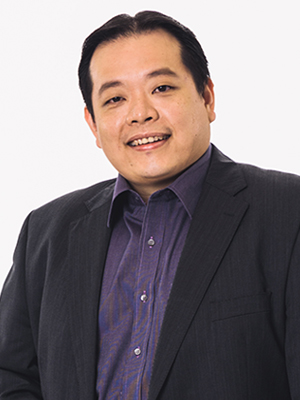
Associate Professor Justin Chu Jang Hann is affiliated with the Department of Microbiology and Immunology at the National University of Singapore (NUS), within the Yong Loo Lin School of Medicine. He holds additional roles as Assistant Dean (Academic Affairs) in the School of Medicine, Director of the NUS Medicine BSL-3 & ABSL-3 Core Facility, and Joint Senior Principal Investigator at the Institute of Molecular and Cell Biology (IMCB) A*STAR. His research focuses on molecular RNA virology, antiviral strategies, and high-throughput imaging technologies to study host-pathogen interactions. Key projects include genomic screening of viral-host interactions, high-content bio-imaging platforms, and development of anti-viral compounds against pathogens like SARS-CoV-2, dengue, and enteroviruses. Recent work explores broad-spectrum antivirals, vaccine candidates, and diagnostic approaches for viral infections. His contributions span virology, immunology, and translational medicine, with a strong emphasis on combating emerging and re-emerging RNA viruses.
Gordana Wozniak-Knopp is a researcher at the University of Natural Resources and Life Sciences, Vienna (BOKU), affiliated with the Institute of Molecular Biotechnology under the Department of Biotechnology and Food Science. Her work focuses on antibody engineering, molecular biotechnology, and protein stability optimization. Key research areas include Development of multispecific antibodies using controlled Fab-arm exchange and SEED technology Engineering antigen-binding sites in Fc regions Stabilization of antibody fragments via disulfide bonds and domain exchange Extracellular vesicle functionalization for targeted drug delivery Design of diagnostic antibody microarrays and SARS-CoV-2 antigen platforms Between 2020–2024, she led an FWF-funded project on therapeutic antibodies for birch pollinosis and a 2016–2023 CD Laboratory for Innovative Immunotherapeutics. Her recent publications (2022–2023) emphasize trispecific antibody design, SARS-CoV-2 diagnostics, and CD81-based delivery systems. Scientific contributions include peer-review activities for journals like Protein Science , Nature Communications , and Scientific Reports , along with organizing events such as the Lange Nacht Der Forschung 2024 . She actively participates in international conferences and project evaluations for organizations like Poland’s National Science Centre.
Dr. Yingfu Li is a Professor at the McMaster School of Biomedical Engineering, leading a research group focused on functional nucleic acids (FNAs), including DNAzymes and aptamers. His work spans diagnostics for pathogens (e.g., SARS-CoV-2, Clostridium difficile ), biosensor development, and applications in healthcare and environmental monitoring. Research Interests: Molecular diagnostics, aptamer engineering, RNA-cleaving DNAzymes, and biosensor technologies. Key Projects: Development of point-of-care tests for infectious diseases, including SARS-CoV-2 variants and foodborne pathogens like Salmonella . Collaborations: Partnered with institutions like the Soleymani Lab and companies like Zentek Ltd. for translational research. Lab Dynamics: Maintains a collaborative, interdisciplinary team with a focus on innovation and mentorship, as highlighted in lab retreats and student testimonials. Publications emphasize high-impact applications in biosensing, including electrochemical and colorimetric platforms, with recent work addressing viral variant detection and nanomaterial integration.
Daan van Aalten is a Professor at Aarhus University, affiliated with the Department of Molecular Biology and Genetics - Neurobiology within the Faculty of Natural Sciences. His research focuses on protein O-GlcNAcylation, a critical posttranslational modification linked to intellectual disability (OGT-CDG). He leads studies using model systems (mESCs, Drosophila, mice) to dissect molecular mechanisms underlying OGT-CDG phenotypes. Notable contributions include defining OGT-CDG as a congenital disorder of glycosylation and identifying therapeutic targets. He has secured major grants, including a Novo Nordisk Foundation Laureate Grant (DKK 50M) and a Villum Investigator Grant (DKK 40M), supporting work on protein modifications and fungal pathogenesis. Key research areas include enzymology, structural biology, and neurobiology. His lab explores O-GlcNAc signaling dynamics, fungal cell wall synthesis, and genetic disorders. Recent studies highlight neurodevelopmental defects in mouse models and human stem cell systems. Collaborative projects with international teams advance drug discovery for fungal pathogens and intellectual disability syndromes. Publications span molecular mechanisms of OGT mutations, enzyme inhibitors, and structural biology. Awards include recognition for his transformative work in glycobiology and neurodevelopment. His lab actively engages in training scientists and welcomes inquiries about OGT-CDG studies via ogtcdg@au.dk.
Tyler Bold, MD, PhD serves as Associate Professor in the Division of Infectious Diseases and International Medicine within the Department of Medicine at the University of Minnesota Medical School. He concurrently holds faculty appointments in the Microbiology, Immunology and Cancer Biology (MICaB) Ph.D. Graduate Program and the Department of Medicine, establishing a multidisciplinary research presence spanning infectious disease pathogenesis, immunology, and host-pathogen interactions. His research program integrates clinical infectious disease expertise with fundamental immunological investigation, focusing on tuberculosis host-directed immunotherapy, SARS-CoV-2 pathogenesis mechanisms, and macrophage biology in atherosclerosis. Key interests include T cell costimulation in granulomatous diseases, viral-microbiome interactions during respiratory infections, and diagnostic innovations for resource-limited settings. His work bridges basic science discovery with translational clinical applications, particularly in immunocompromised populations and complex infectious syndromes. Analysis of his 15 most recent publications reveals dominant research trajectories in tuberculosis immunology (40% of articles), SARS-CoV-2 pathogenesis and therapeutics (35%), and atherosclerosis immunometabolism (15%), with emerging work on fungal infections in hematologic malignancies. The publications demonstrate consistent use of advanced techniques including single-cell resolution analysis, structural biology, and randomized clinical trials, reflecting both mechanistic depth and clinical relevance across infectious disease subspecialties.
Emidio Capriotti is an Associate Professor at the Department of Pharmacy and Biotechnology, University of Bologna. He leads the Second Cycle Degree in Bioinformatics and holds a PhD in Physical Sciences. His research focuses on predicting protein stability changes due to genetic variations using machine learning, with applications in personalized medicine. He develops tools like DDGun and PhD-SNPg for variant interpretation. Teaching includes courses on Bioinformatics, Biophysics, and Lab Techniques for Bioinformatics. His work bridges computational methods and biological problems, particularly in cancer genomics and protein structural analysis. Education: PhD in Physical Sciences from the University of Bologna. Research interests include structural bioinformatics, protein folding, and the interplay between genomic variations and disease. He collaborates with initiatives like CAGI challenges and ELIXIR-IT to advance genomic data infrastructure. Publications emphasize protein stability prediction, federated learning in clinical settings, and benchmarking computational methods. His lab contributes to open-source tools and standards for reproducible machine learning in biology.
Dr. Luke Allsopp is an Associate Professor in Molecular Bacteriology at the National Heart & Lung Institute (NHLI), part of the Faculty of Medicine at Imperial College London. His research focuses on bacterial secretion systems, antimicrobial resistance, and biofilm formation in pathogens like Pseudomonas aeruginosa. He leads a team within the Respiratory Infections Section at the NHLI, located at the Royal Brompton Campus. Dr. Allsopp holds affiliations with the Centre for Bacterial Resistance Biology, Institute of Infection, and Microbiome Network. He has secured funding from organizations including the BBSRC, Cystic Fibrosis Trust, and LifeArc. His lab explores how bacteria adapt to environmental challenges through secretion systems and biofilm programs, with a special emphasis on chronic respiratory pathogens in cystic fibrosis patients. Research interests include: Gram-negative bacterial secretion systems (e.g., Type VI) Regulation of virulence factors and biofilm dynamics Mechanisms of antibiotic resistance and persistence Host-pathogen interactions in respiratory infections Recent work highlights synergistic drug combinations (e.g., glatiramer acetate with tobramycin) and innovative models predicting CFTR gene therapy impacts on Pseudomonas biofilms. His team collaborates on the UK Cystic Fibrosis Infection Biorepository (UKCFIB) to accelerate antimicrobial development. Advising and grants: Supervises competitive PhD candidates via Presidents Scholarship programs. Major funders include the Academy of Medical Sciences and ESCMID. Lab/Team: Based in the Emmanuel Kaye Building, his group combines functional genomics, metabolomics, and structural biology to dissect bacterial pathogenesis mechanisms.
Ville Paavilainen is a Research Director at the Institute of Biotechnology, University of Helsinki, and supervisor for doctoral programs in Biomedicine and Integrative Life Science. With a postdoctoral background at the University of California, San Francisco (2008–2014), he focuses on Biochemistry , Cell Biology , and Molecular Biology , particularly mechanisms of protein translocation, membrane biology, and structural modeling. His research includes groundbreaking work on Sec61 translocon inhibition for cancer therapy and mitochondrial gene expression noise . Recent publications address lipid scrambling pathways, glioma stem cell targeting, and actin regulation. Active projects span EU-funded drug discovery and NIH collaborations. Key scientific contributions include Elucidating Sec61-client interactions Developing computational models for signal peptide prediction Uncovering mitochondrial-ER communication mechanisms He has supervised PhD theses (e.g., Paul Carlson) and contributed to over 39 research outputs. His work bridges structural biology, computational modeling, and translational pharmacology, with applications in tumor biology and neurodegenerative disease research.
Aurora Martinez is a Professor in the Department of Biomedicine at the University of Bergen, Faculty of Medicine. She leads the Biorecognition research group, focusing on the structural and functional aspects of biomolecules in neurometabolic disorders such as phenylketonuria (PKU) and dopamine synthesis defects. She is also a partner in the KG Jebsen Centre for Neuropsychiatric Disorders and a Toppforsk-funded project on the Arc protein, a master regulator of synaptic plasticity. Position: Professor Institution: University of Bergen Department: Department of Biomedicine Research Group: Biorecognition Email: aurora.martinez@uib.no Her research integrates structural biology, molecular recognition, and drug discovery to develop therapeutic strategies for genetic and neurodegenerative diseases. Key areas include tyrosine hydroxylase regulation, mitochondrial dysfunction in dopaminergic cells, and neurotransmitter transport mechanisms. She employs biochemical, cellular, and computational approaches to understand disease mechanisms and identify novel therapeutics. The recent publications (2023–2025) reflect a strong trend toward understanding dopamine-related pathways, protein stabilization, and therapeutic interventions in Parkinsonism and related disorders. Themes include chaperone-mediated protein stabilization, high-throughput screening for VMAT2 modulators, and computational tools for drug discovery. The work combines experimental validation with translational applications in neurodegenerative models. She has supervised multiple Master’s students, including Md. Ekhtear Mahmud, Sofie Breisnes Wormdahl, and Kristine Kippersund Brokstad, indicating active mentorship and training roles. Her involvement in large-scale collaborative projects highlights leadership and interdisciplinary engagement. While no specific awards are listed, her participation in prestigious programs like Toppforsk and the KG Jebsen Centre underscores recognition and funding success. She has no listed grants explicitly, but project affiliations suggest competitive funding support. Her research group maintains strong technical capabilities in protein analysis, cellular screening, and structural modeling. The Martinez Lab is actively involved in both fundamental and applied research, with future directions likely to expand into gene therapy, precision medicine for metabolic disorders, and neuroprotective strategies.
Professor Deborah Williamson is Dean of Medicine and Head of the School of Medicine at the University of St Andrews, UK, where she also holds the position of Professor of Medicine within the School of Medicine and the Department of Medical & Biological Sciences. She brings extensive leadership experience from academic and public health institutions across Australia, New Zealand, and the UK, and is a globally recognized clinician-scientist in infectious diseases. Her research focuses on leveraging genomics and innovative technologies to combat infectious diseases such as syphilis, gonorrhea, SARS-CoV-2, and Salmonella . With over 300 journal publications and significant research funding, her work contributes to global public health and the UN Sustainable Development Goals, particularly in health and well-being. The recent publications highlight a consistent focus on molecular diagnostics, pathogen genomics, and public health implementation. Her research spans clinical microbiology, serological assay evaluation, quality assurance in diagnostics, and immune responses to viral infections. The work is collaborative, translational, and globally impactful, especially in low-resource and regional settings. Scientific Awards: L'Oreal-UNESCO Women in Science Fellowship Professor Williamson actively advises research teams and has secured significant funding for her work. She continues to mentor early-career researchers and is deeply involved in advancing medical education at St Andrews. Her leadership integrates clinical service, research innovation, and academic training. She leads a dynamic research group focused on infectious disease genomics and collaborates widely across international networks, particularly in the Indo-Pacific region. Her lab contributes to large-scale surveillance initiatives, including the GenomeTrakr project for Salmonella enterica .
Amelie Stein is an Associate Professor at the Department of Biology, University of Copenhagen, specializing in Bioinformatics and RNA Biology. Her research focuses on protein stability, molecular mechanisms of disease variants, and computational methods for protein design. She is affiliated with the UCPH Quantum Hub, reflecting interdisciplinary interests in biological systems. Her work integrates bioinformatics tools, mutational scanning, and structural biology to understand protein degradation pathways and their relevance to human diseases such as Lynch syndrome and metabolic disorders. Key research areas include analyzing protein variants using deep learning models (e.g., SSEmb), developing web-based tools like MutationExplorer for 3D visualization, and characterizing disease-linked mutations in proteins such as Parkin and MLH1. Her publications highlight breakthroughs in rapid protein stability predictions, degon mapping, and the interplay between protein toxicity and degradation. No scientific awards are explicitly mentioned in the provided texts. Stein’s research also explores the application of computational approaches to biotechnology and therapeutic development, emphasizing translational applications of her findings. Her lab, linked to the SCARB research group (https://www1.bio.ku.dk/english/research/scarb/), focuses on structural and computational biology, with ongoing projects involving protein quality control networks and enzyme variant analysis. Collaborations span molecular biology, bioinformatics, and interdisciplinary quantum-related research through her UCPH Quantum Hub membership.
Prof. Dr. Thomas Lengauer is a leading figure in computational biology and applied algorithmics at the Max Planck Institute for Informatics, part of the Max Planck Society in Saarbrücken, Germany. He heads the Department of Computational Biology and Applied Algorithmics, where he drives research at the intersection of computer science, genomics, and medicine. His work integrates algorithm development with biological applications, particularly in viral genomics, epigenetics, and personalized treatment prediction. Research Interests: His research focuses on computational methods for analyzing complex biological data. Key areas include HIV and hepatitis virus evolution, antiretroviral therapy outcome prediction, DNA methylation and epigenomic analysis, machine learning applications in medicine, and the integration of big data in biological research. He has made significant contributions to understanding viral drug resistance and host-pathogen interactions through computational modeling. The recent publications (2019–2025) reflect a strong trend toward integrating temporal genomic data, machine learning, and public health surveillance. His work spans from fundamental algorithm development (e.g., RnBeads, MeDeCom) to applied clinical research (e.g., dolutegravir resistance, SARS-CoV-2 interventions). Key domains include epigenomics , virology , machine learning in healthcare , and biological database systems , increasingly incorporating AI-driven approaches. Scientific Awards: No specific awards are mentioned in the provided text. Advising and Grants: While no formal list of students is provided, Prof. Lengauer leads a large collaborative research group, evidenced by frequent co-authorship with researchers such as Walter, Bock, Müller, Kaiser, and Pirkl. He participates in major consortia (e.g., DEEP Consortium, Respiratory Virus Network), suggesting leadership in funded collaborative projects. His work is likely supported by Max Planck Society core funding and competitive third-party grants, though specific grants are not listed. Labs and Teams: He leads the Computational Biology and Applied Algorithmics group at the Max Planck Institute for Informatics. The team develops computational tools for epigenomic data analysis (e.g., RnBeads, DecompPipeline), viral resistance prediction, and public health modeling. The group collaborates extensively with clinical and biological researchers across Europe, functioning as a hub for interdisciplinary bioinformatics research.
Fiachra Emanuel Humphries , PhD, is an Assistant Professor at UMass Chan Medical School within the T.H. Chan School of Medicine and the Morningside Graduate School of Biomedical Sciences . His primary affiliations include the Division of Innate Immunity and cross-appointment in multiple graduate programs. BS in Biotechnology, National University of Ireland, Maynooth PhD in Immunology, National University of Ireland, Maynooth Research Focus : Innate immune signaling pathways, particularly cGAS-STING axis , inflammasome regulation , and RNA-protein condensates in viral and inflammatory diseases. His work bridges molecular mechanisms with therapeutic development for COVID-19 and autoinflammatory syndromes . Recent Publications highlight discoveries in: Gasdermin D inactivation mechanisms STING oligomerization inhibitors Intestinal immune homeostasis regulation SARS-CoV-2 restriction strategies Networks include collaborations with Katherine Fitzgerald, Paul Thompson, and Scott Shaffer. Key research concepts span Inflammasomes , Interferon Type I , and Phosphate-Binding Proteins .
Prof. Dr. Karsten Niehaus serves as Head of the Proteome and Metabolome Research Group at the Center for Biotechnology (CeBiTec) and Faculty of Biology, University of Bielefeld. His research focuses on proteomics and metabolomics applications in plant-microbe interactions, bacterial stress responses, and disease model systems. His laboratory employs advanced mass spectrometry imaging and cell phenotyping technologies to investigate molecular responses in crops like sugar beet and grapevines under abiotic stress conditions, as well as in cancer models where differentiation therapy impacts tumor malignancy. The group also explores microbial biotechnology through Xanthomonas campestris studies on xanthan production and stress adaptation. Selected publications highlight innovations in 3D microfluidics for biomarker detection and bioinformatics platforms like MetHoS for metabolomics data analysis. His work appears in journals covering Frontiers in Plant Science , Scientific Reports , and Journal of Experimental Botany . Contact: kniehaus@cebitec.uni-bielefeld.de | Office: UHG W7-117
Enrique Valera is a Research Assistant Professor in the Department of Bioengineering at the University of Illinois at Urbana-Champaign (UIUC), where he has been working since March 2021. He is also a Research Affiliate at Carle Hospital's Biomedical Research Center. Prior to his current position, he served as a Research Scientist at UIUC from July 2018 to March 2021 and was a Post-Doctoral researcher in the Bashir Lab starting in October 2016. Dr. Valera received his Ph.D. in Electronic Engineering from Universitat Politècnica de Catalunya (UPC), Barcelona, Spain in 2008. Following his doctoral studies, he joined the Applied Molecular Receptors group at the Consejo Superior de Investigaciones Científicas (CSIC, Barcelona, Spain) as a Post-Doctoral researcher with a Juan de la Cierva fellowship in 2009. In 2012, he joined the Biomedical Research Networking Center in Bioengineering, Biomaterials and Nanomedicine (CIBER-BBN, Barcelona, Spain), and in June 2014, he joined the Bayley Lab at the Department of Chemistry at UIUC as a Post-Doctoral researcher. Dr. Valera's research focuses on developing point-of-care diagnostic devices and microfluidic platforms for clinical applications. His work centers on biosensor technology that combines specific biological recognition elements with transducers for signal processing. He aims to create tools that enable personalized medical approaches and more precise diagnoses, particularly for identifying specific bacteria causing infections and monitoring immune responses to infections. His research spans electronic technology, micro and nano devices, silicon micromachining, microfluidics, and various biosensor applications including point-of-care detection, multiplexed detection, and biomarker and pathogen detection using optical and electrochemical transducers. Analysis of Dr. Valera's recent publications reveals a strong focus on developing rapid, multiplexed diagnostic platforms for infectious diseases, particularly respiratory viruses and bloodstream pathogens. His work often integrates microfluidics with smartphone technology to create accessible point-of-care devices. Many of his recent papers address challenges in pathogen detection, sample preparation techniques (particularly blood drying methods), and biosensor development using novel materials like nano-corrugated graphene. His research demonstrates a consistent trajectory toward creating practical diagnostic tools that can be deployed in resource-limited settings. Dr. Valera has published over 50 papers in prestigious international journals and holds 4 patents (2 in Spain and 2 in the USA). His work has been supported by funded projects in Europe, Spain, and the USA. As a researcher, Dr. Valera has participated in numerous international and national conferences and has collaborated extensively with other researchers in the development of diagnostic technologies. His work on the mitigation of SARS-CoV-2 transmission at a large public university demonstrates his engagement with real-world public health challenges. Dr. Valera works within the Bashir Research Group at UIUC, which is known for its work in bioengineering, micro- and nanotechnology, and diagnostic device development. His research integrates aspects of electronic engineering, chemistry, and biology to create innovative diagnostic solutions.