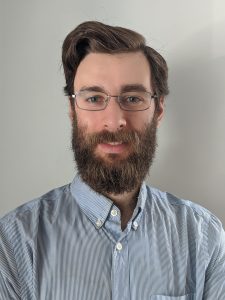
Gabriel Koch Ocker is an Assistant Professor in the Department of Mathematics & Statistics at Boston University, specializing in theoretical and computational neuroscience. His research investigates how neural activity encodes sensory information, shapes behavior, and evolves through learning mechanisms. Research Focus: Structure-function relationships in neuronal networks Methodology: Dynamical systems, stochastic processes, statistical physics Collaborations: Experimental validation of computational models Recent publications analyze integrate-and-fire networks, dendritic calcium spiking, inhibition-stabilized circuits, and metastability in stochastic neuronal systems. His group combines mathematical rigor with biological relevance to explore neural coding, plasticity, and functional hierarchy in cortical structures. Key contributions include tensor decomposition approaches to correlation analysis, reconciling recording technique discrepancies, and developing field-theoretic frameworks for compartmental modeling. Work spans from molecular-level channel dynamics (Kv7 channels) to brain-area-level functional organization.
B. Montgomery Pettitt is a Professor in the Department of Biochemistry and Molecular Biology at the University of Texas Medical Branch (UTMB). His research spans biophysics, chemical physics, and computational science, focusing on DNA compaction in bacteriophages, protein folding mechanisms, and multiscale modeling of biomolecular systems. Education: BS in Chemistry and Mathematics from University of Houston (1975), PhD in Physical Chemistry from University of Houston (1980) Postdoctoral Training: University of Texas (1980-1983), Harvard University (1983-1985) Research interests center on thermodynamic barriers in viral DNA packaging, protein solubility and phase transitions, and multiscale computational methods linking atomic and macroscopic properties. His work has implications for genomics, nanotechnology, and therapeutic delivery systems. Key publication themes include DNA conformational dynamics, protein collapse thermodynamics, solvation energetics, ion pair interactions in protein-DNA complexes, and validation of continuum-solvent models. These studies employ computational approaches and experimental data integration. His laboratory develops theoretical frameworks and computational tools to analyze solute-solvent interactions, leveraging proximal distribution functions and activity models to understand biological processes across disparate length and time scales.
Balint Toth is a distinguished academic with dual affiliations: a Research Professor at the Alfréd Rényi Institute of Mathematics in Budapest and a Professor of Probability (Heilbronn Chair) at the University of Bristol 's School of Mathematics. His work bridges Probability Theory , Mathematical Physics , and Statistical Mechanics , focusing on stochastic dynamics, random walks in complex environments, and scaling limits. Key Roles: Co-Editor-in-Chief of Probability Theory and Related Fields , organizer of probability seminars in Budapest-Vienna and Bristol, and former leader of the BME Stochastics Seminar (1999–2020). Teaching: Delivers advanced courses like Probability 2 , Stochastic Differential Equations , and Percolation , emphasizing rigorous mathematical foundations. Research Themes include hydrodynamic limits, self-interacting random walks, diffusion in random media, and symmetry breaking in spin systems. His recent publications explore non-equilibrium stochastic models, anomalous diffusion, and connections between probability and physics. Teaching Materials span bilingual resources (Hungarian/English) for undergraduate and graduate courses in probability and stochastic analysis.
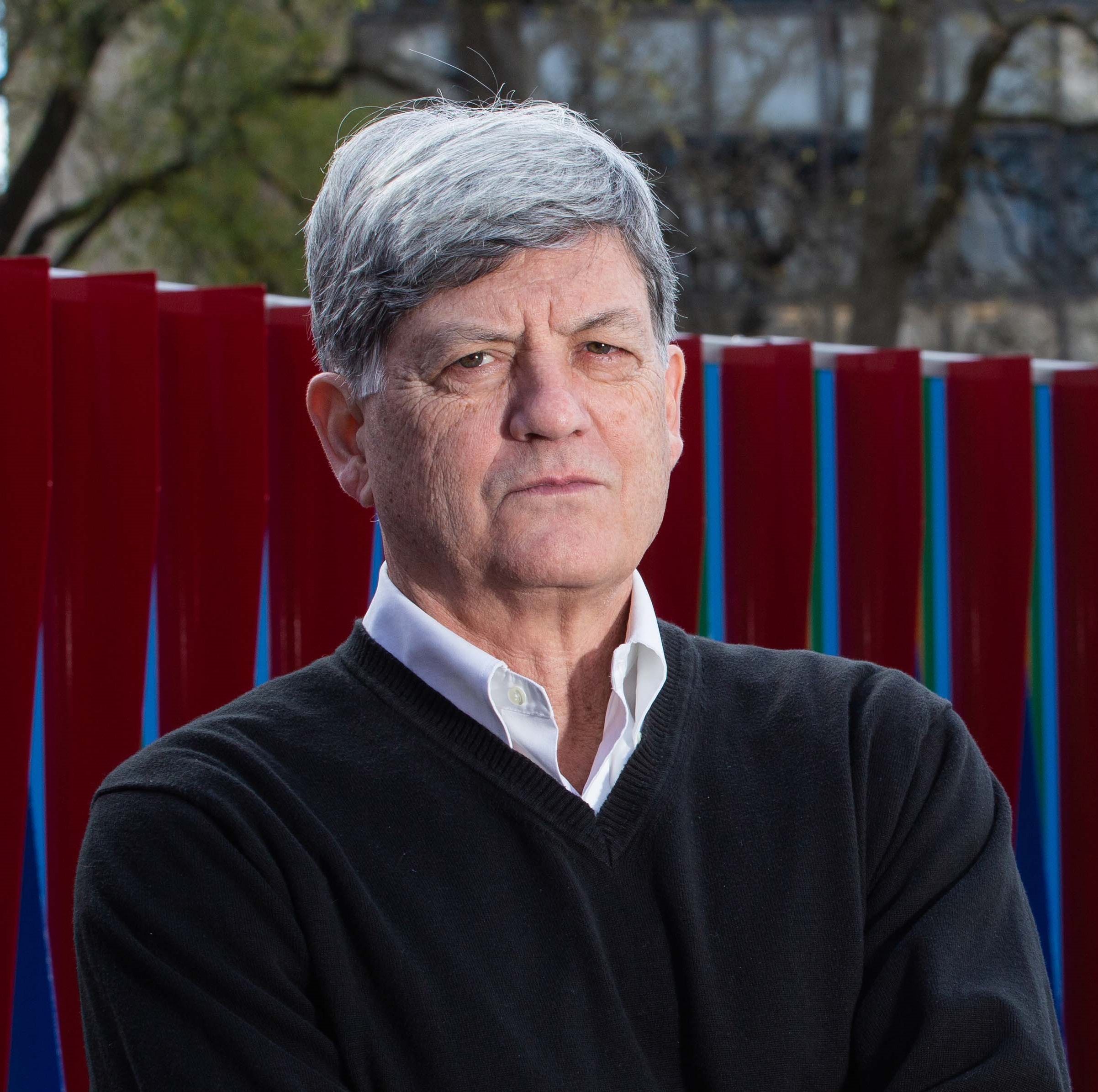
Paul D. Brooks is a Professor in the Department of Geology/Geophysics at the University of Utah, where he has been a faculty member since July 2014. His research focuses on understanding water, energy, and biogeochemical cycling in seasonally snow-covered catchments, with increasing emphasis on predicting how climate and land use changes impact snow accumulation, ablation, and snowmelt-derived surface and ground water resources. His educational background includes a BS in Biology and Chemistry from Florida State University, followed by an MS in Ecohydrology (1991) and PhD in Biogeochemistry (1995), both from the University of Colorado, Boulder. Prior to his position at the University of Utah, Dr. Brooks was a Professor in the Department of Hydrology and Water Resources at the University of Arizona from December 2000 to June 2014. Dr. Brooks' research spans multiple disciplines within earth sciences, focusing primarily on hydrology, ecohydrology, and biogeochemical cycling in mountainous, snow-dominated environments. His work examines how climate change affects snowmelt processes, groundwater-surface water interactions, and water resource availability in the western United States. He employs a combination of field measurements, isotope hydrology, and modeling approaches to understand complex hydrological processes across multiple spatial and temporal scales. His research increasingly involves collaboration with stakeholders to translate scientific findings into practical water resource management applications. Analysis of Dr. Brooks' recent publications reveals a strong focus on groundwater-surface water interactions in snowmelt-dominated systems, with particular attention to how climate change affects streamflow generation processes. His work bridges fundamental hydrological science with practical water resource concerns, examining topics such as runoff efficiency, groundwater storage dynamics, and the impacts of land cover changes on hydrological processes. A significant portion of his recent research investigates the Western United States water resources under changing climate conditions. AGU Fellow (American Geophysical Union) Dr. Brooks actively mentors graduate students through thesis research (both PhD and Master's level) as evidenced by his teaching activities. His lab conducts research supported by various grants focused on understanding water resources in mountainous regions, particularly examining how climate change affects snowmelt hydrology and water availability. He collaborates extensively with researchers across multiple institutions, as demonstrated by his numerous co-authored publications with scientists from various universities and research organizations. Dr. Brooks leads research efforts through his lab at the University of Utah and is involved with the Wasatch Environmental Observatory, a mountain-to-urban research network in the semi-arid Western US. His work integrates field measurements across complex terrain to understand how topography, vegetation, and climate interact to control water, energy, and biogeochemical cycling in seasonally snow-covered environments.
Woojin Han is an Assistant Professor in the Departments of Orthopedics and Cell, Developmental & Regenerative Biology at the Icahn School of Medicine at Mount Sinai. His research program focuses on the mechanobiology of skeletal muscle stem and progenitor cells, with applications in disease modeling and the development of advanced therapeutics for muscle injuries and degenerative diseases. Dr. Han earned his BS in Biomedical Engineering from the University of Rochester and his MS and PhD in Bioengineering from the University of Pennsylvania. He completed his postdoctoral training at the Georgia Institute of Technology, where he received awards from the American Federation for Aging Research (AFAR) and the NIH. Dr. Han's research integrates biomaterials, bioengineering, and in vivo genetic approaches to investigate cell-matrix interactions and mechanobiological signaling, aiming to uncover the mechanisms driving muscle regeneration and pathology. His work is supported by the National Institutes of Health (NIH) and the Department of Defense (DoD). Analysis of Dr. Han's recent publications reveals a strong focus on muscle regeneration mechanisms, particularly examining the role of extracellular matrix proteins, mechanical confinement, and signaling pathways in muscle stem cell behavior. His research spans from fundamental mechanobiology to translational applications using biomaterials for tissue regeneration. 2025 NEBEC Emerging Investigator Award 2024 Mount Sinai Faculty Council Award for Junior Faculty 2023 Popular Science's The Brilliant 10 2022 Stephen I. Katz Early Stage Investigator Grant Awardee American Federation for Aging Research (AFAR) award NIH award Dr. Han's research is supported by significant funding from the National Institutes of Health (NIH) and the Department of Defense (DoD). His work bridges basic science and clinical applications, with particular emphasis on developing advanced therapeutics for muscle injuries and degenerative diseases. Through his lab, he mentors junior researchers in the fields of biomechanics, bioengineering, and regenerative medicine. Dr. Han leads the Han Lab, which focuses on skeletal muscle regeneration research. The lab employs a multidisciplinary approach combining biomaterials engineering, molecular biology, and advanced imaging techniques to develop novel strategies for enhancing muscle repair and preventing pathological changes following injury.
Stuart Long is an associate dean of undergraduate research and faculty member at the Honors College of the University of Houston, where he serves as the academic adviser for all honors students majoring in Electrical and Computer Engineering. He teaches courses on electromagnetic waves and conducts research in antenna design and applied electromagnetics. Education: Received his doctorate from Harvard University. Stuart Long's research focuses on biomedical applications of electromagnetics, particularly MRI safety testing for implantable medical devices. His work addresses RF-induced heating, electromagnetic compatibility, and safety protocols for devices such as orthopaedic implants and active implantable systems. Recent publications emphasize computational modeling, machine learning, and historical advancements in antenna design. His scholarly contributions include the 2024 Distinguished Achievement Award, the 2018 Chen-To Tai Distinguished Educator Award, and the 2014 John Kraus Antenna Award. These honors reflect his leadership in electromagnetic safety research and engineering education. Stuart Long has actively contributed to improving pedagogy in engineering education, particularly through collaborative learning and retention workshops for diverse student populations. His academic advising role supports the integration of rigorous technical training and interdisciplinary research opportunities for honors students.
Professor Robert G. Leigh holds a position in the Department of Physics at the University of Illinois at Urbana-Champaign, where he has been a faculty member since 1996. His research spans theoretical high energy physics, quantum gravity, and quantum information science, with significant contributions to string theory and its applications. Leigh received his bachelor's degree in theoretical physics from the University of Guelph in 1986 and completed his Ph.D. in theoretical particle physics at the University of Texas at Austin in 1991. Following postdoctoral appointments at the Institute for Particle Physics at the University of California, Santa Cruz and at Rutgers University, he joined the University of Illinois faculty. Professor Leigh's work lies at the heart of current efforts to build a fundamental theory of matter, including quantum gravity effects. His research primarily focuses on using gauge/gravity dualities (or holography) to study the physics of strongly coupled gauge theories and the strong coupling dynamics in condensed matter systems. His most notable contributions include the discovery of D-branes and orientifolds in string theory, the first example of superstring duality, and the derivation of the Dirac-Born-Infeld action describing the dynamics of D-branes. D-branes correspond to non-perturbative states unique to string theory and are analogous to magnetic monopoles in field theory. The study of D-branes is fundamental to modern string theory and its applications to particle physics, mathematics and condensed matter physics. His most recent publications demonstrate a continued focus on quantum entanglement, Chern-Simons theory, and the intersection of quantum information with gravitational physics. His work shows an evolution from fundamental string theory discoveries toward applications in condensed matter physics and quantum information through holographic methods. Fellow, American Physical Society (2007) Arnold O. Beckman Award, UIUC (December 2004) Outstanding Junior Investigator, DOE (1997-2000) Professor Leigh has taught advanced courses including Quantum Mechanics I & II, General Field Theory, Advanced Field Theory, and specialized topics in AdS/QFT Correspondence. His research program has been supported by various grants from the Department of Energy and other funding agencies. He has mentored numerous graduate students and postdoctoral researchers, contributing significantly to the next generation of theoretical physicists. His work continues to bridge multiple areas of theoretical physics, connecting string theory with quantum information science, condensed matter physics, and gravitational physics through the powerful framework of holography and gauge/gravity dualities.
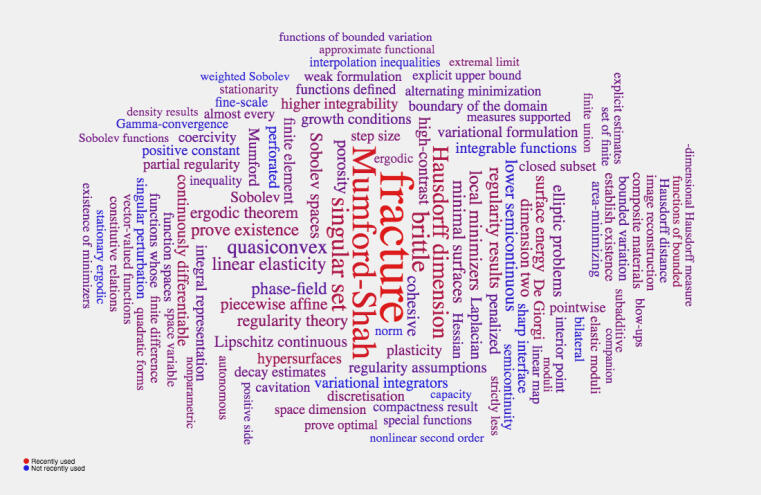
Professor Caterina Ida Zeppieri is a distinguished mathematician at the Westfälische Wilhelms-University Münster (University of Münster) in Germany, where she leads the Research Group 'Analysis and Modelling' within the Institute for Analysis and Numerics. She has maintained a continuous academic presence since at least the Winter semester 2012/13 through to upcoming semesters in 2025/26, consistently teaching advanced mathematics courses and supervising research activities. Her research focuses on fundamental aspects of mathematical analysis with significant applications to materials science. She specializes in Calculus of Variations, Elliptic PDEs, Gamma-convergence, Homogenization theory, Free-discontinuity problems, Nonlinear elasticity, and Plasticity. Her work bridges theoretical mathematics with practical applications in understanding material behavior, particularly fracture mechanics and composite materials. Professor Zeppieri's publication record demonstrates a consistent and impactful research trajectory from 2007 through forthcoming publications in 2025. Her recent work shows a strong emphasis on stochastic homogenization techniques applied to free-discontinuity problems and singularly-perturbed functionals, revealing sophisticated mathematical approaches to modeling complex material behaviors across multiple scales. She regularly collaborates with leading researchers including Filippo Cagnetti, Gianni Dal Maso, and Lucia Scardia, contributing to significant advances in the mathematical understanding of material science phenomena. Her research has been published in top-tier mathematics journals including Calculus of Variations and Partial Differential Equations, Archive for Rational Mechanics and Analysis, and SIAM Journal on Mathematical Analysis. Within the department, Professor Zeppieri plays an active role in teaching advanced courses such as Partial Differential Equations, Calculus of Variations, and Advanced Topics in the Calculus of Variation, while participating in the department's Advanced Seminar in Applied Mathematics and Colloquium on Applied Mathematics.
Deepak R Mishra is the Merle C. Prunty, Jr. Professor of Geography at the University of Georgia, where he serves as Professor and Head of the Department of Geography. He directs both the Center for Geospatial Research (CGR) and the UGA Small Satellite Research Laboratory (SSRL), demonstrating leadership across multiple significant research initiatives. His academic career spans geospatial science, remote sensing applications, and environmental monitoring with particular focus on coastal ecosystems. Dr. Mishra earned his PhD in Natural Resources from the University of Nebraska, Lincoln in 2006 and completed his M. Tech in Civil Engineering at the Indian Institute of Technology, Kanpur in 2002. His research focuses on combining field-based remote sensing with satellite technologies to monitor and study coastal and inland water resources. His work addresses critical environmental challenges including harmful algal blooms, salt marsh conservation, carbon sequestration in tidal wetlands, and sea level rise impacts. Dr. Mishra's research portfolio reveals strong trends in geospatial analytics for environmental monitoring, with increasing integration of artificial intelligence and small satellite technologies. His recent publications show a growing emphasis on climate change impacts on coastal ecosystems, particularly salt marsh vulnerability and carbon sequestration capacity. The work demonstrates innovative applications of remote sensing for tracking cyanobacterial blooms and developing early warning systems through platforms like CyanoTRACKER. Outstanding Service Award, SEDAAG 2019 Creative Research Medal, University of Georgia, 2017 Best Poster Award, TROPMET 2016, India Article ranked #4 in Altmetric Attention Score in Nature Climate Change 2016 Mississippi State University Faculty Research Award (2012) GRI Academic Faculty of the year (2011) Dr. Mishra has secured substantial research funding, including a $7.5 million NSF LTER grant and a $4.7 million Army Research Lab grant for autonomous navigation systems. His lab actively mentors graduate students including Tyler Lynn, Lishen Mao, and Chintan Maniyar, who contribute to projects spanning coastal monitoring, small satellite development, and AI applications. The Small Satellite Research Laboratory recently achieved a historic milestone with the launch of SPOC satellite to the International Space Station, marking UGA's first satellite deployment.
Elisa Roßberger is an Assistant Professor with tenure track for Explorative Visual Archaeology of the Ancient Near East at the Free University of Berlin since October 2022. Previously, she held a similar position for Digital Humanities for Near Eastern Archaeology and Assyriology at Julius-Maximilians-Universität Würzburg (2021-2022). Her academic journey includes post-doctoral positions at LMU München's Graduate School Distant Worlds and Centre for Advanced Studies. Dr. Roßberger's educational background includes: PhD in Near Eastern Archaeology from Eberhard-Karls-Universität Tübingen (2010, summa cum laude), published as "Schmuck für Lebende und Tote" (2015) Graduate studies as a scholarship recipient of the DFG Graduate College "Forms of Prestige in Ancient Cultures" at LMU München (2006-2009) Studies in Near Eastern Archaeology, Political Science (International Relations), and Assyriology in Munich, Beirut, and Tübingen (2000-2006) Her research focuses on the archaeology of Iraq, Syria, and the Levant during the 3rd and 2nd millennia BCE, with particular emphasis on visual culture, multimodality, and digital approaches to ancient studies. She has conducted extensive fieldwork since 2000 at archaeological sites including Ba'ja (Jordan), Gerçin Höyük (Turkey), Tell Burak (Lebanon), Emar and Qatna (Syria), Tilla Bulak (Uzbekistan), and Ur (Iraq). Dr. Roßberger's scholarly output demonstrates consistent engagement with visual representation in ancient societies, particularly examining cylinder seals, terracotta figurines, and Babylonian imagery. Her work bridges traditional archaeological analysis with innovative digital methodologies, creating new approaches to understanding ancient material culture through multimodal analysis. Her major research projects include: Co-leading the interdisciplinary long-term project "KIŠIB. Digital Corpus of Ancient West Asian Seals and Sealings" since 2025 Leading the BMBF eHeritage project "Annotated Corpus of Ancient West Asian Imagery: Cylinder Seals" (ACAWAI-CS, 2020-2023) Leading the BMBF eHeritage project "Concept for Digitization of Ancient Near Eastern Cylinder and Stamp Seals" (DigANES, 2017-2018) Dr. Roßberger is actively involved in academic communities: Member of the DFG Network "Archaeological Image Research: Limitations and Transgressions of Images" since 2025 Co-Chair of the NFDI4Objects Community Clusters "Objects as Information Carriers" since 2024 Editorial board member for "Visual Culture of Ancient Western and Central Asia" (Palgrave Macmillan) Co-organizer of multiple international conferences on ancient Near Eastern temple inventories and digital perspectives on seals and sealings
Mats Bemark is a Senior Lecturer at Lund University's Department of Translational Medicine and a researcher at the Lund University Cancer Centre (LUCC). He is also part of the teaching staff for the Medical Programme at Lund University, with his office located at Waldensstömsms gata 35, Malmö. His research focuses on B cell immunology with particular emphasis on gut-associated lymphoid tissue and mucosal immunity. Dr. Bemark's work explores how microbiota influences B cell immunity, germinal center formation, and immunoglobulin production across various anatomical sites. His research footprint demonstrates strong expertise in: B Cell Immunology and Microbiology (100%) Gut Medicine and Dentistry (63%) Germinal Center Immunology (46%) Immunoglobulin A production (46%) Memory B Cell development (36%) Mouse Immunology models (31%) Dr. Bemark has published extensively with 80 research outputs including 63 articles and 9 review articles. His recent work spans from understanding nasal turbinate immunity to gut-associated lymphoid tissue function and cancer immunology, demonstrating both breadth and depth in immunological research. His research has gained significant attention with mentions in news outlets and substantial engagement on academic social media platforms, reflecting the impact of his contributions to the field of immunology and translational medicine.
Caroline Schauer is a Professor and Department Head in Materials Science and Engineering at Drexel University's College of Engineering. Holding the Margaret C. Burns Chair in Engineering, she has been tenured since 2010 and promoted to full professor in 2018. BS (1991), MS (1994), PhD (1997) in Chemistry from SUNY Stony Brook Postdoctoral fellowships at University of Twente, Tufts University, and Naval Research Laboratory Her research focuses on natural polymer processing , electrospun nanoyarns , biodegradable biomaterials , and concrete self-healing technologies . Recent work explores MICCP (microbially induced calcium carbonate precipitation) for sustainable infrastructure and collagen-based nanoyarns for tissue engineering. Key trends in her publications include bio-inspired fiber design, antimicrobial material development, and environmental applications. Notable contributions span smart textiles , wound healing dressings , and conductive polymer composites . Fellow, American Institute for Medical and Biological Engineering (AIMBE), 2021 ELATES Fellow, 2017-2018 Drexel Harold M. Myers Award for Distinguished Service, 2018 Drexel Fellowships Office Faculty Mentor Award, 2016 Schauer has secured funding from NSF , DOD , PA Innovation Fellowship , and the US Department of Education . She leads the Natural Materials and Polymer Processing Group and serves as President of the Fiber Society since 2023.
Krisztina Kis-Katos serves as Professor for International Economic Policy at the University of Göttingen's Department of Economics, a position she assumed in 2016. She holds prominent leadership roles including Chairwoman of the Standing Field Committee of Development Economics of the German Economic Association (Verein für Socialpolitik) and Chairwoman of the Scientific Advisory Board of the RWI Leibniz Institute for Economic Research. Her institutional affiliations extend to research fellowships at IZA and RWI, along with editorial positions at the Journal of Labour Market Research, European Journal of Political Economy, Bulletin of Indonesian Economic Studies, and Journal of Development Studies. Professor Kis-Katos earned her Economics education in Szeged and Konstanz, attended the Swiss Doctoral Program at the Study Center Gerzensee, and received her doctoral degree from the University of Freiburg in 2010. Her scholarly work spans applied development economics and political economy with particular focus on how (de-)globalization and macroeconomic processes affect social and economic outcomes including labor markets, firm performance, land use change, deforestation, and conflict. Her research portfolio reveals consistent thematic threads across recent publications: the intersection of environmental concerns with economic development (particularly deforestation and palm oil in Indonesia), the gendered impacts of trade liberalization, the socioeconomic effects of pandemics like COVID-19, and the complex relationship between governance, corruption, and economic outcomes. Methodologically, her work combines rigorous econometric approaches with innovative data sources including satellite imagery and high-frequency power usage data. Teaching prize for the best doctoral course in RTG 1723, University of Göttingen (2019) Teaching prize of the Student Union of Economics of the University of Freiburg (2014) BMZ/GIZ Public Policy Award (2013) Friedrich-August-von-Hayek-award (2011) Excellence award of the KfW Development Bank (2011) Professor Kis-Katos leads multiple significant research initiatives including the BMZ-DEval funded evaluation of Madagascar's forest restoration program, the DFG-funded Thailand-Vietnam Socioeconomic Panel, and the DFG Research Training Group on Sustainable Food Systems. Her advisory role extends to supervising doctoral candidates through these projects and previously serving as spokesperson for the Research Training Group 1723 on Globalization and Development. Her substantial grant portfolio demonstrates strong research leadership across international collaborations involving institutions in Germany, Indonesia, Thailand, Vietnam, and the United States. Her work connects closely with the Collaborative Research Centre 990 on Ecological and Socioeconomic Functions of Tropical Lowland Rainforest Transformation Systems in Sumatra, Indonesia, reflecting her deep engagement with environmental-economic research questions in Southeast Asia. She also contributes to interdisciplinary teams through projects like PlanetHealth examining global land-use impacts of the COVID-19 pandemic.
Magnus A. Rueping is a highly distinguished Professor of Chemistry at King Abdullah University of Science and Technology (KAUST) in Thuwal, Saudi Arabia. With an impressive h-index of 107 and over 35,502 citations from 430 documents, he stands as a leading figure in modern synthetic chemistry. His research group maintains active collaborations with 651 co-authors worldwide, reflecting his significant impact on the chemical sciences community. Professor Rueping's research spans multiple cutting-edge areas in organic chemistry and catalysis. His work primarily focuses on developing novel sustainable methodologies including photoredox catalysis, electrochemical synthesis, and mechanochemistry. He has made significant contributions to the fields of $$\text{C-H}$$ functionalization, late-stage modification of complex molecules, and sustainable chemical transformations. His research group explores the intersection of traditional organic synthesis with emerging technologies to create more efficient and environmentally friendly chemical processes, with particular emphasis on nickel catalysis and metal-organic frameworks. Analysis of Professor Rueping's recent publications (2023-2025) reveals a strong trend toward integrating multiple activation modes in single catalytic systems. His work increasingly combines photochemistry, electrochemistry, and mechanochemistry (particularly resonant acoustic mixing) to develop novel catalytic platforms that minimize waste and energy consumption. A notable research direction involves the application of copper nanoclusters and cerium-based metal-organic frameworks as heterogeneous photocatalysts for challenging organic transformations. His group has also pioneered methods for $$\text{C-Ge}$$ and $$\text{C-S}$$ bond formation with exceptional selectivity. Professor Rueping's research has attracted substantial funding and recognition, as evidenced by his high citation metrics and publication record in top-tier journals including Nature Communications, Journal of the American Chemical Society, and Angewandte Chemie. His work bridges fundamental chemical research with practical applications in pharmaceutical development and sustainable manufacturing. As a dedicated mentor, Professor Rueping has supervised numerous graduate students and postdoctoral researchers who contribute to his diverse research portfolio. His laboratory operates state-of-the-art facilities for advanced organic synthesis, photochemistry, electrochemistry, and materials characterization. Current research directions include developing new methodologies for late-stage functionalization of pharmaceutical compounds, creating sustainable approaches to chemical manufacturing, and engineering novel catalytic materials for energy applications. His group's recent expansion into diagnostic technologies (nanobody-based lateral flow assays) demonstrates the versatility and interdisciplinary nature of his research program.
Konstantin Tikhomirov is an Associate Professor in the Department of Mathematical Sciences at Carnegie Mellon University (CMU), affiliated with the Mellon College of Science. His research focuses on advanced mathematical fields including Probability Theory, Functional Analysis, and High-Dimensional Geometry. He holds a Ph.D. from the University of Alberta, Canada. His academic profile emphasizes contributions to areas such as Convex Geometry and Combinatorics, reflecting a strong theoretical background. Though no specific articles or awards are listed, his role as an Associate Professor suggests active involvement in research and teaching. Contact details include the Wean Hall address, though an explicit email is not provided here.