Dr Stephen Coutts is a Lecturer in EU Law at the University of Edinburgh , affiliated with the Edinburgh Law School and Edinburgh Europa Institute . He holds a BCLF, LLM, and PhD, with research focusing on EU constitutional law, citizenship, and transnational/supranational legal dynamics. His work bridges political theory, criminal law theory, and philosophy. Director of Equality and Diversity and Inclusion Member of European Papers editorial board Advisory Board member, Irish Centre of European Law Former President and current Council member, Irish Association of Law Teachers Research Focus His research examines: Legal integration prerequisites in EU contexts EU citizenship and Area of Freedom, Security and Justice Supranational public goods and Rechtsgüter Interaction of transnational and supranational legal systems Impact of Brexit on Charter of Fundamental Rights Pandemic-related legal challenges to EU mobility Publication Trends Recent works (2020-2025) address EU legal integration limits, rights forfeiture, territoriality, and Brexit implications. Sub-fields span public order, mutual recognition, expulsion frameworks, and philosophical foundations of EU law. Scientific Contributions European Papers editorial board Irish Centre of European Law advisory role Pioneering analysis on EU citizenship during crises Active in PhD supervision and EU legal theory, with office hours every Thursday.
Kaye Morgan is an Associate Professor in the School of Physics and Astronomy at Monash University, specializing in X-ray imaging technologies with applications in medical and respiratory research. She holds an Australian Research Council Future Fellowship and has held prestigious positions including a Hans Fischer Fellowship at Technische Universität München. Her research focuses on advancing X-ray optics methodologies, particularly phase contrast X-ray imaging (PCXI) and dark-field imaging, to enhance resolution, speed, and sensitivity. These techniques are applied to study airway health in cystic fibrosis and other respiratory diseases, using synchrotron facilities like SPring-8 and the Munich Compact Light Source. She has pioneered single-grid imaging and propagation-based dark-field approaches, enabling real-time visualization of lung dynamics and treatment efficacy. Morgan leads multiple high-impact projects funded by ARC and international collaborations, with over 85 publications in journals like Optics Express and Scientific Reports. Her work contributes to UN Sustainable Development Goals related to health and innovation. Key achievements include developing lab-based X-ray sources for clinical translation and quantifying lung microstructure through advanced imaging algorithms.
Axel Moehrenschlager is an Adjunct Professor in the Department of Biological Sciences at the University of Calgary's Faculty of Science. He concurrently serves as Director of Conservation & Science at the Calgary Zoological Society and holds adjunct roles at Clemson University (Adjunct Associate Professor) and New Zealand's University of Canterbury (Erskine Fellow). His expertise spans conservation translocations, species reintroduction, and community-based conservation, with a focus on leveraging science for global biodiversity preservation. Moehrenschlager earned a B.Sc. from the University of Alberta (1993) and a D.Phil. in Zoology from Oxford University (2001). He chairs the IUCN's Conservation Translocation Specialist Group, driving policy integration of the IUCN Reintroduction Guidelines. He advises the UN Equator Prize and the St. Andrews Prize for the Environment, emphasizing sustainable conservation practices. His research integrates ecological, social, and policy dimensions, addressing challenges like sylvatic plague in prairie dogs, amphibian reintroductions, and swift fox genetics. Publications highlight innovative methodologies in conservation translocations, climate change impacts, and community-led conservation. His work bridges academic research with practical applications, aiming to harmonize biodiversity conservation with human well-being. Moehrenschlager has received the Erskine Fellowship (University of Canterbury) and contributed to over 30 peer-reviewed articles and book chapters. His leadership at the Calgary Zoo's Centre for Conservation Research fosters international collaborations, focusing on Africa and Madagascar. Current projects explore translocation success metrics and the ethical dimensions of conservation actions.
Dr. Janie McClurkin Moore is an Assistant Professor in the Department of Biological and Agricultural Engineering at Texas A&M University, part of the College of Agriculture & Life Sciences. Her research focuses on post-harvest technologies, food safety, and innovative engineering education strategies. She holds a PhD in Agricultural and Biological Engineering from Purdue University and has extensive expertise in applying cold plasma technology to agricultural challenges. Education: B.S., Bio-Environmental Engineering, North Carolina A&T State University (2006) M.S.A.B.E., Agricultural and Biological Engineering, Purdue University (2009) Ph.D., Agricultural and Biological Engineering, Purdue University (2015) Research interests span post-harvest treatment innovations, biomass valorization, and educational methodologies. Her work emphasizes non-thermal plasma applications for food safety, mycotoxin mitigation, and sustainable agriculture practices. Publications reveal a strong focus on plasma technology for pest control, food preservation, and hydroponic systems. Her engineering education research explores inclusive pedagogy and curriculum development in diverse educational settings. Advising and grants include contributions to the NSF Convergence Accelerator project addressing food security in extreme environments. She is affiliated with Texas A&M AgriLife Research, advancing applied agricultural solutions through interdisciplinary collaboration.
Gilbert 'Rip' Collins is the Tracy Hyde Harris Professor of Mechanical Engineering and Physics at the University of Rochester, holding dual appointments in the Hajim School of Engineering & Applied Sciences and the Laboratory for Laser Energetics (LLE). He also serves as Associate Director of Science, Technology and Academics at LLE, Distinguished Scientist at LLE, and Director of the NSF-funded Center for Matter at Atomic Pressures (CMAP). His research focuses on extreme states of matter, including planetary interiors, high-energy-density plasmas, and thermonuclear fusion processes. Collins earned his PhD in 1989 from Ohio State University. His work leverages facilities like the Omega Laser at LLE to recreate astrophysical conditions, exploring topics such as phase separation in giant planets, quantum matter at atomic pressures, and laboratory astrophysics experiments. He collaborates globally to advance understanding of exoplanet structure, stellar evolution, and fusion energy control. Key affiliations: Laboratory for Laser Energetics, Center for Matter at Atomic Pressures (CMAP), Omega Laser Facility Research highlights: Hydrogen-rich superconductors, planetary core dynamics, radiation-dominated plasmas Leadership roles: HED Experiments Group Lead at LLE, co-director of international collaborations His team includes graduate students and scientists investigating topics ranging from collisionless shocks to exoplanet mass-radius relationships. Collins’ contributions bridge fundamental physics with applied energy research, supported by grants from the NSF Physics Frontier Center and other national agencies.
Diane Guignard is an Assistant Professor in the Department of Mathematics and Statistics at the University of Ottawa. Her research focuses on numerical analysis, partial differential equations, and computational methods with applications to mechanics and stochastic systems. She holds a position in a leading mathematics department and can be contacted at dguignar@uOttawa.ca . Her research interests include finite element methods, model reduction, uncertainty quantification, and optimal transport-based mesh adaptation. She explores nonlinear approximation theories for high-dimensional anisotropic functions and develops computational frameworks for thin structures and colloidal flow simulations. Her work bridges numerical analysis with practical engineering challenges, emphasizing adaptive algorithms and error estimation techniques. Her recent publications (2021-2024) highlight contributions to goal-oriented mesh adaptation, stochastic field approximations on surfaces, and large deformation analyses of prestrained plates. These studies emphasize interdisciplinary approaches combining mathematical rigor with computational innovation. Dr. Guignard has not been explicitly noted for awards in the provided materials. Her advising record is currently unspecified, though her research group likely engages in advanced numerical methods and computational mechanics projects.
Dr. Hung Yew Mun is an Associate Professor and Interim Head of the Mechanical Engineering program at Monash University Malaysia’s Malaysia School of Engineering. His expertise spans heat transfer, thermodynamics, and fluid dynamics, with a focus on micro-scale phenomena, phase-change heat transfer, and graphene-based materials. He teaches courses including MEC3454/MEC4408 (Thermodynamics and Heat Transfer) and MEC4416 (Momentum, Energy & Mass Transport). Dr. Hung’s research addresses advanced cooling solutions for electronics, energy storage, and sustainable materials. Education: PhD in Mechanical Engineering from University of Multimedia, Malaysia (2010). Research Interests: Micro-scale heat transfer, phase-change mechanisms, graphene nanostructures, and applications in thermal management. His work contributes to UN SDG goals related to affordable and clean energy (SDG7) and industry innovation (SDG9). Recent Projects: Includes studies on MXene-biochar composites for energy storage, graphene-enhanced devices for electronics cooling, and multiscale modeling of postharvest fruit water transport. He has led/co-investigated 12 projects since 2013, emphasizing interdisciplinary collaboration. Publications: Over 100 peer-reviewed articles, with recent focus on graphene-mediated heat transfer enhancement, plasma-activated cooling, and nanofluid applications. His work addresses both fundamental mechanisms and industrial applications. Labs/Teams: Active in thermal engineering and nanomaterials research groups, collaborating with institutions globally on sustainable energy and advanced materials.
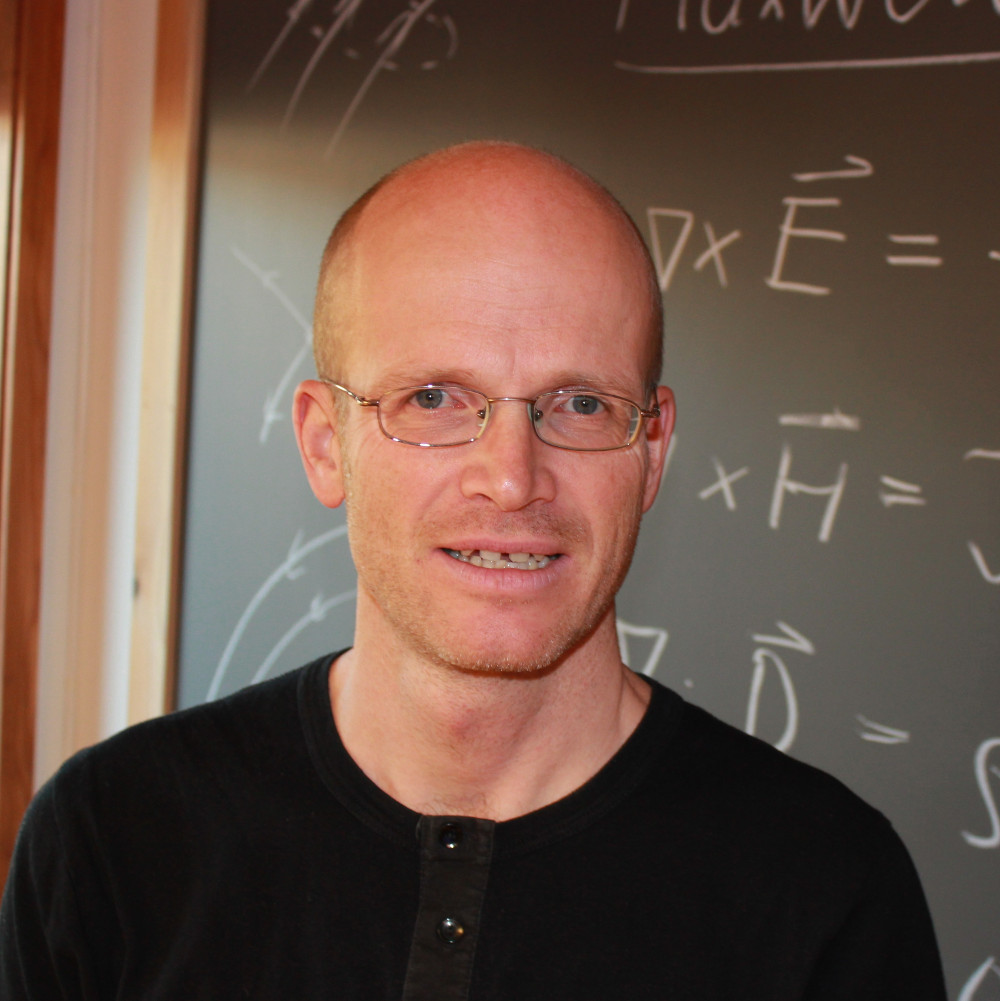
Johannes Skaar is a Professor at the Department of Physics, University of Oslo (UiO). He holds a 100% position there since 2017, previously at NTNU. His research focuses on quantum field theory, quantum optics, electromagnetics, metamaterials, photonics, and quantum information. He teaches advanced courses such as FYS4170 Relativistic Quantum Field Theory and FYS1005 Classical Mechanics. His work spans theoretical physics with notable contributions to single-photon states, metamaterial properties, and quantum cryptography security. Skaar’s research integrates foundational physics with applied technologies like metamaterials and quantum communication systems. His studies on Fresnel equations and magnetic permeability have advanced electromagnetic theory. He frequently publishes in top journals like Physical Review A and Physical Review Letters . Research groups: Theoretical Physics at UiO.
Vladimir Vinogradov is a Professor in the Department of Mathematics at the College of Arts and Sciences, Ohio University. He is based in Morton Hall 579 and can be reached at vinograd@ohio.edu. His academic career reflects long-standing engagement in probabilistic and statistical theory with applications in finance, actuarial science, and population dynamics. Research Interests: His work spans a wide spectrum of stochastic processes and statistical methodologies. Key areas include Stochastic Analysis, Lévy and Markov Processes, Branching and Particle Systems, Fluctuation and Extreme Value Theory, Large Deviations, and Asymptotic Expansions. He also contributes to Distribution Theory, Saddlepoint Approximations, Generalized Linear Models, and probabilistic models in Population Genetics. Grants and Awards: Dr. Vinogradov has received sustained research support, including multiple Ohio University Research Challenge Program Grants (1999–2003), NSERC Canada Individual Research Grants (1995–2003), and a Fields Institute Conference Grant (2014). He also received the BC Asia Pacific Scholars' Award and several UNBC Conference Travel Grants. Education: Ph.D., Moscow State University Professional Activities: He co-organized the International Conference on Analysis, Applications and Computations in memory of Lee Lorch in 2014. His funding history indicates active collaboration and academic leadership. There is no mention of advising students or lab affiliations in the provided text.
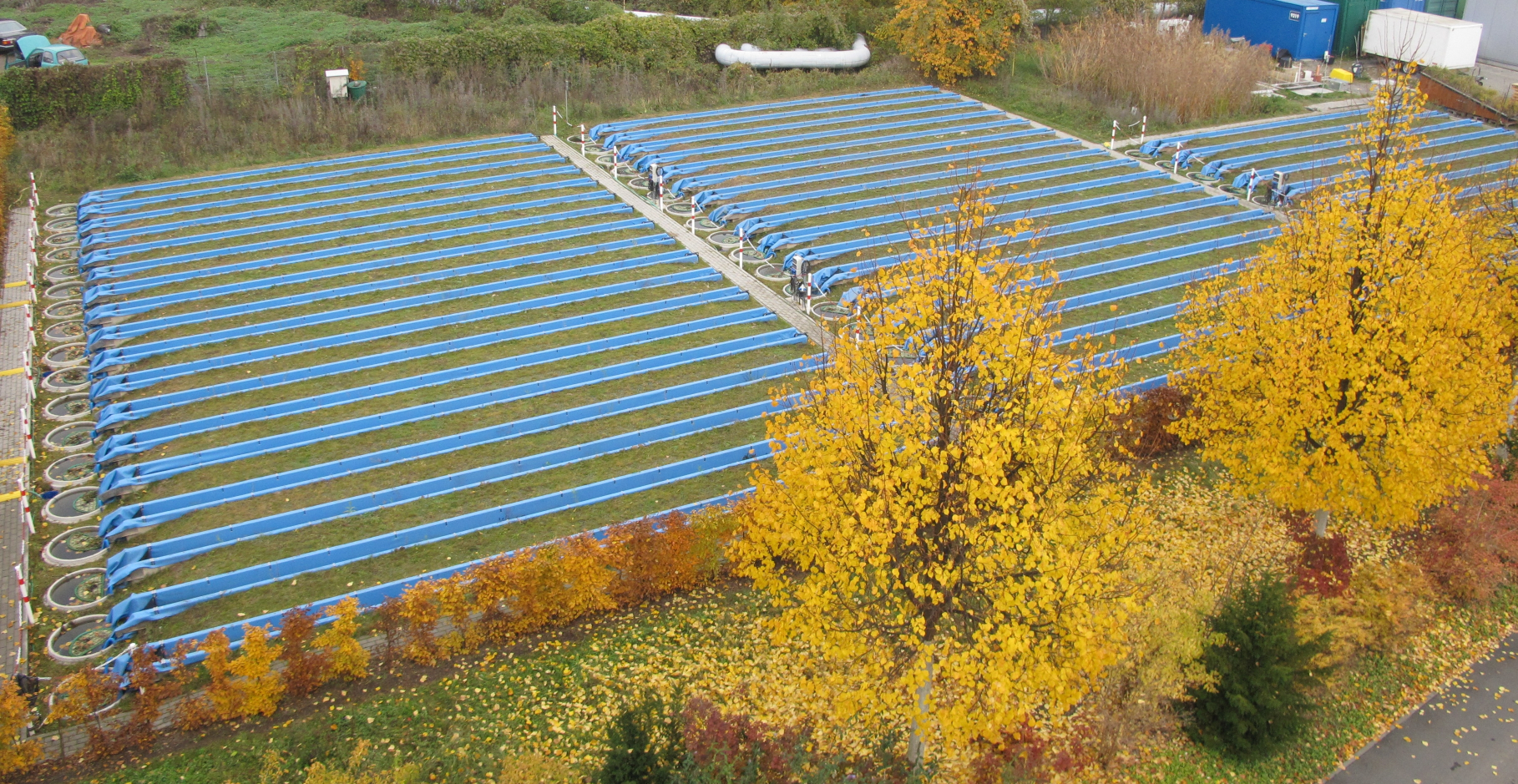
Dr. Anja Schmidt is a Postdoctoral Researcher at the Helmholtz Centre for Environmental Research - UFZ , specifically within the Department of Conservation Biology & Social-Ecological Systems. She has been affiliated with UFZ since 2020 and previously worked at the German Centre for Integrative Biodiversity Research (iDiv) and UFZ's Community Ecology Department. Her research focuses on ecosystem processes, particularly decomposition dynamics driven by invertebrates in tropical and agricultural systems, climate change impacts, and biodiversity conservation. PhD in Ecology (UFZ, 2012–2015) Master's in Ecology, Environmental Science, Bioinformatics (University of Giessen, 2008–2011) BSc in Biotechnology, Animal Physiology, Organismic Biology (University of Erlangen/Nuremberg, 2005–2008) Her work explores the interplay between decomposition processes , invertebrate biodiversity , and human-driven environmental changes . She investigates how climate change, land use, and pollution affect soil and aquatic ecosystems, with a focus on multitrophic interactions. Her research integrates experimental platforms like the iDiv Ecotron and UFZ's environmental observatories (TERENO, MOSES) to simulate and monitor real-world conditions. Dr. Schmidt's recent publications highlight her contributions to understanding invertebrate decline and its cascading effects on microbiomes, soil biodiversity assessments, and policy frameworks for conservation. She collaborates extensively with networks such as iDiv, STACCATO, and LEGATO, bridging experimental ecology with societal decision-making through projects like Faktencheck Artenvielfalt . She is associated with experimental infrastructures including: iDiv Ecotron Project (2018–2020) Global Change Experimental Facility (GCEF) TERENO (Terrestrial Environmental Observatories) MOSES (Modular Observation Solutions for Earth Systems) MOBICOS (Mobile Stream Laboratories) River Experiment Leipzig
Peng Gao is a Professor in the Department of Geography and the Environment at Syracuse University, affiliated with the Maxwell School of Citizenship and Public Affairs. His work bridges river geomorphology and urban geospatial analysis, leveraging GIS, remote sensing, and UAV technologies to address environmental and social challenges. Education: Ph.D., Physical Geography, State University of New York at Buffalo (2003) M.S., Physical Geography, Lanzhou University (1993) B.S., Solid Mechanics, Lanzhou University (1990) Professor Gao specializes in river morphodynamics—particularly in the Qinghai-Tibet Plateau—and geospatial applications for urban planning. His research examines braided/meandering river systems, peatland hydrology, and how urban built environments influence social inequities and public health outcomes through spatial analysis. His 2020-2024 publications reveal a dual focus: (1) fluvial processes in high-altitude regions (e.g., neck cutoff dynamics, braided river discharge estimation using Landsat), and (2) urban applications (e.g., green building design, lead poisoning exposure mapping). This reflects a strategic integration of field geomorphology with computational geospatial modeling. Professor Gao actively mentors through SOURCE undergraduate research grants and PhD committees. Current funded projects include peatland mapping in the Andean Altiplano, I-81 Viaduct impact analysis in Syracuse, and studies on urban built environments affecting childhood lead poisoning. His work utilizes UAVs for BVLOS operations and collaborates with Syracuse CoE on urban environmental simulations, emphasizing technical innovation in geospatial data acquisition and analysis.
Emily Lines is a forest ecologist affiliated with the University of Cambridge, Department of Geography. She specializes in remote sensing (ground to satellite) and data science techniques to study forest structure, function, and dynamics. Her research addresses ecological and conservation questions, ranging from fundamental forest processes to applied challenges like climate change, deforestation, and forest management effectiveness. Department of Geography, University of Cambridge DLA Supervisor, Cambridge NERC Doctoral Landscape Awards Collaborator with geomorphologists, computer scientists, geneticists, and paleoecologists Her group employs fieldwork using terrestrial and drone laser scanning, photogrammetry, and traditional forest mensuration. Methodologically, she integrates deep learning, computer vision, and computational modeling to analyze forests at multiple scales. Priority topics include biodiversity assessment, structural dynamics, competitive interactions, dieback/disease monitoring, microclimate effects, radiative transfer, and regeneration patterns. Key tools: Terrestrial LiDAR, TLS validation, PlotToSat, FOR-species20K dataset, Deadtrees.earth database Recent work spans 3D remote sensing benchmarking, AI applications in forest monitoring, and climate change impacts on European forests Her publications highlight forest-landscape interactions, scalability of data science methods, and cross-disciplinary integration of ecological and computational approaches. She advocates for environmental sustainability in AI applications through initiatives like the C-CLEAR Doctoral Training Programme.
Stacy E. Wolf is Professor of Theater in the Lewis Center for the Arts and the Effron Center for the Study of America at Princeton University, where she also serves as Director of Fellowships and Founding Director of the Program in Music Theater. She will serve as Acting Chair of the Lewis Center for the Arts in fall 2025. Wolf is one of America's foremost scholars on musical theatre, with extensive publications exploring gender, sexuality, and American culture through the lens of musical performance. Wolf's educational background includes a B.A. in English from Yale University, an M.A. in Drama from the University of Virginia, and a Ph.D. in Theater from the University of Wisconsin-Madison. Her academic journey has positioned her at the forefront of musical theatre scholarship, where she has helped establish this field as a legitimate area of academic study. Her research interests focus on musical theatre as a cultural phenomenon , particularly examining gender and sexuality in the American musical , feminist approaches to performance , and the relationship between musical theatre and American history . Wolf investigates how musicals both shape and are shaped by larger cultural forces, challenging assumptions about musical theatre as merely entertainment rather than serious art. She explores the pleasure principle in musical theatre while analyzing its political and social dimensions, examining how this commercial art form can simultaneously be cutting-edge and culturally significant. Wolf's publications reveal a consistent focus on feminist perspectives in musical theatre history , with particular attention to how women and LGBTQ+ communities engage with and reinterpret musicals . Her work spans from historical analysis of Broadway classics to contemporary examinations of how musicals function in community settings beyond professional theatre. Recent scholarship increasingly addresses diversity and inclusion in musical theatre , examining how productions in educational settings can empower students of color and create pathways for greater representation on professional stages. Guggenheim Fellow (2017) President's Award for Distinguished Teaching (2017) 2024 Distinguished Scholar by the American Society for Theatre Research Two Bogliasco Fellowships As an educator, Wolf has mentored numerous students including Abigail Jean-Baptiste, with whom she collaborated on the course 'Sondheim's Musicals and the Making of America.' Her teaching philosophy emphasizes the integration of theory and practice, encouraging students to see no separation between art-making and scholarship. Wolf has received significant grant support for her research, including the prestigious Guggenheim Fellowship that enabled deep exploration of musical theatre's cultural impact across America. Wolf is actively involved in Princeton's artistic community as a faculty fellow at Wilson College and academic fellow for the women's basketball team. She regularly participates in student productions, attending rehearsals and leading talkbacks. Her current research includes a book on feminist approaches to musical theatre (co-written with Paige Allen) and an article examining composer Jeanine Tesori's contributions to the field.
Serge O. Dumoulin is a Professor of Perception, Cognition, and Neuroscience at Utrecht University and Vrije Universiteit Amsterdam. He leads the Computational Cognitive Neuroscience and Neuroimaging group at the Netherlands Institute for Neuroscience and serves as Director of the Spinoza Centre for Neuroimaging , a collaborative facility involving KNAW, AMC, VUMC, and VU Amsterdam. Education: M.Sc. in Biology (Utrecht University), Ph.D. in Neurology and Neurosurgery (McGill University) Research focuses on the intersection of perception, cognition, and neuroimaging, particularly the human visual system. He employs ultra-high field (7T) fMRI, computational modeling, and behavioral studies to explore neural mechanisms of visual perception, attention, and numerical cognition. His work has applications in clinical disorders and methodological advancements like the pRF method, used globally in 100+ institutions. Publications span neuroscience, neuroimaging, and cognitive processes, with a 2023 Advances in MRI Technology paper emphasizing gray-matter optimized fMRI. His 2018 Neuroimage article discusses systematic pRF variations, while a 2021 PNAS study links divisive normalization to visual hierarchy. Awards: Ammodo KNAW Award (2015), NWO Vidi/Vici grants, Neuroimage Editors' Choice Award (2013) Teaching includes courses at Vrije Universiteit Amsterdam on perception, neuroscience, and fMRI data analysis. He emphasizes coding (Matlab/Python) in student internships.
Sean Welleck is an Assistant Professor at Carnegie Mellon University's School of Computer Science, specifically within the Language Technologies Institute (LTI). He leads the L3 Lab and serves as an advisor for the AI for Math Fund. His academic journey includes a PhD from New York University under Kyunghyun Cho and postdoctoral positions at the Allen Institute for Artificial Intelligence and the University of Washington with Yejin Choi. Dr. Welleck's educational background shows a strong foundation in computer science. He earned his PhD in Computer Science from New York University, where he worked under the mentorship of Kyunghyun Cho and Zheng Zhang. Prior to this, he completed his MSE and BSE in Computer Science from the University of Pennsylvania, demonstrating a long-standing commitment to the field. Dr. Welleck's research focuses on bridging informal and formal reasoning with AI, with particular emphasis on developing learning, inference, and evaluation algorithms for large language models. His work spans multiple cutting-edge areas including mathematical reasoning , code generation , inference algorithms , and AI reasoning agents . A significant portion of his recent work involves combining AI with formal methods for mathematics, where he has developed frameworks like Llemma (an open-source language model for mathematical reasoning) and meta-generation (for inference-time algorithms). His research is characterized by a strong theoretical foundation coupled with practical applications that push the boundaries of what AI systems can achieve in formal reasoning domains. Analysis of Dr. Welleck's recent publications reveals a clear research trajectory focused on enhancing language models' capabilities in formal reasoning and mathematical problem-solving. His work demonstrates an evolution from foundational research in neural text generation to increasingly sophisticated approaches that integrate formal methods with deep learning. Key trends include the development of inference-time algorithms that improve model performance without additional training, frameworks for mathematical reasoning that connect informal and formal proofs, and novel evaluation methodologies for language models. His publications consistently appear in top-tier conferences including NeurIPS, ICLR, ICML, and ACL, reflecting the high impact of his contributions to the field. Dr. Welleck's scientific achievements have been recognized with several prestigious awards: NAACL 2025 Best Paper Award ICLR 2025 Oral Presentation (Top 2%) ICLR 2025 Spotlight Presentation (Top 5%) NeurIPS 2021 Outstanding Paper Award (Top 0.1%) for MAUVE NVIDIA AI Labs Pioneering Research Award (2017 and 2018) As an educator and mentor, Dr. Welleck actively guides the next generation of AI researchers. He currently advises multiple PhD students including Pranjal Aggarwal, Weihua Du, Andre He, and Seungone Kim (some co-advised with other faculty), along with MS students Riyaz Ahuja, Jiewen Hu, Qinyue Tan, and Thomas Zhu, and undergraduate Tate Rowney. At CMU, he teaches advanced courses such as Neural Code Generation and Advanced NLP, and has previously taught at New York University and the University of Washington. His commitment to education extends to creating resources like the Thesis Review Podcast and developing tutorials on neural theorem proving that have been presented at major conferences. Dr. Welleck leads the L3 Lab at CMU, which focuses on the intersection of language, learning, and logic. The lab brings together students and researchers to tackle challenging problems in AI reasoning, with particular emphasis on mathematical reasoning and code generation. Recent initiatives include the development of Llemma, an open-source language model specialized for mathematical reasoning, and work on inference-time algorithms that enable language models to improve their performance through additional computation during inference rather than through additional training.