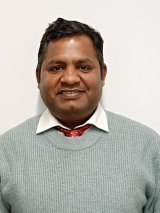
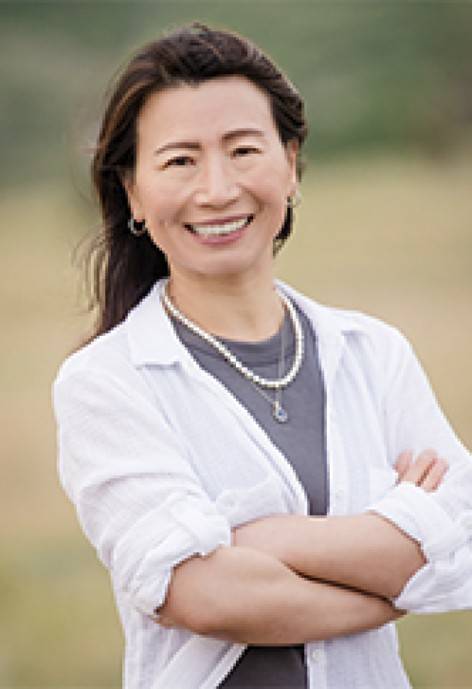
Dr. Hongjie Ma is a Senior Research Fellow at the University of Portsmouth , affiliated with the School of Electrical and Mechanical Engineering and the Centre for Operational Research and Logistics . With over a decade of experience, his work bridges Artificial Intelligence and Embedded Systems , focusing on smart industrial applications and energy optimization. His research interests include: AI-based abnormal detection AI-based decision optimisation Embedded systems for machine learning Smart industrial sensors Operational Research Logistics Recent publications span combustion engineering , fuel cell technology , and autonomous driving frameworks . His work has garnered over 500 citations and includes contributions to REF 2021 impact case studies. Key scientific awards include the IEEE Leadership Award . He supervises PhD students and has secured grants from Innovate UK , EPSRC , and Horizon Europe . He chairs the IEEE Smart World Congress and serves as guest editor for journals like the Journal of Marine Science and Engineering .
Fırat Bolat serves as a Professor in the Department of Marine Engineering at Istanbul Technical University. His research focuses on critical maritime safety and environmental issues, with particular expertise in Port State Control, Energy Efficiency Design Index compliance, and human error analysis in cargo operations. His research interests span the Maritime Sector , Port State Control , Energy Efficiency Design Index , CO2 Reduction , Human Error Probability , and Detention analysis. His work addresses regulatory compliance, environmental sustainability, and operational safety challenges within international shipping. Analysis of his publication trends reveals consistent focus on maritime regulatory frameworks (particularly Paris Memorandum of Understanding), environmental compliance metrics, and human factors engineering. His recent work (2021-2025) shows increasing emphasis on cybersecurity threats to navigation systems and alternative fuel implementation for emission reduction. SASAKAWA FELLOWSHIP (2016) Professor Bolat's research contributes significantly to maritime safety frameworks and environmental compliance metrics. His work on port state control analysis and human error probability modeling provides practical insights for regulatory bodies and shipping companies seeking to improve operational safety and environmental performance.
Dr. Umer Saleem is a Lecturer in the Department of Mechanical and Aerospace Engineering at the University of Strathclyde. He holds a PhD in Mechanical Engineering from Heriot-Watt University (Edinburgh, UK), with additional degrees in Mechanical Engineering. His postdoctoral research focused on computational fluid dynamics (CFD) and carbon capture and storage (CCS), contributing to the EU-funded STEMM-CCS project. He teaches Thermodynamics, Fluid Mechanics, and related subjects, and is a Fellow of the Higher Education Academy (FHEA). His research emphasizes numerical modeling of CO2 dispersion in marine sediments, CFD, and renewable energy systems like concentrated solar power and steam turbines. Key affiliations include the American Society of Mechanical Engineers (ASME) and the Institution of Mechanical Engineers (IMechE). He has published widely in journals such as Renewable and Sustainable Energy Reviews and International Journal of Greenhouse Gas Control , with notable work on CO2 leakage detection and sub-seafloor storage integrity. Awards include Chartered Engineer status from IMechE and a Registered Engineer credential from PEC.
Suo Yang is the Richard & Barbara Nelson Assistant Professor in the Department of Mechanical Engineering at the University of Minnesota, College of Science and Engineering. He is an active researcher in combustion, plasma-assisted technologies, and high-speed reacting flows, with a strong focus on sustainable and high-performance propulsion systems. He is currently accepting PhD students and leads multiple externally funded research projects. Education: PhD in Aerospace Engineering, Georgia Institute of Technology, 2017 MS in Computational Science & Engineering, Georgia Institute of Technology, 2015 BS in Mathematics & Applied Mathematics, Zhejiang University, 2011 His research interests lie at the intersection of combustion science , plasma physics , and computational fluid dynamics . He investigates plasma-assisted ammonia combustion , transcritical fuel injection , detonation dynamics , and multi-fuel engine systems , contributing to sustainable energy and hypersonic technologies. His work aligns with UN Sustainable Development Goals related to clean energy and climate action. The analysis of his recent publications reveals a strong trend toward ammonia-based fuels , non-equilibrium plasma applications , and high-fidelity modeling of complex reacting flows. His work integrates advanced numerical methods with experimental validation, focusing on ignition enhancement, flame stabilization, and emission reduction in next-generation propulsion systems. Scientific Awards and Recognition: No specific awards or fellowships are listed in the provided text. Research Advising and Grants: Dr. Yang is actively mentoring PhD students and leading significant research initiatives. He serves as Principal Investigator (PI) on multiple grants from the U.S. Department of Defense (Air Force, Navy), the National Science Foundation, and industry partners. His funded projects include research on micro-jetting in detonations , plasma-assisted ammonia combustion , transcritical phase change , and multi-fuel engine control for unmanned systems . These projects reflect his leadership in advancing fundamental and applied combustion science. Laboratories and Research Teams: While specific lab names are not mentioned, Dr. Yang leads a research group focused on computational and experimental combustion at the University of Minnesota. His collaborations span institutions and include work with Spectral Energies, LLC, and researchers across mechanical and aerospace engineering disciplines. His team employs high-performance computing and advanced diagnostics to study complex flow and combustion phenomena.
Nan Zhang is a Senior Lecturer in the CE - Academic & Research division, affiliated with the Centre for Process Integration. Their research focuses on process optimization, sustainable energy systems, and computational methods applied to chemical engineering challenges. Key areas include heat exchanger network design, decarbonization strategies, and waste heat recovery. They have contributed to over 46 peer-reviewed publications and actively engage in professional associations like the Institute of Chemical Engineers. Research interests emphasize integrating computational algorithms with industrial processes to enhance efficiency and sustainability. Notable work includes studies on green hydrogen polygeneration systems, carbon footprint analysis, and energy storage solutions for chemical industries. Zhang has supervised 20 academic works, though student names are not listed. Collaborations span global institutions, addressing challenges in blast furnace injection fuels, renewable energy integration, and lifecycle assessments. Their work aligns with UN Sustainable Development Goals, particularly in clean energy and reducing environmental impact. Publications highlight advancements in thermal systems optimization, CO₂ utilization, and smart process monitoring. Despite no explicitly listed awards, their contributions to impactful research demonstrate significant academic and industrial relevance.
Dr Yiran Liu serves as a Lecturer in the Department of Chemical Engineering within the School of Engineering at The University of Western Australia (UWA), a position held since 2023 following her Postdoctoral Fellowship at the University of New South Wales (UNSW) from 2021-2023. Her academic credentials include: Bachelor of Engineering (BEng), University of Science and Technology Beijing (2014) Master of Engineering (MEng), University of Science and Technology Beijing (2017) PhD, University of New South Wales (2021) Research centers on two interconnected pillars: Low-Carbon Mineral Processing utilizing numerical simulation and machine learning to optimize iron/nickel/lithium extraction with renewable fuels (hydrogen/biomass), and Sustainable E-Waste Management focusing on pyrometallurgical recovery of valuable metals from electronic waste. This work directly supports UN Sustainable Development Goals for responsible resource consumption and climate action. Analysis of her 2022-2025 publications reveals consistent innovation in decarbonizing metallurgical processes, particularly through co-injection of hydrogen and biochar (CoHB) in blast furnaces, data-driven coal combustion optimization, and advanced CFD modeling. These interdisciplinary efforts bridge chemical engineering, computational science, and environmental sustainability with rapidly growing citation impact. She currently leads two major funded projects: Blast Furnace Innovations: Sustainable, Low-Carbon Ironmaking (Australian Renewable Energy Agency, 2025-2029) Numerical Investigation of Valuable Metal Recovery from Spent Lithium-Ion Batteries (UWA, 2025-2026) Actively recruiting PhD students for research in mineral processing optimization and waste management, she also serves on the Youth Editorial Board of the Journal of Iron and Steel Research International and reviews for Metallurgical and Materials Transactions B.
Yannis Hardalupas is a Professor of Multiphase Flows at the Department of Mechanical Engineering, Imperial College London. His affiliations include the Centre for Translational Nutrition and Food Research, Climate and Health, Energy Futures Lab, and the Institute for Molecular Science and Engineering. He holds a PhD in Mechanical Engineering from Imperial College (1989) and has over 30 years of academic experience, including roles as Reader (2003–2009) and Advanced Research Fellow (1994–1998). His research focuses on multiphase flows, combustion, turbulence, and nanofluids. Notable interests include laser-induced flame dynamics, spray flow modeling, and energy systems. He has contributed to interdisciplinary fields like food engineering and sustainable energy, addressing challenges in thermal storage and alternative fuels. Recent work emphasizes data-driven approaches for cryogenic hydrogen release, hydrogen-ammonia combustion systems, and erosion-resistant wind turbine materials. His labs combine experimental diagnostics (e.g., PIV, chemiluminescence imaging) with computational modeling (LES, CFD). Hardalupas leads collaborations in climate resilience, energy transition, and material science, reflecting his role as a cross-disciplinary academic leader.
Nicolas Younes is a Research Fellow in Remote Sensing at the Fenner School of Environment & Society, Australian National University (ANU). His work focuses on Earth Observation technologies, particularly in monitoring vegetation phenology and flammability, with a key emphasis on eucalypt forests. He leads the OzFuel satellite mission, the world's first dedicated to assessing forest flammability to enhance Australia's space and disaster management sectors. Education: Environmental Engineering (Bachelor), Master’s in Oil & Gas Exploration & Production, Master’s in Natural Resource Management, and a PhD in Earth & Environmental Sciences. Research areas include remote sensing applications for forest health, environmental economics, and biodiversity conservation in tropical regions. Research Interests : Vegetation phenology modeling, hyperspectral remote sensing, fire ecology, and environmental policy. His work bridges academic research with practical tools for disaster risk reduction and sustainable land management. Recent articles highlight advancements in satellite-based fuel moisture monitoring, biochemical analysis of eucalypt components, and global forest conservation strategies. Projects include the OzFuel mission and interdisciplinary studies on mangrove phenology and pygmy hippopotamus habitat loss. Labs/Teams: Fenner School teams, ANU Climate Institute, and international collaborations on space-based environmental monitoring. Active in developing open-access datasets like Globe-LFMC for global research use.
Veysi Bashan is an Assistant Professor at Istanbul Technical University , specializing in Marine Engineering . His research focuses on renewable energy hybrid systems , diesel engine optimization , and autonomous navigation reliability through advanced fuzzy logic and risk assessment methodologies. Key research areas include: Failure analysis in wind-solar hybrid marine energy systems Methanol injection timing for emission reduction Reliability frameworks for autonomous ships Fuzzy Bayesian networks for mooring safety and engine diagnostics Ballast water treatment evaluation using type-2 fuzzy ELECTRE His recent work (2022-2025) demonstrates growing emphasis on sustainable maritime technologies and intelligent risk mitigation in marine operations. Notable projects include Hibrit Yenilenebilir Enerji Sistemlerinde Arızaların Analizi (2024).
Abbas Barabadi is a Professor at the Department of Technology and Security, UiT The Arctic University of Norway. His research focuses on resilience engineering, risk analysis, and sustainable development in Arctic and industrial contexts. He actively collaborates on projects related to mining, renewable energy, and infrastructure safety. Affiliation: UiT The Arctic University of Norway Research Interests: Resilience engineering, Arctic operational challenges, sustainability in mining and energy systems, reliability analysis. Recent Article Trends: 2025 works address climate-related infrastructure risks and Arctic wind farm operations. 2024 publications emphasize mining sustainability, fuel system reliability, and CSR in complex systems. Labs/Teams: Sustainable Technology and Safety (STS) research group.
Rienk Eelkema is a Full Professor in the Department of Chemical Engineering at Delft University of Technology, Faculty of Applied Sciences. He leads the Eelkema Lab, which is part of the Delft Bioengineering Institute. His research group focuses on designing responsive organic and polymer materials for applications in aqueous and biological environments. Rienk Eelkema earned his M.Sc. in Chemistry from the University of Groningen in 2001, majoring in organic chemistry under Prof. Ben L. Feringa. He continued at Groningen for his PhD (2006, cum laude), studying supramolecular chemistry and nano- and microscale motion in liquid crystalline systems. After postdoctoral research at the University of Oxford with Prof. Harry L. Anderson FRS on nanoscale insulation of molecular wires, he joined TU Delft in 2008. He obtained tenure in 2013, was promoted to Associate Professor in 2017, and to Full Professor in 2025. His research interests span interactive soft materials, fuel-driven chemical reaction networks, responsive polymers, biomolecule labelling, and biomedical applications. The Eelkema Lab has pioneered catalysis-controlled formation of molecular gels and synthetic active polymers mimicking biological systems like microtubules. Current work integrates signal-responsive networks into polymer materials and explores applications in radiotherapy and protein sequencing. Collaborations include Prof. Jan van Esch (TU Delft) and Prof. Antonia Denkova (TU Delft). The 15 most recent publications reveal a strong focus on dynamic covalent chemistry, out-of-equilibrium systems, and biomedical materials. Key themes include chemical reaction networks, transient hydrogels, responsive nanocarriers, radiation-mediated polymer reactions, and catalytic control over self-assembly. The work bridges organic synthesis, materials science, and bioengineering, with applications in drug delivery, diagnostics, and smart materials. Rienk Eelkema has received numerous scientific awards and grants, including an ERC Consolidator Grant and multiple NWO grants (Veni, Vidi, Complexity, Echo). He was awarded the SEFI Francesco Maffioli Award and a TU Delft Education Team Award for his contributions to the Pre-University Chemistry MOOC. His research is supported by grants from NWO, ERC, STW, and the Delft Health Initiative. He mentors several PhD students and postdoctoral researchers, including Juncheng Liu, Benjamin Spitzbarth, Mark de Geus, Tessel Bouwens, and Dennis Dam. His lab develops new synthetic methodologies and applies them to create functional soft materials. The Eelkema Lab is actively involved in interdisciplinary projects combining chemistry, engineering, and medicine to develop next-generation responsive materials.
Dr. Vikas Sharma is a Senior Research Fellow at the Advanced Engineering Centre (AEC) within the School of Architecture, Technology and Engineering at the University of Brighton. His research focuses on sustainable energy solutions, including hydrogen and ammonia combustion for marine applications, biofuels, and advanced combustion technologies. Education: PhD in Mechanical Engineering/Renewable Energy, Anna University (2014-2020, awarded 2020) Master in Internal Combustion Engine (2011-2013, awarded 2013) Bachelor in Mechanical Engineering, Vinayaka Mission's Research Foundation (2007-2011, awarded 2011) Research Interests: Dr. Sharma's work spans Biofuels (biodiesel production, waste-to-energy), Advanced Combustion (LTC, RCCI, HCCI, PCCI), Nano-additives for fuel enhancement, and Hydrogen/Ammonia Combustion . His current projects focus on improving ammonia utilization in marine engines and analyzing hydrogen and ammonia spray characteristics. Publication Trends: His recent work (2022-2025) emphasizes sustainable fuel alternatives, with a focus on biodiesel from diverse feedstocks, plastic waste conversion, and nanoparticle additives. The research integrates experimental combustion analysis with emission characterization to advance low-carbon engine technologies. Awards and Honors: Research exchange award (2020) for visiting PhD studentship at Aston University Advising and Grants: Dr. Sharma has supervised 4 postgraduate theses and 13 undergraduate projects. He has completed 4 funded projects (2 national, 2 international), including UKIERI's "Low Temperature Combustion of Sustainable Green Fuels" and EPSRC's MariNH3 project for marine ammonia applications. Labs and Teams: He is an active member of the Advanced Engineering Centre (AEC) at the University of Brighton, collaborating on the MariNH3 project team. His work involves close partnerships with Aston University and international institutions on sustainable energy research.
Professor Eva Gutheil is a distinguished academic at the Interdisciplinary Center for Scientific Computing (IWR) at the University of Heidelberg, where she leads a prominent research group focused on multiphase flows and combustion processes. Her work spans technical combustion systems, atmospheric processes, and biofluid mechanical applications, making significant contributions to both fundamental understanding and practical engineering solutions. Her research interests encompass multiphase flows , combustion processes , droplet vaporization , laminar spray flames , PDF methods , and flamelet modeling . Professor Gutheil's work addresses critical challenges in energy production efficiency, stability, safety, and pollutant emissions across various technical combustion systems including internal engine combustion, industrial furnaces, and gas turbine combustion. Her research extends to atmospheric processes like ozone depletion and biofluid mechanical applications such as particle dispersion in human airways and blood flow in cerebral aneurysms. Analysis of her recent publications reveals a strong focus on computational modeling of complex flow phenomena, with increasing attention to bioreactor hydrodynamics, atmospheric chemistry applications, and advanced nanoparticle synthesis techniques. Her work demonstrates a consistent trajectory toward more sophisticated modeling approaches that integrate multiple physical phenomena across different scales. Professor Gutheil has mentored numerous PhD students and research assistants, as evidenced by the extensive list of current and former group members. Her research group includes specialists in computational fluid dynamics, combustion modeling, and atmospheric chemistry applications. The research group operates within the Interdisciplinary Center for Scientific Computing at the University of Heidelberg, utilizing advanced computational resources for modeling and simulation of complex flow phenomena. Their work bridges fundamental fluid dynamics with practical applications across energy systems, environmental science, and biomedical engineering.
Katie Dongmei Li-Oakey is a Professor in the Department of Chemical and Biomedical Engineering at the University of Wyoming, where she serves as Undergraduate Coordinator. Her research focuses on catalytic membranes, functional thin films, and coatings for liquid filtration, gas processing, and biomedical sensors. She explores novel catalyst-surface interactions to address separation challenges like fouling and poisoning. Ph.D. in Chemical and Biological Engineering (University of Colorado at Boulder, 2003) Postdoctoral Fellow (University of Colorado at Boulder, 2003-2005) Adjunct Assistant Professor (University of Wyoming, 2010-2011) Industry experience: Intel Corporation, DRC Metrigraphics Her work spans fuel cell materials , COF-based membranes , and self-cleaning surfaces , with patents on ultra-low Pt catalysts and durable nanoparticle platforms. Publications emphasize covalent organic frameworks , oxygen-inhibited photopolymerization , and electrochemical performance of carbon electrodes. Current projects include microparticle fabrication , ionic liquid recycling , and environmental sensors . She collaborates on energy exploration filtration and biomedical devices , applying computational modeling to optimize membrane properties.
Giovanni Caramia is an Assistant Professor in the Department of Mechanics, Mathematics & Management at Polytechnic University of Bari (Poliba), specializing in fluid dynamics and computational modeling. His work bridges theoretical and applied engineering, focusing on advanced CFD techniques, renewable energy systems, and turbomachinery optimization. Academic Rank: Assistant Professor (ING-IND/08 - Fluid Machinery) Email: giovanni.caramia@poliba.it Research Interests Caramia's research spans computational fluid dynamics, energy transition strategies, and mechanical system optimization. Key areas include: Hydrogen combustion and fuel systems Cavitation and multiphase flow modeling OpenFOAM® software implementation Wind turbine and offshore energy systems Carbon neutrality pathways for Southern Italy Recent Publications Trends His 2023-2025 work emphasizes energy transition (green hydrogen, biomass), advanced CFD simulations (cavitation, floating wind turbines), and numerical method development. Articles highlight practical applications in renewable energy systems and industrial fluid machinery. Labs & Teams Current affiliations include Poliba's research groups focused on fluid machinery and energy systems, though specific lab names are not detailed in available texts.