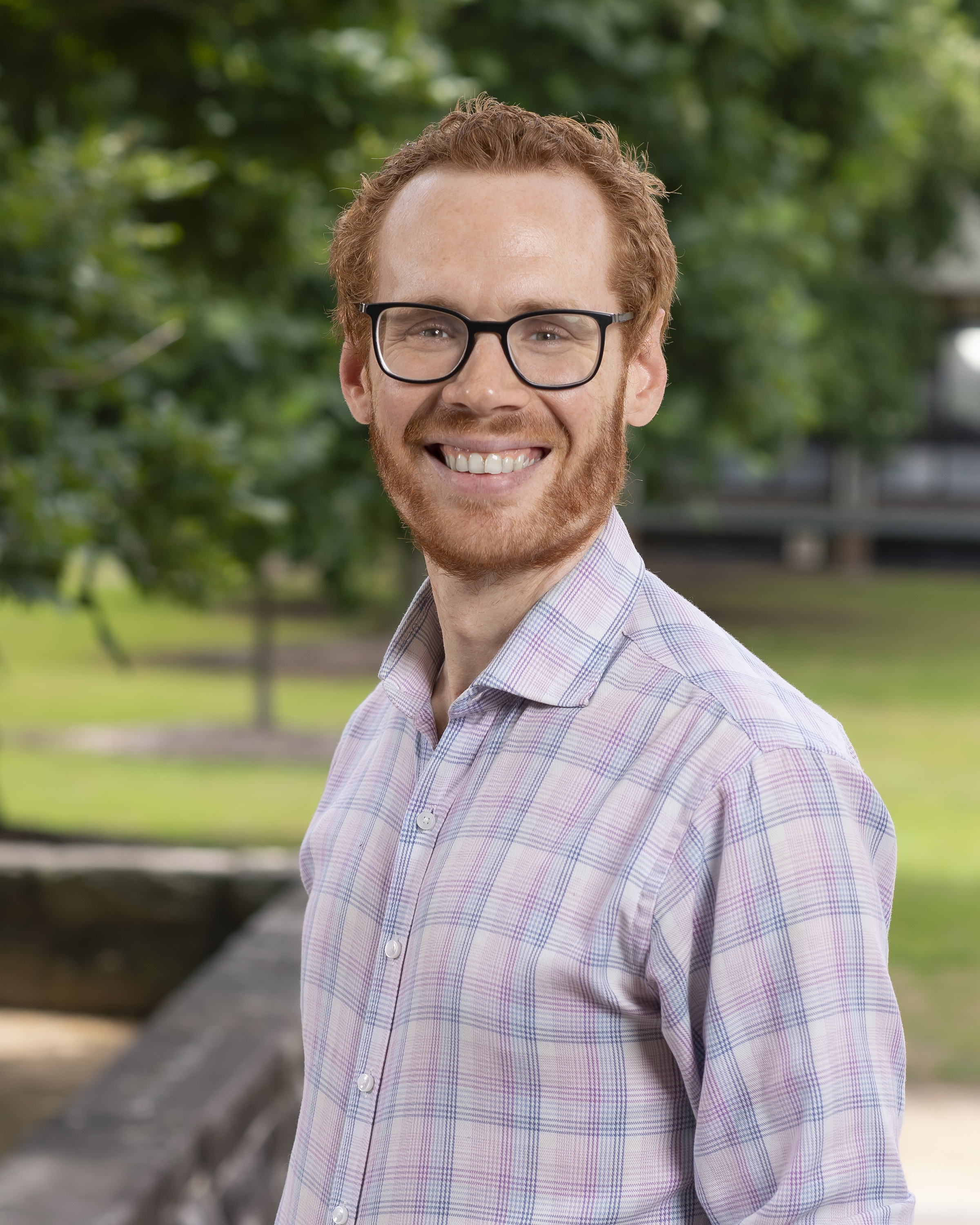
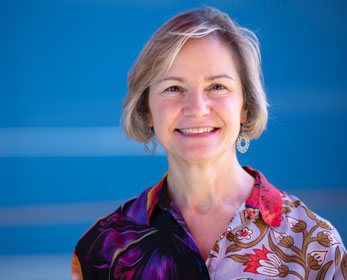
Janani Thillainadesan is an NHMRC Senior Research Fellow at the Sydney Medical School/Concord Clinical School and the Centre for Education and Research on Ageing, affiliated with the Faculty of Medicine and Health at the University of Sydney. She is also a member of the Charles Perkins Centre. Her research focuses on optimizing healthcare delivery for older adults, particularly in geriatric surgery, perioperative care, and dementia interventions. Key research areas include frailty assessment, deprescribing strategies, collaborative care models, and leveraging technology (e.g., mobile health) in geriatric medicine. She has contributed to multidisciplinary studies involving clinical datasets, quality indicators, and mixed-methods analyses of patient experiences and care expectations. Awards: 2023 RACP Vincent Fairfax Research Fellowship 2021 ANZSGM Career Investigator Prize 2021 UK Age Anaesthesia Association Best Oral Presentation Prize 2019 Evidence Based Perioperative Medicine Asia Congress Runner Up Prize Her work bridges clinical practice, education, and policy through grants like the 2024 electronic frailty index project. Media engagement includes a 2019 Studio 10 segment highlighting her contributions to aging-related healthcare innovations.
Dr. Kenji Fujita is a Research Fellow at the Kolling Institute, University of Sydney, specializing in ageing, pharmacology, and pharmaceutical care quality. He holds a PhD, MScMed (ClinEpid), and BPharm from the University of Sydney. Previously a pharmacist in Japan, he leads international initiatives in the Pharmaceutical Care Network Europe (PCNE) and the International Pharmaceutical Federation (FIP). His work focuses on deprescribing strategies, polypharmacy, and developing quality indicators for healthcare services. Dr. Fujita’s research integrates big data analysis, statistical modeling, and machine learning to address challenges in geriatric pharmacotherapy. Current projects include validating frailty indices, evaluating deprescribing interventions in older adults, and developing NLP tools for clinical documentation analysis. He has also contributed to assessing organizational readiness for guideline implementation in community pharmacies. Awards include the 2023 Outstanding Poster Presentation Award at the IAGG Asia/Oceania Congress and 2022 Best Poster at the Japanese Society of Social Pharmacy. He has secured grants such as the 2024 electronic frailty index project and the 2021 systems-approach to medication review initiative. Dr. Fujita collaborates with global networks like J-HOP (Japan Home Visiting Pharmacy Association) and leads multidisciplinary teams across Australia and Europe. His lab focuses on translating data-driven insights into actionable clinical practices to improve medication safety and quality in ageing populations.
Nashwa Masnoon is a Postdoctoral Research Fellow in Geriatric Pharmacotherapy at the Kolling Institute, part of the Faculty of Medicine and Health at the University of Sydney. She is also a hospital pharmacist at the Royal North Shore Hospital. Her academic background includes a BPharm(Hons) and a PhD from the University of South Australia, where her doctoral work focused on identifying risks of adverse outcomes from polypharmacy in older adults with multimorbidity. Dr Masnoon’s research interests span geriatric pharmacology, deprescribing practices, pharmacoepidemiology, and quality use of medicines. Her current projects include developing stewardship programs for anticholinergic/sedative deprescribing, optimizing medication use in hospitals for older patients, and educating hospital pharmacists using the Drug Burden Index intervention bundle. She has co-supervised Honours students in 2022 and 2023, focusing on deprescribing in hospital settings and patient-reported experiences post-intervention. Research Themes: Healthy Ageing Key Approaches: Systematic reviews, clinical interventions, pharmacoepidemiological analysis Dr Masnoon has received notable awards including the 2023 FMH Showcase Travel Award, Royal North Shore Hospital Travel Fellowship (2023), and a 2017 People’s Choice Award for her 3 Minute Thesis presentation. Her work emphasizes improving medication outcomes through evidence-based deprescribing and precision medicine approaches. She is affiliated with the Australasian Pharmaceutical Science Association (APSA), International Pharmaceutical Federation (FIP), and Australian Deprescribing Network (ADeN). Her grants include the 2024 electronic frailty index project and a 2022 travel award-funded initiative.
Professor Joy Ho is a Clinical Professor of Medicine at the University of Sydney’s Central Clinical School and a Senior Staff Specialist in Haematology at Royal Prince Alfred Hospital (RPAH). She serves as Director of Research and Head of the Multiple Myeloma Research Unit and Thalassemia/Haemoglobinopathy Unit at the Institute of Haematology, RPAH. Her research focuses on multiple myeloma, lymphoma, thalassemia, and iron metabolism, with a strong emphasis on clinical trials and translational medicine. She has led numerous multi-centre trials, including pioneering studies on CAR-T cell therapy for lymphoma and novel therapies for myeloma. Prof Ho’s education includes MB.BS. (Hons) from Sydney, D.Phil (Oxford), and fellowships from the Royal Australasian College of Physicians (RACP) and Royal College of Pathologists of Australasia (RCPA). She has held leadership roles in major hematology organizations, including the International Myeloma Working Group (IMWG) and the American Society of Hematology (ASH). Her international collaborations span Singapore, Thailand, and the United States. Her research interests include: Multiple Myeloma: Developing therapies targeting tumor microenvironment and immune modulation. Lymphoma: Pioneering CAR-T cell therapy in Australia. Thalassemia: Gene therapy and iron chelation advancements, including the landmark Northstar trial. Iron Metabolism: Investigating hepcidin and its role in transfusion-dependent anemias. Her recent publications highlight breakthroughs in CAR-T efficacy, myeloma biomarkers, and thalassemia management. Awards include the 2019 Sydney Local Health District Clinical Trial Award and election to the International Myeloma Society Board. She has secured over $2 million in grants for cutting-edge equipment and research. Prof Ho’s academic contributions extend to teaching and supervision, training fellows for RACP/RCPA certifications. Her leadership in national registries (e.g., Australian Haemoglobinopathy Registry) and guidelines (e.g., iron chelation protocols) underscores her commitment to advancing hematology care globally.
Dr. Michael Stevens is a Senior Lecturer at University of New South Wales (UNSW) Canberra , where he focuses on advanced manufacturing and biomedical device control systems . His work bridges digital manufacturing for SMEs with smart artificial heart technologies , emphasizing industry collaboration and translational research. Specializes in physiological control systems for rotary blood pumps Develops unobtrusive fall detection systems for dementia patients Leads international projects on total artificial heart development Education : B.Eng (Medical - First Class Honours), Queensland University of Technology (2010) PhD in Physiological Control for Biventricular Assist Devices, University of Queensland (2014) Research Trends show consistent focus on: Machine learning for biomedical diagnostics (2018–2025) mmWave radar and thermal sensors in patient monitoring (2021–2024) Computational fluid dynamics in artificial heart modeling (2016–2024) Physiological control algorithms for rotary blood pumps (2011–2025) Scientific Awards : UNSW Scientia Education Award (2021) for contextual teaching Heart Foundation Runner-up for "Smart Artificial Hearts" pitch (2021) ARC PGC Supervisor Award (2017) for mentoring Grants & Supervision : Holds over $6 million in competitive funding including MRFF and ARC grants. Currently supervises 4 PhD students while maintaining industry partnerships with VitalCare and BiVACOR. Labs & Facilities : Works across UNSW Engineering labs and Graduate School of Biomedical Engineering platforms, including mock circulation loops and high-performance computing clusters for CFD simulations.
Prof. Ping Yu is a Professor at the University of Wollongong's School of Computing and Information Technology, where she has held leadership roles such as Director of the Centre for Digital Transformation (2013–2020). Her work focuses on digital health, health informatics, and data-driven solutions for aged care, with collaborations involving the World Health Organization (WHO), NSW Health, and over 11 aged care providers. She has pioneered projects like the WHO’s eSTEPS platform and AI-driven analytics to optimize healthcare resources. Her research integrates socio-technical perspectives to address challenges in technology adoption and healthcare system improvements. Her research interests span data engineering, data quality, ontology development, and generative AI applications in healthcare. Key areas include extracting insights from unstructured health records, improving clinical decision-making, and enhancing patient outcomes through mHealth and telemedicine innovations. She also explores the impact of green spaces on healthy aging and disparities in healthcare access across regions. Prof. Yu has secured over $4.5 million in research funding, including significant grants from the Australian Research Council. She has mentored 29 postgraduate students to completion, emphasizing interdisciplinary research and practical implementation. Her awards include the prestigious 2022 Telstra Brilliant Women in Digital Health Award and the 2008 Don Walker Award for contributions to health informatics. Her advising and grants narrative highlights her role as a mentor and her success in securing competitive funding. Her work bridges academia and industry, with projects like improving pressure injury risk management in aged care using EHRs and analyzing agitation in dementia through AI. She contributes to education policy, including co-designing academic leadership programs and enhancing clinical informatics curricula in the AI era. Prof. Yu leads multi-disciplinary teams at UOW and collaborates with global institutions, focusing on labs and initiatives like the Appendicectomy Surgical Pathway Ontology (ASPO) and the 6A framework for hypertension management via mHealth. Her research emphasizes real-world impact, from reducing hospital readmissions to optimizing surgical workflows and improving public health communication strategies during crises.
Professor Andrew McLachlan is the Head of School and Dean of Pharmacy at the Sydney Pharmacy School, University of Sydney. He holds a BPharm(Hons1 Medal) and PhD, and is a Member of the Order of Australia (AM). His research focuses on clinical pharmacology, particularly optimizing medication use in special populations such as older adults, children, and critically ill patients. He has led initiatives like the NHMRC Centre for Research Excellence in Medicines and Ageing, and his work emphasizes translating clinical evidence into real-world practice. Education: Bachelor of Pharmacy (First Class Honours) PhD in Clinical Pharmacology Research Interests: Variability in drug response across populations Quality use of medicines in geriatrics Pharmacotherapy optimization in critical care Deprescribing strategies for older adults Grants & Projects: PROSPER Trial (2025): Evaluating opioid alternatives for postoperative pain DREAM Trial (2024): Duloxetine for chronic sciatica Awards: Member of the Order of Australia (AM) Key Contributions: Leading deprescribing initiatives Advancing personalized pharmacotherapy Improving medication safety in vulnerable populations
Professor Maria Crotty is a clinical academic and rehabilitation physician at Flinders University's College of Medicine and Public Health. She leads a multidisciplinary research group focused on implementing best care models and practices within health and aged care settings, using implementation science approaches to bridge research and clinical care. Her educational background includes: Bachelor of Medicine (BMed) BA (Bachelor of Arts) Master of Public Health (MPH) PhD Graduate Diploma in Tertiary Education Fellow of the Australasian Faculty of Rehabilitation Medicine (FAFRM, RACP) Fellow of the Royal Australian College of General Practitioners (FRACGP) Fellow of the Australasian Faculty of Public Health Medicine (FAFPHM) Professor Crotty has extensive experience running pragmatic randomized controlled trials in hospital, community, and aged care settings. Her research focuses on issues important to clinicians and policymakers working with older people and those living with disabilities. She has developed and evaluated innovative models of care including home rehabilitation, transition care, day rehabilitation, and telerehabilitation, which was implemented in South Australian rehabilitation units in 2017. Her work addresses critical issues such as frailty interventions in hospitals, cognitive impairment in long-term care settings, economic evaluations of rehabilitation programs, and monitoring of pathogen transmission risks in healthcare environments. Her notable scientific awards include: Public Service Medal 2018 (for services to Rehabilitation) Professor Crotty has served as principal supervisor for 8 rehabilitation students. Her research is supported by significant projects including the e-DIVA (empowering Dementia Carers with an iSupport Virtual Assistant) project (2021-2024). She has been actively involved in policy-relevant activities such as 'Primary Care Utilisation Before and After Entry into Permanent Residential Aged Care' and 'The Registry of Senior Australians: Informing Aged Care Policy Reforms.' Her research group operates at the intersection of clinical care and research, embedded within healthcare settings to ensure practical applicability of findings. Through her leadership of the Australasian Rehabilitation Outcomes Centre and previous roles such as unit head of the Rehabilitation Service at Flinders Medical Centre (until March 2022), she has established a robust network for translating research into practice across multiple healthcare settings.
Professor Ian Scott is a Professorial Research Fellow in the Centre for Health Services Research at The University of Queensland’s Faculty of Health, Medicine and Behavioural Sciences, and Director of Internal Medicine and Clinical Epidemiology at Princess Alexandra Hospital. He is a consultant general physician with expertise in health services evaluation, clinical guidelines, evidence-based medicine, and AI-driven clinical decision-making. His research focuses on low-value care reduction, deprescribing protocols, diagnostic safety, and AI implementation in healthcare. Education: Masters (Health Administration, UNSW); Masters (Education, UQ); Royal Australasian College of Physicians qualifications. Leadership Roles: Inaugural Chair of the Australian Deprescribing Network, Queensland Clinical Networks Executive, and founding member of ANZA-SIDM. Grants: NHMRC Partnership Projects, MRFF grants, and others totaling over 300+ publications. Research Highlights: Pioneered the CEASE deprescribing protocol, led sepsis AI working groups, and improved hospital emergency department efficiency through quality reforms. His work on machine learning for drug dosing and diagnostic error mitigation has global impact. Grants and Funding: Current grants include RELEASE+ (antidepressant deprescribing) and REMAIN HOME 2.0 (medication handover optimization).
Lionel Hebbard is a Professor in the Department of Molecular and Cellular Biology at James Cook University's College of Medicine and Dentistry. His research spans hepatocellular carcinoma mechanisms, metabolic liver disease, and cancer therapeutics with significant contributions to adiponectin biology and sarcopenia assessment in cardiac surgery. James Cook University (Current) Department of Molecular and Cellular Biology College of Medicine and Dentistry Senior Researcher in Liver Cancer Biology His research focuses on hepatocellular carcinoma pathogenesis , particularly adiponectin signaling pathways and liver cancer stem cells. He investigates non-alcoholic fatty liver disease progression to cancer, metabolic drivers of tumorigenesis, and therapeutic targeting using aptamer-based delivery systems. Recent work explores sarcopenia quantification via CT imaging for cardiac surgery risk prediction, demonstrating clinical translation of his molecular findings. His lab employs advanced techniques including CRISPR screening (TARGET-SL platform), in vitro cancer models, and murine tumor systems. Analysis of his 15 most recent publications reveals strong emphasis on translational liver cancer research (60%), cardiac surgery complications (20%), and emerging biotechnologies (20%). Key trends include adiponectin's dual roles in fibrosis and tumorigenesis, sarcopenia as a surgical biomarker, and aptamer-based targeting of cancer stem cells. His work consistently bridges molecular mechanisms with clinical applications, particularly in hepatocellular carcinoma diagnostics and treatment. He mentors multiple doctoral students and early-career researchers including Rhys Gillman and Miriam Wankell. His research is supported by continuous funding from Australian NHMRC and international collaborations with George Jacob (Westmead Institute), Qiao Liang (Bentham Books), and Ranscht Barbara (T-cadherin studies). He leads the Hepatic Cancer Biology laboratory focusing on: Liver cancer stem cell characterization Adiponectin receptor signaling in HCC Metabolic drivers of tumor progression Novel drug delivery systems for liver cancer Translational sarcopenia assessment tools
Professor Loretta Baldassar is a Vice Chancellor's Professorial Research Fellow in the School of Arts and Humanities at Edith Cowan University (ECU). She holds a Professorship in Anthropology and Sociology and leads the Social Ageing (SAGE) Futures Lab, focusing on social care across the life-course, migration studies, and digital ageing. Her work bridges social science research with creative/caring professions, emphasizing transnational families, ageing, and cultural diversity. She co-founded the Western Australian Migration Research Network and leads the TRACS Migration Research Network, collaborating internationally on projects like the UK Sustainable Care Project and the DEMIKNOW initiative. Education: PhD in Anthropology, The University of Western Australia (1995) Research Interests: Her research spans transnational families, ageing and technology, migration policy, and youth mobilities. Key projects include the ARC Discovery Project on Ageing and New Media, exploring how digital tools foster support networks for older migrants. She also collaborates on the Youth Mobilities Project, studying young people’s transnational transitions. Awards: 2020–2022 Research Field Leader in Migration Studies (Social Sciences) 2021 Research Field Leader in Ethnic and Cultural Studies (Humanities) 2016 OLT Teaching Award for Intercultural Learning Multiple fellowships and recognitions for her global impact in migration research. Grants & Impact: Over AUS$4 million in grants, leading 56 projects (20 as Lead CI). Key initiatives include the Cassamarca Australia Project (AUS$28.5M philanthropic grant for Italian studies). She advises on aged care policy and collaborates with industry/government on projects like the Australian Frailty Network. Labs/Teams: SAGE Futures Lab and TRACS Network drive innovative research in ageing and migration, emphasizing community partnerships and policy influence.
Ivanka Prichard is a Professor in the Discipline of Health & Exercise Sciences at Flinders University , where she joined the College of Nursing & Health Sciences in 2014. She serves as the Director of The Embrace Impact Lab and the Higher Degrees by Research (HDR) Coordinator within her college. Research Focus: Health psychology, body image, social media impact, eating behavior, exercise science, and mental health promotion. Teaching: Courses include Health: A Psychological Perspective , Psychology of Exercise, Health & Behaviour Change , and Research Communication & Translation . Research Projects include: Embrace Kids: Early intervention for body image concerns in youth through collaboration with The Embrace Collective. Body Image & Exercise: Analyzing how body dissatisfaction hinders physical activity in Australian women and social media's role in exercise motivation. Positive Innovation: Experimental studies on social media content to enhance body image across diverse populations. Scientific Awards : 2016 Research Leadership Mentoring Program (ARC) 2015 Beat Cancer Project Travel Grant (Cancer Council SA) 2013 Vice-Chancellor's Early Career Researcher Award Grant Collaborations include partnerships with The Embrace Collective and Flinders Digital Health Research Centre. Her work aligns with UN Sustainable Development Goals for Health, Wellbeing, and Quality Education . She leads research teams focusing on behavioral health interventions and digital health innovation.
Professor Jon Wardle serves as Foundation Director of the National Centre for Naturopathic Medicine and holds the Maurice Blackmore Chair of Naturopathic Medicine at Southern Cross University. He maintains significant international influence through visiting positions at Boston University, University of Washington, and University of Oxford, while serving on the World Health Organization and National Health and Medical Research Council committees. His leadership spans public health policy, integrative medicine systems, and traditional knowledge protection. His educational foundation includes a Bachelor of Health Science (ACNM), Postgraduate Certificate in Health Economics, Master of Health and Medical Law (University of Melbourne), Master of Public Health (University of Queensland), and PhD (University of Queensland). These qualifications underpin his interdisciplinary approach to health systems research. Wardle's research centers on integrating traditional medicine into contemporary healthcare frameworks, with emphasis on regulatory systems, cultural safety, and health equity. His work critically examines therapeutic pluralism in global contexts, particularly regarding Indigenous knowledge protection, migrant health disparities, and pandemic response equity. He develops evidence-based frameworks like the Contemporary Implementation of Traditional knowledge and Evidence (CITE) to bridge traditional practices with modern health systems. Analysis of his 15 most recent publications reveals dominant themes: traditional medicine governance (35% of works), pandemic impacts on vulnerable populations (20%), complementary medicine regulation (15%), and women's health integration (10%). His methodological approach combines qualitative analysis with systematic reviews, focusing on policy implementation gaps across Australian, African, and global contexts. A notable trend is the increasing emphasis on decolonizing health research and stakeholder-driven policy development. As Editor-in-Chief of Advances in Integrative Medicine and editorial board member for seven other journals, Wardle shapes scholarly discourse in the field. His leadership extends to convening the Public Health Association of Australia's complementary medicine special interest group and chairing World Federation of Public Health Associations initiatives. Wardle actively supervises higher degree research students through Southern Cross University's Graduate School, focusing on integrative medicine policy and traditional knowledge systems. His NHMRC Natural Therapies Working Committee role directly influences Australian health funding priorities, while WHO collaborations drive global standard-setting for traditional medicine integration. The National Centre for Naturopathic Medicine operates as his primary research hub, facilitating collaborations with 14-country networks studying naturopathic practice patterns. Current projects include Sub-Saharan Africa traditional medicine governance frameworks and Australian military complementary medicine utilization studies, positioning the Centre at the forefront of evidence-based integrative health policy development.
Emily Reeve is a Senior Research Fellow at Monash University's Centre for Medicine Use and Safety, focusing on deprescribing and polypharmacy. She holds an NHMRC Investigator Grant (2021-2025) and has held fellowships including an NHMRC-ARC Dementia Research Development Fellowship. Her work addresses medication optimization in older adults, particularly those with dementia or frailty. Education: PhD from University of South Australia (2014), postdoctoral research at University of Sydney and Dalhousie University (Canada). She also completed a visiting research stint at the Brocher Foundation (Switzerland). Research Interests: Deprescribing strategies and guidelines Polypharmacy reduction in geriatric populations Pharmacy practice innovation Health services research in dementia care Projects: Current initiatives include leading the 'Educating health professionals through a Knowledge Transfer Framework' project and co-investigating deprescribing safety via the GEODES project. Awards: Medal from School of Pharmacy and Medical Sciences (2014). Grants: NHMRC Investigator Grant (EL2), NHMRC-ARC Fellowship. Labs/Teams: Collaborates with global networks including the NHMRC Cognitive Decline Partnership Centre and the Dalhousie University Department of Medicine.
Dr. Neil Pillinger is a Clinical Lecturer affiliated with the Central Clinical School at the University of Sydney. His research focuses on prehabilitation strategies, surgical outcomes, and cardiopulmonary exercise testing in cancer surgery patients. He has contributed to international studies on postoperative delirium management, preoperative risk stratification, and functional capacity assessment. Dr. Pillinger’s work emphasizes improving patient outcomes through evidence-based interventions and multidisciplinary collaboration. His research priorities include validating predictive models for surgical outcomes, optimizing prehabilitation protocols, and enhancing understanding of physiological mechanisms like the endothelial glycocalyx. He has led and contributed to pilot trials, systematic reviews, and international Delphi studies to advance perioperative care. Dr. Pillinger’s publications span journals in anesthesiology, oncology, and surgical specialties, reflecting his interdisciplinary approach. His work bridges clinical practice and research, aiming to reduce complications and improve recovery trajectories for surgical patients.