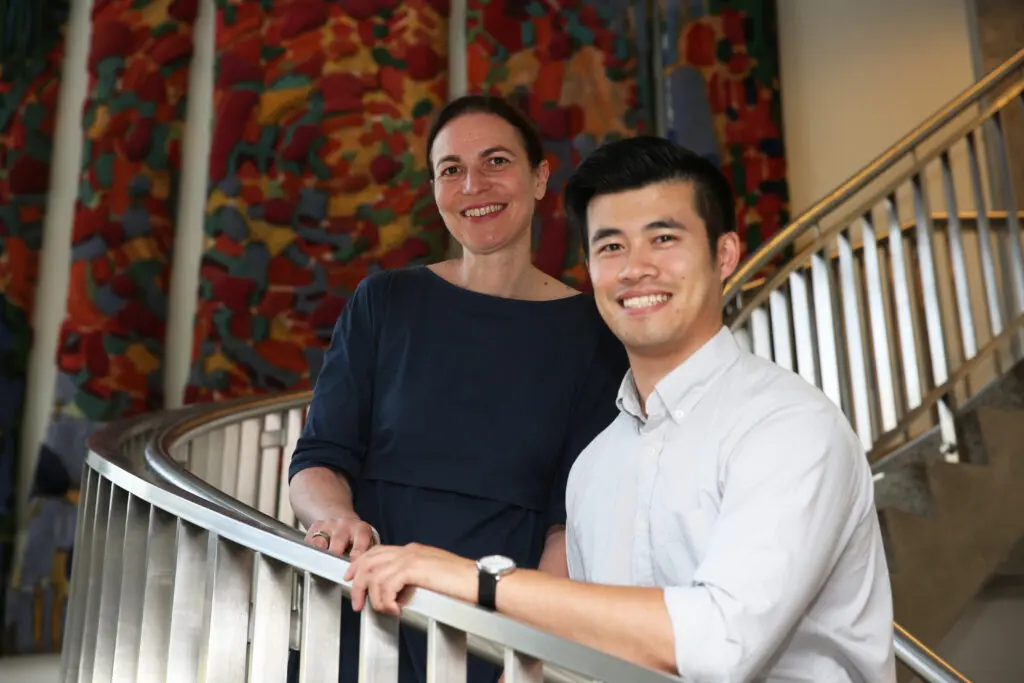
John Mach is Research Fellow and Laboratory Manager at the University of Sydney's Kolling Institute, leading basic science research in geriatric pharmacology. His work investigates biological mechanisms of polypharmacy-induced frailty and develops biomarkers to guide medication optimization in older adults. Current projects focus on: 1) Identifying blood biomarkers for geriatric prescribing 2) Deciphering reversibility of polypharmacy harms and 3) Informing chronic opioid deprescribing through bedside-to-bench approaches. His laboratory utilizes mouse aging models, hyperspectral imaging, and computational video analysis. Recent publications (2020-2025) demonstrate innovations in quantifying polypharmacy effects through drug burden indices, microbiome interactions, and functional assessments. Research shows age-sex differences in medication responses and reversibility through deprescribing. Awarded the ASCEPT Certara New Investigator Award (2022) and Kolling Emerging Leader (2021), he supervises doctoral candidates and promotes sustainable research culture through NSLHD Scientific Staff Council.
Pascal Madeleine is a Professor at the Department of Health Science and Technology, Aalborg University, affiliated with The Faculty of Medicine. His research focuses on ergonomics, sports science, and biomedical engineering, particularly addressing musculoskeletal disorders and public health challenges related to aging. He has led multiple projects on occupational health, post-surgical pain management, and rehabilitation strategies for conditions like breast cancer and knee arthroplasty. Education: Completed AAU Pedagogical course. Key research areas include ergonomic interventions, pain mechanisms, and technology-driven solutions for workplace and clinical settings. He has supervised 13 PhD students and contributed to over 550 publications. Research interests emphasize translating novel methods into practical applications, such as wearable technologies for movement analysis and evidence-based treatments. Notable projects include investigating musculoskeletal pain in surgeons and developing rehabilitation protocols for chronic pain after knee replacements. Awards include the Lions Prize for innovative pain treatment research. His work aligns with UN Sustainable Development Goals, particularly in health and well-being (SDG 3) and decent work (SDG 8).
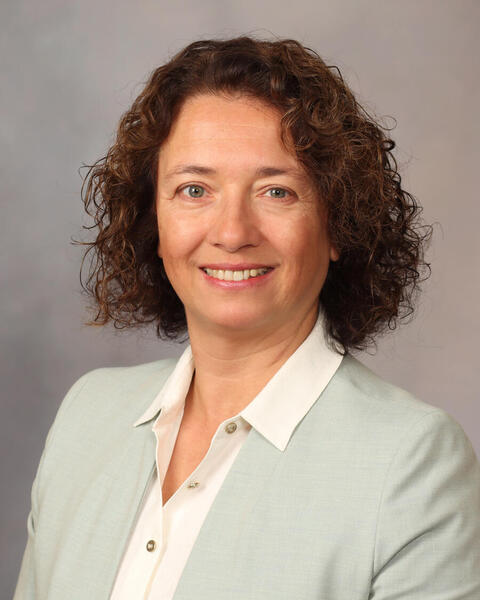
Kejal Kantarci, M.D. , is a Professor of Radiology at Mayo Clinic College of Medicine and Science in Rochester, Minnesota. She serves as a Consultant in the Division of Neuroradiology within the Department of Radiology, where her research focuses on advanced neuroimaging in aging and dementia. She leads major research initiatives at the Mayo Alzheimer's Disease Research Center and collaborates with the Neuropathology Laboratory and the Specialized Center of Research on Sex Differences. Dr. Kantarci earned her M.D. from Marmara University School of Medicine and completed an M.S. in Clinical and Translational Research from Mayo Clinic Graduate School of Biomedical Sciences. Her training includes a residency in Diagnostic Radiology and a research fellowship in Magnetic Resonance. Her research program centers on detecting early dementia-related brain changes using MRI and PET imaging. She investigates the pathologic basis of imaging findings, differentiates Alzheimer’s disease from dementia with Lewy bodies, and studies the effects of hormone treatment on the aging brain. Her work aims to translate neuroimaging tools into clinical practice for early intervention and prevention. The 15 most recent articles highlight a strong focus on neuroimaging biomarkers in Alzheimer’s disease, dementia with Lewy bodies, and cognitive aging. Key themes include amyloid and tau imaging, metabolic networks, structural brain changes, and the role of genetics and cardiovascular risk in neurodegeneration. She frequently employs advanced MRI and PET techniques to explore early detection and disease progression. De Leon Prize in Neuroimaging Senior Scientist Award, 2018 Dorothy Dillon Eweson Lecturer Award, American Federation for Aging Research, 2008 Paul B. Beeson Career Development Award, National Institute on Aging, 2007 Katherine B. Andersen Professor, 2021 Member, Scientific Advisory Council, Lewy Body Disease Association, 2014–present Dr. Kantarci has been continuously funded since 2003 by the NIH, Alzheimer's Association, and AFAR. She is Principal Investigator or Co-PI on multiple active grants, including projects on the long-term brain impact of COVID-19, neuroimaging in frontotemporal dementia, and the Mayo Alzheimer's Disease Research Center. She mentors trainees and collaborates extensively across neuroscience and radiology disciplines. She is a core member of the Aging and Dementia Imaging Research (ADIR) team, which includes Clifford R. Jack Jr. and Prashanthi Vemuri. Her lab leverages multimodal imaging, biomarker analysis, and longitudinal cohort studies to advance understanding of neurodegenerative diseases.
Lisa A. Mandl serves as Associate Professor of Medicine and Associate Professor of Population Health Sciences at Weill Cornell Medical College, Cornell University, with clinical practice in rheumatology at NewYork-Presbyterian Hospital. Her dual appointments reflect integration of clinical care and population health research. Her educational background includes an M.D. from the University of British Columbia Faculty of Medicine (1993), Internal Medicine residency training at the same institution, Rheumatology fellowship at Brigham and Women’s Hospital/Harvard Medical School, and an M.P.H. from Harvard School of Public Health (2000). Dr. Mandl's research centers on rheumatic diseases in aging populations, particularly systemic lupus erythematosus (SLE), osteoarthritis, and rheumatoid arthritis. Key themes include social determinants of health (loneliness, social isolation), frailty assessment, vaccine safety in autoimmune conditions, and patient-reported outcomes. Her work frequently employs administrative claims data (Medicare/Medicaid) and mixed-methods approaches. Analysis of her 15 most recent publications reveals dominant research streams: 60% focus on SLE in elderly populations (including dementia, frailty, and social factors), 27% on osteoarthritis management (knee interventions, weight impacts), and 13% on methodological advances in patient-reported outcomes. Notable trends include increasing use of real-world data and emphasis on health disparities. Board Certified in Internal Medicine and Rheumatology by the American Board of Internal Medicine Recipient of teaching excellence awards at Weill Cornell Medical College Active participant in American College of Rheumatology guideline development (e.g., 2022 perioperative management guidelines) She mentors rheumatology fellows, residents, and medical students while leading NIH-funded research. Her clinical work at Hospital for Special Surgery (reflected in email domain) focuses on rheumatoid arthritis, psoriatic arthritis, ankylosing spondylitis, and osteoarthritis management. Current projects examine social isolation in SLE patients and genicular artery embolization for knee osteoarthritis.
Atul Anand is a Clinical Associate Professor and consultant geriatrician at the University of Edinburgh, working within the Centre for Cardiovascular Science under the Deanery of Clinical Sciences. He serves as clinical data lead for the DataLoch programme—a regional repository of health and social care data in South East Scotland—and actively mentors PhD students while leading major research initiatives focused on aging populations. His educational background includes a PhD in Cardiovascular Science (thesis: Clinical Biomarkers in Older Patients with Aortic Stenosis), a Bachelor of Medicine and Bachelor of Surgery, and a Bachelor of Science in Pathology, all foundational to his dual expertise in clinical geriatrics and cardiovascular research. Dr. Anand’s work centers on electronic health records (EHRs) to tackle challenges in multimorbidity , frailty assessment , and delirium detection among older adults. He develops predictive tools for rehabilitation needs using hospital admission data, including a pandemic-era triage system for frail elderly, and investigates cardiovascular outcomes through biomarkers like troponin. His research bridges clinical practice and data science to address gaps in elderly care representation. Analysis of his 2024–2025 publications reveals a strong emphasis on sex-specific cardiovascular risk models , delirium-dementia linkages , and systems engineering for care transitions . Key trends include leveraging UK-wide EHRs for multimorbidity clustering, refining frailty metrics via longitudinal studies, and optimizing myocardial infarction diagnostics for elderly populations using AI and biomarker kinetics. His sole documented scientific award is: British Geriatrics Society Rising Star Award for Research (2020) Dr. Anand secures significant grant funding as Principal Investigator for NIHR/EPSRC’s SET4 project (2023–2025) on systems engineering for multimorbidity care, ESRC’s data training initiative (2024–2025), and British Heart Foundation’s chest pain pathway redesign (2023–2025). He also co-investigated MRC’s MiRisk project (2021–2023) for personalized myocardial infarction care in older patients, advocating for inclusive clinical trial design. He leads the DataLoch programme and collaborates on the AIM-CISC Programme (AI-driven multimorbidity clustering), integrating hospital and social care datasets. His teams include researchers from the University of Edinburgh, NHS Scotland, and external partners, focusing on translating data analytics into clinical tools for frailty prediction and care transition optimization.
John A. Batsis, MD is an Adjunct Associate Professor in the Department of Biomedical Data Science at the Geisel School of Medicine, Dartmouth College. He maintains dual affiliations with the Center for Aging and The Dartmouth Institute for Health Policy and Clinical Practice, focusing on geriatric syndromes and obesity management in aging populations. His educational background includes: MD from University of Dublin, Trinity College (2002) Internship at St. James' Hospital (2002-2003) Internal Medicine Residency at Mayo Clinic College of Medicine (2003-2006) Geriatric Medicine Fellowship at Mayo Clinic College of Medicine (2006-2008) Certificate of Clinical Research from Mayo Clinic CTSA (2007-2008) Dr. Batsis's research centers on the intersection of aging, obesity, and functional decline, with specific expertise in sarcopenia, frailty trajectories, and social determinants of health. His work integrates clinical geriatrics with data science methodologies to address physical function impairment in older adults through multimodal interventions and epidemiological analysis. Recent publications (2024-2025) demonstrate consistent focus on obesity-aging interactions, featuring studies on voice-assisted cognitive impairment detection, sarcopenic obesity therapeutics, urbanization-frailty relationships, and obesity-related transitions to assisted living. Key methodological approaches include cross-sectional analyses of diverse populations (U.S., China, Qatar) and clinical trials targeting knee osteoarthritis-obesity comorbidity. He currently holds NIH funding through grants K23-AG051681 and R01-AG067416, supporting investigations into behavioral interventions for functional decline and obesity-aging pathophysiology. Collaborative work spans multiple institutions with emphasis on translational applications for geriatric care. Through the Center for Aging and The Dartmouth Institute, Dr. Batsis contributes to interdisciplinary teams developing evidence-based approaches for aging populations, with particular attention to rural-urban health disparities and implementation science in geriatric practice.
Professor Alan Hayes serves as Acting Director of the Australian Institute for Musculoskeletal Sciences (AIMSS) within Victoria University's College of Sport, Health & Engineering. With over 120 publications and an h-index of 44, his academic career spans more than 25 years since joining Victoria University in 1997. His research has significantly advanced understanding in muscle physiology, particularly regarding muscular dystrophy and age-related muscle wasting conditions. Hayes completed his academic foundation at The University of Melbourne, earning both his BSc(Hons) in 1991 and PhD in Physiology in 1995. His doctoral work pioneered research on exercise in models of Duchenne muscular dystrophy, demonstrating beneficial effects even in older animals. In 2021, he furthered his educational credentials with a Graduate Certificate in Tertiary Education from Victoria University. Professor Hayes' research program centers on the principle that 'Muscle Mass Matters,' investigating mechanisms of muscle wasting and potential therapeutic interventions. His early work established foundational knowledge on beta-agonists like clenbuterol for muscular dystrophy treatment. He later published seminal papers on protein supplementation timing for resistance training outcomes, winning a Victorian State Government award. His discovery that mitochondria contribute significantly to muscular dystrophy phenotype has driven numerous clinical trials. Current research focuses on drug repurposing for muscular dystrophy, age-related loss of bone and muscle mass, and developing physiological models for muscle wasting conditions. Analysis of his recent publications reveals a sophisticated research trajectory spanning basic science to clinical applications. His work demonstrates strong translational focus, from laboratory models of muscular dystrophy to human studies on sarcopenia and osteosarcopenia. The publications reflect interdisciplinary collaboration across physiology, endocrinology, geriatrics, and pharmacology, with consistent emphasis on therapeutic interventions including exercise, nutrition, and pharmacological approaches. Victorian State Government award for Applied Research Vice Chancellor's Citation for Research Excellence in Research Supervision (2011) Hayes actively supervises Masters Research and PhD students across Biomedical and Clinical Sciences (FOR 32), Health Sciences (FOR 42), Biological Sciences (FOR 31), and Education (FOR 39). He designed a unique three-way research partnership between The University of Melbourne, Victoria University, and Western Health, co-locating basic science with clinical trials at Sunshine Hospital. As a regular reviewer for Australian and International grants and over 30 journals, he contributes significantly to research evaluation. He also serves as Victoria and Tasmania council representative for the Australian and New Zealand Society for Sarcopenia and Frailty Research. Professor Hayes leads the Biomedical and Life Sciences program at Victoria University and previously served as Head of the Exercise Metabolism Unit. He played a pivotal role in establishing the Western Centre for Health Research and Education and currently serves as Acting Director of AIMSS. His work extends to curriculum development, having contributed to implementing core concepts of physiology across Australian educational institutions.
Elisabet Rothenberg is a Professor of Geriatric Nutrition at Kristianstad University's Faculty of Health Sciences, Department of Nursing Education and Integrated Health Sciences. She leads the Food and Meals Subject Group within the Food and Meals in Everyday Life (MEAL) research center and is affiliated with the Center for Food Health and Retail at Kristianstad University (FOHRK). Her research focuses on geriatric nutrition, particularly malnutrition in elderly populations, frailty-nutrition relationships, dietary patterns for older adults, and food systems in healthcare settings. Dr. Rothenberg has published extensively with over 342 publications and has an h-index of 32 with more than 5,106 citations. Her work significantly contributes to the UN's Sustainable Development Goals related to health and well-being. Analysis of her recent publications reveals a strong emphasis on malnutrition screening tools, frailty assessment in elderly patients, and the development of practical interventions for improving nutritional care in geriatric populations. Her research spans epidemiological studies, clinical guidelines, and innovative digital solutions for nutritional assessment and intervention. Chairman of SWESPEN (Swedish Society for Clinical Nutrition and Metabolism) Active contributor to ESPEN (European Society for Clinical Nutrition and Metabolism) guidelines Extensive media presence with 26 press/media appearances discussing malnutrition risks Dr. Rothenberg actively supervises doctoral students and serves as an opponent for numerous academic theses. She has led multiple significant research projects including 'SeSam: Senior alert - a tool for better collaborative care' and 'The Malnutrition Awareness Scale for community-dwelling older adults.' Her research has been widely disseminated through 95 academic activities including invited lectures, expert consultations, and conference presentations. She maintains active collaborations across multiple countries and institutions, particularly focusing on elderly nutrition assessment and intervention strategies.
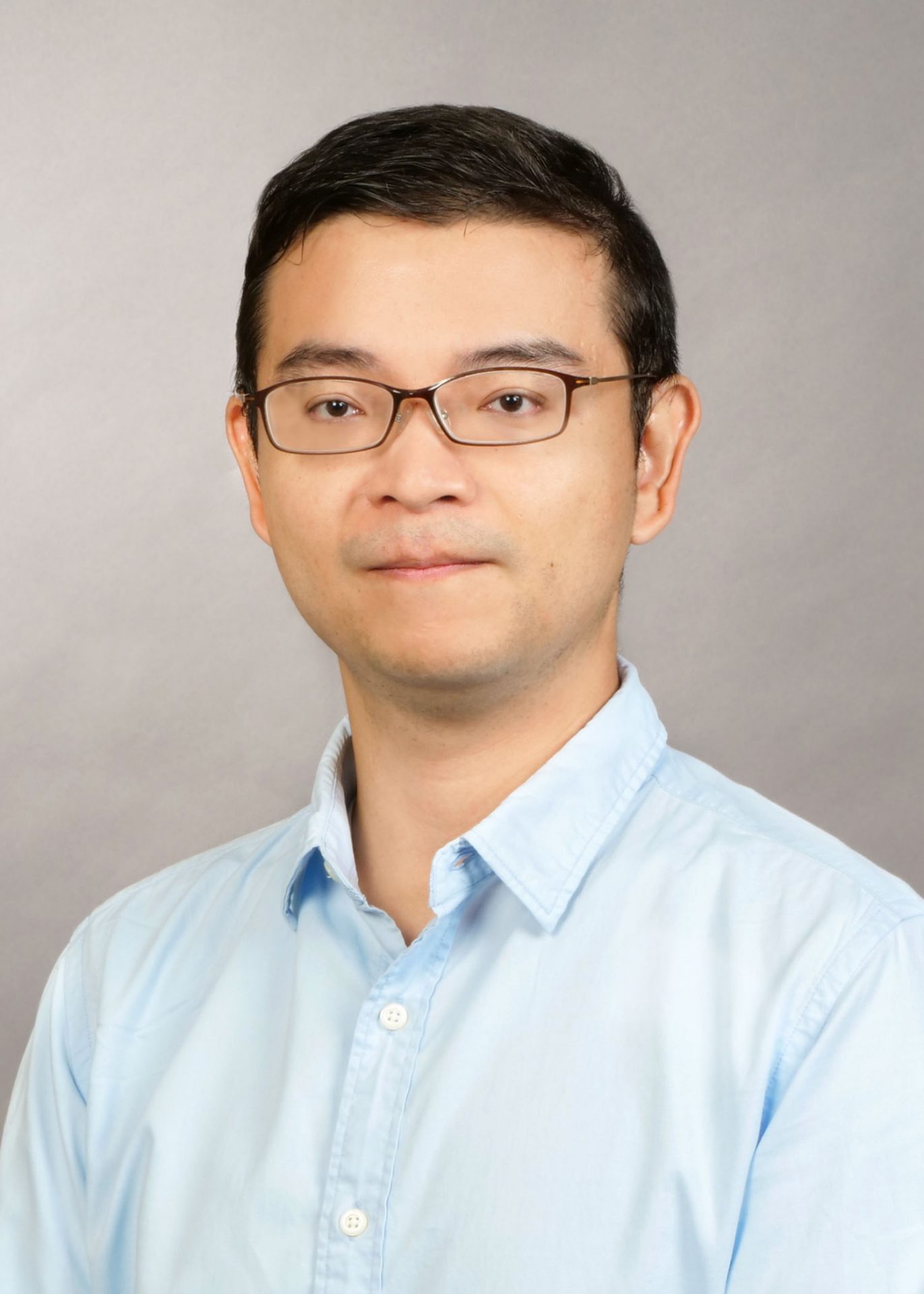
Dr. Rui Xie is an Associate Professor in the Department of Statistics and Data Science at the University of Central Florida’s College of Sciences. He specializes in developing statistical sketching and sampling methods for large-scale streaming data, with applications in healthcare, environmental science, and engineering. His interdisciplinary collaborations span computer science, geophysics, and biomedical research. Education : B.S. (2011), Xiamen University M.S. (2013), Georgia Institute of Technology Ph.D. (2019), University of Georgia Research Interests : Dr. Xie focuses on advancing statistical methodologies for big data analytics, including streaming online learning, decentralized computing, and IoT-driven data processing. His work addresses real-world challenges such as fall risk prediction in elderly populations, climate-related health disparities, and microbiome analysis in critical care settings. He employs machine learning, time series modeling, and optimization techniques to solve interdisciplinary problems. Key Research Trends : Recent work emphasizes leveraging machine learning for healthcare (e.g., fall prevention technologies, maternal health disparities) and environmental science (e.g., climate impacts on vulnerable populations). His publications highlight innovative applications of statistical sketching in signal reconstruction, sensor data normalization, and high-dimensional data analysis. Awards & Grants : No specific awards mentioned. Active in securing funding for community-based health interventions and data science infrastructure projects. Collaborations & Labs : Engages in multidisciplinary teams across UCF and international partners, focusing on translational research in aging, public health, and computational statistics.
S. Michal Jazwinski is the John W. Deming, MD Regents Chair in Aging and Professor of Medicine and Biochemistry at Tulane University School of Medicine. He directs the Tulane Center for Aging, focusing on the genetics of aging, molecular genetics, and population genetics. His career includes postdoctoral training at The Rockefeller University and prior roles at Louisiana State University. Research interests span yeast replicative lifespan mechanisms, mitochondrial dysfunction, and human aging biomarkers. Key contributions include studies on the retrograde response, inflammaging, and the role of microbiome-immune interactions in aging. Jazwinski has edited books on circadian rhythms and aging and authored over 150 peer-reviewed articles. Education: PhD in Biochemistry, Stanford University (1975) Key Roles: Director of Tulane Center for Aging, Member of Tulane Cancer Center's Cancer Biology Program Affiliations: Tulane Cancer Center, Tulane Center for Aging, Biochemistry (adjunct), Geriatrics Division His work integrates genetics, epigenetics, and systems biology to explore aging mechanisms in both model organisms and humans. Current projects include frailty index development, biological age measurement, and mitochondrial signaling pathways in cancer. Major findings include the role of Th17 immunity in aging-related inflammation, gut microbiome impacts on healthspan, and novel mouse models for prostate cancer research.
Professor Helen Hurst is a joint clinical academic at the University of Salford and the Northern Care Alliance NHS Trust, specializing in renal medicine and care of the elderly. Her roles include Secretary of the Association of Nephrology Nurses UK, Co-chair of the UK Innovation and Dialysis Network, and Education and Workforce Lead for the Northwest Kidney Network. She has over 30 years of NHS experience with a focus on chronic kidney disease, peritoneal dialysis, and frailty in older patients. Her research emphasizes personalized care for elderly dialysis patients, symptom management, and optimizing multidisciplinary kidney care services. Education highlights include a Florence Nightingale Scholarship and postdoctoral awards. She supervises doctoral students in kidney disease, frailty, and long-term conditions. Current funded projects include NIHR-supported studies on kidney carers and advanced kidney care interventions. Research interests span qualitative and mixed-methods approaches to assess care priorities for frail elderly patients, including scoping reviews on interventions and outcomes. She has published extensively on peritoneal dialysis training, catheter complications, and rehabilitation strategies for lung transplant candidates. Awards: Postdoctoral Awards, Florence Nightingale Scholarship Grants: NIHR projects on kidney carer research and advanced kidney care optimization Labs/Teams: Active in the Donal O’Donoghue Renal Research Centre and the Centre for Applied Health Research at the University of Salford.
Professor Rhiannon Owen holds a Personal Chair in Health Data Science at Swansea University Medical School, affiliated with Health and Care Research Wales (HCRW) as a Senior Research Leader and NIHR Advanced Fellow. Her research focuses on Bayesian methods in Health Technology Assessment, evidence synthesis, and large-scale health data analysis, supported by major funding bodies including the Medical Research Council (MRC) and Wellcome Trust. She advises NICE committees and provides strategic guidance to pharmaceutical/healthcare sectors. Rhiannon teaches biostatistics and health data analysis across undergraduate, postgraduate, and professional development programs, leveraging her expertise in translating statistical methods into clinical practice. Key research themes include multimorbidity patterns using electronic health records, vaccine safety surveillance, and economic modeling. Her work has produced influential frameworks like the Wales Multimorbidity e-Cohort (WMC) and tools such as MetaInsight for interactive meta-analysis visualization. Award highlights include Fellowship of the Learned Society of Wales and Higher Education Academy recognition. She collaborates internationally on projects involving linked datasets and has secured grants totaling over £5 million. Rhiannon leads Swansea's Health Data Science team, fostering cross-sector partnerships between academia, industry, and policymakers.
Dr. Anne B Newman is a Professor of Epidemiology at the University of Pittsburgh, with secondary appointments in Medicine and Clinical and Translational Science. She serves as Director of the Center for Aging and Population Health and Clinical Director of the Aging Institute (University of Pittsburgh/UPMC). Her work focuses on subclinical cardiovascular disease, sarcopenia, and healthy aging, contributing to large-scale studies like the Cardiovascular Health Study (CHS) and Health ABC. Education BS in Biology, University of Pittsburgh (1978) MD, University of Pittsburgh (1982) MPH in Public Health, University of Pittsburgh (1987) As a cardiovascular epidemiologist, her research established links between subclinical cardiovascular disease and aging-related disability/mortality. She expanded this work to include brain MRI changes, peripheral artery disease, and coronary artery calcium. Her Health ABC study findings redefined sarcopenia by showing muscle strength (not mass) predicts mortality. Her recent publications include developing a vigor-to-frailty continuum scale (2024) and contributions to clinical trials like the LIFE Study (2014), ASPREE trial (2018), and the ongoing RIGHT Trial. These studies address mobility interventions, disability-free survival, and inflammation reduction in aging populations. She has led longitudinal cohort studies such as the Long Life Family Study (LLFS) and pioneered the Healthy Aging Index for genetic research and clinical trials. Her affiliations include the University of Pittsburgh's Aging Institute and Center for Aging and Population Health.
Stergios Kechagias is a Professor of Internal Medicine at Linköping University, affiliated with the Department of Health, Medicine and Caring Sciences (HMV) and the Division of Diagnostics and Specialist Medicine (DISP). He holds a medical degree (1996) and a PhD (2001), and became a Professor in 2013. His research focuses on metabolic dysfunction-associated steatotic liver disease (MASLD), non-alcoholic fatty liver disease (NAFLD), and innovative diagnostic methods using MRI and biomarkers. Key research interests include fibrosis progression, vascular biomarkers, and dietary influences in liver diseases. Collaborative projects, such as the Swedish initiative for Primary Sclerosing Cholangitis (SUPRIM), emphasize longitudinal studies and national healthcare partnerships. Notable achievements include developing non-invasive liver diagnostics and advancing understanding of MASLD epidemiology and clinical outcomes. He has received awards like the 2017 Pedagogue of the Year and the 2022 Bergdahl Award. His work integrates clinical practice with academic research, addressing global health challenges in liver disease management. Teaching contributions include the Medical Program at Linköping University.
Richard McManus is the Dean of Brighton and Sussex Medical School (BSMS) and holds the title of Honorary Professor of Primary Care. He is an NIHR Senior Investigator with expertise in cardiovascular disease prevention, hypertension management, and deprescribing strategies. His academic career spans roles at the University of Birmingham and the University of Oxford, where he previously held a statutory Professorship. McManus leads major research initiatives such as the NIHR Programme Grant on postnatal blood pressure self-management and the OPTIMISE2 trial on deprescribing antihypertensives in older adults. He earned his MBBS from St Mary’s Hospital Medical School (1991), followed by a PhD in primary care research from the University of Birmingham (2004). His research focuses on hypertension management in primary care and pregnancy, with a particular emphasis on self-monitoring interventions. He chairs key committees including the NIHR Research Professors Selection Panel and the British Hypertension Society’s BP Monitoring Working Party. McManus has contributed to international guidelines, including NICE’s hypertension guidelines (2011, 2019) and European Society of Cardiology/European Society of Hypertension guidelines (2018, 2024). His work emphasizes translating evidence into clinical practice through structured medication reviews (OSCAR study) and deprescribing strategies. He has received the 2023 RD Wright Lectureship (Hypertension Australia) for his contributions to hypertension research. His grant activities include leading the UK Multiple Long-Term Conditions Trials Collaborative (UK MTC) and steering committees for major trials like PROMPPT. McManus actively mentors doctoral candidates and medical students, emphasizing career development across all academic stages.