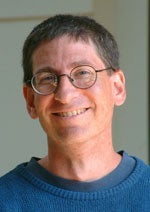
Andrew H. Marcus is a Professor in the Department of Chemistry and Biochemistry at the University of Oregon, affiliated with the College of Arts and Sciences. His research focuses on biophysical chemistry, molecular spectroscopy, and quantum optics, particularly through collaborations with Peter von Hippel on DNA replication complexes. Ph.D., Stanford University (1994, Advisor: Michael D. Fayer) Postdoctoral: University of Chicago (1994-96, Advisor: Stuart A. Rice) Research interests include: DNA conformational dynamics and breathing mechanisms Single-molecule fluorescence and spectroscopy Quantum light applications in molecular spectroscopy Protein-DNA interaction thermodynamics Exciton-coupled probe development Ultrafast photophysics of nucleic acids Recent work analyzes DNA replication fork junctions, quantum-enhanced spectroscopy, and exciton-coupled dimer photophysics. Awards include NSF CAREER , APS Fellowship , and multiple JCP Editor's Picks . Publications span Nucleic Acids Research , Journal of Physical Chemistry , and Proceedings of SPIE . Collaborations with interdisciplinary teams and leadership in quantum optics research are highlighted. The Marcus Group website provides further details on their experimental and computational approaches.
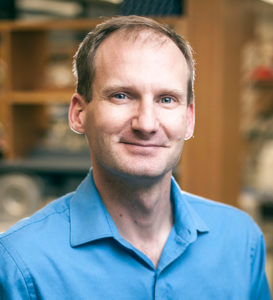
Daniel Semlow is an Assistant Professor of Biochemistry at the California Institute of Technology (Caltech) and a Ronald and JoAnne Willens Scholar. He earned his B.S. from the University of Illinois, Urbana (2005) and his Ph.D. from the University of Chicago (2015). He served as a Visiting Associate at Caltech from 2019–2020 before joining as a faculty member in 2020. His research focuses on DNA replication and repair mechanisms, particularly those involving nucleic acid chemistry and genome maintenance. Education: B.S. in Biochemistry, University of Illinois, Urbana (2005) Ph.D. in Biochemistry, University of Chicago (2015) The Semlow Lab employs biochemical, genetic, and analytical methods to investigate how cells tolerate and repair DNA damage during replication. They also develop tools to identify novel DNA lesions and elucidate their origins. These studies aim to advance understanding of DNA repair pathways and potentially inform therapeutic strategies for cancer and genetic disorders. His publications highlight research on DNA interstrand crosslink repair, spliceosome dynamics, and RNA ligase deoxyribozymes. Key themes include DNA damage response, RNA processing, and enzyme activity. Collaborations with researchers like James C. Walter and others underscore interdisciplinary approaches to genome stability. Scientific Awards: Ronald and JoAnne Willens Scholar (2021–) As an instructor, Semlow contributes to Caltech’s BMB/Bi/Ch 174 course on advanced topics in biochemistry and molecular biophysics (2021–2024). He emphasizes literature analysis and synthesis of biochemical research.
Evelyne Selberherr is Assistant Professor specializing in microbiome research at the University of Veterinary Medicine Vienna. Her work applies 'One Health' principles to food systems, investigating microbial flows from farm-to-fork using metagenomics and bioinformatics. Projects include MASTER (microbiome product development) and MICRO-TRAMPER (student-led sequencing in food production). Research examines microbial interactions in dairy/meat processing, antimicrobial resistance, and rumen ecology. She teaches microbial ecology and bioinformatics while recruiting PhD candidates with microbiology backgrounds.
Dr. Xiaojun Xian is an Assistant Professor in the McComish Department of Electrical Engineering and Computer Science at South Dakota State University. His research focuses on interdisciplinary advancements in biochemical sensing technologies, wearable medical devices, and smart sensing materials engineering. Key research areas include wearable healthcare systems, advanced sensing materials (nanomaterials and MOFs), and data science integration in wearable devices. He has developed commercialized products like the Breezing Pro metabolic tracker and holds FDA 510(k) clearance for medical device innovations. Education: Postdoctoral in Electrical and Biomedical Engineering, Arizona State University Ph.D. in Physical Chemistry, Peking University B.S. in Physical Chemistry, Peking University Research Interests: Dr. Xian’s work spans biosensors, wearable sensing technologies, and nanomaterials engineering. His lab develops flexible thin-film transistor sensors, colorimetric array systems, and micro quartz tuning fork (MQTF) platforms for applications in pollution monitoring, lung disease management, and metabolic tracking. He emphasizes translating lab innovations into commercial healthcare solutions. Grants & Funding: As PI/co-PI, he has secured ~$5.8M in federal funding (NIH/NSF/NASA) for projects like mobile respiratory disease monitoring and wearable pollution sensors. Recent grants include a Samsung-funded project on colorimetric array sensors for metabolic disease biomarkers. Professional Roles: Topic Editor, Chemosensors and Biosensors Reviewer for 30+ journals and NIH/NSF/NASA panels Member of ACS, IEEE, and MRS Labs & Teams: His research group integrates electrical, chemical, and biomedical engineering to address healthcare challenges. Collaborations include The Biodesign Institute and industry partnerships like TF Health Co., where he serves as Vice President for product development.
Julie Z. Hao is a Professor in the Department of Mechanical & Aerospace Engineering at Old Dominion University's Batten College of Engineering and Technology. Her research focuses on Micro-Electro-Mechanical Systems (MEMS), nano-resonators, and sensors with applications spanning biomedical engineering and homeland security. Education: Ph.D. in Mechanical Engineering, Materials Science/Mechanics, University of Central Florida (2000) M.S. in Mechanical Engineering, Shanghai Jiao Tong University (1997) B.S. in Mechanical Engineering, Shanghai Jiao Tong University (1994) Research Focus: Dr. Hao specializes in thermoelastic damping mechanisms in micro-resonators, tuning-fork gyroscopes, and nanosensor development. Her work bridges mechanical engineering with biological applications through bio-micro/nano interfaces, particularly in cartilage measurement and security sensor systems. She employs advanced modeling techniques including numerical simulations and thermal-energy methods to analyze vibrational energy dissipation. Publication Trends: Her 15 most recent publications (2002-2018) demonstrate an evolution from fundamental MEMS resonator modeling toward biomedical applications. Early work focused on support loss mechanisms and disk resonators, progressing to sophisticated tuning-fork gyroscopes and culminating in distributed-deflection sensors for biological tissues. The research consistently addresses energy loss phenomena while expanding into medical device innovation. Scientific Recognition: Double Deer Fellowship (ODU) Outstanding Student (Shanghai Jiao Tong University) Enhancement Fellowship (UCF, 1999) Enhancement Award (UCF, 1997) Undergraduate Fellowship (Shanghai Jiao Tong University, 1990) Research Leadership: Dr. Hao secured over $1 million in federal funding including a $310,401 MRI grant for multi-probe AFM/NSOM/SPM systems and $175,000 for bio-micro/nano learning communities. Her projects integrate MEMS education with homeland security applications, demonstrating strong interdisciplinary collaboration. While no current advisees are listed, her grants indicate extensive mentorship of students through collaborative research teams. Research Environment: Her laboratory in Kaufman Hall leverages ODU's engineering infrastructure for MEMS fabrication and testing, with particular emphasis on SOI-based systems and thermo-mechanical characterization. Current work shows continued focus on improving resonator quality factors through structural innovations.
Dr. Hanna Schebesta is an Associate Professor in the LAW group at Wageningen University (WUR), Netherlands. Her research focuses on EU and food law, particularly transformative legal approaches to food systems. She holds a PhD from the European University Institute (EUI) and degrees in European Law and European Studies from Maastricht University. Her work explores systemic legal frameworks for food justice, equity in food governance, and innovative legal methodologies. She coordinates the Food Law course in the MSc Food Safety program and leads projects on sustainable public procurement, protein transition barriers, and EU food policy. Key research interests include anticipatory law for future food systems, food solidarity, and methodological shifts in legal research. She specializes in WTO/EU law, regulation, and procedural law, with thematic expertise in food, agriculture, and aviation. Her work spans behavioral, quantitative, and qualitative legal research methods. Recent articles emphasize public procurement’s role in sustainability transitions, EU food law frameworks, and One Health approaches. She advises on multiple EU-funded projects like SMARTCHAIN and FOODSAFETY4EU, addressing short food supply chains and collaborative food safety systems. Projects include exploring legal pathways for sustainable food systems, glyphosate regulations, and the Farm to Fork Strategy. Dr. Schebesta collaborates with international institutions and has been a key figure in conferences on food law and policy. Her research bridges legal theory with practical governance challenges, advocating for equitable and transformative legal solutions in global food systems.
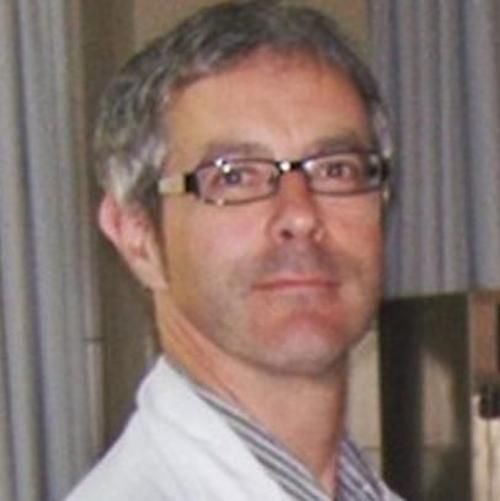
Nigel Brissett is a Senior Lecturer at the University of Brighton's School of Applied Sciences, affiliated with the Centre for Lifelong Health. His research focuses on protein biochemistry, DNA damage response mechanisms, and fetal alcohol spectrum disorder (FASD). He holds a PhD from the University of London (1996) and a combined Biochemistry/Chemistry degree from Aston University (1991). Research interests include structural biology of protein-DNA interactions, prokaryotic DNA repair enzymes, and FASD's molecular effects. He applies biochemical approaches to study prenatal alcohol exposure's impact on skeletal development and metabolic processes. Nigel teaches biochemistry and metabolic pathways, emphasizing research-integrated pedagogy and student engagement. Previous roles include postdoctoral research at the University of Sussex (1997-2005) and the Genome Damage and Stability Centre (2005-2019). He is a Biochemical Society Local Ambassador and holds a Postgraduate Certificate in Learning and Teaching in Higher Education.
Roles and Affiliations: Mariarosaria De Falco is a Researcher at the Institute of Biosciences and BioResources (IBBR-CNR) in the Naples Division, part of the National Research Council of Italy. She specializes in enzymology, DNA replication, and DNA repair mechanisms in Archaea. Research Interests: Her work focuses on molecular mechanisms of DNA replication and recombinational repair in Archaea, particularly Sulfolobus solfataricus . She also explores human enzymes and genomic stability. Her lab develops isothermal amplification systems for rapid diagnostics of infections and CRISPR-Cas-based biosensing technologies. Publications Overview: Recent work includes advancements in room-temperature LAMP technology, CRISPR diagnostics, and insights into DNA repair pathways in Archaea. Her studies highlight the coordination of SSB and NurA/HerA complexes in DNA end resection and the role of extremophilic enzymes in biotechnology. Lab Activities: Hosts Master’s students for research in DNA repair in extremophiles and diagnostic tool development. Collaborates on projects integrating nucleic acid amplification with biosensors for point-of-care applications.
JESÚS ÁNGEL SANTOS BUELGA is a Professor at the Universidad de León , affiliated with the Faculty of Veterinary in the Department of Hygiene and Food Technology . He leads the SAMA (Food Safety and Food Microbiology) research group, focusing on microbial safety of dairy and meat products. Research Interests: Antimicrobial resistance in foodborne pathogens Biofilm formation in food processing environments Microbiological safety of dairy and meat products Role of Aeromonas and Enterobacter in food contamination Natural antimicrobial agents for food preservation Recent Article Trends: Investigations into ESBL-producing Enterobacteriaceae in fresh produce Studies on Shiga toxin-producing E. coli in dairy systems Development of bacteriophage-based interventions for antibiotic-resistant pathogens Analysis of antimicrobial resistance dynamics across food chains Exploration of traditional Spanish cheeses as reservoirs for pathogenic microbes
David K. Cortez is Professor of Biochemistry and Chair of the Department of Biochemistry at Vanderbilt University School of Medicine. He also holds the Richard N. Armstrong Ph.D. Chair for Innovation in Biochemistry and serves as Associate Director for Basic Science Research at the Vanderbilt-Ingram Cancer Center. His research is centered on genome maintenance, DNA damage response, and replication stress mechanisms. Institution: Vanderbilt University School: School of Medicine Department: Department of Biochemistry Leadership: Chair of Biochemistry, Associate Director (Basic Science), VICC Contact: david.cortez@vanderbilt.edu | 615-322-8547 | 613 Light Hall, Nashville, TN Dr. Cortez's research focuses on understanding how cells maintain genome integrity during DNA replication and in response to DNA damage. His work integrates genetics, biochemistry, cell biology, proteomics, and structural biology to dissect mechanisms involving ATR kinase signaling, replication fork remodeling, BRCA-related pathways, abasic site repair, and proteolysis . These processes are crucial for preventing cancer, developmental disorders, and aging. The 15 most recent publications highlight a consistent focus on DNA damage signaling, replication fork dynamics, and repair mechanisms . Key themes include the use of iPOND for proteomic mapping , fork regression and protection , ATR-mediated checkpoint control , and therapeutic targeting of DNA repair pathways in cancer. Subfields span molecular oncology, signal transduction, and structural enzymology. Scientific recognition includes: Richard N. Armstrong Ph.D. Chair for Innovation in Biochemistry Dr. Cortez leads an active research program with ongoing postdoctoral recruitment, indicating strong grant support and mentoring activity. His lab is embedded in multiple interdisciplinary centers, including the Genome Maintenance Program (Vanderbilt-Ingram Cancer Center), Vanderbilt Institute of Chemical Biology, and Center in Molecular Toxicology , reflecting broad collaborative and funding networks. He advises graduate and postdoctoral researchers in molecular cancer biology and DNA repair. Future work continues to explore therapeutic vulnerabilities in DNA repair-deficient cancers. The Cortez Lab maintains a strong presence in both basic and translational research, with ongoing projects aimed at identifying novel repair proteins, characterizing fork protection mechanisms, and developing cancer therapies targeting the DNA damage response. The lab utilizes cutting-edge techniques such as genetic screens, iPOND, structural biology, and preclinical models.
Cynthia Burrows serves as Professor and Thatcher Presidential Endowed Chair of Biological Chemistry at the University of Utah's Department of Chemistry within the College of Science. She also holds membership at the Huntsman Cancer Institute and serves as Editor-in-Chief of Accounts of Chemical Research. Her leadership extends to chairing the Chemistry Department where she spearheaded development of the Thatcher Building, a state-of-the-art biological chemistry research facility. Her educational background includes a Bachelor of Arts in Chemistry from the University of Colorado, Boulder (1975) and a Ph.D. from Cornell University (1982). Postdoctoral work included research with Nobel laureate Jean-Marie Lehn at Université Louis Pasteur. Burrows' research centers on oxidative damage to DNA/RNA molecules and their physiological consequences, particularly cancer development. Her laboratory investigates how oxidation alters nucleic acid structures (especially G-quadruplexes), repair mechanisms for thousands of daily cellular damage events, and the epigenetic implications of oxidative modifications. Recent breakthroughs include nanopore-based detection systems developed with Henry White for identifying DNA damage at single-molecule resolution. Analysis of her 15 most recent publications reveals consistent focus on oxidative DNA damage mechanisms, with particular emphasis on G-quadruplex structures in gene regulation, RNA modification detection via nanopore sequencing, and the dual roles of oxidative lesions as both mutagenic threats and epigenetic regulators. Her work bridges fundamental biochemistry with clinical applications in cancer research. Willard Gibbs Medal (2018) James Flack Norris Award (2018) National Academy of Sciences (2014) Utah Governor's Medal (2016) Rosenblatt Prize for Excellence (2019) AAAS Fellow ACS Fellow Burrows has mentored numerous students reflected in her teaching awards including the Robert W. Parry Teaching Award and Distinguished Teaching Award. She secured funding for five faculty chairs, four named lectureships, and student awards. As a founding leader of the University of Utah Curie Club for Women, she's advanced women in STEM through community building. Her laboratory work continues to explore oxidative damage mechanisms with implications for cancer therapeutics and epigenetic regulation.
Professor Irina Pilvere serves as Dean of the Faculty of Economics and Social Development at Latvia University of Life Sciences and Technologies (Jelgava), where she has been a Professor and leading researcher since 2004. Her career spans significant leadership roles including Rector of the same university (2014-2024), Director of Rural Support Service (2000-2006), and Deputy State Secretary at Latvia's Ministry of Agriculture (1993-1999). She holds a Dr.oec degree from Latvia University of Agriculture (1999-2001). Her research focuses on agricultural economics , EU policy implementation (particularly the European Green Deal), and sustainable resource management . Key themes include greenhouse gas emissions reduction in agriculture, pesticide use regulation, organic farming expansion, and bioeconomy development. Her work combines economic modeling with policy analysis to address Latvia's agricultural transition challenges. Recent publication trends (2023-2025) show increasing emphasis on urgent EU policy implementation, with multiple high-impact studies in journals like Land and Agriculture . Her research demonstrates strong interdisciplinary collaboration across agricultural economics, environmental science, and veterinary fields. As an active academic leader and policy contributor, Professor Pilvere's work directly informs national strategies through evidence-based analysis of agricultural transitions. Her extensive publication record reflects significant research funding and institutional support for sustainable agriculture initiatives in Latvia.
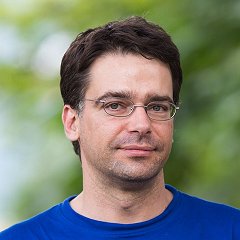
Walter Binder is a Professor at the University of Lugano, Switzerland, specializing in performance analysis and optimization of Java-based and parallel systems. He has actively contributed to academic committees in conferences such as GPCE, CGO, and ‹Programming›, focusing on virtual machine efficiency, compiler design, and benchmarking methodologies. His research centers on performance profiling tools for the Java Virtual Machine (JVM), including the development of the P3 profiler suite for parallel applications and the Renaissance benchmark suite. Key areas of interest include concurrency, synchronization, dynamic compilation, and multi-language program analysis, with applications in big data processing and stream computing frameworks. Recent publications highlight trends in compiler-level event profiling, AST interpreter optimization, and SQL-to-stream benchmark generation. These works span subfields like SIMD vectorization, task granularity analysis, and native-image startup performance, emphasizing platform independence and low overhead. Notable tools and methodologies developed by Binder have been instrumental in advancing JVM-based parallel computing research. His contributions extend to automated large-scale analysis of public code repositories and performance coaching for fork/join applications.
Elizabeth Thrall is an Assistant Professor in the Department of Chemistry at Fordham University, located within the College of Arts and Sciences. She is affiliated with the JMH 628/630 laboratory and holds office in JMH 632. Her research focuses on biophysical chemistry, particularly DNA replication mechanisms, translesion synthesis, and enzymatic interactions in organisms like Bacillus subtilis . She employs advanced techniques such as single-molecule imaging to study replication fork dynamics and TLS pathway regulation. Additionally, she develops machine learning-based approaches for undergraduate chemistry education, enhancing hypothesis-driven experimentation and functional group identification in spectroscopy. Her research interests include the roles of DNA damage tolerance factors, clamp-protein interactions, and replication stalling. Key findings involve the coordination of replicative polymerases with sliding clamps and the constitutive role of translesion polymerases in replication machinery. She also explores the compartmentalization of replication forks and the activation of single-stranded DNA-binding proteins during stress. Her publications highlight contributions to understanding TLS pathway choice, enzymatic gatekeeping, and methodological standards for DNA repair studies. Her work bridges fundamental biochemistry with pedagogical innovations, integrating computational tools into laboratory curricula. She leads a research lab focused on single-molecule visualization and bacterial DNA repair mechanisms.
Jennifer Mason is an Associate Professor in the Department of Genetics and Biochemistry at Clemson University. She holds a B.S. in Biology from Central Michigan University and a Ph.D. in Human Genetics from the University of Michigan. Her research focuses on DNA repair mechanisms, replication stress responses, and their implications in genetic disorders and cancer. Key areas include the roles of FBH1, NEK8, and RAD51 proteins in genome stability, with emphasis on ciliopathies, polycystic kidney disease, and cancer therapeutics. Her work explores molecular pathways governing replication fork dynamics, DNA damage signaling, and cellular stress responses. Recent studies highlight her investigation into therapeutic strategies targeting DNA repair defects in FBH1-deficient cells and the development of WEE1 inhibition-based treatments. She also examines the genetic basis of developmental disorders through studies of kinase domain mutations and ciliopathy mechanisms. Jennifer Mason's laboratories are located in multiple facilities at Clemson University's Life Sciences Building (Rooms 56, 57B, 60G, 73, and 75). Her research integrates molecular genetics, cell biology, and biochemical approaches to advance understanding of genome maintenance processes and their clinical applications.