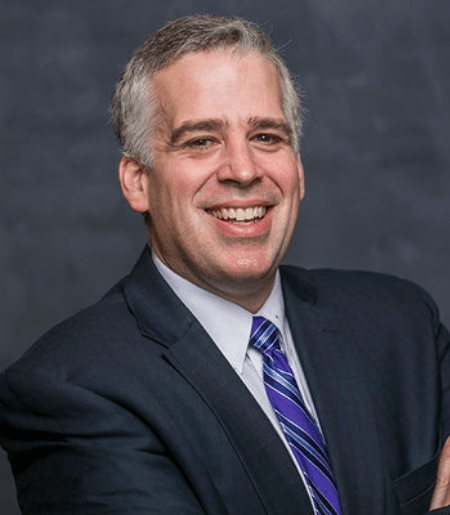
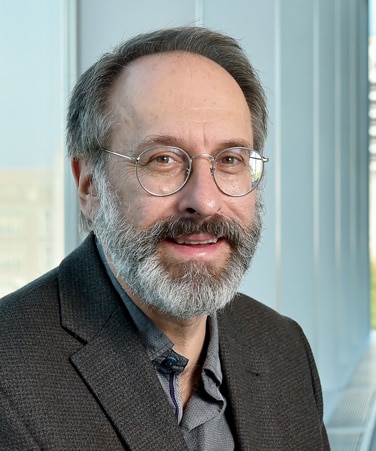
David Newburn is an Associate Professor in the Department of Agricultural and Resource Economics at the University of Maryland, College of Agriculture and Natural Resources. His research focuses on environmental and resource economics, particularly land-use regulations for farmland and forest preservation, and water quality in the Chesapeake Bay. He develops spatial models to manage urban sprawl and evaluates incentive-based programs for conservation practices. Research Areas: Land-Use Change and Urban Sprawl Water Quality Trading and Conservation Spatial Economic Modeling Payment for Ecosystem Services (PES) Collaborations: NSF-funded Baltimore Ecosystem Study (BES) National Center for Smart Growth Chesapeake Bay Program Scientific and Technical Advisory Committee Recent Publications: Highlight trends in household behavior, land-use policy effectiveness, and coastal adaptation to climate impacts. Articles span environmental economics, urban ecology, and interdisciplinary sustainability research. Education: B.S., University of Maryland, College Park (1991) Ph.D., University of California, Berkeley (2002)
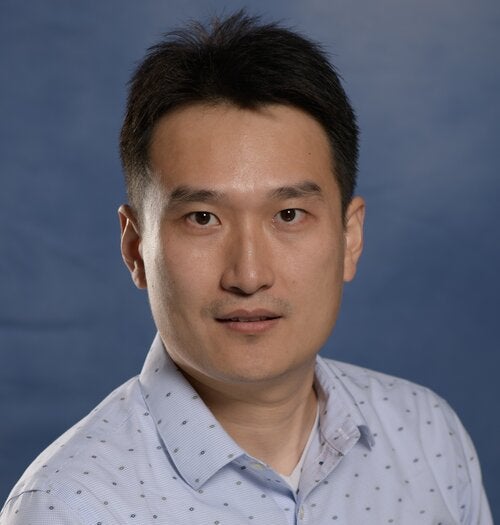
David R. Just is a Professor and Director of Graduate Studies at the Charles H. Dyson School of Applied Economics and Management at Cornell University. He holds a Ph.D. (2001) and MS (1999) from the University of California, Berkeley, and a BA (1998) from Brigham Young University. His research focuses on behavioral economics, examining how environmental and psychological factors influence economic decisions, particularly in food choices and agricultural contexts. His work on school lunch programs and low-cost behavioral nudges has been widely recognized. He co-directs the Cornell Center for Behavioral Economics in Child Nutrition Programs. Key research interests include the application of behavioral insights to public health, consumer decision-making, and agricultural policy. His studies often combine field experiments with econometric analysis to address real-world challenges, such as improving food accessibility and sustainability. His work has been featured in prominent media outlets and has influenced policy initiatives in food systems and nutrition. Roles: Professor, Director of Graduate Studies, Co-Director of Cornell Center for Behavioral Economics in Child Nutrition Programs. Education: Ph.D. and MS in Agricultural and Resource Economics (UC Berkeley), BA in Economics (BYU). Research: Behavioral economics, food policy, agricultural decision-making, and sustainable practices. Affiliations: Cornell SC Johnson College of Business, College of Agriculture and Life Sciences.
University of Illinois Urbana-ChampaignUnited States
Ruoqing Zhu is an Associate Professor in the Department of Statistics at the University of Illinois at Urbana-Champaign, with a primary appointment in the College of Liberal Arts & Sciences. He also serves as an inaugural member of the Carle Illinois College of Medicine, a Faculty Fellow at the National Center for Supercomputing Applications, and an affiliated researcher with the Carl R. Woese Institute for Genomic Biology and the Center for Genomic Diagnostics. His roles include PhD Program Director and Advisory Board member of Prenosis Inc. Dr. Zhu holds a Ph.D. in Biostatistics from the University of North Carolina at Chapel Hill (2013), an MA in Statistics from Bowling Green State University (2008), and dual B.S. degrees in Mathematics and Financial Engineering from Nanjing University (2006, 2005). His postdoctoral training was at Yale University’s Department of Biostatistics (2013–2015). His research focuses on developing statistical methods for decision-making in personalized medicine and reinforcement learning, addressing challenges such as model interpretability, high-dimensional data, and distributional shifts. Key areas include uncertainty quantification, causal inference, and applications in bioinformatics, nutrition, and infectious diseases. He co-teaches courses at Carle Illinois, including Data Science Project and Foundations: Molecules to Populations , and contributes to interdisciplinary initiatives like the Personalized Nutrition Initiative. His recent work emphasizes trustworthy AI in healthcare, including sepsis prediction tools, metabolomic analysis, and biomarker discovery. He is actively involved in translational research, bridging computational methods with clinical and public health applications.
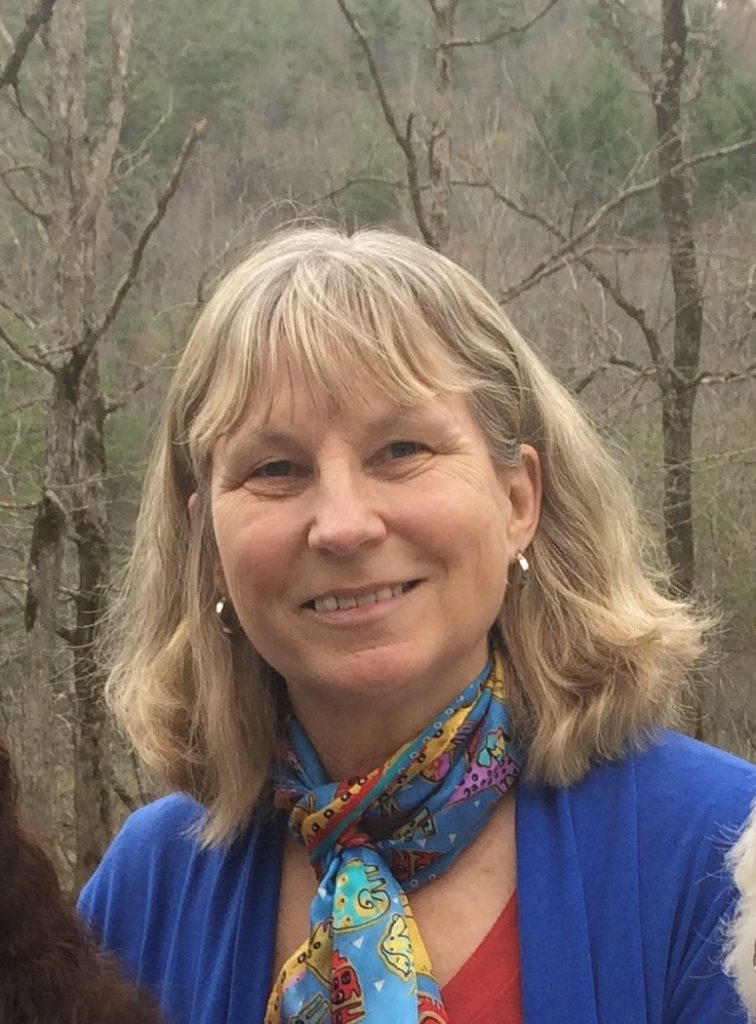
Virginia Dale is a Research Professor in the Department of Ecology and Evolutionary Biology at the University of Tennessee, Knoxville, and a Corporate Fellow Emeritus at Oak Ridge National Laboratory. Her research focuses on environmental decision-making, ecosystem management in the context of climate change and large disturbances, and sustainability of agricultural landscapes and energy systems. She contributed to the IPCC’s 2007 Nobel Peace Prize-winning work and has studied plant succession at Mount St. Helens since 1980. Dr. Dale holds a B.A. (1974), M.S. (1975), and Ph.D. (1980) in Mathematical Ecology from the University of Tennessee and University of Washington. She serves on scientific advisory boards for U.S. agencies and committees of the National Academies of Science. Her community involvement includes roles as a Trustee for The Nature Conservancy (Tennessee) and member of the Sierra Club’s state board. Education: B.A. in Mathematics, University of Tennessee, Knoxville (1974, with honors) M.S. in Mathematics with a minor in Ecology, University of Tennessee, Knoxville (1975) Ph.D. in Mathematical Ecology (Special Individual Program), University of Washington, Seattle (1980) Research Interests: Dr. Dale’s work integrates ecological principles with socio-environmental systems, emphasizing sustainability, climate change mitigation, and resilience. She explores bioenergy systems, land-use impacts, and stakeholder engagement in decision-making. Her long-term studies on Mount St. Helens provide insights into ecological recovery post-disturbance. Recent efforts address sustainability of wood pellet production and its implications for forests and climate goals. Awards: 2007 Nobel Peace Prize (shared with IPCC) Grants & Collaborations: Her research has been supported by federal agencies and international collaborations. She leads interdisciplinary projects on FEW systems, bioenergy governance, and landscape sustainability. Labs/Teams: Affiliated with Oak Ridge National Laboratory and the University of Tennessee’s Department of Ecology and Evolutionary Biology. Her work intersects with the Institute of Agriculture’s Forestry, Wildlife, and Fisheries department.
John Aloysius Zinda is an Associate Professor in the Department of Global Development at Cornell University and Director of the Polson Institute for Global Development. His research focuses on socio-environmental interactions, particularly flood risk management in the U.S. and rural development/conservation in China. He is affiliated with the East Asia Program and the Cornell Atkinson Center for Sustainability. Educated at Vanderbilt University (B.A.), Johns Hopkins-Nanjing (Certificate), University of Michigan (M.S.), and the University of Wisconsin-Madison (Ph.D.), Zinda teaches courses on environmental sociology, disaster risk, and GIS methods. His work bridges conceptual frameworks with empirical analyses of social-environmental systems, emphasizing equity and policy impact. Research emphasizes how marginalized communities navigate environmental risks and policies, including flood mitigation in New York and reforestation in China. Recent studies highlight racial disparities in flood preparedness and the tensions between authoritarian governance and ecological conservation. His publications span journals like Environmental Sociology , Society & Natural Resources , and World Development . Teaching includes GDEV 3240: Environmental Sociology and DSOC 6340: Risk and Disaster , fostering analytical skills for social-environmental advocacy. His research teams collaborate with governments and NGOs, producing actionable insights for sustainable development. Zinda's work addresses global challenges through interdisciplinary approaches, linking local practices to macro-level policies.
Bo Lu is a Professor of Biostatistics and Statistics at The Ohio State University. His research focuses on advancing early detection technologies for forest pathogens and pests using spectroscopy, machine learning, and metabolomics. He specializes in understanding plant defense mechanisms against invasive species and climate-driven disease dynamics. Key research areas include: Non-invasive disease diagnostics via FT-IR/Raman spectroscopy Machine learning applications in plant health monitoring Molecular basis of plant-pathogen interactions Environmental risk modeling for emerging forest diseases Notable projects include developing early detection systems for ash dieback, beech leaf disease, and soybean cyst nematode infestations. His work integrates statistical modeling with biochemical analysis to improve forest biosecurity strategies globally. He advocates for international collaboration in addressing the global forest health crisis through improved diagnostic frameworks and resistance breeding programs.
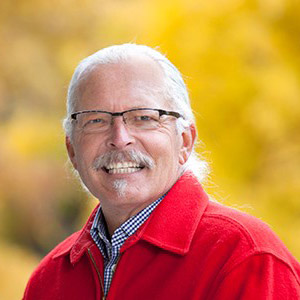
Rich Etchberger is a Professor in the Department of Wildland Resources at Utah State University's S.J. & Jessie E. Quinney College of Natural Resources, Uintah Basin campus. He founded the wildlife science program in 1995 and pioneered hands-on education in Utah's energy development corridor, earning the 2015 Carnegie U.S. Professor of the Year award for Utah. His educational background includes a Bachelor's in Ecology from Unity College (Maine), and Master's/Doctorate in Wildlife Ecology from the University of Arizona. Teaching methodology integrates classroom theory with fieldwork through partnerships with the Bureau of Land Management and U.S. Forest Service, exemplified by black-footed ferret reintroduction projects in Pariette Wetlands. Etchberger revolutionized accessibility through eLearning, creating USU's first general education online course (USU 1350 Integrated Life Science) in 2002. His flipped classroom model and multimedia-rich instruction consistently rank among USU's highest student evaluations across all delivery formats. His scientific awards include: 2015 Carnegie Professor of the Year for Utah 2014 Undergraduate Research Mentor of the Year (College of Natural Resources) 2011 Professor of the Year (USU-Uintah Basin) Securing 65 grants totaling $2.4M, Etchberger mentored 300+ undergraduates in paid internships, resulting in peer-reviewed publications and 26 professional conference presentations. His program achieves 100% alumni career/grad school placement, with graduates dominating Bureau of Land Management roles in the Uintah Basin. He maintains critical partnerships with natural resource agencies through an 18-year internship agreement, directly linking student training to Basin environmental management and economic development. His community-focused approach ensures scientific training addresses local energy development challenges while preserving ecological health.
Charles J. Vörösmarty is a Professor of Civil Engineering at The City College of New York and Founding Director of the Environmental Sciences Initiative at the CUNY Advanced Science Research Center. He leads the Environmental Crossroads Group, focusing on global water systems, climate interactions, and FEWS (Food-Energy-Water Systems) resilience. His research integrates hydrology, geospatial data, and engineering to address water security, climate change, and infrastructure strategies. Educational background: Ph.D. in Environmental Sciences, though specific institution details are not provided in the text. Professional experience includes over 25 years at the University of New Hampshire, where he founded the Water Systems Analysis Group (1992–2008). Research interests include modeling water cycle dynamics, anthropogenic impacts on water resources, reservoir engineering effects, and sustainable development goals. He emphasizes nature-based solutions and engineered infrastructure for FEWS resilience, with recent work on private-sector water security investments and U.S.-Hungarian regional redevelopment projects. Publications (2023–2024) highlight FEWS frameworks, climate extremes, and interdisciplinary strategies for resource management. He advises governments and academic partners on infrastructure integration. Grants include leadership roles in NASA, NSF, and UN initiatives, including co-chairing the Global Water System Project (2004–2015). Labs/Teams: Environmental Crossroads Group, CUNY ASRC; previously led Water Systems Analysis Group at UNH. Collaborates with UN agencies, private funds (e.g., UBS, PGGM), and national panels (e.g., Arctic Research Commission, NRC).
Massachusetts Institute of TechnologyUnited States
John D. Sterman is the Jay W. Forrester Professor of Management at the MIT Sloan School of Management and a Professor in the MIT Institute for Data, Systems, and Society. He serves as Director of both the MIT System Dynamics Group and the MIT Sustainability Initiative at MIT Sloan. With decades of experience in systems thinking and sustainability, Professor Sterman is a leading expert in understanding complex systems dynamics in business, environmental, and social contexts. Professor Sterman's research focuses on systems dynamics, climate change, sustainability, business management, and energy systems. His work bridges academic theory with practical applications through interactive management flight simulators like the World Climate Simulation, Fishbanks, and the Beer Game. These tools help students, policymakers, and business leaders understand complex systems and develop effective strategies for sustainability challenges. His research emphasizes the interconnectedness of economic, environmental, and social systems, particularly in addressing climate change. Professor Sterman has received significant recognition for his work, including his named professorship as the Jay W. Forrester Professor of Management. His leadership extends to directing the MIT System Dynamics Group, which pioneered systems dynamics methodology at MIT in the 1950s, and the MIT Sustainability Initiative, which applies academic rigor to real-world sustainability problems. He has developed influential educational tools used globally for management education and climate policy understanding. Director, MIT System Dynamics Group Director, MIT Sustainability Initiative at MIT Sloan Professor, MIT Institute for Data, Systems, and Society Professor Sterman's work has been featured in numerous media outlets including The New York Times, Washington Post, Bloomberg, and MIT Sloan publications. He has advised policymakers and business leaders on climate change strategies and sustainability practices, emphasizing the urgent need for action on climate change through existing technologies and systemic approaches.
Dr. Jonathan T. Overpeck is the Samuel A. Graham Dean of the School for Environment and Sustainability (SEAS) at the University of Michigan, where he also holds the William B. Stapp Collegiate Professorship of Environmental Education. He is a Professor of both Climate and Space Sciences and Engineering, and Earth and Environmental Sciences, with a career spanning climate-vegetation interactions, abrupt climate change, monsoon dynamics, drought hydroclimate, sea level rise research, and interdisciplinary climate assessment. Overpeck has published over 230 works cited 60,000+ times, emphasizing public education, university-community partnerships for climate solutions, and environmental justice initiatives. PhD in Geological Sciences, Brown University MSc in Geological Sciences, Brown University BA in Geology (Honors), Hamilton College His research spans climate-biosphere interactions , climate variability and abrupt change , monsoon dynamics , drought and hydroclimate , sea level rise , climate law , and climate adaptation . Overpeck pioneered studies on megadrought terminology, temperature-driven drought intensification, and the aridification of North America. His work with the NOAA Paleoclimate Program and World Data Center for Paleoclimatology established foundational understanding of climate dynamics through annually-laminated sediment analysis in the Cariaco Basin. Overpeck's 2020-2024 research includes climate aridification , hydroclimate scaling mismatches , and temperature-precipitation interactions , with recent focus on Antarctic heatwaves, Mississippi River Basin changes, and corporate climate accountability. His article trends show concentration in climate attribution , hydrological extremes , paleoclimate modeling , and climate policy analysis . Scientific Honors: 2024 U.S. National Academy of Sciences 2015 American Geophysical Union Fellow 2009 AAAS Fellow 2007 Nobel Peace Prize contributor (IPCC) 2005 Guggenheim Fellowship Multiple U.S. Department of Commerce awards Overpeck has led or participated in significant climate adaptation projects , including NSF grants totaling $5.1M+ for Southwest Hydroclimatic Extremes (2017-2020), Amazon Drought Impacts (2014-2018), and Quantifying Drought Risk (2013-2018). He serves on the Colorado River Research Group (2014-present) and advises Climate Communication (2011-present). Current initiatives include Great Lakes University positioning, Michigan's climate resilience planning, and the Audacious Water podcast series examining Mississippi River Basin transformations. Overpeck actively contributes to climate policy discourse , advocating for science-informed decision-making and stakeholder collaboration across government, military, and corporate sectors.
Mark Hebblewhite is a Professor in Ungulate Ecology at the Wildlife Biology Program, University of Montana. His research integrates ecological theory with applied wildlife management, focusing on species like elk, wolves, and grizzly bears. Institution: University of Montana Academic Rank: Professor Research Interests span: Wildlife-habitat interactions Predator-prey dynamics Conservation of endangered species Remote sensing for forest and wildlife monitoring Climate change impacts on ecosystems Recent Publications emphasize: Multi-scale movement ecology Remote sensing integration for forest inventory Anthropogenic effects on wildlife behavior Fire ecology and post-disturbance recovery LiDAR and satellite-based vegetation mapping Collaborations include researchers from the University of Alberta, University of British Columbia, Colorado State University, and the Wildlife Conservation Society.
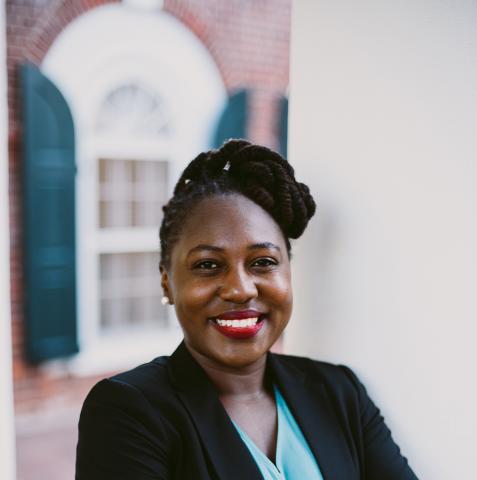
Charity Nyelele is an Assistant Professor in the Environmental Sciences department at the University of Virginia. Her research bridges human well-being and environmental systems, focusing on biodiversity, climate change, and ecosystem services through the lens of environmental justice and equity. Specializes in urban forestry and socio-ecological synthesis Active in climate justice, carbon sequestration, and stormwater management Nyelele's recent work integrates machine learning and social media data to map recreational ecosystem services and optimize tree planting frameworks. She has developed multi-objective decision support tools to address urban ecosystem service trade-offs and leads research in fire-driven ecosystem restoration across Western US forests. She teaches courses on Environmental and Climate Justice , Management of Forest Ecosystems , and co-instructs Politics, Science, and Values . Contact: hbt3mb@virginia.edu
Peter Newman, Ph.D., serves as Dean of the Rubenstein School of Environment and Natural Resources at the University of Vermont since July 1, 2024, and holds the Suzie and Allen Martin Professor title. With a career spanning decades, he has conducted extensive research on visitor management in protected areas, soundscape management, and transportation planning, partnering with the National Park Service's Natural Sounds and Night Sky Division since 2012. Education Ph.D. in Natural Resources, University of Vermont M.S. in Forest Resource Management, SUNY College of Environmental Science and Forestry B.A. in Political Science, University of Rochester His research focuses on social carrying capacity decision-making in protected area management, with fieldwork across major U.S. parks including Denali, Grand Canyon, and Great Smokies. He has developed frameworks for acoustic management and Leave No Trace efficacy, contributing to sustainable outdoor recreation practices. Scientific Awards: Cooperative Ecosystem Studies Unit National Award (2012) George Wright Society National Award for Achievement in Social Sciences (2013) Throughout his career, Newman has led high-quality teaching at Penn State's Graduate Degree Program in Acoustics and mentored numerous students through research projects on wildlife approach norms, pandemic recreation shifts, and waste management strategies in national parks. He previously served as a Park Ranger in Yosemite and Backcountry Patrol member in Idaho.
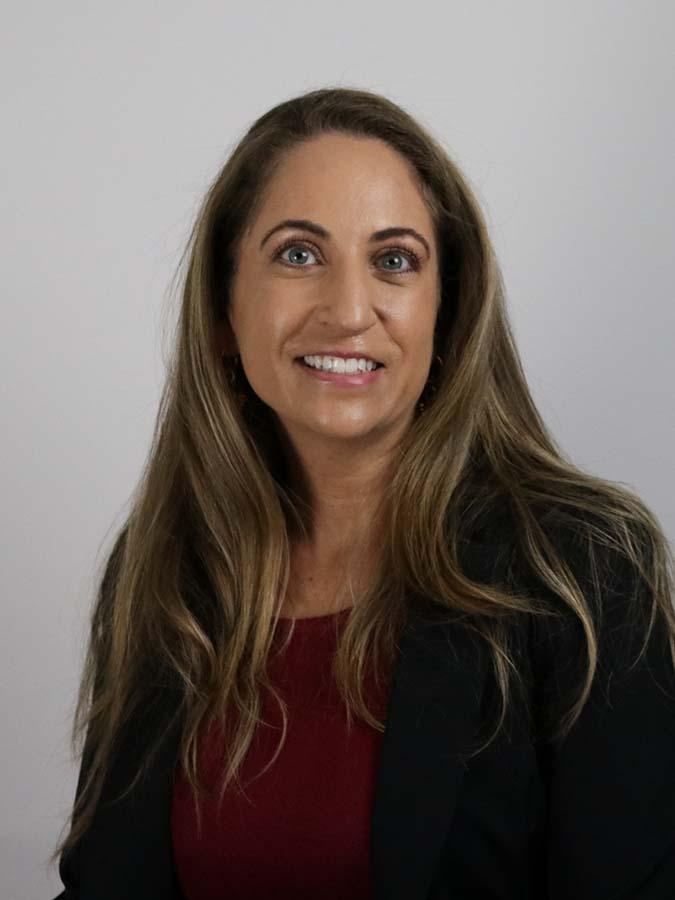
Meredith E. David is an Associate Professor of Marketing in the Foster Business and Innovation school at Baylor University, where she conducts research on consumer behavior, marketing strategy, and strategic management. Her interdisciplinary work bridges psychology and marketing, with a focus on how interpersonal dynamics and digital habits influence consumer decisions. PhD in Marketing, University of South Carolina (2013) MBA, Wake Forest University (2008) BSBA in Marketing, University of South Carolina (2006) Her research interests include consumer attitudes and decision-making, smartphone use and social media's impact on well-being, interpersonal attachment styles in marketing contexts, and strategic planning. She explores how digital behaviors like phubbing affect relationships and how emotional and psychological factors shape consumer preferences and advertising responses. Her recent publications reveal a strong trend in integrating psychological theories—particularly attachment theory and social exclusion—into marketing science. She frequently publishes in top-tier journals such as Journal of Advertising , Psychology & Marketing , and Journal of Social and Personal Relationships , often examining how technology mediates human interaction and consumer choices. A recurring theme is the intersection of personal relationships and consumer behavior, especially in digital environments. Meredith David is a coauthor of Pearson’s globally adopted Strategic Management textbook (17th and 18th editions), used by over 500 institutions. This collaboration with Fred R. David and Forest David has significantly influenced both academic and corporate strategic planning education. Her work has been featured in major media outlets including ABC News, CNN, TIME Magazine, Wall Street Journal, and Washington Post, highlighting the public relevance of her research. She is actively involved in pedagogical innovation, providing tools such as the free Excel Student Template for strategic analysis and contributing to Pearson MyLab resources. While no formal advisees are listed, her leadership in curriculum development and case-based learning suggests a strong mentoring role. She also contributes to academic-practice integration through her textbook’s application in real-world business strategy. Meredith David is affiliated with the David Strategic Management team, which maintains the author website www.strategyclub.com , offering teaching aids, videos, and updates. This collaborative platform supports global instructors and students in mastering strategic management concepts.
Peter M. Homyak is an Associate Professor in the Department of Environmental Sciences at the University of California, Riverside (UCR). He leads research on microbial and abiotic controls of soil trace gas emissions, focusing on nitrogen and phosphorus cycling in dryland and alpine ecosystems. His work integrates soil science, biogeochemistry, and climate change impacts. Homyak earned his Ph.D. in Soil and Water Science from UCR in 2012, following M.S. and B.S. degrees in environmental sciences. He has received prestigious awards including the 2017 S.A. Wilde Early Career Achievement Award and the 2016 Gene E. Likens Outstanding Publication Award. His research is supported by grants from NSF, USDA, and state agencies. Homyak mentors a diverse group of students, including PhD candidates Elizah Stephens and Aral Greene, and leads the Homyak Lab, which explores wildfire impacts, nitrogen cycling, and soil microbial resilience. Key research themes include mechanisms of nitric oxide (NO) and nitrous oxide (N2O) emissions, nitrogen saturation in xeric systems, and the role of pyrophilous microbes post-wildfire. He collaborates on global projects assessing dryland biogeochemistry and climate change consequences. Homyak also emphasizes STEM outreach, mentoring underrepresented students and engaging in K-12 education initiatives.