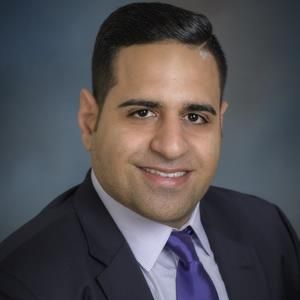
Vasiliki Paraskevopoulou is a Researcher at the Laboratory of Environmental Chemistry, Department of Chemistry, National and Kapodistrian University of Athens. She works at the Zografou Campus (Greece) and has active research in marine and coastal environmental chemistry. Affiliation: National and Kapodistrian University of Athens Department: Chemistry Email: vparask@chem.uoa.gr Office: 3rd floor, Wing E, Office 4B Phone: +30-210-7274448 Her research focuses on trace metal pollution in marine ecosystems, chemical speciation analysis, and environmental monitoring of coastal zones. She has contributed to studies on heavy metal dynamics in transitional waters, sediment quality assessments, and hydrogeochemical investigations of industrial and natural contamination sources. Recent publications highlight her work on Mediterranean seafloor protection strategies (2025), mercury monitoring under EU directives (2024), metal bioaccumulation in marine species (2023), and groundwater quality assessments in river deltas (2014-2022). Her research spans environmental modeling, pollution assessment, and biogeochemical interactions in coastal systems. Awards: Teaching Personnel Award (2019-2024, 2016-2018) The Laboratory of Environmental Chemistry at the University of Athens provides analytical expertise and educational support in chemical speciation, heavy metal pollution, and marine environmental protection. She contributes to national monitoring programs and international directives like the Water Framework Directive through field surveys, modeling systems, and sediment analysis.
Dr. Lonneke IJsseldijk is an Assistant Professor in Pathology at Utrecht University's Faculty of Veterinary Medicine, specializing in marine mammal health and stranding research. She serves as a project manager for the national marine mammal stranding program commissioned by the Ministry of Agriculture, Nature and Food Quality, focusing on causes of death and anthropogenic impacts on cetacean populations. PhD in Harbor Porpoise Health (Utrecht University, 2021) MS in Environmental Biology (Utrecht, 2017) BS in Integrated Coastal Zone Management (Van Hall Larenstein, 2013) Minor in Marine Living Resources (Wageningen, 2012-2013) Her research program combines pathology, ecology, and conservation biology with a strong emphasis on public science communication. Key areas include marine mammal health assessment, cause-of-death analysis, and investigating anthropogenic stressors like underwater noise and plastic pollution. She utilizes advanced techniques such as synchrotron tomography and stable isotope analysis. Recent publications focus on nanoplastic effects on gene expression, whale teeth biomarkers, and cross-border monitoring of Wadden Sea porpoises. She contributes to policy development through memberships in IUCN Cetacean Specialist Group, ASCOBANS working groups, and ICES marine mammal ecology teams. Stairway to Impact Award 2022 (€50,000 grant) Dr. IJsseldijk actively engages the public through social media, educational media production, and citizen science initiatives that mobilize volunteers for specimen collection. Her work bridges veterinary science with marine conservation policy, supporting sustainable ocean management through interdisciplinary research.
Khalid Afzal is an Associate Professor in the Department of Psychiatry and Behavioral Neuroscience-Child Psychiatry at the University of Chicago . His clinical practice focuses on ADHD, anxiety disorders, mood disorders, and somatic symptom disorders in pediatric populations. He specializes in cross-cultural psychiatry and family-based interventions for child mental health. Education: MBB.S. (1995) from Quaid-e-Azam University, Pakistan; Psychiatry Residency (2008) at Texas Tech University; Fellowship (2010) at University of Chicago. His research spans youth suicide prevention , cultural/psychosocial determinants of mental health , residency training innovations , and post-traumatic stress in pediatric oncology . Recent work includes adapting suicide-screening tools for Urdu speakers and analyzing trends in pediatric psychiatric interventions during the pandemic. Publications highlight collaborations with multidisciplinary teams across pediatrics, neurology, and medical education . Dr. Afzal has received multiple teaching awards (e.g., University of Chicago's Instructor of the Year, 2020-2021) and research accolades (e.g., Excellence in Research Award, 2007-2008). His work appears in journals like Psychosomatics , Clinical Practice in Pediatric Psychology , and BJPsych Open , with a focus on mental health equity and innovative clinical pathways .
Dr. Roberto Puch-Solis is a Principal Investigator at the Leverhulme Research Centre for Forensic Science , affiliated with the University of Dundee . His work focuses on probabilistic decision support systems, forensic statistics, and computational methods in forensic analysis. Expertise: Forensic genetics, DNA profiling, gas chromatography-mass spectrometry (GCMS), convolutional neural networks (CNNs), and Y-STR mutation modeling. Key Contributions: Development of open-access software ( MUCalc ), segmentation datasets for firearm analysis, and ground truth datasets for drug profiling. Collaborations: Active in interdisciplinary networks, with partnerships in digital forensics, analytical chemistry, and machine learning. Research Trends: Recent work integrates deep learning for forensic image analysis (e.g., shoeprint matching, cartridge case segmentation) and statistical frameworks for DNA evidence interpretation. Applications span firearms identification, drug quantification, and crime scene reconstruction. Activities: Delivered invited talks on probabilistic systems, served as an external examiner, and participated in neural network training workshops.
Stephen B. Wicker is a Professor in the Department of Electrical and Computer Engineering at Cornell University, with affiliations in the graduate fields of Computer Science, Information Science, and Applied Mathematics. He is a Fellow of the Institute of Electrical and Electronics Engineers (IEEE) and has received multiple teaching awards at Cornell, including the College of Engineering Teaching Award (2012) and the Douglas Whitney '61 Excellence in Teaching Award (2010). Education: B.S., Electrical and Communications Engineering, University of Virginia (1982) M.S., Electrical and Communications Engineering, Purdue University (1983) Ph.D., Electrical and Communications Engineering, University of Southern California (1987) Wicker's research spans privacy and security in information networks , wireless systems , and network science . His work integrates game theory and mechanism design to address privacy challenges in consumer internet models. He has pioneered frameworks to balance data collection with user rights , influencing policy discussions on digital surveillance and Fifth Amendment protections . Research Trends: Recent publications highlight intersections between 5G/IoT and healthcare systems , blockchain applications in IoT, and algorithmic fairness . His 2022 work on 5G in Healthcare explores network optimization, while 2018–2020 studies focus on surveillance ethics and cyber-physical security . Scientific Awards: 2012 IEEE Fellow College of Engineering Teaching Award (2012, 2000, 1998) Douglas Whitney '61 Excellence in Teaching Award (2010) Cornell School of ECE Teaching Award (2009) Wicker has mentored prominent researchers like Dipayan Ghosh , whose work on digital privacy builds on Wicker’s earlier studies. His contributions include six books , Cellular Convergence and the Death of Privacy (2013), and over 50 peer-reviewed articles, reflecting his focus on privacy-aware design and policy reform in technology.
Rune Andreassen is a Professor at the Faculty of Health Sciences , Department of Life Sciences and Health at OsloMet - Storbyuniversitetet. His research spans interdisciplinary domains including Genetics and Genomics, Forensic Genetics, miRNA regulation, and environmental stress responses in aquatic species like Atlantic salmon ( Salmo salar ). Specializes in method development for deep sequencing and characterization of genes. Active in studying epigenetic regulation by miRNAs in Atlantic salmon, particularly in disease response and osmotic stress adaptation. Collaborates on databases such as MicroSalmon , integrating miRNA target transcripts and cis-regulatory elements. Research Trends: Recent publications focus on miRNAome analysis, transcriptome profiling, and splice variants in salmonids. His work bridges molecular biology and aquaculture, with applications in fish health and conservation genetics. Education and Affiliations: Affiliated with OsloMet since at least 2002, Rune has contributed to projects involving CRISPR methodology, wildlife DNA sampling, and salmonid genomics.
Anthony H. Smith serves as an Associate Professor in the Computer and Information Technology Department at Purdue University's Polytechnic Institute, leveraging over 15 years of technical expertise in LAN/WAN/wireless network design, implementation, and security. His career bridges academia and industry through applied research and active consultancy in wireless technologies. His educational foundation includes: MS in Technology from Purdue University (1994) BS in Business Administration from Wittenberg University (1984) Professor Smith's research centers on wireless networking security and innovative antenna systems , with significant contributions to broadband wireless access and network design. His work uniquely integrates academic theory with real-world applications, particularly through consultancy projects focused on wide-area wire-line replacement strategies and penetration testing. Key themes include the intersection of robotics and wireless networks for self-organizing systems. Analysis of his 15 publications (2007-2010) reveals concentrated expertise in wireless security vulnerabilities (e.g., evil twin attacks, EAP protocol flaws), 802.11 performance optimization, and robotics-driven network formation. His scholarship consistently addresses industry-relevant challenges while advancing wireless curriculum development for network engineering education. His scholarly impact is recognized through multiple Polytechnic Research Awards: Polytechnic Research Award (October 2024) Polytechnic Research Award (March 2024) Polytechnic Research Award (December 2023) Polytechnic Research Award (November 2023) While specific student advising details are unavailable, Professor Smith maintains strong industry connections through AHSmith Consulting (2005-2012) and prior roles at NetLink Technologies and Lennox International. His grant activity isn't documented, but his consultancy demonstrates sustained applied research funding. Professional engagement includes IEEE membership (2005-2012) and Microsoft Certified Systems Engineer certification. His operational framework combines academic instruction with hands-on network design for corporate/municipal clients, reflecting a practitioner-scholar approach where research directly informs real-world wireless solutions. Current focus areas likely extend his antenna-as-sensor innovations toward next-generation mobile broadband architectures.
Pelle Snickars is a Professor of Digital Cultures at Lund University's Department of Arts and Cultural Sciences within the Faculty of Humanities. His research sits at the intersection of media studies, media history, and digital humanities, with a particular focus on digital cultural heritage and the historical dimensions of digital media. Snickars has established himself as a leading scholar in Scandinavian media studies with significant contributions to understanding the evolution of media technologies and their societal impacts. His research interests span digital cultures, media history, digital humanities, cultural heritage, and digital archives. Snickars approaches these fields with both contemporary and historical perspectives, examining how digital technologies transform cultural heritage practices while also investigating the historical precedents for today's digital media landscape. His work often bridges theoretical frameworks with practical applications in digital archiving and cultural preservation. The trajectory of Snickars' recent publications reveals a growing emphasis on computational methods in media history research. His work increasingly incorporates digital tools for analyzing large historical datasets, as evidenced by projects like the Swedish Parliament Corpus and the Video Reuse Detector. While maintaining strong foundations in traditional media history, his research demonstrates a clear evolution toward methodologically innovative approaches that combine historical scholarship with digital analysis techniques. Snickars currently leads multiple significant research initiatives including the 'Modern Times 1936' project (funded by Riksbankens jubileumsfond) which uses digital methods to explore historical media materials in new ways, and he coordinates the national DIGARV research program (funded by the Swedish Research Council) focused on digitization and accessibility of cultural heritage collections. His work bridges academic research with practical applications in cultural heritage institutions. His laboratory and team work primarily through the Lund University research environment, collaborating with the Lund Centre for the History of Knowledge (LUCK) and other interdisciplinary research groups. These collaborations create a vibrant research ecosystem where media historians, computer scientists, and cultural heritage professionals work together to develop new approaches to digital cultural heritage.
Gordana Medunić is a Full Professor at the Department of Geology, Faculty of Science, University of Zagreb. She actively teaches courses across undergraduate, graduate, and doctoral programs, including topics in geochemical methods, environmental geology, and sediment analysis. Her research focuses on environmental geochemistry, particularly the impacts of coal mining and industrial activities on soil and water systems. Key areas include pollutant mobility, biogeochemical remediation, and trace element interactions in ecosystems. Geochemical Processes in Sedimentary Rocks Environmental Pollution Assessment Biogeochemical Remediation Techniques Rare Earth Element Distribution Recent publications highlight her work on coal sludge contamination, methane production from biomass, and selenium bioremediation. These studies employ geochemical analysis, microbial communities, and synthetic materials for environmental recovery. Her projects include collaborations on global sustainability initiatives like the Phosphorus Negotiation Game (P-Game) and fieldwork in Raša Bay, North Adriatic. She contributes to understanding long-term effects of industrial waste on ecosystems and developing remediation strategies. Teaching roles involve courses such as Geochemical Methods of Environmental Investigation and Geological Aspects of Waste Management , emphasizing practical applications in environmental protection and resource management.
Paul McGinley serves as Professor and Director of the Center for Watershed Science and Education at the University of Wisconsin-Stevens Point's College of Natural Resources within the Fisheries and Water Resources program. His work integrates teaching, research, and outreach to advance water quality science and management practices across Wisconsin. Education: Ph.D. in Environmental Engineering from the University of Michigan M.S. in Water Chemistry from the University of North Carolina, Chapel Hill B.S. in Soil Science and Civil and Environmental Engineering from the University of Wisconsin, Madison Dr. McGinley's research examines nutrient transport mechanisms, wastewater treatment innovations, and hydrologic modeling to address water quality challenges. He investigates phosphorus dynamics in groundwater, develops chemical tracers for pollution source identification, and implements advanced monitoring systems for lakes and reservoirs. His work bridges engineering solutions with ecological protection through computer simulations and field applications. His 2012-2019 publications reveal consistent focus on nutrient pollution (particularly phosphorus and nitrate), emerging contaminants, and water quality modeling. Key themes include groundwater contamination sources, reservoir anoxia management, wastewater treatment optimization, and hydrologic tracer development across agricultural and suburban landscapes. Professional Recognition: Registered Professional Engineer in Wisconsin; active member of American Water Works Association, North American Lake Management Society, and Water Environment Federation. Teaching and Grants: Instructs Water and Wastewater Treatment, Constructed Wetlands, and Water Quality Modeling courses. Collaborates with Wisconsin Department of Natural Resources on groundwater nitrate studies and watershed management projects through Center for Watershed Science and Education initiatives. Research Infrastructure: Leads the Center for Watershed Science and Education while utilizing specialized facilities including wastewater treatment pilot systems and hydrodynamic modeling resources for lake/reservoir management research.
Chia-Wen Lee is a distinguished Professor at the Law School within the College of Social Sciences at National Cheng Kung University (NCKU). She holds a Juris Doctor degree from Indiana University Bloomington and has established herself as a leading scholar in criminal law and procedure with a focus on gender perspectives and human rights. Her academic career spans over two decades, during which she has taught numerous courses including Criminal Procedure Law, Criminology, and Special Topics in Criminal Law and Legal Sociology. Member of the Judicial Yuan Judges Review Committee (2024-2026) Member of the Editorial Board of NTU Law Review (2022-present) Director of Taiwan Alliance to Abolish the Death Penalty (2018-2021) Director of Women's New Knowledge Foundation (2017-2019) Professor Lee earned her Juris Doctor from Indiana University Bloomington, building on her earlier legal education in Taiwan. Her academic journey has been marked by a consistent focus on the intersection of law, society, and justice, particularly examining how criminal justice systems impact marginalized groups and how legal narratives shape our understanding of crime and punishment. Professor Lee's research centers on three interconnected areas: Criminal Procedure Law, Criminal Law and Sociology of Law, and American Feminist Jurisprudence. Her work critically examines how legal procedures affect substantive justice outcomes, particularly for vulnerable populations. She has made significant contributions to understanding sexual violence within legal frameworks, advocating for 'only yes means yes' affirmative consent models. Her scholarship on the death penalty in Taiwan explores both its legal frameworks and its social and cultural dimensions, situating Taiwan's experience within global abolition movements. Recent work has focused on constitutional court decisions related to criminal procedure, demonstrating her ability to bridge theoretical scholarship with practical legal reform. Professor Lee's recent scholarly output reveals a consistent focus on constitutional challenges to criminal procedure, victim rights, and death penalty jurisprudence. Her work shows increasing engagement with constitutional court decisions, particularly examining how Taiwan's Constitutional Court is reshaping criminal justice through innovative interpretations. A notable trend is her attention to vulnerable populations within the criminal justice system—victims, sexual assault survivors, and defendants facing capital punishment. Her interdisciplinary approach combines legal analysis with insights from sociology, gender studies, and narrative theory, creating a distinctive scholarly voice that bridges academic rigor with practical legal reform. Outstanding Teacher of National Cheng Kung University (2011) Multiple Annual Research Awards from NCKU College of Social Sciences (2005-2007) NCKU College of Social Sciences Outstanding Teacher Award (2007) James J. Robinson Fellowship in Graduate Legal Studies (USA, 1999) Scholarship from Austrian Ministry for Science and Transport (1996-1997) Professor Lee has supervised over twenty master's theses on diverse topics in criminal law and procedure, with a particular emphasis on judicial reform, victim rights, and gender issues in criminal justice. Her students have examined topics ranging from judicial personnel review systems to the application of restorative justice in domestic violence cases. Beyond formal supervision, she has served as a thesis committee member for numerous students across Taiwan's top law schools, including National Taiwan University, National Chengchi University, and National Sun Yat-sen University. Her commitment to judicial reform extends to multiple research grants from Taiwan's National Science Council, including major projects on 'Punishment and Moral Outrage' and 'Emotions and Criminal Law.' Professor Lee is deeply involved in several key legal reform initiatives through her leadership roles in the Taiwan Alliance to Abolish the Death Penalty and the Women's New Knowledge Foundation. She has been instrumental in shaping Taiwan's approach to sexual violence law reform, particularly through her work with the Women's New Knowledge Foundation on amending sexual assault provisions. Her influence extends to judicial training through her frequent presentations at the Judicial Academy, where she has educated judges on topics ranging from death penalty sentencing to handling sexual assault cases. She maintains active scholarly networks through her editorial role at the NTU Law Review and her participation in international academic conferences on criminal justice reform.
Corinna Brungs is a Senior Scientist at the University of Vienna , affiliated with the Faculty of Life Sciences and the Department of Pharmaceutical Sciences (Division of Pharmacognosy). Her research focuses on applying cutting-edge mass spectrometry techniques for natural product identification, biomarker discovery, and untargeted metabolomics workflows. Developing open mass spectral libraries Advancing data processing strategies Specializing in tattoo pigment and metabolite analysis Research Highlights: Brungs bridges phytochemistry and computational metabolomics through method development in mass spectrometry. Her work includes creating standardized protocols for: Tattoo pigment identification In-source fragmentation analysis Non-targeted drug exposure profiling Integration of mobility-resolved spectrometry Scientific Awards: 2025 Early Career Prize (Metabolomics Society) 2025 Early Career Travel Award (Metabolomics Society) 2022 Czech Academy of Sciences Fellowship Publications (2022-2025) demonstrate leadership in: MALDI-TIMS-MS2 bioimaging MZmine 3 software development Metabolomics data reproducibility Mass spectral library matching
Joel Fabregat-Palau serves as a Postdoctoral Research Associate in the Hydrogeochemistry work group within the Department of Geosciences at the Faculty of Science, University of Tübingen, Germany. His office is located at Schnarrenbergstraße 94-96, 72076 Tübingen. His primary research areas include: Hydrogeochemistry and contaminant transport in soils and groundwater Environmental chemistry of per- and polyfluoroalkyl substances (PFAS) Sorption behavior of antibiotics (e.g., fluoroquinolones) in environmental matrices Development of analytical methods and open-source tools for non-target screening Application of machine learning in environmental modeling Recent publication trends (2021-2025) demonstrate a consistent focus on PFAS and antibiotic contamination in agricultural soils. His work integrates field investigations, laboratory batch experiments, and computational modeling to understand contaminant fate and develop remediation strategies. Notably, he has contributed to open-source software (PFΔScreen) for PFAS data analysis. Scientific Awards: No scientific awards mentioned in the provided information. Advising and Grants: No information available on students advised. No details provided on research grants. Laboratory and Team Affiliation: Dr. Fabregat-Palau is an integral member of the Hydrogeochemistry research team at the University of Tübingen. This team investigates biogeochemical processes in aquatic environments, with emphasis on contaminant behavior, water quality, and sustainable resource management. The group employs advanced analytical techniques and collaborates on interdisciplinary environmental projects.
Yun Feng is an Associate Professor at Griffith University's School of Environment and Science, specializing in Chemistry and Forensic Science. She leads research at the Institute for Biomedicine and Glycomics, focusing on natural product chemistry and its applications in neurological disease biology. Her academic journey includes a BSc in Pharmaceutical Chemistry from Peking University (China), a PhD in Marine Natural Products from James Cook University (Australia), and postdoctoral research at the University of Canterbury (New Zealand). Research Interests: Discovery of biologically active natural products using high-throughput screening Neurodegenerative disease mechanisms, particularly neuroprotection via mitochondrial modulation Marine microbial probiotics and their therapeutic potential Anti-inflammatory and antimicrobial compounds from medicinal plants Collaborations and Projects: Leads a Marine Bioproduct CRC project exploring marine microbial probiotics and collaborates with industry partners on natural product drug discovery initiatives. Active in both academic and applied research, her work bridges chemistry, biology, and clinical applications. Teaching & Mentoring: Convenor for undergraduate chemistry courses and former Program Director for the Biomolecular Science Honours program. Supervises PhD and Master’s students in areas like probiotic development, anti-cancer compounds, and Parkinson's disease research. Professional Affiliations: Member of the Griffith Institute for Drug Discovery (2004–2024) and Institute for Biomedicine and Glycomics (2024–present).
Kassra A.R. Oskooii is an Associate Professor in the Department of Political Science & International Relations at the University of Delaware, College of Arts & Sciences. His expertise spans American Politics, Political Psychology, and Race and Ethnic Politics with a focus on voting rights, redistricting, and minority political engagement. He holds a Ph.D. from the University of Washington (2016) and serves as an affiliated faculty member at UD's Data Science Institute, Center for Political Communication, and Center for the Study of Diversity. Dr. Oskooii's research examines how contextual and psychological factors influence political attitudes among marginalized groups, particularly Muslim Americans and Latinx communities. His work has addressed anti-Muslim policy preferences, the impact of perceived discrimination on civic participation, and the role of social media in shaping political attitudes. He has served as an expert witness in voting rights cases across multiple states, leveraging methodological innovations such as his eiCompare Ecological Inference R Package. Key research areas include: Islamophobia and minority political behavior Electoral politics and redistricting strategies Immigration policy and partisan mobilization Methodological advancements in voting rights analysis His publications in journals like the British Journal of Political Science and Political Behavior reflect interdisciplinary approaches to understanding contemporary U.S. political dynamics. Oskooii's work bridges academic research with legal and policy applications, emphasizing the societal implications of political decisions on marginalized communities.