Marcus Smith is an Associate Professor in Law at the Charles Sturt University , where he teaches LAW222 Technology Law and directs the Bachelor of Laws program. He holds advanced degrees from the Australian National University (PhD, LLM) and the University of Cambridge (MPhil). His research spans technology law and regulation , focusing on genomic data governance biometric identification AI ethics blockchain policy cybersecurity surveillance law He leads the Contemporary Threats to Australian Security research group and serves as Chief Investigator on an NHMRC-funded project (MRF2015531) addressing genomic dataset governance. His recent work analyzes algorithmic bias in facial recognition AI in healthcare blockchain's regulatory challenges post-pandemic cybercrime surveillance ethics data security frameworks He actively supervises PhD and honours students in technology law and contributes to law reform through submissions to international bodies like the UN Human Rights Council .
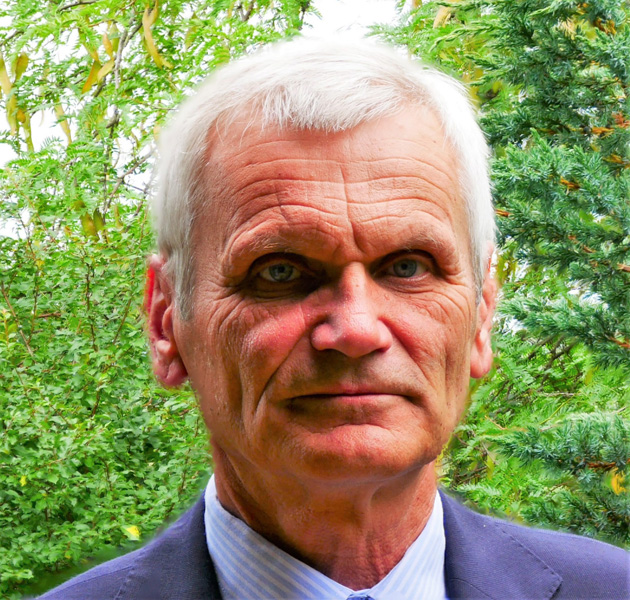
Professor Marek Sanak serves as Full Professor at the Department of Internal Medicine, Jagiellonian University Medical College in Cracow, Poland. He concurrently holds leadership positions as Acting Director of the Department of Forensic Medicine, Head of the Division of Molecular Biology and Clinical Genetics, and Vice-Rector for Research and International Cooperation since 2016. His academic foundation includes: MD from Jagiellonian University Medical College Specialization in Pediatrics and Genetics PhD from Jagiellonian University Research appointments at Harvard University, University of Paris VI, and University of Zurich Professor Sanak's research integrates clinical genetics with molecular immunology, focusing on asthma pathogenesis, lipid mediators of inflammation, and genetic diagnostics. His laboratory employs advanced techniques including deep DNA/RNA sequencing to identify biomarkers and elucidate disease mechanisms. The work bridges fundamental molecular discoveries with clinical applications in respiratory diseases, allergic disorders, and forensic medicine, demonstrating particular expertise in aspirin-exacerbated respiratory disease and epigenetic regulation of inflammatory pathways. Analysis of his recent publications reveals a strategic evolution from classical asthma research toward molecular genetics and viral pathogenesis. His 2017-2021 work increasingly incorporates epigenetic approaches (DNA methylation, microRNA profiling) while expanding into SARS-CoV-2 research during the pandemic. The publications demonstrate interdisciplinary integration across immunology, respiratory medicine, and molecular diagnostics, with consistent focus on translational applications. His distinguished career has been recognized through numerous honors: The Lancet Investigators Award on Asthma (1997) Polish Ministry of Health Individual Prize (1999) Jagiellonian Laurel (2012) Pro Arte Docendi Award (2014/15) Gold Medal for Long Service (2019) Top 2% of world scientists ranking (Elsevier 2022) As Vice-Rector for Research, Professor Sanak has significantly expanded international collaborations with King's College London, University of Southampton, and University of Zurich. His leadership has secured substantial funding for molecular diagnostics and inflammatory disease research while mentoring numerous early-career researchers. He delivers invited lectures globally for organizations including the American Thoracic Society and European Academy of Allergy and Clinical Immunology. Professor Sanak directs integrated research units across the Division of Molecular Biology and Clinical Genetics, Division of Biochemical and Molecular Diagnostics at University Hospital Cracow, and the Department of Forensic Medicine. These teams combine clinical service with basic research to advance genetic diagnostics and understand disease mechanisms, maintaining forensic genetics expertise developed over 20 years of practice.
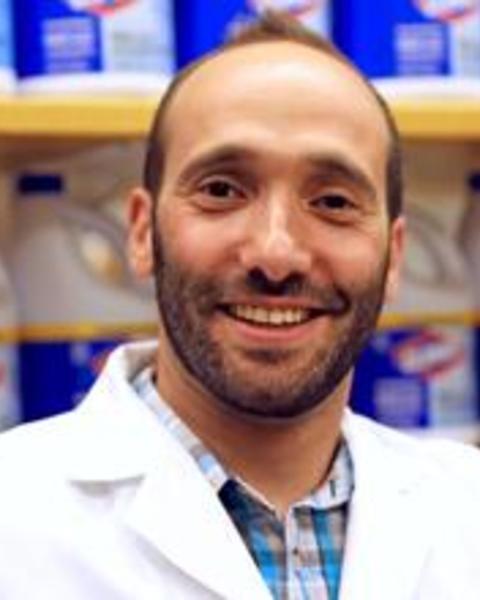
Dr. Michael Baym is an Associate Professor of Biomedical Informatics at Harvard Medical School with affiliate appointments in Microbiology and the Laboratory of Systems Pharmacology, and as an Associate Member of the Broad Institute. He leads the Baym Lab, which studies microbial evolutionary genomics and antibiotic resistance through a hybrid of experimental, computational, and theoretical approaches. His research focuses on: Antibiotic Resistance Evolution and practical interventions Mobile Genetic Elements (plasmids, phages, transposons) Computational Genomic Algorithms for big data analysis Synthetic Biology tools and technologies Key recent publications explore phage discovery systems , phylogenetic compression of microbial genomes, and RNA-guided gene drives in plasmids. His work is supported by multiple NIH/NIGMS and NSF grants including a MIRA award. Scientific honors include: Packard Fellowship (2018) Pew Biomedical Scholarship (2020) Sloan Research Fellowship (2020) A. Clifford Barger Excellence in Mentoring Award (2021) SSQBio Mentorship Award (2022) The lab actively trains PhD students and postdoctoral fellows with alumni occupying academic and industry positions globally. Current team members include researchers from interdisciplinary backgrounds working at the intersection of experiment, computation, and theory .
Adrian Linacre is a Professor and Chair in Forensic DNA Technology at Flinders University, within the College of Science and Engineering, Department of Biological Sciences. He is a leading figure in forensic science, with a focus on DNA analysis, wildlife forensics, and crime scene investigation. BSc in Biological Sciences (Hons), University of Edinburgh, 1984 DPhil in Molecular Genetics, University of Sussex, 1988 His research centers on getting more from less at crime scenes , particularly through developing highly sensitive DNA typing methods and studying the transfer and persistence of biological materials. He also pioneers the use of non-human DNA in forensic investigations, notably in wildlife forensic science , aiding in species identification and combating illegal wildlife trade. His recent publications reflect a strong trend in trace DNA analysis , body fluid identification , and DNA transfer dynamics , with applications in drug cases, sexual assault investigations, and environmental DNA degradation. His work increasingly integrates molecular techniques with real-world forensic challenges. Notable scientific awards include: Medal of the Order of Australia (OAM), 2020 Inspirational Scientist of the Year, Royal Society of Edinburgh, 2005 Fellow of the Royal Society for the Encouragement of Arts and Commerce (FRSA) Finalist, South Australian Science Excellence and Innovation Awards (2023, 2024) He has successfully supervised several students, including Piyamas Kanokwongnuwut and Alicia Haines, many of whom have won international recognition. He has secured significant research funding and contributed to national and international forensic policy, including a key review for the UK Home Office on low-template DNA. His professional leadership includes presidencies of the ANZFSS and ISFG, and vice presidency of the IAFS. Linacre is actively involved in editorial roles, serving as Associate Editor for Forensic Science International: Genetics and on the boards of Forensic Science, Medicine and Pathology and the Australian Journal of Forensic Science . He is a sought-after expert witness and media commentator in forensic science.
Teresa Bonacci is an Associate Professor in the Department of Biology, Ecology and Earth Sciences at the University of Calabria (UNICAL), where she conducts research and teaches in zoology with a focus on entomology. She is also the Scientific Director of the Zoology Museum within the university's museum system (SIMU). Her academic affiliations include membership in the PhD School of Life Science and Technology and leadership roles in degree program coordination. Laurea in Natural Sciences, University of Calabria PhD in Animal Biology, University of Calabria Socrates/Erasmus Scholarship, University of Kiel, Germany Research Grant (Assegno di ricerca), SSD BIO/05, University of Calabria National Scientific Qualification for Full Professor (I fascia) Her research spans applied and medico-veterinary entomology, forensic entomology, and conservation biology. She investigates saproxylic beetles (e.g., Cucujus spp.), pollinators (bees, flies, beetles), and insect behavior, especially in forensic contexts such as post-mortem interval estimation and myiasis. Her work integrates taxonomy, morphology, ecology, and chemical signaling, often in collaboration with chemists, legal experts, and conservation agencies. She has published extensively in high-impact journals, with over 80 scientific publications and strong citation metrics. The most recent articles reflect a multidisciplinary trend, combining taxonomy, forensic science, biodiversity monitoring, and veterinary entomology. Topics include the discovery of new insect species in Italy, the role of beetles in decomposition, insect damage in cultural heritage, and myiasis in domestic and wild animals. These works highlight her expertise in both fundamental zoological research and practical applications in forensics and conservation. Scientific Contributions: Over 80 scientific publications Scopus h-index: 15; Google Scholar h-index: 20 Key researcher in saproxylic beetle conservation Pioneer in forensic entomology studies in Southern Italy Active collaborator with legal and medical institutions She supervises numerous PhD and master's students and has directed over 90 theses. Her teaching responsibilities include courses in Zoology, Entomology, Forensic Entomology, and Medical-Veterinary Entomology. She is deeply involved in student mentorship, thesis supervision, and academic service, including examination boards and curriculum development. She also leads biodiversity monitoring projects in Calabrian national parks and has contributed to the development of machine learning tools for insect identification. Her research team collaborates with national and international institutions, including the CNR, University of Milan, and forensic pathology units. She leads projects on bioindicators, insect-plant interactions, and the impact of climate change on mountain species. The Zoology Museum under her direction supports both research and public outreach.
Elizabeth A. Edwards is a University Professor at the University of Toronto in the Department of Chemical Engineering and Applied Chemistry , with cross-appointments to the Department of Cell & Systems Biology . As Director of BioZone and Canada Research Chair in Anaerobic Biotechnology, she leads groundbreaking research in microbial bioremediation of groundwater pollutants and industrial wastewater treatment through anaerobic digestion. Ph.D. in Environmental Engineering (Stanford, 1993) M.Eng. and B.Eng. in Chemical Engineering (McGill, 1985/1983) Licensed Professional Engineer (P.Eng.) Her research focuses on anaerobic microbial communities that degrade pollutants like chlorinated solvents and aromatic hydrocarbons. Using advanced molecular biology, genomics, proteomics , and biochemical pathway analysis , her lab investigates functional interactions in microbial consortia and translates discoveries to commercial applications such as the KB-1® bioproduct . Recent studies examine enzyme activity, lignocellulose degradation, and granulation dynamics in anaerobic reactors. Scientific Recognition: 2020 Killam Prize in Engineering 2016 Canada Research Chair (Tier 1) 2014 Royal Society of Canada Fellow 2011 Canadian Academy of Engineering Fellow 2011 AAAS Fellow 2008-2010 Killam Research Fellowship She supervises extensive graduate student projects spanning enzyme discovery, bioremediation optimization, and microbial consortium analysis. Her lab collaborates with GeoSyntec Consultants and SiREM Labs for field implementation of bioremediation strategies.
Professor Turi King serves as Director of the Milner Centre for Evolution within the Department of Life Sciences at the University of Bath. Her dual expertise in molecular genetics and auditory neuroscience drives interdisciplinary research bridging forensic science, population genetics, and hearing mechanisms. Her research focuses on mitochondrial DNA analysis , deep sequencing techniques , and cochlear physiology , with signature contributions to understanding evoked otoacoustic emissions and population-level hearing variability . She employs electrophoresis and haplotype mapping to investigate how genetic and environmental factors shape auditory responses across global human populations, while her forensic work resolves historical mysteries through cutting-edge genetic analysis. Recent publications reveal a distinctive pattern: combining molecular genetics with anthropological inquiry. The 2025 cochlear sensitivity study demonstrates how sex and environment interact to influence hearing across 25+ populations, while the 2024 Kaspar Hauser paper—picked up by 67 news outlets and 5 Wikipedia pages—used DNA evidence to conclusively debunk noble lineage claims, showcasing her ability to transform historical debates through scientific rigor. As Director of the Milner Centre for Evolution, she leads a collaborative research ecosystem focused on evolutionary genetics, with active partnerships across Europe and Central Asia evidenced by multi-national authorship on recent publications. Her work directly contributes to UN Sustainable Development Goals related to health innovation and scientific heritage preservation.
Professor Denis O'Carroll is Deputy Head of the School of Civil and Environmental Engineering at the University of New South Wales (UNSW) and Managing Director of the Water Research Laboratory (WRL). His research focuses on environmental engineering challenges, particularly in water resource management and contaminant remediation. His primary research interests include: Development of nanoscale materials for environmental restoration PFAS contamination assessment and treatment technologies Groundwater remediation and contaminant transport modeling Green infrastructure performance evaluation Fate and transport of emerging contaminants in aquatic systems Electrochemical degradation of persistent pollutants Bioremediation and microbial transformation processes Professor O'Carroll's recent publications demonstrate a strong focus on PFAS research, with multiple studies examining global contamination patterns, degradation mechanisms, and innovative treatment technologies. His work also shows consistent attention to nanomaterial applications for environmental remediation, particularly sulfidated zerovalent iron systems for chlorinated solvent treatment. The research spans laboratory studies to field-scale validations. As Managing Director of the Water Research Laboratory, Professor O'Carroll leads significant research initiatives addressing water quality challenges. His laboratory conducts both fundamental research and applied studies with direct relevance to environmental policy and remediation practice.
Stephen Turner is an Associate Professor of Data Science and Assistant Dean for Research at the University of Virginia School of Data Science . His work bridges genomics, data science, and national security , focusing on biosecurity, synthetic biology, conservation, and bioinformatics applications in human health . Previously, he was a faculty member in the UVA School of Medicine’s Department of Public Health Sciences (2011–2019) and directed the UVA Bioinformatics Core . Ph.D., Human Genetics, Vanderbilt University M.S., Applied Statistics, Vanderbilt University B.S., Biology, James Madison University Turner’s research spans computational approaches to biosecurity, biodiversity conservation, and human health . Recent publications highlight tools like the qqman and kgp R packages, PLANES for epidemiological modeling, and biorecap for bioRxiv preprint summarization. His work integrates large-scale sequencing, genome editing, and machine learning in conservation biotechnology and public health forecasting. Scientific contributions include applications in infectious disease forecasting , forensic genomics , and maternal-fetal biology . He has mentored interdisciplinary students and collaborated on NIH-funded research , while advising biotech startups at the intersection of academia, industry, government, and policy .
Michael Nothnagel is a Professor at the University of Cologne, where he leads the Department of Statistical Genetics and Bioinformatics within the Cologne Center for Genomics (CCG). His work spans statistical genetics, genetic epidemiology, and forensic genetics, focusing on methodological development and large-scale genomic data analysis. His research interests encompass theoretical and applied statistical genetics, with emphasis on human genetic diversity, disease etiology, and forensic applications. Key areas include Y-chromosomal phylogeography, genome-wide association studies for complex diseases, development of statistical methods for variant interpretation, and forensic marker optimization. His group leverages next-generation sequencing data and specialized forensic markers to address questions in population history, disease mechanisms, and identification systems. Recent publications reveal a strong focus on computational approaches to genetic analysis, including spatial frequency interpolation for haplogroup mapping, polygenic risk score applications for behavioral traits, and advanced methods for variant classification. His work demonstrates consistent integration of statistical theory with practical applications in medical and forensic genetics, often through international collaborations like the VISAGE Consortium. Nothnagel maintains active involvement in the Cologne Center for Genomics, contributing to seminars and collaborative projects including the upcoming 34th International Genetic Epidemiology Society meeting. His research group operates at the intersection of computational biology and medicine, with particular strengths in handling complex genomic datasets and developing novel analytical frameworks for genetic epidemiology.
Associate Professor Jeremy Austin is a leading evolutionary biologist at the University of Adelaide , affiliated with the School of Biological Sciences and serving as Deputy Director of the Australian Centre for Ancient DNA (ACAD) . His work bridges ancient DNA analysis, molecular ecology, and forensic biology to address critical questions in conservation genetics and human identification. PhD in Evolutionary Biology from University of Tasmania (1995) Jeremy's research focuses on ancient DNA techniques to study evolutionary histories of extinct and extant vertebrates, assess environmental change impacts, and develop genomic tools for forensic identification of degraded human remains. His work supports agencies like the Australian Defence Force and humanitarian organizations. Recent publications highlight applications of LAMP assays for invasive species detection, genome-wide hybridization capture in forensic profiling, and phylogeographic analysis of endangered species. His team's innovations in trace DNA recovery and environmental DNA (eDNA) have advanced biosecurity monitoring. Australian Research Council Future Fellowship (2011) As a Senior Lecturer , Jeremy supervises research students and collaborates across conservation, forensics, and evolutionary biology . He leads ACAD's efforts to integrate historical museum samples into modern genomic studies, with applications for wildlife management and human remains identification.
Fernando Gonzalez Candelas is a Professor in the Department of Genetics at the Faculty of Biological Sciences, Universitat de València, Spain. He leads the EVOSALUD research group (Evolution and Health: Experimental evolution and epidemiology), hosted within the Institute for Biological Systems Integration (I2SYSBIO). His work bridges evolutionary biology, genomics, and public health, focusing on microbial pathogens and their transmission dynamics. His research interests lie at the intersection of evolutionary genetics , genomic epidemiology , and infectious disease dynamics . He investigates the genetic basis of virulence, antimicrobial resistance, and host adaptation in pathogens such as SARS-CoV-2, Treponema pallidum , Klebsiella pneumoniae , and Candida auris . His group applies high-throughput sequencing, phylogenetics, and bioinformatics to understand short- and long-term pathogen evolution. The recent publications highlight a strong focus on real-time genomic surveillance of emerging pathogens, particularly during the COVID-19 pandemic. His work spans from technical improvements in sequencing and analysis (e.g., deletion repair, genotyping discrepancies) to large-scale epidemiological inference (e.g., transmission patterns, recombination, resistance evolution). A recurring theme is the use of both modern and ancient genomes to reconstruct the evolutionary history of pathogens. His scientific contributions are recognized through active participation in national and international research consortia such as RELECOV and SeqCOVID-Spain. He has contributed significantly to understanding the first wave of the pandemic in Spain and the evolution of SARS-CoV-2 variants. He earned his PhD from the Universitat de València in 1988 with a thesis on larval competition in Drosophila , indicating a long-standing interest in evolutionary processes. While no formal awards are listed in the provided text, his leadership in high-impact research and sustained publication record suggest significant recognition in his field. Fernando Gonzalez Candelas advises students and leads a research team focused on pathogen genomics. His lab, EVOSALUD, is actively involved in projects related to wastewater monitoring, nosocomial outbreaks, and the development of tools like VIPERA for viral intra-patient evolution analysis. The group’s work has direct implications for public health policy and clinical microbiology.
Eduardo Eyras is a Professor at the Australian National University (ANU) and EMBL Australia Group Leader, leading research in computational RNA biology and cancer genomics. He directs the Centre for Computational Biomedical Sciences and is part of the Shine-Dalgarno Centre for RNA Innovation. His work focuses on transcriptome and epitranscriptome analysis using long-read sequencing, machine learning, and computational methods to study cancer mechanisms. Eyras holds a PhD in Mathematics from the University of Groningen (1999) and previously led research at the Sanger Institute and Pompeu Fabra University. Affiliations: Director, Centre for Computational Biomedical Sciences Researcher, Shine-Dalgarno Centre for RNA Innovation Member, Division of Genome Sciences and Cancer Leader, The Eyras Group - Computational RNA Biology Research Interests: Development of algorithms for long-read sequencing Machine learning applications in RNA biology Epitranscriptomic modifications and cancer Therapeutic mRNA platform steering Key Projects: Novel algorithms for transcriptome variation analysis Predictive models of RNA modifications in disease Ribosomal DNA variation analysis Advisees & Grants: Supervises PhD students (e.g., Favour Oyelami, Stefan Prodic) and leads ARC-funded projects on mRNA diagnostics and epitranscriptomic therapies. Collaborates with global teams on forensic genomics, cancer drug resistance, and AI-driven translational research. Labs/Teams: Leads the Eyras Group, collaborating with the Hannan Group (Cancer Therapeutics) and Shirokikh Group (Protein Biosynthesis).
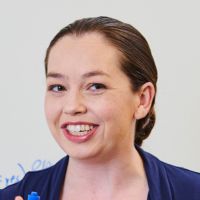
Dr. Kathleen Curtius is an Assistant Professor in the Department of Medicine at the University of California San Diego (UCSD), affiliated with the Division of Biomedical Informatics and the UCSD Moores Cancer Center. She leads the Quantitative Cancer Control laboratory, focusing on early cancer detection and prevention through mathematical modeling and multi-scale data analysis. Previously, she held a Medical Research Council Rutherford Fellowship at Barts Cancer Institute (London) and completed postdoctoral training in Prof. Trevor Graham's lab. Her research integrates applied mathematics, computational biology, and clinical oncology to address cancer evolution and screening strategies. Education: PhD in Applied Mathematics, University of Washington (2015) MS in Applied Mathematics, University of Washington (2011) BS in Mathematics, UCLA (2010) Research Interests: Mathematical oncology Cancer evolution modeling Epigenetic drift analysis Screening optimization Multiscale tumor dynamics Her work bridges disciplines to develop predictive tools for early cancer detection and personalized surveillance strategies. Publications: Recent work includes studies on metagenomic data bias (Nature Communications 2025), AI-driven cancer biomarker discovery (JCI Insight 2022), and computational models of Barrett's esophagus progression (Gut 2020). Her research emphasizes translational applications in clinical oncology and public health. Awards: Recognized with the 2024 Leah Edelstein-Keshet Prize, 2022 AGA Research Scholar Award, and 2018 MRC Rutherford Fellowship. Her work has been cited over 1,000 times across key oncology journals. Funding: Principal Investigator on NIH grants (R01CA270235, I01BX005958) supporting projects on Barrett's esophagus modeling and colitis-associated colorectal cancer surveillance optimization. Collaborates with clinicians, geneticists, and computational biologists to advance cancer control efforts. Labs/Teams: Leads the Quantitative Cancer Control Lab at UCSD, part of the Bioinformatics and Systems Biology division. Active in interdisciplinary initiatives like the Moores Cancer Center's Cancer Control Program.
Laura Tipton is an Assistant Professor in the Department of Mathematics & Statistics at James Madison University (JMU), affiliated with the College of Science and Mathematics. Her research focuses on microbiome dynamics across diverse habitats such as human lungs, aerobiota, invertebrate guts, and fermented foods, emphasizing bacterial-fungal interactions and robust statistical methodologies. She integrates techniques from ecology, machine learning, and graph theory, with side projects in digital humanities, data visualization, and data feminism. Education: PhD in Computational Biology (2016), University of Pittsburgh/Carnegie Mellon University MS in Statistics (2011), George Washington University BA in Biostatistics (2007), University of Virginia Her research interests span microbiome analysis, microbial interactions, and interdisciplinary data science. Recent work includes studies on airborne fungal DNA dynamics, fungal contributions to neonatal lung diseases, and psychobiotic field developments. She emphasizes methodological innovation in microbiome studies and advocates for inclusive data practices. While no formal awards or grants are listed, her work reflects significant contributions to collaborative projects like the Global Spore Sampling Project and Pacific Innovations, Knowledge, and Opportunities (PIKO) Program. Laura’s advising focuses on mentoring students in interdisciplinary projects at the intersection of mathematics, biology, and computational science.