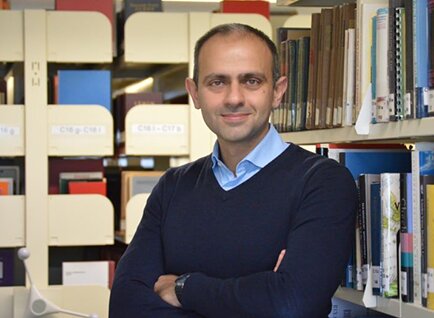
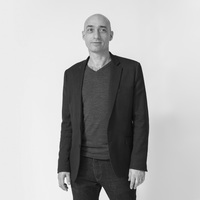
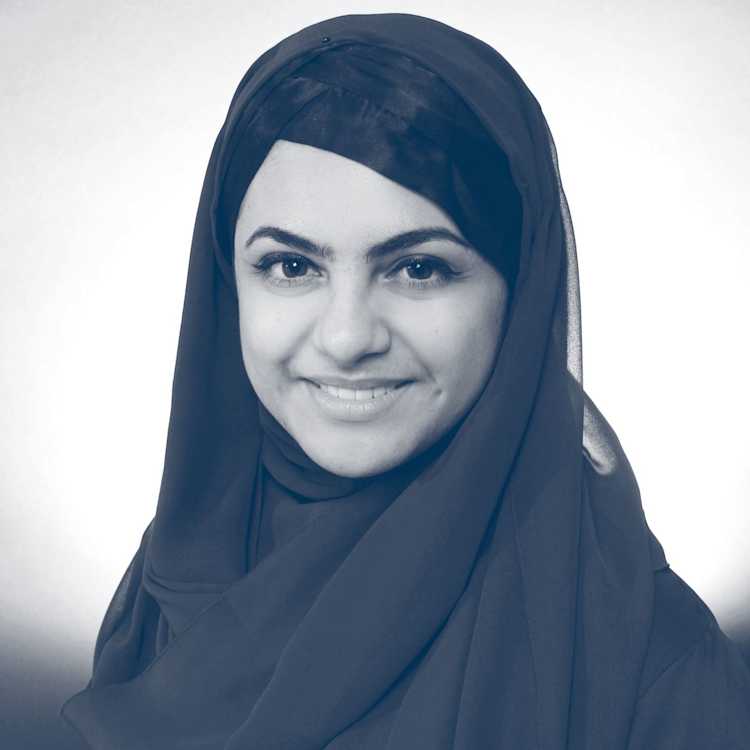
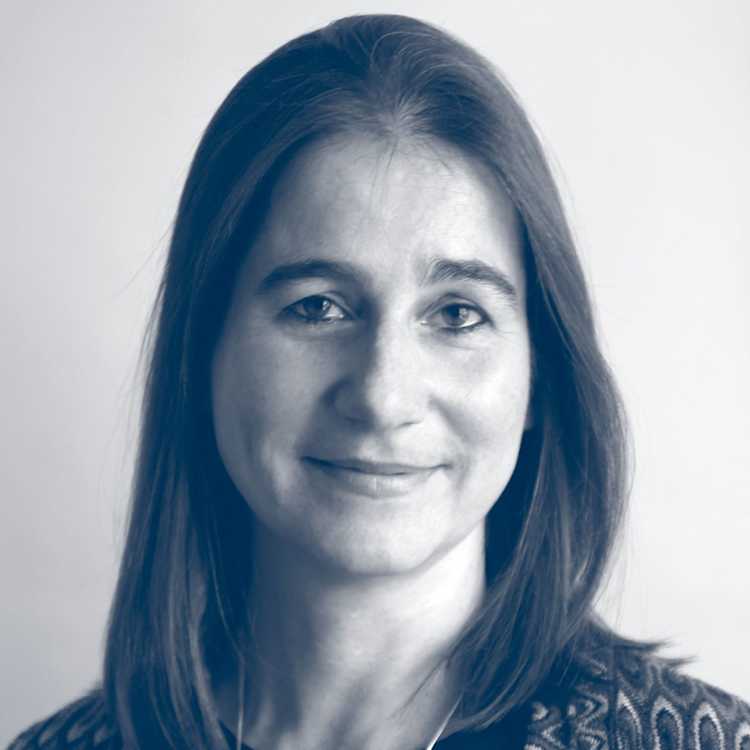
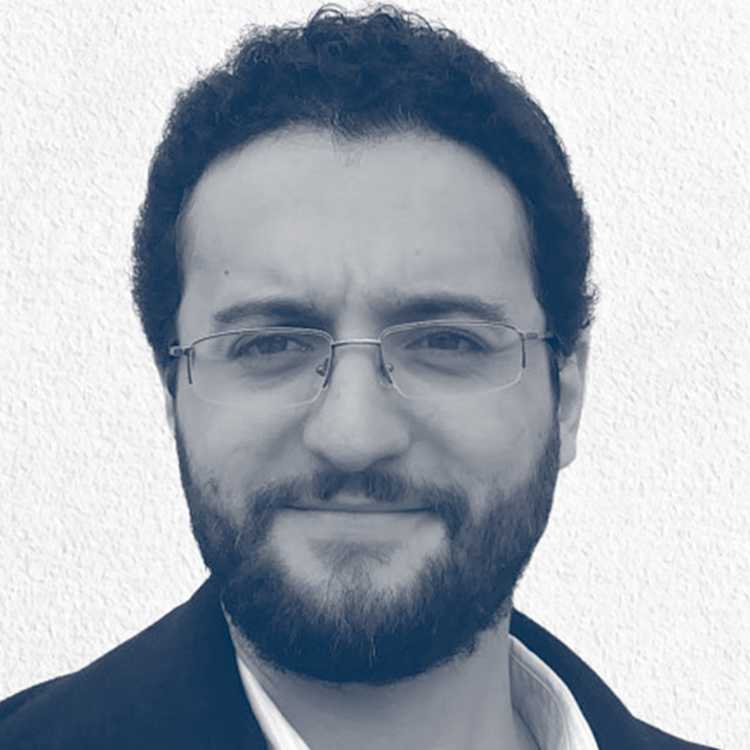
Zaur Gasimov is a Lecturer at Johannes Gutenberg University Mainz and currently serves as DAAD Departmental Coordinator and Co-Head at the Faculty of Economics and Administrative Sciences, Turkish-German University. He holds a habilitation in Modern History and Eastern European History, with a focus on Eastern European History, political science, and sociology. Education : B.A. in International Relations from Baku State University; M.A. from Catholic University of Eichstätt-Ingolstadt; Doctorate in Eastern European history Research : Concentrates on Russian-Turkish relations, nationalism in Eastern Europe, cultural transfer processes, and historical narratives. His habilitation thesis analyzed Polish-Turkish anti-Soviet alliances. Publications : Authored monographs on Prometheism, Azerbaijani historiography, and Russification policies. Collaborated on comparative studies of cultural transfer and Ottoman-Russian entanglements.
GIGA German Institute of Global and Area StudiesGermany
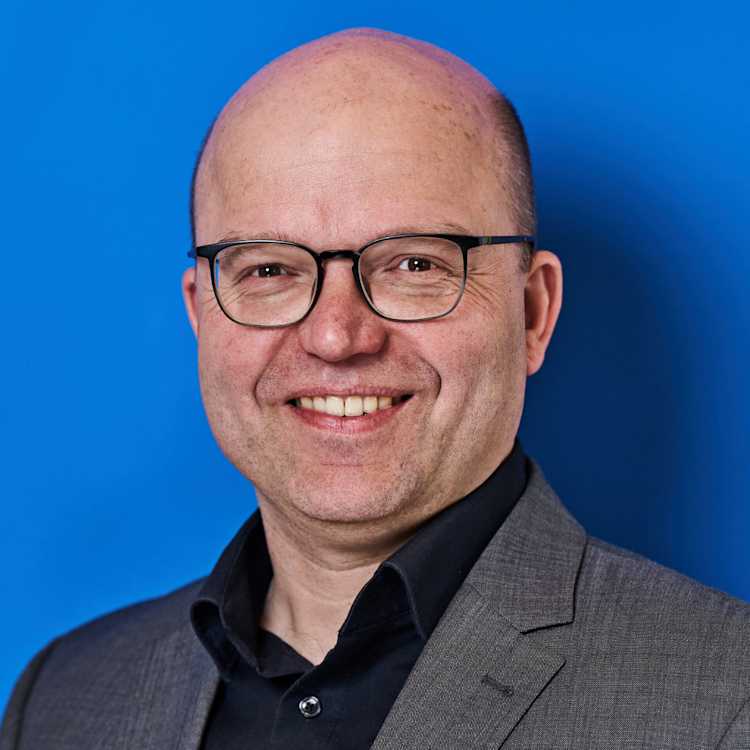
Thomas Richter is a leading academic and Professor at the German Institute for Global and Area Studies (GIGA) , where he serves as Lead Research Fellow and Head of the Research Programme "Accountability and Participation" . His work focuses on the institutional and material determinants of authoritarian rule , executive personalization , and global political economy , particularly in the Middle East and North Africa region. Education: PhD in Political Science (summa cum laude) at the University of Bremen (2008); studies at Eberhard-Karls University Tuebingen and University of Michigan, Ann Arbor. His research explores the interplay of rentier statehood and economic reforms , civil society under authoritarian regimes , and shrinking civic spaces . Recent projects include the Merian Center for Advanced Studies in the Maghreb (MECAM) and the Monitoring System and Transfer Platform Radicalisation (MOTRA) , funded by BMBF and DFG. Richter has published extensively on topics such as anti-Semitism , executive power dynamics , and public opinion on military service in Germany. He has received notable awards, including the Lijphart/Przeworski/Verba Data Set Award (2017) and the Gero Erdmann-Preis für vergleichende Area-Forschung (2022) . His collaborative work spans institutions like the WZB Berlin and Université de Tunis . Richter is also a co-editor of the Perspectives on the Maghreb series with Amsterdam University Press.
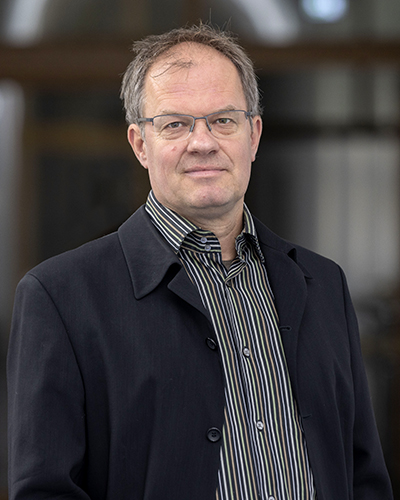
Prof. Dr. Rachid Ouaissa serves as University Professor and Head of the Department of Middle Eastern Politics at the Center for Near and Middle Eastern Studies (CNMS), Philipps University of Marburg since March 2009. He concurrently holds affiliations with the Center for Interdisciplinary Religious Studies and Center for Conflict Research at the same institution, and maintains active roles in Berlin-based research networks including EUME and the Wissenschaftskolleg zu Berlin. His academic formation includes a PhD from the University of Leipzig (2004) supervised by Prof. Hartmut Elsenhans, preceded by undergraduate studies at Martin-Luther-Universität Halle-Wittenberg (1994-1999) where he received the DAAD-Preis in 1997. His scholarly trajectory includes a Visiting Scholarship at Dalhousie University (2008) and prior research positions at the University of Leipzig. Ouaissa's research program centers on Middle Eastern and North African political dynamics with four interconnected pillars: cultural-identitarian political movements (comparing BJP in India and Algerian parties), moderate Islamist parties as potential EU partners, state-class behavior during resource scarcity (Iraq case study), and fundamentalist movement development (FIS in Algeria vs. Mahdia in Sudan). His conceptual innovation emphasizes blocked middle classes mobilizing religious identity to challenge state power, while his recent work develops 're-configuration' frameworks for understanding post-Arab Spring transformations. His publication trajectory from 1999-2021 reveals evolving scholarly priorities: early work focused on Algerian state formation and political Islam, shifting toward comparative cultural-identitarian movements (2007-2009), then moderate Islamist parties' foreign policy (2009-2012), with contemporary research addressing Hirak protests and theoretical re-configuration models. The corpus demonstrates consistent engagement with Algeria while expanding to regional comparative frameworks, particularly through co-edited volumes on Maghreb entanglements and MENA transformation processes. His scientific recognition includes: DAAD-Preis der Martin-Luther-Universität (1997) Friedrich-Ebert-Stiftung PhD Fellowship (2000-2002) Friedrich-Ebert-Stiftung Scholarship (1998-1999) Professor Ouaissa has secured major research funding including two German Research Foundation (DFG) projects: 'New Cultural-Identitarian Political Movements' (2007-2009) and 'Moderate Islamist Parties as EU Partners' (2009-2012). He actively mentors emerging scholars through the Friedrich-Ebert-Stiftung's doctoral programs and serves on its selection committees, while his policy engagement manifests through frequent media contributions analyzing Algerian protests and regional dynamics for outlets including Le Monde, El Watan, and Deutsche Welle. He leads the Department of Middle Eastern Politics at CNMS while contributing to the university's interdisciplinary research infrastructure through the Center for Interdisciplinary Religious Studies and Center for Conflict Research. His international scholarly integration is evidenced by co-editing the book series 'Politik und Gesellschaft des Nahen Ostens' and 'Studien zur Geschichte und Zeitgeschichte Westasiens und Nordafrikas', alongside editorial leadership of the journal META (Middle East Topics and Arguments).
Timm Beichelt is a Professor of European Studies at the European University Viadrina, where he serves as Dean of the Faculty of Social and Cultural Sciences and Head of the Master's degree programme in European Studies (MES). His research bridges political science and social/cultural sciences, focusing on democracy and autocracy in Central/Eastern Europe, EU foreign policy, and the intersection of football and politics. Doctorate in Political Science (University of Heidelberg, 2000, summa cum laude) Junior Professor at European University Viadrina (2003) Head of MES since 2003 Director of Viadrina Institute for European Studies (2017-2022) Head of Jean Monnet Policy Network 'ValEUs' (2024) His research explores democratic consolidation in post-socialist Europe, political emotions , and the politics of football as a transnational organizational field. Recent work analyzes EU foreign policy contradictions, autocratic practices in football, and emotional dynamics in governance. Articles reveal a focus on institutional hybridity, transnational networks, and late-modern societal contradictions. Recipient of the German Political Science Association (DVPW) Dissertation Prize (2000) Board member of Brandenburgische Landeszentrale für Politische Bildung (2019) Advisory Board member of Genshagen Foundation (2014) Co-spokesperson for DGO specialist group 'Political and Social Science' (2018) Beichelt leads the EU-funded 'ValEUs' research network and has contributed extensively to debates on democracy promotion, Europeanization, and the social dimension of political emotions. His career spans teaching, research, and leadership roles, emphasizing interdisciplinary approaches to European integration and political systems.
Prof. Anita Gohdes is a Professor of International and Cyber Security at the Hertie School in Berlin, funded by NXP Semiconductors Germany and supported by Stifterverband. Her research focuses on cyberpolitics, state violence dynamics, and large-scale quantitative analyses of state actions. Previously, she held an Assistant Professorship in International Relations at the University of Zurich and a postdoctoral fellowship at Harvard Kennedy School’s Belfer Center. Since 2009, she has collaborated with the Human Rights Data Analysis Group (HRDAG). She advises international organizations like the German Federal Foreign Office, World Bank, and UN on state fragility and security. Her book Repression in the Digital Age (Oxford UP) examines surveillance and censorship in modern authoritarianism. She leads research at the Centre for International Security, exploring intersections of technology and global security. Awards include the German Dissertation Prize in Social Sciences (Körber Foundation) and the Walter Isard Prize (Peace Science Society) for her Mannheim University doctoral work. Her recent research spans AI governance, civil resistance in digital contexts, and pandemic-era polarization. She has published in top journals like the American Journal of Political Science and Nature Human Behavior .
Sabine C. Carey is a Professor at the School of Social Sciences, University of Mannheim, leading the Chair of Political Science, International Relations. Her research emphasizes empirical analysis of violent conflict, human rights violations, terrorism, and counterinsurgencies, focusing on actors like pro-government militias and governance-repression links. Her teaching includes courses on international relations and political violence for BA, MA, and PhD students. Former students, such as Rosa Aloisi (Trinity University) and Katrin Paula (Technical University of Munich), have pursued prestigious academic and professional careers, with some receiving awards like the Deutscher Studienpreis. Key Research Areas: Violent conflict, human rights, media freedom in conflict zones, pro-government militia dynamics. Recent Article Trends: Explored media's role in postwar societies, state violence escalation, militia impacts on postwar repression, and global human rights perceptions. She will present at University College London (April 2025) and the Mannheim Model United Nations Conference (April 2025). Contact: sabine.carey@uni-mannheim.de
Dr. Achim Rohde is a Middle East historian serving as Research Fellow at the University of Hamburg's Asia-Africa Institute and Head of Memorial Development at the Lower Saxony Memorials Foundation. He holds a doctorate from Freie Universität Berlin and has held academic positions at institutions including Philipps University Marburg, Goethe University Frankfurt, and TU Berlin. Research Focus: Modern Middle East history (20th/21st century), gender studies, memory politics, and critical analysis of Orientalism and educational systems. Publications: 15 most recent articles span topics from Jihadist masculinity to post-2003 Iraqi education reforms , Tunisian democratization , and German academic discourse on non-Christian religions . Teaching: Courses on Arab Spring legacies, Islamic popular culture, and gender dynamics in Middle Eastern societies across multiple universities between 2002-2021. Academic Network: Collaborations with institutions like German Institute for Global Area Studies, Heinrich-Böll-Stiftung, and editorial work on comparative Middle East studies. Key Projects: Contributions to Social Contexts of Rebellion in Early Islamic Period (SCORE) , InterSaME , and RomanIslam Center for transcultural empire studies.
GIGA German Institute of Global and Area StudiesGermany
Hager Ali is a Doctoral Researcher at the German Institute for Global and Area Studies (GIGA), specifically affiliated with the GIGA Institute for Middle East Studies, and is part of the GIGA Doctoral Programme since October 2018. Ali also serves as an External Editor for the thematic series "Autocracies with Adjectives" at the Loop, ECPR's Political Science Blog since March 2022, and maintains a career as a freelance journalist since 2010. German Institute for Global and Area Studies (GIGA) - Institute for Middle East Studies (2018-present) Central European University (CEU) - Teaching appointments (2025) Institute for Peace Research and Security Policy (IFSH) - Teaching appointments (2024) Ali's research focuses on civil-military relations in the Middle East and North Africa, military coups and civilian control of armies, authoritarian regimes and institutions, regime stability and destabilization, party systems and cleavages, and German military deployments in the MENA-Region and Sahel. The doctoral dissertation examines "Praetorianism in the MENA-Region: Military Governance and Civilian Control across Regime Types." Ali's work demonstrates sophisticated methodological approaches to understanding authoritarian resilience and military politics through comparative analysis. Ali's publication record reveals a consistent focus on Sudanese politics and civil-military relations, with increasing attention to contemporary conflicts since 2022. The research combines theoretical insights from comparative authoritarianism studies with detailed empirical analysis of military institutions and political transitions in the Middle East and North Africa. Recent work shows a growing emphasis on practical policy implications, particularly regarding peace negotiations in Sudan and the role of civilian actors in conflict resolution. Shortlisted for the Best Blog Award of 2022 by ECPR's Political Science Blog "The Loop" (2023) Ali actively contributes to academic discourse through conference presentations, policy papers, and media commentary. Recent engagements include serving as a discussant at the ECPR General Conference 2024 on "Trends in autocratic practices and behaviors" and scheduled lectures on the Sudan conflict in 2025. Ali has established collaborations with institutions like the German Institute for International and Security Affairs (SWP) and maintains strong connections with academic networks across Europe. As a member of the GIGA research programme on Accountability and Participation, Ali contributes to interdisciplinary research on governance and political institutions. Ali participates in multiple ECPR Standing Groups including Political Methodology, Political Violence, Comparative Political Institutions, and Critical Peace and Conflict Studies, demonstrating engagement with diverse methodological and theoretical approaches to political science research.
GIGA German Institute of Global and Area StudiesGermany
Prof. Heike Holbig is a dual-affiliation academic serving as an Associate at the GIGA Institute of Asian Studies (since 2024) and a professor at Goethe University Frankfurt. She holds a part-time chair (50%) for East Asian politics focusing on China within the Department of Social Sciences. Her career includes senior roles at GIGA and editorial leadership for journals like Journal of Current Chinese Affairs . Education: PhD in Chinese Studies (Heidelberg University, 1997), Master of European Studies (Berlin, 1999). Pre-doctoral studies in China and Germany. Research Interests: Chinese political ideology, state-society relations, authoritarian legitimacy, and comparative governance. Specializes in analyzing the Chinese Communist Party’s strategies for maintaining power through ideological frameworks and historical narrative control. Recent Work Trends: Recent publications focus on global governance legitimacy under multipolarity, China’s pandemic policies, and the implications of the 20th Party Congress. Her work bridges domestic Chinese politics with international relations. Grants & Projects: Led major projects like Legitimate Multipolarity (DFG-funded) and Ideological Change and Regime Legitimacy in China (BMBF-funded). Current projects address dissociation processes in international institutions. Labs/Teams: Active in GIGA’s policy advisory and research networks, collaborating with institutions like the EU and South Korean think tanks on Indo-Pacific strategies.
GIGA German Institute of Global and Area StudiesGermany
Dr. Sara Bazoobandi is a Research Fellow at the GIGA Institute for Middle East Studies, part of the German Institute for Global and Area Studies (GIGA), a Leibniz Institute based in Hamburg, Germany. She has been associated with GIGA since February 2020. Her research focuses on International Political Economy and Energy Economics, with a regional emphasis on Iran and the Gulf Cooperation Council (GCC) countries. Her academic background includes a PhD in Middle East Political Economy from the Institute of Arab and Islamic Studies at the University of Exeter, an MSc in Economic Development in Emerging Markets from the University of Reading, and a BSc in Civil Engineering from Tehran, Iran. Prior to her current role, she served as a Senior Lecturer and Lecturer in International Political Economy at Regent's University London (2015–2018), and as a Research Fellow at the Middle East Institute, National University of Singapore (2012). Dr. Bazoobandi’s research centers on the political economy of the Middle East, particularly Iran’s economic resilience, diversification strategies, and digital transformation. She examines how Iran navigates international sanctions, develops its knowledge-based economy, and strengthens strategic alliances. Her work also explores the geopolitical implications of the Russo-Iranian nexus, focusing on military, economic, and ideological cooperation. More recently, she has been involved in the Digital Transformation Lab (DigiTraL), analyzing digitalization as a tool for international cooperation, particularly between Germany and the Global South. Her recent publications and policy studies highlight trends in AI governance, GCC digital transformation, and the weaponization of knowledge in authoritarian contexts. These works reflect a strong interdisciplinary approach, combining political science, economics, and security studies. She regularly contributes to media outlets such as Frankfurter Allgemeine Zeitung , WirtschaftsWoche , and Deutsche Welle , offering expert commentary on Middle Eastern geopolitics, Iranian foreign policy, and regional conflicts. Dr. Bazoobandi has taught at the Department of Political Science, University of Hamburg (2024), offering a seminar on ideology, state ethos, and power projection in Iran. She has also been a lecturer and speaker at international forums including the Gulf Research Meeting at Cambridge University, the Istituto per gli studi di politica internazionale (ISPI), and the GIGA Forum, where she has addressed topics such as gender equality in the MENA region and the 2022 Iranian protests. She is also the Managing Director of Middle East Risk Consulting, a role she has held since May 2018, demonstrating her engagement with applied policy and risk analysis in the region.
Christopher Hernandez-Roy serves as a senior fellow and deputy director of the Americas Program at the Center for Strategic and International Studies (CSIS) in Washington, D.C., while maintaining an academic affiliation as an affiliated practitioner at James Madison University's Department of Political Science. His research focuses on democratic backsliding, transnational organized crime, geopolitics, and economic and national security issues across the Western Hemisphere including North America, Central America, South America, and the Caribbean. Dr. Hernandez-Roy's educational background includes: BA honors degree in history from Carleton University MPhil in international relations from the University of Cambridge His research portfolio demonstrates deep expertise in monitoring democratic governance challenges throughout the Americas, analyzing transnational criminal networks, and assessing geopolitical competition in the region. Hernandez-Roy has developed specialized knowledge in U.S.-Latin American relations, with particular attention to how great power competition—especially China's expanding influence through legitimate and criminal channels—affects regional stability. His work consistently examines the intersection of security, governance, and economic policy in the hemisphere, with recent emphasis on trade dynamics, democratic resilience, and transnational security threats. Analysis of his publication history reveals growing concern about China and Russia's military diplomacy in Latin America, the impact of U.S. trade policies on North American integration, and the evolving challenges of transnational crime affecting hemispheric security. His research demonstrates how democratic backsliding, corruption, and organized crime intersect to undermine regional stability and U.S. interests. Hernandez-Roy's practical policy experience is substantial: Served as first director of the Department of Public Security at the OAS Led the Department of Sustainable Democracy and Special Missions at the OAS Documented human rights abuses in Venezuela and co-led ICC case efforts Oversaw OAS Mission to Support the Peace Process in Colombia Negotiated anti-corruption missions in Honduras Resolved border disputes between multiple Central American nations Early in his career, Hernandez-Roy worked for the Royal Canadian Mounted Police, providing foundational security expertise. His policy insights are frequently sought by major media outlets including CBS, CTV, CBC, Wall Street Journal, Washington Post, and New York Times, and he has testified before Congress on Western Hemisphere affairs. His work bridges academic analysis and practical policy implementation through his dual roles at CSIS and James Madison University.
GIGA German Institute of Global and Area StudiesGermany
Dr. Khalil Dahbi is a Research Fellow at the GIGA Institute for Middle East Studies and the World Order Narratives of the Global South (WONAGO) project since 2021. Previously, he held roles at Tokyo University of Foreign Studies, including Research Fellow, Adjunct Lecturer, and Research Assistant from 2013-2021. He earned a PhD in International Studies from Tokyo University of Foreign Studies, alongside an MA and B.A. in International Studies from Al Akhawayn University in Morocco. His research focuses on North African politics, global order narratives, and authoritarianism. Key areas include the Maghreb’s leftist movements, Moroccan political thought, and rethinking political opposition in authoritarian contexts. He contributes to projects funded by Germany’s Federal Ministry of Education and Research (BMBF), exploring Global South perspectives on world order shifts. Dr. Dahbi has lectured at institutions like Mohammed VI Polytechnic University and organized academic events on topics such as digital decolonization and football’s religious cultural production. His work bridges historical analysis with contemporary geopolitical dynamics, emphasizing the Global South’s agency in redefining international relations.
Julia Bader is an Associate Professor at the Department of Political Science within the Faculty of Social and Behavioural Sciences at the University of Amsterdam (UvA) and affiliated with the Amsterdam Institute for Social Science Research (AISSR). She serves as co-director of the Political Economy and Transnational Governance research group and is actively engaged with the External Democracy Promotion (EDP) Network and the International Diffusion and Cooperation of Authoritarian Regimes (IDCAR) network. Dr. Bader holds a Master of Arts in Politics and Management from the University of Konstanz and a PhD in Political Science from the University of Heidelberg. Prior to joining UvA in 2012, she worked as a research fellow at the German Institute of Development and Sustainability (IDOS) in Bonn. Her research focuses on the intersection of international relations and comparative regime studies, specifically examining China's foreign relations with authoritarian regimes. She investigates how China targets specific actors in autocracies versus democracies, how the non-interference policy translates into support for autocratic leaders, and China's influence on authoritarianism diffusion globally. Dr. Bader is currently researching the international network of the Chinese Communist Party and soft power dynamics in authoritarian contexts. Her seminal work "China's Foreign Relations and the Survival of Autocracies" (2015) analyzes China's bilateral relations with Burma, Cambodia, and Mongolia, revealing that while China shows preference for economic cooperation with autocracies, only specific forms of engagement increase autocratic survival prospects. Her research demonstrates how China exploits secretive decision-making in autocracies to secure resources and strategic advantages. Member of External Democracy Promotion (EDP) Network Member of International Diffusion and Cooperation of Authoritarian Regimes (IDCAR) Former external partner of "Undermining Hegemony" project (US, China, Russia, and International Public Goods) Associate Fellow at German Development Institute (DIE) Dr. Bader's scholarship bridges political science, international relations, and Asian studies, providing critical insights into authoritarian resilience and great power politics in the contemporary international system.
Max Planck Institute for Tax Law and Public FinanceGermany
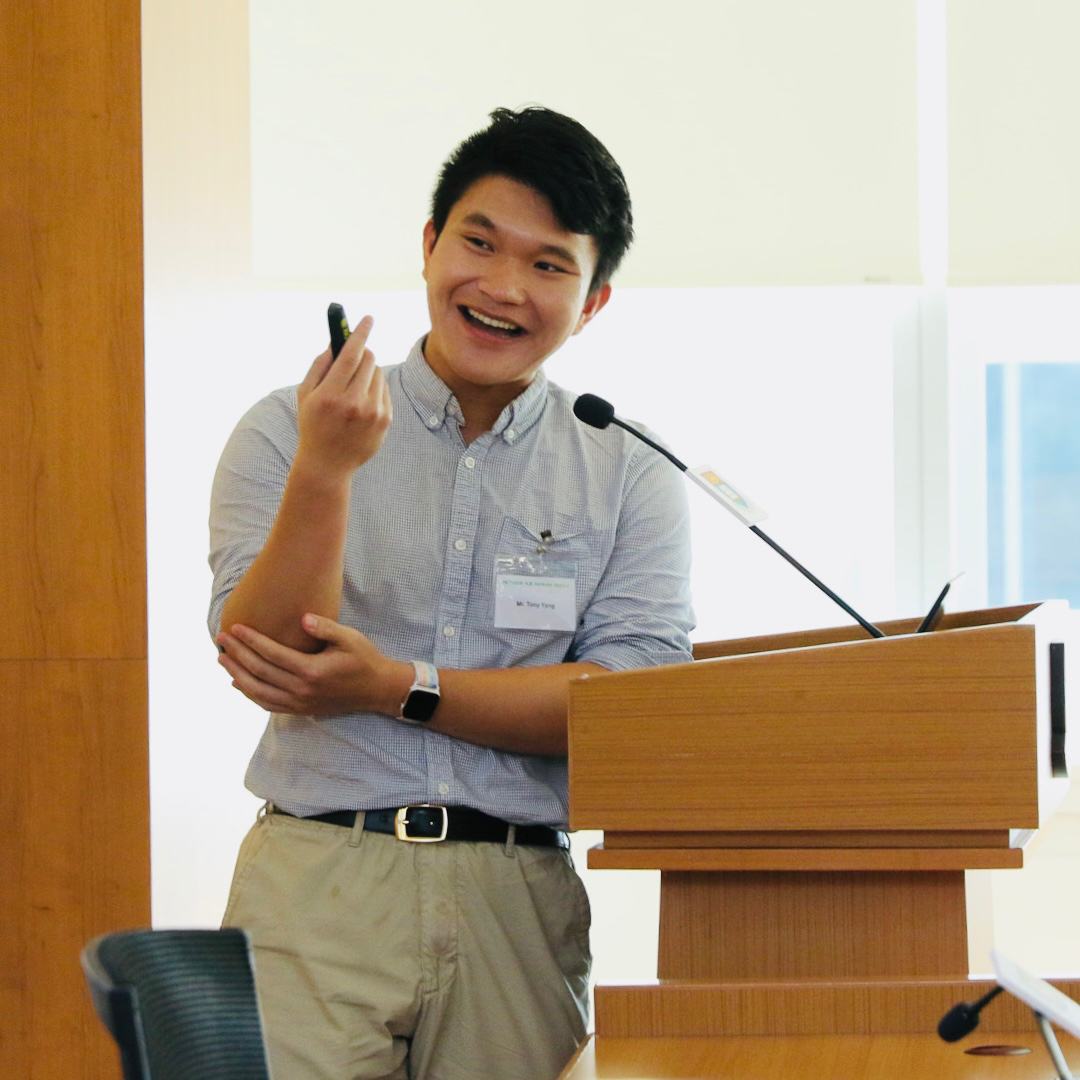
Tony Zirui Yang is a Postdoctoral Prize Research Fellow in Politics at Nuffield College, University of Oxford, and an Associate at the University of Oxford China Centre. Starting Fall 2025, he will join Emory University as an Assistant Professor of Political Science. His research focuses on authoritarian politics, political communication, public opinion, and political methodology, with regional expertise in China and Southeast Asia. He employs computational methods (text/audio-as-data), survey experiments, and qualitative fieldwork. His work appears in journals like the Journal of Politics , International Organization , and Comparative Political Studies . Education: PhD in Political Science (Washington University in St. Louis, 2024); LL.B. in Law (Renmin University of China, 2018). Research Interests: Explores censorship mechanisms, propaganda effectiveness, LGBTQ+ prejudice, and authoritarian governance. Notable projects include analyzing China's propaganda during the 2022 pandemic shift and participatory censorship dynamics. Methodologically, he combines multi-method approaches to study state-society interactions in autocracies. Teaching: At Emory, he will teach courses on Chinese politics and global affairs. Previously, he tutored at Nuffield College and guest lectured on authoritarian institutions and protest dynamics.
Elena Denisova Schmidt serves as a Privatdozent (equivalent to Associate Professor) and Research Associate at the University of St. Gallen (HSG) in Switzerland, where she maintains an active research profile through the university's CRIS system. Her work focuses on corruption mechanisms across multiple domains in post-Soviet contexts, particularly examining electoral processes, academic institutions, and everyday informal practices in Russia and neighboring countries. Her primary research interests include Corruption Studies , Russian Politics , Higher Education Systems , Academic Integrity , and Informal Practices . Through extensive fieldwork and analysis, she investigates how administrative resources are deployed in Russian electoral processes, regional variations in corruption perception, and historical patterns of academic dishonesty. Her methodological approach frequently employs qualitative techniques including in-depth interviews with political strategists, officials, and students across multiple Russian regions. Analysis of her recent publications reveals a significant shift toward comparative international research, particularly examining academic integrity challenges across China, Russia, and Ukraine. Her 2023-2025 work demonstrates increasing attention to how geopolitical changes following February 2022 have impacted corruption research in Russia, with her noting that "after three decades of courage and innovation, the topic is now on hold" in the Russian context. This evolving research trajectory reflects both scholarly adaptation to changing political realities and expansion into new geographical contexts. Dr. Denisova Schmidt has led significant research projects including "Forming Values and Stereotypes in the Perception of Corruption by Students in Russia" (with 13 associated publications) and has collaborated extensively with researchers including Yaroslav Prytula, Elvira Leontyeva, and Stanislav Shekshnia. Her scholarly output is substantial, with 229 research items spanning from 2003 to 2025, including 70 journal articles, 42 book sections, and 17 books. Her work appears in journals such as Journal of Eurasian Studies, Demokratizatsiya, and Mir Rossii, demonstrating interdisciplinary reach across political science, education, and sociology.