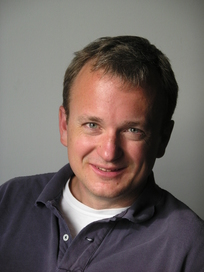
Aybars Tuncdogan is a Reader in Digital Innovation and Information Security at King’s Business School, King’s College London. He holds affiliations with the King’s AI Institute, King’s Cybersecurity Centre (Informatics), and King’s Cybersecurity Group (War Studies). A Fellow of the Higher Education Academy, he also serves on the editorial review board of Industrial Marketing Management . Education : PhD in Management, Rotterdam School of Management, Erasmus University MPhil in Business Research (Distinction), Erasmus University Bachelor’s in Business Management & Computer Science (Honors), Earlham College Research Interests : His work focuses on three pillars of digital innovation: generation (crowdsourcing, AI), marketing (digital brand personality, sales ambidexterity), and protection (information security, corporate espionage). He integrates psychology (individual differences, social identity) and computer science (machine learning/AI) frameworks. Publications Trends : Recent work addresses cybersecurity challenges in retail, AI ethics in healthcare, and interdisciplinary innovation. He frequently publishes in top-tier journals like Journal of Management and Scientific American , blending academic rigor with practitioner impact. Awards & Contributions : 2015 Best Paper Award (shared) Edited books including Oxford Handbook of Individual Differences and Strategic Renewal Teaching & Pedagogy : Develops innovative teaching methods like inquiry-based learning to foster student creativity. Taught modules on digital marketing, consumer behavior, and research methods. Labs/Teams : Contributes to cybersecurity initiatives at King’s, focusing on AI-driven defense mechanisms and organizational cyber resilience strategies.
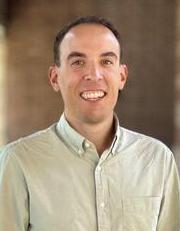
Rafael Brüschweiler is a Professor and Ohio Research Scholar at The Ohio State University, holding joint appointments in the Department of Chemistry and Biochemistry and the Department of Biological Chemistry and Pharmacology. He serves as the NMR Executive Director for the Ohio State Campus Chemical Instrument Center and the NSF-funded National Gateway Ultrahigh Field NMR Center. His research focuses on biophysical chemistry, analytical chemistry, and computational modeling, emphasizing protein dynamics, metabolomics, and NMR method development. He received his Ph.D. from ETH Zurich and completed a postdoc at the Scripps Research Institute. His research integrates experimental NMR, molecular dynamics simulations, and machine learning to study protein structure-function relationships, metabolic pathways, and biomolecular interactions. Key areas include the dynamics of oncogenic K-Ras, glucokinase glucose sensing, and nanoparticle-assisted NMR techniques. His work is funded by the NIH and NSF, with applications in biomedical diagnostics and drug discovery. Dr. Brüschweiler leads a multidisciplinary lab training students and postdocs in NMR spectroscopy, computational methods, and metabolomics. His lab developed tools like DEEP picker and COLMAR for automated NMR data analysis, contributing to the SECIM metabolomics center. He actively recruits students interested in protein dynamics, computational modeling, or metabolomics.
Raquel E. Aldana is the Martin Luther King Jr. Professor of Law at UC Davis School of Law, where she rejoined as a full-time faculty member in 2020 after serving as Associate Vice Chancellor for Academic Diversity (2017–2020). She holds a J.D. from Harvard Law School and B.A. degrees in English and Spanish from Arizona State University (summa cum laude). Her academic career includes prior roles at the McGeorge School of Law and the University of Nevada, Las Vegas, as well as a Fulbright Scholarship in Guatemala (2006–2007). Her research focuses on transitional justice, criminal justice reform, sustainable development in Latin America, and immigrant rights. Aldana has authored or edited five books and over thirty law review articles, earning recognition through grants such as the UC Davis Academic Senate Interdisciplinary Grant for the project Building Bridges: Narrowing the Legal-Scientific Divide in Immigration Forensic Assessments . She teaches courses on immigration law, asylum, comparative forced displacement, and critical race theory. Aldana leads the Aoki Center for Critical Race and Nation Studies, co-directing its mission to advance interdisciplinary scholarship on race, ethnicity, and law. She co-founded the Critical Race Theory Book Series with UC Press, aiming to globalize and diversify critical race discourse. Her awards include the ABA’s Margaret Brent Women Lawyers of Achievement Award and the UC Davis Chancellor’s Achievement Award for Diversity. Her service includes roles on the American Law Institute, American Bar Foundation, and the Council on Foreign Relations. She chairs the ABA’s Latin America and Caribbean Council and co-chaired the UC Davis taskforce to achieve Hispanic Serving Institution (HSI) status, realized in 2024. Her work integrates legal education, policy reform, and grassroots advocacy to address systemic inequities in migration, criminal justice, and global development.
Scott Hsu serves as an Associate Professor in the Department of Finance at the Walton College of Business, University of Arkansas, with his office located in WCOB 475B. His academic role centers on empirical finance research with strong institutional linkages. Dr. Hsu's research critically examines how external institutions and managerial characteristics shape corporate behavior. His primary focus areas include corporate political connections , CEO attributes (notably physical attractiveness), private equity dynamics , and venture capital investment patterns . He investigates causal mechanisms through which bankruptcy laws, political networks, and executive experiences influence firm policies, innovation outcomes, and market competition. Analysis of his 12 publications (2010-2025) reveals consistent methodological rigor in studying institutional finance. Key trends include the supply-chain externalities of political connections, CEO appearance effects on firm valuation, and private equity's employment impacts. His work bridges corporate finance with political economy and innovation studies, frequently employing large-scale empirical datasets to uncover non-market forces in corporate decision-making. The 2025 paper on political connection externalities indicates ongoing active research.
Solntsev Sergey Andreevich is an Associate Professor at the Department of Applied Economics within the Faculty of Economic Sciences at the National Research University Higher School of Economics (HSE). He also serves as Deputy Head of the Laboratory of Labor Market Research. With over 23 years of scientific and teaching experience since joining HSE in 2004, he specializes in labor economics, corporate governance, and personnel policy. Candidate of Economic Sciences (2006), Lomonosov Moscow State University Master's degree in Economics (2003), Lomonosov Moscow State University Bachelor's degree in Economics (2001), Lomonosov Moscow State University His research focuses on labor market dynamics, particularly examining wage structures, personnel policies in Russian companies, top management labor markets, and the relationship between higher education and labor market outcomes. He has conducted extensive empirical research on how Russian firms adjust wages, recruit employees, and manage executive turnover, with a particular emphasis on corporate governance mechanisms. His work often utilizes unique Russian enterprise and household survey data to provide insights into labor market functioning in the Russian context. His publication portfolio demonstrates a consistent focus on Russian labor market issues, with particular attention to higher education outcomes, wage setting practices, and executive labor markets. His research combines rigorous empirical methodology with practical policy implications, contributing significantly to understanding labor market dynamics in Russia during periods of economic transition and crisis. Letter of thanks from the Rector of HSE (December 2022) Gratitude from the Faculty of Economic Sciences of HSE (February 2020) Academic Work Allowance (2014-2015, 2008-2009) Bonus for publication in a List B journal (2023-2025) Professor Solntsev teaches multiple courses including Labor Economics, Labor and Personnel Economics (in Russian and English), and Russian Economy at both bachelor's and master's levels. His teaching reflects his research expertise, providing students with insights into contemporary labor market issues in Russia. His research has been supported through institutional mechanisms at HSE, including participation in the Laboratory of Labor Market Research activities and various research projects. As Deputy Head of the Laboratory of Labor Market Research at HSE's Faculty of Economic Sciences, he contributes to one of Russia's leading research centers focused on labor market analysis. The laboratory conducts empirical studies on various aspects of the Russian labor market, often in collaboration with government agencies like Rostруд (Federal Labor and Employment Service). Professor Solntsev works closely with colleagues including Professor Sergey Roshchin, the laboratory head, on multiple research initiatives.
Steven Davidoff Solomon is a Professor at the University of California, Berkeley - School of Law. He is also affiliated with the European Corporate Governance Institute (ECGI) and the Berkeley Center for Law and Business, reflecting his deep engagement in corporate law and governance research. His research interests span Corporate Law, Securities Regulation, Mergers and Acquisitions, Corporate Governance, Financial Regulation, Private Equity, and ESG . His scholarship often integrates empirical legal studies with doctrinal analysis, focusing on the economic and regulatory implications of corporate transactions and governance structures. His recent publications reveal a consistent focus on modern corporate governance challenges, including dual-class stock, passive investing, public benefit corporations, and the impact of social movements on executive contracting. His work frequently appears in top-tier law reviews and is highly cited, indicating significant scholarly influence. He has collaborated extensively with leading scholars such as Jill E. Fisch, Matthew D. Cain, David Zaring, and Randall S. Thomas. While no specific awards or students are listed in the provided text, his prolific output and institutional affiliations underscore his prominence in the legal academic community. His research has practical implications for policymakers and practitioners, demonstrated by his testimony before the Senate Homeland Security and Governmental Affairs Committee on financial regulatory reform. He continues to be an active contributor to legal scholarship, with recent publications extending into 2025.
Dr. Nancy L. Sin is an Associate Professor in the Department of Psychology within the Faculty of Arts at the University of British Columbia. She teaches undergraduate and graduate courses in health psychology and supervises students at multiple levels. She is Co-Chair of the Antiracism Task Force for the Society for Biopsychosocial Science and Medicine and a member of the Steering Committee at the UBC Edwin S.H. Leong Centre for Healthy Aging. Previously, she served on the Executive Committee for the American Psychological Association's Division on Adult Development and Aging and established the Diversity Mentorship Program. PhD, University of California, Riverside, 2012 Dr. Sin's research focuses on biological and behavioural pathways linking daily well-being and stress to health. Her work demonstrates that emotional responses to daily stressors are associated with inflammatory, neuroendocrine, and autonomic mechanisms implicated in aging-related conditions like cardiovascular disease. She investigates daily positive events as protective factors for stress processes and health, with particular interest in emotional well-being and aging, stress-sleep cycles, and health equity. Her research spans multiple disciplines including health psychology, gerontology, and social psychology. Analysis of Dr. Sin's recent publications reveals consistent focus on daily stress processes, positive emotions, and health outcomes across the lifespan. Her work increasingly examines pandemic-related stressors, social determinants of health, and health disparities, with strong emphasis on methodological rigor through daily diary and longitudinal approaches. The publications demonstrate interdisciplinary collaboration across psychology, public health, and medicine, with growing attention to diversity, equity, and inclusion in health research. Distinguished Alumni Award, Department of Psychology, University of California, Riverside (2025) Fellow, Gerontological Society of America (2025) Innovative Research on Aging Award (Bronze Award) from the Mather Institute (2021) Michael Smith Foundation for Health Research Scholar (2020) Springer Early Career Achievement Award in Research on Adult Development and Aging (2019) Gerontological Society of America's Behavioral and Social Sciences Student Research Award Editor's Choice article at Annals of Behavioral Medicine Dr. Sin actively supervises undergraduate, MA, and PhD students, with a current focus on Health Psychology graduate students specializing in adult development and aging, stress, and health equity/disparities. Her research has been supported by significant grants as PI or Co-I from the U.S. National Institute on Aging, Social Sciences and Humanities Research Council of Canada, Canadian Institutes of Health Research, Canada Foundation for Innovation, and the Michael Smith Foundation for Health Research. She has established a strong research program examining daily experiences and their health implications across adulthood. Dr. Sin directs the UPLIFT Health Lab (Understanding Pathways Linking Inter- and Intraindividual Factors To Health), which explores psychosocial well-being and biobehavioural mechanisms underlying healthy aging. The lab investigates how daily positive events promote health through lower inflammation, adaptive cortisol profiles, and better health behaviors, with particular attention to how positive emotions buffer stress processes. The lab actively recruits community participants for studies on daily experiences and health, contributing to intervention development for promoting psychological and physical well-being across adulthood.
Andrew Thompson is the John S. and Sherry Chen Professor of Environmental Science and Engineering at the California Institute of Technology. He serves as Director of the Ronald and Maxine Linde Center for Global Environmental Science and Executive Officer for Environmental Science at Caltech. With a Ph.D. from Scripps Institute of Oceanography (2006), his career at Caltech spans from Assistant Professor (2011-17) to his current Professor role since 2017. Education: B.S. in Physics from Dartmouth College (2000), C.A.S. (2001) and M.Phil. (2002) at University of Cambridge Leadership: Director of Linde Center (2023-), Academic Officer (2019-22) His research focuses on ocean circulation dynamics and physical processes governing climate systems . Key areas include: Ocean Turbulence and Submesoscale Dynamics Antarctic Circumpolar Current and Drake Passage Dynamics Climate Change Impacts on Ice Shelf Melt Rates Current projects involve ChinStrAP (Changes in Stratification at the Antarctic Peninsula), using autonomous ocean gliders to study eddy formation and air-sea exchange. His group employs idealized numerical models , remote sensing , and climate simulations to explore topics like: Warm water pathways onto Antarctic continental shelves Role of mesoscale/submesoscale eddies in ocean mixing Global overturning circulation responses to climate change Scientific achievements include the Packard Fellowship for Science and Engineering . He mentors graduate students Xiaozhou Ruan , Giuliana Viglione , and Andrew Delman , fostering interdisciplinary collaboration with institutions like Scripps Institution of Oceanography and CSIR . His group emphasizes inclusive training for early-career scientists in climate-relevant STEM careers .
Maria Monica Wihardja serves as a Visiting Fellow and Co-coordinator of the Media, Technology and Society Programme at ISEAS–Yusof Ishak Institute while holding an Adjunct Assistant Professor position at the National University of Singapore. Her career bridges academic research and high-impact policy engagement, including former roles as World Bank Economist in the Poverty and Equity Global Practice and senior advisor to Indonesia's Presidential Executive Office on strategic economic reforms. Her educational background features: PhD in Regional Science, Cornell University MPhil in Economics, Cambridge University BA in Applied Mathematics-Economics, Brown University Wihardja's research integrates economic analysis with sociotechnical systems, focusing on digital transformation's impact on labor markets, food security, and democratic processes. She examines how technological disruption creates both opportunities for inclusion and risks of inequality, particularly through studies of platform economies, electoral disinformation, and sustainable agro-food systems. Her methodology combines quantitative econometrics with policy-oriented field research, often leveraging large-scale datasets from government and private sector partnerships. Analysis of her recent publications reveals three dominant research trajectories: (1) Digital economy effects on labor market polarization and inclusion, (2) Food system resilience through agricultural modernization, and (3) Geopolitical dimensions of supply chain reconfiguration. These intersect with her policy engagement in ASEAN economic integration frameworks and Indonesia's G20 presidency initiatives. Her scientific recognition includes: Nikkei Asian Scholar 2023 award Wihardja actively shapes regional discourse through editorial roles at East Asia Forum and Center for Indonesian Policy Studies. Her grant-funded work frequently involves World Bank partnerships and Indonesian government collaborations, particularly on stunting prevention and food policy reforms. Current projects examine deepfake impacts on electoral integrity and sustainable financing mechanisms for green transitions. She leads the Media, Technology and Society Programme at ISEAS, coordinating interdisciplinary research on digital governance and Southeast Asian technology policy. The programme partners with regional think tanks, government agencies, and private sector stakeholders to develop evidence-based policy responses to technological disruption.
Alvin NG Theng Haw is an Adjunct Associate Professor at the Division of Information Technology and Operations Management, College of Business (Nanyang Business School), Nanyang Technological University (NTU). He combines over 20 years of global leadership experience in Sales and Product Management with academic roles, including serving as a Senior Career Fellow and executive coach for NTU’s Global Executive MBA and Full-Time MBA programmes. His work focuses on integrating Digital Transformation, Internet of Things (IoT), and Artificial Intelligence for Business into strategic frameworks. Research Interests : Alvin specializes in leveraging Digital Transformation and Advanced Technologies (IoT, AI) to drive business innovation. His publications in materials science demonstrate interdisciplinary applications of these technologies to fields like Soft Robotics, Self-Healing Materials, and Wearable Electronics. His expertise extends to Smart Cities, Sustainability Technology, and Industry 4.0, where he applies business strategies to technological challenges. Contributions : As a founding member of the World Economic Forum’s Digital ASEAN Skills Task Force, he advocates for digital literacy and skills development. His industry experience includes roles in networking, software, cloud platforms, and biorenewable materials, reflecting a bridge between business and engineering.
Eric Thun is a Tutorial Fellow in Management at Brasenose College and the Peter Moores Associate Professor in Chinese Business Studies at the University of Oxford’s Saïd Business School. He has taught at Princeton University and joined Oxford in 2005, focusing on undergraduate management education and executive programs. Thun holds a BA from Princeton University (1990) and a PhD from Harvard University (1999). He served as a postdoctoral fellow at MIT’s Industrial Performance Center before returning to Princeton as an Assistant Professor in the Woodrow Wilson School and Department of Politics. His research interests center on China’s political economy, particularly how industrial structures and policies influence firm capabilities and competition. Thun has extensively studied China’s automotive industry, multinational corporations, and the integration of China into global production networks. More broadly, he explores strategies of indigenous and multinational firms in emerging markets and the impact of digital transformation on global value chains. Thun’s recent articles (2021–2025) highlight themes of modular ecosystems, state-market dynamics, and challenges in reshoring supply chains. Earlier works (2019–2000) emphasize innovation, policy impacts on GVCs, and sustainability in global trade. No scientific awards are explicitly listed. While he teaches and advises across multiple programs, no formal advisees or grants are detailed in the provided texts. His affiliations include Brasenose College and Saïd Business School, with no lab or team affiliations mentioned.
Tim Colonius is the Frank and Ora Lee Marble Professor of Mechanical Engineering and Medical Engineering and holds the Cecil and Sally Drinkward Leadership Chair at the California Institute of Technology. He has been affiliated with Caltech since 1994 and currently serves as Executive Officer for Mechanical and Civil Engineering . Colonius earned his B.S. from the University of Michigan (Ann Arbor), and both his M.S. and Ph.D. from Stanford University. Research Interests: His work focuses on fluid dynamics (global instabilities, cavitation, aerodynamic sound), flow control (closed-loop control, reduced-order modeling), and biomedical applications (shock waves, lithotripsy, ultrasound). He also develops advanced numerical methods for interface capturing, immersed-boundary techniques, and high-order accuracy. Scientific Contributions: Recent publications highlight his research in multiphase flows, vortex ring collisions, turbulent jet analysis, GPU-accelerated simulations, and biomedical applications. His group uses computational and data-driven approaches to study turbulence, instabilities, and flow optimization. Scientific Awards: AIAA Aeroacoustics Award Fellow of the Acoustical Society of America Fellow of the American Physical Society (APS) NSF and DoD research grants
Reinier H. Kraakman is the Ezra Ripley Thayer Professor of Law at Harvard Law School, where he teaches corporate law, corporate finance, and organizational law. He previously served as a professor at Yale Law School and has held visiting positions at Georgetown University Law Center and New York University School of Law. His academic and policy work has influenced corporate governance reforms in countries such as Russia and Vietnam. Education: J.D., Yale Law School, 1979 Ph.D. in Sociology, Harvard University, 1973 B.A. in History and Science, Harvard College, 1971 Fulbright Fellowship, University of Frankfurt, 1971 His research focuses on corporate law, corporate governance, comparative corporate law, and the economic foundations of organizational law. Kraakman is renowned for identifying core agency problems in corporations—between managers and shareholders, controlling and minority shareholders, and shareholders and other stakeholders. His work emphasizes the functional and comparative analysis of legal institutions across jurisdictions. The recent publications of Professor Kraakman reflect a sustained focus on the intersection of law, economics, and institutional design. His articles and books analyze corporate governance structures, market efficiency, CEO turnover, and the historical evolution of business entities. He frequently collaborates with leading scholars such as Henry Hansmann, Lucian Bebchuk, and Ronald Gilson, producing influential interdisciplinary work that shapes both academic discourse and policy debates. Scientific Awards: Elected ECGI Research Associate (2006) Fulbright Fellowship (1971) Kraakman has advised on legal reforms and contributed to major amicus briefs before the U.S. Supreme Court, particularly in cases involving corporate political speech and shareholder rights. His work on compliance, executive compensation, and board accountability has informed regulatory thinking globally. He is a key figure in the academic network promoting empirical and theoretical rigor in corporate law. He is a co-author of the seminal treatise The Anatomy of Corporate Law , now in its third edition, and has published extensively in top law journals including the Yale Law Journal , Georgetown Law Journal , and Harvard Law Review . His scholarship continues to be central to understanding the convergence and divergence of corporate legal systems worldwide.
Douglas C. Ligor is a Professor of Policy Analysis at the RAND School of Public Policy and Director of the Management, Technology, and Capabilities Program at RAND's Homeland Security Research Division. He holds dual roles as a Senior Behavioral Scientist and academic researcher, specializing in homeland/national security law, immigration policy, space governance, and international legal frameworks. Education: J.D. from University of Connecticut School of Law (2000s) and B.S. in Economics from U.S. Military Academy at West Point (1990s). Prior to RAND, he served in federal legal roles including Deputy Chief Counsel at USCIS and Assistant District Counsel at DOJ/ICE. Research focuses on border security, asylum processing, outer space regulation, and federal-state-local coordination. His work frequently addresses intersections between statutory compliance and operational realities in domains like immigration enforcement and space traffic management. Notable contributions include policy analyses on Title 42 immigration restrictions, ISIS prisoner management in Syria, and frameworks for international space traffic governance. He regularly engages in public commentary through podcasts and op-eds on topics like U.S. border policy and emerging space law challenges.
Dr. Andrew Erwin is an Assistant Professor in Mechanical Engineering at the University of Cincinnati, focusing on robotics, human-robot interaction, and rehabilitation engineering. He holds a PhD and MS from Rice University (2018, 2014) and a BS from the University of Massachusetts Amherst (2012). Prior to UC, he was a postdoc at the University of Southern California and the Jet Propulsion Laboratory. His research explores how forces and movements are executed in healthy individuals, and how robotic devices can assist or restore function post-injury. Key areas include rehabilitation robotics, bio-inspired systems, haptic interfaces, and motor learning. He has received prestigious awards such as the NASA Postdoctoral Program Fellowship (2018) and the IEEE/ASME Transactions on Mechatronics Best Paper Award (2017). Dr. Erwin’s work integrates biomechanics, control systems, and neurophysiology. His lab develops devices like the SE-AssessWrist for wrist assessment and explores planetary seismometers for space missions. He maintains an active Google Scholar profile with over 25 publications. Education: PhD, Mechanical Engineering, Rice University, 2018 MS, Mechanical Engineering, Rice University, 2014 BS, Mechanical Engineering, University of Massachusetts Amherst, 2012 His current research emphasizes curriculum design for robotics learning, human-robot collaboration, and adaptive control systems. He offers a PhD position for Fall 2025 focusing on these areas.