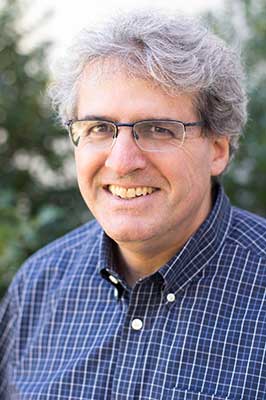
Dr. Joe MacInnes is a Senior Lecturer in Computer Science at Swansea University's Faculty of Science and Engineering. His interdisciplinary research focuses on visual attention mechanisms through machine learning models that simulate human visual processing. He utilizes high-speed eye tracking and complex visual tasks (foraging, search, memorization) to understand attention allocation, with applications in both cognitive science and AI. His expertise spans machine learning, eye tracking, computational cognitive modeling, and AI. Dr. MacInnes has received multiple awards including the Best Paper Award at AppLens 2018. His research advances understanding of human attention to inform machine attention systems. Current work involves developing experimental paradigms using VR environments to study attention in dynamic scenarios. Dr. MacInnes collaborates with neuroscience labs and industry partners to translate research into practical AI implementations.
Christian Willenborg is the Department Head of Plant Sciences and a Professor at the University of Saskatchewan. He holds an adjunct position at the University of Alberta's Department of Agriculture, Food, and Nutritional Sciences. His research focuses on weed ecology, population biology, and conservation biological control in agroecosystems, particularly seedbank dynamics, seed predation by carabid beetles, and ecosystem service contributions of weeds. He teaches courses like PLSC 260 (Principles of Plant Protection) and PLSC 340 (Weed Biology and Ecology). Dr. Willenborg's education includes a B.Sc. (2002), M.Sc. (2005) in Agronomy/Weed Science from the University of Saskatchewan, and a Ph.D. (2009) from the University of Manitoba (Weed Science). His work is funded by NSERC, Saskatchewan Agriculture Development Fund, and others. Key awards include the 2013 Early Career Agronomist Award and multiple Dean’s Awards for Teaching and Research Excellence. His research integrates ecological frameworks to address long-term weed management challenges, emphasizing integrated strategies for herbicide-resistant weeds and sustainable cropping systems. He explores carabid beetle networks' impact on biocontrol, seed predator interactions, and the role of functional diversity in flax-based rotations. Recent work includes optimizing flax production, reducing pesticide reliance, and mapping glyphosate-resistant kochia populations. He advises on funding sources spanning government and industry partnerships, contributing to both academic and applied agricultural outcomes. His lab collaborates broadly to advance agroecological solutions for pests and sustainable crop systems.
Jeff Brown is a Lecturer and General Manager of CommRadio at Pennsylvania State University, based in the Bellisario Media Center. His research focuses on fundamental neurophysiological mechanisms in invertebrate models, examining neural circuit function, behavioral control systems, and evolutionary neurobiology. Brown's publications investigate diverse aspects of neurobiology including motor pattern generation, sensory processing, neurotransmitter function, and computational modeling of neural systems. His work primarily utilizes gastropods and other invertebrates to explore conserved neural principles. Research emphases include: Neurophysiological basis of locomotion and defensive behaviors Evolutionary conservation of neural architectures Neurotransmitter modulation of behavior Computational approaches to neural circuit analysis His laboratory employs techniques ranging from electrophysiology and neuropharmacology to advanced imaging and computational simulations.
Marta Szulkin is a Full Professor at the Institute of Evolutionary Biology , Faculty of Biology , University of Warsaw . She leads the Anthropocene Biology Lab , focusing on urban evolutionary ecology and avian adaptation to human-altered environments. Her work integrates genomic, ecological, and behavioral approaches to study evolutionary responses to urbanization. Education: BSc (University of Warsaw, 2004), MSc (University of Oxford, 2003), DPhil (University of Oxford, 2008). Previous roles include Magdalen College Research Fellow (2007–2011) and Marie Curie Fellow (until 2015). Appointed Associate Professor in 2015 and Full Professor in 2022. Research interests include urban-driven evolutionary changes, population genomics, and avian adaptation. She pioneered the Global Urban Evolution Project , studying parallel evolution in cosmopolitan species. Key topics: urban pollution impacts, nest material use, and epigenetic modifications in birds. Publications emphasize urbanization's effects on biodiversity, with contributions to Trends in Ecology & Evolution and Science . Her edited volume Urban Evolutionary Biology (Oxford University Press, 2020) defines the field. Grants include Marie Curie Fellowship funding. Lab initiatives include long-term studies on great tits in Warsaw's urban gradient. Collaborations span global projects, fostering inclusive urban ecological research.
Aisling Carroll is a Senior Lecturer in the HE Equine Department within the Department of Animal and Agriculture at Hartpury University, where she has been teaching and conducting research since 2016. She holds a PhD in progress, an MSc in Equine Science, and a BSc in Microbiology, and is a Senior Fellow of the Higher Education Academy. Education: PhD in Microbiology (in progress, expected 2026), Hartpury University PG Cert in Teaching & Learning in Higher Education, University of the West of England (2018) MSc in Equine Science, Hartpury University (2016) BSc (Hons) in Microbiology, National University of Ireland, Galway (2013) Her research focuses on the animal microbiome, particularly in equine and dairy calf systems, exploring how microbial communities influence health, disease resistance, and performance. She investigates topics such as calf birth weight impacts, probiotic applications, and environmental stress reduction in veterinary clinics. Her work integrates microbiology, animal welfare, and practical management solutions. The 15 most recent publications reflect a consistent focus on microbiome dynamics in livestock and pets, with strong emphasis on dairy calves and equines. Broad keywords include Microbiology, Veterinary Science, Animal Health, and Probiotics. Subfields span from calf growth and birth weight to microbial load in canine water bowls and stress mitigation in veterinary settings, showcasing interdisciplinary research with real-world applications. Scientific Awards: BSAS Presidents Prize Finalist (2022) Edgar Pye Scholarship (2021) Aisling supervises undergraduate and postgraduate dissertations and leads research projects supported by Lallemand and the Society of Feed Technologists. She is active in outreach, serving as Outreach Coordinator for the Equine Department and participating in the Cheltenham Science Festival. She is a member of the Animal Welfare Arena, Equine Performance Research Centre, and Science Communication Community of Practice, and contributes to conference organization and media engagement. Labs and Research Teams: She is affiliated with the Animal Welfare Arena and the Equine Performance Research Centre at Hartpury and collaborates with industry partners on probiotic and management research. Her role as Convenor of the Science Communication Community of Practice highlights her commitment to public engagement and STEM outreach.
Peter Roberts is a Lecturer in Animal Behaviour and Welfare at Hartpury University, Department of Animal and Agriculture. He has been actively teaching and conducting research since joining the institution in 2021. His academic journey includes a PhD from Oxford Brookes University and an M.Sc. from Walter Sisulu University, both focused on small carnivores. Education: PhD in Anthropology & Geography, Oxford Brookes University (2020) M.Sc in Zoology, Walter Sisulu University (2006) B.Sc (Hons) in Zoology (2001) His research centers on animal behaviour, welfare, and conservation of small carnivores, especially genets and civets. Key areas include behavioural ecology, captive welfare in the civet coffee trade, exotic pet markets, and habitat use in newly colonized regions. He employs field methods such as camera trapping and scat analysis. The recent publications reflect a strong trend in wildlife welfare, particularly concerning civets in tourism and trade, along with biodiversity assessments in Europe and Southeast Asia. His work bridges academic research with real-world conservation advocacy. Scientific Memberships: Member, IUCN Small Carnivore Specialist Group Peter Roberts supervises B.Sc. dissertations and is open to PhD supervision in areas such as small carnivore research, camera trapping, and diet studies. He is currently managing active research projects in Northern Italy and Wiltshire, England, and is open to collaborations. His research has been supported through institutional affiliations and fieldwork initiatives. He is involved in several research teams focusing on small carnivore ecology and welfare, particularly in collaboration with international researchers in Indonesia and South Africa. His lab activities include field data collection, camera trap analysis, and welfare assessment in both wild and captive settings.
Gregory W Thiemann is an Associate Professor in the Faculty of Environmental and Urban Change at York University, where he also serves as the Program Coordinator for Sustainable Environmental Management. He holds a PhD and MSc from Dalhousie University and a BSc (Honours) from McMaster University. His research is deeply rooted in Arctic ecosystems, focusing on the foraging ecology, conservation, and physiological responses of top predators such as polar bears and ringed seals. PhD, Dalhousie University MSc, Dalhousie University BSc (Honours), McMaster University His research interests lie at the intersection of ecology, physiology, and climate change. Thiemann investigates how Arctic carnivores adapt their foraging strategies in response to environmental shifts, particularly sea ice loss. He uses biochemical tracers—including stable isotopes and fatty acids—and satellite telemetry to analyze diet, movement, and body condition. His work emphasizes collaboration with northern Indigenous communities, government agencies, and conservation organizations to ensure that research supports both wildlife and human populations in the Arctic. The recent publications of Gregory W Thiemann reflect a consistent and impactful research trajectory centered on polar bear and seal ecology. The articles span disciplines such as conservation physiology, food web dynamics, climate change impacts, and methodological innovation in wildlife monitoring. Key themes include dietary flexibility in apex predators, the use of non-invasive tracking technologies, and the integration of biochemical and spatial data to assess ecosystem health. These works are published in leading journals like Global Change Biology , Conservation Physiology , and Polar Biology , highlighting the interdisciplinary and applied nature of his research. Dr. Thiemann has received research funding and support from several prestigious organizations, including NSERC, WWF-Canada, the Ontario Ministry of Natural Resources and Forestry (MNDMNRF), the Government of Nunavut, and the Toronto Zoo. These partnerships enable long-term monitoring and community-based research across the Canadian Arctic. NSERC (Natural Sciences and Engineering Research Council) WWF-Canada Ontario MNDMNRF Government of Nunavut Toronto Zoo Earth Rangers His research projects include long-term studies on polar bear denning, foraging behavior, human-polar bear conflict, and community-based monitoring of marine mammals. These initiatives often operate in collaboration with Indigenous communities, ensuring local knowledge informs scientific inquiry and conservation planning.
Magnus Wahlberg is an Associate Professor at the Department of Biology, University of Southern Denmark, with cross-affiliations to the STEM Education Research Center – FNUG, the SDU Climate Cluster, and the research group Sound Communication and Behaviour. He is actively engaged in marine bioacoustics and behavioral ecology research. Education: M.Sc. in Physics & Biology, Göteborg University, Sweden (1999) Ph.D. in Biology, University of Southern Denmark (2002) His research focuses on marine mammal communication, echolocation in cetaceans, and the ecological impacts of underwater noise and climate change. He has led and contributed to numerous international studies on harbor porpoises, bottlenose dolphins, and other cetaceans, examining foraging behavior, social interactions, and conservation strategies. His recent publications (2024–2025) highlight trends in bioacoustic monitoring, age determination techniques, and behavioral adaptations in marine mammals, particularly in the Baltic and North Seas. The work spans disciplines including marine biology, behavioral ecology, and conservation science, with subfields such as echolocation dynamics, predator-prey interactions, and climate-driven species distribution shifts. Scientific Awards: SCC Fast track - uddelingsrunde november 2024 Wahlberg is currently co-supervising four Ph.D. students across multiple universities (University of Southern Denmark, Aarhus University, Universität Tübingen, University of Azores), along with two M.Sc. and two B.Sc. students. He has secured significant research funding, including a 25-million DKK project and grants from Carlsbergfondet and Lundbeckfonden, supporting work on anti-predator responses and marine mammal monitoring. He has also organized eight international Ph.D. classes in Marine Bioacoustics. He is involved in key research projects such as 'New marine top predators in Denmark – indicators of climate change?' and 'Development of anti-predator responses in Danish harbor porpoises,' contributing to both national and EU-level initiatives like Horizon2020. His work has been widely disseminated through over 260 media appearances and has impacted scientific discourse through datasets, public outreach, and policy-relevant findings.
Eva K Fischer serves as Assistant Professor in the Department of Evolution, Ecology, and Behavior at the University of Illinois Urbana-Champaign, with additional appointments in the Neuroscience Program and Center for Latin American and Caribbean Studies, and affiliation with the Carl R. Woese Institute for Genomic Biology. Her integrative research program bridges evolutionary biology, neuroethology, and behavioral ecology to investigate mechanistic foundations of animal behavior. Her educational background includes: Postdoctoral Fellow, Stanford University (2017-2020) Postdoctoral Fellow, Harvard University (2015-2017) PhD, Colorado State University (2009-2015) BA, Cornell University (2003-2007) Dr. Fischer's research examines how brains and behavior achieve both flexibility and robustness across biological hierarchies (genes to behavior) and timescales (immediate to evolutionary). Using neotropical poison frogs as model systems, she investigates mechanistic constraints and flexibility in behavioral evolution, with particular focus on parental care, vocal communication, and chemical signaling in ecologically relevant contexts. Her work combines field studies in Latin America with laboratory analyses of neural, endocrine, and genomic mechanisms. Analysis of her 2022-2025 publications reveals consistent investigation of behavioral adaptation in poison frogs , with growing integration of genomic tools to examine gene-behavior relationships. Key trends include studies on parental care evolution, individual recognition systems, and environmental modulation of behavior, demonstrating her commitment to multi-level integrative approaches across developmental and evolutionary timescales. Dr. Fischer mentors students through her Fischer Lab using a philosophy that emphasizes boosting morale and productivity through creative techniques like intermittent food rewards. She maintains a strong commitment to building equitable and inclusive research environments that foster growth for all lab members. The Fischer Lab operates as an integrative research unit combining fieldwork in poison frog habitats with laboratory analyses of behavior, neuroanatomy, and endocrinology. The lab emphasizes collaborative projects examining behavioral variation across ecological contexts and evolutionary lineages, with particular attention to how hierarchical biological processes interact to produce adaptive phenotypes.
Dr. Pragya Singh is a chemical ecologist at the University of Bielefeld's Faculty of Biology, specializing in Chemical Ecology. She is actively affiliated with the SFB/Transregio 212 "A Novel Synthesis of Individualization across Behavior, Ecology and Evolution: Niche Choice, Niche Conformance, Niche Construction" (NC³) research consortium. Her work bridges theoretical frameworks with empirical approaches to understand how chemical compounds shape ecological and evolutionary processes. Her research interests focus on chemical ecology, evolutionary biology, and insect behavior , with particular expertise in pharmacophagy (the non-nutritional use of plant chemicals by insects), niche construction theory, and sexual selection mechanisms. Singh investigates how chemical compounds influence insect behavior, social structures, and evolutionary trajectories across multiple life stages, often examining the intersection between individual variation and population-level ecological processes. Analysis of her recent publications reveals a strong emphasis on reproducibility in ecological research, individual behavioral variation, and the role of chemical compounds in mediating ecological interactions. Her work frequently examines holometabolous insects (those with complete metamorphosis) to understand how different life stages respond to environmental stressors and chemical cues. While specific awards are not documented in the available information, her publication record demonstrates significant contributions to understanding how chemical ecology shapes evolutionary processes. Her collaborative work across multiple laboratories suggests strong networking within the ecological research community. Dr. Singh's research has important implications for understanding how species respond to environmental change through individual variation and behavioral plasticity. Her work on pharmacophagy and chemical defense mechanisms provides insights into potential applications for pest management and conservation biology.
J. Sean Doody serves as an Assistant Professor in the Department of Biological Sciences at the University of South Florida St. Petersburg, teaching core undergraduate courses including Biological Diversity, Conservation Biology, and Vertebrate Biological Diversity. His academic role centers on advancing ecological education and research within the university's biology programs. His foundational academic credential is a Ph.D. in Applied Science from the University of Canberra, Australia, awarded in 2002. Ph.D. in Applied Science, University of Canberra, Australia (2002) Dr. Doody's research program integrates animal behavior and ecological dynamics, with specialized expertise in ethology, terrestrial ecology, and aquatic ecosystem responses. His investigations focus on behavioral adaptations to environmental stressors, particularly invasive species impacts and climate change effects on reptilian and amphibian species. This work examines predator-prey interactions involving toxic prey, reproductive behavior plasticity, and ecosystem-level consequences of species introductions, providing critical insights for conservation strategies in threatened habitats. Analysis of his 2019-2022 publications reveals a concentrated research trajectory on invasive cane toads in Australian ecosystems. His studies document native predator adaptations to toxic prey, climate-driven shifts in reptile reproductive behaviors, and unexpected population resilience in keystone species. This body of work demonstrates consistent methodological rigor through field-based ecological research, highlighting both species vulnerabilities and adaptive capacities in rapidly changing environments. No scientific awards or major honors are referenced in the available documentation. Information regarding graduate student mentorship, research grant funding, laboratory infrastructure, or collaborative research teams is not provided in the current materials.
Marshall Abrams is an Associate Professor in the Department of Philosophy at the University of Alabama at Birmingham (UAB). His research focuses on the philosophy of science, particularly the interplay between probability, causality, and scientific practices in biology and social sciences. He explores how scientific knowledge is shaped by experimental design, data interpretation, and the use of mathematical models and computer simulations. His work bridges philosophy and interdisciplinary science, emphasizing pragmatic approaches to understanding population-environment systems and the role of chance in evolutionary processes. Dr. Abrams teaches courses on philosophy of biology, philosophy of mind and AI, and general philosophy of science. He collaborates on both philosophical and purely scientific research, including projects on fitness concepts, environmental variation, and the application of probability theory in ecological and evolutionary contexts. His publications span topics from infinite population models to the philosophical implications of pseudorandomness in simulations. His research interests include the integration of humanities perspectives into scientific inquiry, particularly through innovative modeling techniques. He advocates for a mechanistic view of probability, emphasizing causal structures over purely statistical descriptions. Recent work addresses challenges in measuring and modeling fitness, as well as the causal roles of environmental factors in natural selection. Dr. Abrams has contributed to debates on the levels of selection, the irrelevance of individual-level fitness, and the importance of population-environment interactions in evolutionary theory. His interdisciplinary approach reflects a commitment to bridging gaps between philosophical analysis and empirical scientific practice.
Myra Wilson is a Senior Lecturer in the Department of Computer Science at the University of Aberdeen. She holds a BSc from the University of Aberdeen and a PhD from the University of Edinburgh. Her research focuses on robotics, unmanned aerial vehicles (UAVs), communication networks, and swarm intelligence. Notable projects include the NEVOCAB initiative (2014–2015), funded by EADS Innovation Works, which explored network-aware evolutionary coordination for aerial backbone systems. Her work emphasizes integrating swarm intelligence principles into communication networks and UAV coordination. Recent contributions include advancements in genetic algorithms for UAV swarm coordination and biomimetic routing protocols inspired by honeybee foraging behaviors. She has co-edited conference proceedings on robotics and adaptive behavior, reflecting her active role in the academic community. Grants/Projects: Led the NEVOCAB project (EADS Innovation Works, 2014–2015). Labs/Teams: Collaborates with researchers in robotics, autonomous systems, and swarm intelligence.
George B. Ruyle is an Extension Specialist and Researcher in Rangeland Management at the University of Arizona's College of Agriculture and Life Sciences. He holds the Marley Endowed Chair for Sustainable Rangeland Stewardship and has been active in academic and applied research since the 1980s. His work focuses on sustainable grazing practices, drought preparedness, rangeland monitoring, and ecological conservation. Ruyle has collaborated extensively with federal agencies like the USDA Forest Service and ranching communities to develop practical solutions for arid land management. Education details are not explicitly listed in the provided text, but his career spans over four decades with continuous contributions to rangeland science. Key research areas include livestock behavior, plant-herbivore interactions, post-wildfire recovery, and policy implications for water and land use. Ruyle has received numerous awards for his extension work and interdisciplinary contributions, including the Western Extension Director's Award and recognition from the National Forest Service. His extension programs emphasize participatory monitoring and adaptive management strategies. Recent research trends include exploring payments for ecosystem services (PES) models, co-developed drought preparation frameworks with stakeholders, and the ecological impact of grazing on endangered species habitats. His work often bridges science and practice, addressing both ecological and socio-economic dimensions of rangeland management.
Claudio Lazzari is a Professor at the University of Tours, affiliated with the Department of Animal Biology and Genetics and the UMR CNRS 7261 - Research Institute on Insect Biology (IRBI). He teaches courses such as Ecology-Ethology (L2), Ecophysiology of Organisms (L3), and advanced modules like Biology of Vectors and Behavioral Ecology at the graduate level. His research focuses on hematophagous arthropod adaptations, including thermoregulation during blood-feeding, sensory physiology, and vector-borne disease dynamics. Notable collaborations include work with the Pasteur Institute, Sorbonne University, and the University of Buenos Aires. Recent studies explore seal lice' survival in deep-sea environments and the thermal ecology of mosquitoes. Research interests emphasize understanding how blood-feeding insects navigate physiological and behavioral challenges, such as thermal stress, metabolic costs of hematophagy, and repellent mechanisms. Key findings include evaporative cooling in soft ticks, heat avoidance behaviors in kissing bugs, and the role of oxidative stress in insect vision. His work bridges molecular biology, ecophysiology, and behavioral ecology to address vector control challenges. Dr. Lazzari has contributed to expert reports like the 2023 ANSES report on bed bug management and co-edited the 2022 book Sensory Ecology of Disease Vectors . His publications span topics from insect learning and memory to the anatomical adaptations of deep-diving seal lice. Current research explores plasticity in thermal tolerance and the development of biorational repellents targeting taste receptors.