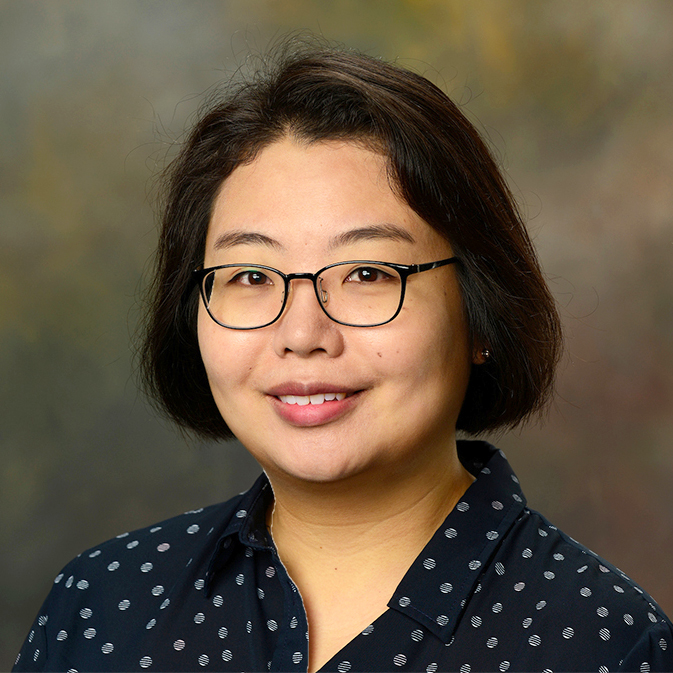
Dr. Sungeun Cho is an Assistant Professor in Poultry Science at Auburn University's College of Agriculture, directing the AU Sensory Lab. Her research integrates sensory evaluation, flavor chemistry, and consumer science to improve food products. Research spans alternative proteins, antimicrobial packaging, and processing impacts on sensory quality. Recent publications analyze insect protein functionality, sweetener applications, and electronic sensory instrumentation.
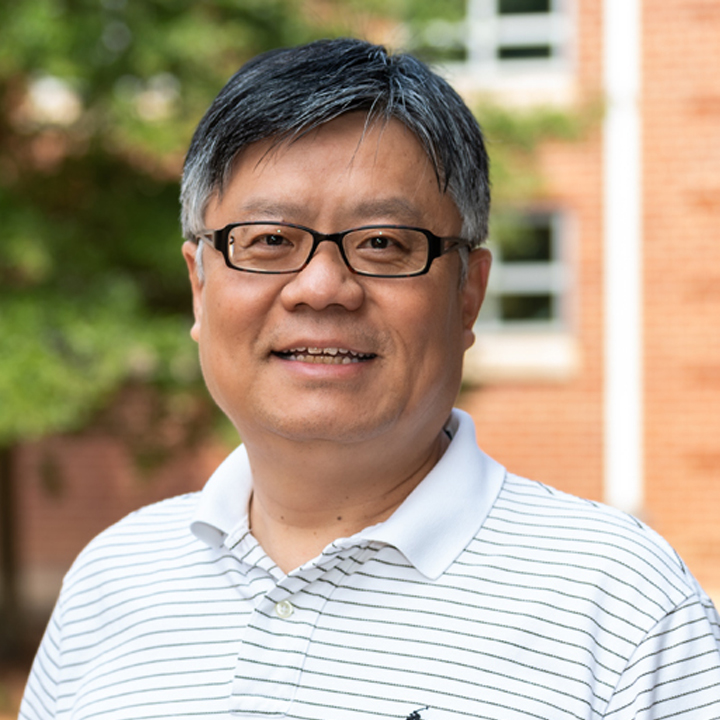
Yifen Wang is a Professor in the Department of Biosystems Engineering at Auburn University's College of Agriculture. Her research focuses on food processing technologies, biodegradable materials, and nanotechnology applications in food science. She leads projects on antimicrobial edible films, radio frequency (RF) heating for food sterilization, and sustainable biomass conversion. Education details are not explicitly provided in the text, but her extensive publication record suggests advanced training in food engineering and materials science. Key research areas include: Development of biodegradable packaging from catfish gelatin and polymers Optimization of RF heating for food pasteurization/sterilization Microencapsulation techniques for bioactive compounds Chemical treatments for aquaculture product quality Recent work highlights advancements in PHB production from switchgrass and ABE biofuel optimization. Though no awards are listed, her active publication record indicates recognition in food engineering fields. She advises students through Auburn's Biosystems Engineering programs and collaborates on grants related to sustainable food systems. Labs associated with her work likely focus on food processing innovation and bioplastic development, though specific lab names aren't mentioned. Future research directions appear to emphasize scalable biomass conversion and nanostructured food materials.
Dr. Victoria Gibbs is an Associate Professor in the Biomedical Sciences Program at the University of Alabama at Birmingham's School of Health Professions. She holds adjunct appointments in the College of Arts and Sciences (Biology) and previously served at Birmingham-Southern College. Her educational background includes a Ph.D., M.S., and B.S. in Biology from UAB, complemented by postdoctoral training in nutritional physiology and aging biology at UAB and Villanova University. Her research integrates ecological and comparative physiology, focusing on alternative animal models (sea urchins, water fleas, fish) to study environmental and nutritional impacts on growth, reproduction, and aging. Key areas include: Energetics and lifespan variation Aquaculture nutrition and larval development Nutrient-gene interactions in aging Her publications emphasize nutritional physiology, spanning rodent metabolomics, sea urchin aquaculture, and caloric restriction mechanisms. Recent work explores energy imbalance in longevity and sex-specific metabolic responses to dietary interventions. Dr. Gibbs mentors graduate students (e.g., thesis committees for Darrien Jamila B De Jesus and Raven Amber Edwards) and undergraduates in projects on sea urchin larval development. She secured a grant from the National Institute on Aging for research on energetics and lifespan disparities. She directs physiology courses (BMD 315/317, BMD 420) using team-based learning and developed curricula including 'Health Sciences Senior Capstone' and 'Human Physiology'. Professional service includes journal review (e.g., Frontiers in Marine Science ), committee roles, and organizing seminar series.
Tong Deng is Senior Lecturer at the University of Greenwich's School of Engineering, researching particulate material behavior and nano-composite development. His work bridges fundamental powder technology and industrial applications in material handling and additive manufacturing. Research focuses on electrostatic properties of cohesive powders, segregation mechanisms in industrial processes, and erosive wear of advanced composites. Current projects include developing novel sensing techniques for powder flow characterization and designing feedback control systems for pneumatic conveying. Recent publications demonstrate innovations in pharmaceutical powder processing, electrostatic signal analysis, and biomass material degradation. Applied research extends to food engineering, additive manufacturing, and renewable energy sectors. Laboratory capabilities include specialized instrumentation for powder flow characterization, tribological testing, and particle adhesion measurement under controlled environmental conditions.
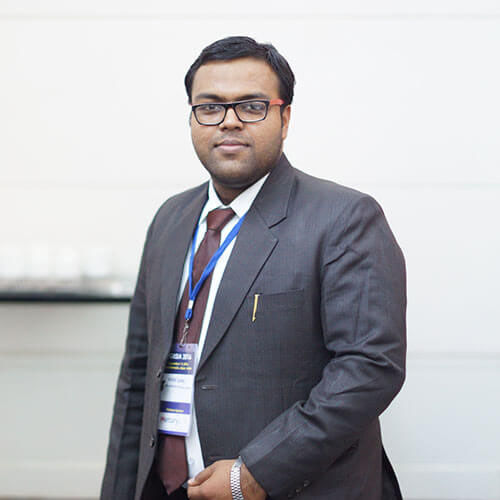
Dr Vivek Garg is a Research and Consultant Engineer at the Wolfson Centre for Bulk Solids Handling Technology, University of Greenwich, UK. He holds a PhD in linking particle properties to bulk flowability, completed under Prof. Michael Bradley and others. His research focuses on solving industrial bulk solids handling challenges and developing novel mechanical surface energy testers. Education: PhD (University of Greenwich, UK) ME in Thermal Engineering (India, 2017) BE in Mechanical Engineering (2015) He collaborates with industries like Roche, Horlicks, and Nectar Life Science on projects such as Virtual Formulation Laboratory and NTPC. He has published 7 SCI papers, 2 patents, and 16 conference papers. Vivek actively organizes international conferences like PGBSIA and engages with food and pharmaceutical sectors globally.
Ana Isabel de Almeida Costa is a Senior Researcher and head of the Food Behaviour Lab at Católica Lisbon School of Business and Economics, Universidade Católica Portuguesa. She holds a PhD from Wageningen University (2012) and is an alumna of Erasmus Rotterdam University, Groningen University, Ghent University, and Instituto Superior de Agronomia. She teaches Marketing and Consumer Behaviour while supervising PhD and MSc students in food science and consumer psychology. Her research investigates domestic food practices (planning, purchasing, preparation, consumption) and their impact on dietary choices. Key focus areas include: Drivers of meal consumption patterns in Portugal Psychometric modeling of cooking norms Sensory perception of novel foods (e.g., insect-based products) Behavioral interventions for sustainable diets She leads projects like InsectERA (2023-2025) and SUSINCHAIN (2019-2023) to advance edible insect applications. Recent publications (2025) demonstrate consistent themes: sensory analysis of alternative proteins, dietary pattern assessments, and strategies for reducing meat consumption. These studies employ rigorous consumer testing methodologies and align with UN Sustainable Development Goals. She supervises graduate research on topics including: Mobile apps for healthy eating Social media's role in food activism Psychological drivers of home cooking
Nadka Tzankova Dintcheva is an Associate Professor at the University of Palermo, affiliated with the Engineering Faculty. She holds a Master's degree in Physical Engineering from the University of Plovdiv and a PhD in Chemical Technology and New Materials from the University of Palermo. Her research focuses on polymer engineering with emphasis on nano-composite systems and polymer recycling technologies. Research interests center on: Formulation of advanced polymer composites for industrial applications Recycling and upgrading of post-consumer plastics Development of sustainable biomaterials for packaging and biomedical applications Recent publications demonstrate strong focus on sustainable composite materials, with trends in biomass-derived fillers, biopolymer blends, and recycling technologies for circular economy. She coordinates significant research projects including FIRB2010 and EU Marie Curie Fellowship initiatives, and serves on PhD program boards in Environmental Engineering. Leads research on polymer processing and characterization laboratories, supervising multiple graduate theses in Chemical Engineering.
Assoc. Prof Brian Freeland is a key academic in the School of Biotechnology at Dublin City University (DCU) , specializing in Bioprocess Engineering . He completed his PhD in 2020 focusing on process control and optimization in nanomaterials. Mechatronic Engineering (2005) MSc in Mechanical with Bioprocessing Engineering (2009) PhD (2020) His research integrates Process Analytical Technology (PAT) with bioprocessing and nanofabrication, utilizing tools like: On-line spectroscopy Biocalorimetry Gas analysis Soft-sensors and ANNs Key projects include: Grain-4-Lab (Co-Lead) - Circular bioeconomy SERKEL.bio (Lead) Principal Investigator roles at Life Science Institute , Irish Water Institute , and Advanced Processing Technology Research Centre Recent publications focus on: Silver nano-inks for antimicrobial food packaging Laser ablation synthesis in solution (LASiS) Nano-silver colloids under laminar flow Calorimetry-based bioprocess control Functionalization of silicon nanoparticles Teaching interests span bioprocess control , automation , and PAT tools , coordinating modules like Bioreactor Design and Transport Processes . Supervises PhD students in yeast bioprocessing and nanomaterials .
Anson W. K. Ma is the United Technologies Corporation Associate Professor in Engineering Innovation at the University of Connecticut's College of Engineering, Department of Chemical & Biomolecular Engineering. His research focuses on complex fluids, additive manufacturing, and nanotechnology, with emphasis on inkjet/3D printing applications and biomedical engineering. He holds a Ph.D. from the University of Cambridge (2009). Education : Ph.D., Chemical Engineering, University of Cambridge, 2009 Research Interests : Dr. Ma's Complex Fluids Laboratory (CFL) explores the microstructure and rheology of complex fluids to develop scalable processing techniques. Key areas include inkjet/3D printing for additive manufacturing, nanotechnology applications in biological systems, and rheological behavior of nanoparticle-laden fluids. His work bridges fundamental science and industrial innovation, with projects in pharmaceuticals, materials science, and biomedical engineering. Awards & Honors : NSF CAREER Award (2013) Arthur B. Metzner Early Career Award (2015) 3M Non-tenured Faculty Award (2016) AAUP Early Career Research Award (2017) Advising & Grants : He advises graduate students (e.g., Alan Shen, Zack Bauman) and postdocs. Leads the NSF Additive Manufacturing Center (SHAP3D) as Site Director and collaborates with industry (Unilever, NextFlex). His grants include funding from NSF, industry partnerships, and fellowships. Labs & Teams : Directs the Complex Fluids Laboratory (CFL), collaborating with interdisciplinary teams in nanotechnology, 3D printing, and rheology. Partnerships include Yale University, Rice University, and industrial entities like TA Instruments and Paramata Ltd.
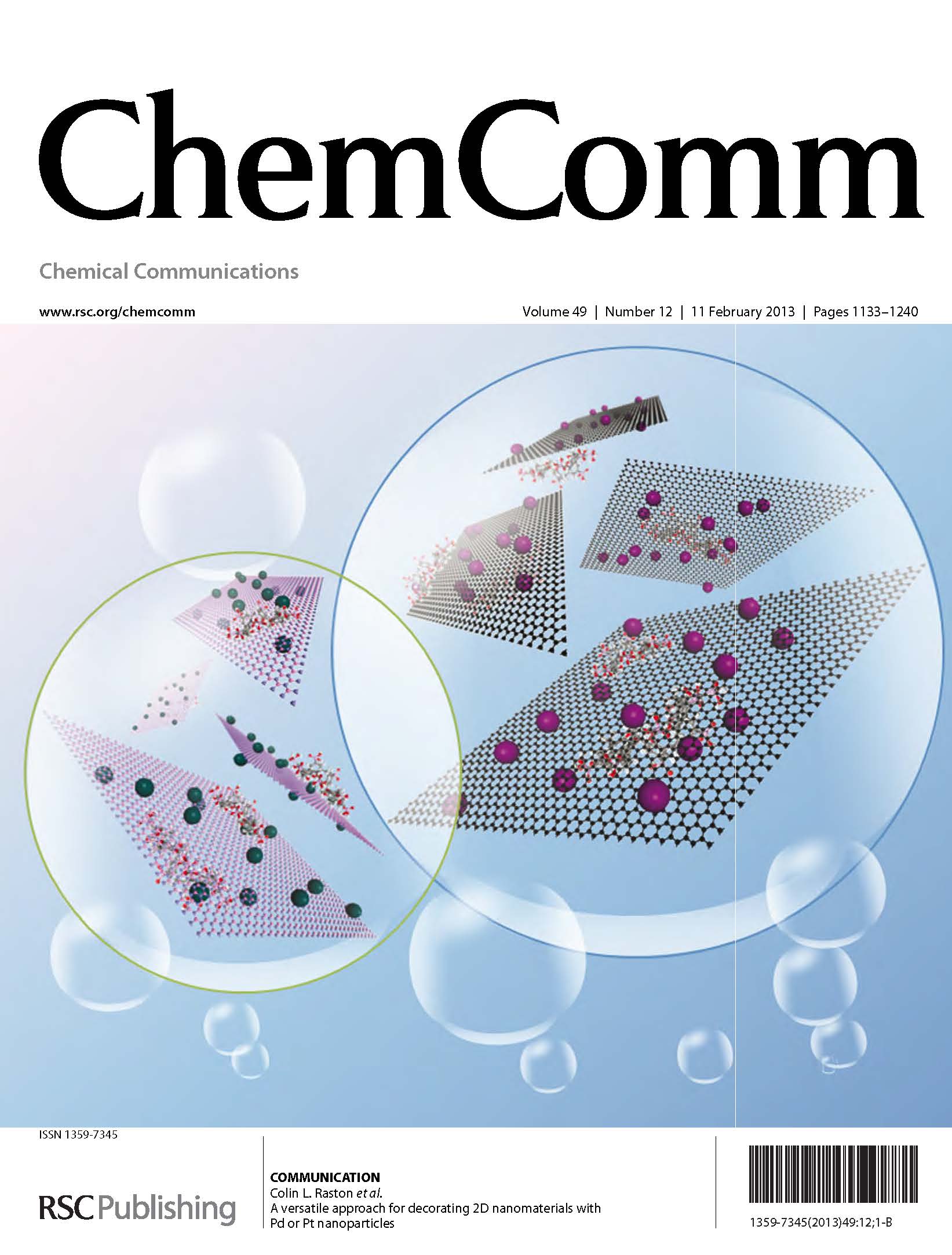
Professor Colin Raston is a leading academic in Clean Technology at Flinders University's College of Science and Engineering. He holds the South Australia Premier's Professorial Research Fellowship and has held professorial roles at prestigious institutions including Griffith University, Monash University, and the University of Leeds. His research focuses on green chemistry, nanotechnology, and process intensification, with notable contributions to vortex fluidics and sustainable materials. Education: BSc (Hons) and PhD from The University of Western Australia, DSc from Griffith University. Editorial Roles: Advisory boards for Green Chemistry , RSC Advances , and Crystal Growth and Design . Research interests include clean technology applications for energy, health, and environmental challenges. Key areas are vortex fluidics for controlled synthesis, solar cell technology from diatom frustules, and biomass utilization without waste. His work intersects with UN Sustainable Development Goals, particularly clean energy and sustainable consumption. Recent articles highlight innovations in nanomaterial synthesis, pollutant degradation, and protein purification using high-shear technologies. Awards include the Ig Nobel Prize (2015), SA Scientist of the Year (2020), and Fellowship of the Australian Academy of Science (2018). Grants: ARC Discovery, NHMRC, and industry collaborations (e.g., The Perth Mint, Pearl Technologies). Labs/Teams: Flinders Institute for Nanoscale Science and Technology, leading a group advancing vortex fluidic applications.
Professor Alexios-Leandros Skaltsounis is a faculty member at the National and Kapodistrian University of Athens, Department of Pharmacy, leading the Section of Pharmacognosy and Natural Product Chemistry. He holds a PhD in Pharmacognosy from Paris V University and has extensive academic qualifications including dual MSc degrees in Medicinal Chemistry and Organic Chemistry. His teaching portfolio includes undergraduate courses in Pharmacognosy and graduate courses on Natural Product Chemistry and Good Laboratory Practices. Research focuses on bioactive natural product isolation using advanced chromatographic methods, structure elucidation via NMR/HRMS, and drug discovery targeting pharmaceutical, nutraceutical, and cosmetic applications. Key interests include marine pharmacognosy, metabolic profiling, and semi-synthetic drug development. Recent publications highlight innovations in olive leaf polyphenol extraction, anti-inflammatory agents from Juniperus and Polyscias species, and cannabinoid-based Alzheimer’s therapies. Awards include the Roussel Prize (1983), Nativelle Prize (1984), and a doctoral excellence award (1987). His work integrates computational modeling (in silico studies) with experimental validation, emphasizing translational research from lab to clinic. Collaborations span pharmacological evaluation, metabolic syndrome interventions, and antimicrobial cosmeceutical development.
Professor Roussis Vassilios is a faculty member in the Department of Pharmacy at the National and Kapodistrian University of Athens, specializing in Pharmacognosy and Natural Product Chemistry. He holds a B.Sc. in Chemistry from the same university (1983) and a Ph.D. in Organic Chemistry from the University of Iowa, USA (1987). His research focuses on isolating bioactive metabolites from marine organisms, investigating chemical communication in marine life, and developing nanomaterials for biomedical applications using natural polymers. Recent work includes studies on sesquiterpenes from sponges, ulvan-based drug delivery systems, and anti-inflammatory compounds from red algae. His teaching responsibilities include undergraduate courses like Pharmacognosy III and graduate courses such as Marine Pharmacognosy, Spectroscopy II, and Bioactive Natural Products. He has been awarded the PSE-Bruker Award (2015) and served as President of the Phytochemical Society of Europe (2006–2008). His publications span marine natural products, nanotechnology for drug delivery, and applications of marine biopolymers in tissue engineering. Ongoing projects include valorizing fishery by-products and developing ulvan-based wound-healing materials. His lab’s research trends emphasize marine-derived compounds with anti-inflammatory, antimicrobial, and anticancer properties, alongside innovative biomaterials for regenerative medicine. Collaborations focus on interdisciplinary approaches to address challenges in pharmacology and environmental sustainability.
Michael Danquah is a Professor and Associate Dean for Academic and Student Affairs at the University of Tennessee, Knoxville, within the Department of Chemical and Biomolecular Engineering (Tickle College of Engineering). His expertise spans nanotechnology, biosensing, and biomedical engineering, with a focus on developing innovative solutions for healthcare, environmental sustainability, and energy systems. Dr. Danquah holds a PhD in Chemical Engineering from Monash University (Australia) and a BSc in Chemical Engineering from Kwame Nkrumah University of Science and Technology (Ghana). His research integrates chemical engineering principles with nanomaterials and biotechnology to address global challenges in diagnostics, drug delivery, and resource recovery. His research interests include aptamer-based biosensors for pathogen detection, nanomaterials for biomedical applications, sustainable wastewater treatment technologies, and energy-efficient processes for microalgae cultivation. Recent work emphasizes rapid detection systems for Staphylococcus aureus in food and medical settings, as well as nanocomposite materials derived from agricultural waste. Dr. Danquah’s contributions to academic administration include overseeing student affairs and faculty development within the Tickle College of Engineering. He actively collaborates on interdisciplinary projects and has published extensively in high-impact journals, focusing on cutting-edge advancements in nanotechnology and bioengineering.
Emmet O'Reilly is an Associate Professor at the University of Limerick, affiliated with the Bernal Institute, Department of Chemical Sciences, Pharmaceutical Manufacturing Technology Centre (PMTC), and SSPC. His research focuses on stimuli-responsive polymeric materials for biomedical and pharmaceutical applications, including bio-degradable electroactive polymers, hydrogel/silicone materials, and advanced drug delivery systems. He holds a BSc from Dublin City University (2004) and a PhD in Polymer Chemistry (2008). After a Marie Curie Fellowship in Montpellier (2010–2013), he returned to Ireland to lead a research group of 7, including postdocs and students. His work is funded by SFI, Enterprise Ireland, EU, and IRC. Research interests span polymer synthesis, electrochemistry (e.g., electrochemiluminescence), and spray-drying technologies. He teaches in the BSc Pharmaceutical and Industrial Chemistry program, including Organic Chemistry and Analytical Chemistry modules. Notable achievements include developing sustainable nanocatalysts and co-authoring over 50 peer-reviewed articles. He serves as an international accreditation assessor for the Royal Society of Chemistry. Education: BSc (Hons) Analytical Science (DCU, 2004), PhD in Polymer Chemistry (2008) Funding: Science Foundation Ireland, EU Commission, Enterprise Ireland Labs/Teams: Leads polymer chemistry and pharmaceutical processing research groups at the Bernal Institute Grants: Multiple grants for nanomaterials and drug delivery systems Awards: Marie Curie Fellowship (2010). Active in UN SDGs related to quality education and industry/innovation.
Associate Professor Vasilis Valdramidis is affiliated with the Department of Chemistry at the National and Kapodistrian University of Athens. His research focuses on advancing food science and technology through innovative non-thermal processing methods (e.g., manothermosonication, pulsed electric fields) and addressing climate change impacts on food safety. Key areas include microbial inactivation modeling, sustainable food systems, and sensory analysis of novel food products. His work integrates predictive microbiology, risk assessment tools, and environmental modeling to evaluate climatic effects on dairy production and microbial contamination risks. He also explores applications of nanotechnology and green extraction techniques for functional food development. Recent projects emphasize extended reality (XR) applications in food science education and industry innovation. Valdramidis has contributed to developing quantitative risk assessment frameworks (e.g., Q4MRATools) and life cycle assessments for novel food preservation technologies. His research bridges food chemistry, engineering, and environmental science to promote sustainable and resilient food systems globally.