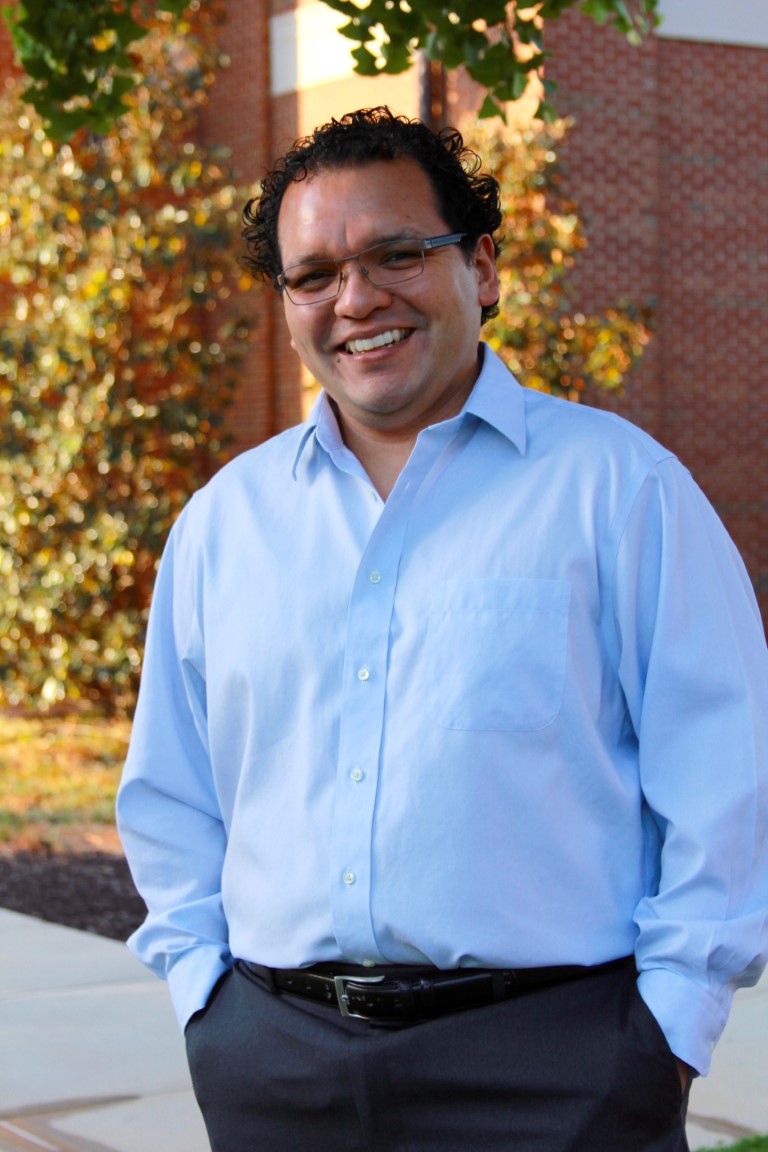
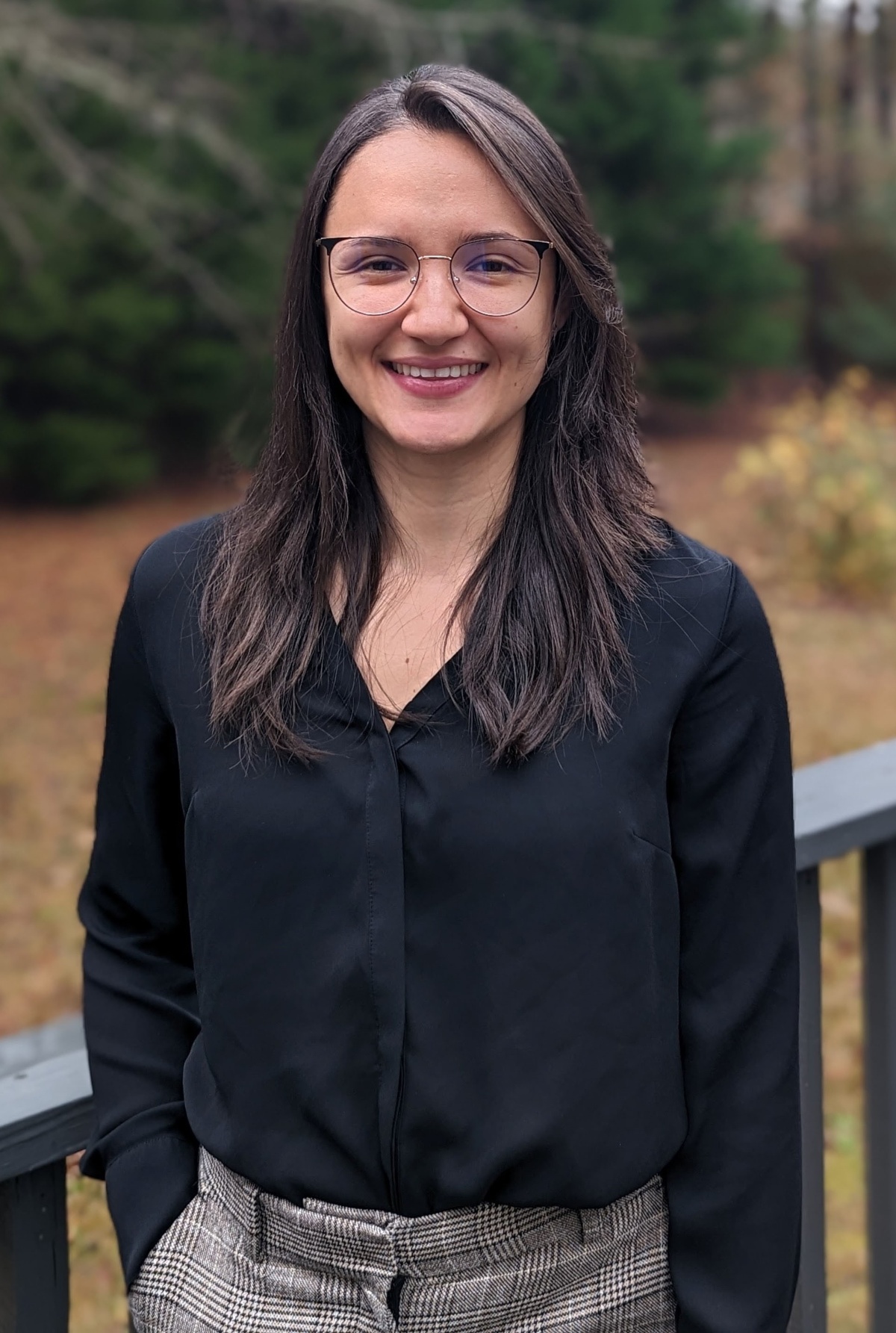
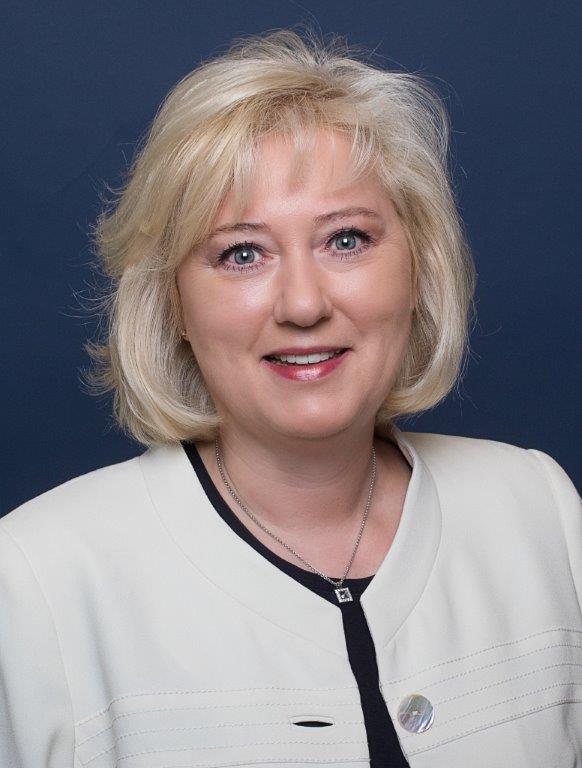
Patrick Hirsch is an Associate Professor at the Institute of Production and Logistics , part of the Department of Economics and Social Sciences at the University of Natural Resources and Life Sciences, Vienna . He serves as Head of the Institute of Production and Logistics since 2025 and has coordinated doctoral programs in Social and Economic Sciences since 2017. His research focuses on Sustainable Logistics, Operations Research, and Disaster Management , with specializations in Health Care Logistics Humanitarian Supply Chains Urban Mobility Food Security Cybersecurity in Logistics Green Logistics Recent publications highlight his work in 2025-2023 on: Cloud Resource Optimization Disaster Response Logistics Container Terminal Storage Cyberattack Resilience Home Health Care Scheduling His team also explores deep learning for cargo inspection and hybrid simulation modeling for pandemic and climate-related disruptions. Scientific awards include: BOKU Best Paper Award (2024) ITOR runner-up Best Paper (2023) Raiffeisen Science Award (2014) Multiple Early-Career Prizes Dr. Hirsch leads 13 active research projects funded by the Austrian Research Promotion Agency and Oesterreichische Nationalbank , including initiatives on food supply resilience , internet outage cascading effects , and blockchain in logistics security . He supervises collaborative theses and contributes to policy development through institutions like the ITA - Institut für Technikfolgen-Abschätzung .
Shannon Cromwell serves as an Extension Professor with Utah State University Extension in Sanpete County, specializing in youth development and family studies. Her work spans multiple areas including 4-H youth programs, relationship education, nutrition education, and STEM engagement for families. She is actively involved in community outreach programs that connect schools, families, and communities through evidence-based educational initiatives. Extension Professor, Sanpete County, Utah State University (2011-present) Specializes in Home and Community programs with focus on youth development Coordinates 4-H programs and family relationship education initiatives Dr. Cromwell holds an MA in Human Development and Family Studies from the University of Missouri (2010) with a focus on Family Studies, and a BS in Family Studies and Human Services from Kansas State University (2000). She has also completed numerous professional certifications including Youth Mental Health First Aid (2019), Infant & Child CPR and First Aid (2018), and Master Food Preserver Certification (2011). Her research interests center on youth development through 4-H programs, strengthening interpersonal relationships, and integrating STEM education into family engagement activities. She has developed numerous curricula focused on social-emotional learning, healthy living, and family relationship education. Her work emphasizes practical applications that address community needs, particularly in rural settings, with a focus on improving protective factors among youth and strengthening family bonds through educational interventions. Analysis of her recent publications reveals a strong emphasis on social-emotional learning in afterschool settings, innovative approaches to family engagement in STEM education, and creative methods for strengthening family relationships. Her work consistently bridges research and practice, developing accessible educational materials that address contemporary challenges in youth development and family education. The Hidden Gems series represents a significant contribution to family education, offering practical activities that promote communication and bonding. Excellence in Afterschool Programming, Western Region Winner (2024) Faculty of the Year, Utah Association of Extension 4-H Youth Development Professionals (2023) Mid-Career Service Award (2022, 2023) Jim Kahler Excellence in Science, Technology, Engineering, and Mathematics (2021) Communications Award for Live Well Utah Blog (2016) Dr. Cromwell has received consistent recognition for her innovative programming and community impact, particularly in the areas of youth development and family education. Her work with the Hidden Gems curriculum and STEM family engagement initiatives has been particularly noted for its creativity and effectiveness. She has secured funding for various extension programs focused on youth development, relationship education, and nutrition education, with a strong emphasis on reaching rural communities through accessible, evidence-based approaches. She coordinates the Sanpete County 4-H programs and has developed several notable initiatives including the Hidden Gems Adventure Guides series, Family STEM Nights, and the Food Sense Nutrition Education Program. Her work often involves collaboration with local schools, community organizations, and other extension professionals to create comprehensive programs that address multiple aspects of youth and family well-being.
Professor Elizabete Carmo-Silva is a leading expert in crop physiology at Lancaster University's Lancaster Environment Centre. She specializes in the regulation of carbon assimilation by Rubisco in crop plants, particularly wheat and cowpea, with research focused on improving photosynthetic efficiency to enhance agricultural sustainability and climate resilience. Her research interests center on photosynthesis, Rubisco regulation, and sustainable agriculture. She leads a research team investigating how to optimize photosynthetic processes to improve crop yields under environmental stress conditions including heat, drought, and fluctuating light. Her work bridges fundamental plant biochemistry with practical crop improvement strategies to address food security challenges. Professor Carmo-Silva's publication record demonstrates consistent contributions to understanding Rubisco regulation, photosynthetic efficiency, and crop adaptation. Her recent work has focused on Rubisco activase isoforms, thermotolerance mechanisms, and developing methodologies for measuring photosynthetic parameters. Her research has significant implications for breeding crops with improved resource use efficiency and climate resilience. Fellow of the Royal Society of Biology (2022) LEAF accreditation for Rubisco lab Handling Editor for Journal of Experimental Botany (2021-present) She actively supervises four PhD students and leads a multidisciplinary research team working on major projects including RIPE, CAPITALISE, PhotoBoost, and Delivering Sustainable Wheat. Professor Carmo-Silva also contributes to teaching through the Research Design and Delivery course, Biology and Ecology & Conservation programmes, and serves as Director of LEC Postgraduate Research Programmes and Lancaster academic lead for UKRI NorthWestBio Doctoral Programme.
Dr. Ahmed Hamid serves as an Assistant Professor in the Department of Chemistry and Biochemistry at Auburn University . A graduate of Virginia Commonwealth University (Ph.D., 2012) and Alexandria University (B.Sc., 2004), his career spans academia and industry, including senior roles at MOBILion Systems and postdoctoral work at Pacific Northwest National Laboratory and Purdue University. Ph.D. Chemistry, Virginia Commonwealth University B.Sc. Chemistry, Alexandria University, Egypt Research focuses on ion mobility mass spectrometry for clinical diagnostics (infectious diseases, Alzheimer’s biomarkers) and environmental analysis (pesticide detection). His group develops portable devices for non-expert users like nurses and farmers, aiming to reduce antibiotic resistance and foodborne illness through rapid pathogen identification. Key publications highlight isomer separation , pathogen discrimination , and multidimensional spectrometry (LC-IM-MS/MS). Recent patents cover ion mobility-mass spectrometer coupling and waveform control for structural analysis. Awards include 2024 Emerging Investigator , NIH MIRA , and multiple R&D 100 recognitions. 5+ granted patents 41 peer-reviewed publications 2025 Brian Wilson Award Teaching includes CHEM 7560: Mass Spectrometry and CHEM 3050: Analytical Chemistry . The Hamid Lab operates in Labs 273, 276, 279 of the Chemistry Building, mentoring postdocs, Ph.D. candidates, and undergraduates in advanced analytical techniques.
Francesca Bassani is a Postdoctoral Researcher at École Polytechnique Fédérale de Lausanne (EPFL) Valais Wallis campus, specializing in the transformation of industrial sectors with focus on Food & Agriculture. Her research integrates digital technologies with agricultural sustainability, examining climate change impacts on Swiss farming systems. Core interests include: Climate-resilient agricultural modeling Digitalization of food production systems Spatial suitability analysis under climate stressors Sustainable food security frameworks Her 2024 publication analyzes agricultural vulnerability in Switzerland through climate-digital convergence, establishing methodological foundations for region-specific adaptation strategies. This work exemplifies her approach to bridging climate science with practical agricultural solutions through computational modeling.
Dario Chavez is an Associate Professor in the Horticulture department at the University of Georgia's College of Agricultural and Environmental Sciences. His research focuses on peach and citrus breeding through the Institute of Plant Breeding, Genetics and Genomics (IPBGG) and Institute for Integrative Precision Agriculture. With 75% research, 20% extension, and 5% service appointments , Dr. Chavez develops cultivars with improved traits for Southeast US production. Education: Ph.D. in Horticulture (University of Florida, 2013) MS in Horticulture (University of Florida, 2008) BS in Agricultural Sciences (El Zamorano, 2005) Research interests span plant breeding, genetics, and climate adaptation in fruit crops. Recent publications demonstrate expertise in: 3D phenotyping of tree architecture Postharvest quality optimization Nanocellulose-based freeze protection Phenological modeling Rootstock performance evaluation His work addresses agricultural challenges through: Genetic improvement for cold hardiness Smart irrigation technologies Pest and disease resistance breeding Consumer-driven quality traits
Lorena N. Lacerda is an Assistant Professor in Integrative Precision Agriculture within the Department of Crop & Soil Sciences at the University of Georgia's College of Agricultural & Environmental Sciences. Her work focuses on developing precision agriculture systems that integrate UAV and satellite remote sensing technologies to monitor and optimize crop production through understanding soil-plant-environment interactions and spatial-temporal variability in agricultural fields. Email : llacerda@uga.edu Contact : 706-542-2461 Location : 3111 Miller Plant Sciences, Athens, GA 30602 Dr. Lacerda's research spans multiple dimensions of precision agriculture, including: Thermal imaging and vegetation indices for crop water stress detection Hyperspectral analysis for aflatoxin contamination monitoring Deep learning applications in yield estimation and plant segmentation Machine learning modeling for nitrogen and irrigation optimization Geostatistical approaches to soil-crop variability analysis Integration of UAV and satellite data for field-scale agricultural decision-making Her recent publications demonstrate increasing sophistication in combining sensor technologies with advanced analytics to address agricultural challenges across corn, cotton, and peanut systems in the southeastern United States. The work emphasizes both theoretical development and practical implementation of precision agriculture solutions.
Dr Kaitlyn Hair is a Research Fellow at the Evidence for Policy and Practice Information Centre (EPPI Centre) within the Social Research Institute at University College London (UCL), holding a Wellcome Early Career Award. Her work focuses on automating evidence synthesis for dementia and neuroscience research to accelerate translational discovery. Her academic credentials include: Doctor of Philosophy, University of Edinburgh (2017-2021) Bachelor of Science (Honours), University of Glasgow (2012-2016) Hair specializes in developing computational tools for evidence synthesis, particularly in neurodegenerative diseases like Alzheimer's. Her research integrates systematic reviews, meta-analyses of preclinical models, and automation technologies to address fragmented evidence in biomedical research. She leads projects on living evidence summaries and deduplication tools like ASySD, emphasizing reproducibility and real-time data integration. Analysis of her recent publications reveals a strong trajectory toward AI-driven evidence synthesis, with increasing focus on living systematic reviews, natural language processing for intervention extraction, and cross-disease applications in stroke and chemotherapy-induced neuropathy. Her work bridges neuroscience, informatics, and methodological innovation. Key recognition includes: Wellcome Early Career Award Hair's grant portfolio centers on her Wellcome-funded project developing automation for dementia evidence synthesis. She actively mentors early-career researchers in scholarly communication and collaborates internationally through initiatives like CAMARADES. Her advisory contributions focus on improving reporting standards (e.g., ARRIVE guidelines) and evidence-based policy. She operates within UCL's Social Research Institute (EPPI Centre), a hub for systematic reviewing, and previously contributed to the University of Edinburgh's CAMARADES meta-research group. Current efforts target scalable AI solutions for evidence integration across neurological disorders.
John W. Brady is a Professor in the Department of Food Science at Cornell University's College of Agriculture and Life Sciences (CALS) in Ithaca, NY. He joined Cornell in 1983 after completing postdoctoral work at Harvard University under Martin Karplus. His educational background includes a PhD in Chemistry from SUNY Stony Brook (1980) and a BS in Chemistry from UNC Chapel Hill (1975). Research Focus: Brady's work centers on computational modeling of biological systems, with emphasis on: Dynamics and hydration of biopolymers Structure-function relationships in proteins and enzymes Molecular mechanisms of cellulose degradation Computational approaches to rational drug design Food carbohydrate chemistry and functional properties Primary methodologies include molecular dynamics simulations, energy minimization calculations, and neutron diffraction studies. Teaching: Brady teaches core courses in food chemistry and carbohydrate chemistry, including the department's required food chemistry course and commodity food chemistry supervision. Awards & Honors: Outstanding Career Accomplishment Award (Cornell CALS, 2018) Hayashi Jisuke Award (Japanese Cellulose Society, 2012) Computational Infrastructure: Leads research utilizing advanced molecular modeling techniques to investigate: Cellulose insolubility mechanisms Glucose-peptide interactions Ion aggregation in electrolyte solutions Cryoprotectant functionality
Univ.-Prof. Dr. Andrea Gröppel-Klein is Professor of Business Administration (Marketing) and Director of the Institute for Consumer and Behavioral Research at Saarland University's Faculty of Empirical Human Sciences. She joined CEUS in 2021 and maintains active research collaborations across Europe. Her leadership extends to deputy directorship at the Europa-Institut (Economics Section), where she teaches interdisciplinary courses. Her research examines consumer behavior through innovative interdisciplinary methods including eye tracking, electrodermal response measurement, and facial expression analysis. Key focus areas include: Cross-cultural consumer behavior comparisons Impacts of digitalization, virtual worlds, and demographic shifts Consumer responses to crises (e.g., COVID-19, Ukraine war) Food/health policy through EU projects (FLABEL, CLYMBOL, mEATquality) Animal welfare economics and sustainable consumption Recent publications (2021-2024) demonstrate strong emphasis on digital transformation in marketing, particularly virtual influencers, AI interfaces, blockchain applications, and crisis-driven consumer behavior. Her work consistently integrates behavioral science with practical marketing implications. Honors include: OWL-Unternehmerpreis for doctoral research Büropa-Preis for habilitation excellence Lise-Meitner-Stipendium research grant She directs multiple EU-funded projects investigating meat quality perception and health labeling, while supervising doctoral candidates through the EIASM network. Her institute employs interdisciplinary teams using physiological measurement labs for consumer studies.
Thomas J. Sharpton is a Professor in the Department of Microbiology and Department of Statistics at Oregon State University's College of Engineering. His research focuses on understanding the gut microbiome's role in health, ecology, and evolution through interdisciplinary approaches that combine computational, experimental, and analytical methods. Dr. Sharpton earned his Ph.D. from the University of California, Berkeley and his B.A. from Oregon State University in 2003. His educational background provides a strong foundation for his interdisciplinary research at the intersection of microbiology, statistics, and computational biology. Sharpton's research program centers on three interconnected areas: the microbiome's connection to health and behavior, the impact of exogenous factors on the gut microbiome, and the link between the gut microbiome and vertebrate ecology and evolution. His lab employs systems biology approaches to measure microbiome features and statistically model data to identify those linked to health. They also develop zebrafish as an experimental model to study environmental impacts on the microbiome and explore evolutionary connections across vertebrate species. Analysis of Dr. Sharpton's recent publications reveals a strong focus on using zebrafish models to investigate microbiome-environment interactions, particularly regarding climate change, toxicant exposure, and nutritional impacts. His work increasingly emphasizes computational approaches, including statistical modeling of microbiome data and multi-omics integration. The research spans human health applications, environmental impacts, and evolutionary perspectives on host-microbiome relationships. Dr. Sharpton's work is generously supported by major funding agencies including the National Institutes of Health, the National Science Foundation, and the United States Food and Drug Administration, along with the Morris Animal Foundation and the Oregon Agricultural Research Foundation. The Sharpton Lab manages the Microbiome Core Facility at OSU, which provides services for microbiome data generation and analysis. They value interdisciplinary collaborations, commercial partnerships, and open science practices, developing open-source software and offering training workshops in microbiome data analytics. The lab has processed thousands of samples spanning human, mice, and zebrafish associated microbiomes.
Annarita De Maio serves as a Researcher in Operations Research (MAT/09) at the Department of Economics, Statistics and Finance (DESF) of the University of Calabria, where she teaches Logistics, Operations Research, and Mathematical Methods for Economics courses across undergraduate and graduate programs including Economics, Data Science, and Management Engineering. PhD in Mathematics and Computer Science (2018), University of Calabria Dissertation: Integrated Logistics and Last-Mile Deliveries (developed with Procter & Gamble) Research periods at P&G Brussels and CIRRELT/Laval University (Quebec) Her research centers on Logistics 4.0 innovations with dual emphasis on sustainable last-mile delivery systems (crowdshipping, autonomous robots, locker networks) and smart tourism applications . Current projects integrate IoT and AI for optimizing pharmaceutical distribution, perishable goods logistics, and urban tourist trip planning while addressing environmental constraints and stochastic demand patterns. Recent publications (2022-2025) reveal three thematic clusters: (1) stochastic optimization for dynamic delivery systems, (2) sustainable urban logistics solutions using multi-modal transport, and (3) data-driven tourism management frameworks. Her work consistently bridges theoretical modeling with industrial case studies involving Italian companies and municipal authorities. As an active member of DESF's Quantitative Methods for Economics, Finance and Management research group, she contributes to regionally and nationally funded projects focusing on mathematical programming applications. Her international conference participation includes speaking and organizing roles at major logistics and operations research events. Dr. De Maio collaborates within the department's research ecosystem through the Quantitative Methods group, which develops computational models for decision-making in finance, actuarial science, and transportation. Current initiatives explore crowdshipping economics, green tourist trip design, and risk-aware inventory systems for perishable commodities.
Iacopo Iacopini serves as an Associate Professor in the Network Science Institute at Northeastern University London, where his research bridges physics, mathematics, and social science through the lens of complex networks. His work focuses on behavioral contagion, discovery processes, and group dynamics, with particular emphasis on higher-order network structures that capture multi-way interactions beyond traditional pairwise models. His academic foundation includes: PhD in Mathematics from Queen Mary University of London MSc in Physics of Complex Systems from the University of Turin BSc in Physics from the University of Bologna Iacopini's research program investigates how group interactions shape complex phenomena, with applications spanning social contagion, urban systems, disease modeling, and even culinary networks. His theoretical work on higher-order novelties and explosive contagion has provided new frameworks for understanding complex systems where traditional pairwise network models fall short. Analysis of his publication trajectory reveals a consistent focus on advancing higher-order network theory while applying these concepts to diverse real-world systems. His recent work demonstrates increasing sophistication in modeling group dynamics across biological, social, and cultural domains, with a notable expansion into applications for public health and urban planning. Professional recognition includes: Elected member of the Steering Committee of the Conference on Complex Systems Elected member of the Council of the Complex Systems Society Member of the Executive Committee of the British Chapter of the Network Science Society Associate Editor of the journal Advances in Complex Systems Dr. Iacopini actively shapes his field through conference leadership, co-organizing the annual TopoNets satellite at NetSci and CRAB: Complexity Research in Animal Behaviour at CCS. His research has been supported by prestigious institutions including the James S. McDonnell Foundation, with affiliations spanning The Alan Turing Institute and ISI Foundation. As part of the Network Science Institute at Northeastern University London, Iacopini contributes to a European hub for network science research that fosters interdisciplinary collaborations across physics, computer science, social science, and biology to advance our understanding of complex systems through innovative network approaches.
Professor Abuzer Çelekli is affiliated with Gaziantep University , where he serves in the Faculty of Arts and Sciences , Department of Biology . His research focuses on Ecology , Limnology , and Hydrobiology , particularly algae-based solutions for environmental and food science challenges. Doctorate in Biology (2006), Abant İzzet Baysal University Master’s in Biology (2002), Ankara University Licence in Biology (1998), Ankara University Çelekli’s work spans algal biotechnology , water quality assessment using diatoms, and eco-friendly processes for dye removal. His recent studies include Arthrospira platensis applications in functional foods and terraforming concepts for Mars. Key trends in his 108+ articles involve diatom metrics , phytoplankton ecology , and adsorption technologies for heavy metals and dyes. Despite extensive publication activity, no specific awards are documented in the provided texts.
Brendan Murphy is a Full Professor in the School of Mathematical Sciences at University College Dublin since 2015, previously holding a Professor role at the same institution (2007-2015) and a Lecturer position at Trinity College Dublin (1999-2007). He is a Principal Investigator at the Insight Centre for Data Analytics and actively works in Machine Learning & Statistics. Research Focus: His work centers on Model-based clustering Mixture models Applications in sports analytics, food science, microbiome studies, and public health Bayesian statistical methods High-dimensional data analysis Article Trends: Murphy's recent publications (2024-2025) emphasize soft clustering techniques, Bayesian mixture models, and their applications across diverse domains including metabolomics, political science, and oceanography. His work addresses challenges in variable selection, robust classification, and multi-omics integration.