Gail Carlson is an Associate Professor of Environmental Studies at Colby College, with a focus on environmental health impacts and policy. Her work bridges scientific research and advocacy, particularly in the context of Maine's environmental challenges. Education: B.A. in Chemistry from St. Olaf College (1988) Ph.D. in Biochemistry from the University of Wisconsin (1994) Her research explores the intersection of environmental contaminants, climate change, and human health. Key areas include chemical pollution in Maine ecosystems, environmental justice, and legislative strategies to mitigate ecological harm. She mentors students in advocacy campaigns and policy analysis. Recent publications highlight her dual expertise in environmental toxicology and policy analysis, ranging from PFAS contamination studies to climate change adaptation frameworks in vulnerable regions like the Caribbean.
Barbara A. Baird is the Horace White Professor in the Department of Chemistry and Chemical Biology at Cornell University, affiliated with the College of Arts and Sciences. She directs the Baird-Holowka research group investigating receptor-mediated signaling mechanisms using advanced biophysical methods. Her educational background includes a BS from Knox College, PhD from Cornell University, and Damon Runyon Postdoctoral Fellowship at the National Cancer Institute, NIH. Research Focus: Professor Baird's work integrates quantitative microscopy and biophysical approaches to study membrane receptor dynamics, particularly focusing on: IgE-FcεRI signaling in mast cells for allergic/inflammatory responses Lipid membrane organization and phase behavior in signal transduction Alpha-synuclein mechanisms in neurodegenerative diseases Nanoparticle applications for biomedicine and imaging Publication Trends: Recent articles (2018-2025) demonstrate: Advanced imaging techniques (FCS, super-resolution microscopy) Membrane biophysics and lipid-protein interactions Neurodegenerative disease mechanisms (Parkinson's-focused) Nanotechnology development for drug delivery and diagnostics Awards & Recognition: Distinguished Women in Chemistry (2021) Academic Activities: Professor Baird teaches graduate and undergraduate courses including Basics of Biophysical Chemistry and Introduction to Chemical Biology Research . She mentors students through the Baird-Holowka research group, which develops innovative approaches to study cellular signaling and membrane dynamics.
Claudio Vinegoni is an Assistant Professor of Radiology at Harvard Medical School and Massachusetts General Hospital, with over three decades of expertise in optical imaging modalities and biomedical data analysis. His research focuses on system-level biological interactions in disease states like cancer and cardiovascular disorders, combining advanced microscopy with machine learning techniques. His lab develops novel optical imaging systems for in vivo and ex vivo applications, including fluorescence anisotropy , two-photon microscopy , and tensor imaging for whole-organ analysis. Recent work emphasizes deep learning integration with fluorescence data processing. Publications span Nature and Science journals, covering Drug-target engagement quantification Cardiac microstructure visualization High-resolution atherosclerosis imaging GAN-based microscopy enhancement His academic background includes a PhD and MS in Physics from University of Geneva and Universita di Trento, with thesis work on Raman spectroscopy and telecom fiber metrology.
Philippe Roger is a Professor at Université Paris-Saclay, affiliated with the Faculty of Sciences and Department of Chemistry. He is based at the Institut de Chimie Moléculaire et des Matériaux d'Orsay (ICMMO - UMR 8182) in Building 670, Bureau 1206 (17-19 Avenue des Sciences, 91400 Orsay, France). His research is conducted within the SM2ViE team (Synthèse, Molécules et Matériaux pour le Vivant et l'Environnement), focusing on advanced polymer and material science. His research spans Polymer Chemistry , Surface Science , and Nanomaterials , with emphasis on stimuli-responsive polymers, antimicrobial surfaces, polymer brushes, and catalytic materials. Key methodologies include atom transfer radical polymerization (ATRP), plasma deposition, and supramolecular assembly. His work bridges fundamental chemistry with applications in environmental remediation, biomedical materials, and sustainable technologies. Recent publications (2021-2025) reveal strong trends in functional polymer synthesis (e.g., pH-responsive nanoparticles, active ester copolymers), surface modification (PET functionalization via plasma/ATRP), and nanomaterial applications (quantum dot sensors, silver nanoparticle antimicrobials). Interdisciplinary collaborations dominate his work, particularly in developing eco-friendly processes and advanced catalytic systems. While no formal awards are listed in available materials, his prolific publication record in high-impact journals (Nature Communications, ACS Applied Polymer Materials, European Polymer Journal) demonstrates significant scholarly contribution. His laboratory work centers on the SM2ViE team at ICMMO, utilizing platforms for polymer synthesis, surface characterization (XPS, ellipsometry), and nanomaterial development. Current projects emphasize sustainable material design, including waste PET valorization and biobased antimicrobial networks.
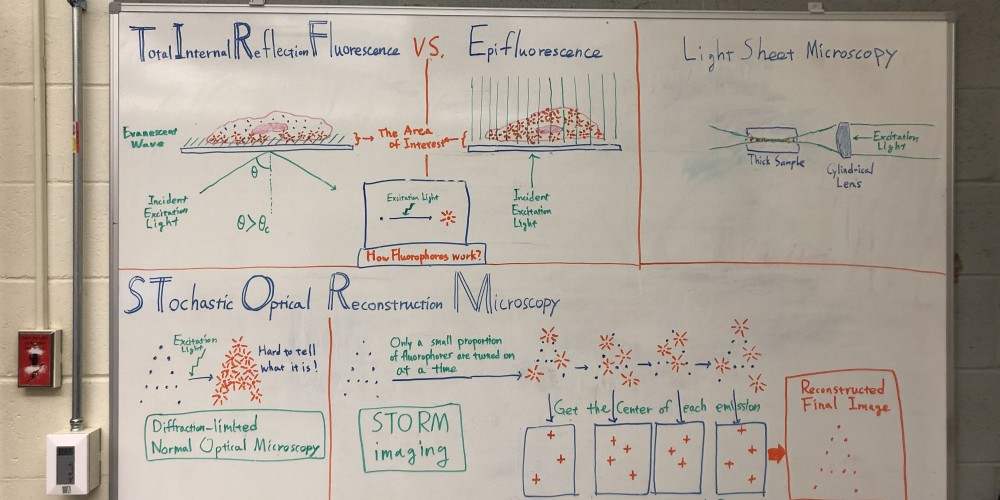
Paul Selvin is a Professor in the Department of Physics at the University of Illinois Urbana-Champaign, where he has been a faculty member since 1997. His research focuses on developing and applying advanced fluorescence microscopy techniques to study biological systems at the molecular level. Professor Selvin earned his Ph.D. in Physics from the University of California, Berkeley in 1990, though his work was primarily in biophysics. His research spans multiple disciplines including biophysics, neuroscience, and biomedical imaging, with a particular focus on single molecule fluorescence techniques and their applications to understanding molecular motors and cellular processes. His most significant contribution is the development of FIONA (Fluorescence Imaging with One-Nanometer Accuracy), which enabled the first direct observation that molecular motors move in a hand-over-hand walking fashion. This discovery was recognized as one of the ten most significant advances in science for 2003 by Science magazine. His research has evolved from in vitro studies to in vivo investigations of molecular motors within living cells, and now extends to measurements in situ using model organisms. His recent publications demonstrate continued innovation in super-resolution microscopy, label-free imaging techniques, and applications to understanding cellular dynamics, particularly in neuroscience and cancer research related to hormone-induced cancers and associated proteins. Scientific Awards: National Science Foundation CAREER Award (2000) The International Raymond and Beverly Sackler Prize in Biophysics (2006) Fellow, American Physical Society (2004-present) Biophysical Society Michael and Kate Barany Award for Young Investigators (2004) Multiple teaching excellence awards from the University of Illinois Professor Selvin has advised numerous students, including Ahmet Yildiz whose Ph.D. thesis won Science's grand prize. His research has been supported by various fellowships including Grass Imaging Fellowship, Nikon Fellowship, and Beckman Fellowship. He is currently a Faculty Member of the Precision Proteomics Research Theme at the Institute for Genomic Biology and continues to develop new imaging techniques for biological applications.
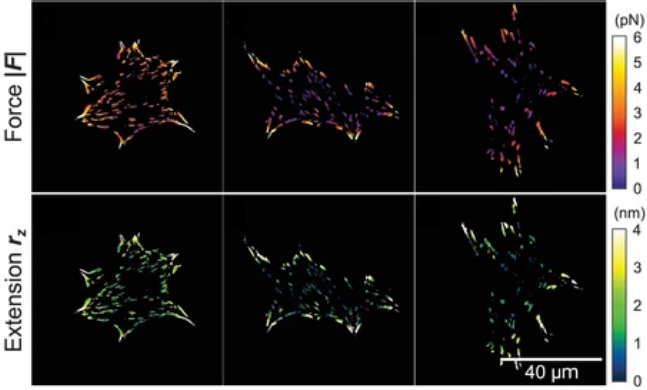
Brenton Hoffman is an Associate Professor at the Department of Biomedical Engineering , Duke University. His research focuses on molecular mechanotransduction , particularly how mechanical and chemical cues influence cellular behavior in vascular biology and cancer metastasis . He employs interdisciplinary techniques from protein engineering , live cell microscopy , and biomaterials . Education: Ph.D. in Biomedical Engineering, University of Pennsylvania (2007) His work pioneers FRET-based molecular tension sensors to measure protein-level mechanical stress, revealing novel insights into focal adhesions and cell-cell contact dynamics . Recent publications highlight advancements in quantitative phase imaging and fluorescent protein switching during collective migration. Scientific Awards: Klein Family Distinguished Teaching Award (2016) Searle Scholars (2013) NSF Early CAREER Award (2015) Two Young Investigator Prizes (2013) His lab mentors students like Ishaan Puranam and Katheryn Rothenberg , with courses taught including Cell Mechanics and Mechanotransduction and Biological Engineering Seminar Series . Current projects aim to develop novel therapeutic approaches for mechanosensitive diseases through systems mechanobiology and polypeptide linker optimization .
Nina Salama is a Professor in the University of Washington Department of Microbiology and a Member of the Human Biology Division , Public Health Sciences Division , and Basic Sciences Division at the Fred Hutchinson Cancer Research Center. She holds the Dr. Penny E. Petersen Memorial Chair for Lymphoma Research . Education : PhD in Molecular and Cellular Biology from UC Berkeley, postdoctoral training under Dr. Stanley Falkow at Stanford University Research Interests focus on Helicobacter pylori pathogenesis, particularly its helical cell shape determination through peptidoglycan modifications, DNA metabolism in chronic infection, and host-microbiome interactions in gastric cancer. Her work combines genetic screens , molecular biology , and mouse models to study bacterial persistence mechanisms and host signaling pathways. Publication Trends show a consistent focus on bacterial morphology, virulence gene regulation, and host-pathogen co-evolution across 25+ years. Recent articles explore single-cell profiling of gastric metaplasia and cell wall synthesis mapping , while historic work established COPII vesicle budding fundamentals and DNA repair systems in H. pylori. Graduate Students : Jacob Frick (genomic polymorphisms), Kayleen Lederman (cell shape proteins), Cheyne Littlesun (CagA allelic diversity), Niyati Rodricks (organoid modeling), Jazmine Snow (gastric oncogenesis), Christian Loyo (oral microbiome interactions), Ciara Pike (gene induction systems) Laboratory Resources include clickable metabolic probes for cell wall imaging, flow-cytometry cell shape analysis , and mouse infection models . The lab actively develops gene depletion systems and digital PCR diagnostics for bacterial research.
Carlos Filipe is a Professor and Associate Dean at the Faculty of Engineering , McMaster University, specializing in biotechnology , biosensors , and smart food packaging . His work integrates functional nucleic acids , DNAzyme technology , and aptamer-based detection for pathogen monitoring in food and clinical contexts. Developed colorimetric biosensors for Salmonella and Escherichia coli Innovated lab-in-a-package systems for rapid, hands-free bacterial testing Created thermally stable sugar films for vaccine preservation and phage antimicrobials Research Interests : Focus on bioactive paper , point-of-care diagnostics , and integrated chemical-biomedical engineering . Key methodologies include microfluidics , surface immobilization , and environment-responsive materials . Recent Publications highlight advancements in phage-activated DNAzyme hydrogels (2025), smart packaging (2024), and universal SARS-CoV-2 aptamers (2022). Articles span Advanced Materials , Nature Communications , and Angewandte Chemie . Teaching Responsibilities : Instructs Chemical Engineering Principles II (CHEMENG 2F04) and co-ordinates Integrated Biomedical Capstone Design Projects across multiple engineering disciplines since 2018. Technical Contributions : Pioneered lab-on-a-chip systems, portable electrospinning , and pullulan-encapsulated bioassay tablets , with applications in water quality , viral diagnostics , and antibody purification .
Maarten J. Pouderoijen is a University Researcher at Eindhoven University of Technology in the Faculty of Chemical Engineering and Chemistry, with appointments in both the Macromolecular and Organic Chemistry and Bio-Organic Chemistry departments. His research focuses on advanced materials, particularly hydrogels and polymers for biomedical applications, with 1,004 citations according to Scopus. Dr. Pouderoijen's research expertise spans multiple domains of materials science and organic chemistry: Hydrogel development for biomedical applications (100% fingerprint match) Macrogol and Polyethylene Glycol-based materials (91% and 56% fingerprint matches) Fluorescent probes for biological systems (50% fingerprint match) Surface-active agents and copolymers (50% fingerprint match) Solution chemistry and cell membrane interactions (50% fingerprint match) His recent publications demonstrate a strong focus on developing novel hydrogel systems for medical applications, including cardiac delivery systems and intervertebral disc regeneration. His 2023 paper on semi-synthetic degradable notochordal cell-derived matrix hydrogel shows his continued contribution to tissue engineering. The 2021 paper on supramolecular hydrogels for cardiac delivery and the 2020 paper on light-responsive polymer actuators highlight his innovative work at the intersection of materials science and biomedical engineering. Dr. Pouderoijen has established extensive collaborations both within Eindhoven University of Technology and with external partners, as evidenced by his publication record spanning nearly two decades with continued activity through 2023. His work contributes to UN Sustainable Development Goals, particularly in areas related to health and well-being and industry innovation.
Marijeta Kralj is a Scientific Advisor (Research Professor) at the Ruđer Bošković Institute's Division of Molecular Medicine and Laboratory of Experimental Therapy. She leads multidisciplinary research in tumor biology, gene therapy, and drug discovery, focusing on mechanisms like cell cycle regulation and DNA damage responses. Her work bridges biochemistry, molecular biology, and medicinal chemistry. Education: Ph.D. in Natural Sciences, University of Zagreb (2001) M.Sc. in Molecular and Cellular Biology, University of Zagreb (1994) B.Sc. in Molecular Biology, University of Zagreb (1990) Her research explores tumor therapy, gene delivery systems, and bioactive compound design. She investigates DNA/RNA-targeting agents, crown ethers for multidrug resistance reversal, and photodynamic anticancer strategies. Recent work emphasizes computational drug design and metabolomics in oncology. Kralj's publications span anticancer agent development, nucleic acid interactions, and nanomedicine. Trends include hybrid molecule synthesis (e.g., harmine-coumarin conjugates), photoresponsive compounds, and targeting cancer stem cells. Her studies often integrate QSAR modeling, NMR metabolomics, and fluorescence imaging. Awards: Croatian Society of Natural Sciences Award for M.Sc. Thesis (1994) She secured grants as PI for projects like 'MultiCaST' (Croatian Science Foundation) and co-led the EU FP7 'InnoMol' initiative. She advises postgraduate courses at the University of Zagreb and co-directs doctoral programs in Functional Genomics and Cancer Biology. Her lab focuses on experimental therapy, collaborating internationally on drug delivery systems and ABC transporter modulation.
Julie Biteen is an Associate Professor of Chemistry and Biophysics at the University of Michigan, holding the Janine Maddock Collegiate Professorship. She leads the Biteen Lab, which focuses on developing and applying single-molecule fluorescence imaging techniques to address fundamental questions in microbial cell biology and plasmonics. Her educational background includes an M.S. in Applied Physics (2003) and a PhD in Chemistry (2006). The Biteen Lab operates at the intersection of chemistry, biophysics, and microbiology, with research spanning three integrated thrusts: microbial cell biology with single-molecule imaging, new method development for single-molecule imaging, and light-matter interactions in plasmon-coupled fluorescence systems. Her recent publications (2023-2024) demonstrate significant contributions to understanding biomolecular condensates in bacteria, chiral molecule detection using plasmonics, DNA methylation dynamics, and advanced single-molecule tracking methodologies. The lab has developed innovative tools like NOBIAS for analyzing anomalous diffusion in single-molecule tracks. The Biteen Lab is recognized for its commitment to inclusive scientific practices and has produced numerous publications in high-impact journals including Nature Communications, PNAS, Nucleic Acids Research, and Journal of Physical Chemistry Letters. Professor Biteen actively mentors a diverse group of students and postdocs, emphasizing collaborative research, scientific integrity, and professional development. Her lab environment prioritizes safety, respect, and the development of scientists who can work across traditional disciplinary boundaries.
Iva Škrinjar is a Researcher at the Ruđer Bošković Institute, affiliated with the Division of Molecular Medicine and the Laboratory for Metabolism and Aging. Her work spans molecular biology, virology, and cancer research. Research Focus: Sirtuin 3 (SIRT3) in aging, sex-specific metabolic responses, and breast cancer mechanisms Virology: Characterization of primate adenoviruses and their evolutionary relationships Recent publications highlight her contributions to understanding SIRT3-mediated redox regulation, oxidative stress responses in cancer cells, and adenovirus taxonomy. She has presented findings at international conferences like FEBS and HDIR symposiums. No scientific awards or student advising details are listed in the provided materials.
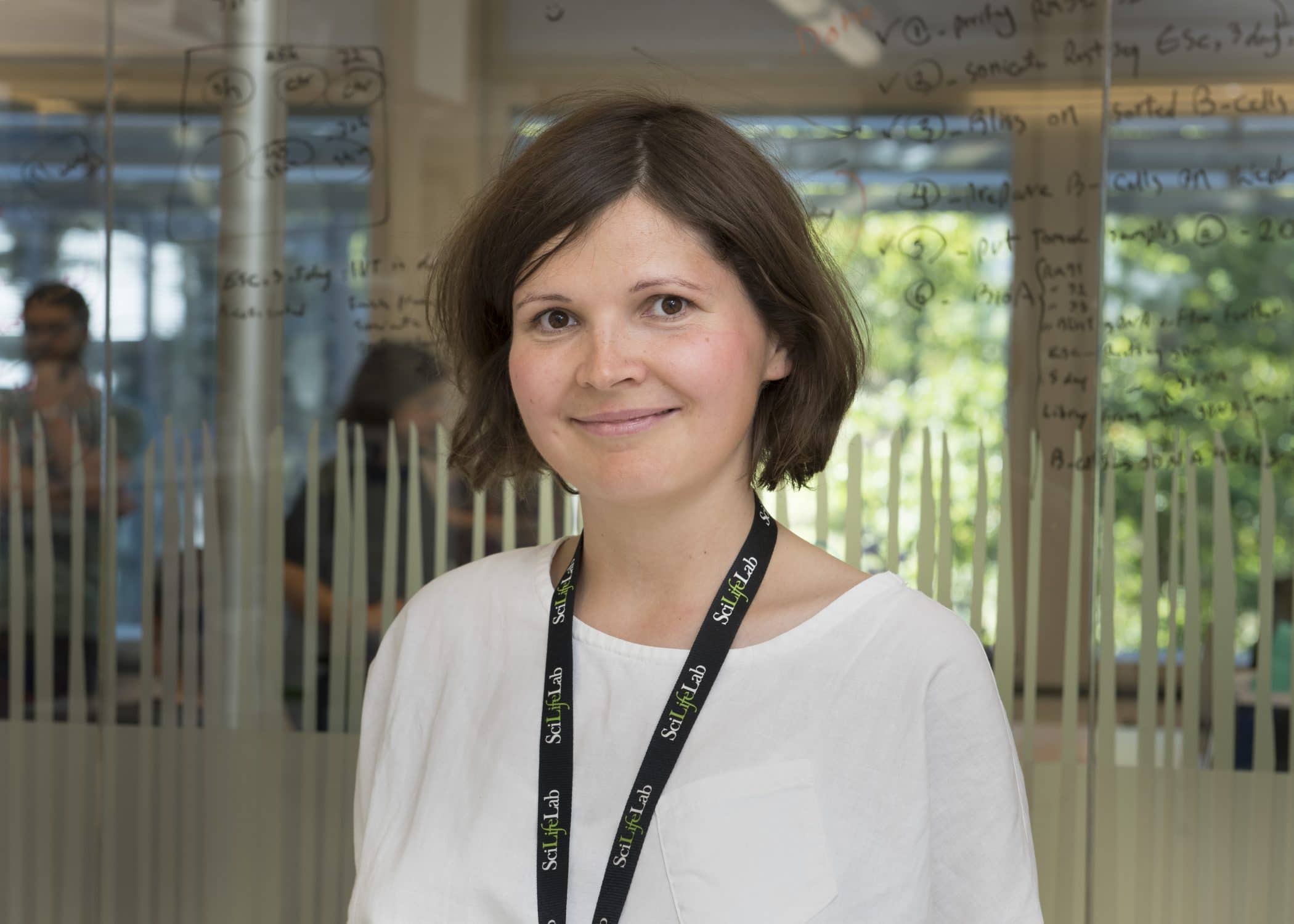
Magda Bienko is a SciLifeLab Fellow at Karolinska Institutet and co-founder of the Bienko-Crosetto Labs at the Genomics Research Centre, Human Technopole, Milan, Italy. Her research focuses on 3D genome organization, chromatin architecture, and gene expression regulation using advanced molecular methods. Karolinska Institutet, Science for Life Laboratory Fondazione Human Technopole, Genomics Research Centre Her group develops cutting-edge technologies like iFISH, GPSeq, CUTseq, and BLISS to study genome architecture in single cells. These methods enable high-resolution visualization of DNA loci, radial genome positioning, DNA break profiling, and low-input sequencing applications. Her research spans genomics, epigenetics, and cancer biology, with a strong emphasis on molecular methods, spatiotemporal gene expression, and chromatin dis-regulation. Articles highlight applications in developmental biology, cancer, and single-cell analysis. Lab members include PhD students Wing Hin Yip, Jinxin Chen, Kaja Harton, and Linxuan Zhao, alongside senior researchers and specialists. The lab actively recruits researchers passionate about genome biology and technology development.
Dr. Chethana Chethana serves as a Biochemistry Researcher within the Membrane Biochemistry group (Ewers Group) at Freie Universität Berlin's Department of Biochemistry, Chemistry and Biochemistry faculty. Her laboratory is situated at Thielallee 63, Room 101, 14195 Berlin. Her research program centers on advanced bioimaging techniques , particularly super-resolution microscopy development using nanomaterial-based probes . Specializing in carbon nanodots, quantum dots, and magnetofluorescent systems, she pioneers tools for visualizing subcellular dynamics including lysosomal expansion during apoptosis, mitochondrial shrinkage in mitophagy, and DNA fragmentation mechanisms. This interdisciplinary work bridges biochemistry, nanotechnology, and cell biology to decode membrane-related cellular processes. Analysis of her 15 most recent publications reveals a dominant trend in nanoprobe engineering for organelle-specific imaging , with 73% focusing on lysosomal/mitochondrial dynamics and 60% utilizing carbon-based nanomaterials. Her methodology consistently integrates fluorescence lifetime imaging with super-resolution techniques to map spatiotemporal biological events at unprecedented resolution. As an integral member of the Ewers Group, she contributes to the team's mission of elucidating membrane biochemistry through cutting-edge imaging technologies, maintaining active collaboration within Freie Universität Berlin's biochemistry research ecosystem.
Dr. rer. nat. Michael Kuhlmann is a leading researcher at the European Institute for Molecular Imaging (EIMI) in Münster, Germany, where he has worked since April 2008. His research focuses on developing and utilizing mouse models for cardiovascular, neurological, and tumor diseases , with extensive work in histology, microscopy, and advanced imaging techniques like PET, MRI, and optoacoustic tomography. His research spans atherosclerosis , stroke recovery , myocardial infarction , and infectious disease models . Publications from 2008–2023 highlight his expertise in in vivo imaging of inflammation, apoptosis, and biofilm development. He collaborates with the Cells-in-Motion Cluster of Excellence and has contributed to methods for carotid cuff implantation and nanoparticle drug delivery . Kuhlmann's work employs multimodal imaging to study plaque vulnerability in atherosclerosis post-stroke brain recovery cardiac metabolism in diabetes biofilm formation in vascular infections endothelial dysfunction metallic biomarker tracking His 15 most recent articles (2008–2023) demonstrate a consistent focus on preclinical disease modeling and therapeutic response imaging . He holds a Diploma in Biology (University of Münster, 1987–1994) and a PhD (Dr. rer. nat.) from the German Primate Center and University of Münster (2000). His career includes research roles at the University Hospital Münster in Nuclear Medicine (2007–2008) and Cardiology (2002–2007).