Alison RodgerView profile
Professor
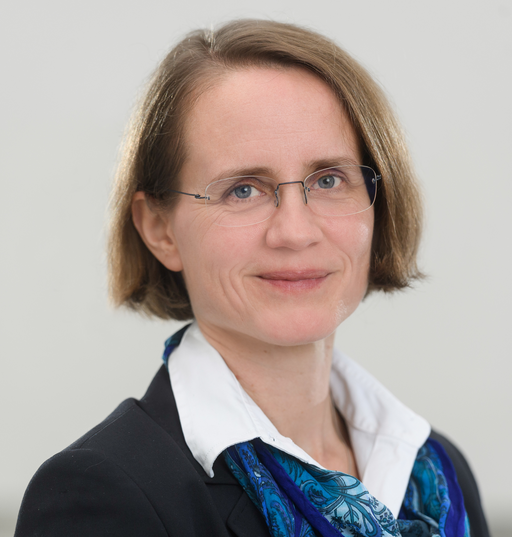
Prof Alison Rodger is a Professor in the Research School of Chemistry at The Australian National University, where she leads research in biophysical spectroscopy. Formerly at Macquarie University (2017–2024) and the University of Warwick (1990s–2017), she specializes in developing advanced spectroscopic techniques for biomacromolecule analysis. Her work integrates circular dichroism, linear dichroism, and Raman methods to study nucleic acids, proteins, and membrane systems. She co-directs the ARC-funded Industrial Transformation Training Centre in Facilitated Advancement of Australia’s Bioactives (FAAB) and runs an open-access biophysical spectroscopy lab. Key awards include Fellowships from the Australian Academy of Science (2021) and Royal Society of Chemistry (2000), and recognition in the Analytical Science Power List (2015). Education: BSc, PhD, DSc (Sydney University) MA (Oxford) DSc (Warwick) BA (Chester) Research Interests: Development of polarized-light spectroscopies for biomacromolecule analysis, including electronic/circular dichroism, Raman spectroscopy, and hybrid techniques. Applications span protein-DNA interactions, membrane biophysics, and biopharmaceutical characterization. She invented five spectroscopic techniques, including micro-volume Couette flow linear dichroism and fluorescence-detected linear dichroism. Awards & Roles: Fellow of the Australian Academy of Science Fellow of the Royal Society of Chemistry Emeritus Professor (University of Warwick) Recipient of Science Teachers of NSW Dedicated Service Award Consultant to European Science Foundation CASPER project Advising & Grants: Supervises PhD students in interdisciplinary biophysical chemistry. Led the EPSRC-funded Molecular Organisation and Assembly in Cells DTC at Warwick. Currently co-directs the ARC FAAB Centre, focusing on bioactive product characterization. Labs & Collaborations: Operates an open-access biophysical spectroscopy lab supporting academic and commercial users. Collaborations span mathematics, medicine, and engineering, with projects on DNA knotting, antimicrobial peptides, and nanomaterials for biosensing.