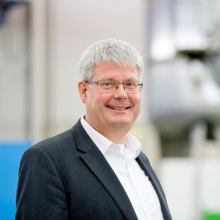
Prof. Dr.-Ing. Stephan Staudacher is the Director of the Institute of Aircraft Propulsion at the University of Stuttgart. His work focuses on aircraft propulsion systems, gas turbine performance, and turbomachinery design. He holds a professorship in the Faculty of Mechanical Engineering and Aerospace, leading research in advanced engine technologies, erosion effects, and fault detection algorithms. Research interests include engine reliability, computational fluid dynamics (CFD), and experimental validation of propulsion systems. His publications emphasize topics like neural network applications for fault detection, ice crystal icing simulations, and particle transport in additive manufacturing processes. Recent studies highlight the optimization of composite-cycle engines and assessment of mission severity caused by erosion. Key contributions include advancements in engine condition monitoring, transient performance analysis, and the development of Stuttgart University’s Altitude Test Facility (ATF). His work bridges theoretical models with industrial applications, addressing challenges in both civil and military aviation propulsion systems.
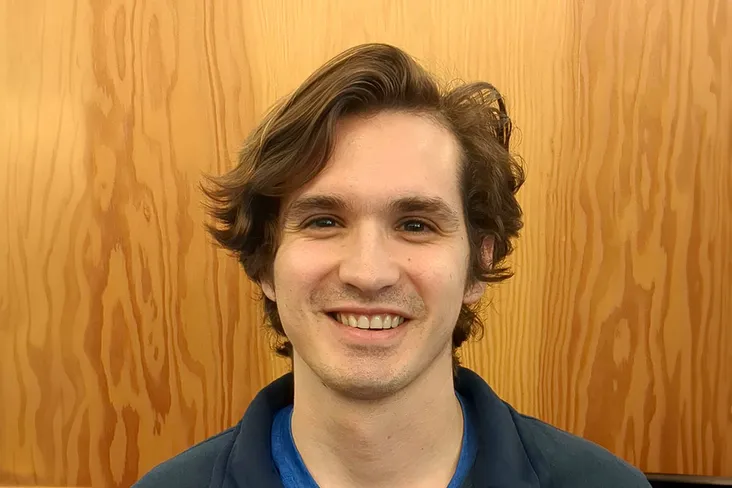
Steven Ceron is an Assistant Professor in Robotics at the University of Michigan's College of Engineering. His research focuses on swarm robotics, multi-agent systems, and programmable self-organization of micro- and macro-scale robot swarms. He leads the Synergetic Adaptive Machinas (SAM) Lab, which develops reconfigurable robot swarms for biomedical applications and smart materials integration. Key research areas include microrobot fabrication, heterogeneous swarm coordination, and self-reconfigurable modular systems. His work envisions seamless integration of robot swarms into daily life through innovations in design, control, and scalability. Recent publications emphasize swarmalator dynamics, strain-based coordination in soft robots, and scalable fabrication methods. His lab explores both theoretical frameworks and practical implementations, bridging micro-scale and macro-scale robotics applications. Though no awards were explicitly listed, his contributions to novel fabrication techniques and modular robotics suggest ongoing recognition in the field. Advising and grant details are not provided here, but his lab's focus on biomedical and aerospace applications indicates active collaborative projects.
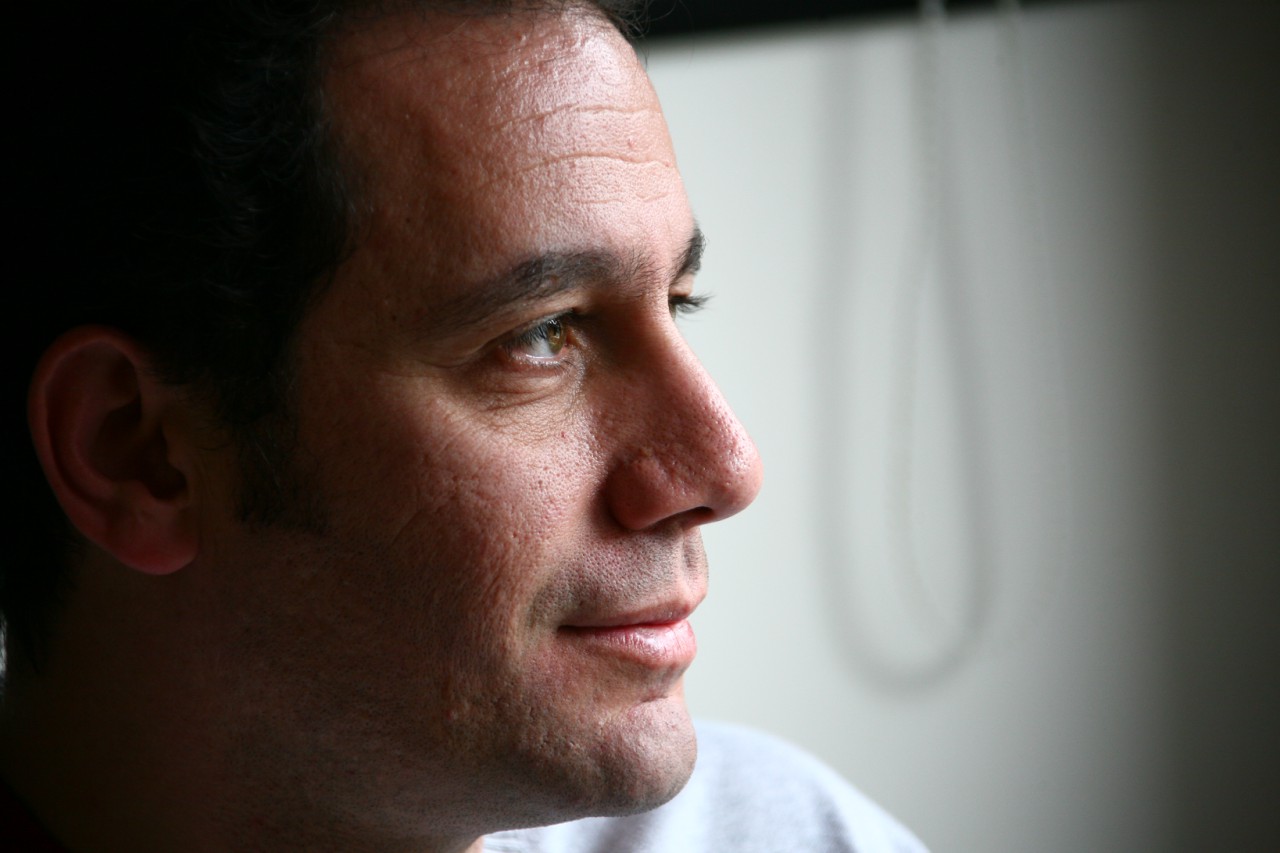
Chao Liu is a Research Scientist at CNRS (French National Center for Scientific Research) since 2008, affiliated with the DEXTER team and the Department of Robotics, LIRMM at University of Montpellier, France. He earned his Ph.D. in Electrical & Electronic Engineering from Nanyang Technological University, Singapore (2006). Current research focuses on surgical robotics , haptics , teleoperation , and nonlinear control theory with applications in computer vision. His work addresses challenges in robotic-assisted telesurgery, including: Stable and transparent human-robot interaction through wave variable compensators and passivity filters Physiological motion compensation using spatio-temporal LSTM and dual Kalman filters EMG-based motion recognition for surgical skill assessment 3D soft-tissue reconstruction with stereo-endoscopes and deep learning Dr. Liu leads European and French projects like: TS2RT (CNRS-funded): Safer teleoperation with motion compensation ROBACUS (ANR-funded): Needle positioning with MPC control HaTUMoCo (CNRS-funded): Haptic teleoperation with uncertainty handling ARAKNES (EU-funded): Microrobotic systems for endoluminal surgery Scientific honors include Senior Member of IEEE and Member of Sigma Xi . He supervises Ph.D. and Master's students working on topics such as concentric tube robot optimization, haptic teleoperation, and EMG-based force estimation. Dr. Liu serves on IEEE Technical Committees for Telerobotics and Haptics , and as Technical Editor of IEEE/ASME Transactions on Mechatronics.
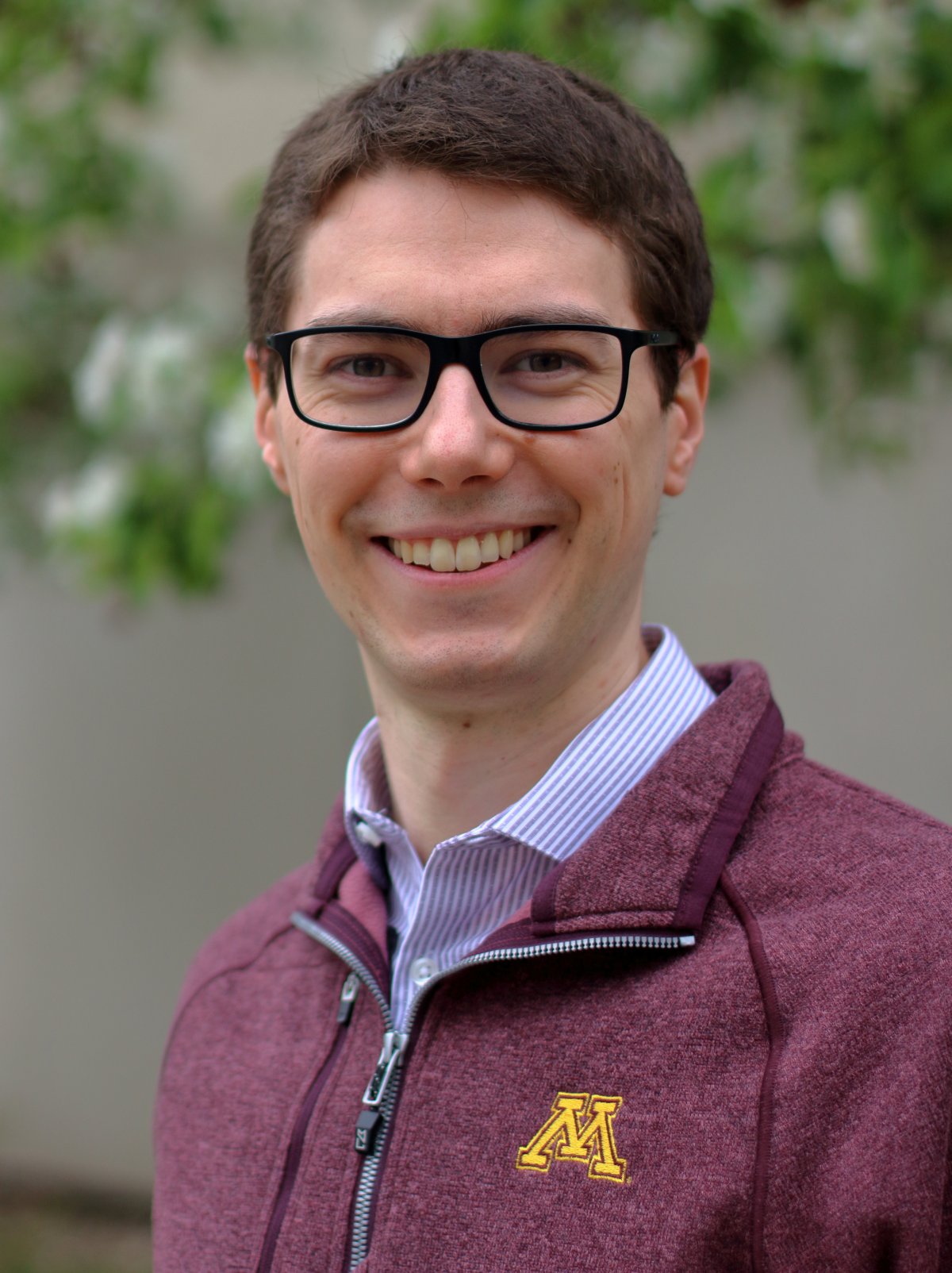
Ryan Caverly serves as an Associate Professor in the Department of Aerospace Engineering and Mechanics at the University of Minnesota, Twin Cities, holding the prestigious McKnight Land-Grant Professorship. His research bridges theoretical control frameworks with practical aerospace and robotics applications, focusing on dynamic modeling and system control. Education: BS in Honours Mechanical Engineering from McGill University MS in Aerospace Engineering from the University of Michigan PhD in Aerospace Engineering from the University of Michigan Professor Caverly's research centers on input-output stability, robust control of nonlinear systems, and computationally efficient modeling of flexible structures. His work spans aerospace vehicles, spacecraft, and robotic manipulators, emphasizing theoretical rigor alongside real-world implementation challenges in structural flexibility and control precision. Recent publications reveal strong emphasis on predictive control for orbital mechanics, hypersonic vehicle dynamics, and cable-driven systems. His work consistently integrates convex optimization, state estimation, and structural dynamics to solve complex problems in solar sail technology, UAV navigation, and hypersonic flow measurement. Scientific Awards: McKnight Land-Grant Professor Caverly leads multiple externally funded projects including NASA-sponsored research on solar sail momentum management, UAV state estimation with Honeywell, hypersonic bow shock measurements with the Air Force, and deployable space structure control. His grants portfolio demonstrates significant industry and government collaboration in aerospace innovation. He directs the Aerospace, Robotics, Dynamics, and Control (ARDC) Lab, which specializes in the intersection of dynamic modeling and control theory for flexible multi-body systems, with particular focus on cable-driven mechanisms and lightweight aerospace structures.
Kathleen C. Howell is the Hsu Lo Distinguished Professor of Aeronautics and Astronautics at Purdue University's School of Aeronautics and Astronautics. Her expertise spans orbit mechanics, spacecraft trajectory optimization, and mission design in multi-body systems. She holds degrees from Iowa State University (B.S., 1973), Stanford University (M.S., 1977; Ph.D., 1983). B.S. in Aerospace Engineering, Iowa State University, 1973 M.S. in Aeronautical & Astronautical Engineering, Stanford University, 1977 Ph.D. in Aeronautical & Astronautical Sciences, Stanford University, 1983 Her research focuses on libration point orbits, solar sail trajectories, and trajectory optimization in Earth-Moon and interplanetary systems. She has pioneered methods for analyzing Lissajous trajectories, invariant manifolds, and low-thrust mission design. Recent work includes solar sail applications for lunar coverage and ARTEMIS mission trajectory analysis. Publications highlight innovations in multi-body dynamics, with contributions to journals like Acta Astronautica , Journal of Guidance, Control, and Dynamics , and AIAA/AAS Conference Proceedings . Her work emphasizes practical mission design tools and visualization techniques. Awards: Fellow, AIAA (2013) W.A. Gustafson Teaching Award (2012) Dirk Brouwer Award (2004) Presidential Young Investigator Award (1984) Multiple Elmer F. Bruhn Teaching Awards Her advising and grants include leadership in space mission design, formation flight, and solar sail technology. She has collaborated on projects like the TRIANA mission and contributed to the Cassini end-of-mission analysis. Active in professional societies, she has edited conference proceedings and delivered invited lectures globally.
Tim Colonius is the Frank and Ora Lee Marble Professor of Mechanical Engineering and Medical Engineering and holds the Cecil and Sally Drinkward Leadership Chair at the California Institute of Technology. He has been affiliated with Caltech since 1994 and currently serves as Executive Officer for Mechanical and Civil Engineering . Colonius earned his B.S. from the University of Michigan (Ann Arbor), and both his M.S. and Ph.D. from Stanford University. Research Interests: His work focuses on fluid dynamics (global instabilities, cavitation, aerodynamic sound), flow control (closed-loop control, reduced-order modeling), and biomedical applications (shock waves, lithotripsy, ultrasound). He also develops advanced numerical methods for interface capturing, immersed-boundary techniques, and high-order accuracy. Scientific Contributions: Recent publications highlight his research in multiphase flows, vortex ring collisions, turbulent jet analysis, GPU-accelerated simulations, and biomedical applications. His group uses computational and data-driven approaches to study turbulence, instabilities, and flow optimization. Scientific Awards: AIAA Aeroacoustics Award Fellow of the Acoustical Society of America Fellow of the American Physical Society (APS) NSF and DoD research grants
Dr. Ugur Turhan is a Senior Lecturer in aviation at UNSW Canberra with over two decades of experience in academic and professional settings. His expertise spans Air Traffic Management, Airport Operations, Aviation Safety, and Human Factors in Aviation. Previously, he served as Assistant Professor at Eskisehir Technical University and Anadolu University, and held a visiting professorship at Embry Riddle Aviation Academy. Dr. Turhan earned his Ph.D. in Civil Aviation Management from Anadolu University. His academic journey includes significant contributions to aviation education and research across multiple institutions in Turkey and internationally. Dr. Turhan's research focuses on critical aspects of aviation safety and efficiency. His work explores human factors in air traffic control, aircraft maintenance procedures, and emergency management in aviation contexts. He has developed innovative approaches to training air traffic controllers using 3D simulation technology and has investigated the relationship between safety culture and operational performance in aviation organizations. His research bridges theoretical frameworks with practical applications to enhance aviation safety standards globally. Analysis of Dr. Turhan's recent publications reveals a strong emphasis on human factors across aviation domains. His work consistently addresses safety management systems, cognitive workload assessment, and maintenance procedures. A notable trend is the integration of neurophysiological measurements with operational data to assess air traffic controller performance. His research also demonstrates growing interest in the application of advanced technologies for improving maintenance documentation and technician performance. Dr. Turhan has secured significant research funding through multiple international projects. His leadership roles include: Researcher and Eskisehir Technical University Coordinator for the FACT project under European Commission HORIZON2020 SESAR call (2020-present) Researcher and Eskisehir Technical University Coordinator for the Skill-UP project under Erasmus+ (2020-present) Researcher and Anadolu University Coordinator for the STRESS Project under HORIZON 2020-SESAR-2015-1 (2016-2018) Researcher and Anadolu University Coordinator for the IMPACT Project under HORIZON 2020-DRS-2014 (2015-2018) Researcher and Anadolu University Coordinator for SECONOMICS project under European Commission FP7 (2012-2015) Researcher for Boeing-sponsored International Project on Aviation Educational Software (2014-2016) Dr. Turhan has supervised multiple doctoral and master's students in aviation-related fields. His doctoral students include Birsen Acikel (2016) who researched flight training airspace complexity and Tarık Güneş (2021) who assessed aircraft maintenance technician competency. His master's students have investigated topics ranging from Turkish airspace flexibility to aircraft maintenance documentation. Dr. Turhan also serves as a valuable resource for prospective PhD students interested in human factors and safety in aviation and air traffic management.
Renjie Zhao is an Assistant Professor in the Department of Computer Science at Johns Hopkins University and a member of the Data Science and AI Institute. His research focuses on wireless networking and mobile computing, with significant contributions to millimeter-wave communications, software-defined radio, and IoT systems. Dr. Zhao received his B.E. in Electric Power Engineering and Automation from Shanghai Jiao Tong University in 2018, followed by an M.S. (2020) and Ph.D. (2023) in Electrical and Computer Engineering from the University of California San Diego, where he was advised by Professor Xinyu Zhang. His research centers around three main areas: next-generation wireless network architectures (5G millimeter wave, 6G joint communication and sensing, Internet of Things), novel radio hardware and software design (software-defined radio, wireless brain interfaces, low-power ultra-wide-band), and ubiquitous communication and sensing systems (smart homes, virtual/augmented reality, localization, ultra-reliable RFID for supply chains). His work bridges theoretical innovation with practical implementation, often resulting in open-source hardware and software platforms that advance the field. Dr. Zhao's research has been published in top conferences including ACM SIGCOMM, MobiCom, and NSDI. His work demonstrates a clear progression from foundational wireless communication systems to increasingly sophisticated sensing and localization applications, with consistent focus on practical deployment challenges and solutions. Scientific Awards: Best Paper Award at ACM MobiCom 2020 for work on massive MIMO millimeter-wave software radio Best Paper Award at ACM SenSys 2023 for NeuroRadar paper Hopkins AITC funding for AI technologies promoting healthy aging Dr. Zhao actively serves the research community as TPC member for major conferences including MobiCom'25, NSDI'25, and MobiSys'25, and as a reviewer for leading journals. He is involved in multiple NSF-funded projects, including an NSF CIRC project developing the next-stage M-Cube platform. His lab, focused on wireless systems, maintains strong industry connections with companies like Qualcomm and Samsung. Dr. Zhao leads the M-Cube project, an open-source millimeter-wave massive MIMO software radio platform that has been adopted by numerous research institutions worldwide. His team continues to develop innovative wireless technologies with practical applications in supply chain management, healthcare, and smart environments.
Stefano Grivet-Talocia is a Full Professor at the Department of Electronics and Telecommunications at the Polytechnic University of Turin, where he also serves as Director of the Doctoral School and President of the Doctoral School Council. He is a member of the Interdepartmental Center SmartData@PoliTO - Big Data and Data Science Laboratory, the University Committee for Research, Technology Transfer and Services to the Territory, and the Commission for the Promotion of Library, Archive and Museum Heritage. His academic career spans over two decades at Politecnico di Torino, where he has established himself as a leading researcher in electromagnetic modeling and signal integrity. Grivet-Talocia earned his Laurea degree (summa cum laude) in Electronic Engineering in 1994 and his Ph.D. in Electronic and Communication Engineering in 1998, both from the Polytechnic University of Turin. Between 1994 and 1996, he conducted research at NASA/Goddard Space Flight Center in Greenbelt, Maryland. His educational background laid the foundation for his expertise in electromagnetic modeling, wavelet analysis, and signal processing. His research focuses on behavioral modeling, electromagnetic compatibility, macromodeling, model order reduction, numerical modeling, passivity, power integrity, signal integrity, transmission lines, and wavelets . Grivet-Talocia is particularly renowned for his work on passive macromodeling of interconnect structures, development of the TOPLine technique for transmission line simulation, and pioneering contributions to passivity enforcement algorithms. He has co-authored the first book entirely dedicated to Macromodeling (2016) and developed innovative approaches to waveform relaxation and wavelet-based signal processing. His recent publications (2024-2025) demonstrate continued leadership in model order reduction, with significant contributions to data-driven modeling of linear and nonlinear systems, power integrity analysis, and electromagnetic compatibility. His work spans both theoretical advances in numerical methods and practical applications in circuit design, with strong industry relevance particularly for semiconductor and electronic design automation companies. IEEE Fellow (2018-present) Three Intel SRS Grants (2022-2024) Three IBM SUR Grant Awards (2007-2009) Best Associate Editor Award - IEEE Transactions on Components, Packaging and Manufacturing Technology (2020) Multiple Best Conference Paper Awards (2006-2020) URSI Young Scientist Awards (1999) Ranked among the "top 2% worldwide researchers" (Stanford) since 2019 Grivet-Talocia actively supervises doctoral students including Michele Cusano, Sara Paknezhad Panahi, Antonio Carlucci, and Kun Zhao. He has secured numerous research grants from competitive national calls (PRIN) and commercial contracts with industry partners including Intel, IBM, Nokia, Hitachi, Infineon, and Cadence. His technology transfer activities include co-founding the spin-off IdemWorks (2007-2016), which was acquired by CST in 2016. He also developed the autoCircuits web service for automated circuit problem generation, widely used in electrical engineering education. He leads the EMC Group (Electromagnetic Compatibility) at DET and has been instrumental in establishing the Compact Dynamical Modeling research area. His work has practical applications in high-speed electronics design, with algorithms embedded in commercial tools like IBM PowerSPICE. Grivet-Talocia maintains strong industry connections through his research projects and serves as Associate Editor for IEEE Transactions on Components, Packaging and Manufacturing Technology.
Prof. Dr.-Ing. Dieter Moormann is affiliated with the Institute of Flight System Dynamics at RWTH Aachen University, a leading institution in engineering research. His work focuses on aerospace systems, specifically flight mechanics and control technologies. Research Interests include: Flight system dynamics and control Autonomous flight systems Aerodynamics and avionics Contact: moormann@fsd.rwth-aachen.de
Dr. Patrick Kung serves as Associate Professor and Associate Department Head for Undergraduate Programs in the Department of Electrical and Computer Engineering at the University of Alabama's College of Engineering. His research spans nanotechnology, quantum computing, and terahertz photonics with significant contributions to metamaterials and optical systems. Research Focus: Dr. Kung specializes in terahertz spectroscopy, polarization-sensitive imaging, and nanoscale material engineering. His work integrates machine learning with optical systems for applications in underwater imaging, quantum networking, and biodegradable polymers. Recent projects include $1 million Department of Energy funding for quantum networking research (2024) and development of materials for slowing light propagation. Publication Trends: His recent publications (2022-2025) demonstrate a clear trajectory toward multimodal sensing systems combining terahertz technology, polarization control, and AI-driven image processing. Key themes include underwater object recognition using single-photon LiDAR, compact drone-compatible imaging platforms, and cryogenic photonic components for quantum applications. The work consistently bridges fundamental nanophotonics with practical engineering solutions. Department of Energy Funding ($1 Million for Quantum Networking Research, 2024) Dr. Kung actively mentors students in EPA-funded water disinfection projects using UV-LED technology and collaborates with industry partners through the Southeast Executives-on-Roster program. His laboratory work focuses on nanowire-based thin films and metamaterial absorbers, with applications in environmental monitoring and quantum communication hardware.
Aida Jebali is a Professor of Operations and Supply Chain Management at SKEMA Business School's Digitalization Academy. She holds a PhD and Habilitation (HDR) from Grenoble Institute of Technology and has held faculty positions at ESIEE Paris, University of Sharjah, Masdar Institute, and Prince Sultan University. Her research focuses on supply chain resilience, pandemic planning, healthcare operations, and maritime logistics. Education: 2023: HDR in Industrial Engineering, Université Grenoble Alpes 2004: PhD in Industrial Engineering, Grenoble INP 2000: Master of Science in Industrial Engineering, Grenoble INP 1999: National Engineer Diploma, Ecole Nationale d'Ingénieurs de Tunis Research Interests: Pandemic resilience in supply chains Maritime logistics and quay crane optimization Emergency medical service design Healthcare operations and operating room scheduling Environmental sustainability in supply chains Recent Contributions: Her work addresses critical challenges such as pandemic-induced disruptions, ambulance relocation systems, and carbon-efficient supply chains. Recent studies include optimizing production under pandemic conditions and resilience strategies for food supply chains. Awards: High Level Scientific Stay (French Ministry of Foreign Affairs, 2009 & 2007) PhD Scholarship Award (French Ministry of Foreign Affairs, 2000) PhD Supervision: Co-director: G. Pinto, H. NOUIRA, R. BOUJEMAA Jury Member: L. WANG Research Affiliations: Senior Editor of IMA Journal of Management Mathematics and active reviewer for top journals such as International Journal of Production Economics .
Prof. Dr. Harald Reiterer is a leading researcher in Human-Computer Interaction at the University of Konstanz, where he has served as Professor since 2009. His academic journey includes a Ph.D. (1991) and habilitation (1995) from the University of Vienna, followed by roles including Senior Researcher at Fraunhofer FIT and Associate Professor at Konstanz. He currently holds multiple leadership roles: Dean of the Faculty of Sciences , Senator of Section 1 , and Consulting Dean . Ph.D. in Computer Science (University of Vienna, 1991) Venia Legendi (Habilitation) in HCI (University of Vienna, 1995) His research focuses on: Interaction Design for mixed reality environments Information Visualization in immersive contexts Hybrid User Interfaces combining physical and virtual elements 3D Object Manipulation in handheld AR Behavioral Analytics through mHealth interventions Recent work explores: Avatar representation in Augmented Reality (2024) Node selection efficiency in Virtual Reality (2024) Peripheral vision toolkits for Head-Mounted Displays (2023) Hybrid interface optimization for Mixed Reality (2023) Smartphone AR extensions for Spatial Memory (2023) Key scientific contributions: Landeslehrpreis 2021 for interdisciplinary exhibition design Development of Colibri cross-reality toolkit (2023) Foundational work on Re-locations for remote collaboration (2022) He leads numerous projects including: SMARTACT (Smart Mobility, 2015-2023) SFB TRR 161 (2009-2027) on XR interface measurement Blended Library (2011-2015) for future library design
Phillip J Ansell is an Associate Professor in the Department of Aerospace Engineering at the University of Illinois. He serves as the Director of the Center for High-Efficiency Electrical Technologies for Aircraft (CHEETA), focusing on advancing sustainable aviation through innovative propulsion and energy systems. His research interests include aerodynamics optimization, hydrogen propulsion, electric aircraft integration, and cryogenic technologies. Ansell has received prestigious awards such as the AFOSR Young Investigator Award (2015), ARO Young Investigator Award (2017), and the Lawrence Sperry Award (2023), recognizing his contributions to sustainable aviation and flow control technologies. His work spans interdisciplinary areas like hydrogen fuel cell systems, airfoil design, and electrified aircraft architectures. Recent research emphasizes sustainable aviation frameworks, cryogenic hydrogen storage, and propulsion-airframe integration. Ansell has collaborated on projects involving distributed propulsion systems, wind energy optimization, and advanced plasma actuators for flow control. His leadership in CHEETA drives innovations in superconductivity and high-temperature superconducting components for next-generation aircraft. Notable contributions include studies on laminar flow control, transonic aerodynamics, and the technical challenges of integrating MW-scale hydrogen propulsion systems. His publications reflect a blend of theoretical modeling, experimental validation, and systems engineering approaches to address aviation's sustainability challenges.
Christopher Goyne is an Associate Professor in the Department of Mechanical and Aerospace Engineering at the University of Virginia (UVA) and Director of the UVA Aerospace Research Laboratory. He holds a B.Eng. (1991) and Ph.D. (1999) in Mechanical Engineering from the University of Queensland, Australia. His research focuses on hypersonic propulsion, scramjet technology, instrumentation development, and advanced manufacturing. He leads the UVA Hypersonics Research Complex and is a key figure in the University Consortium for Applied Hypersonics. Goyne’s work includes contributions to NASA’s Hyper-X Program and the HyShot scramjet flight test program. He is an Associate Fellow of the AIAA and serves on editorial and advisory boards for journals and organizations such as the Shock Waves journal and Virginia’s Aerospace Advisory Council. Education: B.Eng. (Mechanical Engineering, University of Queensland, 1991); Ph.D. (Mechanical Engineering, University of Queensland, 1999). Research Interests: Hypersonics and scramjet propulsion Diagnostic techniques (e.g., laser-based methods, optical emission spectroscopy) Wind tunnel and flight testing Controls and adaptive systems for hypersonic flow paths Advanced manufacturing for aerospace components Awards: Recipient of the 2023 James C. McDaniel Fellow Award and 2022 Outstanding Researcher Award. Holds leadership roles in AIAA committees, including past Chair of the HyTASP Program Committee. Recognized with the Sigma Gamma Tau Outstanding Aerospace Professor Award (2006) and multiple research fellowships. Grants and Projects: Funded by NASA, the Air Force Office of Scientific Research, and industry partners. Leads UVA’s contributions to hypersonic ground and flight testing, including sensor development and combustion efficiency studies. Labs and Teams: Directs the UVA Aerospace Research Laboratory, collaborating on projects such as the UVA Hypersonics Research Complex and the University Consortium for Applied Hypersonics. Advises student chapters of AIAA and Sigma Gamma Tau.