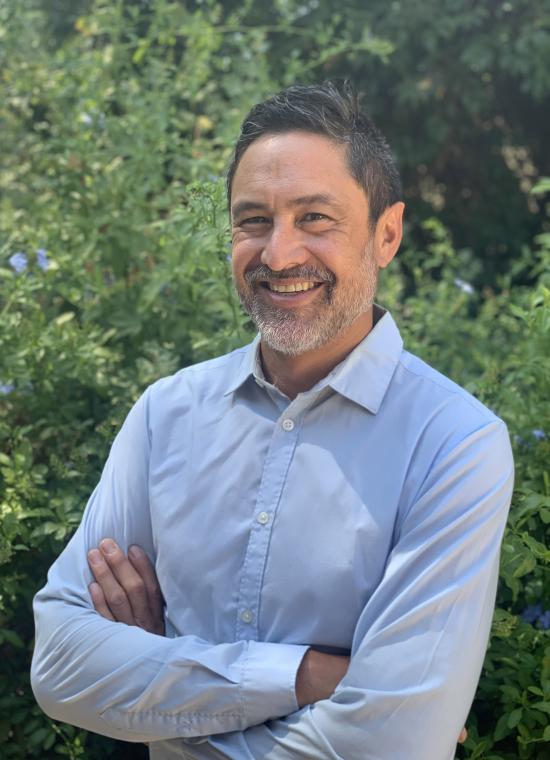
Christopher M. Chinn is a Professor of Classics at Pomona College since 2007, specializing in Augustan and Imperial Roman poetry. He teaches Latin and Greek languages alongside translation courses like Ancient Epic and Introduction to the Greeks and Romans . Research Focus: Roman poetry, ecocriticism, art-text relationships Key Contributions: Studies on Statius, Pliny, and intertextual analysis His work bridges visual art analysis with literary interpretation, particularly in Flavian-era texts. Recent publications address environmental themes in ancient Mediterranean literature and the evolution of ekphrastic techniques. Scientific Awards & Honors Jim Greenfield Dissertation Fellowship (University of Washington, 2001-2002) Downing-Pomona Exchange Fellow (2009) Pomona College Summer Research Grant (2011) His teaching includes advanced language courses and senior seminars on classical studies, reflecting his commitment to both pedagogy and research in ancient literature.
Kathleen M. Coleman is the James Loeb Professor of Classics at Harvard University, holding dual roles as Senior Research Curator at the Harvard Art Museums. She specializes in Latin literature, Flavian poetry, and Roman cultural history, with a focus on arena spectacles, punishment, and the reception of Classics in southern Africa. Her research bridges literary analysis, epigraphy, and archaeology. Education: BA (UCT, 1973), BA Hons (University of Rhodesia, 1975), DPhil (Oxford, 1979). Career highlights include chairs at University of Cape Town (1979–1993) and Trinity College Dublin (1993–98) before joining Harvard in 1998. She has received prestigious awards including the Walter Channing Cabot Fellowship (2007) and election to the American Philosophical Society (2021). Teaching excellence recognized via Harvard College Professorship (2003), Joseph R. Levenson Prize (2005), and Everett Mendelsohn Mentoring Award (2020). Active in editorial roles for journals like Harvard Studies in Classical Philology and Oxford Approaches to Classical Literature. Current projects include monographs on Roman public executions and arena spectacles.
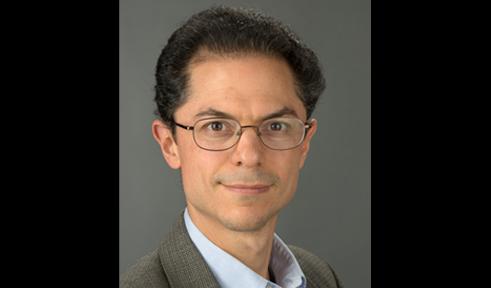
Anthony J. Boyle is Professor of Classics in the Department of Classics at the University of Southern California's Dornsife College of Letters, Arts and Sciences, where he has taught since 1989 after a twenty-year tenure at Monash University in Australia. He earned his undergraduate degree from the University of Manchester and M.A. from the University of Cambridge in the United Kingdom, establishing foundational expertise in classical philology and literary theory. Boyle's research specializes in Roman literature of the late republic and early empire, with particular focus on Virgil, Ovid, and Seneca. His scholarship examines semiotic interplay between texts and cultural contexts across genres including epic, elegy, and tragedy, emphasizing how Roman authors adapted Greek models within imperial political frameworks. He has authored or edited twenty-five books, establishing himself as a leading authority in Senecan studies and Roman literary criticism. His recent publications (2010-2024) demonstrate sustained engagement with Senecan drama through critical editions of Phoenissae (2024), Hercules (2023), and Thyestes (2016), alongside significant contributions to Ovidian scholarship like Ovid and the Monuments (2003). These works consistently explore intersections between literary form, philosophical tradition (particularly Stoicism), and imperial ideology. Boyle serves as founding editor of the journal Ramus: Critical Studies in Greek and Roman Literature , which celebrated its 40th anniversary in 2011 and is now published by Cambridge University Press, providing a major platform for classical scholarship.
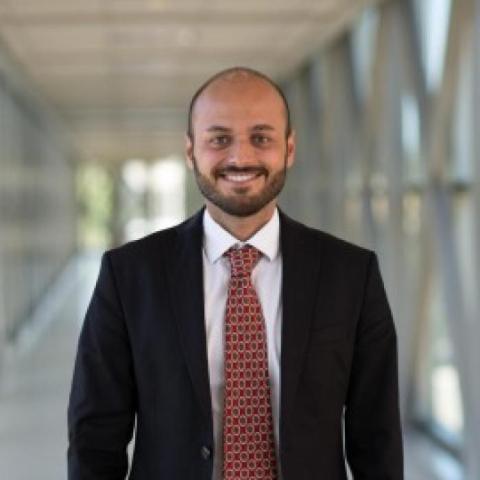
Giulio Celotto is an Assistant Professor in the Classics Department at the University of Virginia . His research focuses on Latin literature of the early Empire , particularly the interplay between philosophical frameworks and narrative in Latin epic, and the intersection of gender and genre in Latin poetry. Education : B.A. (2007) and M.A. (2009) from the University of Naples Federico II Ph.D. in Classics (2017) from Florida State University Research period at University of California, Irvine Research Interests center on Lucan's Bellum Civile , its philosophical themes of Love and Strife, and the transformation of epic norms under Imperial critique. He explores gender dynamics in Catullus, Ovid, and Seneca, and directs The Siren Project , which examines women's voices across literature and visual arts. Scientific Awards : 2023 SCS Outreach Prize for The Siren Project Recent Publications analyze intertextual dialogues between Latin authors and later works (Dante, Renaissance literature), with emphasis on ecofeminism , metapoetry , and Roman political critique . His monograph Amor belli: Love and Strife in Lucan’s Bellum Civile (2022) challenges prevailing interpretations of Lucan's epic as fragmentary, arguing for a transformed but coherent narrative structure. Teaching includes courses on Roman Women Writers, Seneca, Juvenal, and other canonical texts, with a focus on thematic exploration of moral philosophy, gender representation, and historical context.
Micaela W. Janan is a Professor of Classical Studies at Duke University's Trinity College of Arts & Sciences. Her work focuses on Latin literature, gender and identity in antiquity, and interdisciplinary approaches including psychoanalytic and feminist theory. She holds a Ph.D. from Princeton University (1988) and a B.A. from the University of California, Santa Cruz (1979). Her research explores themes such as Roman and Greek sexuality, the intersection of literature and psychoanalysis, and the political dimensions of classical texts. Notable publications include analyses of Ovid's Metamorphoses, Statius' Silvae, and Augustan elegy. She has received grants and fellowships including the Mellon Assistant Professorship and Lilly Teaching Fellowship. Janan teaches courses like Gender and Sexuality in the Ancient World and Latin Epic , emphasizing critical engagement with classical texts. Her service roles include Director of Graduate Studies in Classical Studies (1997-2000) and leadership in organizations like the Women's Classical Caucus. Key Awards: Franklin Humanities Seminar Fellow, Career Development Award (Utah), Faculty Summer Research Grant (Utah) Professional Service: Organized panels on 'Family Values in Flavian Literature' and 'Psychoanalysis and Antiquity'
Neil Bernstein is a Professor in the Department of Classics and World Religions at Ohio University’s College of Arts and Sciences, where he has been a faculty member since 2004. His research and teaching focus on Roman epic, drama, rhetoric, kinship, and digital humanities approaches to classical literature. He has held visiting positions at institutions such as Western University and the National Humanities Center, and his work has been supported by prestigious fellowships including Fulbright and NEH. Education: Ph.D., Classical Studies, Duke University, 2000 B.A. summa cum laude, Classics and English, Amherst College, 1994 Bernstein’s research centers on Flavian epic poetry, particularly the works of Statius, Silius Italicus, and Claudian, as well as Roman declamation and rhetorical education. He explores themes such as identity, kinship, spectatorship, and the ethical dimensions of literary representation. His methodological approach combines close reading with digital analysis, contributing significantly to interdisciplinary classical scholarship. His recent publications span a wide range of topics in Latin literature, including epic intertextuality, textual reuse, and the cultural significance of myth and violence. These works reflect a consistent engagement with narrative structure, ideological function, and reception across periods. Scientific Awards and Honors: 2022-23 Presidential Research Scholar 2019 Western Distinguished Scholar in Residence 2018 Outstanding Faculty Research Award, Ohio University 2014 Distinguished Mentor Award, Ohio University Honors Tutorial College 2012-13 Charles J. Ping Teaching Fellow 2011-12 NEH Fellow, National Humanities Center 2008-9 Fulbright Lecturer, National Taiwan University Recipient of Loeb Classical Library Foundation grants and fellowships Bernstein has advised and served on numerous Ph.D. and M.A. committees at institutions including the University of Iowa, University of Illinois, and University of Western Ontario. He has co-led faculty learning communities on pedagogy and received internal grants for digital humanities research. He is also active in professional service, including editorial roles and participation in the College Board’s AP Latin Development Committee. He is affiliated with research groups and projects focused on digital classical studies and has collaborated on initiatives that integrate computational methods with traditional philology.
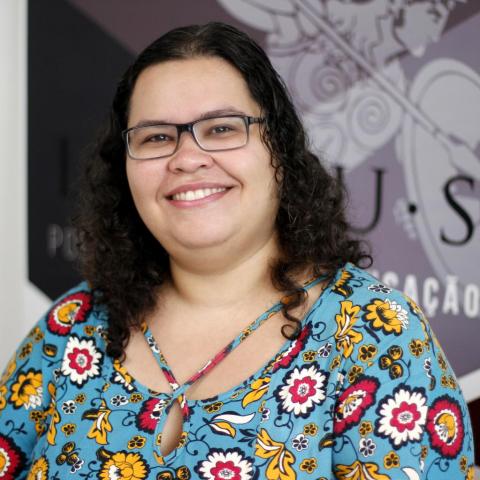
Leni Ribeiro Leite is an Associate Professor of Classics at the University of Kentucky, affiliated with the Department of Classics and interdisciplinary programs like Latin American, Caribbean, and Latino Studies. Previously, she held positions at the Federal University of Espírito Santo (Brazil) as Associate (2017-2021) and Assistant Professor (2009-2016). Her research focuses on Flavian Latin poetry, rhetoric in classical literature, epideictic genres, and the role of Latin in Latin America and colonial Brazilian contexts. Her work bridges ancient and modern studies, emphasizing classical legacies in Luso-Hispanic worlds. Key interests include Lucan’s historiographical approach, Statius’ epic prologues, and the adaptation of classical models in colonial Brazilian literature. She actively promotes Latin pedagogy through textbooks like Latine Loqui and innovative teaching methods, advocating for communicative Latin instruction in Brazilian universities. Publications span over two decades, with recent contributions examining Domitian’s portrayal in Flavian epic, translingualism in Latin American Neo-Latin texts, and the intertextuality between Camões’ Os Lusíadas and colonial-era works. She co-edits volumes on classical reception and collaborates with institutions like the Renaissance Society of America and Brazilian Classical Studies Society. Her research integrates archaeology, literary analysis, and cultural studies, addressing themes like ancient historiography, rhetorical strategies in colonial texts, and the sociohistorical dimensions of classical education.
Lauren Ginsberg is an Associate Professor of Classical Studies and Theater Studies at Duke University's Trinity College of Arts & Sciences. She holds a Ph.D. from Brown University (2011) and has held academic positions at the University of Cincinnati and visiting roles at Wesleyan and Bucknell Universities. Her research focuses on Roman literature and history of the early empire, particularly civil war narratives, intertextuality, and cultural memory. She has received prestigious fellowships including the Andrew Heiskell Rome Prize and the Loeb Classical Library Foundation Fellowship. Her teaching includes courses on Roman literature, drama, and the Age of Nero. Recent courses span CLST 202 (The Romans) to advanced seminars in Latin literature. She has contributed to public scholarship through podcasts on imperial Rome's cultural figures and served as Director of Graduate Studies in Classical Studies (2020–2023). Her research publications analyze works by Seneca, Tacitus, Lucan, and others, exploring themes like Caesar's rhetorical strategies in civil war accounts and Nero's antichrist paradigm in early Christian sources. Awards include the 2018 CAMWS First Book Award for After 69 CE .
Eleni Manolaraki is an Associate Professor of Classics at the University of South Florida's Department of World Languages. She holds a Ph.D. in Classics from Cornell University (2003). Prior to USF, she taught at Williams College and Washington University in St. Louis. Her research focuses on Roman literature, historiography, and Egypt's representation in classical texts. She co-authored A History of Rome (4th ed.) and published Noscendi Nilum Cupido: Imagining Egypt from Lucan to Philostratus , supported by NEH and USF grants. Her work examines Roman epic poets (Lucan, Statius, Silius Italicus), Tacitus' historiography, and Pliny the Elder's natural history. She investigates themes like cultural appropriation of Egypt, imperial rhetoric, and scientific writing in antiquity. Additional research interests include ancient natural philosophy, tax systems, and Greco-Roman religious apologetics. Grants: NEH Summer Scholarship, USF Humanities Institute Grant Book Reviews: Over 20 scholarly reviews on Roman historiography and material culture studies
Neil W. Bernstein is a Professor in the Department of Classics & Religious Studies at Ohio University's College of Arts and Sciences. His research centers on ancient Roman literature, with a focus on the representation of family, community, and identity in classical texts. He is actively engaged in both traditional philological scholarship and digital humanities initiatives. Research Interests: Bernstein specializes in epic poetry, Roman declamation, rhetoric, and the literary representation of kinship in ancient Rome. His work explores biological and non-biological familial relationships—including adoption, fostering, and mentoring—within various genres of Roman literature. He is particularly interested in how these themes reflect broader social, political, and aesthetic developments during the early Imperial period. Digital Humanities & Innovation: Bernstein is a research partner on the Tesserae Project, which uses computational tools to analyze intertextuality and text reuse in Latin and Greek literature. His work on data visualization enables scholars to perform 'distant reading' of literary genres through quantitative analysis, complementing traditional close reading methods. Pedagogical Leadership: With Dr. Herta Rodina, he co-led the seminar series 'Taking Risks in Teaching,' funded by the College of Arts and Sciences. This initiative explored innovative teaching practices, including discussing sensitive topics and restructuring courses to enhance student learning. Publications: While no specific articles are listed, Bernstein’s research output includes two major monographs: In the Image of the Ancestors: Narratives of Kinship in Flavian Epic (2008) and Ethics, Identity and Community in Later Roman Declamation (2013). These works demonstrate his deep engagement with narrative structures, ethical frameworks, and communal identity in Roman rhetorical and literary traditions. Grants and Collaborative Work: Bernstein secured funding from the College of Arts and Sciences to support pedagogical innovation workshops for junior faculty. His collaborative work with modern language educators highlights his interdisciplinary reach and commitment to educational development. Labs and Research Groups: He is affiliated with the Tesserae Project, a digital humanities initiative focused on quantitative analysis of classical texts. This project provides tools for identifying textual echoes and intertextual patterns across Latin and Greek literature.
University of Illinois Urbana-ChampaignUnited States
Antony Augoustakis is Professor of Classics and University Scholar in the College of Liberal Arts and Sciences at the University of Illinois at Urbana-Champaign. He served as Interim Director of the School of Literatures, Cultures and Linguistics (2022) and Associate Director (2021-22). He is affiliated with the Program in Comparative and World Literature, Medieval Studies, and Media and Cinema Studies. Ph.D., Brown University (2001) B.A., University of Crete (1994) His research interests span Latin imperial epic, Roman drama and historiography, women in antiquity, and gender theory, with a focus on Flavian poetry. He has contributed extensively to edited volumes and commentaries on works like Silius Italicus’ Punica and Statius’ Thebaid , exploring themes such as death and ritual in Flavian epic, Roman architectural culture, and gender dynamics in ancient texts. 2024: Co-edited Lux and Classical Enrichment volumes 2023: Dynamics of Marginality , The Poetic World of Statius’ Silvae 2022: Silius Italicus and the Tradition , Screening Love and War , Valerius Flaccus’ Argonautica 8 Scientific awards include the Executive Officer Campus Leadership Award (2021) , University Scholar (2019-2022) , and CAMWS Ovatio (2017) . He has directed numerous PhD and MA theses on topics like monsters in Flavian epic, exile in Silius Italicus, and gender in Suetonius. Current projects include a monograph on death and ritual in Flavian epic and a commentary on the Pseudo-Virgilian Ciris .
Clayton Schroer is a Visiting Assistant Professor in the Department of Classics at Emory University. He earned his Ph.D. in Classics from the University of Illinois at Urbana-Champaign (2020), M.A. from the University of Georgia (2013), and B.A. from Xavier University (2011). His research focuses on Latin poetry, particularly Flavian epic and postcolonial criticism, with additional interests in textual criticism, ancient environment, urbanism, and reception studies. His publications explore themes of exile, power dynamics, and marginality in Flavian literature. Recent work demonstrates consistent engagement with narratology, social hierarchies, and political allegory in Roman imperial texts. Awards include: Research Scholarship for Young Researchers, Fondation Hardt Richard T. Scanlan Teaching Assistant Fellowship CAMWS Award for Outstanding Accomplishment in Classical Studies
Raymond Marks is Associate Professor of Classical Studies and Language Sequence Coordinator at the University of Missouri's College of Arts and Science. Holding a PhD from Brown University, he specializes in Roman epic poetry with emphasis on Flavian-era authors like Valerius Flaccus and Silius Italicus. His research examines Ovidian influences in post-Augustan epic, analyzing narrative techniques and political undertones. Recent publications include monographs exploring gender dynamics and intertextuality in the Argonautica (2024). Teaching spans Latin language courses and seminars on imperial literature, emphasizing left-to-right reading pedagogy. Current projects include a commentary on Silius Italicus' Punica 14 and translations of early American Latin poetry.
Jessica Blum-Sorensen is Assistant Professor of Classics in the Department of History & Classics at Providence College, where she researches imperial Latin poetry with a concentration on Valerius Flaccus’ Argonautica and the intersection of genre, gender, and political commentary within the mythic tradition. Education: Ph.D. Classical Philology, Yale University (2015) B.A. Classics, Trinity College Dublin (2005) Her research interrogates how Flavian epic encodes Julio-Claudian ideology and gendered power structures. By combining close philological analysis with theoretical perspectives on genre and gender, she illuminates the political resonances of mythic narrative and the ways Roman poets manipulate exemplary figures such as Hercules and Circe. Across her recent articles and her 2023 monograph Epic Ambition , Blum-Sorensen tracks a consistent scholarly trajectory: re-evaluating the Argonautica as a text that simultaneously critiques and participates in imperial discourse, especially through female figures and the re-framing of epic heroism. She maintains an active international collaboration network and her work is indexed in Scopus, reflecting steady citation activity in the field of classical studies.
Kathleen Coleman is the James Loeb Professor of Classics at Harvard University. She specializes in Latin literature, Roman history, and the reception of Classical texts. Born in Zimbabwe, she holds degrees from the University of Cape Town (BA, 1973; BA Hons, 1975) and an Oxford DPhil (1979). Before joining Harvard in 1998, she taught at the University of Cape Town (1979–1993) and Trinity College Dublin (1993–1998). Her research spans Flavian poetry, arena spectacles, and the influence of Classics on South African poet Douglas Livingstone. Her notable works include Martial, Liber Spectaculorum (2006) and commentaries on Statius and Pliny. She has held prestigious roles such as President of the American Philological Association (2011) and President of the Internationale Thesaurus-Kommission (2020). Coleman has received numerous awards, including the Walter Channing Cabot Fellowship (2007) and election to the American Philosophical Society (2021). She is also renowned for her teaching, having received four Harvard teaching awards. Her current projects include monographs on Roman public executions and arena spectacles. She actively promotes Classics through public engagement, including radio documentaries and blog contributions. Coleman has advised doctoral students on topics ranging from Cicero to temple robbery in Campania.