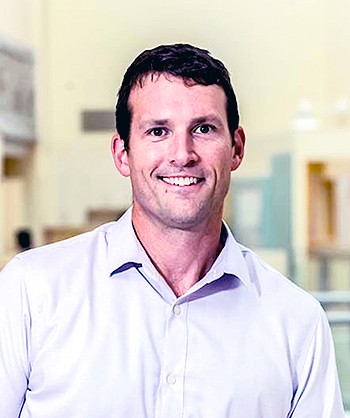
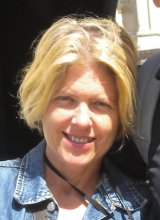
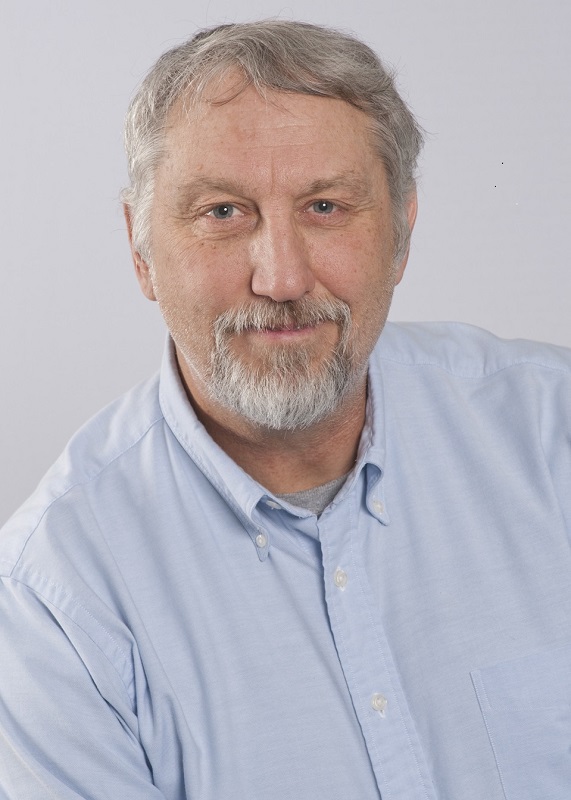
Dr William Yeomans is an Affiliate Researcher at the Clyde River Foundation, affiliated with the School of Biodiversity, One Health & Veterinary Medicine at the University of Glasgow. His work focuses on ecological and physiological aspects of invasive aquatic species, particularly freshwater fish and crustaceans. Research interests include Ecological impacts of non-native species Physiological responses to environmental stressors like hypoxia Biological control strategies for invasive populations Conservation of aquatic biodiversity Recent publications highlight trends in invasive species management , freshwater ecosystem threats , and ecological resilience . Key subfields span non-native fish invasion , hypoxia adaptation , salmonid spawning disruption , and biological control advancements .
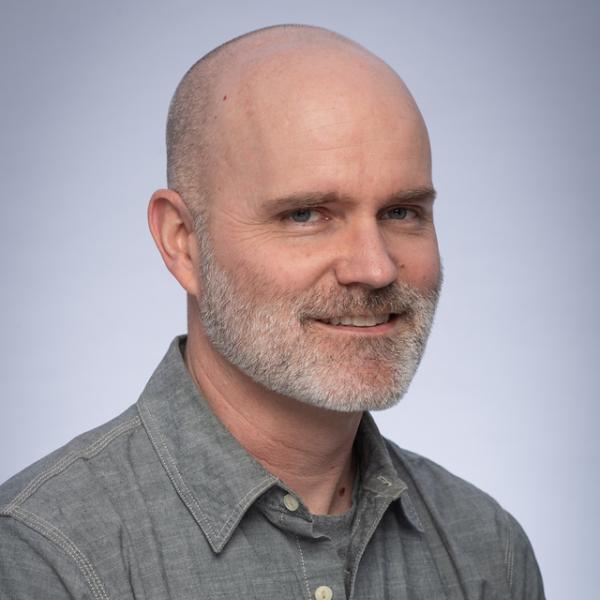
Christopher Kenaley is an Associate Professor of the Practice in the Biology Department at Boston College. He holds a B.S. from Cornell University and a Ph.D. from the University of Washington. His research focuses on the functional biology of fishes, particularly deep-sea species, exploring the interplay between physical/physiological factors and evolutionary adaptation. Key areas include feeding and swimming biomechanics, molecular basis of novel traits, and diversification patterns in vertebrates. He employs multidisciplinary approaches such as biorobotics, computational modeling, and comparative methods. Education : B.S. in Biology, Cornell University Ph.D. in Biology, University of Washington Research Interests : Biomechanics of feeding and swimming in deep-sea fish Molecular evolution of adaptive traits Bioluminescence and sensory systems Bathypelagic and mesopelagic fish ecology Bio-inspired robotics (e.g., remora adhesion systems) His publications span over two decades, with recent work emphasizing anatomical and functional adaptations in dragonfishes, remoras, and other pelagic species. Key themes include the evolution of novel traits (e.g., red bioluminescence), material properties of fish scales, and the biomechanics of locomotion. His biorobotic models, such as the remora-inspired adhesive disc, bridge biology and engineering. Notable contributions include taxonomic revisions of caristiid and stomiiform fishes, uncovering hidden biodiversity in deep-sea environments. While no formal grants or awards are listed, his work is supported by institutional resources and collaborations. His research frequently involves undergraduate co-authors, reflecting a commitment to student mentorship. Lab/Team: Active in Boston College’s biology research community, focusing on comparative vertebrate biology and marine systems.
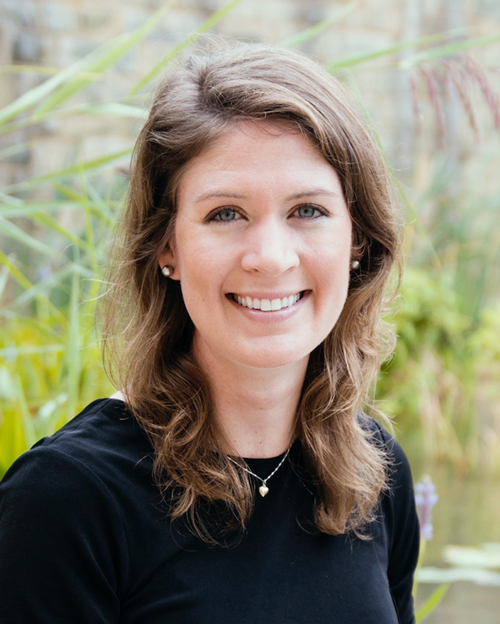
Bernice Bovenkerk is an Associate Professor at the Philosophy Group of Wageningen University, specializing in animal ethics, environmental philosophy, and the ethical implications of human-animal relationships. She holds roles on the Council for Animal Affairs (RDA), the Management Board of the Ethics of Socially Disruptive Technologies (ESDiT) programme, and editorial positions for academic journals like Environmental Ethics and Food Ethics. She also serves as vice-president of the European Society for Agricultural and Environmental Ethics (EurSafe). Her research focuses on integrating animal agency into ethical frameworks, particularly regarding biotechnology, digital technology, and climate justice. Notable grants include a VICI grant (2025) exploring fair development of digital technologies for human-animal relationships, a VIDI grant (2018) on animal agency in the Anthropocene, and a VENI grant (2012) on domestication ethics. She holds a PhD from the University of Melbourne (Australia) on democratic challenges in biotechnology debates. Bovenkerk actively engages in public discourse through events like the IDFA in the Balie and the Els Borst-lecture on One Health. Her work emphasizes societal impact, advising governmental bodies on animal testing alternatives and animal law evaluations.
Dr. Graham Scott is a Professor in the Department of Biology at McMaster University, specializing in comparative and evolutionary physiology. His research focuses on understanding how vertebrates adapt to environmental challenges such as high-altitude hypoxia and climate change. He explores mechanisms that differentiate species capable of tolerating extreme conditions from those that cannot. Dr. Scott holds a PhD from the University of British Columbia and conducted postdoctoral research at the University of St Andrews. Education: PhD, University of British Columbia, 2009 MSc, University of British Columbia, 2004 BSc, McMaster University, 2002 Research Interests: Dr. Scott’s work investigates physiological adaptations in animals to environmental stressors, including high-altitude flight in birds, hypoxia tolerance in mammals, and the ecological impacts of climate change. His studies combine field observations with laboratory experiments to uncover evolutionary and mechanistic insights into respiratory, cardiovascular, and metabolic systems. Articles Trends: His recent publications emphasize high-altitude adaptations in species like bar-headed geese, deer mice, and diving ducks. Key themes include respiratory physiology, mitochondrial function, and genetic mechanisms underlying hypoxia resistance. He also explores the effects of environmental pollutants and temperature on fish physiology. Awards: While no personal awards are explicitly listed, he advises students such as Vanier Scholar Oliver Wearing, highlighting his mentorship impact. Advising & Grants: As a supervisor, Dr. Scott guides students in physiological ecology and evolutionary biology. His grants likely fund field studies and lab-based experiments on animal adaptation mechanisms. Labs/Teams: He leads the Scott Lab, which focuses on integrative physiology and environmental stress biology. Collaborations include work with Indigenous communities on water quality monitoring and citizen science projects.
David Christensen is a Professor in the Department of Biology at Westfield State University, where he has taught since 2008. His teaching philosophy emphasizes multimodal learning approaches, integrating visual, auditory, repetitive, and hands-on methods to accommodate diverse student needs. He holds a Ph.D. from Washington State University, following an M.S. and B.S. from Washington State and University of Idaho respectively. His research spans freshwater ecology and conservation biology, focusing on aquatic trophic interactions, fish dietary niche analysis, trout habitat assessment, fishery management, and urban pond ecosystems. Christensen's work often combines stable isotope analysis with ecological modeling to understand aquatic community dynamics. Christensen's publications reflect his expertise in lake management and fish ecological studies. He has advised students in habitat assessment research and contributed to practical ecological methodologies in undergraduate education. While no scientific awards are mentioned in the provided text, his work with the Colville Confederated Tribes demonstrates commitment to community-based conservation initiatives.
Dr. Tahmid Nayeem is an Associate Professor of Marketing at Charles Sturt University, specializing in Consumer Psychology , Social Marketing , and Marketing Strategy . He holds a PhD in Marketing, an MBA in Management Information Systems, and a Bachelor of Business (Marketing) Honours from the UK. Specializes in cross-cultural consumer behavior and human/wildlife coexistence policy Secured $3 million in research grants from NSW DPI, NMHC, Soil CRC, and Cybersecurity CRC Active in sustainable development research (SDGs 4, 12, 13, 15) His research integrates behavioral theory with practical applications in soil stewardship, cybersecurity, and mental health advocacy. Recent work explores micro-business cybersecurity behaviors and sustainable fish-screen technology adoption. Published in Journal of Retailing and Consumer Services , Sustainability , and Information and Computer Security Received multiple internal awards for research and teaching excellence Active consultant and keynote speaker on marketing education reform
Dr. Sarwar Sayeed is a Researcher at Edinburgh Napier University's Blockpass Identity Lab, contributing to EU-funded projects like TRUSTEE and GLASS. His expertise spans blockchain technology, cybersecurity, and privacy-preserving systems. He holds a PhD from the University of the West of Scotland and has received notable awards including the IEEE Blockchain Initiative Award for his doctoral work. Education: Bachelor’s in Computing (University of East London) Master’s in IT (Cardiff Metropolitan University) MBA (Anglia Ruskin University) PhD (University of the West of Scotland) Research Focus: Blockchain applications in governance and agriculture Secure distributed systems Insider threat detection Control-flow integrity mechanisms Post-quantum cryptography Recent Work: Recent publications address challenges in EU digital governance, aquaculture automation through blockchain, and insider threat detection using sentiment analysis. His work emphasizes trust, privacy, and secure data-sharing frameworks. Awards: IEEE Blockchain Initiative Award for Best Doctoral Thesis Dean’s Scholarship (University of the West of Scotland) 1st Prize in Academic Excellence (Undergraduate Level) Grants & Projects: Active in EU-funded initiatives (TRUSTEE, GLASS) and UK government projects (Safety Tech Challenge Fund). His research bridges technical innovation with real-world applications in governance and industry. Labs & Teams: Member of the Blockpass Identity Lab, collaborating on cutting-edge projects in decentralized identity management and privacy engineering.
Jessica Glass is an Assistant Professor at the College of Fisheries and Ocean Sciences , University of Alaska Fairbanks. Her research focuses on integrating genomic tools with environmental data to address conservation and management challenges for marine and freshwater species. She specializes in population genomics, phylogenomics, and biogeography of fishes and invertebrates, with an emphasis on climate resilience and anthropogenic stressors. Education : Ph.D. in Ecology and Evolutionary Biology, Yale University (2019) M.S. in Fisheries, University of Alaska Fairbanks (2014) B.S. in Ecology and Evolutionary Biology, Yale University (2010) Research Interests : Genomic underpinnings of migration and climate adaptation Biodiversity patterns in marine and freshwater ecosystems Application of environmental DNA (eDNA) and transcriptomics Conservation genetics of vulnerable species Recent Publications : Her work spans marine fish phylogeny, Indigenous partnerships in biodiversity sequencing, and seascape genomics applications. Recent studies include taxonomic revisions of South African fish species and genome assembly of key teleost species like the bluefin trevally. Awards : NSF DDIG Fellow (2017) USAID Research and Innovation Fellow (2014–2016) NSF GRFP Fellow (2011–2016) Advising & Teams : CURRENT STUDENTS: Sydney Almgren, Sujung Chung, Sof Fox, Maris Goodwin, Rachel Lekanoff, Cheyenne Stirek POSTDOCS: Yin-Chen Hsieh, Laura Timm AFFILIATION: South African Institute for Aquatic Biodiversity Labs & Projects : She leads the lab website and participates in the Alaska NSF EPSCoR Fire and Ice Project focusing on coastal margins.
Jennifer Questel is a Research Assistant Professor in Oceanography at the University of Alaska Fairbanks. Her research focuses on molecular ecology and biodiversity assessment of zooplankton communities in Arctic and subarctic ecosystems, particularly in the Gulf of Alaska and western Arctic Ocean. She employs advanced techniques like DNA barcoding, metabarcoding, and population genetics to study species identification, connectivity, and trophic interactions. Education includes a Ph.D. in Oceanography from the University of Alaska Fairbanks (2016) and a B.S. in Zoology from the State University of New York at Oswego (2008). Her specialties include Biological Oceanography, Zooplankton Ecology, and Molecular Genetics. Recent work emphasizes developing reference databases (e.g., MetaZooGene) and applying metabarcoding to monitor zooplankton diversity across marine ecosystems. Research spans topics like Arctic biodiversity, mesopelagic food webs, and the impact of environmental factors on species distribution. Affiliations include Golden Key International Honour Society, Association for Women in Science, and Association of Polar Early Career Scientists (APECS).
Andrew Seitz is a Professor and the Frank and Marjorie Meek Chair in Fisheries and Ocean Sciences at the University of Alaska Fairbanks' College of Fisheries and Ocean Sciences. His research focuses on fish behavior, migration patterns, and conservation, with an emphasis on applied ecology to support fisheries management. Dr. Seitz holds a Ph.D. in Fisheries Oceanography (2006) and a B.S. in Biology from Cornell University (1997). He is affiliated with organizations like the American Fisheries Society and the Alaska Hydrokinetic Energy Research Center. His research integrates cutting-edge technologies such as electronic tagging and acoustic telemetry to study species like Pacific halibut, salmon, and elasmobranchs. Current projects include investigating climate impacts on Arctic fish migration, halibut stock structure in the Bering Sea, and the ecological effects of marine renewable energy systems. His work bridges ecology, technology, and community-based monitoring to address subsistence fisheries sustainability and species conservation. Dr. Seitz has advised over a dozen graduate students and collaborates widely on projects spanning Alaska’s freshwater and marine ecosystems. His scholarly contributions include over 50 peer-reviewed articles, with recent studies published in journals like Polar Biology , Canadian Journal of Fisheries and Aquatic Sciences , and Frontiers in Environmental Science . Education: PhD Fisheries Oceanography, UAF (2006); BS Biology, Cornell University (1997) Key Projects: Behavioral ecology of large salmon species, hydrokinetic turbine impacts, Arctic salmonid conservation Affiliations: American Fisheries Society, Pacific Marine Energy Center Lab/Team: Andrew Seitz Fish Ecology Lab
Trent Sutton is a Professor and Vice Provost & Accreditation Officer at the University of Alaska Fairbanks (UAF), part of the College of Fisheries and Ocean Sciences. He has held faculty positions at Purdue University and Lake Superior State University, with a focus on fisheries biology and management. His research emphasizes fish population ecology, habitat assessment, and the impacts of climate change in freshwater and marine ecosystems. He has advised 35 graduate students (29 M.S., 6 Ph.D.) and supervised numerous undergraduate and high school projects. Key research interests include recruitment dynamics, trophic ecology, and the biology of lampreys and salmonids. Sutton has secured $13.37 million in grants, with $4.03 million as PI/co-PI. His recent publications explore topics like capelin spawning patterns, Pacific lamprey biology, and Arctic lamprey diet analysis using DNA metabarcoding. Education: Ph.D. (Implied via career context) Current Research Projects: Spawning coho salmon habitat in Susitna River Arctic cisco growth in Beaufort Sea Lingcod stock assessment in Prince William Sound Affiliations: Director of Undergraduate Research and Scholarly Activity (URSA) His teaching includes courses like FISH 315 (Freshwater Fisheries Techniques) and FISH 487 (Fisheries Management). Sutton’s work bridges field and laboratory studies to address ecological challenges in Alaska’s diverse aquatic systems.
Peter Westley is an Associate Professor and the Lowell A. Wakefield Chair in Fisheries and Ocean Sciences at the University of Alaska Fairbanks, within the College of Fisheries and Ocean Sciences. His research focuses on how fish respond to rapid environmental changes, integrating field studies, laboratory experiments, meta-analyses, and modeling. Key areas include phenotypic plasticity, life history evolution, and eco-evolutionary dynamics in aquatic systems. Education: He holds a B.S. (2004), M.S. (2007), and Ph.D. (2012) in Fisheries/Biology from the University of Washington and Memorial University of Newfoundland. Postdoctoral training in Fisheries (2012) further strengthens his expertise. Research Interests: Dr. Westley investigates climate change impacts on salmon populations, invasive species ecology, and the role of phenotypic plasticity in adaptation. His work addresses contemporary evolution, dispersal behaviors, and the economic implications of hatchery straying. Current projects include studying northern pike invasions in Alaska and modeling Chinook salmon life cycles. Advising & Grants: He mentors graduate students in fisheries and ecology. His lab (Salmonid Evolutionary Ecology & Conservation Lab) explores topics like hatchery-wild interactions and invasive species impacts. He collaborates internationally and is affiliated with NOAA for Arctic salmon studies. Labs/Teams: Director of the SEEC Lab, which combines ecological, genetic, and modeling approaches to address conservation challenges in salmon systems.
Corina Ciocan is a Principal Lecturer at the University of Brighton, affiliated with the School of Applied Sciences and the Centre for Environment and Society. She leads the Environment and Public Health Research Excellence Group and the Ecology, Conservation and Society Research Excellence Group. Her research focuses on functional ecotoxicology, environmental contaminants, and marine organism responses to pollutants like pharmaceuticals and microplastics. Education: PhD in Morphological and Histological Damage in Pollution-Impacted Marine Organisms (University of Agronomic Sciences and Veterinary Medicine, 2003); Master’s in Biomarkers in Cancer-Related Lesions in Fish (University of Bucharest, 2002). She is a Fellow of the Higher Education Academy (2016). Research Interests: Detoxification mechanisms in marine invertebrates, DNA damage in critical genes, reproductive mechanisms under stress, and climate change impacts. Her work emphasizes biomarkers of contamination and endocrine disruptors. Notable projects include the RedPol initiative to reduce pollution from endocrine disruptors and collaborative studies on microplastics and GRP contamination in coastal environments. She has supervised postgraduate students in ecotoxicology and marine biology. Awards: Fellow of the Higher Education Academy (2016) Teaching roles include module leadership in marine biology and active learning approaches, often incorporating fieldwork. She serves on the Sussex Inshore Fisheries and Conservation Authority (IFCA) and engages in public outreach through podcasts and conferences. Labs/Teams: Environment and Public Health Research Group, Ecology, Conservation and Society Group.
Thomas Dowling is a Professor in the Department of Biological Sciences, College of Liberal Arts and Sciences, Wayne State University, specializing in evolutionary and conservation genetics of North American freshwater fishes with emphasis on river systems in arid regions. Education: BS in Zoology, University of Michigan, Ann Arbor (1980) PhD in Biological Sciences, Wayne State University (1984) His research focuses on phylogeography, population genetics, and conservation strategies for endangered fishes, particularly examining hybridization, habitat fragmentation, and evolutionary responses in desert river ecosystems. He integrates molecular techniques including mitochondrial DNA analysis and genomics to address critical conservation challenges. Analysis of his 2017-2025 publications reveals consistent concentration on Colorado River basin species like Razorback Sucker, utilizing genomic methods to study population structure, adaptive radiations, and conservation hatchery impacts. His work bridges genetic theory with practical management for imperiled freshwater fishes. Scientific Awards: No scientific awards were mentioned in the provided text. Advising and Grants: Teaches graduate Population Genetics (BIO6090) indicating active mentorship Undergraduate courses include Evolution (BIO2700) and Basic Life Diversity (BIO1500) No specific grants or student names listed in source material Labs and Teams: No laboratory or research team information was provided in the source text.
Dr. Paul Snelgrove is a Research Professor at Memorial University of Newfoundland's Department of Ocean Sciences and Biology. He serves as Network Director of the NSERC Canadian Healthy Oceans Network (CHONe II), Associate Scientific Director of the Ocean Frontier Institute, and Departmental Science Advisor for Fisheries and Oceans Canada. His educational background includes a BSc in Biology from Memorial University (1984), an MSc in Oceanography from McGill University (1984), and a PhD from MIT/Woods Hole Oceanographic Institution (1993), followed by postdoctoral positions at Rutgers and Dalhousie Universities. Research interests focus on marine community ecology with emphasis on: Larval settlement dynamics and benthic-pelagic coupling Deep-sea biodiversity and ecosystem functioning Anthropogenic impacts on marine ecosystems Conservation strategies for benthic environments His 130+ publications demonstrate strong interdisciplinary trends in deep-sea ecology, biodiversity conservation, fisheries management, and climate change impacts, with recent focus on marine protected areas and ecosystem-based management. Major scientific awards include: Parsons Medal for Interdisciplinary Ocean Sciences (2010) Timothy Parsons Medal for Marine Sciences Excellence (2013) Memorial University Research Professor (2015) He currently advises PhD students on projects related to deep-sea ecosystem function and hypoxia impacts. Research infrastructure includes the Snelgrove Laboratory at the Ocean Sciences Centre, which supports experimental work on benthic ecology.