Michael J. Shelley is the Lilian and George Lyttle Professor of Applied Mathematics and holds joint appointments in Mathematics, Neural Science, and Mechanical Engineering at New York University's Courant Institute of Mathematical Sciences. He also serves as Co-Director of the Applied Mathematics Laboratory and Director of the Center for Computational Biology at the Flatiron Institute. Education: PhD (Applied Mathematics) from the University of Arizona (1985), MS (Applied Mathematics) from the University of Arizona (1984), BA (Mathematics) from the University of Colorado (1981). Research: Focuses on complex phenomena in active matter, biophysics, and complex fluids. Key areas include fluid-structure interactions (e.g., swimming/flying mechanics), cytoskeletal dynamics, and collective behavior in biological systems. Collaborates closely with experimentalists through the Applied Math Lab and Flatiron Institute. Labs & Affiliations: Co-Director, Applied Mathematics Laboratory; Director, Center for Computational Biology (Simons Foundation); affiliated with NYU’s Courant Institute and Department of Mathematics. Notable Work: Models for microtubule-motor assemblies, active suspensions, and fluid-structure interactions. Pioneered computational frameworks for Stokes suspensions and fiber dynamics in viscous fluids.
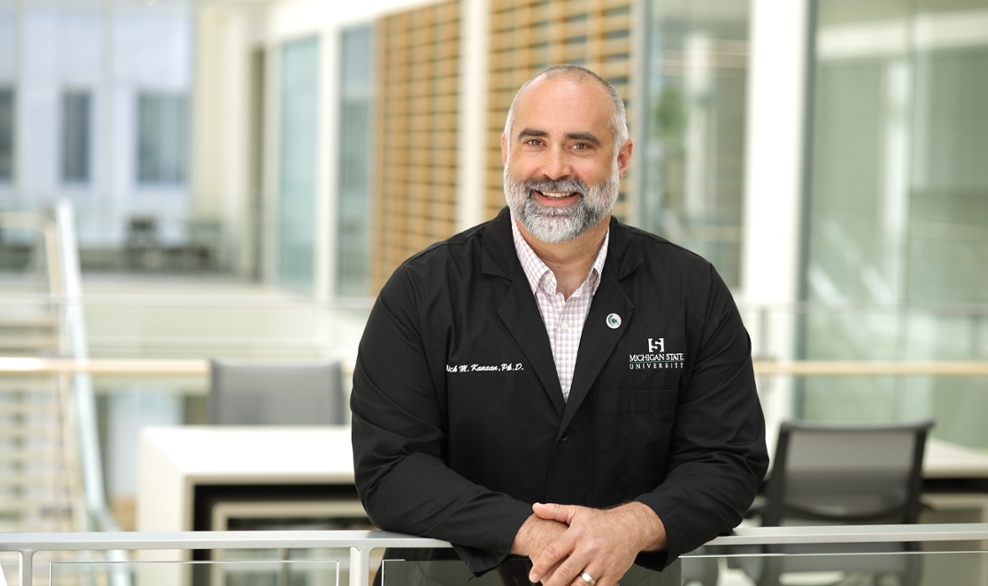
Nicholas M. Kanaan is a Professor of Translational Neuroscience and holds the Maibach Smiley Professorship of Alzheimer's Research at Michigan State University's College of Human Medicine. He serves as Director of Advanced Microscopy and is faculty in both the MSU Neuroscience Program and the MSU BioMolecular Science Gateway. His research is centered at the Grand Rapids Research Center where he leads the Kanaan Laboratory. Dr. Kanaan received his B.S. in Neuroscience, Psychology, and Sociology from Central Michigan University in 2001, followed by a Ph.D. in Neurological Sciences from Rush University Medical Center in 2007. He completed postdoctoral training at Northwestern University from 2007-2010 under Dr. Lester Binder. His research focuses on neurodegenerative diseases, particularly Alzheimer's disease (AD) and Parkinson's disease (PD), with emphasis on tau protein pathology. The Kanaan Lab investigates mechanisms underlying degenerative diseases using a combination of in vitro and in vivo model systems. A major focus is understanding how disease-related alterations in tau cause neuronal dysfunction through disruption of axonal transport. His lab has identified a phosphatase-activating domain (PAD) in tau that inhibits anterograde fast axonal transport. Analysis of Dr. Kanaan's publication record reveals a consistent focus on tau protein biology, with recent work emphasizing iPSC models, CRISPR screening, tau proteostasis, and therapeutic interventions targeting tau phosphorylation and oligomerization. His research spans basic molecular mechanisms to translational applications, with increasing use of primate models and advanced screening technologies in recent years. Scientific Awards and Recognition: Maibach Smiley Alzheimer's Research Professor Maibach Smiley Professor of Alzheimer's Research Dr. Kanaan mentors numerous students and postdoctoral fellows in his laboratory, with research supported by multiple grants focused on understanding and treating neurodegenerative diseases. His lab employs a wide range of technical expertise including recombinant protein purification, cell culture, monoclonal antibody production, various microscopy techniques, and behavioral testing in rodent models. Outside the lab, Dr. Kanaan enjoys photography, woodworking, and fishing.
Kristofer Gunnar Paso serves as a Professor in the Department of Chemical Engineering within the Faculty of Natural Sciences at the Norwegian University of Science and Technology (NTNU), where he conducts research at the Ugelstad Laboratory. His work integrates fundamental rheological principles with practical applications in petroleum engineering and sustainable materials development, addressing critical industry challenges through experimental and theoretical approaches. Professor Paso's research spans rheology, polymer technology, enhanced oil recovery, wax deposition mechanics, and nanocellulose applications. His investigations focus on the behavior of complex fluids—including waxy crude oils, biopolymer composites, and nanocellulose suspensions—with emphasis on improving oil transportation efficiency, developing sustainable materials, and understanding interfacial phenomena. Key contributions include modeling wax deposition mechanisms, optimizing pour point depressants, and pioneering nanocellulose applications for enhanced oil recovery under extreme conditions. Analysis of his 2018-2025 publications reveals a strategic evolution from petroleum-focused rheology toward sustainable material solutions. While maintaining strong contributions to flow assurance (40% of recent work), his research increasingly incorporates biocomposites and recycled materials (25% growth since 2020), reflecting industry shifts toward decarbonization. His collaborative approach spans petroleum engineering, food science, and environmental technology, evidenced by publications in Energy & Fuels , Polymers , and Current Opinion in Food Science . No scientific awards were documented in the source material. Professor Paso maintains active collaborations across NTNU and international institutions, though specific advising relationships and grant details remain unreported. His laboratory operations center on the Ugelstad Laboratory's advanced rheological testing facilities, which support investigations into material behavior under reservoir conditions and industrial processing environments.
Larry Abbott is the William Bloor Professor of Theoretical Neuroscience at Columbia University, with joint appointments in the Department of Physiology and Cellular Biophysics (within Biological Sciences) and the Mortimer B. Zuckerman Mind Brain Behavior Institute. He serves as Co-Director of the Center for Theoretical Neuroscience and is a Senior Fellow at HHMI Janelia Farm. PhD in Physics (1977), Brandeis University His research focuses on computational and mathematical modeling of neurons and neural networks, emphasizing spike-timing-dependent plasticity, sensory encoding in olfaction, and dynamics of internally generated neural activity. He explores how chaotic neural activity is harnessed for motor output and how perception involves dynamic inference and synaptic plasticity. Recent publications highlight applications of recurrent neural networks, hierarchical control mechanisms, and sensory-motor integration. Collaborative work spans institutions like MIT, Hebrew University, and the Allen Institute for Brain Science. Awards include the NIH Director’s Pioneer Award and the Swartz Prize in Theoretical Neuroscience. NIH Director’s Pioneer Award (2004) Swartz Prize (2010) First Annual Prize in Mathematical Neuroscience (2013) Irving Institute Mentor of the Year (2013)
Leif Ristroph is an Assistant Professor of Mathematics at the Courant Institute of Mathematical Sciences , New York University . His research bridges experimental physics and applied mathematics , focusing on fluid-structure interactions in both biological and geophysical contexts. Key research areas include: Biophysical Flows : Aerodynamics of insect flight ( Applied Mathematics Laboratory ), hydrodynamics of fish schooling, and flow-sensing mechanisms via the fish lateral line system Geophysical Flows : Shape evolution during erosion, dissolution patterns in fluid flows, and bubble formation dynamics Recent publications (2019-2015) explore: Flow interactions in flapping swimmers and hovering systems Evolutionary optimization of wing shapes and self-sculpting processes Stability mechanisms in tandem flapping and insect flight His work has been featured in major media outlets like Nature , New York Times , and ScienceDaily . Ristroph's lab at NYU's Applied Mathematics Laboratory combines physical experiments, computational models, and theoretical analysis to study complex fluid-structure interactions.
Professor Nick Paul is a marine scientist at the University of the Sunshine Coast (UniSC), leading applied research in seaweed and algae for sustainable product development. He holds a PhD and BSc (Hons) from UNSW and a Graduate Certificate in Tertiary Education Management from the University of Melbourne. His work focuses on seaweed aquaculture innovations, including waste-to-resource biotechnology, functional foods, and environmental remediation. He leads international projects funded by organizations like ACIAR, CSIRO, and Advance Queensland. Research interests include seaweed-based solutions for livestock health, wastewater treatment, and sustainable aquaculture expansion near the Great Barrier Reef. He has pioneered commercial land-based seaweed farming and developed intellectual property in this field. Awards include the 2015 UNAA World Environment Day Award for Sustainable Water Management and the 2015 Queensland Water Innovation Forum Best Paper. He serves on the Asian Fisheries Society Council and Fiji’s National Seaweed Taskforce. Key publications span seaweed cultivation methods, marine genomics, and socio-economic impacts of aquaculture in the Pacific. Grants total over A$3.7 million for projects like diversifying Pacific Island seaweed industries and improving Indonesian seaweed production.
Dr. Rachel Seary is a Lecturer in Marine Conservation at the University of Kent's Durrell Institute of Conservation and Ecology (DICE). She holds an MSc from the University of St Andrews and a PhD in Geography from the University of Cambridge. Her work focuses on applied marine conservation solutions that balance ecological preservation with community needs, particularly in coastal and fishing communities. Key areas include dynamic ocean management, mangrove-fisheries interactions, and mitigating human-wildlife conflicts in fisheries. Professional Roles: Member of PICES Working Group 51, Editorial Board Member for Frontiers in Marine Science and Bulletin of Marine Science . Education: PhD in Geography, University of Cambridge (2019) MSc in Ecosystem-based Management of Marine Systems, University of St Andrews Research Interests: Social-ecological systems, sustainable fisheries, marine protected areas, and participatory conservation approaches. Her research spans global contexts including California, Indonesia, Cambodia, Greece, and the UK. Notable projects include studying whale-fishery interactions on the US West Coast and assessing mangrove-fisheries in South-East Asia. She advocates for interdisciplinary solutions to ensure biodiversity goals align with human well-being under climate and regulatory changes. Teaching includes modules on environmental sustainability, the Anthropocene, conservation policy, and climate change impacts. She supervises postgraduate research in marine conservation and resource management topics.
Assoc Prof Haoming Liu is an Associate Professor in the Department of Economics at National University of Singapore. His research focuses on applied economics, econometrics, and labor economics, with a particular emphasis on labor and demographic economics, health, education, and welfare, as well as economic development and technological change. His work often examines the intersections between environmental factors (e.g., heat, pollution) and economic outcomes, such as labor productivity, crime rates, and educational attainment. He has also contributed to studies on minimum wage policies, housing markets, and fertility-education trade-offs in developing economies. Education: PhD in Economics from the University of Western Ontario, Canada. Research highlights include analyzing the impact of heat on economic activity in tropical cities like Singapore, the effects of air pollution on labor productivity in China, and the role of discount rates in long-term housing market decisions. His teaching interests span labor economics, income distribution, and applied econometrics. Key contributions include demonstrating how heat influences workplace attendance and student performance in air-conditioned versus non-air-conditioned environments, and how minimum wage increases reduce urban crime disparities between low- and high-income communities. His articles frequently employ innovative econometric methods to address policy-relevant questions, such as optimal contest design, microgrid energy trading mechanisms, and urban density pricing in housing markets.
Dr. Michael Alfaro is a Professor in the Department of Ecology and Evolutionary Biology at UCLA, where he leads the UCLA Alfaro Lab. His research focuses on understanding evolutionary dynamics of organismal diversification, particularly in marine fishes. He employs interdisciplinary approaches combining evolutionary morphology, molecular phylogenetics, and theoretical evolution to explore patterns and mechanisms of morphological and functional diversity. Education: Ph.D. in Evolutionary Biology, University of Chicago (2000) M.A. in Biology, Humboldt State University (1995) B.A. in Dramatic Arts, University of California, Davis (1989) Research interests emphasize the interplay between morphological diversity and ecological/functional dynamics. Notable themes include the drivers of diversification in marine lineages, the role of physiological traits in lineage success, and the integration of computational tools for large-scale phenotypic analysis. Alfaro has contributed to advancements in phylogenetic methodology and genomic resources for studying fish evolution. His work bridges macroevolutionary theory with empirical data, often leveraging crowdsourced phenotypic data and bioinformatics tools like Sashimi and Charisma for high-throughput analysis. The lab actively engages in collaborative projects addressing biodiversity patterns and evolutionary mechanisms across marine and terrestrial systems. Grants and advising activities are central to his academic contributions, though specific details are not detailed in the provided text. The UCLA Alfaro Lab collaborates internationally, emphasizing both basic research and applied conservation contexts.
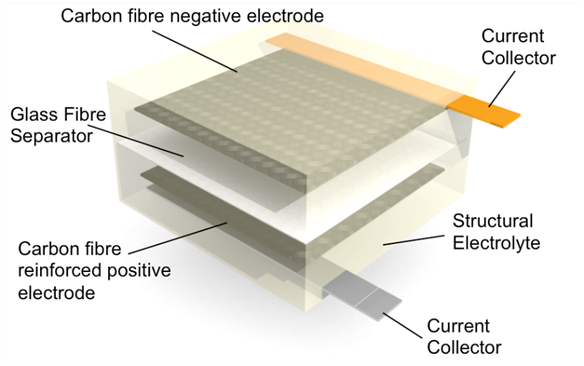
Professor Dan Zenkert is a faculty member at Kungliga Tekniska Högskolan (KTH) in the Department of MATERIAL AND STRUCTURAL MECHANICS. He earned his M.Sc. (Aeronautics) and Ph.D. (Lightweight Structures) from KTH, becoming a docent (D.Sc.) in 1996, associate professor in 1998, and full professor in 2001. His research focuses on multifunctional composite materials, particularly carbon fiber-based systems for energy storage (structural batteries), shape-morphing composites, integrated sensing, and energy harvesting. Collaborations with Electrochemistry and Polymer Chemistry groups drive innovations in structural batteries, where materials simultaneously bear mechanical loads and store energy. He teaches courses on lightweight structures and composite mechanics. Research highlights include structural battery design using laminated carbon fiber electrodes, piezo-electrochemical sensing via Li-ion intercalation, and shape-morphing composites through electrochemical actuation. Recent work explores electrolyte optimization, LiFePO₄-coated electrodes, and long-term performance of multifunctional systems. Publications span over 30 years, with contributions to journals like Composites Science and Technology and Advanced Energy & Sustainability Research . His teaching includes roles as examiner and course responsible for programs like Fibre Composites and Future Sustainable Aviation. Personal interests include fly-fishing, motorcycle riding, and basketball coaching. Scholarly contributions include over 130 peer-reviewed articles and book chapters, with active involvement in conferences like ICCM and ECCM.
Deodat Edward Mwesiumo is a Professor of Supply Chain Management at Molde University College (HiMolde), part of the Faculty of Logistics. He holds a PhD in logistics from the same institution and has extensive teaching and research experience since 2012. His roles include Head of the Supply Chain Management Research Group and member of the PhD committee. Previously, he directed the Bachelor program in Supply Chain Management and Logistics. His research focuses on supply chain resilience, digital business transformation, and tourism management. Key areas include procurement strategies, sustainability, circular economy models, and interorganizational relationships in tourism. He has published in high-impact journals like Production Planning and Control , Journal of Purchasing and Supply Management , and Annals of Tourism Research . Dr. Mwesiumo has led externally funded projects and contributed to over 50 peer-reviewed publications. He is affiliated with research groups such as MIIBS (Marketing, Innovation, International Business & Strategy) and the Transport Research Group (TRG). His teaching spans BSc and MSc levels, including courses on value chain analysis, digital business, and supply chain theory. Recent work emphasizes airport digital maturity, supply chain risk mitigation, and the impact of data-driven decision-making in public procurement. He has authored books like Making Value Chains Work and Fundamentals of Digital Business Management , underscoring his commitment to both academic and applied knowledge dissemination.
Mari Sandell is a Professor in Sensory Food Science at the University of Helsinki's Faculty of Agriculture and Forestry, Department of Food and Nutrition. She also holds a professorship in Sensory Perception at the University of Turku's Faculty of Medicine. Her research focuses on sensory science, multisensory perception, and individual differences in food experiences. She has a PhD in food chemistry and has conducted postdoctoral research at the Monell Chemical Senses Center in the U.S. Education: PhD in Food Chemistry (University of Turku), Adjunct Professorship in Flavor Chemistry. She has completed certifications in university pedagogy and academic leadership. She is affiliated with the Functional Foods Forum at the University of Turku and chairs the Food Culture Society in South-West Finland. Research Interests: Sensory-based food education, plant-based food development, sustainable food systems, taste sensitivity, and the role of sensory perception in eating behavior. Her work bridges basic research and applied food science, with a focus on translating findings into practical solutions for food industry and education. Awards: Polak Young Investigator Award (2006), Academy of Finland Award for Social Impact (2012), and Docent of the Year (2017). Grants & Projects: Principal investigator in multiple Academy of Finland and Business Finland grants. Active in EU-funded initiatives like EIT Food projects (e.g., Fullprotein, 4Innopipe2). Her research addresses sustainability, food innovation, and sensory science challenges. Labs/Teams: Leads the Senses and Food research team ('Sandell Lab'), exploring multisensory perception and sustainable food solutions. Collaborates with industry and academic partners in Finland and internationally.
Jens Krause is a Professor and Head of Department at the Leibniz Institute of Freshwater Ecology and Inland Fisheries (IGB) in Berlin, leading the Research Group on Mechanisms and Functions of Group-Living. He holds a full professorship in Fish Ecology at Humboldt-Universität zu Berlin, Faculty of Life Sciences, Thaer-Institute, and since 2018 has been an Adjunct Professor at Technical University Berlin within the Excellence Cluster 'Science of Intelligence'. His research is centered on collective intelligence, social networks, decision-making, and behavioural ecology in fish and other animals. Full Professor in Fish Ecology, Humboldt-Universität zu Berlin Adjunct Professor at Technical University Berlin (since 2018) Head of Department, IGB Berlin PhD, University of Cambridge Diploma, Free University Berlin His work integrates experimental biology, network analysis, and biomimetic robotics to understand how animals make collective decisions. His expertise spans animal behaviour, evolution, and ecological physiology, with a strong focus on group-living dynamics. Recent research explores group hunting, predator evasion, social foraging, and the impact of environmental stressors on collective behaviour. The analysis of his recent publications reveals a strong trend in understanding collective behaviour in fish, including escape waves, social foraging, group hunting in marlins and sailfish, and the use of robotic agents to study social integration. His interdisciplinary approach combines marine biology, physics, robotics, and data science to uncover the mechanisms behind collective intelligence in both animal and human systems. Editorial Board, Behavioral Ecology Editorial Board, Fish and Fisheries Executive Board, Excellence Cluster 'Science of Intelligence' Advisory Board, Bimini Biological Field Station Foundation He advises numerous PhD students and postdoctoral researchers, and leads major research projects, including 'Developing exploration behaviour' funded by the Excellence Cluster. His work has been supported by extensive collaborations across Europe and North America, and he frequently publishes in top-tier journals such as Nature , Science Advances , Proceedings of the Royal Society , and Current Biology . His lab employs cutting-edge methods including automated tracking, social network analysis, and interactive robotics to study animal groups. His research group, 'Mechanisms and Functions of Group-Living', is embedded within the Excellence Cluster 'Science of Intelligence', where they investigate collective cognition, social information use, and the role of individual differences in group performance. The team combines field studies with laboratory experiments and computational modelling to understand the evolution and function of collective behaviour across species.
Megan Romano, PhD is an Associate Professor of Epidemiology at the Geisel School of Medicine at Dartmouth College . Her research focuses on environmental epidemiology, particularly examining how exposure to endocrine disrupting chemicals during pregnancy affects maternal and child health outcomes. Education: PhD, Epidemiology - University of Washington (2013) MPH - Boston University (2007) BS - Allegheny College (2004) Research Focus: Dr. Romano's research explores the influence of environmental endocrine disrupting chemicals (EDCs) during critical windows of pregnancy and gestation on pregnancy complications, maternal and infant hormones, breastfeeding behaviors, and early life growth. Her work specifically examines EDCs commonly found in US consumer products including bisphenol A, phthalates, perfluoroalkyl substances (PFAS), parabens, and flame retardants. She actively collaborates with local and regional stakeholders to address community concerns regarding PFAS contamination in New England. Her recent publications demonstrate a comprehensive approach to understanding environmental health impacts, with particular emphasis on PFAS exposure through multiple pathways including diet, consumer products, and environmental contamination. Her research employs sophisticated epidemiological methods including metabolomics, miRNA analysis, and longitudinal cohort studies to understand biological mechanisms underlying environmental health effects. Professional Affiliations: Director, Romano Lab - focusing on environmental exposures during pregnancy and childhood Member, Environmental influences on Child Health Outcomes (ECHO) Program Collaborator, New Hampshire Birth Cohort Study Contact Information: Email: Megan.E.Romano@Dartmouth.edu Phone: (603) 646-5495
Dr. Henry Streby is an Associate Professor of Ecology in the Department of Environmental Sciences at the University of Toledo, where he leads the Streby Lab. He also holds an appointment as Adjunct Assistant Professor and is recognized as a Fellow of the American Ornithological Society. Education: Ph.D. in Ecology from University of Minnesota Research Focus: Dr. Streby's research spans avian ecology , wildlife ecology , evolutionary biology , and quantitative science . His work particularly emphasizes organismal ecology with applications to conservation and management of migratory songbirds. Key research areas include: Migratory connectivity and seasonal interactions Conservation biology of declining songbird populations Behavioral ecology of breeding and migratory birds Quantitative methods in wildlife research Effects of environmental change on bird populations Research Impact: Dr. Streby's work has significantly advanced understanding of songbird migration, particularly in Vermivora warblers and golden-winged warblers. His 2015 Current Biology paper on tornado avoidance behavior in songbirds received extensive international media coverage and reached the 99th percentile of all articles tracked by Altmetric. His recent research continues to explore migratory connectivity, hybridization patterns, and conservation strategies for North American migratory birds. Awards and Recognition: 2021 President's Award for Excellence in Scholarly Activity (University of Toledo) Elected Fellow of the American Ornithological Society (2021) 2013 Cooper Ornithological Society Young Professional Award Multiple best presentation awards at professional conferences Student Mentorship and Lab: Dr. Streby has successfully mentored numerous graduate students who have gone on to prestigious positions. Notable former students include: Gunnar Kramer (PhD 2021) - now Assistant Professor at Iowa State University Silas Fischer - recipient of multiple awards and fellowships Sean Peterson - pursued PhD at UC Berkeley Kyle Pagel - Environmental Scientist with California Department of Fish and Wildlife Annie Lindsay - active in migration research The Streby Lab continues to be highly productive, with ongoing research on Gray Vireos, migration ecology, and conservation applications. The lab maintains active field sites and collaborates extensively with other institutions and agencies.