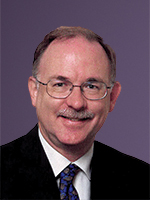
David Stanford is a Professor in the Department of Statistical and Actuarial Sciences at the University of Western Ontario. He earned his Ph.D. from Carleton University in 1981. His office is located in WSC 211 and he can be contacted via phone (519-661-2111 x83612) or email. Research Focus: Dr. Stanford's research spans several interconnected domains including: Queueing Theory : Specializing in multi-server systems, priority queues, and service optimization Actuarial Science : Risk modeling, ruin theory, and insurance mathematics Healthcare Operations : Applying stochastic models to transplant systems and patient flow Environmental Modeling : Forest fire prediction using compound Poisson processes His work frequently combines theoretical stochastic processes with practical applications in healthcare and environmental systems. Publication Trends: Analysis of recent publications shows a strong focus on queueing theory applications in healthcare systems, particularly modeling patient flow and organ transplant logistics. His actuarial research emphasizes advanced ruin probability calculations and risk process modeling. Environmental applications feature stochastic approaches to natural disaster prediction.
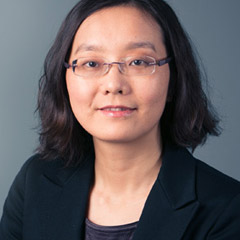
Yihui Wang is an Associate Professor in Finance and Business Economics at Fordham University's Gabelli School of Business, where she has served since 2012. Her research focuses on corporate finance, fixed income markets, and regulatory impacts. Her publications investigate bond market microstructure, accounting standards during crises (2015), short-term corporate funding (2015), securitization incentives (2014), and systemic risk in insurance (2014). Current work includes corporate bond execution efficiency (2018) and modeling M&A dynamics (2013). Thematically, her research analyzes how financial innovations and regulations interact with market stability and institutional behavior. Earlier work examined structured credit's role in LBO markets (2011).
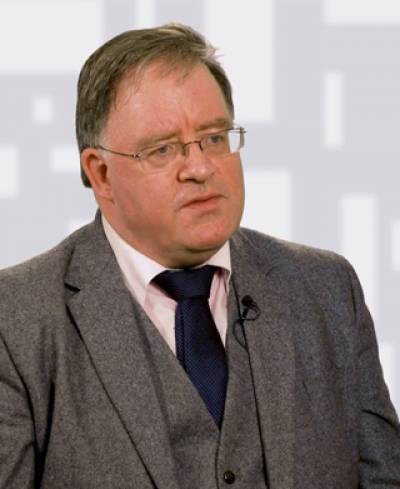
Prof Christopher Kilburn is Professor of Volcanology and Geophysical Hazards at University College London's Department of Earth Sciences. His research focuses on volcanic eruption forecasting, lava flow dynamics, and landslide hazard mitigation with 30+ years of field experience at volcanoes in Italy, Cameroon, and the Caribbean. He leads the UCL Hazard Centre and has pioneered physical models for forecasting eruptions at long-dormant volcanoes like Campi Flegrei. Key contributions include developing warnings systems for vulnerable communities and advancing understanding of magma chamber dynamics through geophysical monitoring. PhD: Volcanological studies (inferred from academic role) Postdoctoral experience in volcanic seismology and fluid dynamics Research interests include: Fracture mechanics of volcanic systems Caldera unrest mechanisms Lava flow emplacement processes Volcanic hazard communication Recent publications emphasize Campi Flegrei's deformation patterns, magma recharge processes, and eruption forecasting models. His work bridges fundamental science with practical applications for disaster risk reduction. Notable projects include the Campi Flegrei Deep Drilling Project (CFDDP) and collaborations with international volcano observatories. Active in science communication, he advises insurance industries on volcanic risk assessment and trains emergency responders in hazard management.
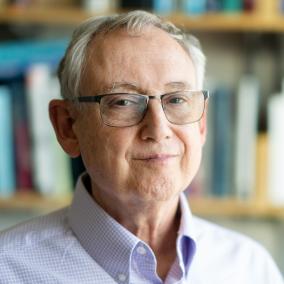
Robert M. Townsend is the Elizabeth & James Killian Professor of Economics at MIT, a Distinguished Research Fellow at the Becker Friedman Institute for Research in Economics at the University of Chicago, and a Research Associate at the National Bureau of Economic Research. His work bridges theoretical economics with empirical analysis, focusing on development economics, economic theory, and macroeconomics with particular emphasis on financial systems in developing economies. Townsend's research interests span development economics, economic theory, macroeconomics, financial systems, contract theory, mechanism design, and general equilibrium models. He is renowned for seminal contributions to costly state verification, the revelation principle, optimal multi-period contracts, decentralization of economies with private information, and models of money with spatially separated agents. His work combines rigorous theoretical frameworks with extensive empirical data collection, particularly through the Townsend Thai Project, which has created one of the most detailed and longest-running panel datasets in the developing world. Townsend has received numerous scientific awards including the Frisch Medal (twice, in 1998 and 2012), the Jean-Jacques Laffont Prize (2011), election to the National Academy of Sciences (2012), and recognition as a Distinguished Fellow of the American Economic Association (2021). As Principal Investigator and Faculty Director of the Consortium on Financial Systems and Poverty at the University of Chicago (funded by the Bill & Melinda Gates Foundation), Townsend leads multiple research initiatives examining payments systems, flow of fund accounts, and macro models with realistic financial sectors. He also directs the Enterprise Initiative funded by the John Templeton Foundation, which studies entrepreneurship and wealth creation through Applied General Equilibrium Enterprise Economics. Notably, he has mentored economists like Joseph Kaboski, with whom he shared the 2012 Frisch Medal. Townsend leads the Townsend Thai Project, a comprehensive longitudinal study that has collected over 15 years of annual panel data for 1,225 households in 64 villages and 180 months of monthly data for 700 households in 16 villages across Thailand. This project, now surveying close to 3,500 households annually, has generated rich datasets that have enabled groundbreaking research on household finance, risk-sharing networks, and financial systems in developing economies. His work extends to projects in India studying monsoon risk and in Kenya examining electronic money.
Dr. Xinyi Shen is an Assistant Professor at the School of Freshwater Sciences, University of Wisconsin-Milwaukee, specializing in flood-inundation modeling, remote sensing, and AI applications for natural hazards. His research integrates hydrological modeling with climate change studies to develop predictive tools for disaster management. Education: PhD, Institute of Remote Sensing and GIS, Peking University, 2012 BS, School of Remote Sensing and Information Engineering, Wuhan University, 2007 Research Interests: Dr. Shen explores human-disaster interactions under climate change, flood modeling via remote sensing, AI applications in natural hazards, and desert biodiversity. His work emphasizes practical solutions for environmental challenges using advanced geospatial technologies. Publication Trends: Recent articles focus on SAR-based flood mapping, AI-driven predictive modeling, and climate impact assessments. Research demonstrates innovation in real-time flood monitoring, fire severity prediction, and multi-sensor data integration. Grants: NOAA/NESDIS CIGLR: Near-Real-Time Flood Observing (2022-2025, $480,000, PI) NASA ROSES-A.7: TraitsCape - Microrefugia in Fynbos (2022-2025, $200,000, CoI) Berkshire Valley Association: Climate-Resilient Road/Stream Crossings (2022-2023, $21,000, PI) National Center for Meteorology: Weather Forecast Improvement (2022-2024, $320,000, CoI) NSF: Near-Term Forecasts of Global Plant Distribution (2020-2022, $443,592, Senior Personnel) Lab Leadership: Directs the Hydro-Intelligence Lab, providing flood maps to International Disaster Charters and advancing SAR-based environmental monitoring.
Paul Gessler is Professor of Remote Sensing and Geospatial Ecology at the University of Idaho's College of Natural Resources, Department of Forest, Rangeland and Fire Sciences. He holds a Ph.D. in Resource Management and Environmental Science from Australian National University, an M.S. in Environmental Engineering from University of Wisconsin-Madison, and a B.S. in Natural Resources from University of Wisconsin-Madison. His research integrates remote sensing, geospatial analysis, and environmental modeling to study forest ecosystems, soil-landscape relationships, and cyberinfrastructure development. Current projects focus on agricultural insurance modeling under climate variability, streamflow permanence prediction, Lassa virus ecology, and open science frameworks for soil carbon modeling. Gessler's technical expertise encompasses terrain analysis, geographic information systems (GIS), digital image processing, airborne mapping, and global positioning systems. His work demonstrates strong commitment to open science principles and cyberinfrastructure development for earth science data management.
Ting Fung Ma is an Assistant Professor in the Department of Statistics at the University of South Carolina, affiliated with the McCausland College of Arts and Sciences. He joined the university in 2022 after completing his Ph.D. in Statistics at the University of Wisconsin-Madison, following a B.S. and M.Phil. in Statistics from the Chinese University of Hong Kong. Prior to academia, he worked as a government statistician and human resource analyst. His research focuses on developing novel methodologies for analyzing dependent and large-scale datasets, emphasizing theoretical rigor and computational efficiency. Key areas include spatial, spatiotemporal, and environmental statistics, with interdisciplinary applications in public health, machine learning, and data science. Recent work explores causal inference in ecological systems, pandemic-related epidemiological trends, and optimization of therapeutic regimens in chronic diseases. His publications demonstrate expertise in spatiotemporal modeling, change-point detection, and machine learning integration with ecological/disease dynamics. Notable themes include pandemic impact assessments, wildlife disease spread, and healthcare optimization strategies. His methodological contributions address challenges in big data and non-stationary processes. Ma’s academic journey reflects a blend of rigorous statistical training and practical experience, positioning him at the forefront of interdisciplinary research in computational statistics and environmental/public health analytics.
Dr. Ashley D. Ross is an Associate Professor in the Department of Marine and Coastal Environmental Science at Texas A&M University. She holds a PhD in Political Science from Texas A&M (2010), MA from Louisiana State University (2006), and BS from Texas A&M (2003). Her research examines disaster resilience, environmental governance, and risk communication, with focus on coastal hazard management and climate change policy. Work bridges political science and hazards research, addressing governance challenges in disaster recovery and public perception of climate risks. Dr. Ross teaches Environmental Conflict Resolution and Environmental Management Strategies. She mentors graduate students in hazard policy and community resilience. Recognitions include the National Academies Gulf Research Program Early Career Fellowship and NSF Hazards Researchers Fellowship. Recent publications explore social dimensions of disaster recovery, flood management governance, and generational attitudes toward climate change. She has presented research internationally on disaster resilience and risk communication.
Angelo Ranaldo is a Full Professor of Finance and Financial Economics at the University of Basel (since 2024) and holds a Swiss Finance Institute Senior Chair. He concurrently serves as an Adjunct Professor at the University of Zurich's Department of Finance. He is also a member of the Bank Council of the Swiss National Bank (SNB) since 2023. His career includes roles as Economic Advisor and Senior Management member at the SNB (2004–2012), and Full Professor of Systemic Risk at the University of St. Gallen (2012–2024). Education: PhD (Dr. rer. pol.) from University of Fribourg (2000), MSc in Economics & Finance from Università Bocconi (1995) Key Affiliations: Bank of England, European Central Bank (Wim Duisenberg Fellow 2018), Bank for International Settlements Research focuses on financial markets liquidity, systemic risk, currency markets, and monetary policy implementation. He has pioneered studies on FX market microstructure, safe asset dynamics, and algorithmic trading impacts. His work bridges academic rigor with central bank policymaking. Recent publications analyze global dollar liquidity shortages, blockchain currency markets, and pension fund liquidity risks. He frequently advises central banks on market infrastructure resilience and systemic stability. Notable Recognition: Wim Duisenberg Fellowship (ECB, 2018) Advising: No formal student advisees listed in provided materials. Collaborates extensively with institutions like FCA and SNB on regulatory projects. Labs/Teams: Leads research groups at Swiss Finance Institute and University of Basel's Finance Department focusing on market microstructure and systemic risk analytics.
Dr. David Oswald is the Associate Dean (Learning & Teaching) in the School of Property, Construction and Project Management at RMIT University. He holds an academic rank of Associate Professor and has held roles including Senior Lecturer (2021–2023) and Lecturer (2018–2020). His non-academic career includes roles as an Engineer at Arup Group (2011–2011) and involvement in the Forth Crossing Bridge project (2012–2016). Dr. Oswald’s research focuses on health, safety, well-being, and sustainability in construction and the built environment. He has over 50 publications, including work on flammable cladding impacts, circular economy practices, and safety leadership in construction. His research emphasizes systemic industry challenges, policy gaps, and the intersection of safety and cost pressures. He currently supervises research projects on topics like belief systems in engineering standards, lean construction integration, and energy-as-a-service models. Oswald is also an editorial board member for the Journal of Safety Research and Proceedings of the Institution of Civil Engineers: Management, Procurement and Law . Key Research Areas: Construction safety, occupational health, circular economy, built environment sustainability Recent Focus: Flammable cladding consequences, safety leadership, and EaaS business models His work has addressed post-Grenfell reforms, pandemic impacts on renters, and industry-wide safety culture challenges. Oswald contributes to both academic discourse and practical policy recommendations.
Professor Andy Pitman is a distinguished climate scientist at the University of New South Wales (UNSW), based in the Climate Change Research Centre within the Faculty of Science. With a career spanning over three decades, he has established himself as a leading expert in land surface processes and climate modeling. His research interests are broad but primarily focus on land surface processes and their representation in global and regional climate models. He investigates the limits of how well climate models represent key land processes and the implications for the reliability of projections of carbon and water in the Earth System. His work also encompasses the robustness of global and regional model projections at various scales and the operationalization of climate projections for business applications. He has recently expanded his research to include risk assessment processes and the prevention of misuse of climate projections in business contexts. Pitman was the Director of the ARC Centre of Excellence for Climate Extremes (which ended in December 2025) and serves as Chair of the National Committee for Earth System Science. He is a Fellow of the Australian Academy of Science and holds multiple advisory positions including on the Advisory Board of the Australian Community and Earth System Simulator National Research Infrastructure (ACCESS NRI), the science advisory board of the Terrestrial Ecosystem Research Network (TERN), and the Advisory Board of the National Environmental Science Program (NESP) Climate Systems Hub. Additionally, he serves as a Commissioner on the New South Wales Net Zero Commission and as a non-executive director of Risk Frontiers, an insurance-funded business focused on risk. His extensive publication record demonstrates expertise across climate modeling, land-atmosphere interactions, drought mechanisms, climate extremes, and the application of climate science to business risk assessment. His recent work shows a growing emphasis on translating climate science into practical applications for risk management and policy. Fellow of the Australian Academy of Science Professor Pitman actively collaborates with researchers across disciplines and institutions, contributing to both fundamental climate science and its practical applications. His work bridges the gap between theoretical climate modeling and real-world climate risk management, making significant contributions to both academic knowledge and practical climate adaptation strategies.
Dr. Colleen Bryant is a Research Fellow at the Fenner School of Environment and Society, Australian National University (ANU), where she conducts interdisciplinary research spanning environmental science, earth sciences, and climate science. Her primary affiliation with ANU's Fenner School positions her within one of Australia's leading environmental research institutions, focusing on critical issues including bushfire dynamics and geochemical processes. Her research interests demonstrate a clear evolution from foundational geochemistry work on subduction zones (2001-2004) to contemporary fire and climate science (2020-2024). Current investigations center on lightning-ignited wildfires, dry fuel dynamics, and integrated technological solutions for early fire detection using drone-based remote sensing systems. Earlier research examined fluid mobile element recycling in subduction zones through lithium and boron isotope analysis, contributing to understanding magma formation and ore deposit processes. Publication trends reveal a strategic pivot toward applied environmental challenges, with 63% of her 8 total publications concentrated in the last 4 years (2020-2024). This recent output shows strong interdisciplinary collaboration across atmospheric science, fire ecology, and emergency management, addressing Australia's urgent bushfire challenges through technological innovation and climate adaptation strategies. Dr. Bryant maintains active research funding through her role as Co-Investigator on the 'Future Ready Regions EDIS Development - ANUClimate' project (2022-2024), which develops integrated systems for bushfire management. Her earlier project on subduction zone geochemistry (2001-2004) established her research trajectory, demonstrating sustained scholarly contribution across distinct but complementary environmental domains. She collaborates with multidisciplinary teams including emergency management specialists, engineers, and climate scientists, as evidenced by co-authorship on projects developing drone-based fire detection systems and economic impact analyses. Her current work emphasizes practical applications for protecting Australian communities from catastrophic bushfires through technological innovation and early warning systems.
Dr. Farzad Saidi is an Assistant Professor of Finance at Boston University's Questrom School of Business and a Research Affiliate at the Centre for Economic Policy Research (CEPR) in the fields of Financial Economics, Monetary Economics, and Fluctuations. His career bridges academia and policy research, focusing on banking systems, monetary policy, and their macroeconomic implications. Dr. Saidi's research interests span Banking and Financial Intermediation , Monetary Policy , Corporate Finance , and Labor and Finance . His work investigates systemic risks in banking, the interplay between monetary policy and financial regulation, and the behavioral economics of social preferences during crises like pandemics. His recent publications highlight trends in bank networks , negative interest rate policies , corporate takeovers , and social preferences in financial decision-making. These studies often integrate empirical data with theoretical frameworks to address real-world economic and financial challenges. Scientific awards include the Jensen Prize (2015) for best paper in the Journal of Financial Economics in corporate finance and organizations Dr. Saidi's contributions to financial economics have been recognized through his advisory roles in bank deregulation studies and collaborations with institutions like the European Central Bank. While no direct student advisement is detailed, his work influences policy debates on financial stability and labor market dynamics.
Prof. Dr. Thilo Meyer-Brandis is a full-time professor at the Mathematical Institute of Ludwig Maximilian University of Munich (LMU), specializing in stochastic differential equations and financial mathematics. His research focuses on mean-field SDEs, systemic risk modeling, and applications of stochastic processes to finance and insurance. Stochastic Differential Equations Financial Mathematics Systemic Risk Modeling Insurance Mathematics Lévy Processes Market Microstructure His recent publications analyze: 2025: Mean-field equations driven by G-Brownian motion and deep learning applications for asset bubble detection 2024: McKean-Vlasov SDE stability and systemic risk in financial networks 2023: Liquidity-driven bubble modeling via random matching 2022: Fire sale dynamics and contagion mechanisms 2021: Risk transfer equilibria and delayed market models He leads the Financial and Insurance Mathematics workgroup and offers courses like Finanzmathematik III and Advanced Topics in Mathematical Finance . Contact: Theresienstr. 39, Room B228, D-80333 Munich | Tel: +49 (0)89 2180-4489 | Email: Meyer-Brandis@math.lmu.de
Dr. Clifford Sheckter, MD, MS, FACS is an Assistant Professor of Surgery in the Department of Plastic and Reconstructive Surgery at Stanford University School of Medicine. He serves as the Medical Director of the Regional Burn Center at Santa Clara Valley Medical Center, the only burn/trauma center for the San Francisco Bay Area, and as Site Director for the Stanford Surgical Critical Care Fellowship. Dr. Sheckter is one of the few surgeons double-board certified in both Surgical Critical Care and Plastic & Reconstructive Surgery. Dr. Sheckter completed his BS in Anthropology at UCLA as summa cum laude and Phi Beta Kappa honoree, followed by medical school at USC Keck where he graduated as valedictorian with Alpha Omega Alpha honors. He completed surgical training at Stanford, including a fellowship/postdoc in Health Systems Design at Stanford's Clinical Excellence Research Center, where he earned an MS in Health Policy with a focus on health economics. Additional specialized training was completed at the University of Washington in both Surgical Critical Care and Burn Surgery. As a health services and health policy researcher, Dr. Sheckter's work primarily focuses on burn prevention and health economics in surgical care. His research has been published in top journals including JAMA, Annals of Surgery, and the Journal of Burn Care & Research, with findings featured in major media outlets like the New York Times. His work spans burn epidemiology, health disparities, infection control in burn units, and healthcare policy related to burn care access and financing. Dr. Sheckter has authored over 140 articles and received significant funding including a career development award from the NIH and support from the Plastic Surgery Foundation. His research portfolio demonstrates consistent focus on improving burn care delivery systems, addressing health disparities, and optimizing resource allocation in burn care. Peter Brigham Award in Epidemiology/Burn Prevention, American Burn Association (2024) Henry J. Kaiser Family Foundation Award for Excellence in Clinical Teaching, Stanford University School of Medicine (2024) Traveling Fellow, American Burn Association (2023) Consultant of the Year, Stanford Hospital (2015) Valedictorian, USC School of Medicine (2013) Dr. Sheckter actively mentors medical students through the Early Clinical Experience and Mentorship at the Regional Burn Center (SURG 211A) and Medical Scholars Research (SURG 370) programs. He serves as Med Scholar Project Advisor for students including Samantha Steeman and Matthew Uzelac. His leadership roles include Committee Chair of the Burn Prevention Committee for the American Burn Association and active membership in the American College of Surgeons, American Society of Plastic Surgeons, and Society of Critical Care Medicine. Dr. Sheckter practices critical care medicine as an intensivist in the Stanford Surgical ICU while directing the Regional Burn Center at Santa Clara Valley Medical Center.