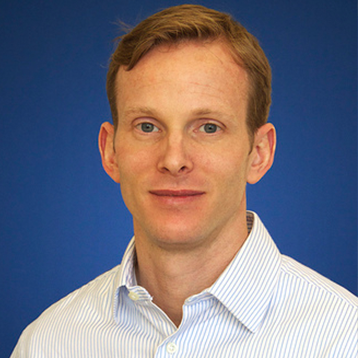
Robert S. SalzarView profile
Associate Professor
Robert S. Salzar is an Associate Professor in the Academic General Faculty, Research Track at the University of Virginia, serving as Principal Scientist at the Center for Applied Biomechanics. With over 25 years of engineering mechanics expertise, his work focuses on injury biomechanics for automotive and military contexts, particularly behind-armor blunt trauma and underbody blast scenarios. Dr. Salzar holds a doctorate in engineering mechanics and completed a post-doctoral NRC appointment at NASA-Glenn Research Center studying aerospace composites before becoming Assistant Professor of Civil Engineering at City University of New York. His research spans thoracic compliance modeling, PMHS testing for military injury databases, and WIAMan manikin development. His primary research interests include injury biomechanics, blast trauma mechanisms, and computational modeling for injury prediction. Recent work emphasizes military applications, with significant contributions to understanding thoracic/pelvic injury thresholds and developing biofidelic models for behind-armor blunt trauma and underbody blast environments. Analysis of his 2020-2025 publications reveals dominant trends in military injury biomechanics, particularly thoracoabdominal injury criteria, pelvic fracture modeling, and blast wave interactions with human tissues. Key subfields include WIAMan validation, animal model development, and impulse-based injury criteria for ballistic impacts. Scientific recognition includes: University of Virginia MAE Research Scientist of the Year (2016) As Principal Scientist, Dr. Salzar leads research projects funded by military safety agencies, directing experimental and computational studies on injury mechanisms. His work involves collaboration with defense contractors and government laboratories to translate biomechanical findings into improved body armor and vehicle safety standards. The Center for Applied Biomechanics, where he conducts core research, specializes in PMHS testing, animal model development, and computational simulations for military and automotive injury prevention, with recent focus on underbody blast and behind-armor trauma scenarios.