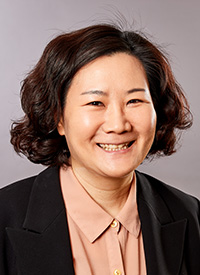
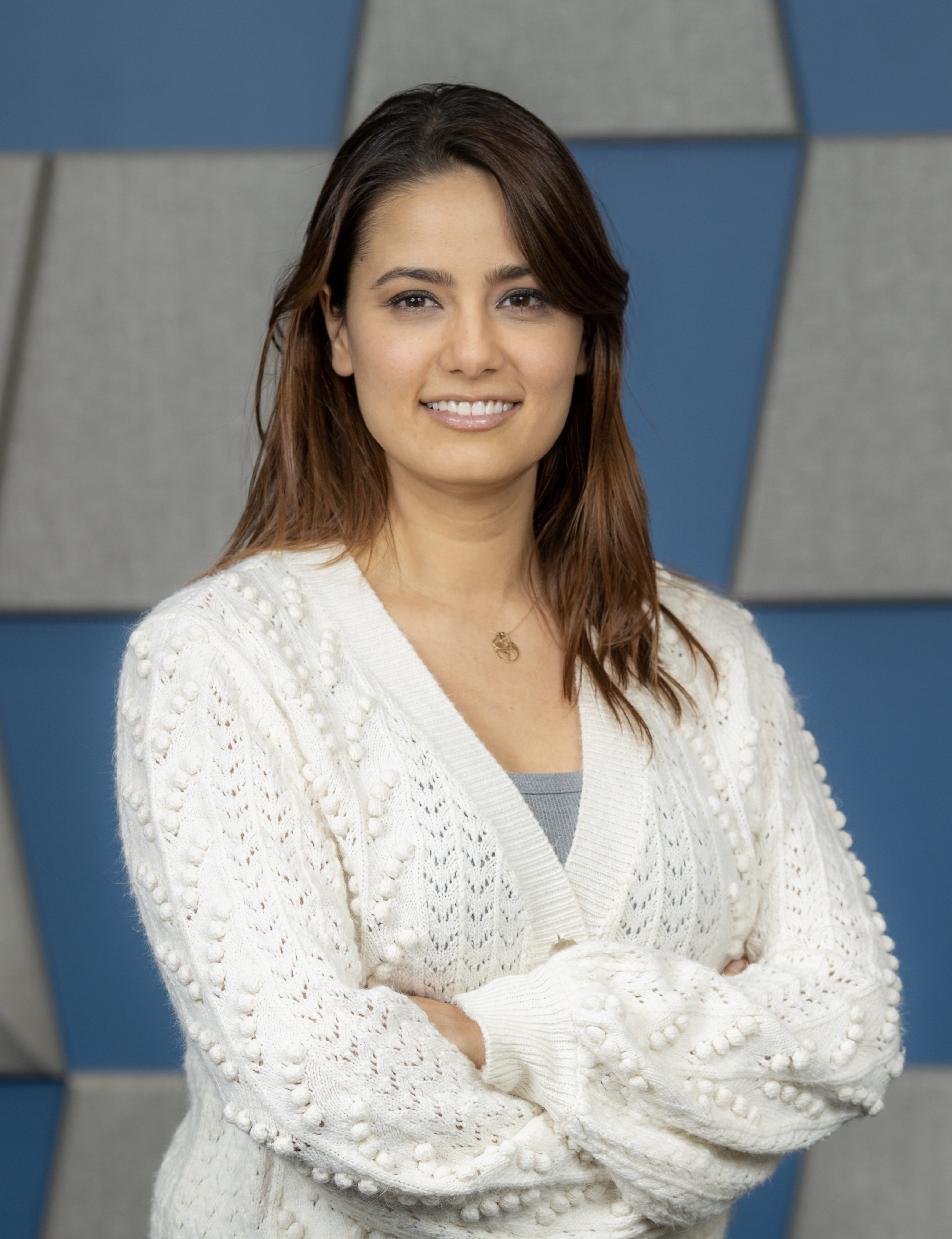
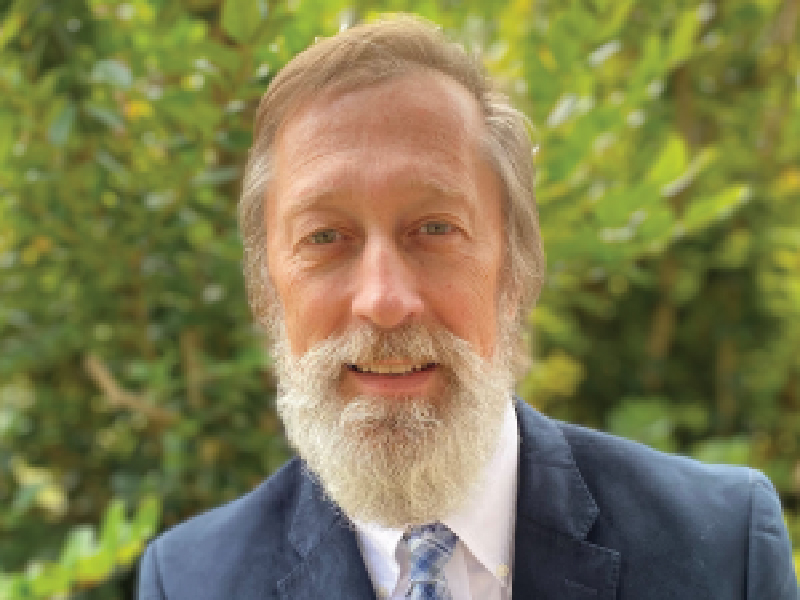
Lect. dr. Alina Cristiana Gavriluţ is a faculty member at the Faculty of Mathematics, Al. I. Cuza University of Iaşi, Romania. Her research focuses on advanced topics in mathematical analysis, including set multifunctions, non-additive measures, fuzzy integrals, and their applications in physics and complex systems. She has authored/co-authored multiple books and over 30 peer-reviewed papers in journals like Fuzzy Sets and Systems , Entropy , and Reports on Mathematical Physics . Her work explores regularity properties of set multifunctions, integrability in non-additive settings, and interdisciplinary applications in areas like fractal information, quantum mechanics, and neurosciences. She has also contributed to theoretical frameworks connecting mathematical physics with complex systems, including studies on non-differentiable entropy and spacetime manifolds. Dr. Gavriluţ collaborates extensively with researchers in mathematics and physics, notably Maricel Agop and Anca Croitoru. Her research has implications for diverse fields, from image processing to neuronal network modeling. She actively participates in international conferences, presenting findings on set-valued integration, fractal systems, and transdisciplinary approaches to complex phenomena. Education: PhD in Mathematics from Al. I. Cuza University (year not specified). Key Areas: Mathematical analysis, measure theory, fuzzy set theory, complex systems, non-differentiable dynamics. Grants/Awards: Not explicitly listed in the provided texts, but her prolific publication record indicates sustained academic engagement. Labs/Teams: Affiliated with the Mathematics department at Al. I. Cuza University, contributing to research groups in functional analysis and mathematical physics.
Eunji Lim is an Associate Professor in the Department of Decision Sciences and Marketing at the Robert B. Willumstad School of Business, Adelphi University, located in Garden City, New York. She has been a faculty member at Adelphi since 2018, initially as an Assistant Professor and promoted to Associate Professor in 2023. Her prior academic appointments include Assistant Professor roles at Kean University (2013–2018) and the University of Miami (2008–2013). Education Ph.D. in Operations Research (implied by department) , Stanford University (2008) Research Interests Lim’s research lies at the intersection of operations research, statistics, and management science. She focuses on simulation-based decision making for operations and supply-chain systems, leveraging large-scale stochastic simulation to optimize complex processes. A second major theme is nonparametric function estimation under shape constraints , where she develops statistically rigorous methods to estimate convex, monotonic, or smooth functions from noisy data. These methodologies find applications in business analytics, revenue management, inventory control, and engineering design. Publication Trends Her recent articles (2013–2025) reveal a consistent emphasis on convex and isotonic regression , simulation analytics , and stochastic optimization . A clear trajectory emerges from theoretical foundations—convergence rates, consistency, and asymptotic distributions—toward practical algorithms for high-dimensional and noisy environments. Interdisciplinary impacts are evident in publications targeting both statistics and operations-research audiences, with cross-cutting keywords such as simulation optimization, shape-restricted inference, and robust estimation. Scientific Awards No specific awards or fellowships are listed in the provided materials. Advising & Grants No information on current or former PhD/Master’s students, postdocs, or funded research grants is provided. Labs & Teams No laboratory or research-group affiliations beyond her departmental appointment are mentioned.
Roles & Affiliations : Darryl D. Holm is a Professor of Applied Mathematics at Imperial College London and a Lab Fellow at Los Alamos National Laboratory. His primary affiliation is with the Department of Mathematics within the Faculty of Natural Sciences. He holds the Chair in Applied Mathematics and is affiliated with the CNRS-Imperial Abraham de Moivre UMI, Dynamical Systems, Fluid Dynamics, and other research groups. Research Interests : Holm’s work focuses on Geometric Mechanics and its applications to nonlinear science, including integrable systems, turbulence, and shape analysis. His research emphasizes Lie symmetry reduction , particularly in fluid dynamics, and explores emergent singular phenomena. Key areas include: Integrable systems and solitons Nonlinear dynamics in fluid dynamics and plasma physics Geometric approaches to turbulence and climate modeling Mathematical foundations of ocean plastic solutions Publications & Grants : Holm has authored over 150 papers (see arXiv and MathSciNet ). His work includes foundational contributions to the Camassa-Holm equation and turbulence modeling (LANS-α). He has collaborated widely, including with the Simons Foundation and Los Alamos National Lab. Labs & Teams : Holm contributes to Imperial’s Mathematics of Planet Earth initiative and leads research groups in geometric mechanics and fluid dynamics.
Gulen Ozkula is an Assistant Professor of Civil Engineering at the University of the District of Columbia's School of Engineering and Applied Sciences. She specializes in seismic design, evaluation, and rehabilitation of steel structures, with a focus on steel columns and their behavior under extreme loading conditions. Her research integrates experimental methods, numerical modeling, and performance-based design principles to enhance structural resilience against earthquakes and seismic hazards. Education: Executive MBA, Istanbul University Post-Doctorate, Tokyo Institute of Technology Post-Doctorate, University of California, San Diego Ph.D., University of California, San Diego M.S., University of Illinois at Urbana-Champaign B.S., Celal Bayar University Research Interests: Ozkula’s work addresses critical challenges in seismic engineering, including cyclic stability of steel columns, high-performance steel materials, and seismic risk assessment. She explores innovative solutions for retrofitting existing structures and improving design codes through advanced testing methodologies and data analysis. Key Research Trends: Her publications emphasize experimental testing of steel beam-column subassemblages, field reconnaissance of recent earthquakes (e.g., Turkey 2023), and classification of buckling modes in steel columns. Findings often inform practical design guidelines and safety protocols for earthquake-prone regions. Grants & Advising: While specific grants are not listed, her active research program suggests involvement in funded projects related to seismic engineering. No current advisees are noted in the provided information. Labs & Teams: While not explicitly mentioned, her experimental work implies affiliation with structural testing facilities and interdisciplinary teams focused on earthquake engineering and materials science.
Mina Mortazavi is a Senior Lecturer at the University of Technology Sydney's School of Civil and Environmental Engineering with over 15 years of experience specializing in structural engineering. Her academic journey includes a PhD in Structural Engineering from Western Sydney University, an MEng in Structural Engineering from Amirkabir University of Technology in Tehran, and a BSc in Civil Engineering from Shahid Beheshti University in Tehran. Her research interests focus on three interconnected fields: cold-formed steel profile assessment and section optimization, modularization in construction, and prefabrication of seismic mounting systems for building services. Mortazavi has developed expertise in applying machine learning techniques to structural engineering problems, particularly in thermal buckling analysis, seismic performance evaluation, and concrete material behavior prediction. Her publication record demonstrates consistent output in high-impact journals such as Thin-Walled Structures , Automation in Construction , and Journal of Building Engineering . Recent research shows increasing integration of artificial intelligence methods with traditional structural engineering problems, particularly in thermal analysis, seismic performance evaluation, and material behavior prediction. Research Innovation Connection grant recipient Multiple contract research projects with industry partners Active PhD and Masters student supervision Mortazavi's teaching portfolio includes courses in Steel and Composite Design, Steel and Timber Design, Mechanics of Solids, and Application of Timber in Engineering Structures. Her industry collaborations demonstrate strong practical application of research findings to real-world structural engineering challenges.
Pinar Okumus serves as Associate Professor in the Department of Civil, Structural and Environmental Engineering at the University at Buffalo's School of Engineering and Applied Sciences. Her research focuses on advancing infrastructure resiliency through low-damage seismic systems, prefabricated concrete structures, and high-performance materials for rapid construction and repair of bridges and buildings. Her academic credentials include: PhD in Civil Engineering, University of Wisconsin, Madison (2012) MS in Civil Engineering, University of Wisconsin, Madison (2008) BS in Civil Engineering, Middle East Technical University (2006) Dr. Okumus' research integrates nonlinear structural analysis, material-scale testing, and in-situ monitoring to develop rapidly deployable infrastructure solutions. Her work emphasizes practical applications of pre-tensioned, post-tensioned, and reinforced concrete components for extreme event resilience, with particular focus on coastal infrastructure vulnerability and seismic retrofitting. The Dr. Okumus Research Group employs advanced methodologies including machine learning for structural assessment and optical fiber technologies for long-term monitoring. Recent publications (2023-2025) reveal strong thematic trends in corrosion effects on coastal infrastructure, 3D-printable cementitious composites for rapid repair, and tessellated structural-architectural systems. Her work increasingly incorporates machine learning for shear strength prediction and crack pattern analysis while maintaining core expertise in post-tensioned systems and seismic retrofit solutions. Research funding is secured through competitive grants from the National Science Foundation and Federal Highway Administration, supporting experimental validation of novel concepts like self-centering shear walls and ultrahigh-performance concrete retrofits. The group actively collaborates with transportation agencies to translate laboratory findings into field applications for bridge and building systems. The Dr. Okumus Research Group operates as an interdisciplinary team investigating structures that enable rapid reoccupation after extreme events. Current projects focus on modular systems with interlocking components, optical sensing integration for tendon force monitoring, and material innovations for climate-resilient infrastructure, maintaining strong connections with industry partners for practical implementation.
Jasmin Blanchette is a Professor of Theoretical Computer Science and Theorem Proving at Ludwig-Maximilians-Universität München (LMU), where he also serves as the Dean of Studies for Computer Science since January 22, 2024. He is affiliated with the Institute for Informatics and leads the Theoretische Informatik und Theorembeweisen research unit. Additionally, he is a guest researcher in the VeriDis group at Loria, Nancy. Research Interests: His research centers on strengthening proof automation for general-purpose logics and enhancing the usability of proof assistants. He combines automatic and interactive methods, bridging human and artificial intelligence in formal verification. His work spans higher-order logic, automated and interactive theorem proving, formalization of mathematical results, and foundational mechanisms for (co)datatypes and (co)recursive functions. Key projects include Sledgehammer, Nitpick, Matryoshka, Nekoka, IsaFoL, and Lean Forward. Publication Trends: His recent publications (2023–2025) show a strong focus on higher-order automated reasoning, superposition calculus, proof automation in Isabelle/HOL, and formalization of logical and mathematical concepts. There is a consistent emphasis on verification, efficiency, and integration of SAT/SMT techniques into higher-order provers. Scientific Awards: FroCoS 2023 Best Paper Award (with Visa Nummelin and Sander Dahmen) CADE 2023 Best Paper Award for 'Verified given clause procedures' (with Qi Qiu and Sophie Tourret) IPA Dissertation Award (awarded to student Petar Vukmirović) Dutch Prize for ICT Research 2022 Advising and Grants: He supervises a large team of postdocs and PhD students at LMU and co-supervises students at other institutions. His leadership in major collaborative projects like Matryoshka indicates significant grant funding and collaborative research efforts. He is editor-in-chief of the Journal of Automated Reasoning and serves on numerous steering and program committees, reflecting strong academic leadership and visibility. Labs and Teams: He leads a research group at LMU’s Institute for Informatics, focusing on theorem proving and formal methods. He is also associated with the VeriDis group at Loria, Nancy, and collaborates widely across Europe in the automated reasoning community.
Rongning Wu is an Associate Professor at the Paul H. Chook Department of Information Systems and Statistics within the Zicklin School of Business at Baruch College, City University of New York . Holding a Ph.D. and M.S. in Statistics from Colorado State University and a B.S. in Applied Mathematics from Southeast University, Dr. Wu specializes in advanced statistical modeling with particular focus on time series analysis and count data models. Education : Ph.D./M.S. in Statistics (Colorado State University), B.S. in Applied Mathematics (Southeast University) Current Roles : Associate Professor, Committee Chair (Statistics Faculty Recruiting), Co-organizer (Department Research Seminar Series) Dr. Wu's research explores robust statistical methodologies for complex time series data, including Least Absolute Deviation estimation , single-index models with time series errors , negative binomial models for count series , and tail-trimmed absolute deviation techniques . His work addresses challenges in parameter estimation, variance modeling, and structural change detection for both finite and infinite variance processes. Recent publications highlight advancements in change-point estimation for count time series , conditional maximum likelihood for INGARCH models , and semiparametric approaches for discrete-valued processes . Dr. Wu's methodological contributions find applications in financial data analysis and public health research, particularly in modeling HIV transmission dynamics related to incarceration. Scientific Honors : Honored Faculty, Baruch College (2009-2011) IMS Travel Award (2009) James L. Madison Memorial Award (2004) Franklin A. Graybill Award (2003) As an active researcher, Dr. Wu has secured multiple PSC-CUNY grants (2008-2022) totaling over $52,000 for projects spanning time series estimation, regression modeling, and empirical likelihood methods. He has served on various academic committees including the ZSB Graduate Curriculum Committee and the Statistics Faculty Recruiting Committee, while maintaining editorial reviewing roles for 15+ international journals.
Associate Professor Phil Clausen is a computational biomechanics and wind energy expert at the School of Engineering, University of Newcastle . His career spans two major research themes: small wind turbine dynamics and fatigue testing and computational biomechanics of biological structures using finite element analysis (FEA). He has led the development of accelerated fatigue test programs for turbine blades and reverse-engineered iconic fossils like Smilodon fatalis and the Tasmanian Tiger to understand biomechanical evolution. Education: PhD and BEng (Hons) from University of Newcastle Research Expertise focuses on: Small wind turbine blade design, fatigue life prediction, and performance optimization Computational biomechanics of crocodiles, komodo dragons, and extinct species Publications (65+ journal articles) cover wind energy systems (2000–2020) and biomechanics (2005–2021), with high-impact work featured in Nature , PLoS ONE , and Royal Society B . Notable findings include debunking assumptions about sabre-toothed cat bite force and quantifying dingo vs. thylacine predatory mechanics. Grants ($1.06M+ total) include ARC Discovery Projects, industry partnerships with Aerogenesis Australia and TUNRA , and commercialization of diffuser-augmented turbine technology. He has supervised numerous research students and collaborated with interdisciplinary teams across engineering, biology, and paleontology.
Walter O’Dell is an Associate Professor in the Department of Radiation Oncology at the University of Florida. His research focuses on developing novel image analysis and computational techniques to improve cancer detection, treatment follow-up, and therapy, particularly in stereotactic body radiation therapy (SBRT). The O’Dell Lab emphasizes translational research with direct clinical applications in patient care, alongside animal and in-vitro studies to validate findings. Key research areas include 3D tumor detection for lung, brain, and breast cancers; finite element modeling for needle biopsy deformation analysis; and quantitative CT imaging to assess radiation-induced tissue damage. Additionally, the lab explores MRI techniques such as diffusion-weighted imaging and spectroscopy for modeling tumor spread in brain cancers, as well as cardiac MRI tagging to study chemotherapy and radiation effects on long-term cancer survivors’ hearts. His work bridges engineering and medicine, aiming to enhance treatment precision and patient outcomes through advanced imaging technologies. The lab’s efforts include potential applications in drug development for protecting healthy tissues during radiation therapy.
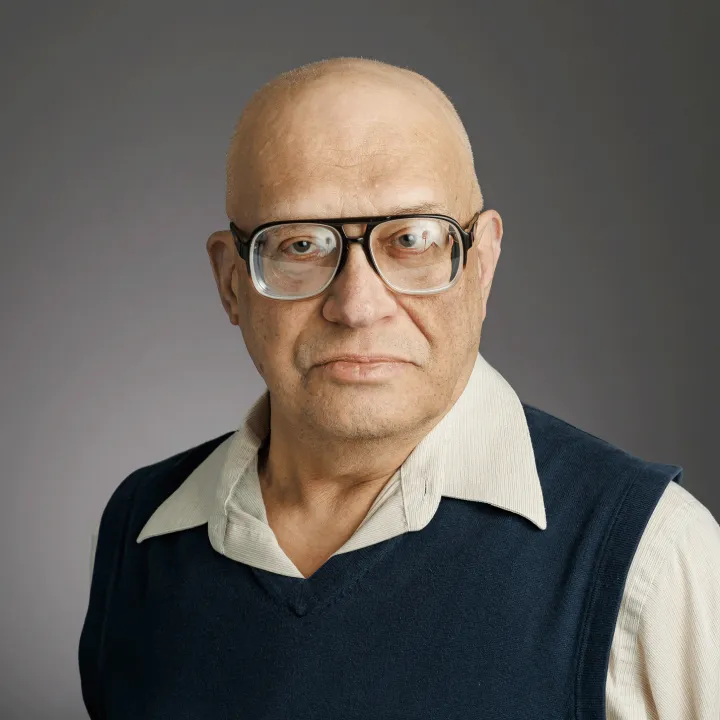
Vladimir Rokhlin is the Arthur K. Watson Professor of Computer Science at Yale University, with additional appointments in Applied & Computational Mathematics and Mathematics. His research focuses on fast deterministic and randomized algorithms for computational mathematics, numerical harmonic analysis, and numerical linear algebra. He holds a Ph.D. from Rice University and an M.S. from the University of Vilnius. Key research interests include the development of efficient algorithms for solving integral equations, prolate spheroidal wave functions, and high-accuracy numerical methods. His work has led to breakthroughs in fast multipole methods and low-rank matrix approximations. Rokhlin has been recognized with prestigious awards such as the 2001 Leroy P. Steele Prize, membership in the National Academies of Sciences and Engineering, and the 2014 William Benter Prize. His recent publications emphasize advancements in quadrature formulas, scattering problems, and spectral methods for partial differential equations. His contributions bridge theoretical mathematics and computational science, with applications in electromagnetics, signal processing, and engineering. Current efforts include optimizing algorithms for complex geometries and improving the efficiency of numerical linear algebra techniques.
Christopher R. Dillon is an Assistant Professor in the Mechanical Engineering Department at Brigham Young University (BYU) . His research bridges mechanical and biomedical engineering, focusing on bioheat transfer modeling and MRI-guided focused ultrasound (MRgFUS) thermal therapies for cancer treatment. Prior to joining BYU in 2021, he worked as a Senior Computer Scientist at Sandia National Laboratories (2018-2021) and held a postdoctoral position in the Department of Radiology at the University of Utah (2014-2017), where he received NIH NRSA fellowship support. Education PhD in Bioengineering, University of Utah (2014) BS in Mechanical Engineering, BYU (2009) Dr. Dillon’s research centers on characterizing human tissue properties and developing computational models for MRgFUS , aiming to improve treatment planning accuracy by addressing challenges like blood perfusion variability and subcutaneous fat absorption . His lab collaborates with clinical institutions to transition findings from ex vivo studies to clinical applications. The Bioheat Transfer Laboratory under Dr. Dillon focuses on: Quantifying perfusion-related thermal energy losses via 3D MRI data Evaluating and refining the Pennes bioheat transfer equation Developing temperature-dependent property measurement tools for fat Advancing non-invasive thermal therapies to reduce surgical reliance His work has led to 15+ publications on computational modeling, tissue property analysis, and thermal therapy optimization. Scientific Awards Outstanding Faculty Teaching Award (BYU, 2023) NIH NRSA Fellowship (2015-2017) Young Investigator Award (Focused Ultrasound Foundation, 2014) National Merit Scholarship (2001-2007) As an educator, Dr. Dillon teaches ME EN 321: Thermodynamics and ME EN 340: Heat Transfer , emphasizing practical applications in biomedical contexts. He also contributes to Python-based computational training through Enthought certification (2021-present).
Dr Craig Boote is a Reader and Deputy Director of Postgraduate Research at Cardiff University's School of Optometry and Vision Sciences. With a distinguished career spanning over two decades, he has established himself as an expert in ocular biomechanics and structural biology. His research focuses on understanding the biophysical properties of corneal and scleral tissues and their role in vision and disease. Boote earned his BSc in Physics/Biochemistry (First Class Honors) from Keele University (1992-1995), followed by a PhD in Structural studies of DNA using diffraction and spectroscopic methods from the same institution (1995-1999). His academic journey continued with research positions at Cardiff University, progressing from Research Associate (1999-2001) to Senior Research Associate (2001-2011), Lecturer (2010-2014), and Senior Lecturer (2014-2020) before attaining his current position as Reader. Dr Boote's primary research interests center on the structural biology and biomechanics of ocular tissues, particularly the cornea and sclera. He investigates how the hierarchical organization of collagen and other extracellular matrix components governs corneal transparency and refractive function, and how these properties are compromised in diseases like keratoconus. His work also explores the role of scleral and optic nerve head micro-architecture in glaucoma pathogenesis, using elevated intraocular pressure as a key risk factor. By developing novel synchrotron x-ray scattering and laser scanning multiphoton imaging techniques, he quantifies tissue micro-architecture to build finite-element models that describe mechanical behavior under normal and pathological conditions. Analysis of Dr Boote's recent publications reveals a strong focus on corneal biomechanics, glaucoma research, and advanced imaging techniques. His work bridges fundamental structural biology with clinical applications, particularly in understanding corneal transparency mechanisms and developing therapeutic strategies for corneal diseases. A notable trend is the increasing integration of computational methods, machine learning, and artificial intelligence in ocular imaging and biomechanical modeling, reflecting the interdisciplinary nature of modern ophthalmic research. Dr Boote's scientific achievements have been recognized with numerous awards, including becoming a Fellow of the Royal Society of Biology (2022), Research Leave Fellowship from Cardiff University (2018), and the Research Merit Prize at the 5th World Corneal Congress (2005). He has also received visiting appointments at prestigious institutions including Newcastle Research & Innovation Institute and National University of Singapore. As Deputy Director of Postgraduate Research, Dr Boote actively supervises students, currently guiding Qian Ma and Xiaorui (Raya) Wang. His research has been supported by significant funding, including an NIH Project Grant as Principal Investigator (2016-2018), a Fight For Sight Project Grant (2012-2015), and contributions to a major MRC Programme Grant (2012-2017). He maintains active collaborations with leading researchers worldwide, including Dr Harry Quigley at Johns Hopkins University, Prof. Thao Nguyen, and researchers at Singapore Eye Research Institute. Dr Boote leads a research team that utilizes advanced x-ray scattering facilities and microscopic imaging modalities to investigate ocular tissue structure. His laboratory work integrates structural biology, biomechanics, and computational modeling to address fundamental questions about corneal transparency and glaucoma pathogenesis. The team collaborates with international partners across the US, Singapore, and Europe to translate basic science findings into potential clinical applications for corneal diseases and glaucoma.
Andrew Phillips is a Professor in Structural Biomechanics at Imperial College London's Department of Civil and Environmental Engineering within the Faculty of Engineering. He leads the Structural Biomechanics Group and coordinates the MEng Civil Engineering degree program. His research focuses on musculoskeletal modeling, finite element analysis, and bioinspired structures. Phillips holds a PhD from the University of Edinburgh (2005) and an MEd from Imperial College (2014). Key affiliations include the Additive Manufacturing Network, Centre for Blast Injury Studies, and Musculoskeletal Medical Engineering Centre. His work integrates computational methods with biomechanical principles, addressing topics like bone adaptation, trauma injury effects, and wearable sensor technologies. Notable contributions include developing motoneuron-driven muscle models and synthetic motion capture datasets via generative adversarial networks (GANs). Phillips also organizes the Parametric Engineering Course with Arup and SimplyRhino. Recent publications emphasize bone health in amputees, neural drive estimation, and energy-absorbing metamaterials. His 2018 European Society of Biomechanics SM Perren Award recognizes outstanding contributions to hip dysplasia biomechanics. Research trends highlight interdisciplinary approaches merging machine learning with traditional biomechanics to solve clinical and engineering challenges.
Todd Helwig is the Director of the Ferguson Structural Engineering Laboratory and holds the Jewel McAlister Smith Professorship in Engineering at the University of Texas at Austin. He specializes in structural engineering with a focus on steel structures, bridge design, and fatigue analysis. His work integrates advanced computational modeling with field experimentation to improve infrastructure resilience. Helwig earned his B.S., M.S., and Ph.D. in Civil Engineering from the University of Texas at Austin (1987, 1989, 1994). His research spans structural behavior under dynamic loads, composite materials optimization, and innovative steel detailing to enhance bridge safety and longevity. Recent studies emphasize fatigue resistance in fracture-critical components, lateral-torsional buckling of I-beams, and field monitoring of cross-frame systems. He collaborates closely with transportation agencies like TxDOT to translate academic findings into practical design guidelines. Key contributions include advancing post-installed shear connector technology, developing semi-integral bridge abutments, and improving cross-frame details for skewed bridges. His lab focuses on real-world implementation of cutting-edge structural solutions.