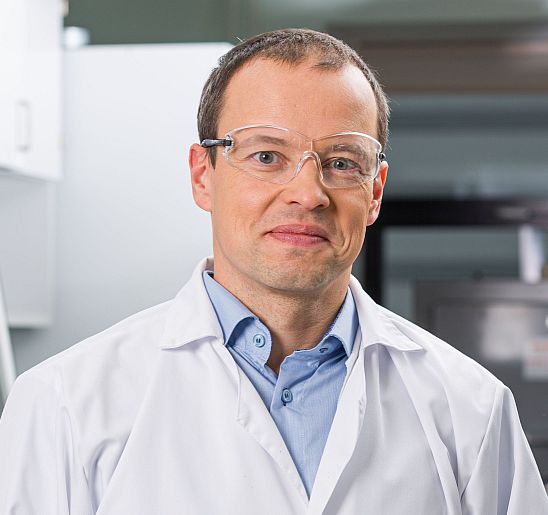
Tarmo Tamm is a Researcher at the Intelligent Materials and Systems Lab, University of Tartu. His work focuses on conducting polymers, soft actuators, and biomaterials , with emphasis on applications in biomedical engineering, nanotechnology, and electrochemistry. He holds a primary affiliation with the University of Tartu and has authored/co-authored over 100 peer-reviewed articles since 2002. His research spans material characterization, actuator design, and polymer electrolyte systems. Key projects include development of biocompatible hydrogels (e.g., sea cucumber-derived materials), soft exoskeletons inspired by spider leg mechanics, and sustainable paper recycling processes . Tamm’s publications highlight interdisciplinary collaboration with institutions globally, addressing topics like ion mobility in PEDOT films, microbial interactions with silicone foams, and encapsulation techniques for biomedical actuators. His work often bridges fundamental material science with practical applications, such as energy storage systems and medical devices. Current research trends emphasize electrochemomechanical systems and bioinspired materials , with growing focus on sustainable materials engineering.
Raivo Jaaniso is an Associate Professor in Materials Science and Applied Physics at the Institute of Physics, Faculty of Science and Technology, University of Tartu. He has held this position since February 2024, having previously served as an Associate Professor from January 2021 to February 2024. Since June 2015, he has led the Sensor Technology Research Group and Laboratory at the University of Tartu. Dr. Jaaniso earned his Doctor's Degree in 1988 from the Institute of Physics, Estonian Academy of Sciences, with a dissertation titled "Spectrally selective processes of energy transformations in solid solutions of chlorophyll-like molecules," supervised by Jaak Kikas and Rein Avarmaa. His undergraduate studies in physics were completed at the University of Tartu from 1976 to 1981. Dr. Jaaniso's research focuses on graphene, sensor materials, gas sensors, optical spectroscopy, and pulsed laser deposition. His work spans materials science and applied physics, with particular emphasis on developing advanced sensor technologies for environmental monitoring and healthcare applications. He has pioneered research on graphene-based gas sensors, optical sensing materials, and nanomaterials for detection systems. Current projects include early diagnosis of neurodegenerative diseases with electronic nose technology and novel structures for gas microsensor arrays based on 2D materials. His recent publications reveal a strong trend toward graphene-TiO 2 heterostructures for gas detection, black aluminum films for thermal applications, and light-induced gas sensing mechanisms at room temperature. These works demonstrate his interdisciplinary approach combining materials science, optics, and sensor technology to address environmental and health monitoring challenges with practical solutions. University of Tartu Badge of Distinction (2023) Dr. Jaaniso has supervised numerous doctoral and master's students, including Martin Lind, Paniz Vafaei, and Ahmet Burak Baloglu who are currently completing their doctoral research. He has led significant research projects funded by the Estonian Research Council (totaling over €2 million in the past decade), European Commission, and industry partners including Infineon Technologies. His administrative roles include membership in the Graphene Flagship network and the NATO STO Exploratory Team on Novel Two-dimensional Materials for Military Applications. As head of the Sensor Technology Research Group, Dr. Jaaniso leads a multidisciplinary team focused on developing next-generation sensor technologies using 2D materials and advanced nanofabrication techniques. The group maintains active collaborations with international partners including the Czech Academy of Sciences and European research networks.
Jüri Raud (born August 6, 1972) is an Associate Professor in Plasma Spectroscopy at the Institute of Physics, Faculty of Science and Technology, University of Tartu. He has been a dedicated researcher at the University of Tartu since 2000, progressing from Senior Engineer to Research Fellow, Senior Research Fellow, and currently Associate Professor since 2021. His academic career spans over two decades of research in plasma physics with significant contributions to plasma spectroscopy, plasma chemistry, and plasma medicine applications. His educational background includes: Doctoral Degree in Physics (2009), University of Tartu Master's Degree in Physics (2001), University of Tartu Undergraduate studies in Physics (1995-1999) and Geology (1990-1995), University of Tartu Raud's research focuses on plasma spectroscopy, plasma chemistry, and plasma medicine, with particular emphasis on plasma diagnostics, gas discharge physics, and medical applications of plasma. His work bridges fundamental plasma physics with practical applications in materials science and medicine, especially in understanding plasma-liquid interactions and their biomedical implications. He has made significant contributions to understanding ionization processes in various gas mixtures and their applications in plasma medicine. His recent publications (2022-2024) demonstrate a strong focus on plasma diagnostics, plasma medicine applications, and plasma-material interactions. The research trends show a clear progression toward medical applications of plasma, with numerous studies on plasma-activated water, reactive species production, and their effects on cancer cells. His work also maintains strong foundations in fundamental plasma physics, particularly in ionization coefficients and discharge characteristics across various gas mixtures. Raud has been actively involved in teaching physics at both the University of Tartu and Masaryk University, covering courses in computer hardware, electromagnetism, and laboratory physics. He serves as Chairman of the gas discharge physics seminar at the University of Tartu and as the EFDA JET Technical Contact Person for Remote Participation on fusion experiments in Estonia. His research group focuses on plasma spectroscopy techniques, plasma diagnostics, and the development of plasma applications in medicine and materials processing. The team collaborates extensively with international partners in the field of plasma physics and fusion research, contributing to both fundamental understanding and practical applications of low-temperature plasmas.
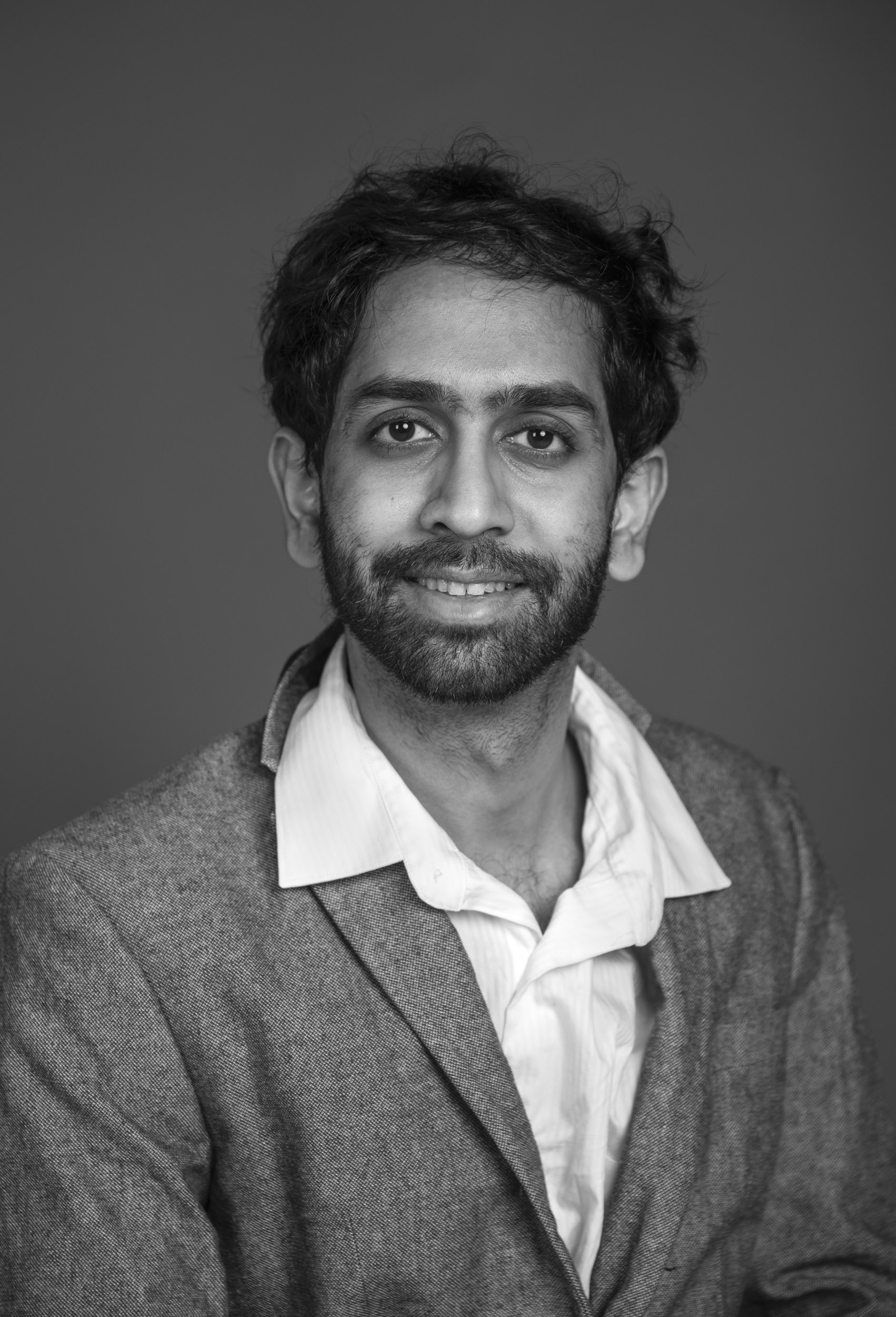
Rahul Sharma is a Junior Researcher and PhD candidate at the Estonian Academy of Arts’ Institute of Art History and Visual Culture. His research focuses on Russian-Estonian identity representations in contemporary documentaries, video art, and visual art, analyzing works by Eléonore de Montesquiou, Kristina Norman, and Marianna Kaad. He is also completing a book on Indian filmmaker Amit Dutta, examining his avant-garde ethnographic and museum films through an art-historical lens. Education includes a Master’s in Literature, Visual Culture, and Film Studies (Tallinn University/Estonian Academy of Arts, 2023) and a Master’s in Filmmaking (University of Warwick/London Film School, 2019). His creative work includes award-nominated short films like The Binoculars (2019) and documentaries such as Florence and the Hymns of Joseph (2022). Rahul has presented research at conferences including the 16th Baltic Studies Conference (Cambridge, 2025) and the Tartu Doctoral Intensive Seminar (2025). His awards include the Eur-Asian Border Lab Summer School 2025 selection and a 2023 cum laude distinction for his master’s thesis. He teaches courses on critical theory, visual culture, and art sociology at the Estonian Academy of Arts.
Peeter Torop is a Professor of Semiotics of Culture at the University of Tartu, holding the National Professorship in Semiotics of Culture since 2017. He leads the Institute of Philosophy and Semiotics and co-leads the transmedia research group with Maarja Ojamaa. His research focuses on cultural semiotics, intersemiotic processes, and the Tartu-Moscow School of Semiotics. Education: PhD in Philology (1995, Helsinki University), Russian Philology (University of Tartu, 1969–1974). Administrative roles include Head of the Institute of Philosophy and Semiotics (2013–2019) and membership in numerous editorial boards (e.g., Sign Systems Studies , Punctum ). Research interests include semiotics of translation, Dostoevsky studies, and cultural autocommunication. Notable awards: 2023 Lifetime Achievement Award from the Cultural Endowment of Estonia, 2001 National Science Prize. His recent publications explore transmediality, intersemiotic theory, and Lotmanian semiotics. Grants include the Estonian Research Council-funded projects on transmediality and biocultural diversity. Collaborations span international institutions, including the University of Toronto and Kharkiv National University.
Francesca Arnavas is a Research Fellow in Comparative Literature and Literary Theory at the University of Tartu’s Institute of Cultural Research, affiliated with the Faculty of Arts and Humanities. Her work focuses on narrative theory, Victorian literature, cognitive narratology, and fairy tales, with a specialization in Lewis Carroll’s Alice books and their interdisciplinary implications. She holds a PhD from the University of York (2018) and has contributed to international conferences and publications, emphasizing cognitive approaches to literature and cultural dynamics. Education: PhD in English and Related Literature, University of York (2015–2018) Master’s in Economics and Management in Arts, Culture, Media, and Entertainment, University Bocconi (2009–2012) BA in Philosophy, Università Ca’ Foscari Venice (2005–2008) Research Interests: Arnavas explores narrative structures, cognitive approaches to literary analysis, and the intersection of Victorian literature with modern cultural dynamics. Her work bridges traditional literary studies with cognitive science, examining how narrative frameworks shape understanding of fictional worlds and human cognition. Key themes include fairy tale hybridity, uncanny elements in literature, and the evolution of narrative forms across media. Projects: She leads or contributes to projects such as ‘Experimental Cultures of the 1980s–2020s’ (2024–2027) and ‘Unnatural Fairy Tales: A Cognitive Approach’ (2019–2021). Recent creative work includes an exhibition titled ‘Transforming Literary Places’ (2024) as part of Tartu’s European Capital of Culture events. Awards: Recipient of the 2023 Kulka Scholarship from the Cultural Endowment of Estonia for creative academic activity. Teaching and Advising: Taught courses on narrative theory and cognitive humanities. Supervised Laura Kiik’s BA thesis on narrative structures in Miyazaki’s films. Engaged in pedagogical training at the University of Tartu. Publications: Authored monographs on Lewis Carroll and cognitive narratology, edited volumes on fairy tales, and numerous articles in journals like Marvels & Tales and Futures. Her work bridges literary analysis with interdisciplinary themes like eco-criticism and post-pandemic narrative futures.
Dr. Diana Popa is a Postdoctoral Researcher at the School of Humanities, Tallinn University, Estonia. She holds a PhD in Film Studies from the University of St Andrews (2017). Her research focuses on the intersection of film and cultural memory, particularly examining how Eastern European historical and documentary films use archival materials to reinterpret the past in transnational contexts. She previously served as an ERC Postdoctoral Research Fellow at the University of Edinburgh, contributing to the 'Illuminating the Grey Zone' project on human rights violations and complicity. Her work analyzes films that engage with complex historical legacies, such as Romania’s Holocaust memory, and explores spectatorship’s role in confronting ethical dilemmas. Publications span journals like The Slavic and East European Journal and Law Culture and the Humanities , with a forthcoming chapter in Mediating Historical Responsibility . While no scientific awards are listed, her research bridges film studies with historical and ethical inquiry. She has reviewed key texts in Eastern European cinema, including Slow Movies and Popular Cinemas in East Central Europe . No advising roles or grants are explicitly mentioned in the text.
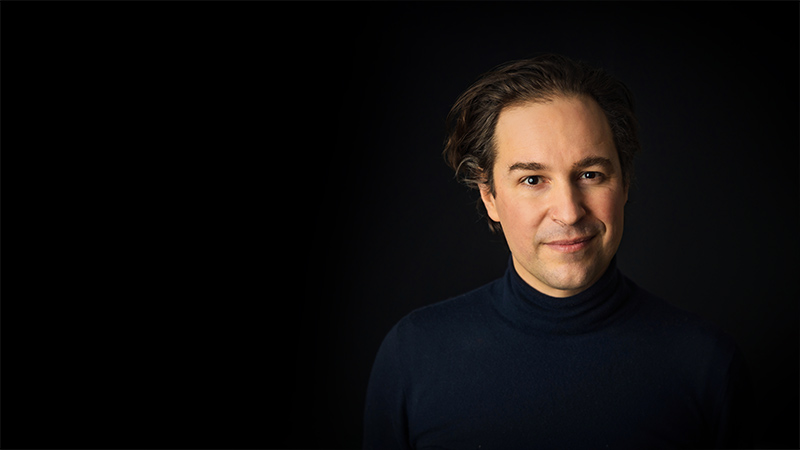
Maximilian Schich is a Professor for Cultural Data Analytics and CUDAN ERA Chair holder at Tallinn University's Baltic Film, Media and Arts School. A multidisciplinary researcher with expertise in art history, network science, and computational social science, he pioneers systematic approaches to cultural interaction through critical aesthetics and data-driven methodologies. PhD monograph: Network analysis in art research (antique reception/visual citation) 2014 Science Magazine publication: "A Network Framework of Cultural History" Horizon 2020-funded CUDAN ERA Chair project (2020-present) International academic background: LMU Munich, HU-Berlin, Bibliotheca Hertziana, BarabásiLab, ETH Zurich His research spans cultural database pathology, digital humanities, and interdisciplinary aesthetics, with recent work focusing on the "Cultural Interaction" book project. Articles indicate strong emphasis on network theory, quantitative cultural analysis, and computational art history, supported by European Commission funding through Horizon 2020 frameworks. Scientific awards include: ERA Chair for Cultural Data Analytics Global recognition through Nature video "Charting Culture" (2014) As founding member of UT Dallas' Edith O’Donnell Institute of Art History and leader of CUDAN research group, Schich combines technical expertise in data science with deep cultural theory knowledge, maintaining active research and teaching roles without explicit student advisement in available data.
Julia Kuznetski is a Professor of English at the School of Humanities, Tallinn University. Her research focuses on literary theory, ecocriticism, gender studies, postcolonial theory, and diasporic literature. She teaches at all academic levels (BA, MA, PhD), supervises theses, and contributes to curriculum development. Her administrative roles include Head of English Studies and membership in the School of Humanities Research Council. Her research explores transcorporeality, ecofeminist philosophy, and crisis narratives in contemporary works by women authors. Key themes include environmental ethics, posthumanism, and diasporic identities. She is an active member of scholarly organizations such as ESSE, FINSSE, and ASLE. Prof. Kuznetski has published widely in Routledge, Palgrave Macmillan, and Taylor & Francis journals, focusing on women’s writing, ecological crises, and postcolonial narratives. Her recent work examines bodily agency in dystopian fiction and eco-apocalyptic narratives. Her administrative contributions include strategic work group memberships and organizing research seminars in English studies.
Mari Laaniste is a researcher and lecturer at the Estonian Academy of Arts' Institute of Art History and Visual Culture, specializing in visual culture, film, animation, and comics. She holds a Research Master's Degree (2001) and PhD studies in Art History from the Estonian Academy of Arts. She co-heads the joint MA program 'Literature, Visual Culture and Film Studies' with Tallinn University. Education: BA (1999), MA (2001), and PhD studies (2003–2007) at the Estonian Academy of Arts. Key roles: Research Fellow (2016–present), Research Secretary (2018–2020), and organizer of international comics exhibitions. Teaching: Courses include 'Word and Image in Modernism' and 'Image Analysis' for BA/MA students. Her research focuses on visual narratives, Estonian animation history, and the interplay of words/images. She has curated major exhibitions like 'Hall tsoon' (2017) and organized Nordic Network for Comics Research (NNCORE) events. Publications span 200+ articles, books, and edited volumes on contemporary culture, visual studies, and comics. She has supervised two MA theses in creative/cultural studies at Tallinn University.
Richard Naar is a Junior Lecturer in Quantitative Methods and Senior Specialist in EEG Research at the University of Tartu's Faculty of Social Sciences, Institute of Psychology. His academic career spans over a decade at the university, progressing from laboratory assistant positions to his current dual appointment beginning in 2025, reflecting his growing expertise in experimental psychology and neuroscience methodologies. Education: PhD in Psychology (Interrupted, 2016-2024), University of Tartu MSc in Psychology (2015), University of Tartu BSc in Psychology (2013), University of Tartu Naar's research focuses on experimental psychology , particularly the intersection of affective science and cognitive processes . His work examines how emotional states influence time perception, attention mechanisms, and physiological responses. He specializes in EEG methodology and quantitative analysis of psychological phenomena, with significant contributions to understanding emotion regulation through cognitive reappraisal techniques. His doctoral research explored outcome-associated predictions in relation to affective states, feelings of control, and personality. His recent publications demonstrate a strong focus on affective neuroscience , with multiple 2024 papers examining emotion regulation using multimodal approaches including EEG, EMG, and self-report measures. His work bridges experimental psychology with practical applications in emotional well-being, particularly through the Estonian Center of Excellence of Well-Being Sciences project. Awards: Diploma from the Estonian Research Council's Master's Thesis Competition in Social Sciences (2015) Naar is actively involved in major research projects including the Estonian Center of Excellence of Well-Being Sciences (2024-2030), building on his previous work with the 'Psychological mechanisms of emotion regulation with reappraisal' project (2020-2024). His research has received substantial funding from Estonian Research Council and other national bodies, with cumulative project funding exceeding one million euros. As a Senior Specialist in EEG Research, Naar contributes to the university's neuroscience infrastructure and methodology development, working with advanced electrophysiological techniques to investigate affective attention and cognitive processes. His dual role as Junior Lecturer in Quantitative Methods highlights his expertise in both experimental design and statistical analysis within psychological research.
Bernadette Ščasná is a Doctoral Researcher at Tallinn University's School of Humanities. Her research focuses on analyzing the interplay between fact and fiction in representations of the Socialist regime and the Holocaust, particularly through Czech and Slovak literature and film. She explores how these narratives shape contemporary collective memory. Education: MA in Literature, Visual Culture, and Film Studies (2020), Tallinn University Research Interests: Her work bridges literary analysis, cultural studies, and historical memory. She examines how fictional and documentary forms interact to reinterpret traumatic historical events, emphasizing their societal impact. Key themes include post-socialist identity, Holocaust representation ethics, and transnational memory frameworks. Grants/Advising: No grants or advising roles explicitly mentioned in the provided text. Labs/Teams: No specific lab or team affiliations listed.
Tatjana Menise is a Lecturer (0.30 FTE) at Riga Technical University and a former Research Fellow (2022-2025) at the University of Tartu's Faculty of Arts and Humanities, Institute of Philosophy and Semiotics. She holds a PhD in Semiotics and Culture Studies (2020) from the University of Tartu, specializing in transmedia communication of fairy tales and fan fiction. Her academic journey includes a Master's in Semiotics (2014) and Russian Philology (2013) from Tartu and Latvia's universities, respectively. Her research focuses on semiotics, cultural studies, and the adaptation of folklore across media, particularly the fairy tale The Snow Queen . She has participated in projects like the Education on Screen initiative, creating digital semiotics courses for high school students, and summer schools organized by SEFER on Jewish civilization. Key research interests include transmedia storytelling, fan culture dynamics, and the intersection of folklore with modern media. Her publications (2015-2019) analyze fairy tale transformations, audience engagement in fan fiction, and semiotic frameworks in cultural narratives. Awarded the Juri Lotman Scholarship (2020), she has contributed to interdisciplinary pedagogy and cultural integration through digital platforms. Her work bridges semiotic theory with practical applications in education and media analysis.
Leonid Dolgov is an Associate Professor in Spectroscopy and Sensorics at the Institute of Physics, Faculty of Science and Technology, University of Tartu. He has held this position since February 2024, working at 70% FTE. Previously, he served as an Associate Professor and Senior Research Fellow at the same institution since 2016. His academic journey began with a Doctor's Degree in 2007 from the Institute of Physics, National Academy of Sciences, Kyiv, Ukraine. His educational background includes postgraduate studies at the Institute of Physics, National Academy of Sciences (Kyiv, Ukraine) from 2001-2004, culminating in a PhD in 2007. He earned his Diploma in Physics and Mathematics from Chernihiv State University (Chernihiv, Ukraine) between 1993-1998. Dolgov's research interests span Physics, Optics, Spectroscopy, Sensorics, Nanomaterials, Luminescence, Plasmonics, and Quantum Computing . His work focuses on experimental physics of liquid crystals and polymers, with particular emphasis on spectroscopic studies of rare earth ions in various crystal structures, plasmonic enhancement of luminescence, and applications in quantum computing and biomedical imaging. His publication record includes 104 publications, with recent work focusing on laser spectroscopy of rare earth doped crystals, plasmon-enhanced luminescence, and applications in quantum information processing and biomedical engineering. His research demonstrates strong interdisciplinary connections between fundamental physics and practical applications. Among his scientific recognitions, Dolgov received an Appreciation from the Estonian Ministry of Education in 2012 for his supervision of Master student Ardi Loot, whose thesis 'Characterizing surface plasmons and thin gold film by Kretschmann configuration' won the first National Estonian award. Dolgov has supervised PhD student Laurits Puust, whose thesis 'Surface effects on impurity fluorescence in oxide nanomaterials for applications in sensing and phosphors' was in progress as of January 2025. He has also supervised Master's student Ardi Loot to completion. His research has been supported by multiple projects, including the current EU-funded project 'Antimicrobial surface coatings sustainability and functionality in real-life usage' (2024-2027). His work is conducted within the Institute of Physics at the University of Tartu, where he collaborates with researchers across disciplines to advance understanding of optical materials and their applications.
Scott Abel is an American lecturer and junior researcher at Estonian Business School, specializing in journalism, media studies, and strategic communication. He has been affiliated with Estonian Business School since 2016 and has previously taught at Tallinn University, Baltic Film and Media School, and other Estonian educational institutions. Dr. Abel's educational background includes: Master's of Science in Journalism from Kansas State University (1993-1995) B.A. in Communications from Wichita State University (1990-1992), with emphasis in radio/television, Cum Laude honors, and minor in history His research focuses on journalistic practices and various factors influencing news production, especially in the post-Soviet context. Dr. Abel is particularly interested in innovation and management strategies in media organizations, with a specific emphasis on Estonian journalists' views and attitudes toward their profession. His work spans comparative media research, media typology, strategic communication, risk management, crisis communication, digital journalism, journalistic practices and ethics, and media in the former Soviet republics, with special attention to the Baltic States and Central Asia. Dr. Abel's scholarly contributions reveal a consistent focus on media representation during crises, journalistic professionalism, and the evolving media landscape. His work particularly examines how journalists navigate ethical challenges and construct narratives around significant events like the 9/11 attacks and boycott campaigns in post-Soviet contexts. Among his recognitions is the 2022-2023 EBS Microlearning Excellence Award, which he received as Coordinator of the Strategic Communication module team. Dr. Abel currently serves as a member of the Talent and Education Committee of the American Chamber of Commerce in Estonia. He teaches courses including Public Relations and Media Communications, Crisis Communication, Media Literacy, and Media Relations. He is also pursuing his doctoral studies at Estonian Business School under the supervision of Katri Kerem, with his dissertation focusing on "Professional identity and the Estonian journalist." His current research project, MOCCA (Multi-level regimes of corruption in Central Asia), focuses specifically on Kyrgyzstan, examining media's role in corruption regimes.