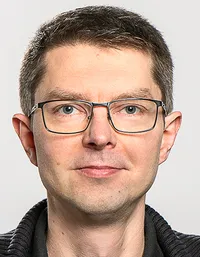
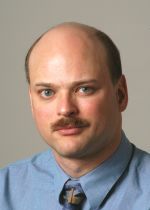
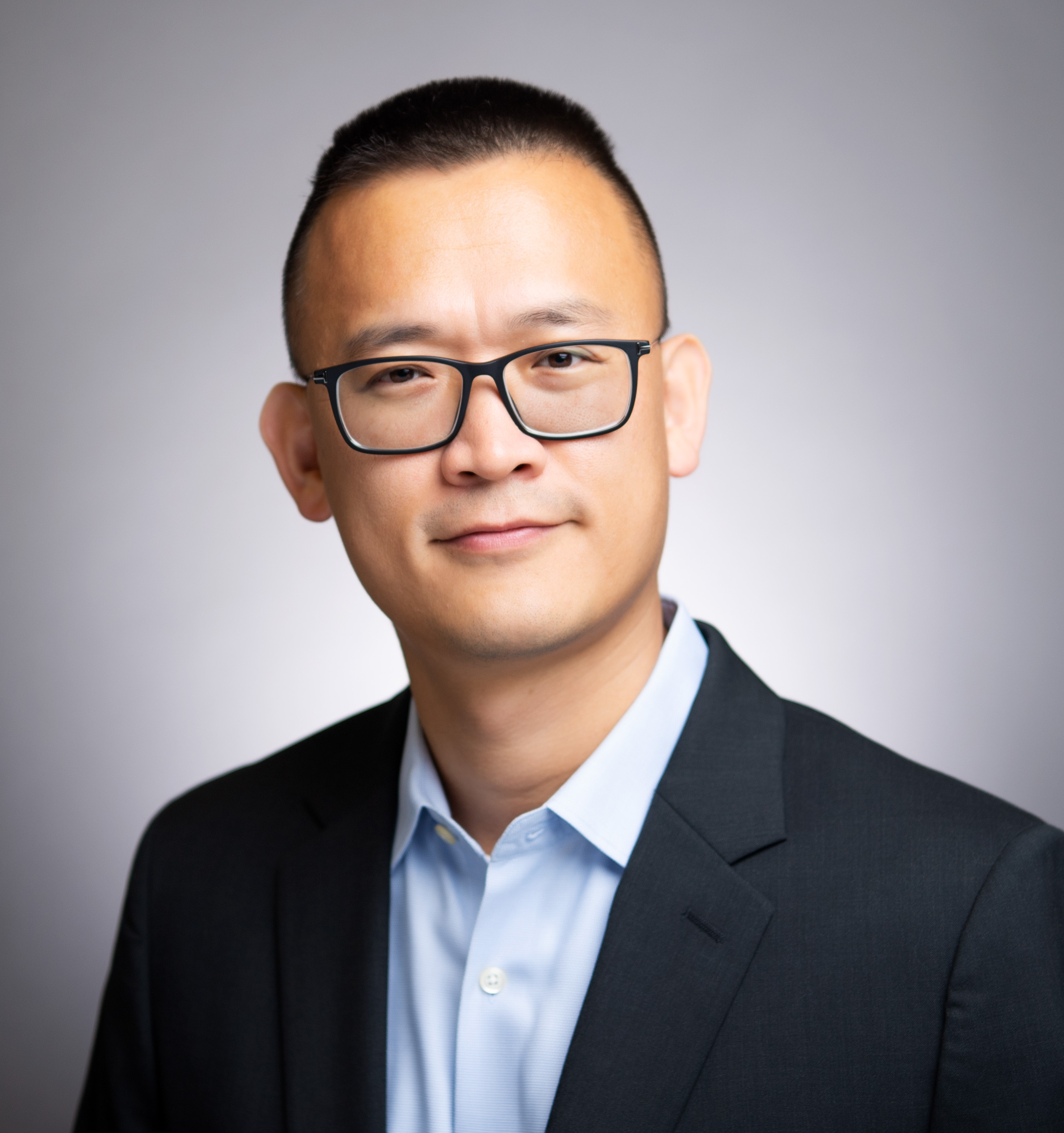
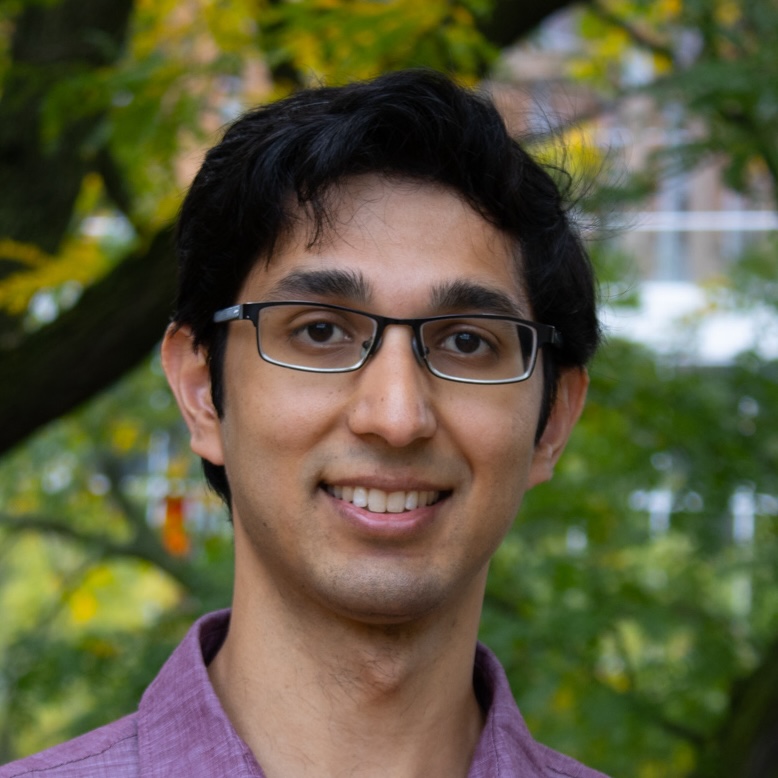
Prof. Dr. Viktor Leis is a Professor in the Department of Computer Science at the Technical University of Munich (TUM), leading the Chair for Decentralized Information Systems and Data Management. His research focuses on cost-efficient data systems, particularly in cloud environments, with expertise in core database topics like query processing, transaction management, and storage optimization. He earned his PhD from TUM in 2016 and previously held professorships at Friedrich Schiller University Jena and Friedrich-Alexander-Universität Erlangen-Nürnberg before returning to TUM in 2022. His work has been recognized with prestigious awards, including the ACM SIGMOD Dissertation Award, VLDB Early Career Research Contribution Award, and an ERC Starting Grant. Research Interests: Cloud computing, database systems, query optimization, storage engines, transaction processing, and NVMe-optimized systems. Key Projects: Developed the LeanStore storage engine and contributed to the Hyper database system. His recent publications emphasize cloud-native architectures, high-performance storage solutions, and hybrid transactional/analytical processing. He actively teaches courses on distributed systems, cloud databases, and blockchain technologies.
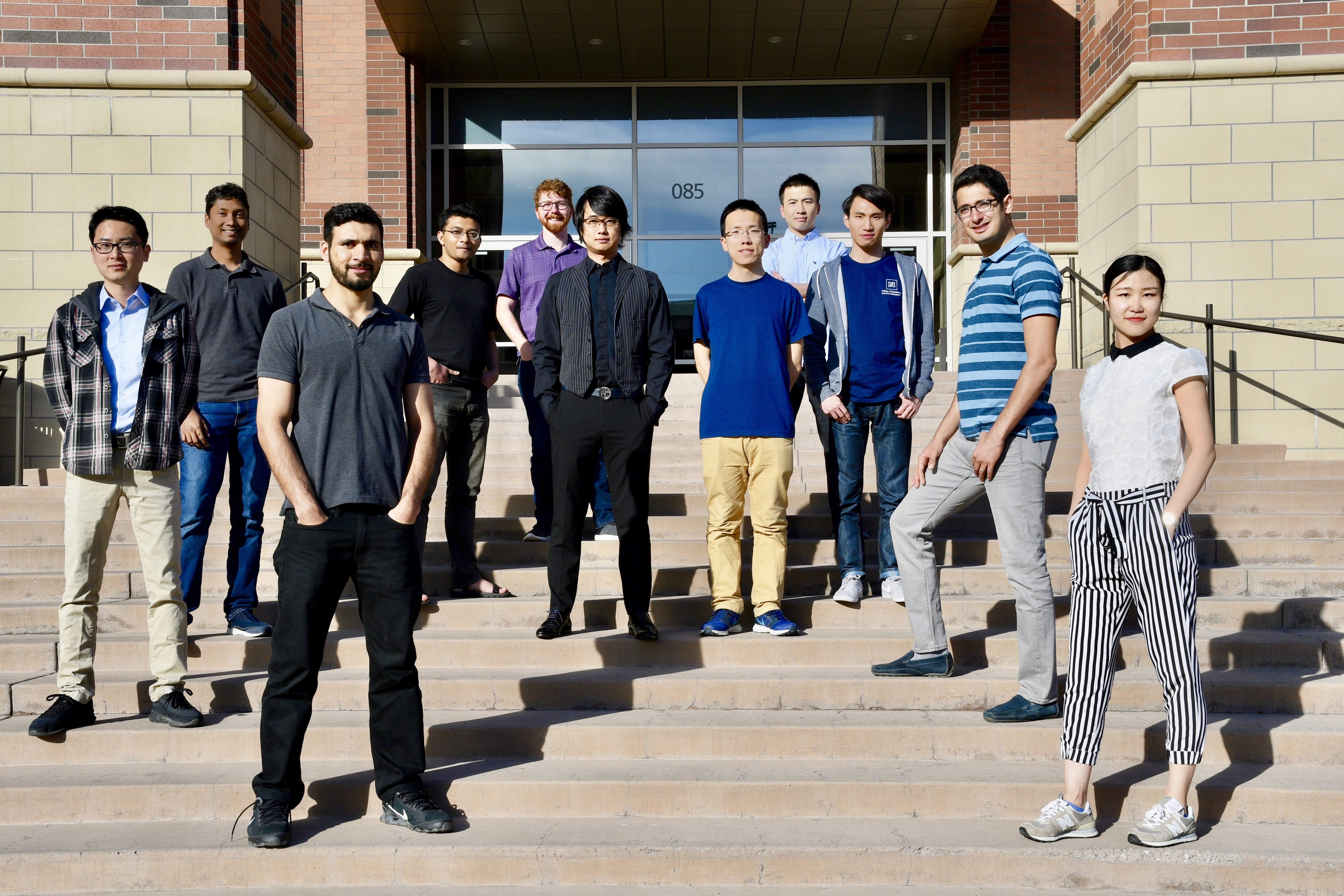
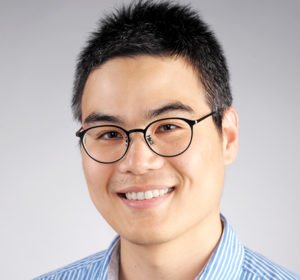
Dr. Feng Yan is an Associate Professor at the University of Houston's Computer Science Department, leading the Intelligent Data and Systems Lab (IDS Lab). He previously held an Associate Professor position at the University of Nevada, Reno. His research focuses on bridging Big Data, Machine Learning, and Systems, with interdisciplinary applications in wildfire science, materials engineering, and civil infrastructure. He has received prestigious awards such as the NSF CAREER Award and the Regents' Rising Researcher Award. Education: Ph.D. (2016) and M.S. (2011) in Computer Science from College of William and Mary; B.S. (2008) in Computer Science from Northeastern University. Research experience includes roles at Microsoft Research and HP Labs. Research Interests: Large Language Models (LLM), Distributed Deep Learning, AutoML, Serverless Computing, Federated Learning, and AI-driven domain sciences. His work emphasizes real-world impact through collaborations with industry and national labs. Publications: Over 60+ papers in top-tier venues like NeurIPS, ICLR, KDD, AAAI, SOSP, SC, and VLDB. Key contributions include ZeRO++ (collective communication optimization), Gradient Compression techniques, and Federated Learning frameworks like TiFL and HDFL. Awards: NSF EPSCoR Award ($20M), NSF CAREER Award, FAA BAKFAA Grant, and multiple best paper awards (IEEE CLOUD 2018, CLOUD 2019). Active in program committees for HPDC, ICAC, ICPE, and AAAI. Advising: Supervised over 30+ graduate/undergraduate students, with placements at Microsoft Research, IBM, Oak Ridge National Lab, Facebook, and MathWorks. Runs a vibrant lab with a focus on interdisciplinary AI/Systems research.
Daniel J. Abadi is a prominent researcher in database systems at Yale University. With over two decades of impactful research, he has made significant contributions to the fields of distributed databases, transaction processing, and column-oriented database systems. His work bridges theoretical foundations with practical implementations that have influenced both academia and industry. Dr. Abadi's research primarily focuses on database system architecture, with particular emphasis on: Distributed and geo-replicated database systems High-performance transaction processing Column-oriented and analytical database systems Stream processing and real-time analytics Cloud and serverless database technologies Integration of machine learning with database systems His recent work shows a continued focus on addressing scalability challenges in modern database systems, with particular attention to multi-region transaction processing, automated data management, and the integration of machine learning techniques. The trend in his publications indicates a strong emphasis on practical, deployable systems that solve real-world problems faced by industry. Dr. Abadi has been instrumental in several major research initiatives and reports that have shaped the direction of database research, including the Seattle Report and the Cambridge Report on Database Research. Throughout his career, Dr. Abadi has mentored numerous students and collaborated extensively with leading researchers in the field. His work has received significant recognition through widespread citations and adoption of his ideas in both academic and industrial database systems.
Dr. Gowri Sankar Ramachandran is a Senior Lecturer in the School of Information Systems at Queensland University of Technology (QUT), specializing in cybersecurity and distributed systems. She holds a PhD from KU Leuven (Belgium) and a postdoctoral position at the University of Southern California (USC). Her research focuses on open-source software security, runtime threat detection, blockchain applications, and IoT vulnerabilities. Notable contributions include the FUSE tool for detecting malicious packages and the discovery of hyperlink hijacking vulnerabilities affecting millions of domains. Research interests span software supply chain security, metadata-based risk analysis, and generative AI for cyber risk modeling. Awards include Best Paper Awards at ACM CBSE (2016), Mobiquitous (2017), and BigMM (2019). Collaborations include projects with CSIRO, the City of Los Angeles, and the University of São Paulo. She teaches courses on cybersecurity, database management, and network security, and actively supervises PhD students in cybersecurity and blockchain domains. Recent publications address blockchain-based data governance, quantum-resilient IoT protocols, and decentralized identity systems. Her work bridges academic research with real-world impact, addressing critical challenges in digital systems security and privacy.
Nickolai Zeldovich is the Joan and Irwin M. Jacobs Professor of Electrical Engineering and Computer Science at MIT, and a member of the Computer Science and Artificial Intelligence Laboratory (CSAIL). He received his PhD from Stanford University in 2008 and focuses on building practical secure systems, including encrypted databases, undefined behavior detection tools, formally verified file systems, and cryptocurrency protocols. His work spans both theoretical and applied aspects of computer security and distributed systems. Research interests include: Secure system design Distributed consensus mechanisms Formal verification of software/hardware Cryptographic protocols Privacy-preserving web technologies Publications & Verification Tools Recent work focuses on modular verification of complex systems, including: Shipwright (2025): Byzantine-fault-tolerant distributed system verification PoWER (2025): Crash consistency verification framework K2 Architecture (2023): Trustworthy hardware security modules Grove (2023): Separation-logic-based verification library Tiptoe (2023): Private web search protocols Major Awards Best paper award, ACM SOSP (2011, 2015, 2017) Sloan Research Fellowship (2010) NSF CAREER award (2011) MIT Jamieson Award for Teaching (2024) Active in multiple startup ventures including Algorand (cryptocurrency), MokaFive (virtualization), and PreVeil (end-to-end encryption).
Professor John D. Kubiatowicz is a faculty member at the University of California at Berkeley in the Department of Electrical Engineering and Computer Sciences since 1998. He holds a PhD in Electrical Engineering and Computer Science (minor in Physics) from MIT (1998), an M.S. in EECS (1993), and a double B.S. in Electrical Engineering and Physics (1987) from MIT. His research interests span Quantum Computing Architectures Distributed Systems and Storage Network Security and Peer-to-Peer Protocols Introspective and Manycore Operating Systems Edge and Fog Computing Hardware-Assisted Security He has pioneered systems like OceanStore , a global-scale distributed file system, and Tessellation , a manycore OS with continuous adaptation. The scientific awards he has received include Presidential Early Career Award (PECASE, 2000) Scientific American 50 (2002) Diane S. McEntyre Teaching Award (2003) IEEE ICRA Best Paper (2025) George M. Sprowls Award for MIT PhD thesis (1998) Okawa Research Grant (1998) Best Paper at International Conference on Supercomputing (1993) His recent publications focus on Quantum Circuit Design and Optimization Edge/Fog Computing Architectures Secure Runtime Systems Distributed Garbage Collection Manycore OS Innovations Hardware-Assisted Security Mechanisms He leads the Quantum Architecture Research Center and co-founded the SWARM Lab at Berkeley, advancing a vision of self-adapting, secure systems from the chip level to internet scale.
Dr. Hui Lu is an Assistant Professor in the Department of Computer Science and Engineering at The University of Texas at Arlington (UTA), where he has been serving since September 2023. Prior to joining UTA, he was an Assistant Professor at SUNY Binghamton from 2017 to 2023. His academic journey includes a Ph.D. in Computer Science from Purdue University (2017), and Master’s and Bachelor’s degrees in Electronic Engineering from Shanghai Jiao Tong University. Ph.D., Computer Science, Purdue University, 2017 M.S., Electronic Engineering, Shanghai Jiao Tong University, 2009 B.S., Electronic Engineering, Shanghai Jiao Tong University, 2006 Dr. Lu's research centers on systems software with a focus on operating systems, virtualization, cloud computing, file and storage systems, and computer networks. His work emphasizes performance optimization and security in cloud-native environments. He has collaborated with leading industrial research labs including HPE Labs, IBM Research, Microsoft Research, AT&T Labs, and NEC Labs. His recent publications span top-tier venues such as OSDI, SOSP, USENIX ATC, and VLDB. The article trends reflect a strong emphasis on secure container technologies, memory tiering, packet processing optimization in virtualized networks, and efficient cloud storage systems. His work increasingly integrates hardware-aware optimizations and lightweight security mechanisms. NSF CAREER Award (2023) UT System Rising STARs Award (2023) Summer Faculty Fellowship, Air Force Research Lab (2019) Dr. Lu has successfully advised multiple Ph.D. students, including Jiaxin Lei, who is now an Assistant Professor at Kean University. His research is supported by major grants from the National Science Foundation (NSF) and the Air Force Research Lab (AFRL), focusing on secure containers, non-volatile memory management, and cloud-native virtualization. He has served as Principal Investigator (PI) on multiple funded projects, demonstrating strong leadership in research and innovation. He is actively involved in teaching core courses such as Operating Systems and advanced topics in systems and architecture. He mentors a growing group of Ph.D. students and welcomes motivated individuals to join his research group.
Marcus Rogers is Professor and Associate Dean for Faculty at Purdue Polytechnic Institute, Purdue University, where he directs the Cyber Forensics Lab. He holds dual fellowships with the American Academy of Forensic Sciences (AAFS) and the Center for Education and Research in Information Assurance and Security (CERIAS). Previously, he served as Editor-in-Chief of the Journal of Digital Forensics Security & Law and Secretary of AAFS. Education includes: PhD in Forensic Psychology, University of Manitoba (2001) MA in Personality Psychology, University of Manitoba (1995) BA in Psychology/Criminology, University of Manitoba (1986) His research integrates behavioral science with digital forensics, focusing on: Psychological profiling of cybercriminals and online offenders Advanced cyber forensic methodologies including mobile/GPU forensics Predictive modeling of cyber threats and adversarial behavior IT insider threats and cyber terrorism dynamics This interdisciplinary approach advances evidence analytics and digital crime scene interpretation. His publications demonstrate consistent focus on cybercrime psychology, forensic methodologies, and digital evidence innovation, with recent work emphasizing behavioral analytics, adversarial modeling, and advanced data recovery techniques. Major scientific honors include: Paul H. Chapman Medal for justice innovation (2009) AAFS Digital Sciences Research/Case Study Awards (2012, 2013) Fellow distinctions from AAFS and CERIAS University Faculty Scholar (2008) He leads the Cyber Forensics Lab, developing novel investigative tools like SMIRK (SMS forensics) and TracHac (cell phone analysis). Secured multiple grants for digital evidence research from federal and industry partners. Extensive professional engagements include chairing NIST OSAC committees and FBI InfraGard membership.
Tej Chajed is an Assistant Professor in the Department of Computer Science at the University of Wisconsin-Madison, where he conducts research in formal verification of systems software. His work focuses on building and proving the correctness of critical systems, particularly file systems and concurrent software. Dr. Chajed earned his PhD from MIT in the PDOS group, followed by a one-year postdoc at VMware Research before joining UW-Madison. His academic journey reflects a strong commitment to bridging theoretical formal methods with practical systems implementation. Chajed's research centers on formal verification techniques for systems software, with particular emphasis on concurrent and crash-safe systems . His work aims to eliminate bugs in critical software through mathematical proofs of correctness. Key contributions include DaisyNFS (a verified concurrent file system), the Perennial framework for reasoning about crash safety, and Goose for connecting proofs to Go code. His research spans the intersection of programming languages, operating systems, and formal methods, developing practical tools that bring verification to real-world systems. His recent publications demonstrate a consistent trajectory toward more practical and scalable verification techniques for increasingly complex systems. The research shows progression from foundational verification frameworks to applied work on specific systems like file systems, journaling, and distributed protocols. A notable trend is the focus on making verification more accessible and practical for systems developers, bridging the gap between theoretical formal methods and real-world software engineering. Dr. Chajed serves on numerous program committees including OSDI 2025 PC, PLDI 2024 PC, SySDW 2023 PC, ECOOP 2023 ERC, CPP 2023 PC, POPL 2023 PC, PLDI 2022 PC, POPL 2022 AEC, EuroDW 2021 PC, POPL 2021 AEC, PLDI 2020 AEC, POPL 2020 AEC, and SOSP 2019 AEC, reflecting his standing in the systems and programming languages research community. In teaching, Chajed has developed and instructed courses on systems verification, operating systems, and protocol verification. He previously helped create MIT's 6.826 (Principles of Computer Systems) during his PhD. His passion for technical communication was cultivated during his time as a Communication Fellow in the EECS Communication Lab at MIT, where he continues to offer guidance to students on writing and presentation skills. His research group at UW-Madison focuses on advancing the state of the art in systems verification, with current projects centered around practical verification frameworks for concurrent and crash-safe systems.
Bryan S. Kim is an Assistant Professor in the Department of Electrical Engineering and Computer Science at Syracuse University. His research focuses on computer systems, particularly data storage systems, emphasizing performance, reliability, and scalability in the context of heterogeneous hardware. He holds a Ph.D. and M.S. in Computer Science and Engineering from Seoul National University and a B.S. in Electrical Engineering and Computer Science from UC Berkeley. Prior to academia, he worked as a postdoctoral researcher at Seoul National University and as a manager at SK Telecom. Key research interests include SSD reliability, storage system design, and overcoming hardware limitations through innovative architectures. Notable recent work includes projects on capacity-variant storage systems, CXL-enabled SSDs, and RAID adaptations for heterogeneous SSDs. He has been awarded two NSF grants: the DESC proposal (CHIPLETS360) in 2025 and a CAREER award for bridging memory/storage gaps in 2025. Education: Ph.D. in Computer Science and Engineering, Seoul National University M.S. in Computer Science and Engineering, Seoul National University B.S. in Electrical Engineering and Computer Science, UC Berkeley Recent Awards: NSF DESC Proposal Award (2025) NSF CAREER Proposal Award (2025) Teaching: CSE486: Design of Operating Systems CIS341: Computer Organization & Programming Systems CIS700: Storage Systems for Big Data His students include Shao-Peng Yang, Xiangqun Zhang, and Omkar Desai. He advises on projects related to storage systems, and his work has been published in top-tier conferences like FAST, ATC, EuroSys, and OSDI.
Dr. Luca Castiglione is a Research Associate in Resilience and Safety to Cyber Attacks at the Department of Computing, part of the Faculty of Engineering at Imperial College London. His work focuses on interdisciplinary cybersecurity challenges in cyber-physical systems (CPS), emphasizing the intersection of safety and security. Research interests include threat modeling for CPS, hazard analysis in smart grids and aviation systems, and secure file storage in cloud environments. His methodologies often combine systems theory with practical frameworks like assurance case generation and cooperative communication protocols over 5G. Recent publications explore automated detection of safety-critical attacks, impact analysis of cyber threats on flight management systems, and security-aware hazard analysis for infrastructure systems. While no awards or grants are explicitly mentioned, his research demonstrates expertise in cross-disciplinary approaches to system resilience. His location is listed as the Huxley Building on the South Kensington Campus, though no email or educational background details are provided in the available text.
Dr. Jia Rao is an Associate Professor in the Department of Computer Science and Engineering at the University of Texas at Arlington, College of Engineering. He previously served as an Assistant Professor at the University of Colorado, Colorado Springs from 2012 to 2016. His research spans operating systems, distributed and parallel computing, cloud computing, virtualization, and machine learning. Education: Ph.D., Computer Engineering, Wayne State University, 2011 M.S., Computer Science, Wuhan University, 2006 B.S., Computer Science, Wuhan University, 2004 Dr. Rao's research focuses on building adaptive, scalable, and efficient computer systems for cloud and data center environments. His interests include resource management, performance modeling, adaptive scheduling, and quality-of-service (QoS) guarantees in virtualized and containerized systems. He combines machine learning and feedback control techniques with low-level system design to improve efficiency, fairness, and predictability in heterogeneous and multi-tenant environments. An analysis of his recent publications reveals a strong trend toward memory and resource management innovations in cloud-native systems. His work explores tiered memory architectures, secure container deployment, preemptive multitasking for deep learning, and efficient packet processing in container networks. These efforts reflect a consistent focus on optimizing system-level performance, security, and scalability in modern data centers. Scientific Awards: NSF CAREER Award (2019) Best Paper Award, APSys (2016) Best Paper Award, ICAC (2013) Best Paper Nomination, HPCA (2013) Best Paper Nomination, HPDC (2013) Best Paper Award, Middleware (2021) Researcher of the Year, UCCS (2014) Dr. Rao actively advises students and serves on dissertation and thesis committees for numerous Ph.D. and Master’s candidates. He leads federally funded research projects supported by the National Science Foundation, including a major CAREER grant on virtualized architectures and collaborative big data initiatives. His research has been sponsored by NSF, IEEE, and Intel Corporation, reflecting strong industry and academic collaboration. He leads and contributes to major research labs and teams focused on cloud systems, operating systems, and performance optimization. His team has produced high-impact work in top-tier venues such as OSDI, SOSP, ATC, EuroSys, and ICDCS. Current and future work includes next-generation memory architectures using CXL, intelligent resource provisioning, and resilient container networking.
Professor Raja Jurdak is a leading academic in distributed systems and applied data sciences at Queensland University of Technology (QUT), where he directs the Trusted Networks Lab. He holds dual roles as Professor of Distributed Systems and Chair in Applied Data Sciences, alongside leadership in the Centre for Data Science. His research focuses on dynamic network modeling, blockchain-based trust frameworks, and IoT applications, with particular emphasis on cybersecurity, energy efficiency, and mobility-driven diffusion processes. Jurdak formerly led CSIRO's Distributed Sensing Systems Group and maintains a visiting scientist role there. Education: PhD in Information and Computer Science, University of California, Irvine MS in Computer Networks and Distributed Computing, University of California, Irvine BE in Computer and Communications Engineering, American University of Beirut Research Interests: Network science, blockchain technology, IoT security, sustainable energy systems, and data-driven decision-making. His work bridges theoretical advancements with practical applications in smart grids, health surveillance, and urban mobility. Awards: Finalist for the 2019 Eureka Prize, multiple CSIRO accolades, and IEEE Senior Member status. His research has received industry recognition for interdisciplinary innovation, including the DiNeMo project's real-time disease surveillance system. Advisory & Grants: Leads high-impact projects funded by government and industry partnerships. Supervises PhD candidates in areas like decentralized data processing and privacy-preserving AI. Holds editorial roles at journals such as Ad Hoc Networks and PLoS ONE . Labs & Teams: Directs the Trusted Networks Lab at QUT, fostering collaborations with institutions like Oxford University and MIT. His work emphasizes cross-disciplinary teams to address global challenges in cybersecurity and sustainable systems.
Pabitra Sahoo is an Assistant Professor in the Department of Biological Sciences at Rutgers University, leading a research group focused on axonal mRNA dynamics and stress granule biology. His work bridges molecular neuroscience and regenerative medicine with direct implications for neural repair mechanisms. His educational background includes: B.S. from Utkal University, India (2005) M.S. from University of Hyderabad, India (2007) Ph.D. from National Centre for Cell Science, University of Pune (2013) Postdoctoral fellowship at Twiss Lab, University of South Carolina (2023) Dr. Sahoo's research centers on stress granules in axons and their dual role in physiological mRNA storage and pathological inhibition of nerve regeneration. His lab investigates how localized protein synthesis mechanisms govern neural repair, neurodevelopment, and neurodegenerative processes through cutting-edge approaches in spatial transcriptomics and axonal biology. Key discoveries include the identification of G3BP1 as a critical regulator of axonal mRNA translation and the demonstration that stress granules exist under normal physiological conditions in neurons. Analysis of his 2021-2025 publications reveals a dominant focus on stress granule disassembly mechanisms (particularly involving G3BP1), RNA-binding protein functions in axonal mRNA stability, and therapeutic targeting of these pathways for nerve regeneration. His work consistently connects fundamental molecular mechanisms to applications in spinal cord injury, peripheral nerve repair, and neurodegenerative conditions like ALS. The Sahoo Lab operates as a collaborative team of "curiosity driven, fun, and coffee loving scientists" investigating how mRNA storage granules respond to neuronal signals. Current projects specifically examine stress granule dynamics in neuronal development models and their dysfunction in neurodevelopmental disorders (e.g., Down syndrome) and neurodegenerative diseases, with therapeutic strategies emerging from multiple patent filings.
Dr. Kenneth Kent is a Professor in the Department of Computer Science at the University of New Brunswick (UNB), where he has served for 14 years. He is the Director of the Information Technology Centre (ITC) and heads the Reconfigurable Computing Group. He also serves as Director of the IBM Centre for Advanced Studies - Atlantic and holds an Honorary Professorship at Hochschule Bonn-Rhein-Sieg. His research focuses on hardware/software co-design, reconfigurable computing, virtual machines, and embedded systems. Dr. Kent earned his PhD and Master of Science in Computer Science from the University of Victoria. His work has led to over 100 refereed publications and the supervision of 70+ graduate students. He co-founded WEnTech Solutions Inc., a software firm addressing waste-to-energy optimization. His awards include the IBM Faculty Fellow of the Year and Project of the Year (as Principal Investigator) for contributions to the J9 Java Virtual Machine. His articles span FPGA acceleration, compiler optimization, cloud storage security, and IoT intrusion detection. Recent work emphasizes energy-efficient Node.js systems and advancements in CAD tools like VTR 9 for FPGA architecture. Dr. Kent’s advising and grants include leading the IBM CAS Atlantic and directing industry-academia collaborations. He has pioneered technologies such as the Eclipse OpenJ9 JVM and the CephArmor storage interface, balancing academic research with commercial innovation. He leads the Reconfigurable Computing Group at UNB and collaborates with the Institute for Visual Computing in Germany. His research bridges theoretical computing and practical applications, with a focus on scalable systems and embedded technologies.