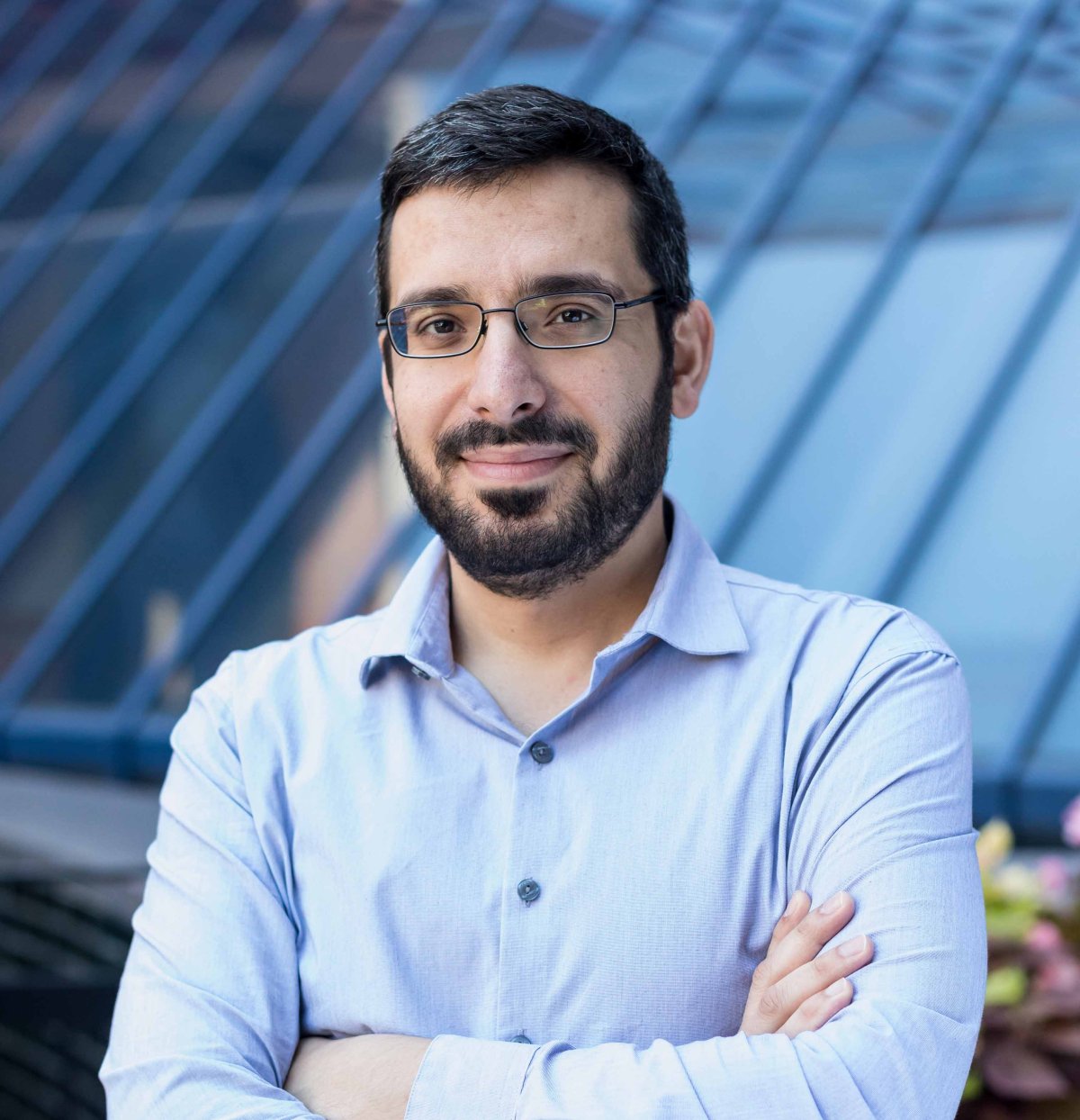
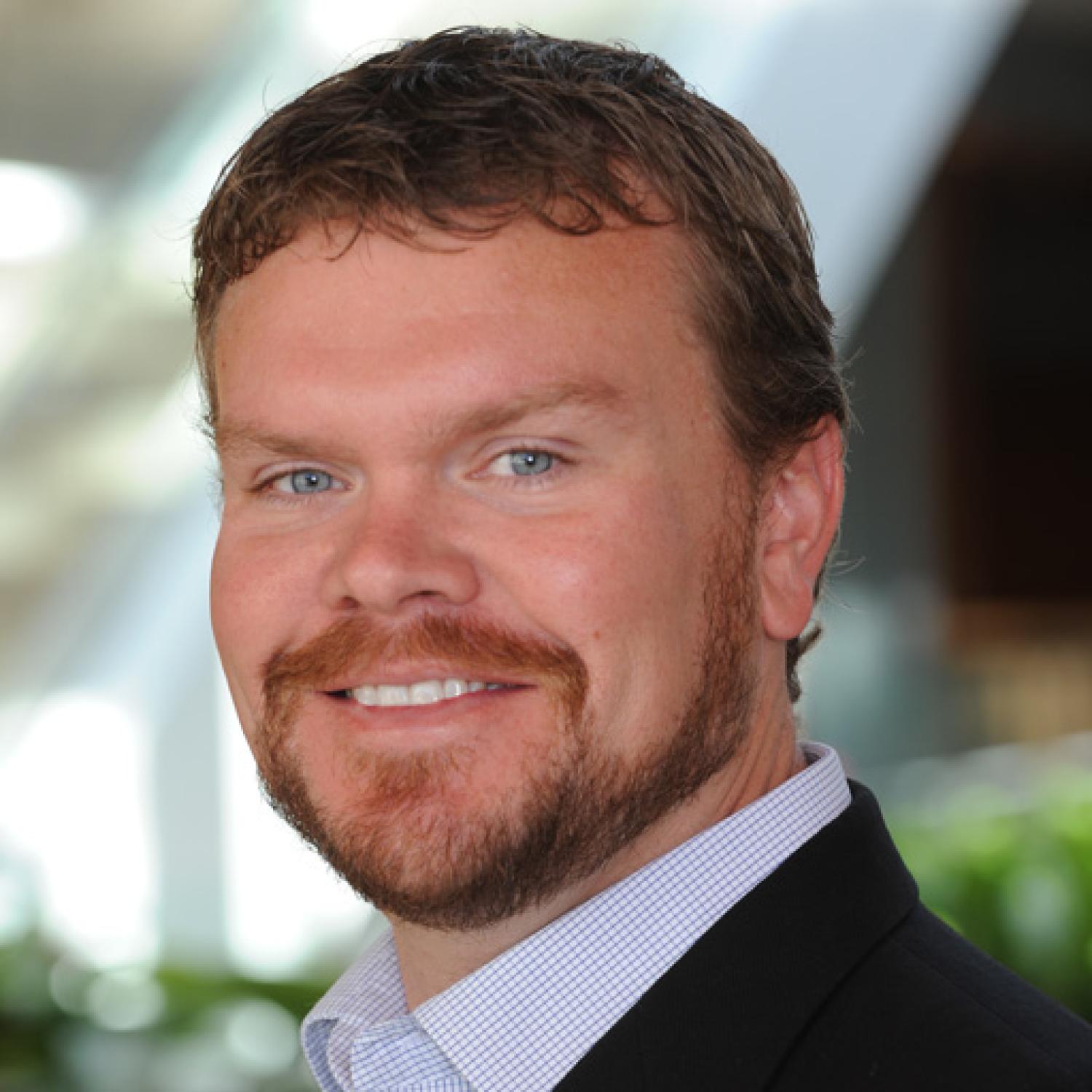
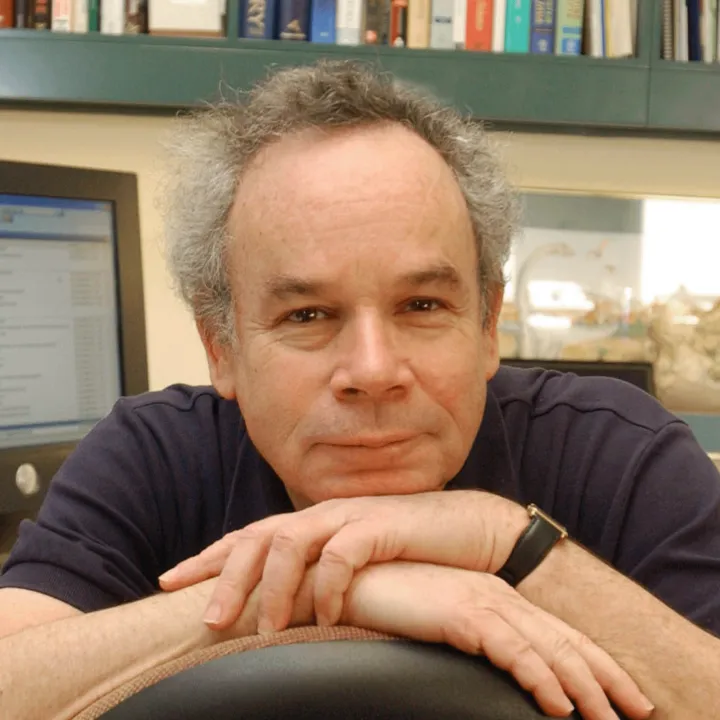
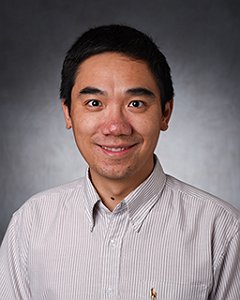
Turan Birol is an Associate Professor in the Department of Chemical Engineering and Materials Science at the University of Minnesota, with a secondary appointment in the School of Physics. He leads the Theoretical Materials Physics Group , focusing on computational materials design to discover exotic condensed matter phenomena. Education: PhD in Physics (Cornell University), Postdoc (Rutgers University) Research Areas: Ferroelectricity, Charge Density Waves, Multiferroics, Strongly Correlated Systems, Kagome Metals His work combines Density Functional Theory with Dynamical Mean Field Theory to study materials like perovskites, layered antiperovskites, and 2D/3D compounds. Recent projects include Office of Naval Research -funded ferroelectric design and NSF Discovery File -featured transparent conductors. Scientific contributions include 15+ recent articles on topics spanning structural chirality in superconductors, strain-tuned magnetism, and catalytic resonance theory. Former advisees include PhD graduates in Physics and Materials Science.
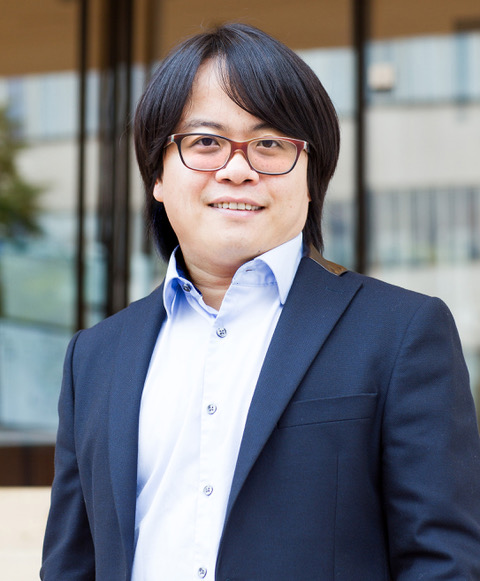
Andrew Warfield is an Adjunct Professor in the Department of Computer Science at the University of British Columbia (UBC) and a Senior Principal Engineer at Amazon. His research focuses on computer systems software, including virtualization, distributed storage, security, and high-availability systems. He previously held roles as Associate Professor at UBC, CTO at Coho Data, and Technical Director at Citrix Systems. His work has led to projects like Remus (high-availability replication), Tralfamadore (execution analysis), and secure hypervisor development with Xen. Warfield's education includes a PhD from the University of Cambridge's Computer Laboratory, where he researched I/O device virtualization under Steven Hand. He has held visiting roles at Intel Research Cambridge and internships at AT&T Research and Nortel Networks. Research Grants: Supported by Intel Research, NSERC, Network Appliance, and the Communications Security Establishment. Professional Activities: Technical Advisory Board Member at Teradici, and involvement in program committees for conferences like HotOS, EuroSys, and FAST. His research emphasizes practical systems, aiming to bridge the gap between theoretical computer science and real-world applications. Notable contributions include innovations in storage for virtualized environments, secure hypervisor architectures, and disaster-tolerant systems like SecondSite. Warfield is affiliated with UBC's Department of Computer Science and maintains active collaboration with industry partners. Though currently not actively recruiting students, his prior mentorship has influenced many in systems research.
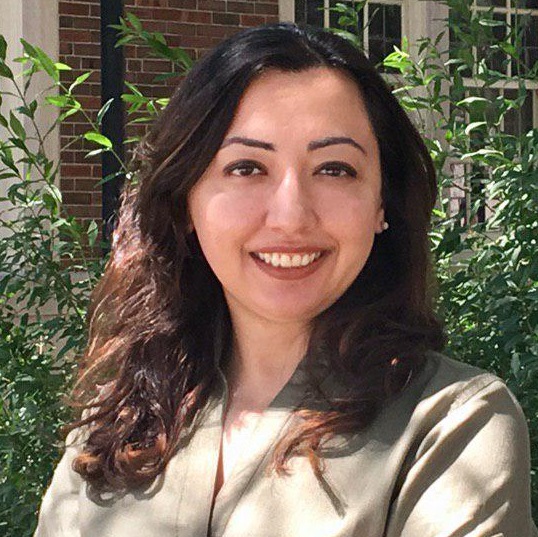
Zohreh Sharafi is an Assistant Professor of Software Engineering in the Department of Computer and Software Engineering (GIGL) at Polytechnique Montréal. Previously, she served as a Senior Research Fellow in the Department of Electrical and Computer Engineering at the University of Michigan, Ann Arbor, where she worked with Dr. Westley Weimer and was awarded the prestigious NSERC Postdoctoral Fellowship. Prior to her academic career, she worked as a software engineer at Morgan Stanley, contributing to the firm's electronic trading platform and serving as principal architect of SURF, a market data simulator. Her educational background includes a Ph.D. in Computer Engineering from École polytechnique de Montréal under the supervision of Dr. Giuliano Antoniol and Dr. Yann-Gaël Guéhéneuc, a Master of Applied Science in Software Engineering from Concordia University, and a Bachelor of Computer Engineering from the University of Tehran. Dr. Sharafi leads the SENSE Lab, a multidisciplinary software engineering research laboratory focused on understanding problem-solving strategies developers use during software development, with particular attention to human factors such as gender and native language. Her research combines human-centric design with experimental methodologies, investigating cognitive processes involved in software development using biometric measures including eye tracking and neuroimaging. Current active projects include evaluating trustworthiness perceptions of software artifacts and studying the role of creativity in software engineering tasks. She has made significant contributions to understanding how gender influences program comprehension and code review processes. Her publication record demonstrates a strong focus on empirical methods in software engineering, particularly eye tracking and neuroimaging techniques to study developer cognition. Her work spans program comprehension, code review, requirements engineering, and the impact of human factors on software development processes. She has developed methodological frameworks for conducting eye tracking studies in software engineering and has made notable contributions to understanding how visualization techniques affect software development tasks. NSERC Postdoctoral Fellowship NSERC Discovery Grant Program and Launch Supplements (Sep 2024-Sep 2029) IVADO Startup & Operation Fund (Jan 2022-Jan 2023) Scholarship for Doctoral Studies from Fonds de Recherche du Quebec Distinguished Reviewer Awards from IEEE ICPC 2020 and ACM FSE 2024 Dr. Sharafi actively mentors students including Mahta Amini (PhD Candidate, IVADO Scientifique en résidence 2024 Laureate), Cameron Cherif (PhD Candidate), Sara Yabesi (Master's Student), and Anthonia Njoku (Graduate research intern). She serves on numerous conference organizing committees including as Local Arrangement Chair for SANER 2025, Program Co-chair for SEMLA 2024, and as a reviewer for top-tier journals including IEEE Transactions on Software Engineering and ACM Computing Surveys. Her research is supported by multiple grants focused on understanding human factors in software engineering through empirical methods. At Polytechnique Montréal, Dr. Sharafi directs the SENSE Lab which brings together computer scientists, cognitive scientists, and software engineering researchers to investigate the cognitive aspects of software development. The lab employs advanced methodologies including eye tracking, functional near-infrared spectroscopy (fNIRS), and functional magnetic resonance imaging (fMRI) to study how developers comprehend, navigate, and modify software systems. Current projects examine trustworthiness perceptions in code review, the role of creativity in software engineering tasks, and gender differences in software development processes.
Juergen Dingel is a Professor in the School of Computing at Queen's University, Canada. He joined the faculty in 2000 and holds a PhD in Computer Science from Carnegie Mellon University (1999). His research focuses on software modeling, model-driven engineering, formal methods, and formal verification, with applications in real-time systems and embedded systems. He leads the Modeling and Analysis in Software Engineering (MASE) research group. Education: PhD in Computer Science, Carnegie Mellon University (1999) M.Sc. in Pure and Applied Logic, Berlin University of Technology (1994) M.Sc. in Computer Science, Berlin University of Technology (1992) Research Interests: Model-driven engineering and transformation Formal specification and verification Automated testing and debugging Real-time and embedded systems Service composition and distributed systems His work emphasizes practical tools like Papyrus-RT and MDebugger , integrating formal methods into software development. Grants & Collaborations: Funded by NSERC, OCE, and industry partners (IBM, GM, Ericsson) Focus on automotive systems, IoT, and safety-critical applications Service: Editorial board member for SoSyM , STTT , and JOT Former chair of the MODELS Steering Committee (2016–2018) PC co-chair for MODELS 2014 and FMOODS/FORTE 2011 Labs & Teams: Leads the MASE group, which develops open-source tools for model-driven engineering. Collaborates with industry on automotive and IoT projects.
Steven Swanson is a Professor in the Department of Computer Science and Engineering at the University of California, San Diego, within the Jacobs School of Engineering. He is the Director of the Non-Volatile Systems Laboratory (NVSL), where he leads cutting-edge research in non-volatile memory, storage systems, and hardware-software co-design. His work bridges computer architecture, systems, and software to develop efficient, reliable, and secure computing platforms. Ph.D., University of Washington, 2006 B.S., University of Puget Sound, 1999 Dr. Swanson's research centers on non-volatile and persistent memory systems , exploring how next-generation storage technologies can transform computing. His lab develops full-stack solutions including file systems like NOVA and Orion , programming models such as NV-Heaps , and hardware prototypes like Moneta and Onyx . The team also works on low-power co-processors (e.g., GreenDroid ) and tools for debugging and verifying persistent memory programs. Research spans system reliability, security, energy efficiency, and performance optimization. His recent publications reveal a strong focus on persistent memory safety , zero-copy I/O , RDMA-based distributed file systems , and real-world characterization of Intel Optane . These works appear in top venues including ASPLOS, FAST, MICRO, and USENIX ATC, demonstrating sustained innovation in storage and systems research. Scientific honors include: NSF CAREER Award Google Faculty Award Facebook Faculty Award NetApp Faculty Fellow Dr. Swanson has advised 15 PhD students and 4 postdocs , many now faculty or senior engineers at Google, Microsoft, Intel, and other leading tech firms. He has secured significant research funding and leads major community initiatives such as the annual Non-Volatile Memories Workshop and Persistent Programming In Real Life (PIRL) . His educational efforts include innovative courses on robotic system design, quadcopter building, and modern storage systems, emphasizing hands-on learning and real-world implementation. The Non-Volatile Systems Laboratory (NVSL) under his leadership fosters a collaborative, international research environment, hosting visitors and postdocs from around the world. The lab is recognized globally as a pioneer in storage systems research and a key contributor to the adoption of persistent memory technologies in industry.
Edward R. Morrison is the Charles Evans Gerber Professor of Law at Columbia University's Columbia Law School, where he has been a full-time faculty member since 2003. His academic rank is Professor, specializing in corporate finance, bankruptcy law, and law and economics. He holds a Ph.D. in economics (University of Chicago, 2003), J.D. (University of Chicago Law School, 2000), M.A. in economics (University of Chicago, 1997), and B.S. (University of Utah, 1994). Morrison’s research focuses on corporate reorganization, consumer bankruptcy, and systemic market risk regulation. Notable work includes studies on racial disparities in Chapter 13 filings, valuation disputes in bankruptcies, and the link between financial distress and mortality. He co-edits the Journal of Legal Studies and directs Columbia’s Executive LL.M. Program. His teaching portfolio includes Contracts, Bankruptcy Law, and Corporate Finance. He co-directs the Richard Paul Richman Center for Business, Law, and Public Policy. Awards include the Willis L.M. Reese Prize (2018) for teaching excellence and the John Wesley Steen Law Review Writing Prize (2012). Morrison’s work is supported by the National Science Foundation and Pew Charitable Trusts. He previously served as Paul H. and Theo Leffmann Professor of Commercial Law at the University of Chicago (2013–2014) and has held roles on the Supreme Court’s Advisory Committee on Bankruptcy Rules and as associate editor of the American Law & Economics Review .
Benjamin Alarie is a Professor and the Osler Chair in Business Law at the University of Toronto Faculty of Law. He is a leading scholar at the intersection of artificial intelligence, law, and taxation, and the co-founder and CEO of Blue J, an AI-powered tax research platform used by over 3,000 organizations across North America and the UK. Education: LL.M. – Yale Law School (2003) J.D. – University of Toronto (2002), with honours M.A. – University of Toronto (2002) B.A. – Wilfrid Laurier University (1999), with high distinction Research Interests: Alarie’s research spans tax law , legal theory , judicial behaviour , and the applications of machine learning in law . He introduced the concept of the “legal singularity”—the idea that legal systems may evolve toward greater clarity and predictability through AI and computational methods. His work explores how AI can enhance legal reasoning, regulatory design, and tax compliance. He is particularly focused on the ethical and practical implications of generative AI in legal and tax practice, including liability, transparency, and the future role of human practitioners in AI-augmented systems. Scientific Awards: PROSE Award (2024) for The Legal Singularity Donner Prize shortlist (2024) for The Legal Singularity vLex Fastcase 50 Honoree (2023) Top 50 Changemaker, The Globe and Mail (2022) Alan Mewett QC Prize for Excellence (2009) Advising & Grants: Alarie is a frequent advisor to courts, government agencies, and global professional networks. His work at Blue J involves strategic partnerships with CPA.com, CPA Canada, the National Association of Tax Professionals, Big 4 accounting firms, and Tax Notes. He also serves as a faculty affiliate at the Vector Institute for AI and the Schwartz Reisman Institute for Technology and Society. Labs & Teams: As CEO of Blue J, Alarie leads a multidisciplinary team of legal scholars, engineers, and data scientists. The platform is used by tax authorities and accounting firms to deliver precise, defensible, and efficient tax research and decision-making tools.
Jonathan L. Rogers is a Professor in the Accounting Department at Leeds School of Business, University of Colorado Boulder. He maintains his office in Koelbel Building, room 433, and can be contacted at jonathan.rogers@colorado.edu or by phone at 303-735-6620. Dr. Rogers received dual bachelor's degrees from the University of Texas in 1996: one in Business Administration with a focus in finance, and another in Economics with a minor in accounting. He earned his PhD in Accounting from the Wharton School of the University of Pennsylvania in 2005. He is also a certified management accountant and certified in financial management, though both certifications are currently inactive. Dr. Rogers' research focuses on voluntary disclosure, market microstructure, multinational firms, insider trading, and stock return volatility . His work has been published in all three top accounting journals (Journal of Accounting Research, Journal of Accounting and Economics, The Accounting Review) and has received significant attention from major media outlets including The Wall Street Journal, The New York Times, Financial Times, Fortune, Reuters, Bloomberg TV, and CNBC. His research has also been cited by members of Congress. His recent publications span a diverse range of topics from accounting and finance to meteorology and healthcare, reflecting interdisciplinary collaborations. Major themes in his work include financial disclosure practices, market microstructure, insider trading, and the dissemination of financial information. His research on SEC dissemination in high-frequency trading environments has been particularly influential in both academic and regulatory circles. 2015 EKS&H Faculty Fellowship 2015 RAST Conference Best Paper Award 2011 Fama-Miller Center Research Grant 2010 William Ladany Faculty Scholar 2009 Ernest R. Wish Award 2009 Initiative on Global Markets Research Grant 2003 Deloitte Foundation Doctoral Fellowship European Accounting Association's 2003 Doctoral Colloquium Fellowship 2001 Geewax, Terker & Company Prize for Investment Research Dr. Rogers serves on the editorial board of the Journal of Accounting Research and works as an ad hoc reviewer for the Journal of Finance, the Accounting Review, the Journal of Accounting and Economics, the Review of Accounting Studies, Contemporary Accounting Research, American Accounting Association Midyear, and the Annual and FARS section meetings. His research has been supported by numerous grants including those from the Fama-Miller Center, Initiative on Global Markets, and the Deloitte Foundation. While specific information about his laboratory or research team is not provided in the available text, his extensive publication record and editorial roles suggest he likely collaborates with multiple researchers and potentially supervises graduate students in accounting research.
Aviral Shrivastava is a Professor at the School of Computing and Augmented Intelligence, Arizona State University, leading the Make Programming Simple Lab. He holds a Ph.D. and M.S. from the University of California-Irvine (2006, 2002) and a Bachelor’s from IIT Delhi (1999). His research focuses on making programming simple for embedded and cyber-physical systems, with a particular interest in manycore and accelerated computing, software for CPS, and resilient/fault-tolerant computing. He has co-authored over 120 publications in top venues like DAC, ESWEEK, and ACM TECS, with more than 3000 citations and 5 granted patents. His work has been recognized with multiple awards, including the 2010 NSF CAREER award and best paper nominations. Research Areas: Embedded and Cyber-Physical Systems Compiler Design for Modern Architectures Resilient and Fault-Tolerant Computing Scientific Awards: 2010 NSF CAREER award DAC 2017 Best Paper Award Candidate VLSI 2016 Best Student Paper Award LCTES 2010 Second Highest Ranked Paper ASPDAC 2008 Best Paper Candidate Advising & Grants: He has mentored 9 Ph.D. and over 20 Masters students. His research has been funded by NSF, DOE, NIST, SFAZ, and industry partners, totaling $3.5M. He teaches courses on computer organization, architecture, and embedded systems, with student evaluations averaging over 4/5. He also serves as General Chair of Embedded Systems Week (ESWEEK) and holds editorial roles in IEEE ESL, ACM TCPS, and ACM TECS.
Kirsten Weld is a Professor of History at Harvard University, affiliated with the Faculty of Arts and Sciences. Her work focuses on modern Latin America, particularly struggles over inequality, justice, historical memory, and social inclusion. She holds a BA from McGill University and a PhD from Yale University. Her research has been recognized with prestigious awards, including the WOLA-Duke Human Rights Book Award (2015) and the Latin American Studies Association’s Best Book Award (2016). Her first book, *Paper Cadavers: The Archives of Dictatorship in Guatemala* (2014), examines the role of archives in shaping historical narratives during Guatemala’s civil war. Her current project, *Ruins and Glory: The Long Spanish Civil War in Latin America*, explores the war’s legacies in the Americas. She teaches courses on Latin American history, U.S.-Latin American relations, archival theory, and historical methods. Weld’s publications span journals like *Hispanic American Historical Review* and *Dissent Magazine*, addressing topics such as Cold War dynamics, memory politics, and surveillance. Her work bridges historical scholarship with activism, emphasizing archives as tools for justice and accountability. Her awards reflect her contributions to human rights scholarship and historical methodology. Weld’s research often intersects with contemporary issues, including post-conflict justice and the ethical use of archival materials.
Hui Pan is a distinguished academic holding dual positions as Nokia Chair in Data Science and Professor of Computer Science at the University of Helsinki, and Chair Professor of Computational Media and Arts at the Hong Kong University of Science and Technology (HKUST). His research spans networking, mobile computing, augmented reality, and computational social science. He earned his Ph.D. in Computer Science from the University of Cambridge in 2007. His work bridges social networks with mobile systems, pioneering fields like mobile social networks and opportunistic forwarding algorithms. Research interests include data science, complex networks, and innovative applications of augmented reality. His recent publications focus on low-latency AR frameworks, blockchain for computation offloading, and mobile web visualization. He has received prestigious awards, including IEEE Fellow (2018), ACM Distinguished Scientist (2016), and the Nokia Chair Endowment (2017). He has supervised over 15 PhD and 12 MPhil graduates, with 13 current Ph.D. students and 2 MPhil students. His editorial roles include Associate Editorships at IEEE Transactions journals and guest editorships at top venues like IEEE JSAC and ACM Transactions. He has organized conferences such as WWW Track Chair and ExtremeCom General Chair.
William Gropp is the Grainger Distinguished Chair and Director of the National Center for Supercomputing Applications (NCSA) at the University of Illinois Urbana-Champaign. He holds a Ph.D. in Computer Science from Stanford University (1982) and has contributed extensively to parallel computing, software for scientific computing, and numerical methods for PDEs. His research focuses on high performance computing, programming models, and scalable algorithms. Education: B.S. Mathematics (Case Western Reserve, 1977), M.S. Physics (University of Washington, 1978), Ph.D. Computer Science (Stanford, 1982). Research Interests: Gropp's work spans HPC, parallel computing, and numerical methods. He co-developed the MPI standard and MPICH implementation, and contributed to the PETSc library. His current projects include the Delta and DeltaAI supercomputers, Illinois Computes, and exascale initiatives. Scientific Awards: AAAS Fellow (2018), ACM/IEEE-CS Ken Kennedy Award (2016), SIAM/ACM Prize (2015), and 2024 ACM Software System Award. Member of the National Academy of Engineering. Grants & Leadership: Director of NCSA, leader of the Midwest Big Data Hub, and contributor to NSF-funded projects. His teams support AI/ML infrastructure and exascale computing. He advises on HPC policy and serves on committees like the Computing Community Consortium. Labs/Teams: NCSA, Siebel School research groups, collaborations with DOE, NSF, and industry partners. His work drives advancements in cyberinfrastructure and computational science.
Alan Sussman is a Professor and Associate Chair of Undergraduate Education in the Computer Science department at the University of Maryland. His research focuses on databases, high-performance computing, parallel systems, and educational curriculum development for computing disciplines. He holds a Ph.D. from Carnegie Mellon University (1991) and a B.S.E. from Princeton University (1982). His educational contributions include integrating parallel and distributed computing concepts into early undergraduate courses, supported by NSF-funded initiatives like the CyberTraining program. He has advised students such as Harshit Soora (Master's) and Xiaolong Tian (PhD). His research spans compiler optimizations for parallel programs, distributed data management systems, and scientific workflow frameworks like DYFLOW. He collaborates with UMIACS and contributes to interdisciplinary projects like the TASCS center. Key innovations include VeloxDFS for distributed dataset streaming, compiler techniques for irregular memory access in PGAS programs, and NetCDFaster for geospatial data optimization. His work emphasizes productivity improvements for high-performance applications and curriculum modernization to address emerging computational challenges. Awards: No individual awards explicitly listed; however, collaborator Jik-Soo Kim received a best paper award in 2006. Grants: NSF CyberTraining, TCPP Curriculum Initiative, and Center for Technology for Advanced Scientific Component Software (TASCS). Labs/Teams: Active in UMIACS and interdisciplinary collaborations, including the TASCS center and InterComm framework development.
Abraham Silberschatz is the Sidney J. Weinberg Professor of Computer Science at Yale University. He previously served as Vice President of the Information Sciences Research Center at Bell Laboratories and held a chaired professorship at the University of Texas at Austin. His research focuses on database systems, operating systems, and network management. Silberschatz has advised over a dozen PhD students, many now in academia and industry. Education: Ph.D., Computer Science, Stony Brook University (SUNY) Research Interests: His work spans database systems, operating systems, storage systems, and network management. Notable contributions include foundational textbooks like Operating System Concepts and Database System Concepts , which have become industry standards. He has also developed innovative systems like DataPlay and contributed to projects such as NetInventory. Publications: His 15+ years of research include influential papers on database architecture, network routing, and distributed systems. Recent work explores leveraging non-volatile memory technologies in systems design. Awards: ACM Karl V. Karlstrom Outstanding Educator Award (1998) IEEE Taylor L. Booth Education Award (2002) VLDB Test of Time Award (2019) Multiple Bell Laboratories President's Awards for innovation Grants & Patents: Recipient of over two dozen grants and over four dozen patents, including foundational IP in multimedia storage and distributed systems. His team's HadoopDB project merged MapReduce and DBMS technologies. Labs/Teams: Collaborates with Prof. Robert Soulé on projects in database systems and networking, focusing on next-gen memory technologies. Active in mentoring graduate students and postdocs in their research group.
Gang (Gary) Tan is a Professor at the Pennsylvania State University's College of Engineering, specializing in computer security, formal methods, and programming languages. He co-directs the Institute for Networking and Security Research (INSR) and leads the Security of Software (SOS) Group, focusing on compiler, programming language, and formal method techniques to enhance computer security. Education: B.E. in Computer Science from Tsinghua University Ph.D. in Computer Science from Princeton University His research integrates formal verification with practical security applications, particularly emphasizing: Compiler-based security enforcement Side-channel mitigation in speculative execution Fairness analysis in machine learning systems Formal grammar approaches for software reliability Key article trends show: Security-focused formal methods (15% of publications) ML fairness verification (20% of recent work) Compiler-based security solutions (30% of output) Side-channel defense mechanisms (25% of research) Parser design and formal grammar synthesis (10% of contributions) Scientific achievements include: NSF CAREER Award Google Research Awards (2x) PLDI 2024 Best Paper James F. Will Career Development Professorship Outstanding Research Award at Penn State Ruth and Joel Spira Excellence in Teaching Award Dr. Tan actively contributes to academic communities through: DARPA ISAT study group membership Program committee roles (CGO 2024, ECOOP 2018, etc) Leadership in security research initiatives