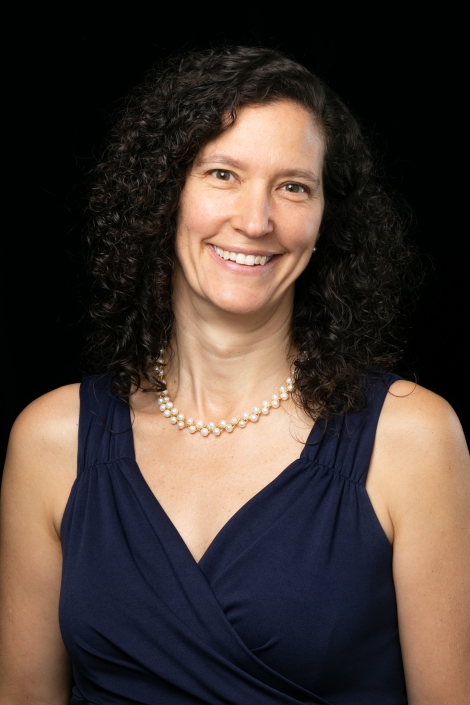
Suzanna BräuerView profile
Professor
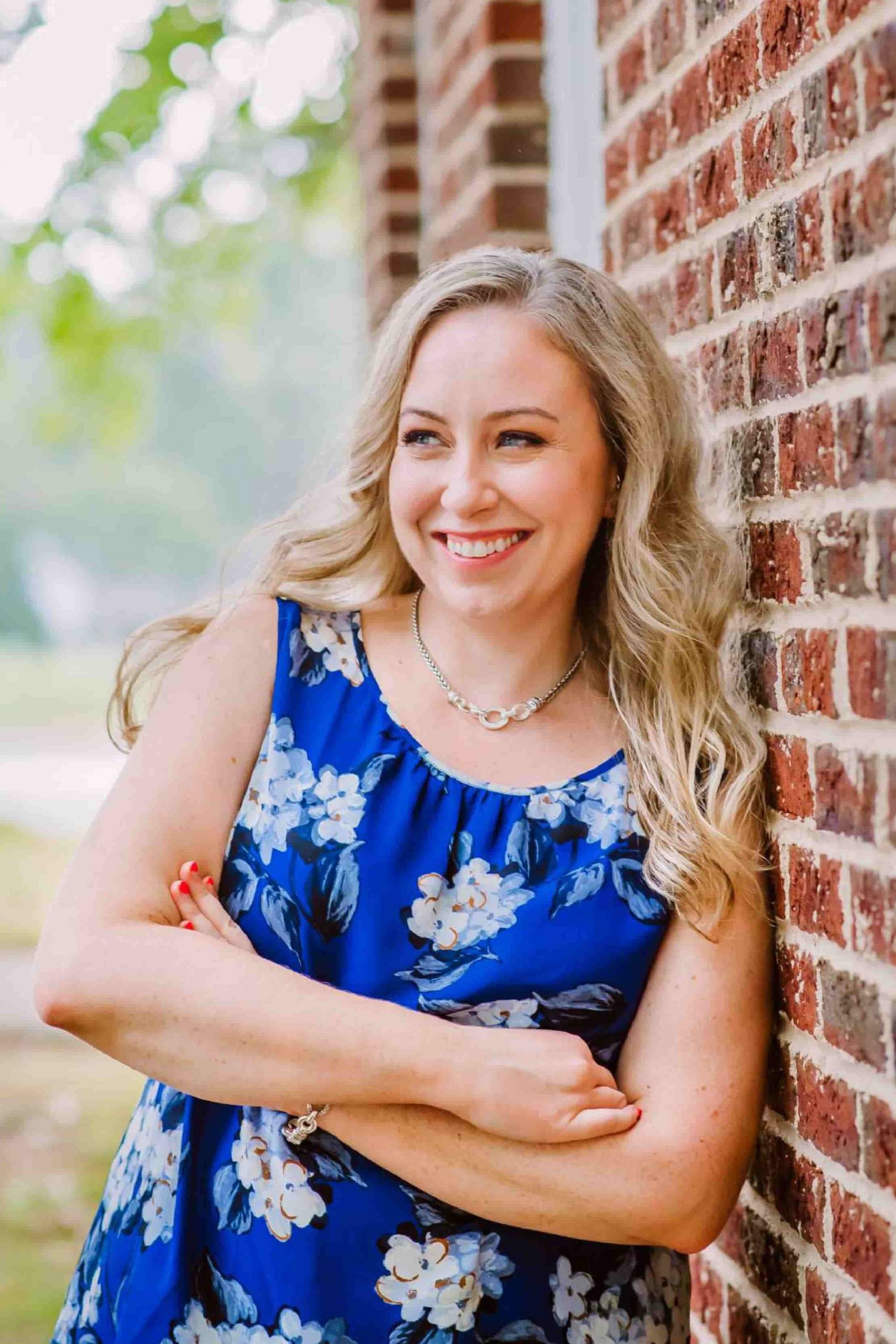
Dr. Suzanna Bräuer serves as a Professor in the Department of Biology at Appalachian State University, where she has maintained an active research and teaching position since 2008. Her work bridges microbial ecology and biogeochemistry across diverse environments including wetlands, caves, rivers, and coastal ecosystems. Her educational background includes a Ph.D. from Cornell University, where she developed foundational expertise in biogeochemical processes. This training directly informs her current research on microbial roles in elemental cycling. Bräuer's research focuses on the intersection of microbial community dynamics and biogeochemical cycling, particularly examining how microorganisms influence carbon, iron, and manganese transformations in extreme environments like deep-sea vents and cave systems. Her work integrates molecular techniques with field-based biogeochemical analysis to unravel microbial contributions to global element cycles. Recent publications (2019-2022) demonstrate a concentrated focus on peatland ecosystems, revealing how climate gradients and trace metals shape methanogenic communities and organic matter chemistry. These studies highlight methodological innovations in studying uncultured organisms and establish connections between microbial diversity and large-scale biogeochemical patterns. Her scientific recognition includes prestigious awards such as the Fulbright-Saastamoinen Foundation Award (received twice) and leadership roles in significant grants. Honors reflect both her speleological contributions and environmental science impact: Fulbright-Saastamoinen Foundation Award in Health & Environmental Science (2015, 2021) National Science Foundation MRI grant (Co-PI, 2020) Cave Conservancy Foundation Grant (PI, 2019-2022) GRAM Award and 100 Scholars Award from Appalachian State University Extraordinary Woman Leader in Speleology designation (2015) Bräuer actively contributes to academic service through departmental committees and professional organizations including the American Society for Microbiology and Society of Wetland Scientists. Her grant portfolio demonstrates sustained funding for cave microbiology and wetland biogeochemistry research, supporting both fieldwork and advanced laboratory analyses. Her professional network extends through affiliations with NSF's Center for Coastal Margin Observation and Prediction and the American Geophysical Union, facilitating interdisciplinary collaborations that examine microbial processes across aquatic and terrestrial interfaces.