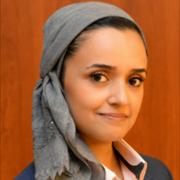
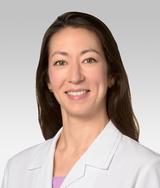
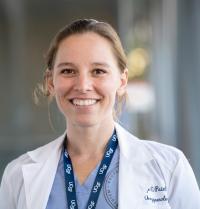
Sarah Boyd, MD is an Associate Professor specializing in Female Pelvic Medicine & Reconstructive Surgery. She focuses on optimizing patient outcomes for pelvic floor disorders through surgical and non-surgical approaches. Board-certified in Obstetrics and Gynecology (2017) and Female Pelvic Medicine & Reconstructive Surgery (2021), her expertise spans pelvic organ prolapse, urinary incontinence, and minimally invasive gynecologic procedures. Female Pelvic Medicine & Reconstructive Surgery Fellowship, Hartford Hospital (2016-2019) Obstetrics and Gynecology Residency, Christiana Care Health System (2012-2016) MD from Marshall University John C. Edwards School of Medicine (2008-2012) Her research explores adverse outcomes in pelvic reconstructive surgery, postoperative opioid consumption, catheter management, and non-surgical interventions for prolapse. She collaborates in multi-institutional research groups analyzing perioperative outcomes. Articles demonstrate trends in data-driven surgical optimization and pain management protocols. Scientific Awards: Pyrtek Research Paper Distinction Award in Clinical Research (2019)
Gokhan Kilic, MD , is a Professor in the Department of Obstetrics & Gynecology at the University of Texas Medical Branch (UTMB). He serves as Director of the Urogynecology Fellowship Program and Division Director of Gynecology, with a focus on minimally invasive and robotic surgery. Dr. Kilic holds the Endowed Faculty Chair in Obstetrics and Gynecology Honoring Alvin L. LeBlanc, MD, Harry M. Little, Jr, MD, and L Charles Powell, MD. Board Certified in Obstetrics and Gynecology Board Certified in Female Pelvic Medicine and Reconstructive Surgery Fundamental Laparoscopic Surgery Certification Dr. Kilic's research emphasizes urogynecology , pelvic floor disorders , and robotic surgical techniques . His work includes clinical studies on urinary incontinence, fall risk in older women, and innovative treatments for adenomyosis, blending laboratory research, non-human studies, and clinical trials. Recent publications highlight trends in geriatric urogynecology , robotic hysterectomy , and pharmacological interventions for pelvic health. Dr. Kilic's studies often address comorbidities in aging populations and the effectiveness of pelvic floor muscle training. Scientific Awards : Fellow of the American College of Obstetricians and Gynecologists (ACOG), Fellow of the American College of Surgeons (ACS), and Endowed Faculty Chair at UTMB. Dr. Kilic actively trains students, residents, and physicians in minimally invasive surgery. He leads research initiatives in UTMB's Obstetrics & Gynecology Department, focusing on improving pelvic health outcomes through interdisciplinary collaboration.
Alayne D. Markland, DO, MSc is a tenured Professor and holds the D. Kevin Barnes, MD and Dottie Barnes Presidential Endowed Chair in the Division of Geriatrics within the Department of Internal Medicine at the University of Utah. She serves as Executive Director of the Center on Aging and is an investigator at the Salt Lake City VA Health Care System's Geriatric Research, Educational, and Clinical Center (GRECC). Dr. Markland is nationally and internationally recognized for her expertise in lower urinary tract disorders, women's health, and aging. Dr. Markland received her D.O. from the University of North Texas Health Science Center, College of Osteopathic Medicine, a B.S. in Biology from Southwestern University, an M.Sc. in Clinical Investigation from the University of Texas Health Science Center at San Antonio, and completed her Geriatric Medicine Fellowship at the same institution. She also completed her Internal Medicine Residency at the University of California, Davis Medical Center. Her research focuses on optimizing community-based life functioning through the prevention and treatment of geriatric syndromes, with specific emphasis on lower urinary tract symptoms and incontinence. Dr. Markland's work spans population-based studies, multicenter clinical trials, and implementation studies to increase access to incontinence care using technology. She has published over 190 peer-reviewed publications with more than 10,000 citations and brings 20 years of clinical experience treating adults with lower urinary tract symptoms. Analysis of Dr. Markland's recent publications reveals a strong focus on bladder health across the lifespan, particularly women's bladder health, urinary incontinence, and the relationship between mental health and lower urinary tract symptoms. Her work increasingly incorporates mobile health technology to improve access to care and examines social determinants of health as they relate to bladder conditions. D. Kevin Barnes, MD and Dottie Barnes Presidential Endowed Chair NIA K24 Mid-career Award in Aging Research ("Research and Mentoring Program in Improving Access to Incontinence Care for Older Adults") Continual NIH and VA funding throughout her career Dr. Markland serves as Principal Investigator on multiple significant grants including a NIDDK-funded U01 grant, two NIDDK-funded R01 grants, and an implementation consortium grant from AHRQ/DHHS. She actively mentors early-stage investigators through her NIA K24 award and has served as an ad-hoc member on NIH and VA study sections. Her research program encompasses over 190 peer-reviewed publications with more than 10,000 citations according to Google Scholar. As Executive Director of the Center on Aging at the University of Utah, Dr. Markland leads interdisciplinary research initiatives focused on aging-related conditions. Her work with the Prevention of Lower Urinary Tract Symptoms (PLUS) Research Consortium represents a major collaborative effort to understand bladder health across the female lifespan. She also collaborates extensively with the Geriatric Research, Educational, and Clinical Center (GRECC) at the Salt Lake City VA, where she investigates interventions to improve care for older veterans.
Professor Paul W. Hodges is an NHMRC Leadership Fellow (Level 3) and Professor at The University of Queensland's School of Health and Rehabilitation Sciences, Faculty of Health, Medicine and Behavioural Sciences. He serves as Director of the Centre for Innovation in Pain and Health Research (CIPHeR). NHMRC Leadership Fellow (Level 3) Director, CIPHeR International Collaborator (Universities of Adelaide, South Australia) Research Focus : Integrating molecular biology, brain physiology, and human function to understand pain mechanisms and movement control. His work spans: Pain Mechanism Discrimination Neuromuscular Adaptation Pelvic Floor & Continence Low Back Pain Rehabilitation Musculoskeletal Imaging Article Trends : Recent publications demonstrate expertise in: Ultrasound Imaging for Pelvic Floor Assessment Pain Phenotyping & Biomarker Development Neuroinflammatory Mechanisms in Chronic Pain Exercise Physiology for Spine Health Sex-Based Pain Differences Scientific Awards : 5× ISSLS Prize Winner (Basic/Co-Clinical Science) 2010 Susanne Klein-Vogelbach Award 2009 Delsys Prize 2011 NHMRC Achievement Award Leadership : Chairs international task forces for IASP and ISEK. Leads NHMRC Synergy Grant with Australian/US collaborators.
Sarah Collins , MD, is an Associate Professor at the University of Chicago , specializing in Obstetrics and Gynecology-Urogynecology . She is a board-certified surgeon with expertise in diagnosing and treating pelvic floor disorders , including pelvic organ prolapse , urinary/fecal incontinence , and congenital genitourinary anomalies , prioritizing minimally invasive approaches . Education : BA in English Literature from Cornell University (1997), MS in Basic Medical Sciences (1998), MD (2003) from Wayne State University School of Medicine, Residency in Obstetrics & Gynecology (2007) at Case Western Reserve University/MetroHealth/Cleveland Clinic, and Fellowship in Female Pelvic Medicine & Reconstructive Surgery (2011) at Hartford Hospital/University of Connecticut Health Center. Her research focuses on urogynecology , reconstructive pelvic surgery , and shared decision-making tools for pelvic health. She is a federally funded researcher and holds leadership roles in national/international organizations. Her work spans minimally invasive techniques , mesh complications , urogenital microbiome , and health services research in pelvic floor disorders . Recent publications (2025–2024) emphasize pelvic organ prolapse , urinary incontinence , robotic surgery , and patient-centered care . She also collaborates on medical informatics projects and global health initiatives, including surgical missions in Rwanda to address obstetric injuries . Teaching : She mentors medical students, residents, and fellows in gynecologic surgery , combining clinical practice with educational outreach.
Richard S. Bercik, MD is a full-time Associate Professor at Yale School of Medicine in the Department of Obstetrics, Gynecology, and Reproductive Sciences. He is a member of the Section of Urogynecology and Reconstructive Pelvic Surgery within the Ob/Gyn department. Dr. Bercik serves as an expert in female pelvic floor disorders and is affiliated with Yale Medicine and Yale Ventures. Dr. Bercik obtained his medical degree from the University of Medicine and Dentistry of New Jersey (1983) and completed his Obstetrics and Gynecology residency at New York Medical Center (1987). Prior to joining Yale, he served as Director of Gynecology and Chief of Service of OB/GYN at Bellevue Hospital Center in New York City, and Co-Director of the Urogynecology/Pelvic Reconstructive Surgery service at Bellevue. Dr. Bercik specializes in female pelvic floor disorders including urinary incontinence and pelvic organ prolapse, with approximately 20 million American women experiencing loss of bladder control and about 3 million women affected by organ prolapse. His clinical expertise encompasses vaginal, laparoscopic, and abdominal reconstructive procedures for conditions including urinary incontinence, fecal incontinence, pelvic organ prolapse, and vaginal fistulae. He focuses his clinical research on advanced laparoscopic and robotic surgery, pelvic floor reconstruction, vaginal hysterectomy for the enlarged/fibroid uterus and vaginal fistulae, and continues to direct clinical research in new modalities for the treatment of pelvic organ prolapse and urinary incontinence. Dr. Bercik has published numerous articles in his field, with research spanning from molecular mechanisms of pelvic floor disorders to clinical outcomes of surgical interventions and more recently, studies examining digital health information dissemination. His work demonstrates a progression from basic science investigations of HOX genes in pelvic support structures to clinical applications and health communication research. Best Doctors in Connecticut (2020) Excellence in Surgical Teaching Award (2019) Best Doctors in Connecticut (2019) APGO Excellence in Teaching Award (2018) Best Doctors in Connecticut (2018) Dr. Bercik is actively involved in teaching and mentoring, having instructed residents and fellows in advanced gynecologic surgery throughout his career. He lectures internationally on minimally invasive approaches for stress urinary incontinence and vaginal repair surgery. As a Fellow of the American College of Obstetrics and Gynecology and Board-Certified by the American Board of Obstetrics and Gynecology in Female Pelvic Medicine and Reconstructive Surgery, he maintains active clinical practice while contributing to research advancements in his field.
Jeanne Bertuit is an Associate Professor at HESAV - Haute Ecole de Santé Vaud , Switzerland. She specializes in pelvic-perineal rehabilitation with a focus on female genital mutilation (FGM) , urinary incontinence , and pregnancy-related pelvic pain . Her work spans clinical research, systematic reviews, and international collaborations, particularly in the Democratic Republic of Congo (DRC) and Belgium . Current Projects : Investigating long-term perineal consequences of FGM in DRC (2021-2026), evaluating mobile app-based urinary incontinence treatment. Research Themes : Mixed-method studies on FGM, pelvic floor muscle training (PFMT), mobile health applications, COPD-pelvic health links, and lumbopelvic pain associations with incontinence. Publications : Over 15 peer-reviewed articles (2018-2025) on FGM, SUI, PFMT efficacy, and technological interventions in women's health. Collaborations : Partnerships with University Clinics of Kinshasa , ULB , HUG , and Professor Denis Mukwege (DRC). Extensive international co-authorships in urogynecology and physiotherapy journals. Methodologies : Systematic reviews, meta-analyses, randomized controlled trials, and qualitative-quantitative mixed designs. Focus on cross-sectional studies and phenomenological interviews. Key Findings : Demonstrated 24% UI prevalence in Africa, 28.3% UI in COPD patients, and positive impact of PFMT on non-specific low back pain. Highlighted psychological consequences of FGM, including PTSD and anxiety.
Taylor J. Brueseke, MD is an Associate Clinical Professor and Division Director of Urogynecology and Reconstructive Pelvic Surgery at the University of California, Irvine School of Medicine. He serves as Quality and Safety Officer for the Department of Obstetrics and Gynecology and Medical Director of the Center for Pelvic Health at St. Joseph’s Hospital. His clinical expertise focuses on urogynecology, pelvic reconstructive surgery, and pelvic floor disorders. Dr. Brueseke’s research explores sacral neuromodulation outcomes, infection prevention in surgical procedures, and complications of minimally invasive treatments like botulinum toxin injections. His work addresses concomitant surgery safety, opioid administration patterns in postoperative care, and membrane changes during apoptosis. He has published studies on foreign body insertion complications and surgical site infections in neuromodulation. Dr. Brueseke’s contributions span clinical practice innovations, surgical safety protocols, and translational research in pelvic health.
Ola Malabarey serves as an Associate Professor in the Department of Obstetrics & Gynecology at McMaster University, where she conducts clinical research focused on improving women's health outcomes through evidence-based practice in urogynecology and maternal-fetal medicine. Her research expertise spans pelvic floor disorders, urogenital fistulas, adolescent gynecology, and obstetric complications. She has investigated fistula management in Saudi Arabian tertiary care, pelvic size impacts on cesarean delivery, adolescent pregnancy outcomes across 37 million births, and postpartum hemorrhage in low-risk populations. This work bridges clinical practice with population health, addressing critical gaps in women's healthcare through both domestic (Canadian) and international contexts. Analysis of her 8 publications (2011-2024) reveals consistent focus on surgical innovation in pelvic repair, particularly the 2024 COMET trial protocol comparing mesh versus suture techniques for prolapse. Her scholarship demonstrates special attention to vulnerable populations including adolescent mothers and women with obstetric fistulas, with geographical diversity spanning Canada and Saudi Arabia that underscores a global perspective on women's health challenges. While specific awards and mentoring activities aren't detailed in the provided text, her work has been referenced in clinical guidelines and policy documents, indicating translational impact. Collaborative research patterns suggest active academic engagement, though grant funding details remain unreported.
Carol E Bretschneider, MD is an Associate Professor in the Department of Obstetrics and Gynecology at Northwestern University's Feinberg School of Medicine, serving as Chief of Urogynecology and Reconstructive Pelvic Surgery and Director of the Northwestern Women's Integrated Pelvic Health Clinic. She provides comprehensive care for pelvic floor disorders through surgical and non-surgical approaches. Her educational background includes: Bachelor of Arts in Anthropology from Princeton University (2004), graduating magna cum laude with a certificate in East Asian Studies Master of Science from Pace University (2006) Doctor of Medicine from the University of Virginia School of Medicine (2012) Residency in Obstetrics and Gynecology at the University of North Carolina (2016) Fellowship in Female Pelvic Medicine and Reconstructive Surgery at the Cleveland Clinic (2019) Dr. Bretschneider specializes in pelvic floor disorders including pelvic organ prolapse, urinary/fecal incontinence, and sexual dysfunction. Her clinical expertise spans vaginal, laparoscopic, and robotic surgeries, with research focused on population-based studies and patient-reported outcomes for older women with overactive bladder. She emphasizes personalized treatment strategies through deep phenotyping and evidence-based interventions. Her 2025 publications reveal strong emphasis on systematic reviews of hysterectomy impacts, deep phenotyping for lower urinary tract symptoms, and non-surgical solutions like pessary placement. These works, often through multi-center collaborations like LURN II, prioritize patient-centered outcomes and surgical innovation in urogynecology. Major recognitions include: Multiple Resident Teaching Awards from Northwestern Feinberg School of Medicine (2021-2022) AUGS/Duke Urogynecologist Clinical Research Training Program (2019) Cleveland Clinic research grants (2017-2018) Five Golden Tarheel Teaching Awards from UNC (2013-2016) American Urogynecologic Society resident awards (2014) As an active mentor in the UrogynCREST Program and editorial board member for the International Urogynecology Journal, she guides emerging researchers while securing grants through Cleveland Clinic and professional society programs. Her leadership extends to abstract review committees for the American Urogynecologic Society and Society of Gynecologic Surgeons. She directs the Northwestern Women's Integrated Pelvic Health Clinic and contributes to the Symptoms of Lower Urinary Tract Dysfunction Research Network (LURN II), driving collaborative studies on urinary urgency phenotyping and pelvic floor disorder management.
Massimo Candiani is a Full Professor at Vita-Salute San Raffaele University's Faculty of Medicine and Head of the Complex Operative Unit of Gynaecology-Obstetrics and Reproductive Medicine at IRCCS San Raffaele Hospital in Milan since 2009. He also serves as Director of the School of Specialty in Obstetrics and Gynaecology and holds leadership roles in multiple scientific societies including SEGI and ESGE. Education: MD from University of Milan (1989), specialization in Gynecology (University of Pavia, 1993), European Certificate in Gynecologic Endoscopy (University of Auvergne, 1993) Career: Senior roles at San Raffaele Hospital, San Paolo Hospital, and Mangiagalli Clinic spanning 30 years Research: Surgical innovation in gynecology, fetal surgery, and reproductive medicine His research focuses on endoscopic surgery , fetal interventions , and genital tract malformations , with recent publications spanning reproductive biology , neonatal imaging , and urogynecology . With over 300 publications, he has pioneered laparoscopic techniques in both benign and oncological gynecological surgery. Key affiliations include: President of Società di Endoscopia Ginecologica Italiana (SEGI) Executive Board member of European Society for Gynaecologic Endoscopy (ESGE) Scientific advisory roles in foundations like "Fondazione Donna e Feto"
Kjersti Rimstad serves as a Doctoral Research Fellow at the Faculty of Medicine, University of Oslo , primarily based at Akershus University Hospital (Ahus) . Her institutional affiliations include: Division of Surgery, Akershus University Hospital Obstetrics and Gynecology Research Group, Akershus University Hospital Her research concentrates on clinical urogynecology with specialized focus on: Pelvic floor dysfunction and urinary incontinence management Surgical interventions including midurethral sling procedures Minimally invasive gynecological techniques Evidence-based evaluation of surgical safety and efficacy Female pelvic reconstructive surgery outcomes Rimstad's recent publication in the International Urogynecology Journal (2024) examines shorter incontinence slings, reflecting her commitment to optimizing surgical approaches for pelvic floor disorders through rigorous clinical investigation. As a doctoral researcher, she is currently advancing her PhD studies without advisory responsibilities. No scientific awards or grant funding details were documented in the provided materials.
Caitlyn Painter, D.O., serves as an Assistant Professor specializing in Urogynecology within the Division of Minimally Invasive Surgery & Urogynecology at the University of California, San Francisco (UCSF). She provides clinical care at the Center for Minimally Invasive Gynecologic Surgery and the Center for Urogynecology and Women's Pelvic Health Clinic, addressing complex pelvic floor disorders through evidence-based surgical and non-surgical approaches. Her academic training includes: 2015: Fellowship in Female Pelvic Medicine and Reconstructive Surgery (FPMRS) at Kaiser Permanente East Bay-UCSF 2018: Residency in Obstetrics and Gynecology at Kaiser Permanente Northern California, Oakland 2014: Doctor of Osteopathic Medicine (D.O.) from Touro University College of Osteopathic Medicine 2007: B.S. in Biology from Emory University Dr. Painter's research focuses on advancing clinical management of pelvic floor dysfunction, with particular emphasis on overactive bladder pharmacotherapy, prevention of obstetric anal sphincter injuries, and comprehensive rehabilitation protocols for female genital fistula. Her work bridges clinical practice and translational research to improve surgical outcomes and quality of life for women with chronic pelvic conditions. She employs both quantitative risk modeling and qualitative assessments of patient-centered care pathways. Her publication portfolio demonstrates consistent scholarly activity in urogynecology, characterized by clinically relevant studies on bladder dysfunction interventions, childbirth injury prediction, and global health applications for fistula care. The research spans systematic reviews, clinical risk modeling, and long-term surgical outcome analyses, reflecting methodological diversity within women's pelvic health. Notable recognitions include: Award for Excellence in Female Pelvic Medicine and Reconstructive Surgery (2018) Gold Humanism Honor Society induction (2016) Best Resident Teacher Award (2016) Award for Excellence in Osteopathic Manipulative Medicine (2014) T.O.U.C.H. Gold Award (2010/2011) The Gift of Life Award (2006) While specific grant funding and student mentorship details are not publicly documented, her clinical teaching role at UCSF indicates active participation in medical education. The absence of laboratory or research team descriptions suggests primary focus on clinical research within multidisciplinary pelvic health centers rather than basic science laboratories.
Dr. Carol Ann Glowacki is a Professor at the Lewis Katz School of Medicine at Temple University and serves as Director of Urogynecology and Pelvic Reconstruction Surgery at Temple University Hospital. Her clinical practice focuses on female urology and gynecology , with a specialization in pelvic floor disorders. Education: MD from University of Iowa College of Medicine; Fellowships in Urogynecology at Harbor-UCLA Medical Center and Louisiana State University Medical Center; Residency in Obstetrics and Gynecology at University of Iowa Hospitals and Clinics Dr. Glowacki’s research and clinical interests center on urinary incontinence , pelvic organ prolapse , and pelvic floor dysfunction . Her publications and presentations address topics like biomechanical surgical techniques, fistula management, and voiding dysfunction. She emphasizes patient education and individualized treatment plans. Notable scientific awards include: Top Doctors in Urogynecology (Philadelphia magazine, 2018-2025) National Teaching Award (Council on Resident Education in Obstetrics and Gynecology, 2013) Barry Freeman Fellowship for International Health She advocates for LGBTQ patient care through Safe Zone training and participates in community outreach programs.
Simone O'Connor is a Senior Lecturer in Physiotherapy at the School of Allied Health, Exercise and Sports Sciences, Charles Sturt University (CSU). With over 15 years of clinical experience and a PhD focused on strength training for COPD, her expertise spans rehabilitation, chronic disease management, and women's health, particularly in pelvic health during pregnancy and military service. She also runs a private practice specializing in prenatal and post-natal care. Education: BPhysio(Hons), PhD Key Collaborators: Researchers from Australian Defence Force, speech pathology, and occupational therapy disciplines Her research examines self-management in chronic conditions, post-natal recovery, and pelvic health in occupational contexts. She has led interprofessional education modules in palliative care and contributed to curriculum development across physiotherapy, biomedical sciences, and rehabilitation programs. Her work frequently intersects with military medicine and women's health. Recent publications focus on urinary tract infections, pelvic organ prolapse, and interprofessional education in palliative care. She has secured grants like the Defence Health Foundation Medical Research Grant (2018) and co-received an internal CSU award for evidence-based practice education. Her collaborations include Australian Defence Force personnel and multidisciplinary health teams.