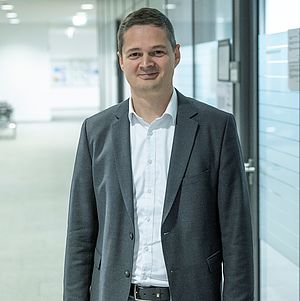
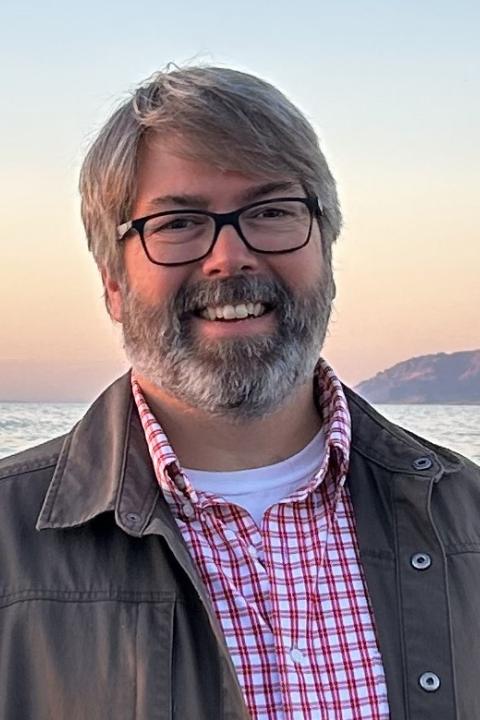
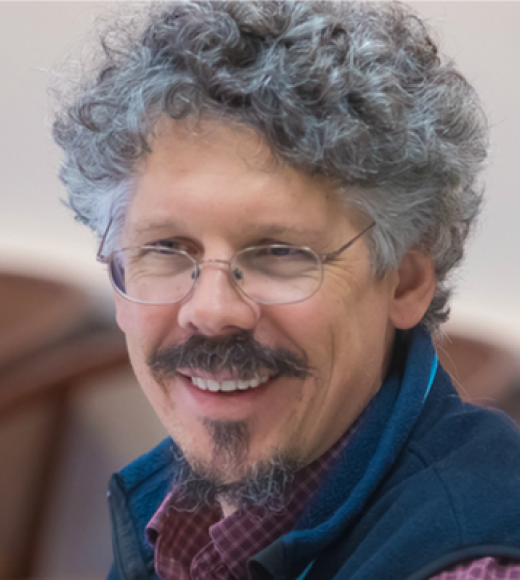
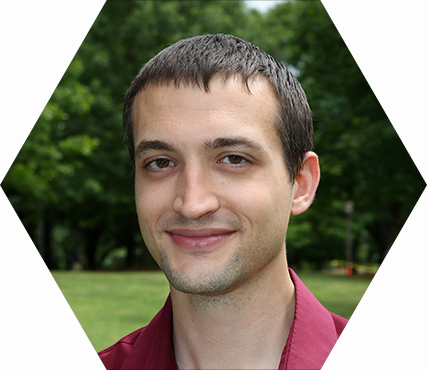
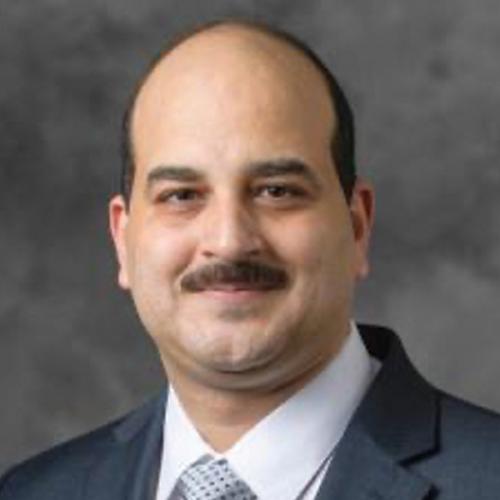
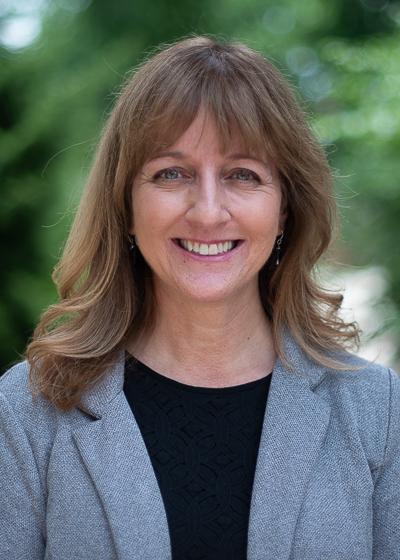
Christoph Heinzl is a Professor of Cognitive Sensor Systems at the University of Passau since September 2022. He leads the Knowledge-based Image Processing research group at the Fraunhofer Development Center X-ray Technology (EZRT) . His academic background includes a PhD in Informatics and a Habilitation in 2022 , both from TU Wien . Research Focus: Scientific visualization, visual analytics, immersive analytics, virtual/augmented reality, machine learning, and X-ray computed tomography (XCT). Key Trends: Development of novel visualization techniques for complex volumetric data (e.g., dynamic volume lines, visual coherence frameworks), parameter space analysis, and cross-virtuality collaboration tools. Applications: Aerospace component inspection, defect analysis in composites (CFRP, GFRP), porosity quantification, and 4DCT time-series exploration.
Associate Professor Stefanie Becker is a cognitive psychologist at the School of Psychology, University of Queensland , where she has been employed since 2007. Her research focuses on attention, visual search, and the relational account of attentional guidance using EEG, fMRI, and eye-tracking. She was awarded a PhD in Cognitive Psychology from the University of Bielefeld (Germany) in 2007, receiving the National German Dissertation Award. Education: PhD in Cognitive Psychology/Experimental Psychology, University of Bielefeld, Germany (2007) Research Interests: Relational account of attention (guidance by relative features such as 'reddest', 'darkest') Emotion and attention dynamics (e.g., processing of emotional faces) Inattentional blindness and awareness Visual working memory and attentional interference Neural mechanisms of visual search Article Trends: Her recent work (2023-2025) explores how relational features guide attention independently of context, the role of consciousness in emotional face capture, and interactions between attentional selection and visual working memory. Earlier studies (2016-2022) investigate EEG clustering techniques, spatial attention modulation by task-relevancy, and the balance between bottom-up and top-down processes in visual search. Scientific Awards: National German Dissertation Award (2007) UQ Postdoctoral Research Fellowship (2009-2018) Supervision: She supervises and has completed several PhD and Master’s projects on attentional templates, emotional face processing, visual working memory, and sensory substitution. Students include Aimee Martin, James D. Retell, and others. Labs/Teams: Becker leads the Centre for Perception and Cognitive Neuroscience at UQ, collaborating on interdisciplinary projects involving cognitive psychology, neuroscience, and computational methods.
Ian A. Anderson is a Postdoctoral Scholar Research Associate in Computational Neuroscience of Social Media and Emotion at the California Institute of Technology (Caltech), working under Professor Dean Mobbs. His research bridges social psychology and computational methods to investigate habitual behaviors in digital environments, with significant contributions to understanding misinformation spread and online engagement patterns. His academic credentials include: BA in Economics and Political Science from Swarthmore College (2013) MS in Management (Marketing and Consumer Psychology) from INSEAD (2019) MA (2021) and PhD in Social Psychology from the University of Southern California (2024) Anderson's research centers on psychological mechanisms underlying social media interactions, particularly how automatic processes drive online behaviors like scrolling, posting, and sharing. He examines intersections of habit formation with hate speech, conspiracy theories, identity expression, and well-being, employing mixed-method approaches including NLP, experimental designs, and advanced statistical modeling. His work reveals how habitual actions often operate independently of conscious motivation, challenging assumptions about user agency in digital spaces. Analysis of his publications shows a consistent trajectory toward understanding the neural and psychological foundations of social media habits. His PNAS-featured work demonstrates how misinformation sharing functions as automatic behavior rather than deliberate bias, while later studies explore interventions for breaking harmful digital patterns. This research program uniquely combines computational neuroscience with social psychology to address contemporary challenges in online ecosystems. Key recognitions include: Communicator of the Year 2023 (USC Dornsife College) Honorable Mention for Psych of Tech Dissertation Award 2022 Though currently in a postdoctoral role without formal advisees, Anderson actively collaborates across institutions including USC, Caltech, and the CERES Lab. His grant-funded projects investigate adolescent well-being, hate speech reporting mechanisms, and cross-platform misinformation dynamics. He maintains strong industry connections through past social media consultancy work while advancing academic research agendas. At Caltech, Anderson contributes to Professor Mobbs' research group focusing on the neuroscience of social media engagement. His collaborative network spans the CERES Lab (adolescent studies), INSEAD (marketing psychology), and interdisciplinary teams developing habit-intervention frameworks for digital well-being.
Fabrizio Falchi is a researcher at the Artificial Intelligence for Media and Humanities (AIMH) Lab of the Institute of Information Science and Technologies (ISTI) within Italy's National Research Council (CNR). He also maintains an associate position at the Biorobotics Institute of Scuola Superiore Sant'Anna. His work focuses on developing advanced multimedia retrieval systems, with the VISIONE platform being his most notable contribution, which has won international competitions including the Video Browser Showdown in 2024 and placed second in 2023. Falchi's educational background includes: Ph.D. in Information Engineering from University of Pisa (Italy) Ph.D. in Informatics from Faculty of Informatics of Masaryk University of Brno (Czech Republic) M.B.A. from Scuola Superiore Sant'Anna in Pisa His research spans deep learning, convolutional neural networks, deep features extraction, similarity search algorithms, distributed indexing systems, multimedia information retrieval, computer vision applications, and peer-to-peer systems. Falchi has made significant contributions to fine-grained visual understanding, cross-modal retrieval (particularly image-text matching), and robustness of deep learning systems against adversarial attacks. His work demonstrates a strong focus on practical applications of these technologies, particularly in video retrieval systems and safety monitoring solutions. Analysis of Falchi's recent publications reveals a strong focus on video and image retrieval systems, with the VISIONE platform being central to his work. His research shows increasing emphasis on fine-grained understanding in computer vision, cross-modal retrieval, and addressing practical challenges like cross-resolution face recognition. Recent work demonstrates innovation in making these systems more efficient through techniques like knowledge distillation (ALADIN) and leveraging virtual worlds for training data. His publications consistently bridge theoretical advances with practical applications in surveillance, safety monitoring, and multimedia search. Falchi's work has received significant recognition: Best paper award at CBMI 2024 for 'Is ClLIP the main roadblock for fine-grained open-world perception?' VISIONE 2024 won the Video Browser Showdown competition in Amsterdam VISIONE obtained second place at Video Browser Showdown 2023 in Bergen Best Paper Award for 'Learning Safety Equipment Detection using Virtual Worlds' at CBMI 2019 Falchi collaborates extensively with researchers at ISTI-CNR, particularly within the AIMH Lab. His work on VISIONE involves collaboration with Giuseppe Amato, Paolo Bolettieri, Fabio Carrara, Claudio Gennaro, Nicola Messina, Lucia Vadicamo, and Claudio Vairo. As co-chair of Ital-IA 2023, the 3rd National Conference on Artificial Intelligence, he plays an active role in the academic community. He is a member of ACM (since 2012), the Computer Vision Foundation, the Italian Association for Computer Vision Pattern Recognition and Machine Learning (CVPL), and the CINI Lab on Artificial Intelligence and Intelligent Systems. Falchi is a key member of the Artificial Intelligence for Media and Humanities (AIMH) Lab at ISTI-CNR, where he leads research on video retrieval systems. The lab has developed the award-winning VISIONE platform, which combines multiple scientific results in content-based video retrieval. His team focuses on developing systems that enable users to search for target videos using textual prompts, drawing objects and colors, or images as query examples. The lab's work demonstrates strong interdisciplinary collaboration, bridging computer science with practical applications in media, safety monitoring, and urban environments.
Joel Johnson is a Professor in the Department of Earth Sciences at the University of New Hampshire. He teaches courses in Earth History, Structural Geology, Sedimentology, Geotectonics, Geological Oceanography, and research-focused classes. With a Ph.D. in Geological Oceanography from Oregon State University and an M.S. in Structural Geology & Tectonics from the University of Illinois at Urbana-Champaign, his research spans gas hydrate systems, sedimentology, and methane cycling in marine environments. Ph.D., Geological Oceanography, Oregon State University M.S., Structural Geology & Tectonics, University of Illinois at Urbana-Champaign B.S., Geology, University of Minnesota Duluth His work examines gas hydrate dynamics in settings like Hydrate Ridge (Cascadia margin) and Svyatogor Ridge (Fram Strait), focusing on crustal processes , fluid flow mechanisms , and authigenic carbonate formation . Studies in the Gulf of Mexico and Indian continental margins analyze hydrate accumulation controls, while Arctic lake research explores methane emission temperature sensitivity and microbial influences . Collaborative projects include 3D seismic analysis , tectonic stress modeling , and monsoon-driven sedimentation in the Bay of Bengal and Andaman Sea. Recent publications highlight earthquake-enhanced carbon cycling in deep sediments (2023), primary deposition controls on gas hydrate reservoirs (2022), and crustal-scale methane systems in Arctic regions (2022). His 15 most recent articles span 2023-2014, emphasizing gas hydrate systems , methane seepage , sedimentary diagenesis , and tectonic influences on fluid flow. Subfields include authigenic carbonate formation , 3D seismic imaging , isotopic geochemistry , and late Quaternary climate reconstructions . Contact: Joel.Johnson@unh.edu
Ran Hirschl is a University Professor and David R. Cameron Distinguished Professor in Law and Politics at the University of Toronto, with prior appointments at the University of Texas, Austin, and affiliations at institutions like Harvard, NYU, and the University of Göttingen. His research bridges comparative public law, constitutionalism, and judicial review, focusing on the intersection of politics and constitutional adjudication. Education: Ph.D., Yale University (1999) M.Phil., Yale University (1996) M.A., Tel-Aviv University (1993) LL.B., Tel-Aviv University (1992) B.A., Tel-Aviv University (1989) Ran Hirschl’s research explores comparative constitutionalism , judicialization of politics , legal pluralism , and constitutional law and religion . His work has been cited in high courts and featured in media outlets like the New York Times and Le Figaro . His publications span four acclaimed books and over 100 articles, including methodological contributions to Annual Review of Political Science , International Journal of Constitutional Law , and American Journal of Comparative Law . Key themes include interdisciplinary approaches, global cities, and the evolution of constitutional adjudication. Honors include: Stein Rokkan Prize (2021) APSA Lasting Contribution Award (2021) Killam Research Fellowship (2012-2014) Alexander von Humboldt International Research Award (2016) Max Planck Fellow (2018) He served as Co-President of the International Society of Public Law (2015-2018) and co-editor of the Cambridge University Press Comparative Constitutional Law & Policy series. He has delivered lectures at Oxford, Harvard, and the University of Sydney, among others.
Dr. Yves Boubenec is an Associate Professor at École Normale Supérieure (ENS)-PSL University, Paris, France. He serves as Head of the LSP Neuro Platform and Director of Studies at the Department of Cognitive Studies. Academic Rank: Associate Professor Institution: ENS-PSL Departments: Cognitive Studies (ENS), LSP Neuro Platform Email: yves.boubenec@ens.psl.eu Research Focus: Boubenec investigates neural mechanisms of auditory perception and cognition using integrated methodologies spanning single-neuron electrophysiology to large-scale neuroimaging. His work reveals how context, learning, and multisensory interactions shape sound encoding in mammalian neocortex. Primary Research Themes Context-dependent auditory encoding Perceptual attention mechanisms Task-driven neural plasticity Self-supervised learning models Population-level cortical dynamics Human/ferret auditory comparisons Publication Trends: Recent work (2024-2025) examines speech production networks, premotor auditory categorization, and algebraic structures in sound learning. Earlier studies (2018-2022) focus on population gating, hierarchical auditory coding, and self-voice mechanisms. 2025 Self-voice frequency analysis Hierarchical ferret auditory cortex mapping Temporal window constraints 2024 Premotor category hemodynamics Self-supervised sound structures Human speech cortical encoding Methodological Expertise: Combines awake ferret functional UltraSound, Neuropixels recordings, and computational modeling to analyze neural representations across spatial scales. Specializes in translating animal model findings to human auditory processes.
Petr Janata is a Professor in the Department of Psychology at the University of California, Davis, and a faculty member at the UC Davis Center for Mind and Brain. His research centers on cognitive neuroscience of music, investigating neural mechanisms underlying music-evoked autobiographical memories and the experience of "groove." He serves on the Board of the Society for Music Perception and Cognition and co-founded the UC Music Experience Research Community Initiative (UC MERCI). Janata's educational background includes: Ph.D. in Biology (Neuroscience) from the University of Oregon (1996) B.A. in Interdisciplinary Studies (Biology/Psychology) from Reed College (1990) His research employs behavioral experiments, fMRI, EEG, and computational modeling to explore how music engages memory, emotion, and sensorimotor systems. Key projects examine music-evoked remembering, the psychology of groove, auditory attention mechanisms, and timbre-emotion links. His work reveals how music activates domain-general brain networks for expectation, memory, and emotional processing. Recent publications (2018-2025) show increasing focus on cross-cultural emotional responses to music, neural correlates of nostalgia, mental replay mechanisms, and clinical applications of music cognition. His lab develops innovative paradigms like the Groove Enhancement Machine (GEM) to manipulate sensorimotor synchronization while measuring subjective enjoyment. Janata's scientific recognition includes: Guggenheim Fellowship (2010) Dual Fulbright Fellowships (1990-91, 2010-11) Music Has Power Award from the Institute of Music and Neurological Function (2010) He has delivered over 100 invited lectures globally and served as scientific advisor to Coro Health LLC before founding Meamer, Inc. in 2017 to connect people through memories and music. His translational work bridges basic cognitive neuroscience with real-world applications in health and technology. The Janata Lab at UC Davis integrates neuroimaging, behavioral testing, and computational modeling to advance understanding of music cognition. Current projects explore lifespan neural changes in music processing, adaptive virtual partners for synchronization studies, and sonification systems for physiological monitoring.
Professor Efpraxia D. Zamani is a Full Professor of Information Systems at Durham University Business School, previously serving as Senior Lecturer at the University of Sheffield's Information School. Her research examines the organizational and social dimensions of Information Systems, with particular emphasis on digital poverty, emerging technologies, and workplace implications. Her research focuses on three interconnected domains: Digital poverty and inequalities (examining access disparities and policy impacts), Making sense of emerging technologies (analyzing adoption and resistance patterns), and Information Systems in the workplace (investigating hybrid work dynamics and gendered experiences). Zamani employs critical and qualitative methodologies to uncover how technological transformations affect marginalized groups and organizational practices. Analysis of her 15 most recent publications (2023-2025) reveals consistent engagement with societal challenges through an Information Systems lens. Her work spans digital governance, healthcare technology, crowdwork platforms, and AI ethics, predominantly published in top-tier journals like Information Systems Journal and Journal of Information Technology . A distinctive pattern is her focus on vulnerable populations—including informal caregivers, women in developing economies, and older adults—within technology adoption contexts. Key recognitions include: AIS Sandra Slaughter Service Award (2024) AIS Distinguished Member - Cum Laude (2025) Best Paper Award at ICIS 2013 Runner Up for SIG GTM Best Paper Award (2021) She supervises PhD candidates including Myrto Dimitriou and Sohee Kim while leading significant research initiatives. Current projects feature the Marie Skłodowska-Curie Actions Doctoral Network AGORA (funded by UKRI EPSRC) for Metaverse research training. Completed work includes British Academy-funded studies on digital inclusion in Derbyshire and Research England projects addressing digital poverty in South Yorkshire. Her grant portfolio demonstrates strong alignment with societal impact through technology. Zamani actively contributes to academic communities as co-chair of the AIS Women's Network College and Vice President of the UK Academy for Information Systems, while maintaining editorial roles at Information Systems Journal and Information Technology & People .
Aaron Young is an Associate Professor in the Woodruff School of Mechanical Engineering at Georgia Institute of Technology and a program faculty member in the Biomedical Engineering School. He serves as Director of the Exoskeleton and Prosthetic Intelligent Controls (EPIC) Lab, focusing on robotic human augmentation through advanced control systems for prosthetics and exoskeletons. Education: Postdoctoral Fellow, University of Michigan (2014-2016) Ph.D., Northwestern University (2014) M.S., Northwestern University (2011) B.S., Purdue University (2009) Dr. Young's research addresses clinically viable control systems for wearable robotic devices, emphasizing intent recognition , EMG signal processing , and machine learning integration. His work targets mobility impairments from stroke, amputation, cerebral palsy, and neurological injuries, aiming to reduce metabolic costs, restore natural biomechanics, and enhance community ambulation. Key innovations include data-driven control frameworks , biomechanical terrain adaptation , and anthropometry-based personalization . His recent publications highlight advancements in deep learning for real-time biomechanics , EMG-informed joint estimation , and adaptive assistance systems . The EPIC Lab's facilities feature a terrain park with force plates , motion capture systems , and HumoTech simulation platforms for device testing. Scientific Awards: New Faces of Engineering (IEEE USA, 2017) Military Health System Team Award (2015) NSF Graduate Fellowship (2010) NDSEG Fellowship (2010) IEEE EMBC 3rd Place (2013) Projects include NSF-funded hip exoskeletons for stroke survivors, DoD-powered prostheses for amputees, and Pediatric knee exoskeletons for cerebral palsy. The lab cultivates interdisciplinary expertise in robotics , biomedical engineering , and human-machine interaction .
Katie Kedward is a Senior Research Fellow at the University College London Institute for Innovation and Public Purpose (IIPP), specializing in sustainable finance and ecological economics. With prior experience in capital markets at Royal Bank of Canada and green banking at ShareAction, she combines post-Keynesian, political economy, and ecological economics perspectives in her research. Her work focuses on aligning financial systems with environmental goals, particularly addressing biodiversity loss and climate change. Education: MSc in Ecological Economics (University of Leeds, 2019), BA in Economics (University of Cambridge, First Class) Advisory Roles: Member of Positive Money UK’s advisory panel Collaborations: Network for Greening the Financial System (NGFS), Dasgupta Review Katie’s research examines financial stability risks from biodiversity loss, green credit policy reforms, and systemic uncertainty in climate-related financial regulation. Her work has been cited by central banks (Banque de France, Bank Negara Malaysia) and featured in major outlets like The Guardian and BBC News. Recent publications focus on nature-economy modeling, biodiversity financing gaps, and financial policy coordination for climate action. She advocates for increased public investment as a complement to private finance in achieving conservation goals. Scientific Awards Sally Macgill Memorial Prize for Best Masters Thesis (2019) Katie contributes to policy discussions through publications in FT Sustainable Views, LSE Business Review, and Nature Ecology & Evolution. She actively reviews for journals including New Political Economy and Conservation Letters.
Dr. Francine Laden is a renowned Professor of Environmental Epidemiology at the Harvard T.H. Chan School of Public Health , where she serves as Associate Chair of the Department of Environmental Health and Director of the NIH/NIEHS T32 Training Program in Environmental Epidemiology. She concurrently holds the title of Associate Professor of Medicine at Harvard Medical School and Brigham & Women’s Hospital. Her research program bridges environmental exposures with chronic disease epidemiology. ScD in Epidemiology and MS in Environmental Health from Harvard T.H. Chan School of Public Health Past President of the International Society of Environmental Epidemiology Former member of the EPA Science Advisory Board Dr. Laden's research focuses on environmental determinants of chronic diseases , including cancer, cardiovascular conditions, and respiratory illnesses. Her work systematically examines air pollution (ambient and occupational), persistent organic pollutants, secondhand smoke, temperature variations, and built/green environments using geographic information systems and large cohort studies such as the Nurses’ Health Study series and Health Professional Follow-Up Study. Recent publications demonstrate her expertise in environmental mixture effects on health outcomes, including air pollution and diabetes, greenspace and mental health, and noise exposure and hypertension. Her methodological innovations span digital phenotyping , spatial analysis , and multi-exposure modeling across life stages. 2023 John Goldsmith Award 2022 Marianne Wessling-Resnick Mentoring Award 2019 John A. Rock Scholar honorarium 2011 Alice Hamilton Lectureship As principal investigator on multiple NIH grants, Dr. Laden leads studies on environmental and social determinants of mammographic features , early-life exposure impacts on hypertension , and multi-stressor health disparities . She mentors through the T32 training program and collaborates across institutions on cardiovascular and ecological health research initiatives.
Dr. Emad Elwakil is a Professor and Associate Head for Graduate Programs and Research at the Purdue Polytechnic Institute, Purdue University. He is a certified Professional Engineer (PE), Certified Cost Professional (CCP), and Project Management Professional (PMP) with extensive experience in infrastructure management, construction management, and organizational performance assessment. Education: Ph.D. in Construction Engineering and Management/Building Engineering, Concordia University, Montreal, Canada M.Sc. in Construction Engineering and Management/Civil Engineering B.Sc. in Civil Engineering Dr. Elwakil's research focuses on Infrastructure/Asset Management, Simulation and Modeling, Risk Management, Construction Management, Disaster Restoration & Reconstruction Management, and Water Infrastructure Management. His work integrates advanced computational methods like fuzzy logic, machine learning, and stochastic modeling to address complex challenges in construction and infrastructure systems. He has made significant contributions to understanding organizational performance in construction, water infrastructure management, and post-disaster recovery processes. His publications reveal a strong trend toward applying artificial intelligence and advanced modeling techniques to infrastructure management problems, particularly in water distribution systems, bridge and tunnel condition assessment, and disaster recovery housing. There's a clear progression from theoretical models to practical applications that address real-world infrastructure challenges with increasing sophistication in methodology. Scientific Awards: 2021 Purdue University Faculty Scholar 2019 Purdue University Seed of Success Award 2018 Purdue University ProSTAR's Featured Faculty Member 2018 Purdue Polytechnic Institute Exceptional Early Career for Outstanding Undergraduate Teaching Award 2018 The School of Construction Management Outstanding Faculty Awards (Discovery and Learning) 2017 The School of Construction Management Exceptional Early Career Teaching Award 2014 The School of Construction Management Outstanding Faculty in Discovery Award Dr. Elwakil has demonstrated exceptional mentorship, having chaired or co-chaired 7 PhD students and 28 thesis and non-thesis MSc students while serving on 11 additional graduate committees. His grant success is substantial, with nearly $1 million secured as sole principal investigator and $14.7 million as principal investigator with collaborators, demonstrating his ability to secure significant research funding for complex infrastructure projects. As Associate Editor for two ASCE journals and active reviewer for multiple prominent engineering journals, Dr. Elwakil plays a significant role in advancing scholarship in civil engineering and construction management. His industry experience with USAID projects, Caltrans, and Infrastructure Canada provides valuable practical context for his academic work.
Yvette Richardson is a Professor in the Department of Meteorology and Atmospheric Science and Senior Associate Dean for Undergraduate Education at Penn State University's College of Earth and Mineral Sciences. Her research focuses on severe convective storms, with particular emphasis on tornadogenesis, storm rotation, and numerical modeling of supercell dynamics. Ph.D. in Meteorology from the University of Oklahoma Dr. Richardson investigates severe weather phenomena through both observational studies using mobile radars and numerical simulations. Key research areas include environmental shear effects on storm strength, cold pool dynamics, convective initiation processes, and thermodynamic observations in supercell thunderstorms. Her work has been integral to major field campaigns such as VORTEX2 and the International H20 Project (IHOP). Her recent research publications examine microphysics parameterization sensitivity in supercell models, thermodynamic observations via balloon-borne sensors, and environmental controls on storm-scale vorticity development. The studies span topics from tornadic supercell dynamics to hail scattering mechanisms and warning verification frameworks.
Dr. Elisa Pellegrino is a senior Post-Doc in Phonetics at the Department of Computational Linguistics , affiliated with Zeppelin University and the Digital Society Initiative of the University of Zurich . Her research focuses on voice individualization, vocal accommodation, and the role of speaker-specific information in speech temporal variability. Role: Senior Post-Doc in Phonetics University: Zeppelin University School: Faculty of Arts and Social Sciences Department: Department of Computational Linguistics Email: elisa.pellegrino@uzh.ch Research Interests: Prosody and speech rhythm in native and second language acquisition Vocal accommodation in cross-dialectal interactions Speaker individuality and forensic phonetics Age-related speech temporal variability Speech disorders and Parkinson’s disease Applications of speech technology in linguistics and education