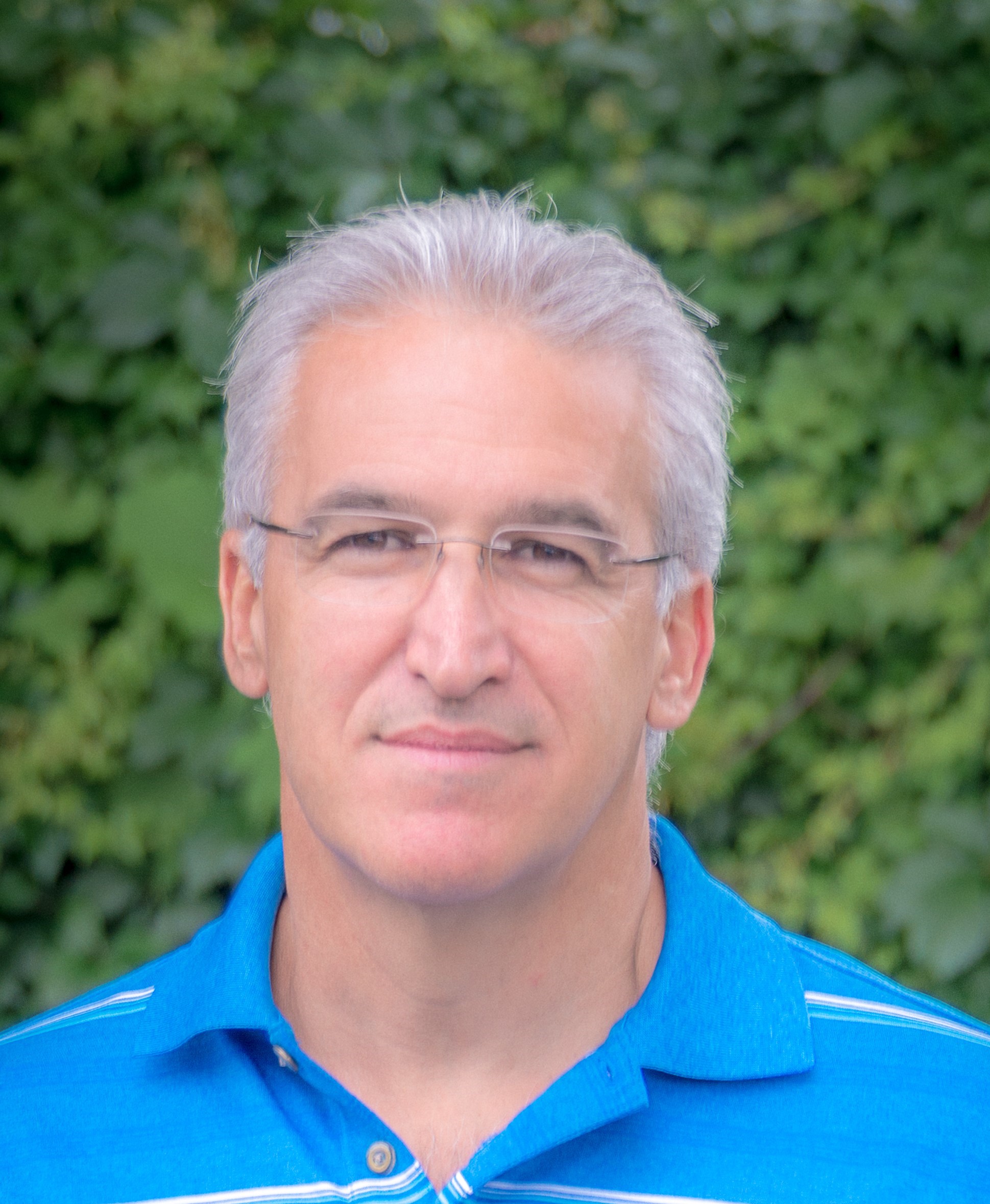
Raoul Daoust is a full-time Professor at the Department of Family Medicine and Emergency Medicine , University of Montreal , and an Emergency Physician at Hôpital du Sacré-Cœur de Montréal . His research focuses on optimal acute pain evaluation, chronic pain risk factors, and geriatric care in emergency settings. Education : MD and MSc in Biomedical Sciences/Clinical Research from University of Montreal Research Interests : Dr. Daoust specializes in acute pain management , opioid prescribing patterns , and delirium in older patients . He investigates how pre-event quality of life predicts chronic pain development and evaluates interventions to reduce unused opioid medications. Article Trends : Recent publications analyze opioid consumption reduction , acute-to-chronic pain transitions , opioid misuse , and trauma recovery in seniors. His work spans emergency medicine , geriatrics , and public health domains. Scientific Awards : DMFMU Claude Beaudoin Prize (2020) for opioid use study in Academic Emergency Medicine Prix d’excellence en enseignement (2011-2012) at University of Montreal Grants & Collaborations : Received CIHR and FRQS funding for studies on opioid reduction , delirium , and trauma recovery . Collaborates with teams at CIUSSS Nord-de-l’île-de-Montréal and RQRD .
Richard Sabel serves as a Clinical Assistant Professor (Part Time) in the Occupational Therapy department at SUNY Downstate Health Sciences University's School of Health Professions. He integrates occupational therapy with Eastern traditions (Yoga, Tai Chi, meditation) and Western methods (Feldenkrais) to enhance clients' occupational performance across diverse medical, neurological, and psychosocial challenges. His academic credentials include: Master of Arts in Occupational Therapy (New York University) Master of Public Health in Community Health Practice (University of Texas School of Public Health) Bachelor of Arts in Psychology (SUNY Stony Brook) He also holds advanced certifications as a Guild Certified Feldenkrais Practitioner (2006) and training in specialized assessment tools including A-ONE and AMPS. Professor Sabel's research centers on fall prevention, movement disorder rehabilitation, pelvic floor dysfunction, and chronic pain management in geriatric populations. He develops experiential movement curricula that translate kinesiology concepts into embodied learning for students, while his clinical work bridges mindfulness, breath work, and functional movement strategies to address real-world occupational challenges through community-based programs. His publication history reveals a consistent trajectory in geriatric and pelvic health interventions, evolving from foundational mind-body approaches (2004-2008) toward contemporary telehealth applications for urinary incontinence and fall prevention (2021-2022), demonstrating adaptability to emerging clinical needs while maintaining core integrative principles. His honors include: Honorary Membership Award (NYSOTA, 2022) President’s Award (NYSOTA, 2021) Merrit Awards for Service (2020) and Practice (2018) Dr. Donald Schert Faculty Excellence Award (2017) Abreu Award (2007) and multiple Certificates of Recognition While actively engaged in clinical practice through community programs for fall prevention, pelvic health, and pain management, Professor Sabel's public record lacks specific grant funding disclosures or formal student advising documentation beyond his instructional role in occupational therapy education. He leads experiential movement initiatives and community health programs that operationalize his integrative philosophy, particularly through mindfulness-based group interventions targeting geriatric populations and interdisciplinary collaborations in community health settings.
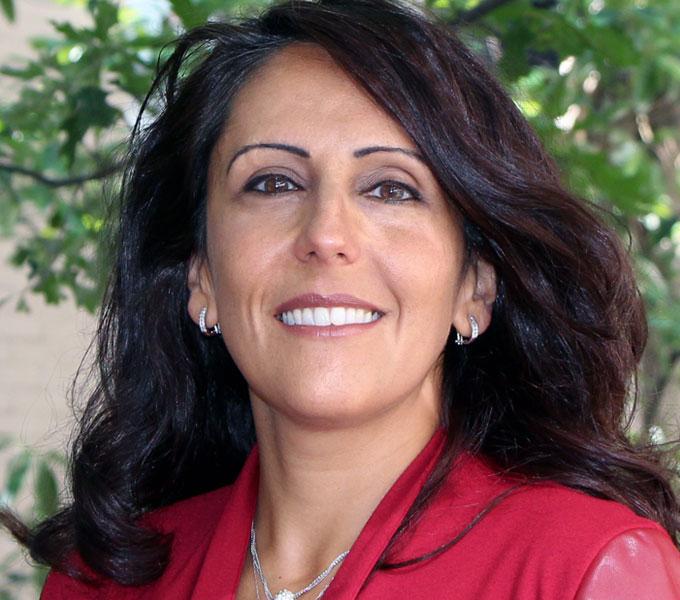
Dr. Katherine Prybys serves as Assistant Professor in the Department of Emergency Medicine at the University of Maryland School of Medicine, a position held since 1996. She concurrently functions as Consulting Medical Toxicologist, delivering clinical and teaching services at Mercy Medical Center while providing toxicology consultation for the Maryland Poison Center and University of Maryland Medical Center. Her educational trajectory includes: Seton Hall University, Bachelor of Sciences, 1986 Des Moines University, Doctor of Osteopathy, 1990 Sacred Heart Medical Center, Chester, Pennsylvania, Internship, 1991 Allegheny General Hospital, Pittsburgh, Pennsylvania, Emergency Medicine Residency, 1994 University of Cincinnati Medical Center, Cincinnati, OH, Medical Toxicology Fellowship, 1996 Dual board-certified in Emergency Medicine and Medical Toxicology, Dr. Prybys specializes in Adverse Drug Interactions, polypharmacy, and Inhalant Abuse. Her research bridges toxicological science with emergency clinical practice, particularly addressing medication complexities in vulnerable populations and substance-related emergencies through evidence-based protocols. Publication analysis from 2001-2015 reveals consistent focus on toxicology applications in emergency settings, with recurring themes of drug interaction mechanisms, geriatric polypharmacy management, and hallucinogen/ethanol toxicity. Her contributions predominantly appear in authoritative emergency medicine references, emphasizing practical clinical translation of toxicology knowledge. Through the Maryland Poison Center and University of Maryland Medical Center collaborations, Dr. Prybys integrates academic scholarship with frontline toxicology consultation, maintaining active roles in both medical education at Mercy Medical Center and public health-oriented poison control services.
Kirrilly Thompson is an Associate Professor at CQUniversity Australia’s Appleton Institute and a Senior Research Fellow with the National Centre for Education and Training on Addiction (NCETA). She specializes in applied ethnographic and mixed-methods research across human-animal interactions, risk perception, and cultural dimensions of safety. PhD in Cultural Anthropology, University of Adelaide (2007) Current roles: Vice President, Horse Federation of South Australia; National Participation Manager, Pony Club Australia Her research spans equestrian sports, natural disaster preparedness, academic leadership, and socio-cultural aspects of animal welfare. Articles highlight her work on whip-free racing efficacy and gender dynamics in Olympic equestrian events. 2020 study in Animals showed whip use doesn’t improve race outcomes 2016 analysis of gender segregation in eventing vs dressage 2016 risk assessment of horse riding fatalities vs other dangers Scientific recognition includes: ARC DECRA Fellowship (2013) ABC Radio National’s Top 5 Scientists Under 40 (2015) CQUni Vice Chancellor’s Award (2015) She has published over 100 peer-reviewed works, including co-authoring (Un)Stable Relations (Routledge, 2018) and two edited volumes on equestrian cultures. Her expertise informs public discourse via The Conversation and policy development in animal welfare and disaster management.
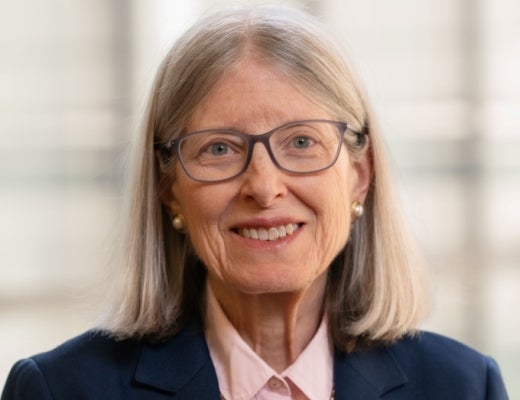
Caterina Rosano, MD, MPH, is a Professor of Epidemiology at the University of Pittsburgh School of Public Health, serving as Director of the MD/PhD Program in Epidemiology and Associate Director for Clinical Translation at the Aging Institute. Her research focuses on Population Neuroscience of Aging, investigating neurobiological drivers of resilience in healthy aging through advanced neuroimaging and epidemiological methods. Education: BS, Scientific Lycee B. Croce, Palermo, Italy (1989) MD, University of Palermo Medical School, Palermo, Italy (1995) Internship in Internal Medicine & Emergency Medicine, Policlinico, University of Palermo (1996) Mini Residency in Neurology, Alzheimer's Disease Research Center, UPMC (2002) MPH in Epidemiology, University of Pittsburgh School of Public Health (2003) Trainee, Epidemiology of Aging Training Program (2004) Trainee, Mentor Training Program (2010) Research Focus: Dr. Rosano pioneers the integration of neuroscience and population science to understand why some individuals age better than others. Her work reveals that microstructural brain integrity, small vessel health, and dopaminergic signaling are critical resilience factors. She demonstrates that modifiable elements like stable blood pressure and low inflammation preserve brain function, with implications for interventions targeting accelerated brain aging in conditions like diabetes. Her eBRAIN research group applies advanced MRI techniques to virtually dissect brain networks in diverse aging populations. Publication Trends: Her 2021-2022 research spans neuroimaging of aging, mobility, and health disparities. Key themes include genetic influences on gait (COMT polymorphism), vascular contributions to Parkinsonism, olfactory system changes in aging, and Alzheimer's disease disparities in minority women. Her work consistently bridges clinical neuroscience with population health, emphasizing modifiable resilience factors. Mentorship & Leadership: Dr. Rosano actively mentors trainees including postdoctoral scholar Meredith Phillips (who advocated for NIH funding at Capitol Hill 2025), PhD candidate Kailyn Witonsky, and conference-presenting students Alex Reese and Alejandra Ramirez-Tirado. She leads the eBRAIN group coordinating neuroepidemiological studies on brain resilience, recently participating in the Vanscoy Winter Academy 2025 to discuss healthy aging strategies.
Dr. Elizabeth A. Schlenk is an Associate Professor and Associate Dean for Graduate Clinical Education at the University of Pittsburgh School of Nursing, specializing in the Health & Community Systems department. With over 30 years of experience in research, grant funding, and interdisciplinary investigative teams, she focuses on behavioral science to promote healthy lifestyle behavior changes and adherence to treatment regimens in adults with chronic disorders, particularly older adults with conditions like osteoarthritis and hypertension. Dr. Schlenk earned her PhD in Nursing following a Master's degree focused on adult health, establishing her foundation in gerontology and chronic disease management. Her scholarly work centers on physical activity promotion, treatment adherence, mHealth technology applications, quality improvement, rheumatology, and cardiovascular risk management. She has pioneered self-efficacy-based interventions incorporating innovative technologies including smartphone e-diaries, electronic accelerometers, and digital pedometers for outcome assessment and intervention support. Her recent publications demonstrate sustained focus on chronic disease management in geriatric populations, spanning rheumatology, cardiovascular health, diabetes management, and medication adherence. A notable trend is her increasing collaboration with international researchers, particularly from Korea, adapting measurement tools for different cultural contexts while maintaining methodological rigor through psychometric validation studies and research quality guidelines. Fellow of the American Academy of Nursing (FAAN) As a Senior Mentoring Faculty and Internal Advisory Board member on the School of Nursing training grant (T32 NR008857), Dr. Schlenk has guided numerous junior researchers. Her principal investigator roles include a clinical trial (R01 NR010904) for adults with osteoarthritis and hypertension, and a self-efficacy based physical activity intervention pilot (K01 NR008121). She has secured over $3 million in grant funding throughout her career. Dr. Schlenk serves as Associate Director of the Aging and Gerontological Nursing Research Hub and as site principal investigator for the Teaching Nursing Home Collaborative funded by the Jewish Healthcare Foundation. Her interdisciplinary research teams include physicians, statisticians, and technology specialists developing evidence-based interventions for chronic disease management across diverse populations.
Emmanuel Salifu is an Assistant Professor of Bio-geotechnical Engineering at Arizona State University's School of Sustainable Engineering and the Built Environment within the Ira A. Fulton Schools of Engineering. He also holds the position of Senior Global Futures Scientist. His interdisciplinary work bridges geotechnical, agricultural, biological, and environmental engineering with biotechnology to develop nature-based solutions for global challenges. Education: PhD Civil and Environmental Engineering, University of Strathclyde, Glasgow, UK (2019) PhD Structural, Geotechnical, and Seismic Risk Engineering, University of Naples Federico II, Napoli, Italy (2019) PGCert Researcher Professional Development, University of Strathclyde, Glasgow, UK (2019) MSc Environmental Engineering (Distinction), University of Strathclyde, Glasgow, UK (2014) BEng Agricultural and Environmental Engineering (First Class Hons), University of Agriculture Makurdi, Nigeria (2009) Salifu's research focuses on applying interdisciplinary engineering perspectives to develop climate-resilient nature-based solutions for food security, contaminant remediation, ecological restoration, soil erosion mitigation, and decarbonization of the built environment. His work centers on soil improvement through environmental geotechnics and biogeotechnics, including microbial and macrofungi-mediated approaches, enzyme applications, and biochemicals. He investigates mycoremediation of contaminated lands and soil/water management for agriculture, with additional interests in land sustainability, circular economy principles, environmental impact analysis, and life cycle assessment. His recent publications reveal a strong trend toward fungal-based soil stabilization technologies, with emphasis on mycelium networks for erosion control and dust mitigation. His work spans fundamental research on fungal growth in various soil conditions to applied studies on engineered living materials for environmental challenges, particularly in arid and degraded landscapes. The research demonstrates increasing interdisciplinary collaboration across environmental science, microbiology, and civil engineering. Scientific Awards: Mistletoe Research Fellowship (2022-2023) ICT Award for Best Paper at YRF-V (2021) Best Research Pitch Award at SILBERSALZ Festival (2020) 1st Place Winner at Falling Walls Lab –MSCA (2019) DLCS Prize for best MSc Environmental Engineering student (2014) University Prize for Overall Best Graduating Student (2010) Salifu has secured significant research funding as both Principal and Co-Investigator, including projects with the Department of Defense's Environmental Security Technology Certification Program, UKRI Engineering and Physical Sciences Research Council, Arizona Department of Environmental Quality, and Salt River Project. His Salifu Lab at ASU focuses on bio-mediated and bio-inspired engineering applications, particularly using plants, microbes, fungi, and their biochemical derivatives for sustainable infrastructure solutions. The lab integrates digital twin modeling with environmental assessment methodologies to support climate adaptation strategies and sustainable land management policies.
Paula Savolainen serves as a Lecturer in Business, Entrepreneurship and Marketing at Turku University of Applied Sciences, based at the Kupittaa Campus. Her position falls under the Business education program within the university's structure. Her research centers on Customer Behavior , Entrepreneurship , and Value Creation , with significant contributions to Software Project Management . She investigates critical dynamics in customer-supplier relationships, project initiation challenges, and failure factors in software development, particularly emphasizing the supplier's perspective during early project phases. Analysis of her publication timeline (2020-2008) reveals persistent focus on project start-up practices, knowledge transfer obstacles, and contractual influences on project outcomes. Her work bridges business management and software engineering, highlighting how vague project starts, manager transitions, and misaligned expectations critically impact project success. No scientific awards were documented in the provided materials. Available information contains no details regarding student advising activities or research grant acquisitions. She actively participates in research groups dedicated to Customer Behavior and Entrepreneurship and Value Creation, driving collaborative investigations in these domains.
Hans Hobbelen serves as Professor (Lector) at Hanze University of Applied Sciences in Groningen, Netherlands, where he leads the Centre of Expertise Healthy Ageing and specializes in Healthy Aging, Allied Health Care and Nursing. His international leadership includes presidency of IPTOP (International association of Physical Therapists working with Older People), a subgroup of the World Confederation of Physical Therapists. His research focuses on geriatric care complexities, particularly dementia-related motor disorders (paratonia), frailty assessment through gait analysis, health literacy adaptations in physiotherapy, and oral health implementation in long-term care. He develops practical clinical tools like the Safe Use of Mobility Aid Checklist (SUMAC) and Com-In-Action communication framework, emphasizing real-world application in community and institutional settings for vulnerable older populations. Recent publications (2025) reveal three dominant trends: systematic reviews on oral health implementation strategies, qualitative explorations of subjective frailty experiences, and capability frameworks for dementia care. His work consistently bridges clinical practice and research through tools for health literacy adaptation, mobility assessment, and interdisciplinary care protocols. World Physiotherapy International Service Award (2023) Hobbelen directs major research initiatives including PRODEM (Practical Research for People with Dementia) and the international Move in Age consortium, securing €2.1M+ in funding since 2018. His supervision spans doctoral candidates in geriatric rehabilitation, with current projects addressing palliative pain management, aphasia rehabilitation, and sarcopenia-dementia intersections. Grant portfolios emphasize implementation science and interdisciplinary collaboration across nursing, physiotherapy, and geriatrics. He co-leads the Move in Age international research group and directs Hanze's Centre of Expertise Healthy Ageing. His IPTOP presidency shapes global physiotherapy standards for older adults, while national roles include board membership in the Dutch Association for Geriatric Physiotherapy (NVFG). Current initiatives focus on translating research into clinical masterclasses on paratonia management and dementia care protocols used across European healthcare systems.
Michael Fontaine is a Professor of Classics at Cornell University, where he teaches courses on Ancient Rome, the Art of Humor, Greek Mythology, Wine Culture, and Latin literature across all time periods. He serves as a Faculty Associate at the Institute for European Studies and will become Director of Cornell's Program on Freedom and Free Societies in Fall 2025, succeeding colleague Barry Strauss. His academic background spans Greek and Latin literature, Ancient Roman and Greek society, and the Renaissance. Fontaine has a particular interest in the effective use of humor in diplomacy, willpower, free speech, and wine culture. Fontaine's research focuses on several interconnected areas: Ancient humor and its application in modern contexts, especially in diplomacy and the workplace Classical perspectives on willpower, self-control, and moral decision-making Free speech and intellectual freedom through ancient philosophical lenses The cultural significance of wine in ancient societies Mental distress and emotional healing as addressed in classical literature Renaissance reception of classical texts His publications reveal a consistent pattern of exploring ancient wisdom for contemporary challenges, with particular emphasis on practical applications of classical thought. Fontaine has written extensively on humor as a social and diplomatic tool, with several recent publications examining ancient jokes and their relevance to modern communication. Fontaine has received attention beyond academia, having been parodied on Saturday Night Live. He also engages with the public through popular writing, including articles for Medium where he explains classical concepts in accessible ways. He teaches both traditional university courses and eCornell programs for business executives worldwide, focusing on leadership lessons from Ancient Rome and the effective use of humor in professional settings.
Bernadette Rosati serves as Assistant Professor and Deputy Head of the Institute of Meteorology and Climatology at the University of Natural Resources and Life Sciences, Vienna (BOKU), with her office located at Gregor-Mendel-Straße 33/II in Vienna. Her institutional affiliation falls under the Department of Water, Atmosphere and Environment though the specific faculty name is not explicitly stated in source materials. Dr. Rosati's research centers on atmospheric particle dynamics with particular expertise in bioaerosols and ice-nucleating particles. She investigates microbial aerosolization mechanisms (especially Pseudomonas syringae and freshwater microalgae), sea ice-derived particle impacts on Arctic clouds, and health consequences of indoor ultrafine particles from combustion sources. Her methodology integrates laboratory measurements of hygroscopicity using TDMA systems, controlled human exposure trials, and field studies of marine and freshwater aerosol emissions. Analysis of her 15 most recent publications reveals three dominant research thrusts: (1) atmospheric behavior of biological ice nucleators including gene expression during dispersal and water uptake dynamics; (2) partitioning processes of sea ice-associated particles affecting polar cloud formation; and (3) health impacts of indoor ultrafine particles through rigorous randomized controlled trials. Her work consistently bridges microbial ecology, aerosol physics, and public health with strong emphasis on climate-relevant particle properties. No scientific awards were documented in the provided source materials. Information regarding research advising, grant funding, laboratory facilities, or collaborative teams was not specified in available texts.
Matthew D. Riedel, MD is an Assistant Professor of Orthopaedics & Rehabilitation at Yale School of Medicine. He serves as the Yale Orthopaedic Hip Fracture Program Committee Surgical Chair and Co-Director of Yale Department of Orthopaedics and Rehabilitation Resident Research. Dr. Riedel is a board-certified orthopaedic surgeon specializing in orthopaedic trauma surgery, treating injuries from car crashes, industrial accidents, and falls across all age groups from children to geriatric patients. Dr. Riedel's educational background includes: MD from Columbia University College of Physicians & Surgeons (2013) Residency in Orthopaedic Surgery at Harvard Combined Orthopaedic Residency Program (2014-2018) Chief Resident at Harvard Combined Orthopaedic Residency Program (2018) Post-Doctoral Clinical Fellowship in Orthopaedic Traumatology at R. Adams Cowley Shock Trauma Center/University of Maryland Medical Center (2019) BA in Biology & Psychology from Washington University in St. Louis (2008) Dr. Riedel's research focuses on clinical outcomes for patients with bone fractures, both operatively and nonoperatively treated, with particular interest in improving the biomechanics of surgical implants. His work examines how material properties of implants can better match bone to enhance healing and patient comfort. His research is driven by daily clinical experiences, where he constantly seeks to improve patient outcomes through better implants and surgical techniques. Dr. Riedel has published extensively in prestigious journals including Injury and The Journal of American Academy of Orthopaedic Surgeons, with recent work focusing on hip fracture fixation, infection prevention in orthopaedic trauma, and biomechanical analysis of fracture fixation techniques. Dr. Riedel's recent publications demonstrate a strong focus on orthopaedic trauma, particularly in hip and femur fractures, surgical techniques, and infection prevention. His research spans clinical outcomes studies, biomechanical analyses, and innovative approaches to fracture management. Key trends in his work include optimizing surgical techniques for hip fracture fixation, developing better methods for assessing fracture healing, and improving infection prevention strategies in orthopaedic trauma cases. Dr. Riedel has received numerous honors and recognitions: Fellow, American Academy of Orthopaedic Surgeons (2023) Finalist Nominee for Leonard Tow Humanism in Medicine Award (2021) Finalist Nominee for Charles W. Bohmfalk Faculty Teaching Award (2020) Best Clinical Paper and Best Clinical Research Paper (2018) Kilfoyle Award, 2nd Place (2018) and 3rd Place (2016) As an educator, Dr. Riedel serves as Co-Director of Yale Department of Orthopaedics and Rehabilitation Resident Research and as Department of Orthopaedics & Rehabilitation Representative on the Yale Graduate Medical Education Resident Well-Being Committee. He is actively involved in mentoring residents and has served on the Harvard Combined Orthopaedic Residency Program New Resident Selection Committee (2017-2018). His commitment to teaching has been recognized with multiple awards including finalist nominations for teaching awards at Yale. Dr. Riedel is a member of several professional organizations including the American Academy of Orthopaedic Surgeons, AOTrauma North America, and the Orthopaedic Trauma Association. He serves on the Orthopaedic Trauma Association - Practice Management Committee and is a reviewer for Injury – International Journal of the Care of the Injured and BMJ Open.
Maxine Kuczawski is a Research Fellow in Health Services Research at the University of Sheffield , affiliated with the School of Medicine and Population Health and the Centre for Urgent and Emergency Care Research (CURE) . She is also a PhD student in the Department of Sociological Studies via the White Rose Doctoral Training Pathway. Education : MA Social Research Methods (2021), MSc Epidemiology (2007), BSc Environmental Chemistry (2001) Her research focuses on mixed-methods studies , young people’s mental health , and social determinants of health , with a background in epidemiology and emergency care research . Key projects include NIHR-funded studies on long lie after falls , anticoagulant management in head injuries , and virtual wards . Recent publications address anticoagulant-related trauma risks , CT scan protocols , and emergency care system design . She contributes to health data linkage and public health policy via the CUREd database and Connected Health Cities initiatives. Grants : ESRC 1+3 White Rose Social Sciences Doctoral Training Partnership Teaching roles include co-directing Evidence Based Emergency Medicine modules and supervising undergraduate and postgraduate students. She serves as a Research Ethics Committee member and Information Governance Lead at ScHARR.
Pernille Botolfsen is an Assistant Professor at the Department of Rehabilitation Science and Health Technology within the Faculty of Health Sciences at Oslo Metropolitan University (OsloMet). She conducts research focused on physiotherapy interventions for older adults with mobility impairments. Current affiliation: OsloMet (permanent staff) Contact: pernille.botolfsen@oslomet.no Office location: Pilestredet 44, Oslo (V322) Research Focus: Botolfsen specializes in balance assessment and mobility evaluation for elderly populations. Her work emphasizes the reliability and validity of clinical tools like the BESTest, mini-BESTest, and Timed Up-and-Go (TUG) test in Norwegian settings. She has contributed extensively to standardizing fall risk assessment instruments through cross-cultural adaptations. Publications: Her research portfolio includes validation studies of mobility assessment tools, with a focus on: Balance Evaluation Systems , Gait Analysis , Clinical Mobility Metrics , and Falls Prevention . All publications center around physical therapy applications for impaired mobility in aging populations.
Dr. Arya Assadi Langroudi serves as Associate Professor in Geotechnical Engineering at the University of East London (UEL), where he leads the Engineering Cluster and directs the Emerging Geohazards Lab. He oversees Civil Engineering BEng/MEng programs and Civil Engineering with Environmental Management MSc courses. Additionally, he holds a Visiting Professorship in Geomechanics at South Africa's Central University of Technology and chairs the international Nature-inspired Solutions for the Built Environment initiative. His educational foundation includes a PhD from the University of Birmingham (2014) focused on micromechanics of collapse in loess, followed by research roles at Atkins and Newcastle University. This background informs his expertise in soil behavior and ground engineering. Langroudi's research centers on emerging geohazards through micromechanical analysis, investigating soil ageing, fatigue, liquefaction, and sinkholes in urban environments. His biomimetic approach develops decision-support systems and sustainable ground improvement techniques using advanced testing, 3D scanning, and nanomaterials. Current work emphasizes circular economy principles and nature-inspired solutions for resilient infrastructure. Recent publications reveal strong interdisciplinary trends: 60% focus on sustainable material innovation (nanosilica, biomimetics), 30% on geohazard mechanics (liquefaction, collapsible soils), and 10% on construction supply chain optimization. His work bridges geotechnical engineering, environmental science, and sustainable construction practices. Key recognitions include: Social Entrepreneurship Award from HEFCE (2012) DST-NRF Fellowship from Royal Society-DST-NRF (2018) He has secured £6.5M+ in research funding since 2011, including £5.8M as Co-I for UKPNR infrastructure projects and multiple Royal Academy of Engineering grants. His Geohazards Lab supervises PhD students through internal studentships and develops nature-inspired solutions for urban ground risks. The Emerging Geohazards Lab pioneers biomimetic ground improvement techniques and decision-support systems for urban infrastructure resilience, focusing on micro-mechanical understanding of soil behavior under extreme conditions.