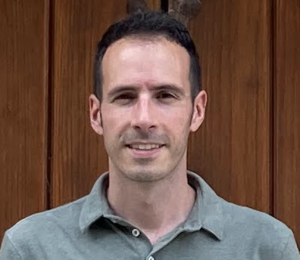
Dr. Lawrence Hayes is a Lecturer in Physiology at Lancaster Medical School, part of Lancaster University's Faculty of Health and Medicine. His research focuses on chronic condition management using mHealth approaches and developing exercise strategies to prevent disease. Key areas include endocrinology, exercise biochemistry, HIIT, and nutrition. He holds a PhD from the University of the West of Scotland (2014) and MSc/BSc qualifications from Manchester Metropolitan University. Dr. Hayes has secured significant research funding, including £500,000 from NIHR for a Long COVID trial and £300,000 in equipment grants. He serves as an external examiner for multiple universities’ sports medicine and exercise science programs. His work appears in journals like The American Journal of Medicine and Frontiers in Aging . Recent studies explore pacing strategies for ME/CFS, Long COVID symptom tracking, and digital interventions in elderly populations. His editorial roles include contributions to Frontiers in Physiology and COVID Journal .
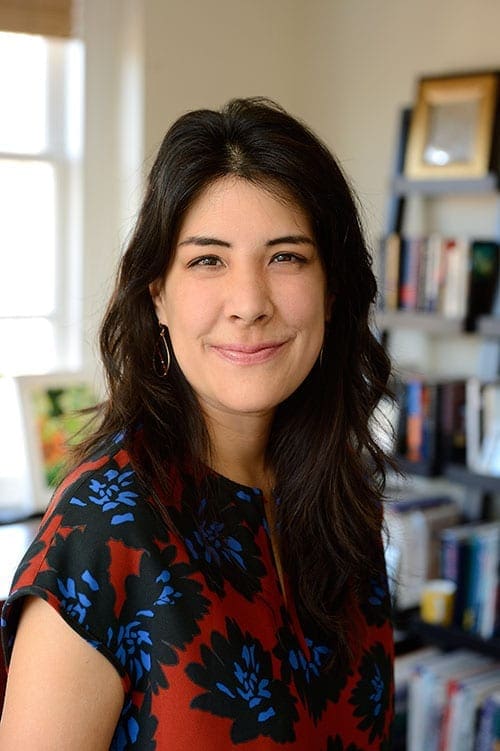
Anna Katariina von Zansen is a University Researcher at the Faculty of Education, University of Helsinki . She leads the AASIS project (Research Council of Finland, 2023–2027), focusing on automated assessment of oral interaction for Finnish L2 learners. Her research explores non-verbal features like gaze and gestures in language testing, integrating educational technology and multimodal analysis . Research Interests : computer-assisted language testing, language assessment, educational technology, multimodality, L2 listening and speaking, Many-facet Rasch measurement, non-verbal cues. Collaborations : Helsinki Institute for Social Sciences and Humanities, AFinLA network, international AI and linguistics teams. Selected Publications analyze automated speaking assessment (Interspeech 2024), multimodal L2 interaction (Ainedidaktisia näkökulmia 2024), and non-verbal communication in language testing (Acta Psychologica 2024). She co-developed the DigiTala tool for oral language evaluation. Scientific Awards : Recipient of the Kari Sajavaaran tunnustuspalkinto (2020) for outstanding applied linguistics research. Her work contributes to language pedagogy and digital assessment frameworks . Contact : anna.vonzansen@helsinki.fi (on parental leave until January 1, 2026; interim contact: Raili Hilden).
Lisa Feigenson is a Professor and Chair in the Department of Psychological & Brain Sciences at Johns Hopkins University, affiliated with the Krieger School of Arts & Sciences. She co-directs the Johns Hopkins University Laboratory for Child Development. Her research focuses on cognitive development, particularly numerical cognition and working memory, using behavioral methods to study infants, children, and adults. Feigenson holds a PhD from New York University. Her work explores how cognitive primitives develop across lifespan, including intuitive physics understanding, numerical abilities, and memory systems. Notable awards include the Troland Award (National Academy of Sciences), Boyd McCandless Award (APA), and McDonnell Scholar Award. Her lab investigates how infants and children process numerical information, working memory limits, and learning mechanisms triggered by expectation violations. Recent studies highlight resilience of numerical cognition in congenital blindness and links between approximate number systems and formal math skills. Feigenson has published extensively in top journals like Science, Nature, and PNAS. Her research bridges developmental psychology, cognitive neuroscience, and educational applications, emphasizing foundational cognitive capacities and their development.
Pengchong Zhang is Lecturer in Education (Second Language Learning) at the University of Reading's Institute of Education. His research examines second/foreign language acquisition with focus on technology-enhanced learning, vocabulary development, listening comprehension, classroom pedagogy, and advanced quantitative methods. Dr. Zhang serves as IoE Deputy Chair of Ethics, Research Committee ECR Representative, and International Students Co-ordinator. Current doctoral supervision includes projects on AI in language learning acceptance, digital vocabulary acquisition, teaching vocabulary to visually impaired learners, picturebooks in language teaching, mathematical thinking in reading comprehension, vocabulary interventions, academic self-concept, accountability in education, and informal digital learning. His teaching includes Academic English and Study Skills (EDM096), Analyzing Research Data in Education (EDM201), and MA dissertation supervision.
Kathleen Eberhard is an Associate Professor in the Department of Psychology at the University of Notre Dame's College of Arts and Letters. Her research specializes in psycholinguistics, bilingualism, and the cognitive mechanisms underlying language production and comprehension. She co-developed the visual world paradigm for studying real-time language processing. She holds a Ph.D. (1993) and M.A. (1991) in Cognitive Psychology from Michigan State University, and a B.A. (1987) in Psychology from the University of Rochester. Her research investigates bilingual language acquisition, coordination in dialogue, and syntactic processes in language production. Recent work focuses on how first-language structures influence second-language learning and real-time interaction dynamics. Her publications predominantly explore psycholinguistics, syntax, and bilingualism, with trends showing increased emphasis on cross-linguistic comparisons and computational modeling of language processes. She advises numerous graduate and undergraduate students, including Ph.D. candidates and capstone projects. Grant support includes funding from the Office of Naval Research and Notre Dame's Institute for Scholarship in the Liberal Arts. She directs the Language Lab, which uses eye-tracking and experimental methods to study language comprehension and production in collaborative settings.
Daniel R. Montello is a Distinguished Professor of Geography at the University of California, Santa Barbara (UCSB), affiliated with the Department of Psychological & Brain Sciences. He has been on the faculty since 1992, with prior roles including Visiting Assistant Professor at North Dakota State University and a Postdoctoral Fellow at the University of Minnesota. Montello holds a Ph.D. (1988) and M.A. in Psychology from Arizona State University and a B.A. in Psychology from Johns Hopkins University (1981). Research Interests: Montello's work bridges geography and psychology, focusing on spatial cognition, environmental psychology, and behavioral geography. Key areas include navigation, spatial learning, map cognition, cognitive cartography, and the role of spatial abilities in human behavior. He explores how humans perceive, learn, and interact with spaces, including urban environments, natural landscapes, and digital maps. Editorial Roles: Co-Editor of , and on editorial boards of Environment and Behavior and Journal of Environmental Psychology . He also co-edits academic books and contributes to spatial cognition conferences like COSIT. Education and Teaching: Teaches courses on behavioral geography, GIScience, and research methods. Authored/edited over 100 articles, 7 books, and co-edited influential volumes like the Handbook of Behavioral and Cognitive Geography . Recent work emphasizes collective spatial cognition and interdisciplinary applications in urban planning and environmental science. PhD Supervision: Advised 13 students on topics ranging from cognitive regions in GIScience to climate change communication and social navigation strategies. Awards and Recognition: While no specific awards are listed, his sustained contributions to spatial cognition and interdisciplinary research highlight his academic impact.
Manuel Pulido-Azpíroz is an Assistant Professor of Spanish and Linguistics at The Pennsylvania State University, with affiliations in the Department of Spanish, Italian, and Portuguese. His research focuses on second language acquisition, cognitive science, and psycholinguistics, particularly exploring how adults process and learn multiword units and how individual cognitive differences affect L2 learning outcomes. He directs the CoALA lab (Cognition of Adult Language Acquisition), utilizing methods like ERP, eye-tracking, and corpus data analysis. Key research themes include the role of input optimization, cognitive load, and cross-linguistic influences in L2 acquisition. His recent work examines nested collocations, Zipfian input effects, and neural correlates of L2 processing. Pulido holds a PhD and MA from Penn State and an MA from the University of Navarra.
Charles Perfetti is a Distinguished University Professor in the Department of Psychology at the University of Pittsburgh's Dietrich School of Arts & Sciences, where he directs the Reading and Language Laboratories. His research examines cognitive and neural foundations of reading across languages, with emphasis on word identification, comprehension, bilingual processing, and neural accommodation to writing systems. His primary research investigates reading comprehension through integrated lexical quality frameworks, neural mechanisms of language processing (using fMRI and ERP), cross-linguistic comparisons of reading acquisition, and second language learning. Recent work explores Chinese-English bilingual processing, neural correlates of text integration, and universal characteristics of reading systems. Publications over the past 15 years demonstrate consistent themes: cognitive architecture of reading, neural plasticity in literacy development, bilingual lexical representation, and methodological innovations in measuring reading processes. Strong emphasis on writing system variation characterizes his comparative research program. Distinguished Scientific Contribution Award, Society for the Scientific Study of Reading (2004) Chancellor's Distinguished Research Award (2000) Elected to FABBS 'In Honor Of' Program (2017) Distinguished Scholar Award, AERA Research in Reading and Literacy SIG (2017) He currently advises graduate students Geoffrey Lizar and Weiqi Wang, and leads NSF-funded projects on reading across writing systems. As Director of the Learning Research & Development Center, he oversees collaborative projects integrating cognitive science with educational applications.
Dr. David Hamilton is a Teaching Professor in Psychology at the University of Strathclyde, where he joined as a Teaching Associate in 2022. He specializes in leveraging Virtual Reality (VR) and Generative Artificial Intelligence (AI) as pedagogical tools to enhance learning outcomes, empathy, and perspective-taking in educational settings. His research aligns with UN Sustainable Development Goals, particularly addressing quality education (SDG 4) through innovative teaching methodologies. Hamilton teaches on modules such as B9200 - Introduction to Mental Health Difficulties and C8201 - Cognition and Neuropsychology , alongside supervising undergraduate and postgraduate research projects. He leads two notable projects: Behind the Prompts (examining AI-driven learning) and Virtual StatsLab (using VR to improve statistical comprehension). His research interests focus on educational technology, with studies analyzing VR adoption barriers, statistics anxiety in students, and AI integration in curricula. Collaborations with colleagues like Dr. March and Dr. Brisco highlight interdisciplinary teamwork in advancing educational practices. Hamilton’s work emphasizes practical applications of technology in classrooms, aiming to bridge gaps between theoretical knowledge and real-world skills through immersive and adaptive learning environments.
Jesse Snedeker is a Professor in the Department of Psychology at Harvard University, within the Faculty of Arts and Sciences. Their research investigates the cognitive and linguistic mechanisms underlying language acquisition and processing in children, with a particular focus on naturalistic contexts and developmental trajectories. Education: University of Washington, B.A., 1994 University of Pennsylvania, M.A., 1996 University of Pennsylvania, Ph.D., 1999 Dr. Snedeker's research centers on psycholinguistics and cognitive development, especially how children learn language through interaction, context, and prediction. Their work integrates behavioral, electrophysiological (EEG), and eye-tracking methodologies to explore lexical processing, syntactic generalization, and semantic integration in both typical development and autism. A strong emphasis is placed on naturalistic paradigms and real-world language input. The recent publications reflect a cohesive research program examining language acquisition through meta-analytic, experimental, and methodological lenses. Themes include the role of caregiver input, form- and meaning-based prediction, cascaded processing in production, and innovative data collection techniques like webcam eye-tracking. The work spans cognitive psychology, developmental science, and neuroscience, often employing advanced tools to study real-time language use in children. Scientific Awards: No awards listed in the provided text. Dr. Snedeker leads the Snedeker Lab at Harvard, mentoring graduate and undergraduate researchers involved in studies on language and cognition in autism and typical development. Their lab conducts both in-person and online studies, contributing to foundational knowledge in language acquisition. While specific grants are not mentioned, the breadth and technical sophistication of the research suggest sustained funding support. Future work appears to be advancing naturalistic methods and deepening understanding of interactive language learning.
Elika Bergelson is an Associate Professor in the Department of Psychology at Harvard University, where she leads the Bergelson Lab (BLAB) within the Laboratory for Developmental Studies. Her research investigates how infants learn language from their surrounding linguistic, visual, and social environments. She previously held faculty positions at Duke University and the University of Rochester, and her work bridges developmental psychology, cognitive science, and linguistics. PhD in Psychology, University of Pennsylvania (2013) Postdoctoral Researcher, University of Rochester (2013–2014) Research Assistant Professor, University of Rochester (2014–2016) Assistant/Associate Professor, Duke University (2016–2022) Associate Professor, Harvard University (2023–present) Her research focuses on early lexical development, particularly how infants comprehend words before they can speak. She is best known for identifying the “comprehension boost” — a rapid improvement in word understanding around 12–14 months. Using eye-tracking, EEG, corpus analysis, and behavioral methods, her lab explores how sensory input, social interaction, and language exposure shape learning. She also studies language development in blind and deaf/hard-of-hearing infants to understand the role of sensory modalities in acquisition. The recent articles reflect a strong focus on naturalistic language input, cross-linguistic comparisons, and developmental mechanisms. Themes include the impact of parental talk, the relationship between tonal language experience and music processing, and the structure of early vocabularies. Her work increasingly incorporates large-scale data and cross-cultural collaboration, as seen in her PNAS and Science publications. Scientific Awards: NIH Early Investigator Award FABBS Early Career Award Bergelson mentors students and researchers at all levels and is committed to open science, sharing data via HOMEBANK, Databrary, and GitHub. She actively engages in science communication, with media features in the NIH Director’s Blog, BBC, ABC Australia, and Harvard Gazette. Her lab emphasizes diversity, equity, and inclusivity in both research participation and training. The Bergelson Lab is part of Harvard’s Laboratory for Developmental Studies and continues the SEEDLingS project’s legacy while expanding into new domains like atypical development and cross-linguistic studies.
Faouzi Alaya Cheikh is a Professor of Computer Science at NTNU, affiliated with the Faculty of Information Technology and Electrical Engineering. He holds a BSc in Electronics (ENIT, Tunisia, 1992), MSc in Signal Processing (TUT, 1997), and a Dr. Tech. in Signal Processing (TUT, 2004). His career includes roles as an Associate Professor at Gjøvik University College (2006–2015), researcher at TUT (1994–2006), and Electronics Engineer at Société Tunisienne de l'Éléctricité et du Gaz (1992–1993). He leads the Intelligent Systems and Analytics (ISA) research group at NTNU. His research focuses on machine learning, 3D imaging, video surveillance, biometrics, and healthcare applications. Notable projects include Alameda , HiPerNav , and INID . Key areas of innovation include liver surgery visualization, polyp segmentation, facial expression recognition, and IoT-driven healthcare solutions. His work bridges computer vision, medical imaging, and biomedical signal processing. Publications span 2018–2025, emphasizing biomedical applications, autonomous systems, and deep learning frameworks. Recent contributions include real-time liver resection planning, polyp segmentation networks, and emotion recognition for neurological care. Collaborations span industries and institutions globally, addressing challenges in healthcare technology, surgical navigation, and smart cities.
Kwangmin Lee is an Assistant Professor in the Department of Special Education and Literacy Studies at Western Michigan University, where he specializes in TESOL and language assessment. His research integrates quantitative methodologies with applied linguistics to advance understanding of second language reading and writing assessment. Research Interests: Dr. Lee's work centers on language testing and assessment, particularly using statistical and psychometric approaches to analyze second language learners’ performance. His expertise includes educational measurement, research methods in TESOL, and the validation of assessment tools. He investigates areas such as automated writing evaluation, rater reliability, test motivation, and the cognitive aspects of reading and writing in EFL contexts. The recent publications highlight a strong trend in psychometrics, validity, and the application of advanced quantitative techniques—including item response theory, confirmatory factor analysis, and machine learning—to problems in language assessment. His work frequently appears in top-tier journals such as Language Testing , Assessing Writing , and System . Scientific Contributions: Published in leading journals in applied linguistics and language assessment Focused on improving the validity and reliability of language tests Developed and validated assessment instruments for writing self-efficacy and critical thinking Explored technological and cognitive dimensions of language learning and testing Advising and Grants: While specific students or funded grants are not mentioned in the available text, Dr. Lee’s research profile suggests active mentorship potential in quantitative research methods and language assessment. His methodological rigor positions him to lead or contribute to large-scale research initiatives, particularly those involving data-driven evaluation of language programs. Labs and Research Teams: There is no explicit mention of a lab or research team in the provided information. However, his interdisciplinary focus on measurement, statistics, and language learning suggests potential collaboration with educational research centers or language technology initiatives.
Brian W. Dillon is a Professor of Linguistics at the University of Massachusetts Amherst, directing the Computational Sentence Processing Lab. He specializes in psycholinguistics, focusing on real-time sentence processing, working memory, and cross-linguistic studies. Dillon holds a Ph.D. from the University of Maryland and a B.A. from SUNY Buffalo. Research : Investigates how cognitive resources like attention and memory influence language comprehension, with studies on languages such as English, Mandarin, Turkish, and Irish. Key projects include syntactic ambiguity resolution, neural network modeling of syntactic processing, and working memory dynamics in sentence interpretation. Recent Work : Published on eye-tracking methods, language model surprisal and garden path effects, and binding theory. Collaborates on NSF-funded projects exploring syntactic dependency formation and interference in agreement processing. Awards : Received the Distinguished Paper Award at CoNLL 2022 for contributions to syntactic surprisal modeling. Labs & Teams : Leads the Computational Sentence Processing Lab, focusing on experimental and computational methods. Current team includes PhD students like Özge Bakay and Satoru Ozaki, with alumni in academic and industry roles.
Dr Yuanchen Xu is a Lecturer in Computer Science in the Department of Computing & Informatics at Bournemouth University, Faculty of Science and Technology. He holds a PhD in Computer Science (2022) and an MSc in Computing from De Montfort University, and brings over 8 years of industry experience in full-stack software development. Research Interests: His work centers on computational intelligence, including fuzzy logic, rough set theory, neural networks, and grey systems, applied to complex real-world problems involving uncertainty and stochastic decision-making. His primary applications are in cybersecurity, particularly proactive incident response informed by cyber threat intelligence, and intelligent decision support systems. The recent publications reflect a strong focus on integrating business processes with cyber threat intelligence models, developing efficient computational methods using rough sets, and exploring human-centric intelligent systems such as motivation-aware e-learning tools. The research spans disciplines of cybersecurity, artificial intelligence, and human-computer interaction. Scientific Grants: Psychological aspects and cyber threat intelligence (BU Computing QR, awarded October 21, 2024) Teaching and Supervision: Dr Xu leads key units including Security Operations (SecOps) and Introduction to Information Systems Analysis. He also supervises undergraduate final year projects and postgraduate research students. He is actively involved in both undergraduate and postgraduate teaching profiles. Laboratory and Research Environment: While specific lab affiliations are not explicitly mentioned, his research is conducted within the Department of Computing & Informatics at Bournemouth University, likely involving collaboration with cybersecurity and AI research groups.